18 Rare Natural Events That Most People Never Get to See
Nature puts on spectacular shows that most of us will never witness firsthand. While we’re all familiar with rainbows and lightning storms, there are countless natural phenomena happening around the world that are so rare or remote they remain hidden from most human eyes. These events range from stunning light displays to bizarre weather patterns that seem almost too incredible to be real.
From the depths of the ocean to the heights of the atmosphere, our planet constantly produces extraordinary spectacles that challenge our understanding of what’s possible. Here’s a list of 18 rare natural events that showcase just how amazing and mysterious our world can be.
Orb Lightning

Orb lightning appears as glowing spheres that float through the air during thunderstorms — lasting anywhere from a few seconds to several minutes. These mysterious orbs can be as small or as large as a basketball, moving unpredictably through the sky before suddenly vanishing.
Scientists still debate exactly how orb lightning forms, which makes it one of nature’s most puzzling electrical phenomena.
Earthquake Lights
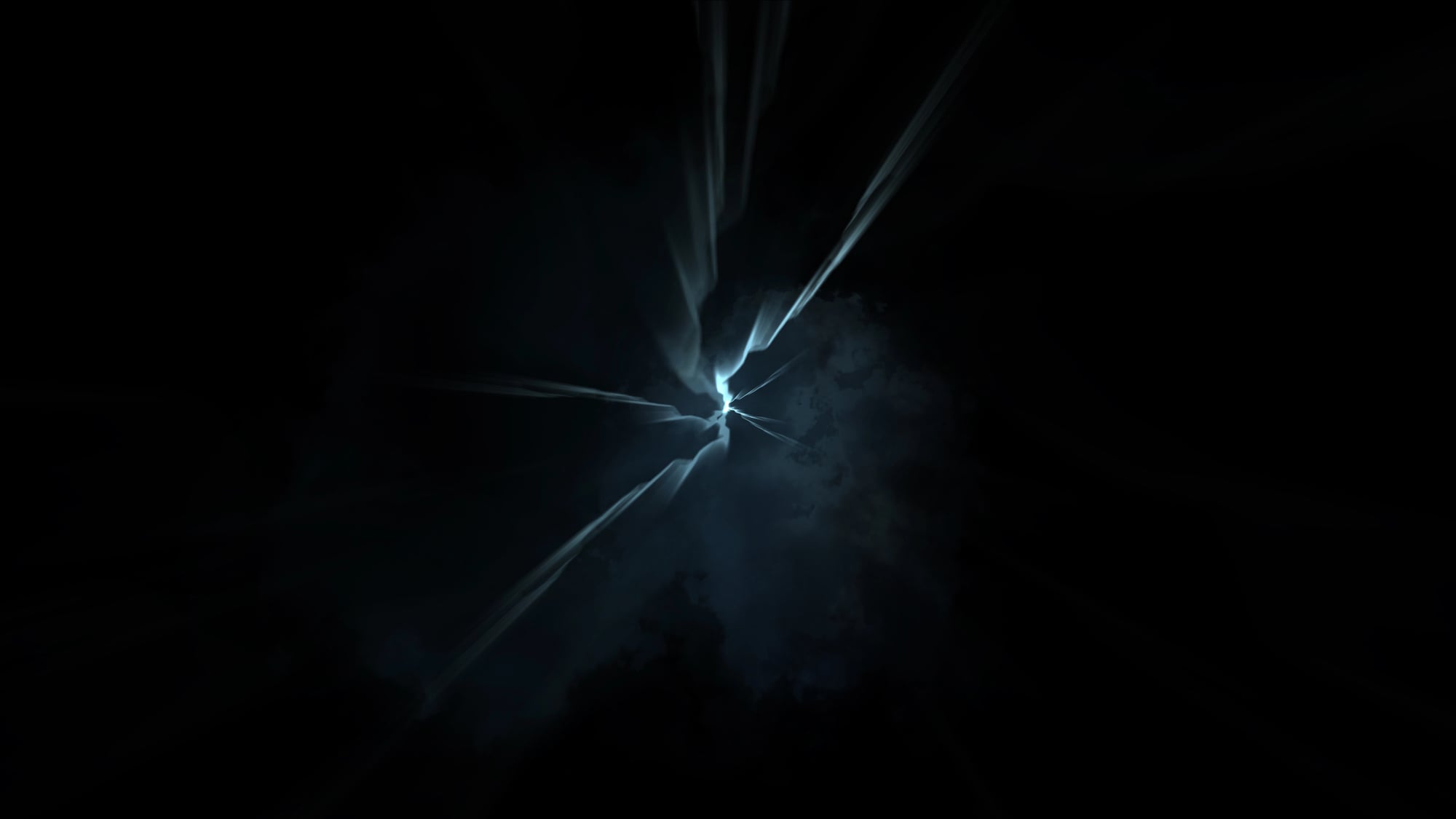
Just before, during, or after major earthquakes, some people report seeing strange flashes of light in the sky that resemble aurora displays. These earthquake lights can appear as brief flashes, steady glows — or even flame-like columns rising from the ground.
The phenomenon likely occurs when tectonic stress creates electrical charges in certain types of rock, though scientists are still working to fully understand the mechanism.
Fire Whirls

Fire whirls form when intense heat and turbulent wind conditions create spinning columns of flame that can reach hundreds of feet into the air. These terrifying natural tornadoes of fire most commonly occur during large wildfires, where they can actually help spread the flames to new areas.
While they look like something from a disaster movie — fire whirls are a real and dangerous part of how some wildfires behave.
Frost Flowers
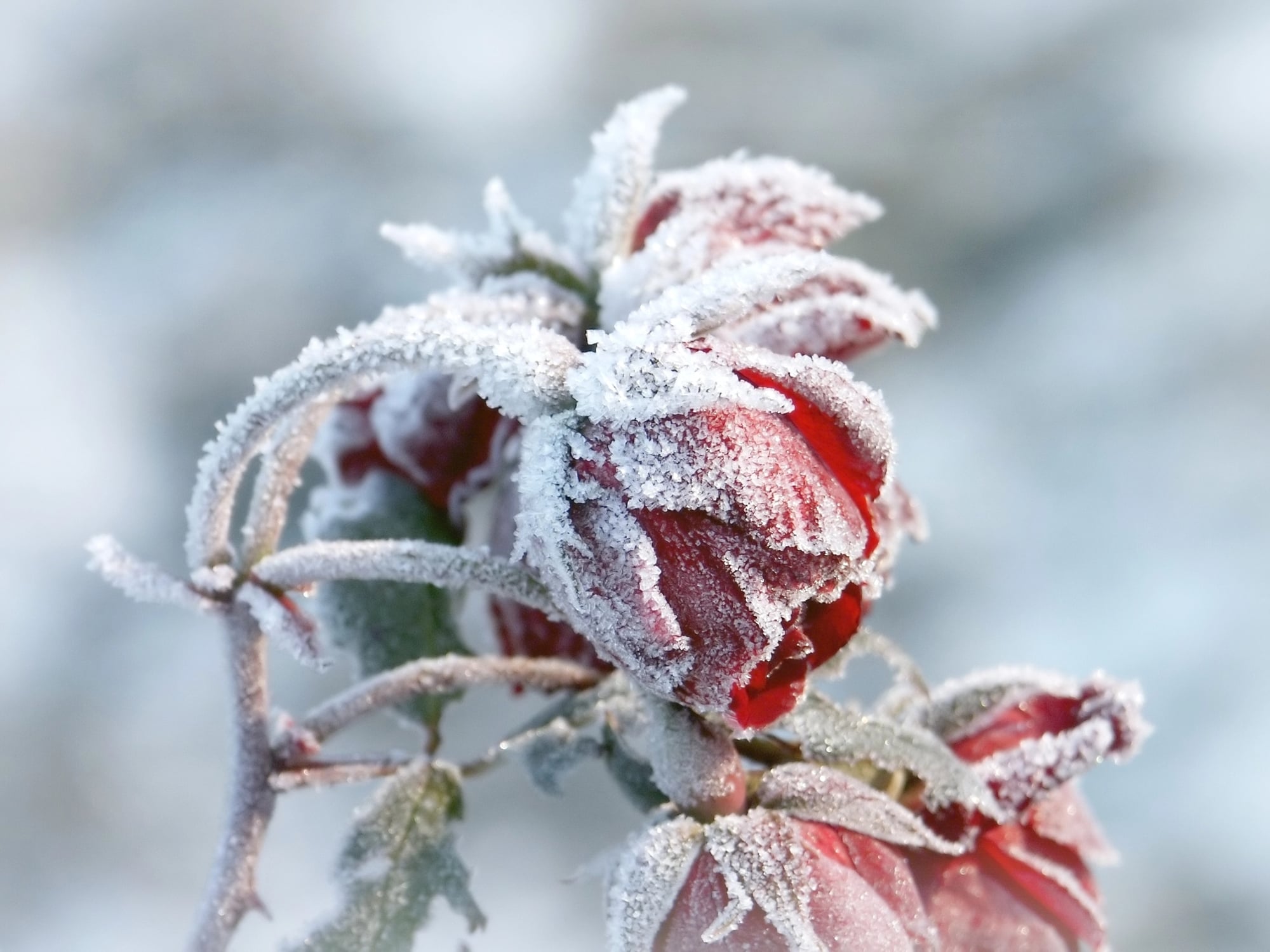
When the temperature drops just below freezing and the air remains humid, delicate ice formations called frost flowers can bloom from plant stems and soil. These intricate crystalline structures look like white flowers made of the finest lace — appearing overnight and disappearing as soon as the sun hits them.
The phenomenon requires such specific conditions that most people never encounter these ephemeral ice gardens.
Green Flash

Just as the sun sets over a clear horizon, observers might catch a glimpse of a brilliant green flash that lasts only a second or two. This optical phenomenon occurs when Earth’s atmosphere acts like a prism — bending different colors of sunlight at slightly different angles.
The green flash is most visible over ocean horizons and requires exceptionally clear atmospheric conditions to appear.
Lenticular Clouds
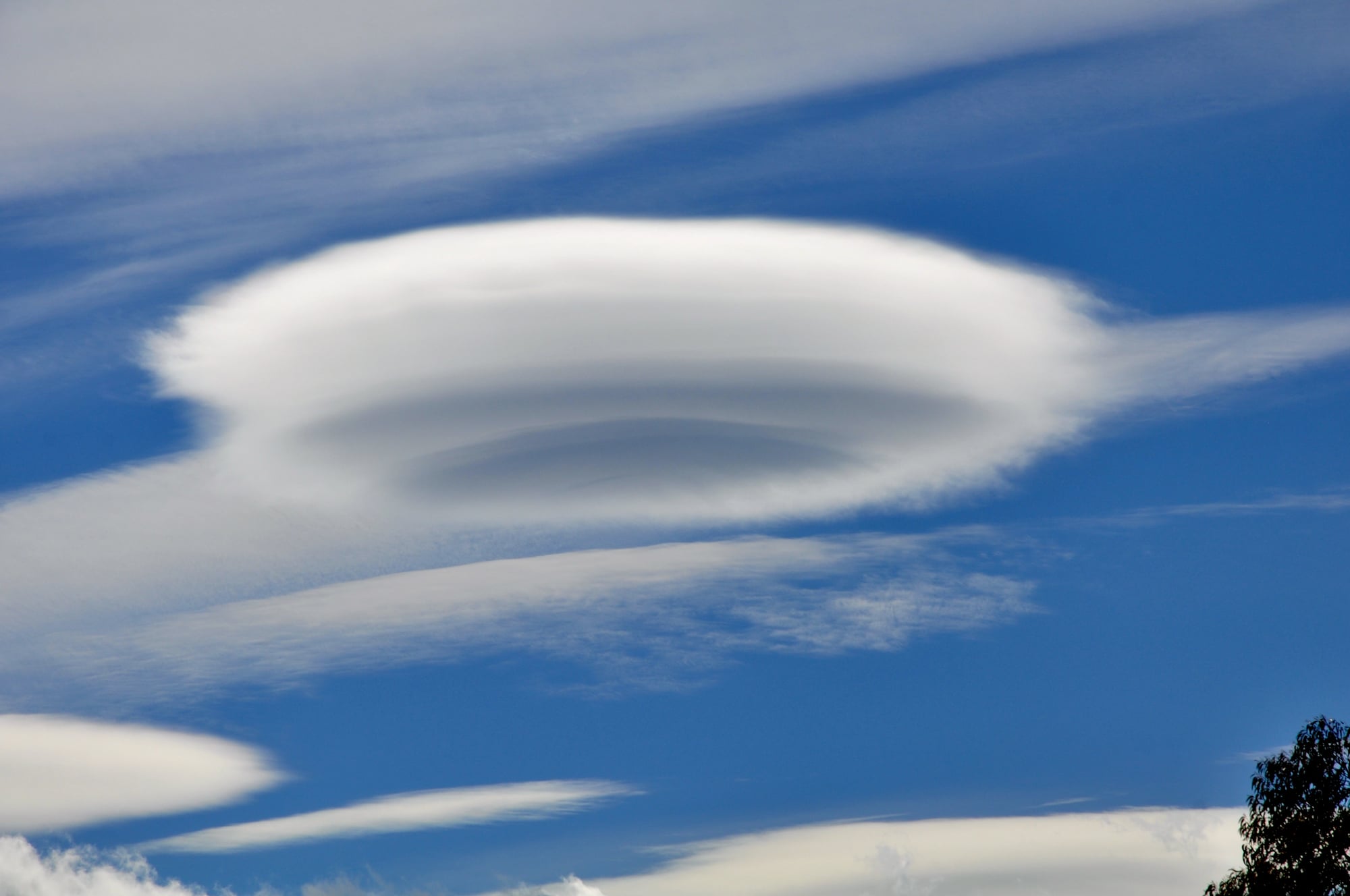
These smooth, lens-shaped clouds form when air flows over mountains and creates standing waves in the atmosphere. Lenticular clouds often look so perfectly sculpted and unusual that they’re frequently mistaken for UFOs by startled observers.
They remain stationary relative to the mountain peaks that create them — even as strong winds blow other clouds rapidly across the sky.
Mammatus Clouds
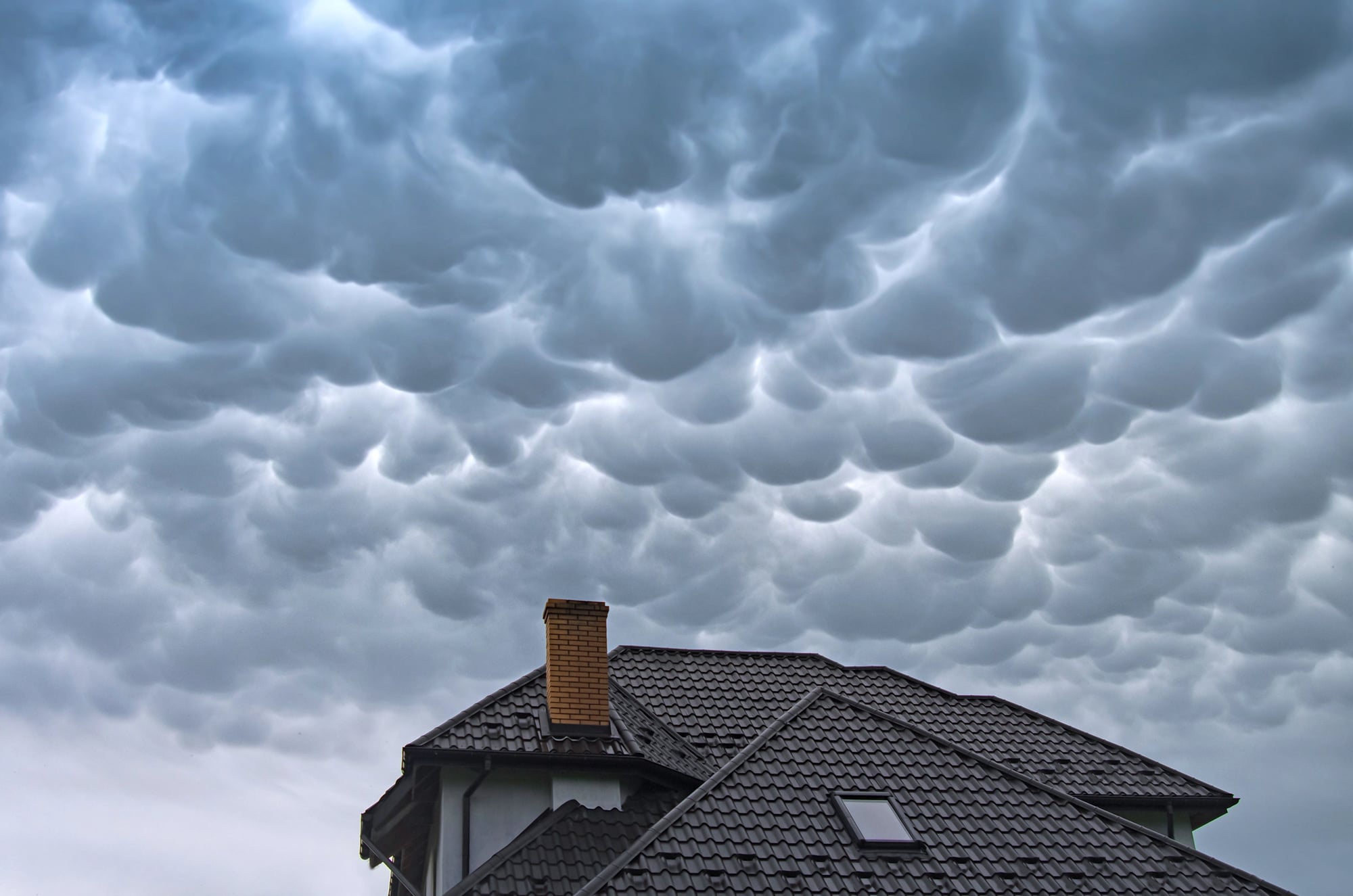
While most clouds billow upward, mammatus clouds hang from the sky like enormous pouches or udders — creating an otherworldly inverted landscape. These formations develop when cold, dense air sinks down from the base of a cloud, creating the distinctive bulging appearance.
Mammatus clouds often appear after severe thunderstorms and can cover hundreds of square miles with their strange, drooping formations.
Noctilucent Clouds
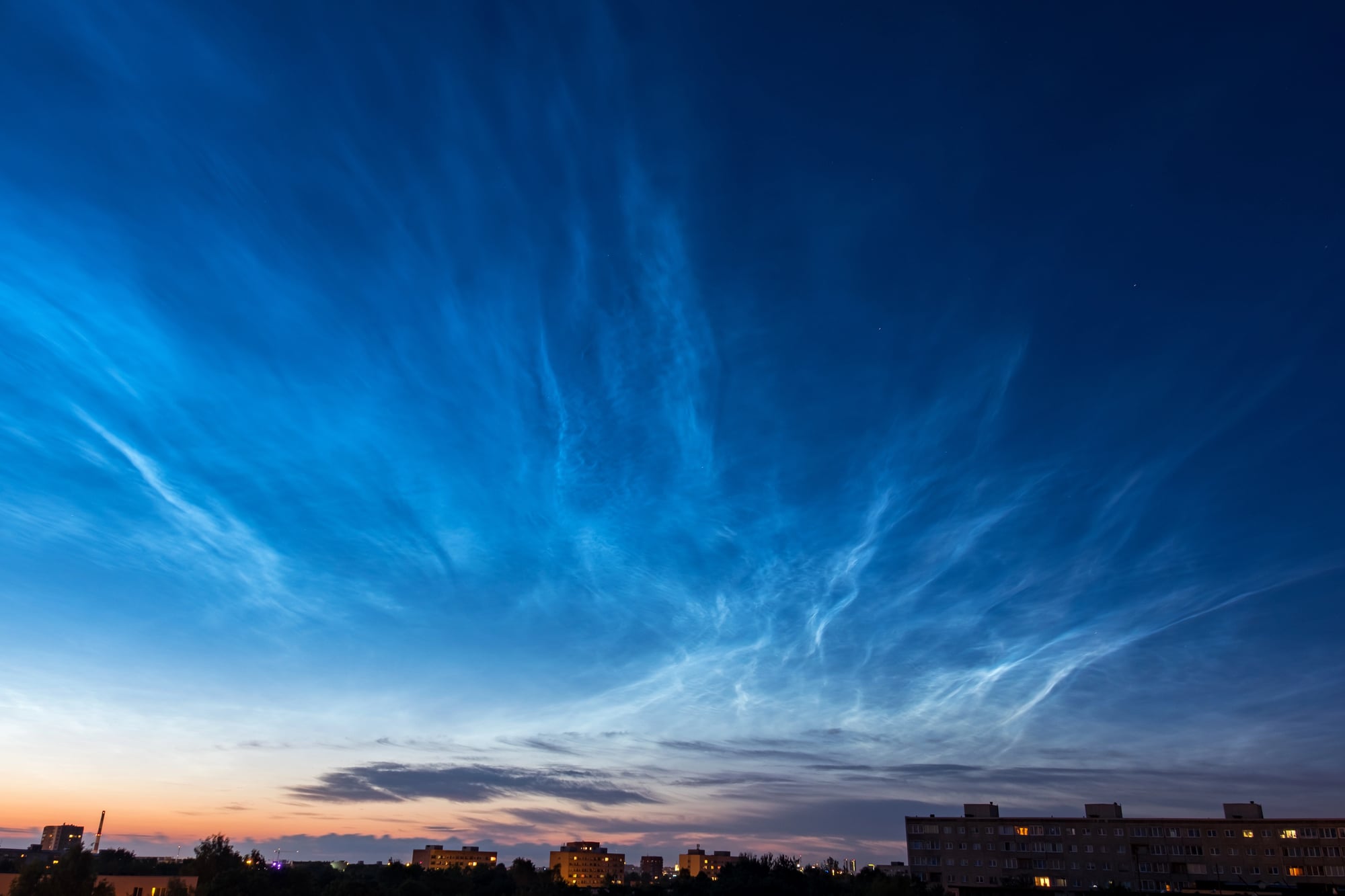
Noctilucent clouds shine with an ethereal blue-white glow against the night sky — appearing only during summer months at high latitudes. These clouds form at the very edge of space, about 50 miles above Earth’s surface, where they catch sunlight long after darkness has fallen at ground level.
The phenomenon has become more common in recent decades, possibly due to changes in atmospheric conditions.
Rogue Waves

In the middle of otherwise calm seas, massive waves can suddenly appear without warning — towering 80 feet or more above the surrounding water. These rogue waves were once considered sailor’s tales until satellite data confirmed their existence, revealing that they’re much more common than previously thought.
The waves form when multiple smaller waves combine at just the right moment, creating temporary giants that can easily destroy ships.
Sailing Stones

In certain desert valleys, massive boulders somehow move across flat surfaces, leaving mysterious trails behind them with no apparent explanation. For decades, these ‘sailing stones’ baffled scientists who couldn’t figure out how rocks weighing hundreds of pounds could slide across the desert floor.
The mystery was finally solved when researchers discovered that thin sheets of ice can form on rare rainy nights — allowing strong winds to push the stones across the slippery surface.
Sprites and Elves
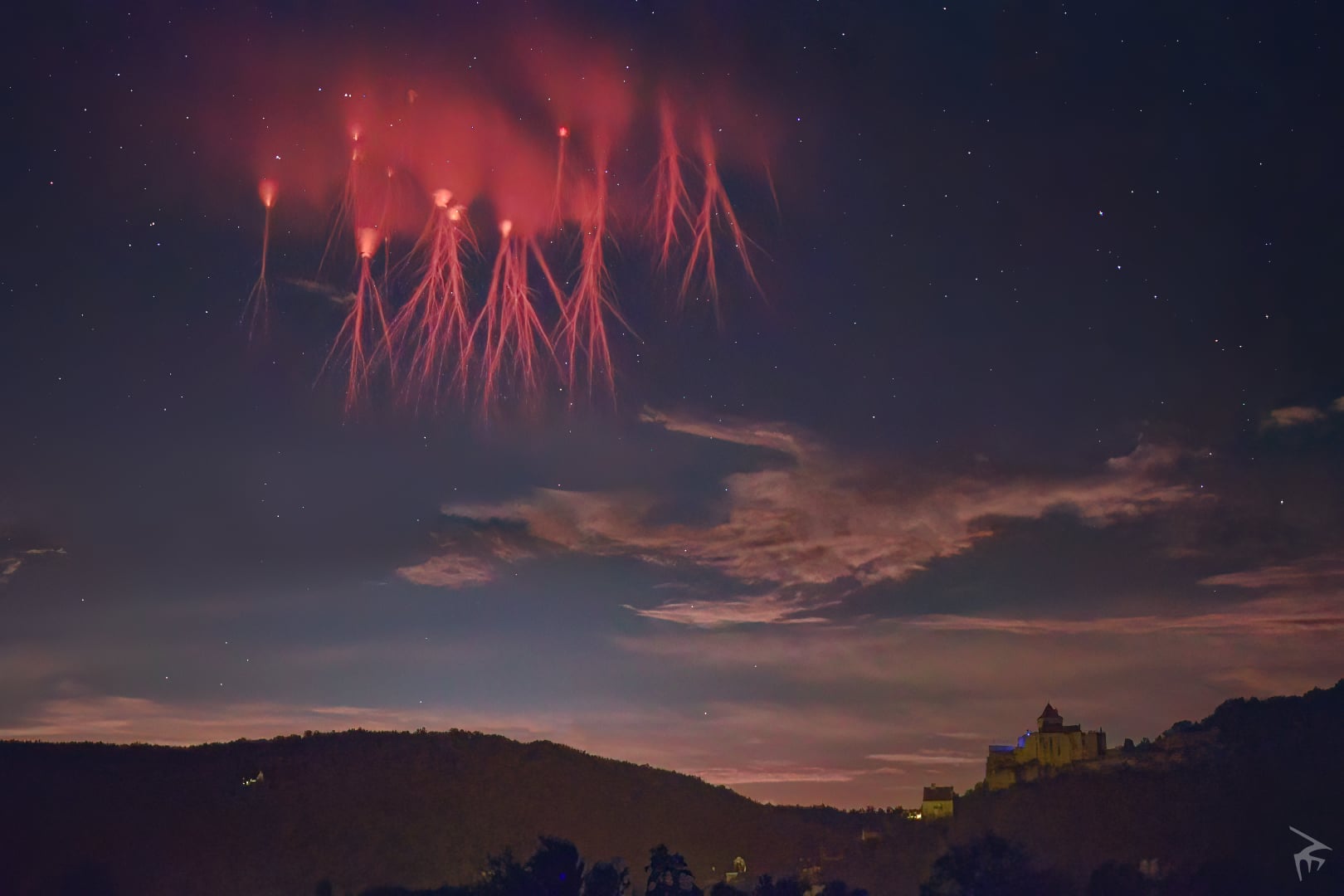
High above thunderstorms, brief flashes of red light called sprites dance through the upper atmosphere, lasting only milliseconds. These electrical discharges occur 30 to 50 miles above the clouds.
They’re triggered by powerful lightning strikes below. Even rarer are elves, which appear as expanding rings of light that can spread across hundreds of miles of sky in less than a thousandth of a second.
St. Elmo’s Fire

During thunderstorms, pointed objects like ship masts or airplane wings can become surrounded by a blue or violet glow that flickers and dances like flame. This phenomenon, known as St. Elmo’s fire, occurs when the electrical field around these objects becomes so strong that it causes the air itself to glow.
Sailors have reported this eerie light for centuries, often interpreting it as a supernatural sign.
Volcanic Lightning
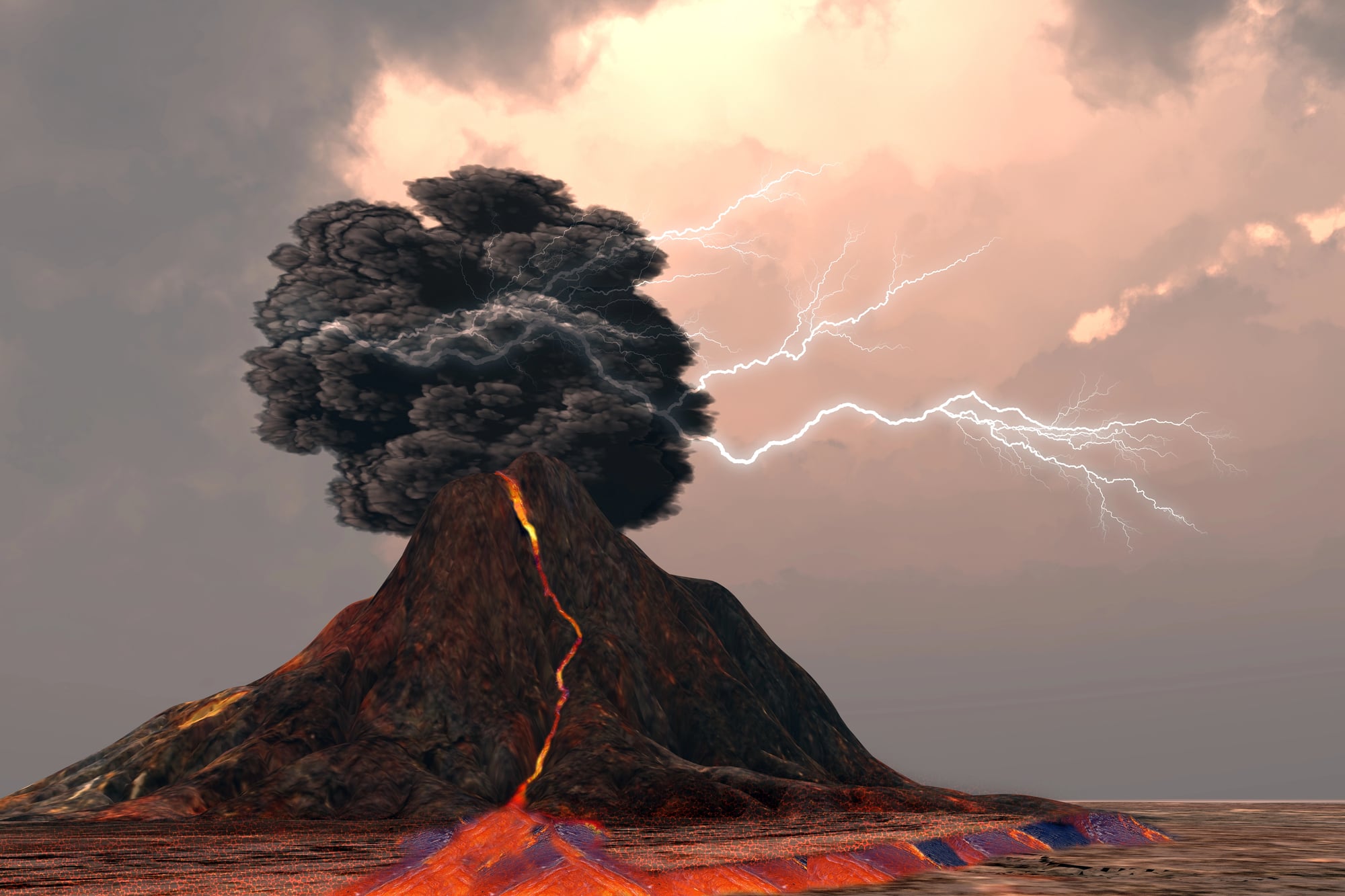
When volcanoes erupt, they sometimes generate their own lightning storms within the ash clouds, creating spectacular displays of electrical activity. This volcanic lightning forms when ash particles collide and create electrical charges, similar to how ice particles create lightning in regular thunderstorms.
The combination of glowing lava and crackling lightning creates some of the most dramatic natural light shows on Earth.
Waterspouts
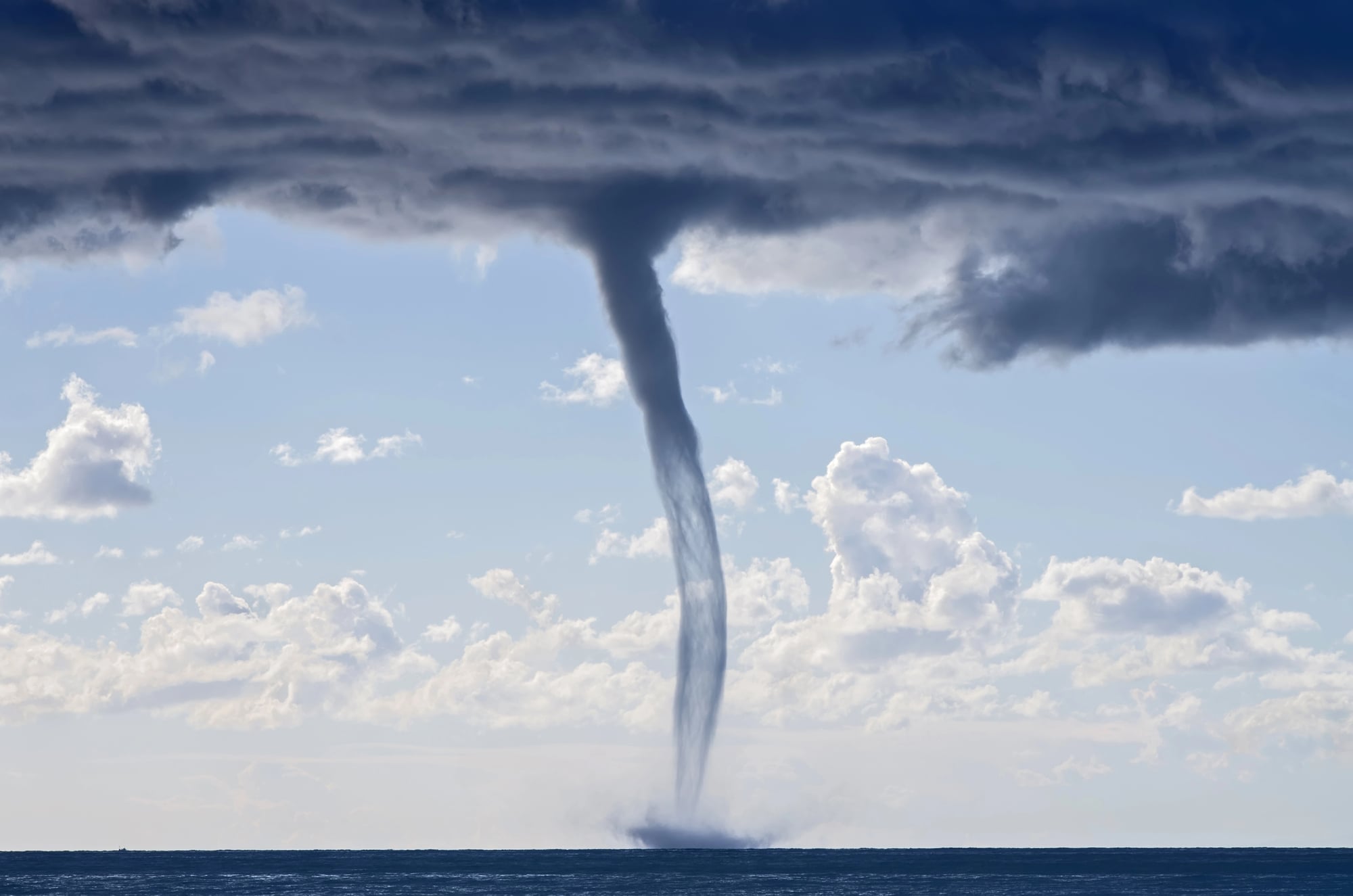
These tornado-like columns of spinning air and water form over lakes and oceans, creating a direct connection between the water surface and the clouds above. Waterspouts can be just as powerful as land tornadoes, capable of lifting boats and causing significant damage if they move onshore.
Most waterspouts are relatively weak and short-lived, yet they create an impressive sight as they dance across the water.
Moonbows
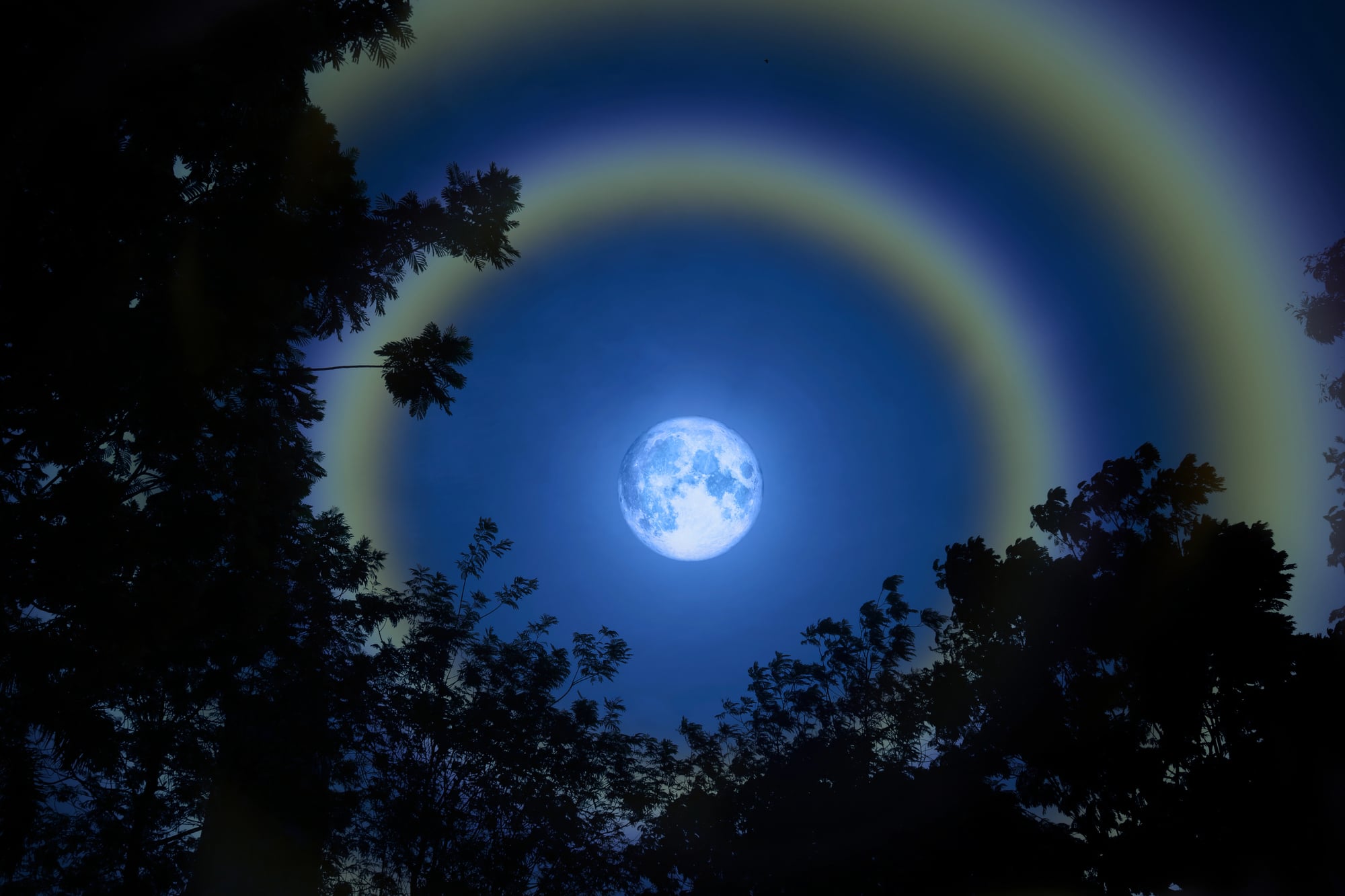
When moonlight is bright enough and atmospheric conditions are just right, rainbows can appear in the darkness, though they usually look white or pale to the human eye. These moonbows require a full or nearly full moon behind the observer and rain or mist in front of them, making them much rarer than their daylight counterparts.
Long-exposure photography can reveal the full spectrum of colors that our eyes can’t detect in the dim light.
Brinicles

In the polar oceans, underwater ‘icicles of death’ called brinicles can form when extremely cold, salty water sinks and freezes the less salty water around it. These formations create hollow tubes of ice that descend toward the seafloor, freezing and killing any small sea creatures they encounter.
The phenomenon was only captured on film for the first time in 2011, revealing this deadly underwater ice formation to the world.
Asperitas Clouds
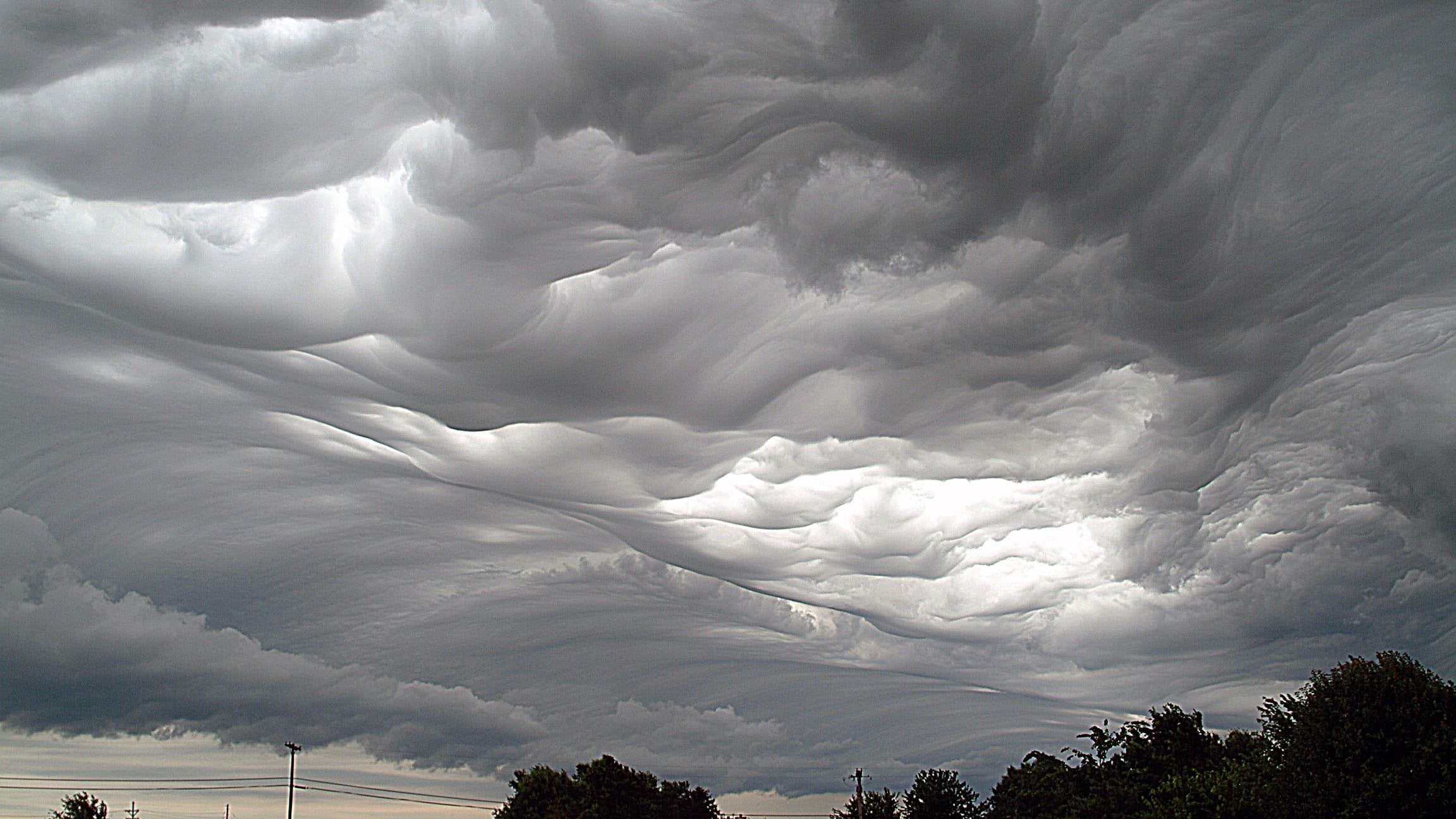
These dramatic clouds look like ocean waves viewed from underwater, with dark, turbulent formations that seem to roll across the sky. Asperitas clouds are so rare that they were only officially recognized as a distinct cloud type in 2017, making them the first new cloud classification in over 60 years.
They typically form in the aftermath of thunderstorms and create an ominous, almost supernatural appearance.
Bioluminescent Waves
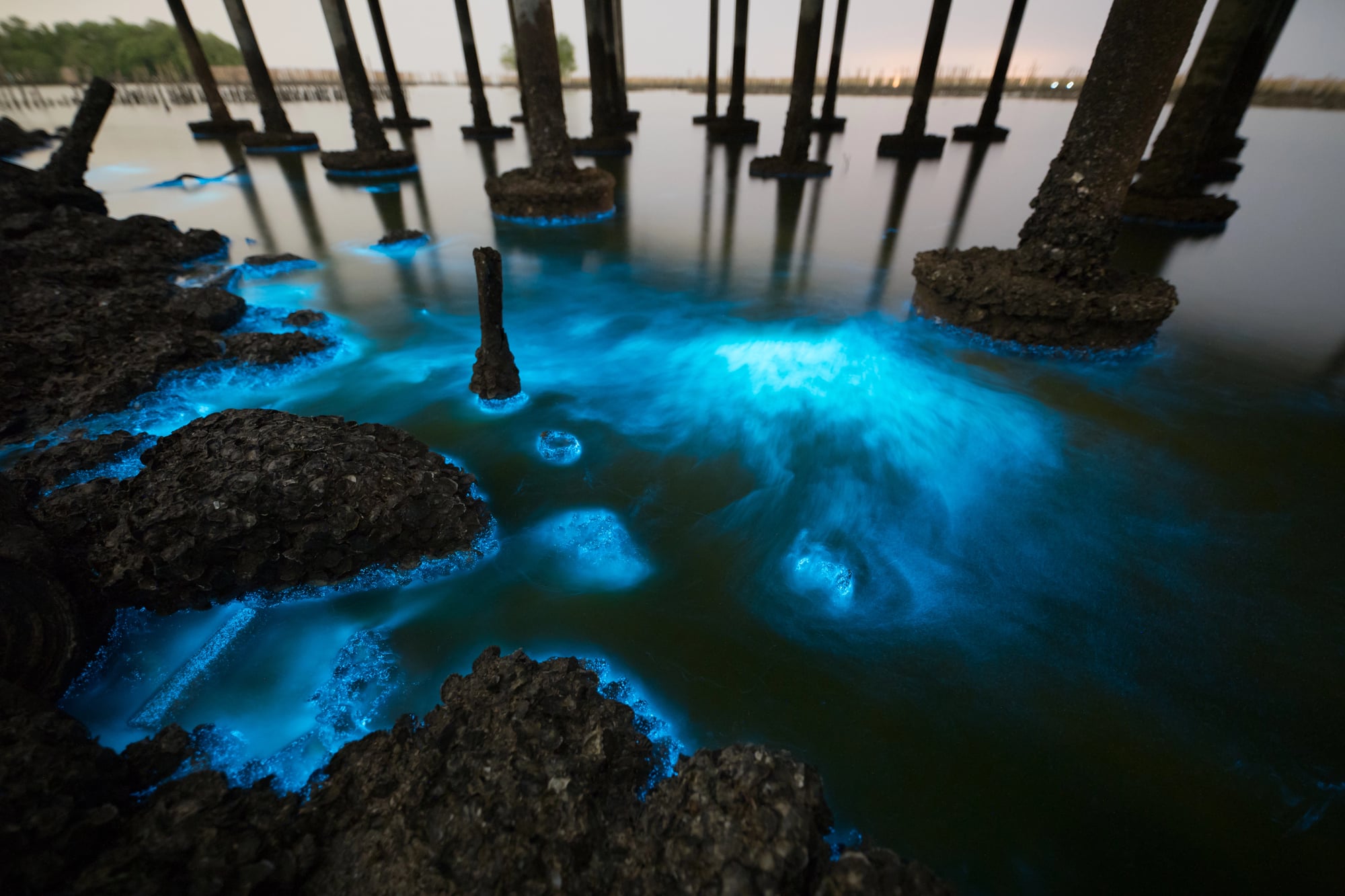
On certain beaches around the world, waves can glow with an electric blue light when disturbed, creating a magical scene that looks like something from a fantasy movie. This bioluminescence is caused by microscopic organisms called dinoflagellates that emit light when agitated as a defense mechanism.
The phenomenon is unpredictable and can last for days or disappear overnight, making it a true natural lottery for beachgoers.
When Science Meets Wonder

These rare natural events remind us that our planet is far more dynamic and mysterious than we often realize. While modern technology has helped us understand many of these phenomena, they still inspire the same sense of awe and wonder that humans have felt for thousands of years.
Each of these events represents a unique combination of atmospheric, geological, or biological conditions that align in just the right way to create something extraordinary. The next time you’re outdoors, keep your eyes open. You never know when nature might decide to put on one of its most spectacular shows.
More from Go2Tutors!

- The Romanov Crown Jewels and Their Tragic Fate
- 13 Historical Mysteries That Science Still Can’t Solve
- Famous Hoaxes That Fooled the World for Years
- 15 Child Stars with Tragic Adult Lives
- 16 Famous Jewelry Pieces in History
Like Go2Tutors’s content? Follow us on MSN.



