Interesting Facts About Presidential Pets
The White House has housed some of the most powerful leaders in world history, but it’s also been home to an astonishing variety of animals.
From the expected dogs and cats to alligators and bear cubs, presidential pets have been as diverse as the men who owned them.
These animals weren’t just companions.
They shaped public opinion, provided comfort during crises, and sometimes caused minor diplomatic incidents.
Here’s a closer look at the creatures that have called 1600 Pennsylvania Avenue home.
Thomas Jefferson kept grizzly bears on the lawn
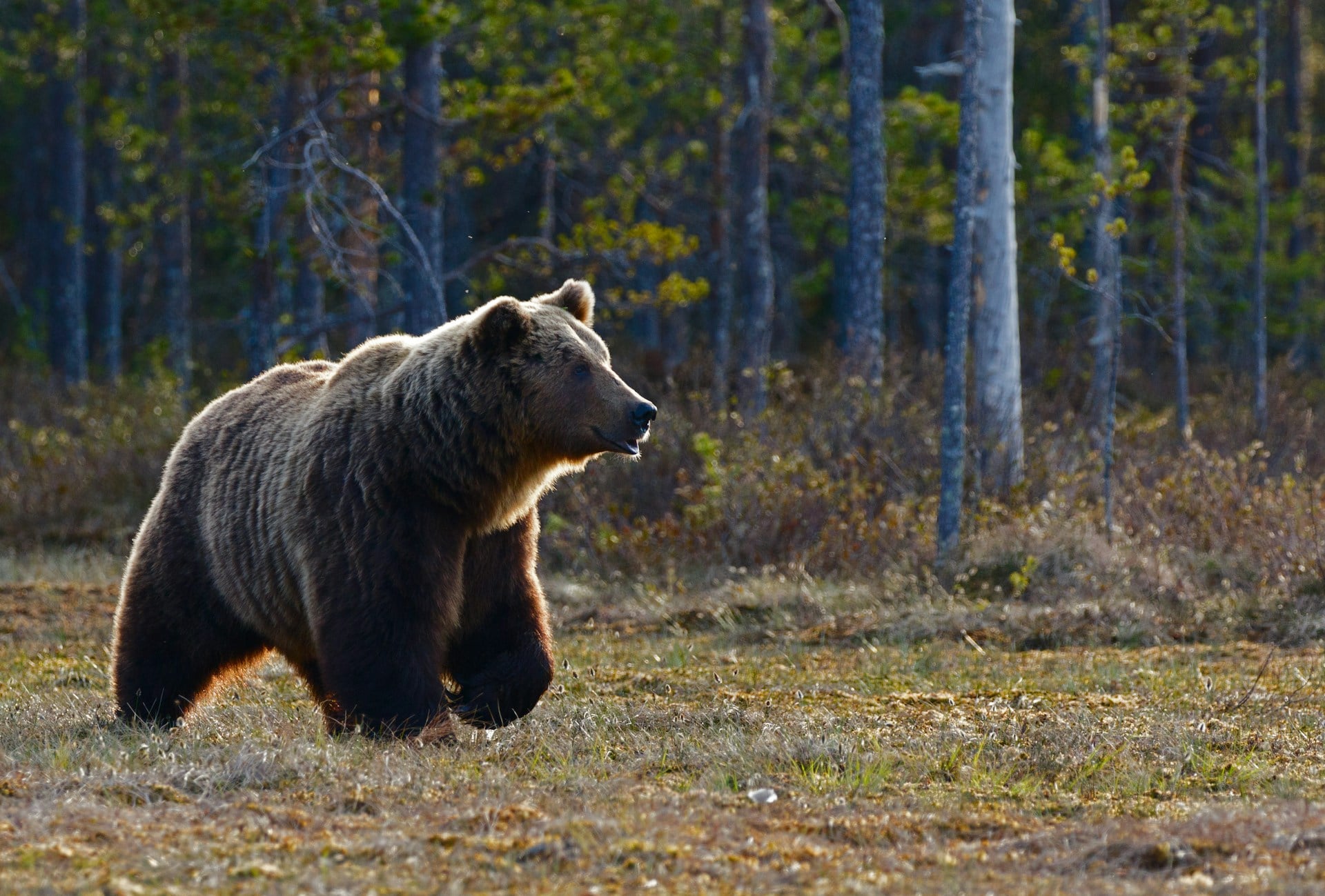
Thomas Jefferson received two grizzly bear cubs as a gift from explorer Zebulon Pike in 1807.
Instead of politely declining or finding them a new home immediately, Jefferson kept the bears in a cage on the White House lawn for several months.
Visitors to the presidential residence could see the massive predators up close, which must have been both thrilling and terrifying.
The bears eventually moved to a museum in Philadelphia, but for a while, the White House grounds doubled as a rather intimidating zoo.
Calvin Coolidge had a pet raccoon named Rebecca
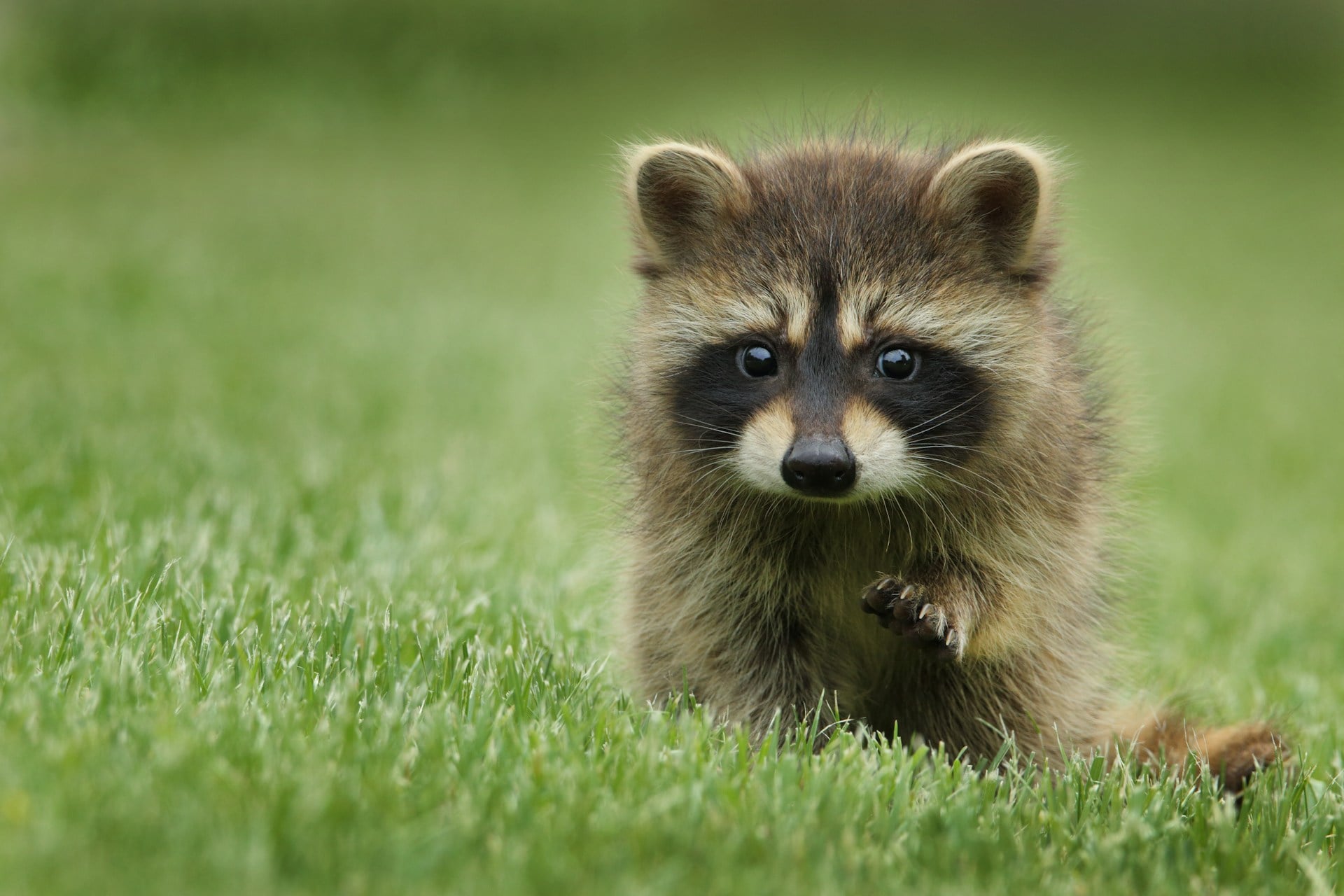
Rebecca the raccoon was originally sent to the White House as a potential Thanksgiving dinner in 1926, but President Coolidge and his wife Grace decided to keep her as a pet instead.
Rebecca had her own special house, walked on a leash, and enjoyed baths in a bathtub.
She became so beloved that when she escaped once, the entire staff searched frantically until they found her.
The Coolidges later got a second raccoon named Horace to keep Rebecca company, turning the White House into an unexpected raccoon sanctuary.
Theodore Roosevelt’s children brought a pony upstairs
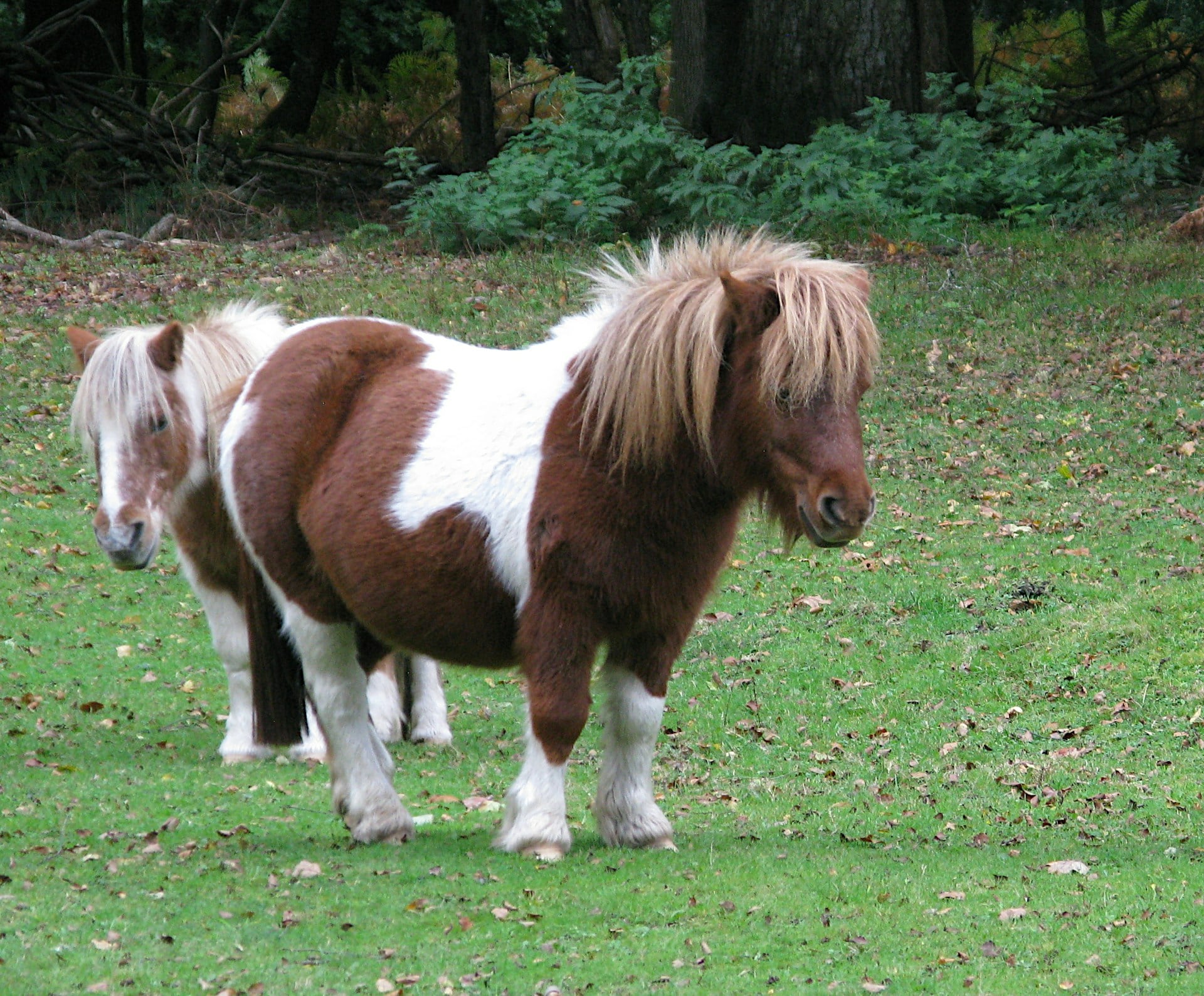
Theodore Roosevelt had six children and what seemed like twice as many pets.
His son Quentin once brought the family pony, Algonquin, into the White House elevator and up to his brother’s bedroom to cheer him up during an illness.
The Roosevelt menagerie also included a badger named Josiah, a barn owl, several snakes, and a one-legged rooster.
Visitors never quite knew what animal they might encounter during a trip to see the president.
John Quincy Adams owned an alligator
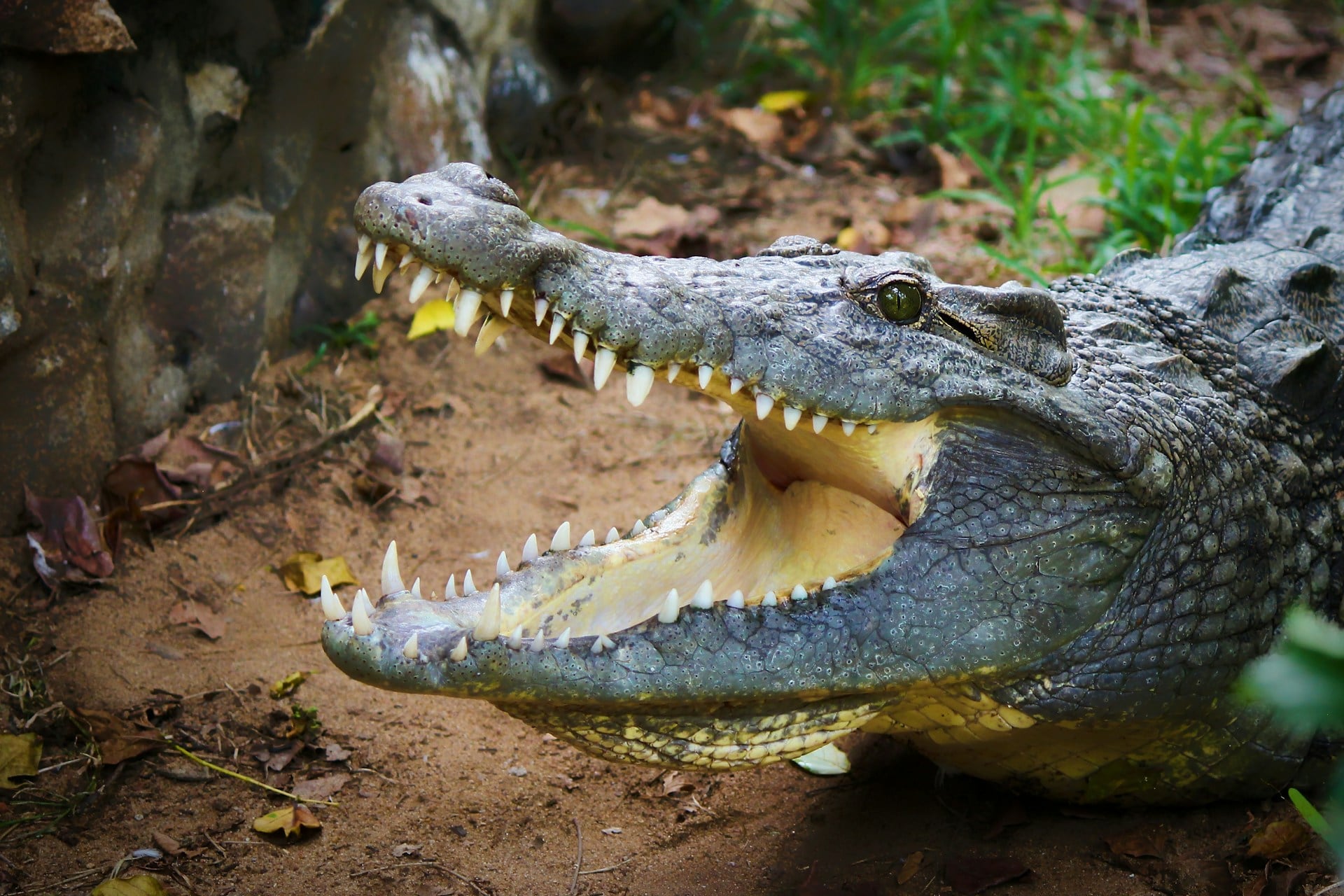
President John Quincy Adams kept an alligator in the East Room of the White House for several months.
The reptile was a gift from the Marquis de Lafayette, the French military hero who fought alongside Americans during the Revolutionary War.
Adams apparently enjoyed showing off the alligator to guests, who probably had mixed feelings about encountering a predator while paying their respects to the president.
The alligator eventually found a new home, though records don’t specify exactly where it ended up.
Warren G. Harding’s dog had his own chair at meetings

Laddie Boy, an Airedale terrier, was perhaps the most pampered presidential dog in history.
President Harding had a special chair carved for Laddie Boy so the dog could sit in on Cabinet meetings.
The dog celebrated his birthday with a cake made of dog biscuits, attended by neighborhood dogs invited to the party.
When Harding died in 1923, newspaper readers across the country donated pennies to create a statue of Laddie Boy, which still exists today.
Benjamin Harrison’s goat pulled his grandchildren in a cart
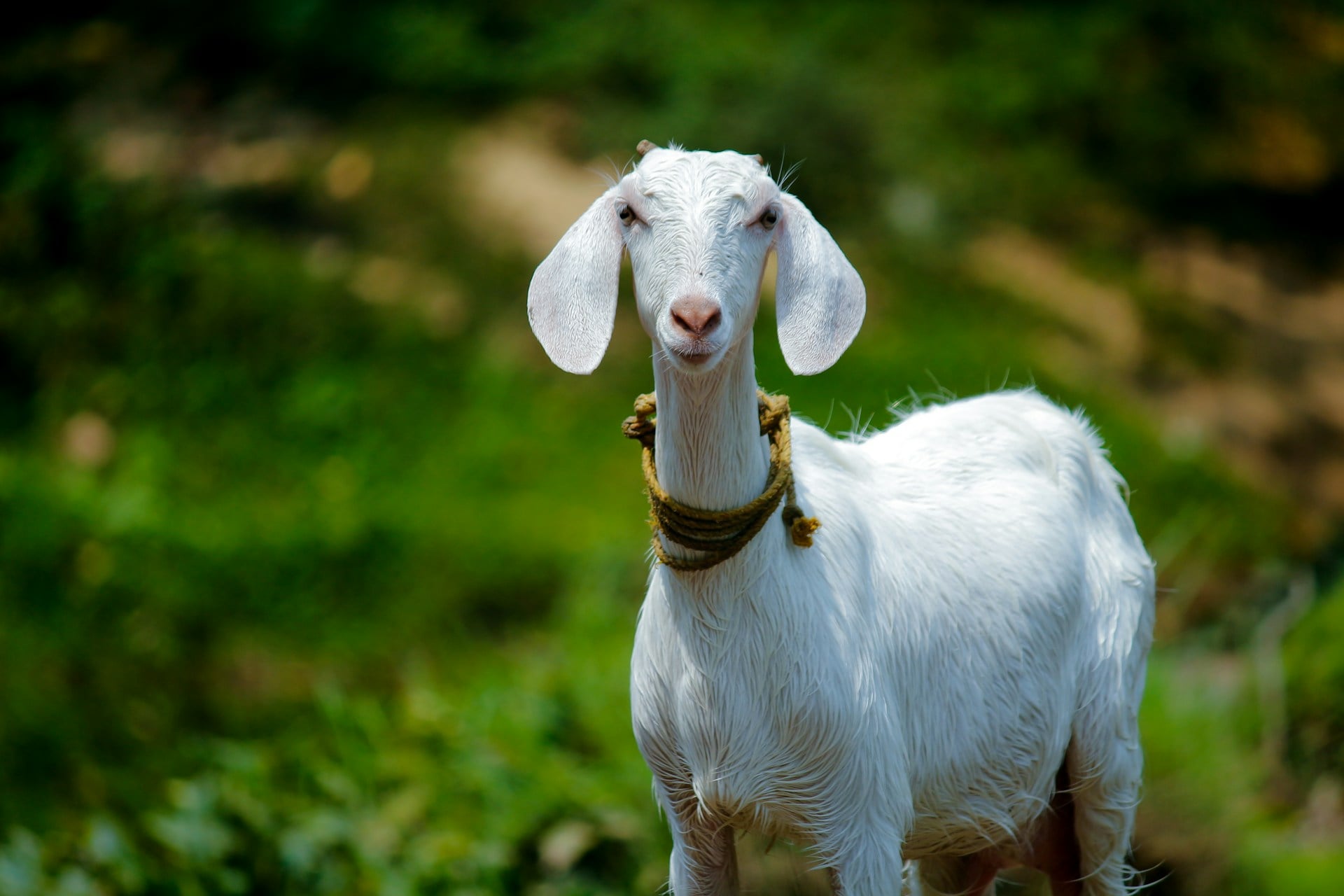
President Benjamin Harrison kept a goat named His Whiskers who pulled the president’s grandchildren around the White House grounds in a small cart.
One day, His Whiskers decided he’d had enough of cart duty and took off running through the White House gates with the children still attached.
Harrison himself had to chase the runaway goat down Pennsylvania Avenue in full view of amused citizens.
The president eventually caught the goat, but the incident became one of the more entertaining moments in White House history.
William Howard Taft had the last presidential cow

Pauline Wayne was a Holstein cow who grazed on the White House lawn and provided fresh milk for President Taft’s family.
She was the last cow to live at the White House, ending a long tradition of presidents keeping dairy cows on the property.
Pauline became something of a celebrity, occasionally leaving the grounds to participate in local events.
When Taft left office, Pauline went to live on a farm in Wisconsin, retiring from her duties as America’s most famous cow.
Abraham Lincoln’s cat ate at the dinner table
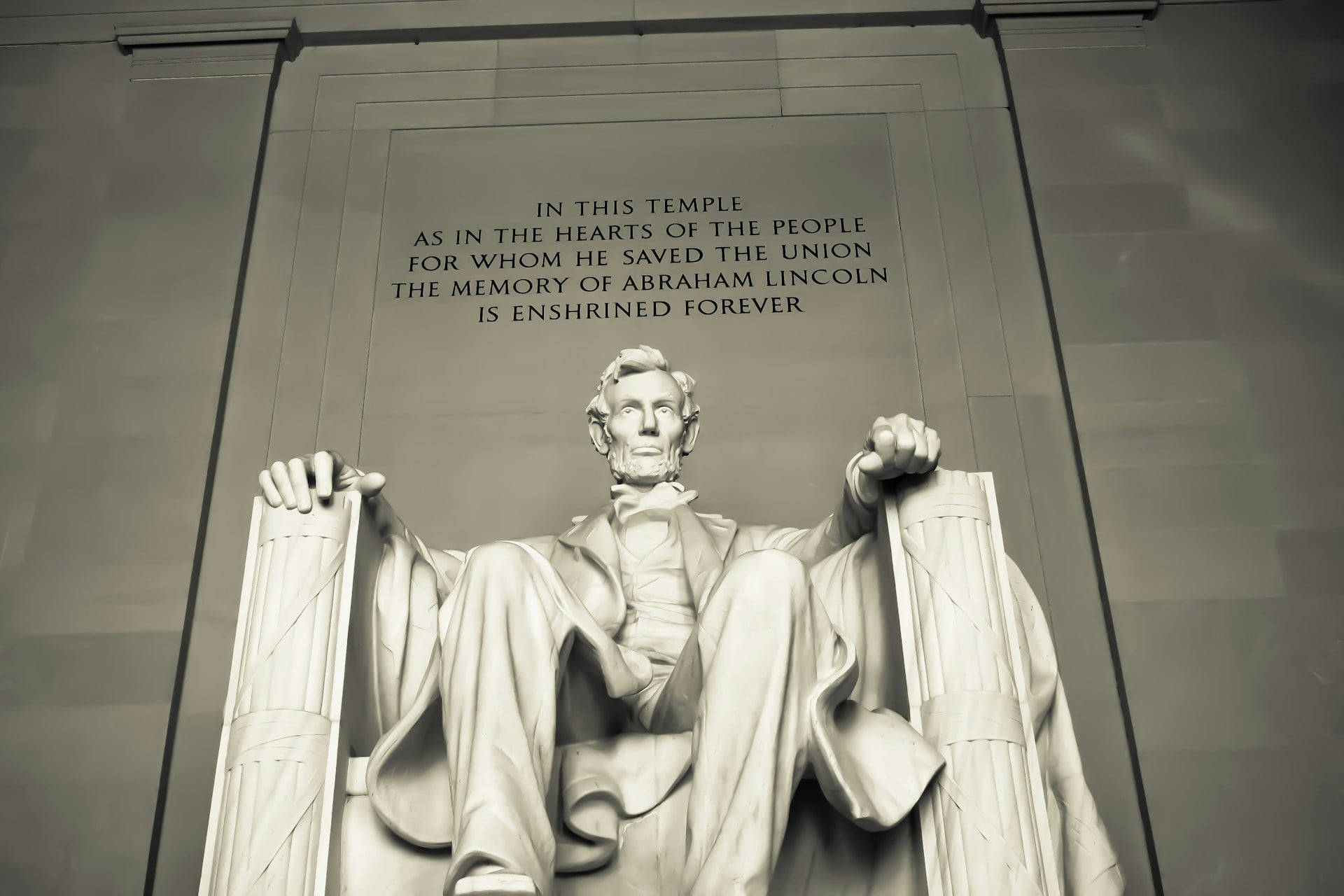
President Lincoln adored cats and once said that his cat Tabby was smarter than his whole Cabinet.
Lincoln allowed Tabby to eat from the table during formal dinners, much to the horror of his wife Mary.
When Mary objected to this breach of etiquette, Lincoln reportedly replied that if the food was good enough for him, it was certainly good enough for Tabby.
The cat remained a fixture at presidential meals throughout Lincoln’s time in office.
Herbert Hoover’s son had two alligators
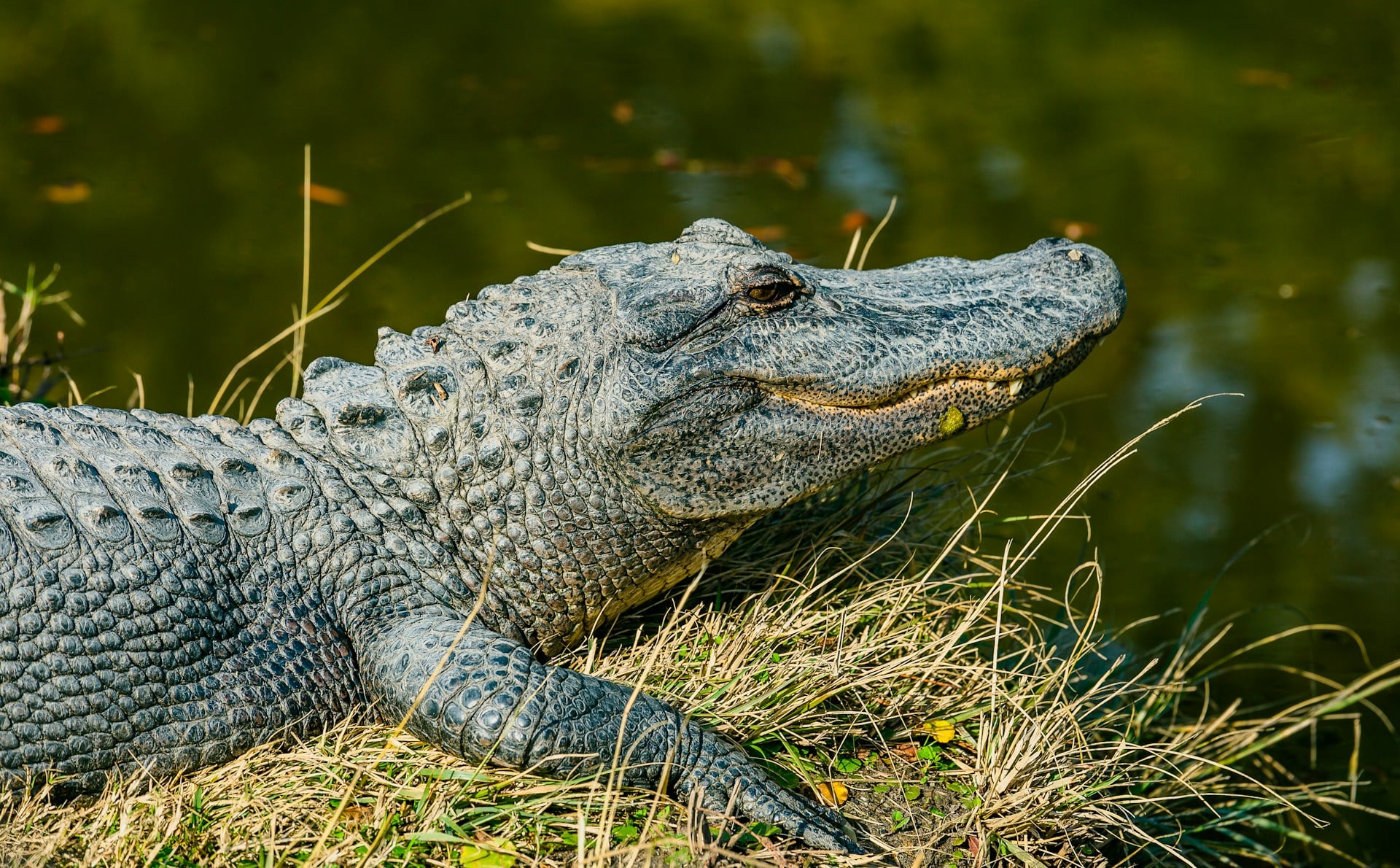
Herbert Hoover’s son Allan kept two alligators that occasionally roamed the White House grounds.
The reptiles lived there for several months before the family decided they were getting too large and potentially dangerous.
Unlike John Quincy Adams’s alligator, which stayed indoors, these two had more freedom to wander, which must have surprised more than a few White House visitors.
They were eventually relocated to a zoo where they could enjoy a more suitable habitat.
Teddy Roosevelt’s daughter had a snake named Emily Spinach
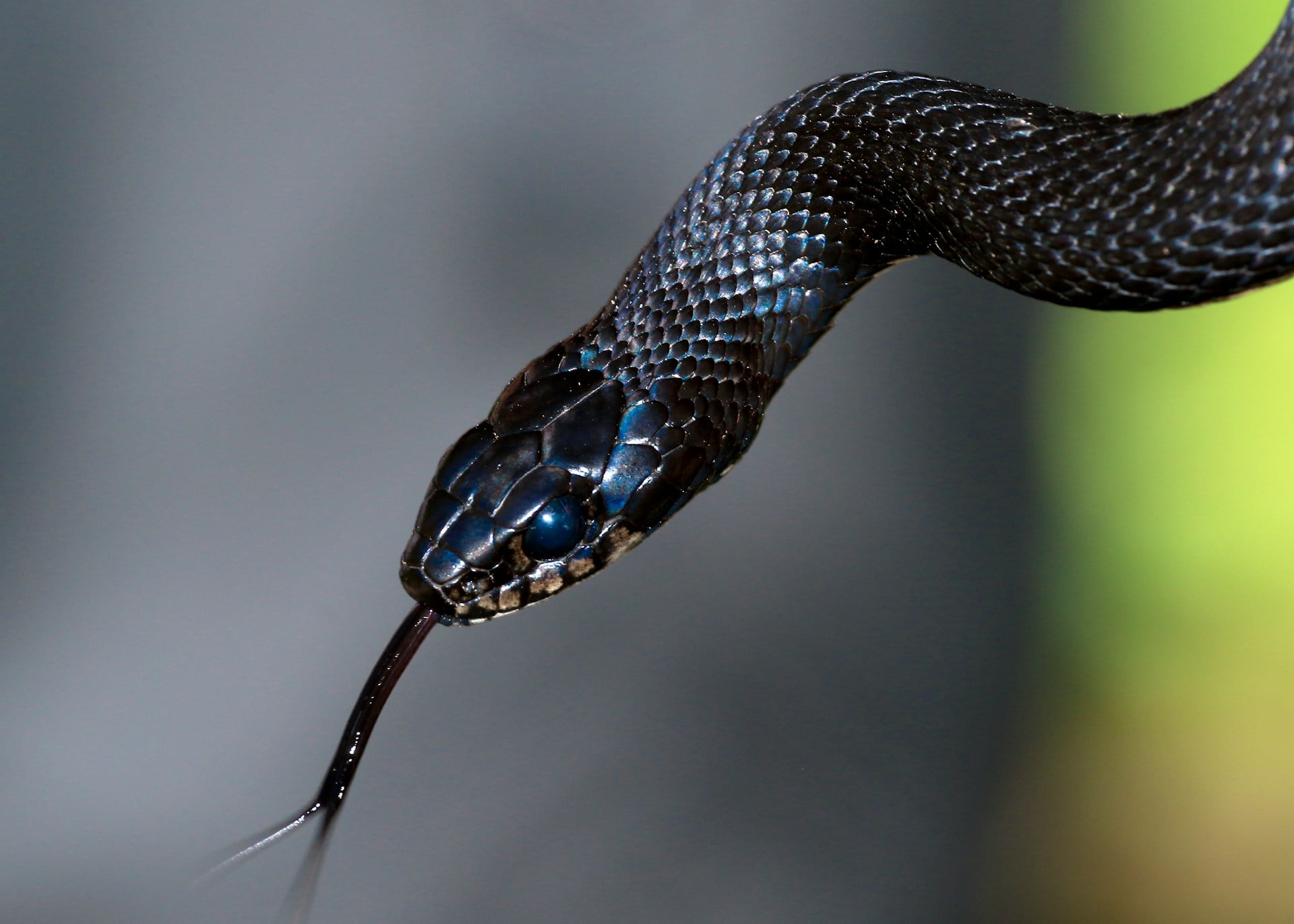
Alice Roosevelt, Theodore Roosevelt’s rebellious daughter, carried her pet snake Emily Spinach in her purse to social events.
She loved shocking Washington society, and a snake was the perfect accessory for causing a stir.
Alice once brought Emily Spinach to a White House party and let the snake loose, sending guests scrambling.
Her father seemed more amused than concerned by his daughter’s antics, which fit perfectly with the Roosevelt family’s approach to animals.
James Buchanan received elephants from the King of Siam
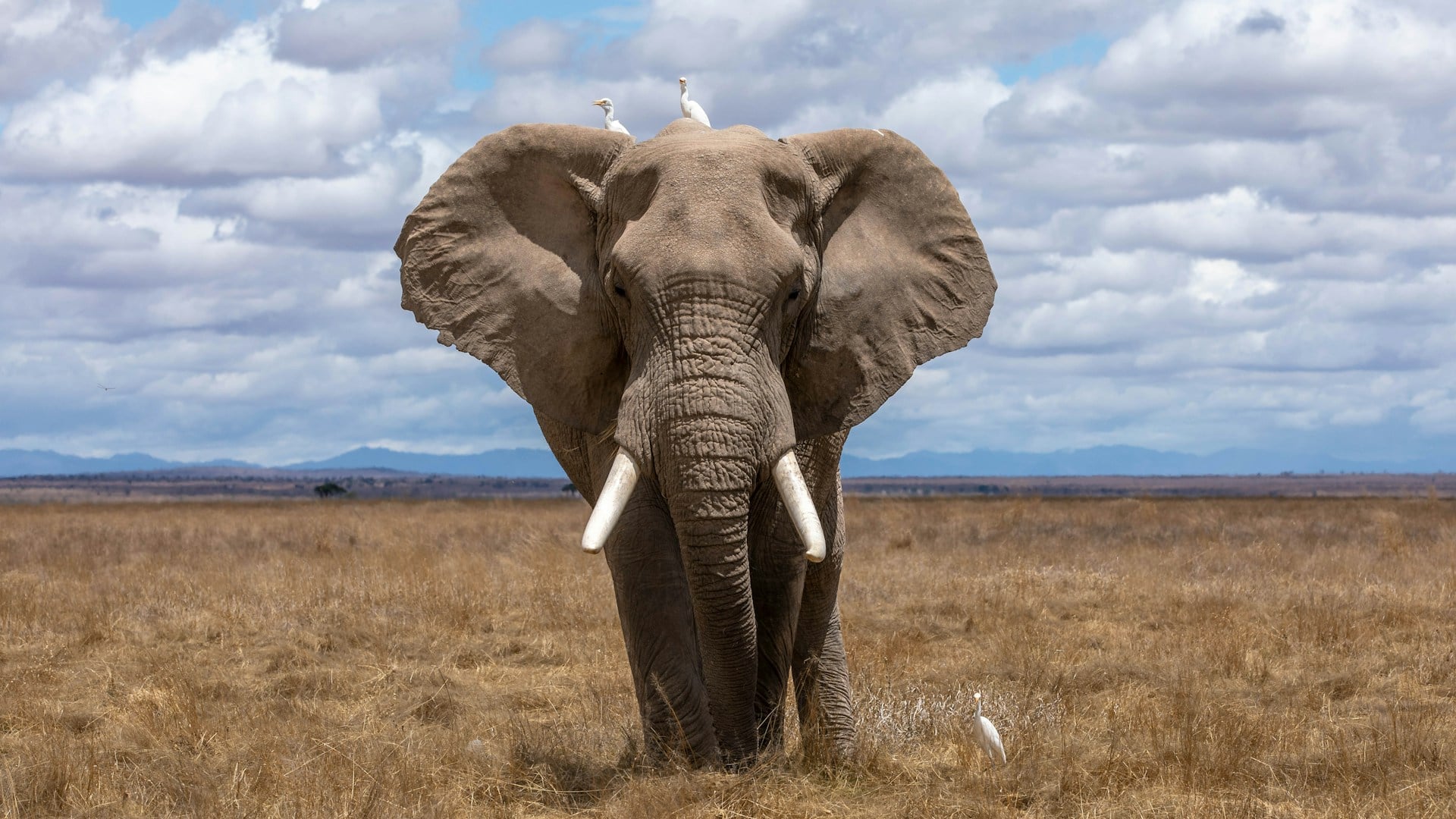
The King of Siam sent President Buchanan a herd of elephants as a gift in 1861.
Buchanan politely declined to keep them at the White House, reasoning that Pennsylvania Avenue wasn’t suitable for elephant housing.
The elephants never actually arrived, as the Civil War broke out before they could be shipped.
It remains one of history’s great what-if scenarios, imagining elephants roaming the White House grounds during one of America’s most turbulent periods.
Woodrow Wilson kept sheep on the lawn during World War I
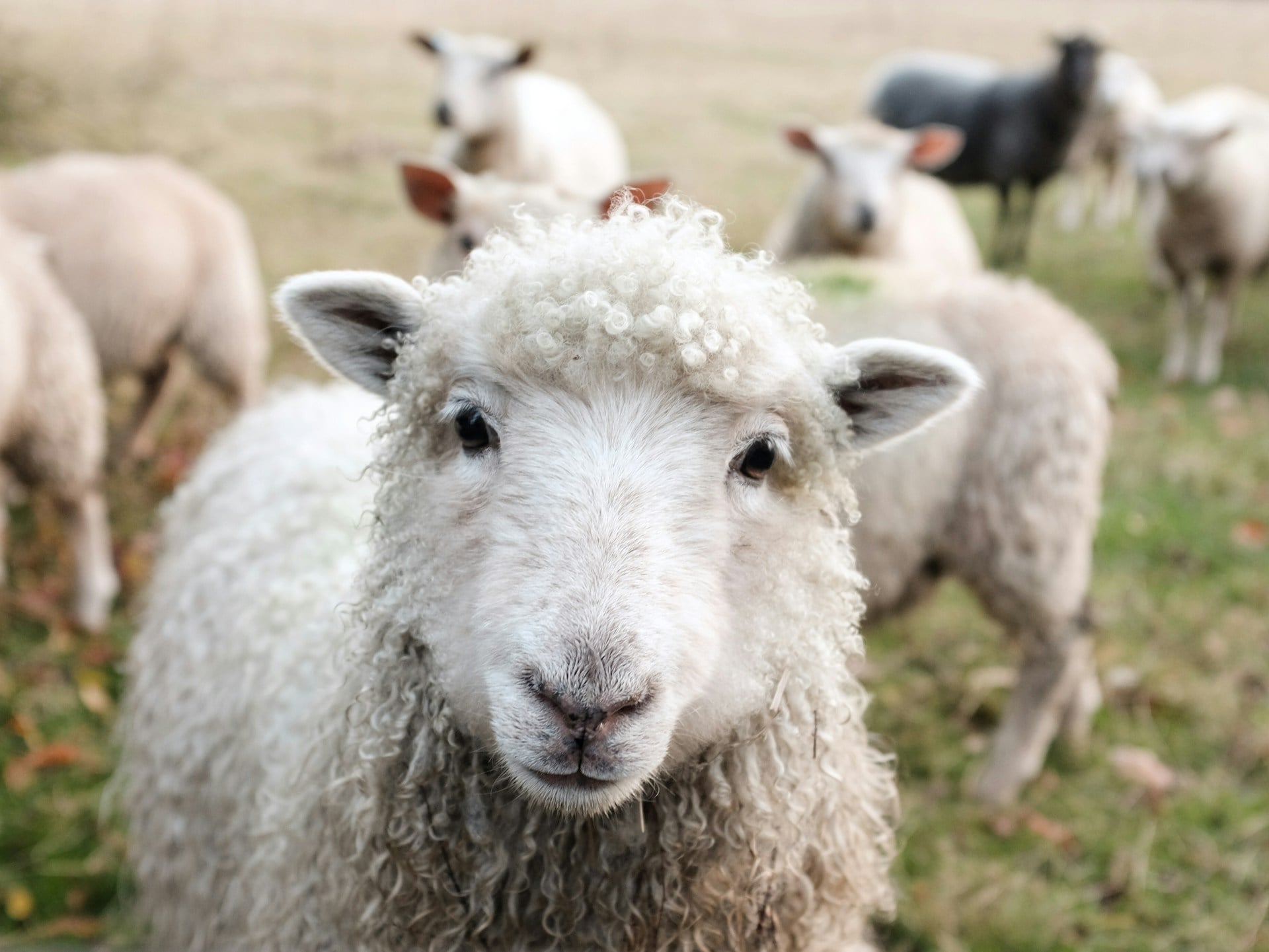
President Wilson brought a flock of sheep to graze on the White House lawn during World War I as part of the war effort.
The sheep kept the grass trimmed, eliminating the need for groundskeepers who had been called to military service.
Their wool was auctioned off to raise money for the Red Cross, with one ram’s fleece bringing in $100,000 for the cause.
The sheep stayed until the war ended, proving that presidential pets could serve practical purposes beyond companionship.
Franklin Roosevelt’s dog Fala became a national celebrity
Fala, a Scottish terrier, was President Franklin Roosevelt’s constant companion and appeared in newsreels, films, and political cartoons.
The dog traveled everywhere with Roosevelt and even had his own secretary to handle his fan mail.
When Republican opponents criticized Roosevelt for allegedly sending a destroyer to retrieve Fala from Alaska at taxpayer expense, Roosevelt defended his dog in a famous speech that helped turn the tide of the 1944 election.
Fala was so beloved that he appears alongside Roosevelt in the president’s memorial in Washington.
John F. Kennedy’s daughter had a pony named Macaroni

Caroline Kennedy’s pony Macaroni became one of the most photographed animals in White House history.
The pony roamed the South Lawn and was frequently seen with Caroline, creating images that humanized the Kennedy presidency.
Macaroni received thousands of fan letters from children across America.
The pony lived at the White House until the Kennedy family left, then spent the rest of his life in peaceful retirement, forever remembered as part of Camelot.
Lyndon Johnson’s beagles sparked controversy

President Johnson owned two beagles named Him and Her who became the center of a public relations nightmare.
Johnson lifted one of the dogs by the ears during a photo opportunity, sparking outrage from animal lovers across the country.
The president defended his actions, saying it was how you picked up beagles, but the damage was done.
The incident showed how presidential treatment of pets could shape public opinion and remained controversial for years afterward.
Richard Nixon’s dog saved his political career

Before becoming president, Nixon was running for vice president when accusations of financial impropriety threatened to derail his campaign.
Nixon gave a televised speech defending himself, mentioning that his family had received one gift he would never return: a cocker spaniel named Checkers that his daughters loved.
The ‘Checkers Speech’ worked, generating public sympathy and saving Nixon’s spot on the ticket.
A dog’s name became forever linked with political survival and the power of emotional appeals.
Ronald Reagan had a Bouvier des Flandres named Lucky

Lucky was a large Bouvier des Flandres who proved too energetic for life at the White House.
The dog was so strong and enthusiastic that Nancy Reagan struggled to control him during walks.
The Reagans eventually sent Lucky to live at their California ranch where he had more space to run.
Lucky was replaced by Rex, a King Charles spaniel who was better suited to the constraints of White House living and didn’t drag the First Lady across the lawn.
George H.W. Bush’s springer spaniel wrote a book
Millie, a springer spaniel, became the first presidential pet to ‘write’ a book when ‘Millie’s Book’ was published in 1990.
The book, actually written by Barbara Bush from Millie’s perspective, became a bestseller and earned more money than President Bush did that year.
Millie also gave birth to puppies in the White House, with one of them, Spot, later returning as President George W. Bush’s dog.
Millie proved that presidential pets could be profitable as well as popular.
Why they still matter today
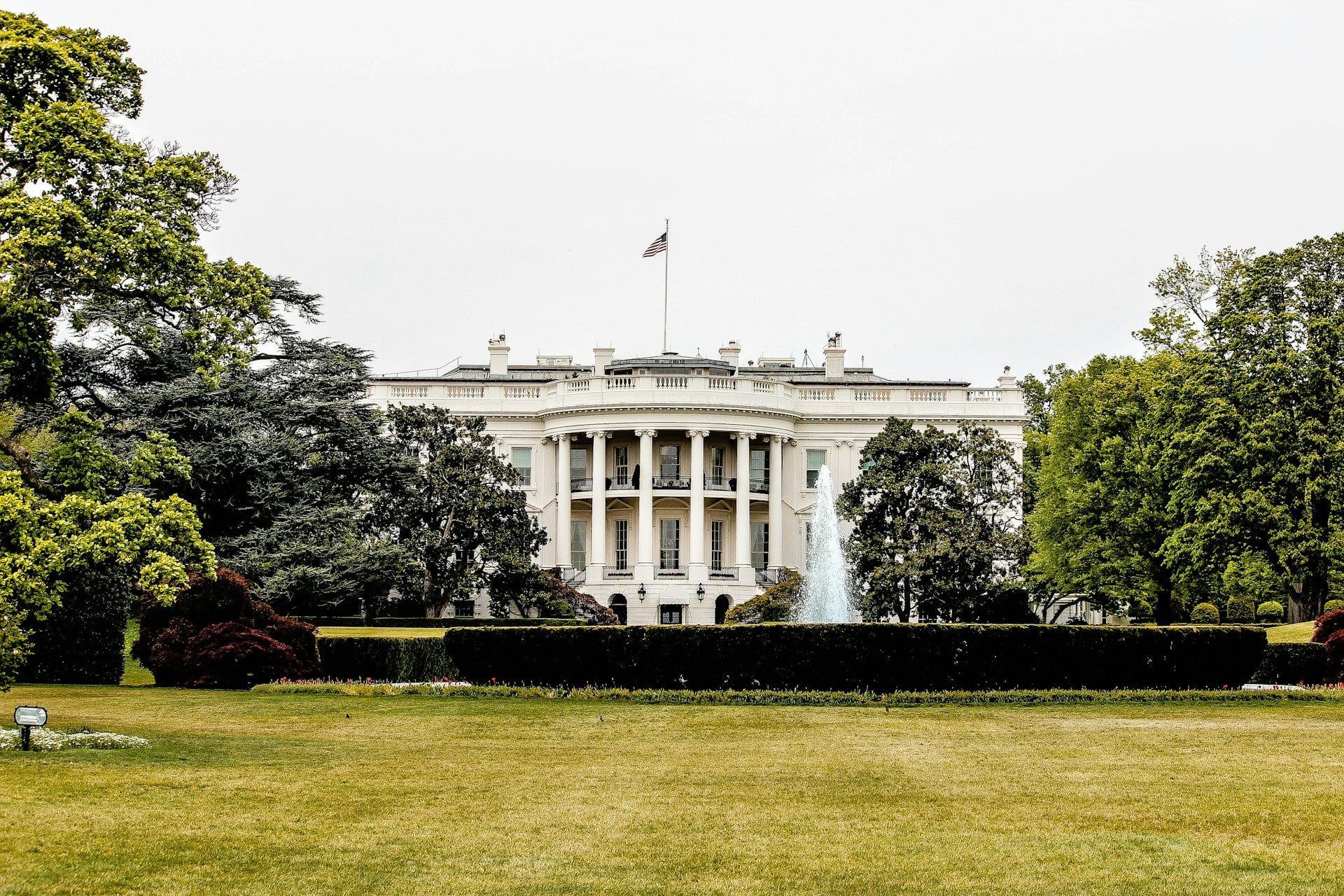
Presidential pets have always been more than just animals living in a famous house.
They remind everyone that even the most powerful people need companionship, comfort, and the occasional chaos that animals bring.
These creatures have shaped how the public views their leaders, turning distant political figures into relatable humans who pick up after their dogs and chase runaway goats.
From Roosevelt’s zoo to Biden’s rescue dogs, the animals in the White House continue to capture attention and affection in ways that speeches and policies never could.
The tradition of presidential pets endures because it connects leaders to the everyday experience of animal ownership that millions of Americans share.
More from Go2Tutors!

- The Romanov Crown Jewels and Their Tragic Fate
- 17 Halloween Costumes Once Considered Taboo
- Famous Hoaxes That Fooled the World for Years
- 15 Child Stars with Tragic Adult Lives
- 16 Famous Jewelry Pieces in History
Like Go2Tutors’s content? Follow us on MSN.



