Weather Patterns That Shaped History
Weather doesn’t just decide whether you need an umbrella or a jacket. Over centuries, storms, freezes, and sudden climate swings have toppled empires, redirected migrations, and altered the course of wars.
A single cyclone once saved an island nation from conquest; an unexpected freeze toppled a kingdom’s economy. Even an unusually pleasant day changed political plans in the United States.
These events weren’t mere annoyances. They killed thousands, shifted armies, and changed who held power on entire continents.
Below are 13 weather-driven moments that did more than make the news — they helped make history.
The Kamikaze Typhoons
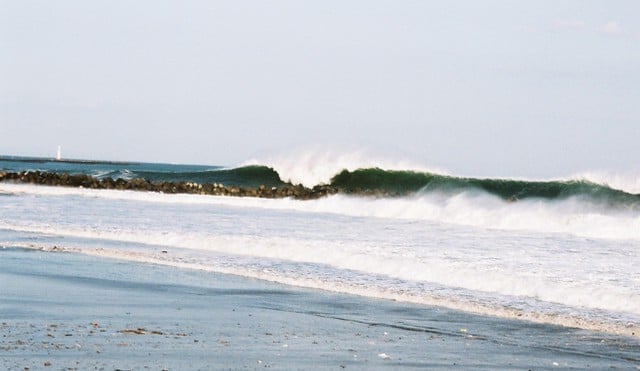
In 1274 and again in 1281, Kublai Khan launched massive naval invasions against Japan. The second fleet was staggering in scale — well over a hundred thousand men on thousands of ships — but both attempts failed for the same reason: typhoons. The Japanese called those storms “kamikaze,” or divine wind, convinced that the heavens themselves protected their islands.
The 1281 storm wrecked most of the invasion fleet and killed tens of thousands; Japan never faced a Mongol invasion on that scale again. The idea of a “divine wind” entered Japanese culture and, centuries later, lent its name to another fiercely personal form of wartime sacrifice.
The Spanish Armada Storm
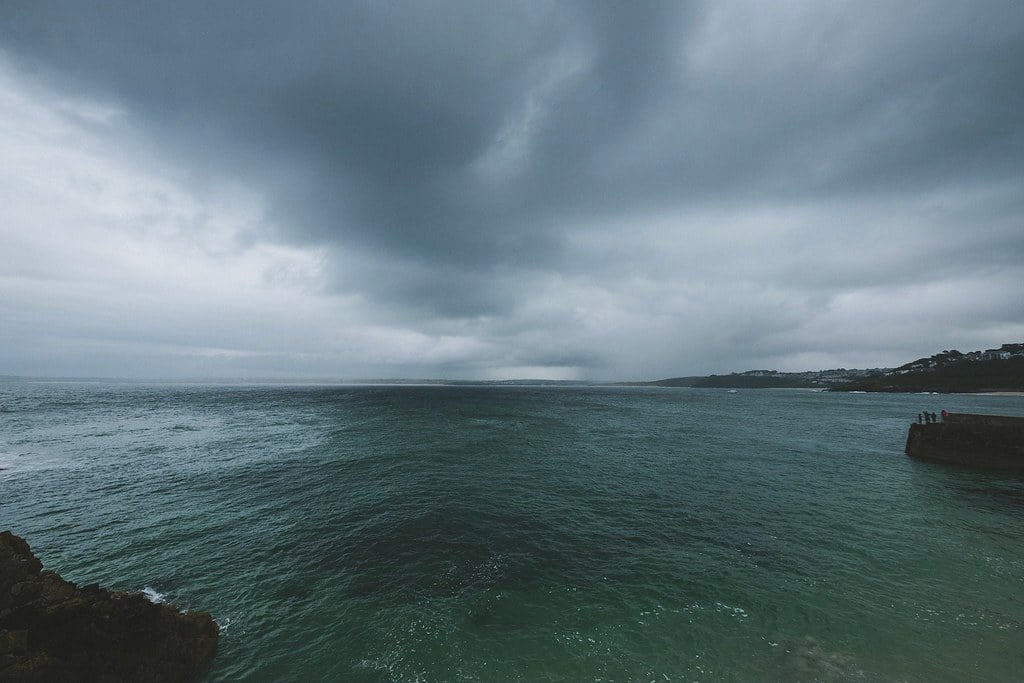
King Philip II of Spain sent an armada of about 130 ships to invade England in 1588. After a series of naval clashes and a failed rendezvous with allied forces, the battered Armada tried to sail home around Scotland and Ireland — and ran into brutal Atlantic weather.
Violent storms smashed many ships against the coasts, killing an estimated 15,000 sailors and soldiers. The disaster all but ended Spain’s hopes of dominating the seas and opened the door for England to rise as a long-term naval power.
Like Go2Tutors’s content? Follow us on MSN.
The Great Frost of 1709
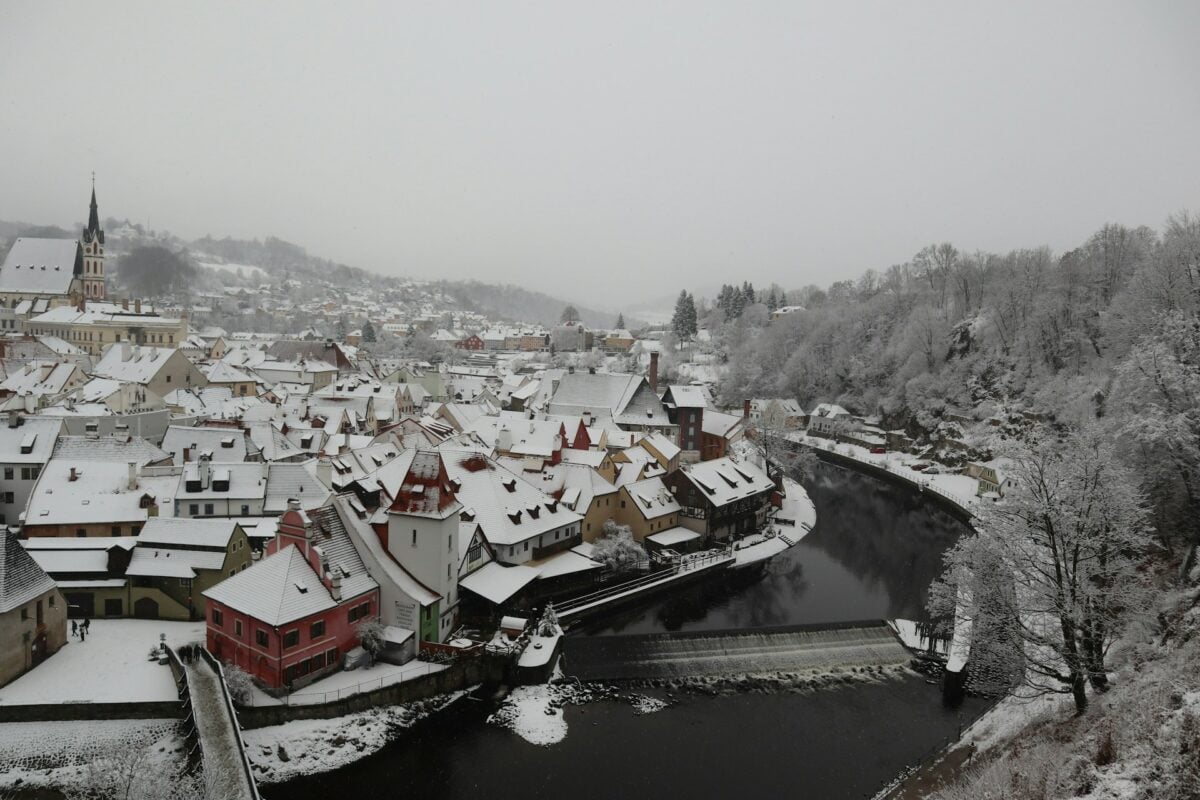
January 1709 brought one of Europe’s harshest winters in centuries. In France the freeze was catastrophic: crops failed, rivers froze, and famine followed.
Historians estimate hundreds of thousands died across the continent. Armies suffered too — Sweden’s forces were crippled during the Great Northern War, which helped Russia gain the upper hand.
Economies slowed, and the social fallout reshaped politics in several countries for years afterward.
Napoleon’s Russian Winter
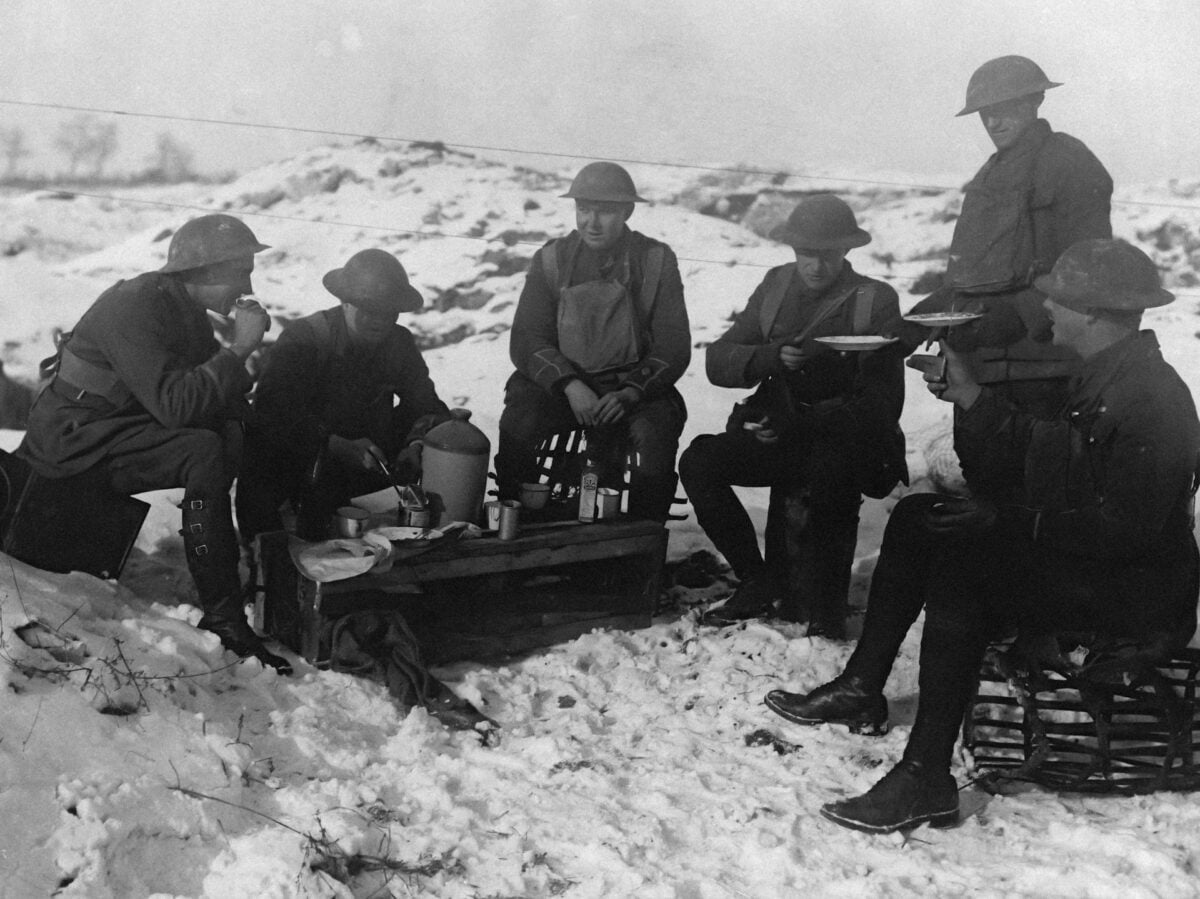
Napoleon marched into Russia in 1812 with the largest army Europe had seen — over half a million men. He had overwhelming force on paper, but not on the ground.
The Russian winter, with merciless cold and deep snow, became his greatest foe. Horses died, supply lines broke, and disease and starvation thinned the ranks.
The retreat from Moscow turned into a rout; only a fraction of the Grande Armée returned. The campaign left Napoleon weaker and Europe’s balance of power irrevocably changed.
The Mayflower Storm
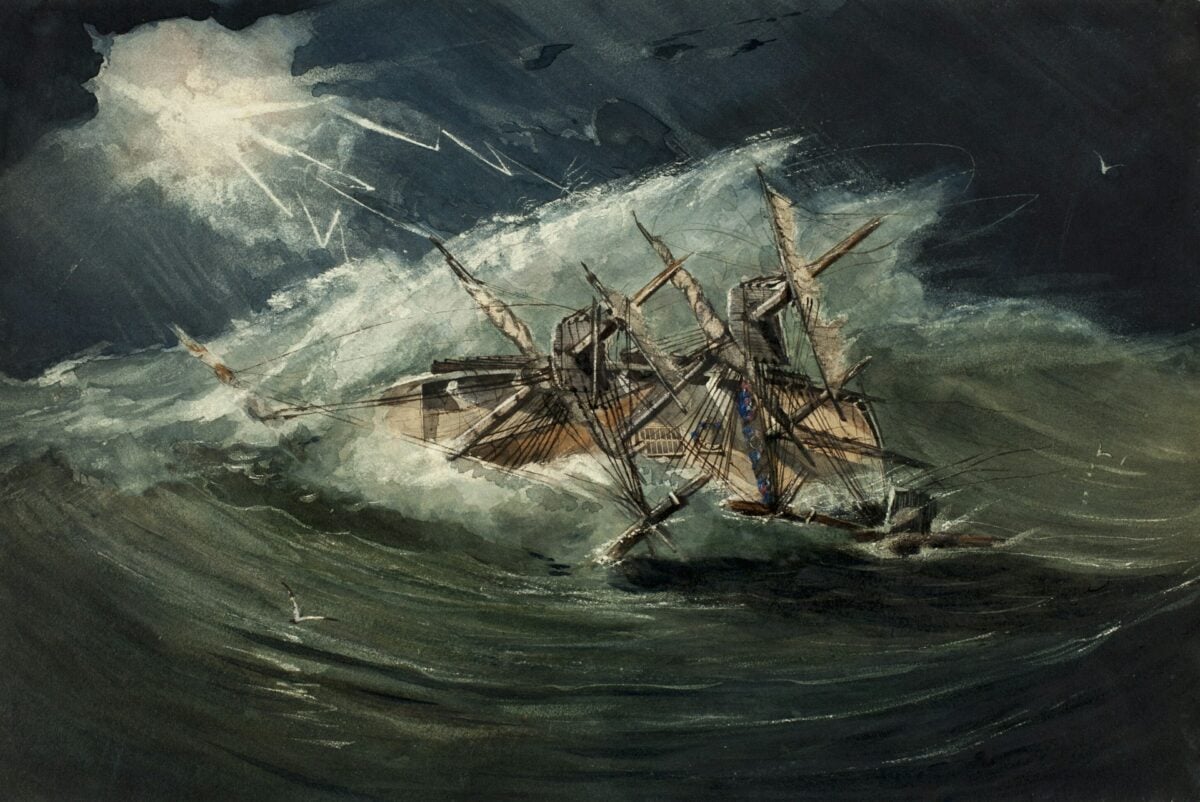
When the Pilgrims left England in 1620 they aimed for Virginia, not Massachusetts. A violent Atlantic storm pushed their ship far off course and they made landfall at Cape Cod instead.
That stormy detour led to Plymouth Colony’s founding, altering the pattern of English settlement in New England and setting foundations that would influence the future United States.
Like Go2Tutors’s content? Follow us on MSN.
The Year Without a Summer
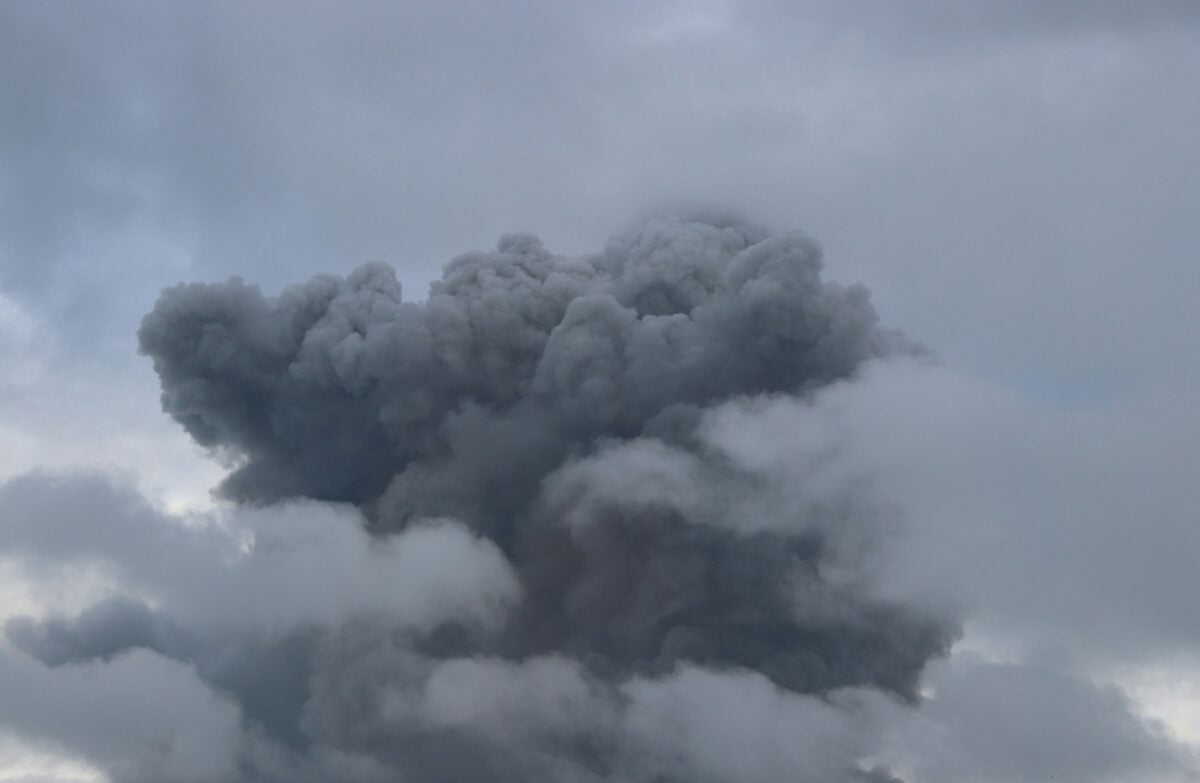
The eruption of Mount Tambora in 1815 hurled massive amounts of ash into the stratosphere. The result: 1816’s “Year Without a Summer.”
Temperatures plunged in many parts of the Northern Hemisphere; New England saw snow in June, harvests failed across Europe, and food shortages spread. The strange weather even crept into culture — stuck indoors at Lake Geneva during the gloom, Mary Shelley began writing Frankenstein.
Economies, migrations, and everyday life all felt Tambora’s reach.
Hitler’s Operation Barbarossa
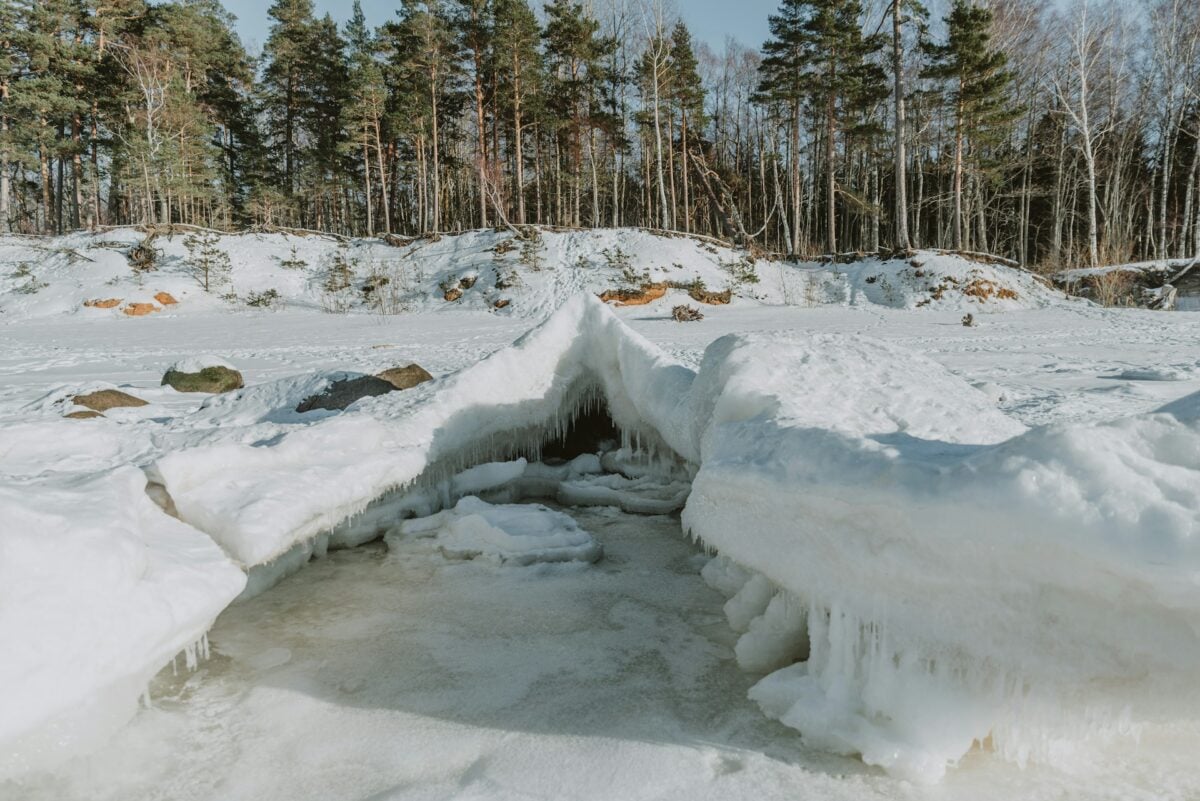
In 1941 Hitler launched Operation Barbarossa, the massive invasion of the Soviet Union, expecting a quick victory. Like Napoleon, Hitler underestimated Russian winters and overestimated his army’s preparedness.
As temperatures fell and mud and snow bogged down supplies, German forces stalled and then began to retreat. The winter’s impact on morale, equipment, and logistics turned the Eastern Front into a strategic disaster for Nazi Germany.
The D-Day Weather Window
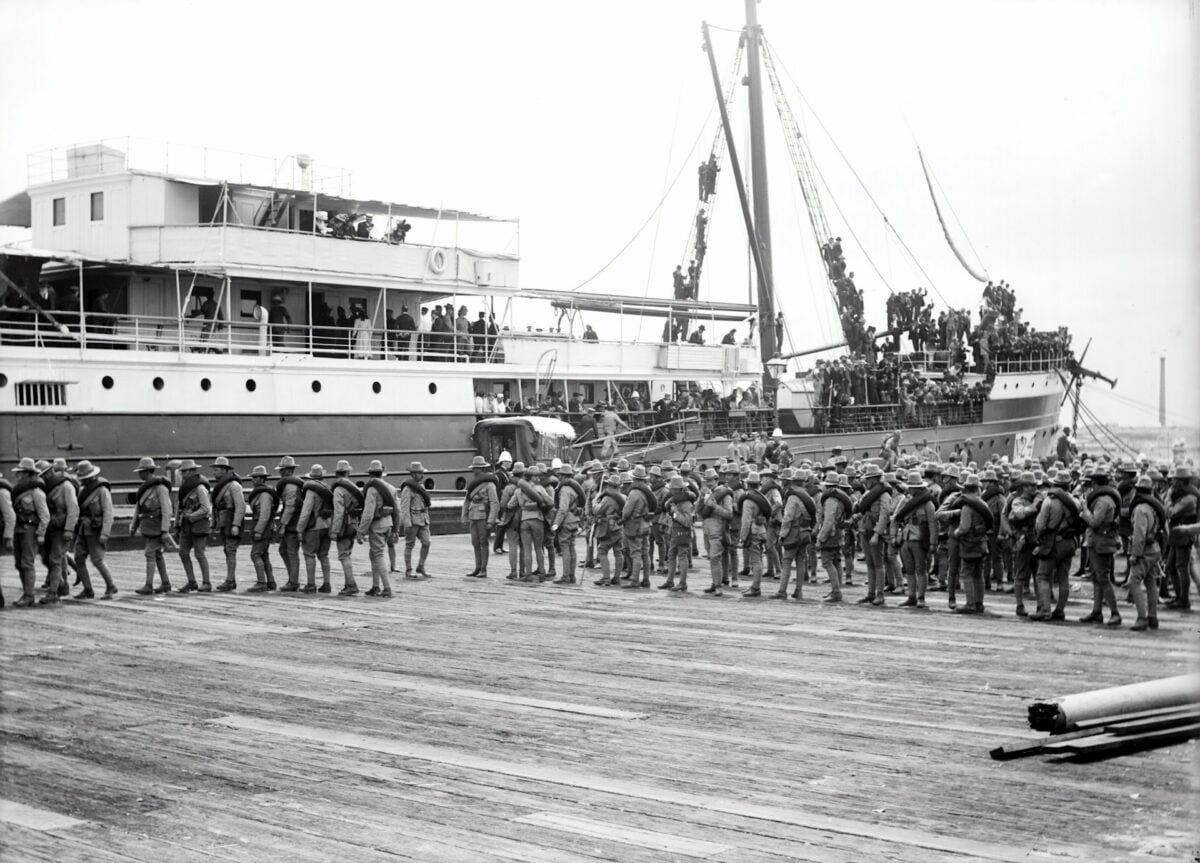
The Allied invasion of Normandy depended on a narrow slice of acceptable weather. Originally scheduled for June 5, 1944, the operation was postponed because of foul conditions.
Meteorologists then spotted a brief window on June 6 and advised General Eisenhower to go ahead. He did, and history followed: D-Day succeeded, allowing Allied forces to secure a foothold in Europe that would lead to Germany’s defeat the following spring.
That forecast — and the choice to trust it — may be one of the most consequential weather calls ever made.
Like Go2Tutors’s content? Follow us on MSN.
The Dust Bowl
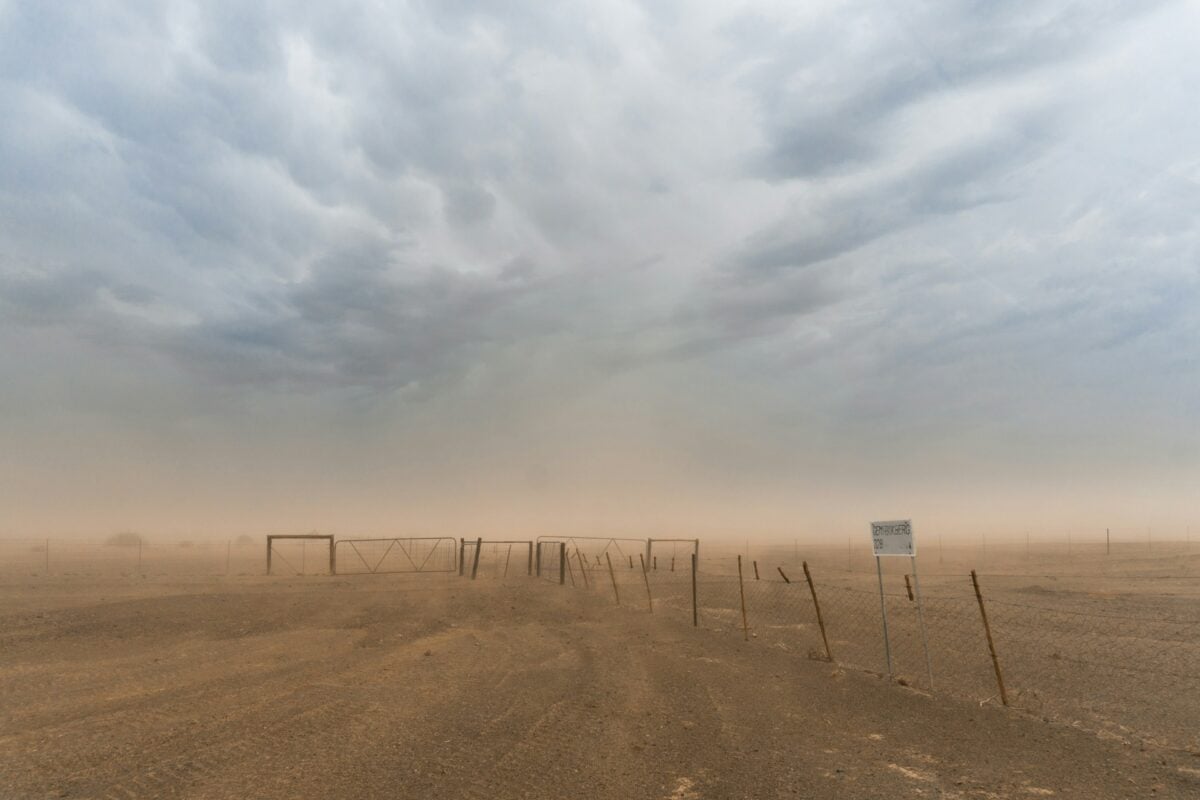
In the 1930s, droughts combined with extensive tilling of the Great Plains and poor land management to create the Dust Bowl. Fierce dust storms stripped topsoil away, farm after farm failed, and entire communities were driven off the land.
Hundreds of thousands migrated westward in search of work and shelter, and federal policy shifted toward soil conservation and new agricultural practices. The Dust Bowl reshaped America’s rural geography and its environmental thinking.
The Great Blizzard of 1888
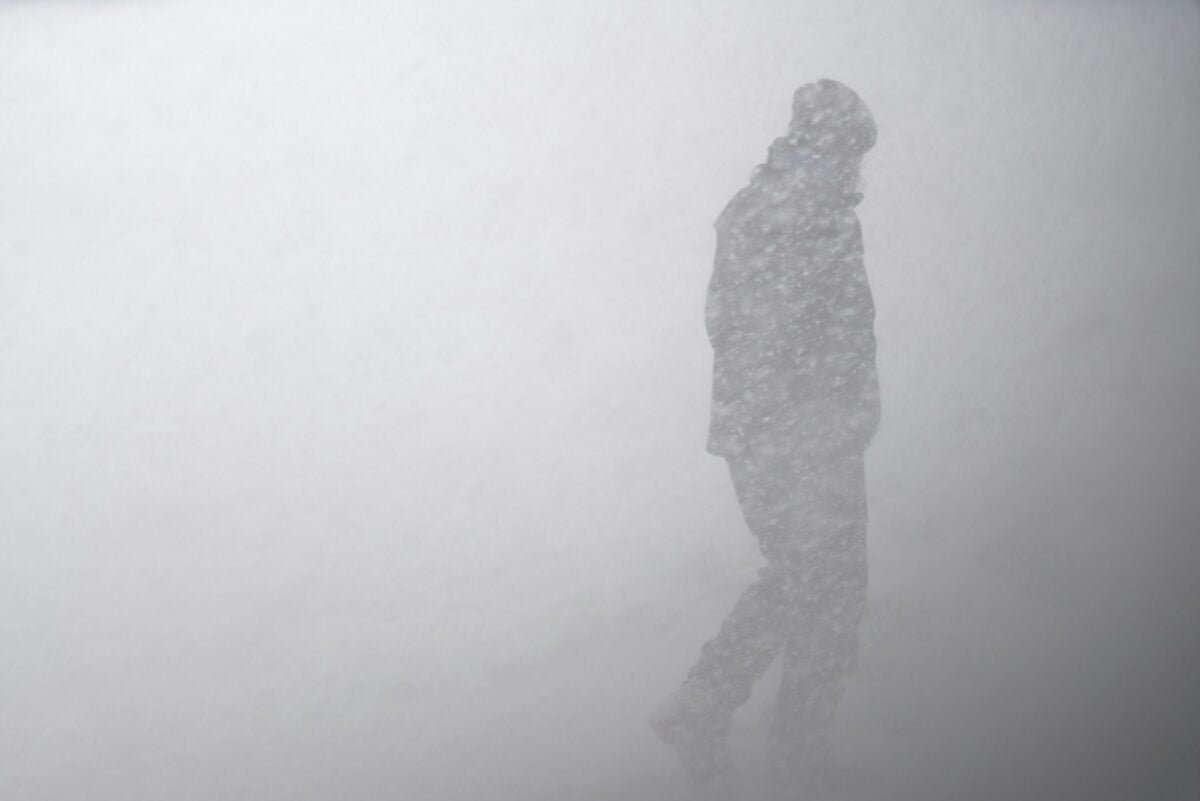
In March 1888, a blizzard slammed the northeastern United States with blinding snow and fierce winds, stopping trains, blocking city streets, and immobilizing daily life. New York and other cities were paralyzed.
The crisis revealed weaknesses in urban infrastructure and led to major changes, including burying telegraph and power lines underground and improving city planning to handle severe weather.
The Galveston Hurricane
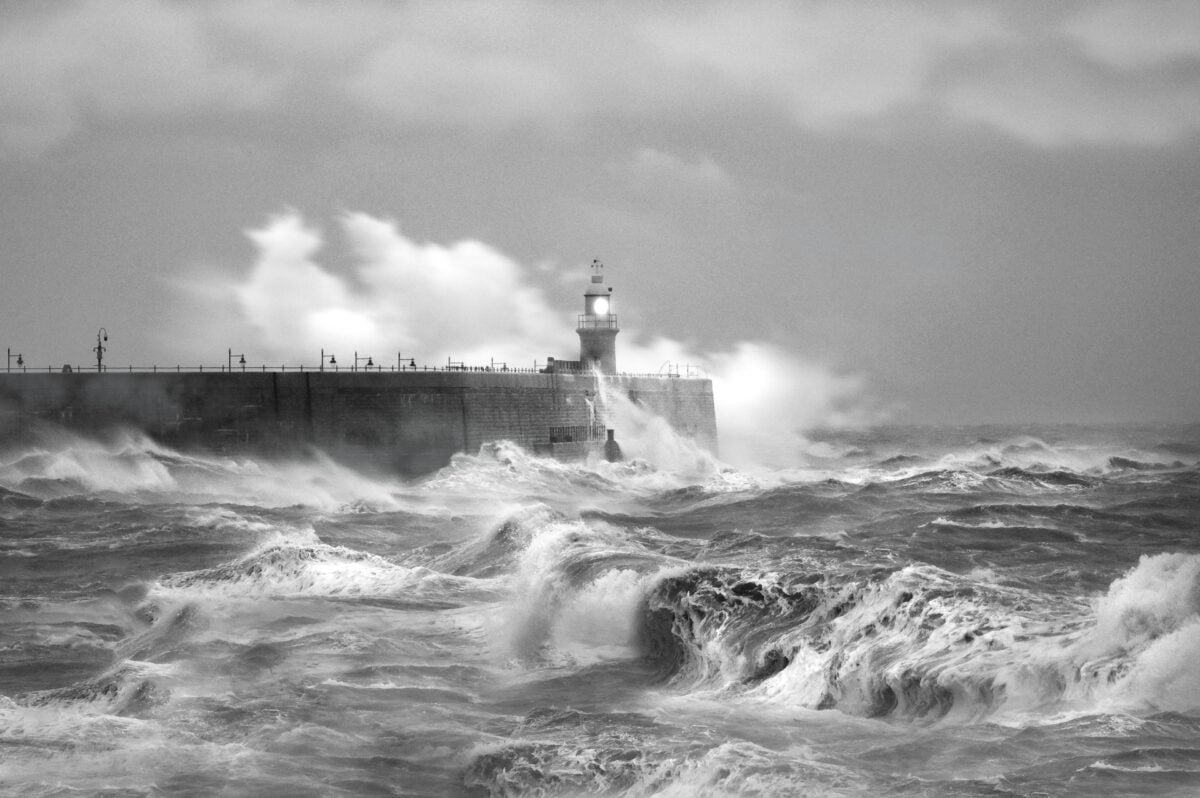
On September 8, 1900, a violent hurricane struck Galveston, Texas, producing a storm surge that swept the low-lying island and killed thousands. Estimates range from 6,000 to 12,000 dead, making it the deadliest natural disaster in U.S. history.
Galveston’s prominence as a port and city declined afterward, and attention turned to better forecasting and stronger coastal defenses.
Like Go2Tutors’s content? Follow us on MSN.
The London Heatwave and Fire of 1666
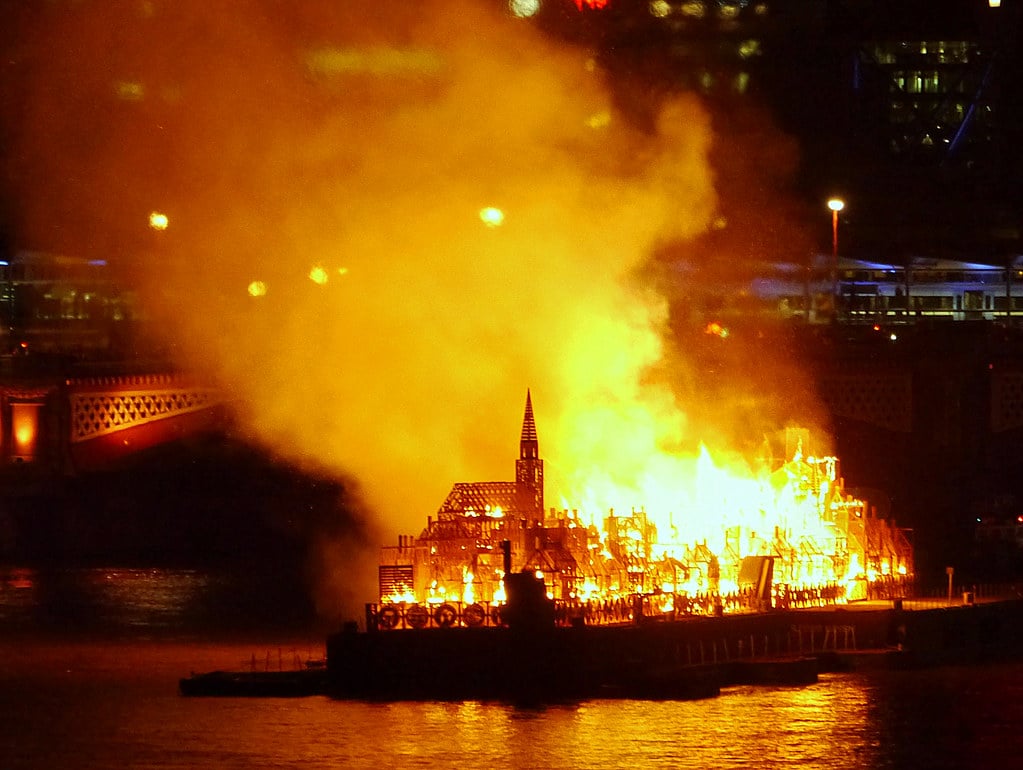
A long dry summer in 1666 left London tinder-dry. When a fire broke out in a bakery on Pudding Lane on September 2, the conditions allowed it to spread quickly.
The Great Fire burned for days, destroying thousands of homes and leaving tens of thousands homeless. The catastrophe reshaped the city’s architecture and planning — including stricter building codes and a fresh start for London’s streets and neighborhoods.
Hurricane Katrina
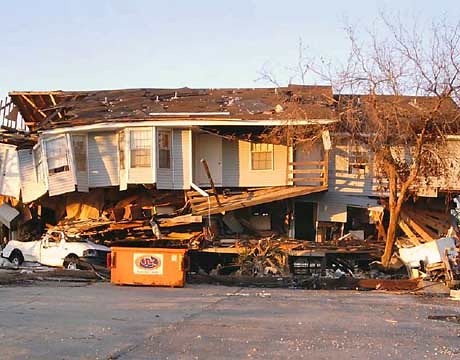
In August 2005, Hurricane Katrina slammed into the U.S. Gulf Coast and overwhelmed New Orleans’ levee system. The resulting floods killed over a thousand people, displaced many more, and caused catastrophic property and infrastructure damage.
Katrina exposed severe shortcomings in disaster planning, emergency response, and infrastructure maintenance. Its aftermath forced major policy debates and changes in how the nation prepares for and responds to large-scale disasters.
When the Past Forecasts the Future
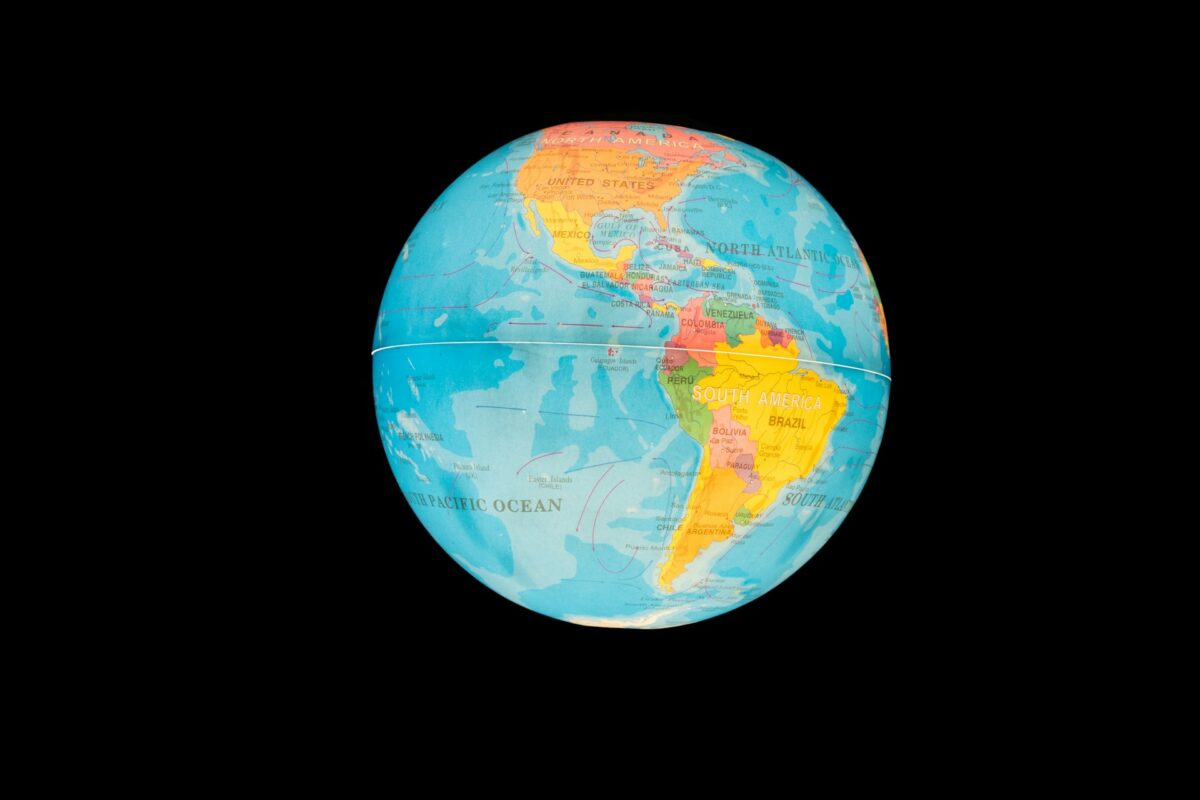
Weather has been a quiet but decisive actor in history. Typhoons ruined invasions, freezes crippled armies, and storms rearranged empires.
Today we have better forecasting tools and emergency systems, but as recent catastrophes show, prediction doesn’t equal perfect protection. The same atmospheric forces that altered history centuries ago remain powerful — only now we have a chance, if we choose to use it, to plan, prepare, and respond better.
More from Go2Tutors!

- 16 Historical Figures Who Were Nothing Like You Think
- 12 Things Sold in the 80s That Are Now Illegal
- 15 VHS Tapes That Could Be Worth Thousands
- 17 Historical “What Ifs” That Would Have Changed Everything
- 18 TV Shows That Vanished Without a Finale
Like Go2Tutors’s content? Follow us on MSN.