Landmark Musical Albums That Changed History
The history of popular music can be measured in decades, genres, and chart positions.
But the real milestones are the albums that shattered expectations and rewrote the rules for everyone who came after.
These records didn’t just sell millions of copies—they fundamentally altered how music was created, distributed, and experienced.
Here are known albums that left permanent fingerprints on the sonic landscape.
Sgt. Pepper’s Lonely Hearts Club Band
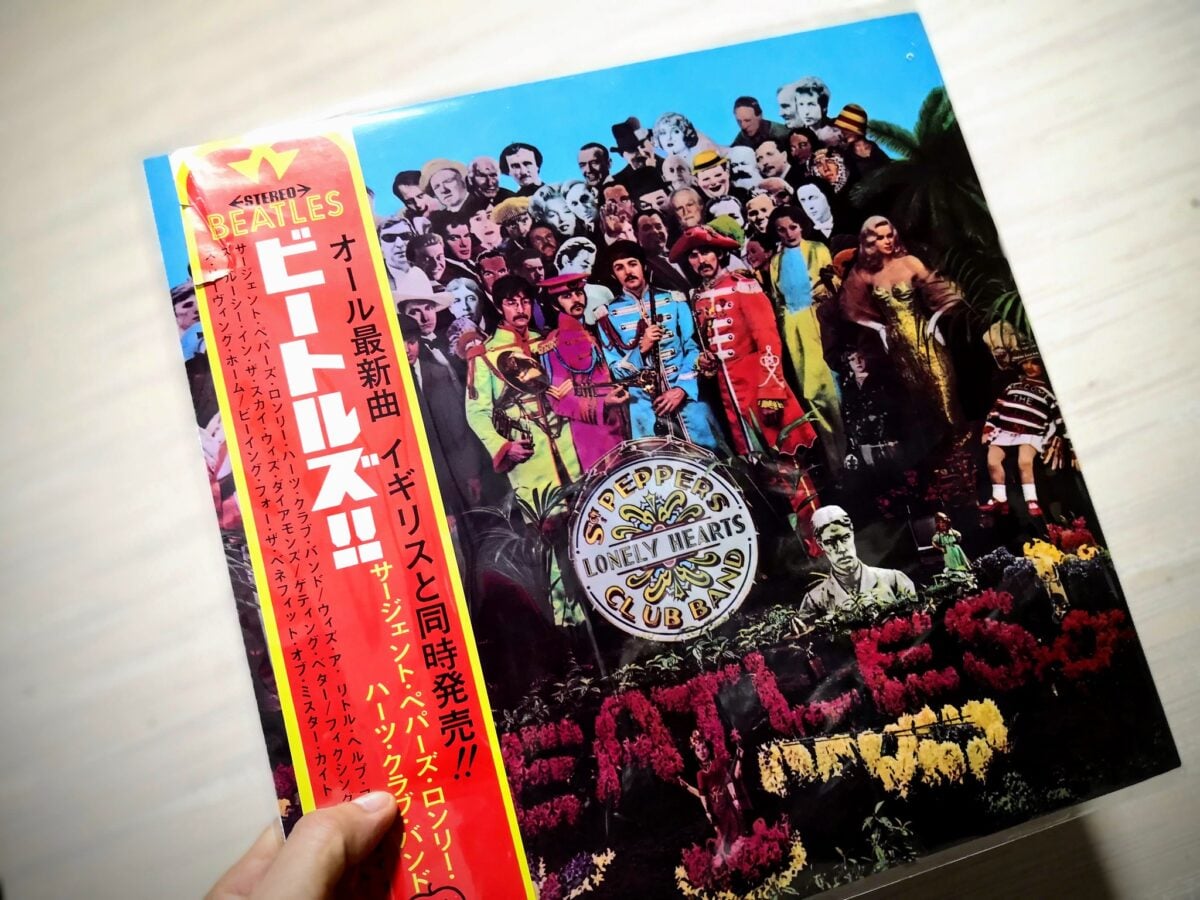
The Beatles released this groundbreaking album in May 1967, and it immediately became associated with the era’s youth culture.
The production took over 700 hours to complete between November 1966 and April 1967, a revolutionary amount of time that helped redefine the studio as an instrument.
The album introduced the concept album format to mainstream rock and featured innovative recording techniques that influenced countless artists.
Within months of its release, bands like Jefferson Airplane and The Moody Blues were already adapting their sound in response to what the Beatles had created.
The Dark Side of the Moon
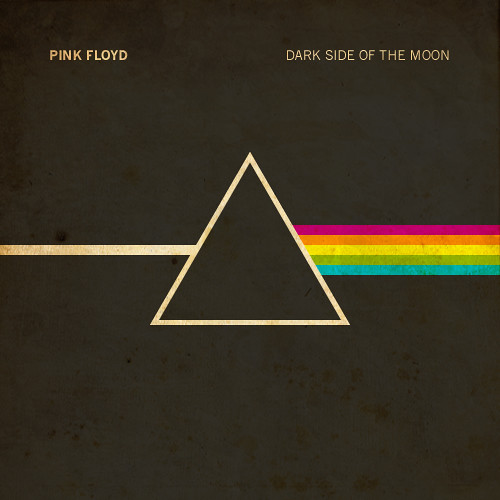
Pink Floyd’s 1973 masterpiece spent nearly 19 years on the Billboard 200 chart.
The band recorded it at Abbey Road Studios in approximately 60 days, using advanced 16-track recording equipment and incorporating synthesizers, tape loops, and sound effects.
The album explored themes of wealth, armed conflict, madness, and death, making it the first Pink Floyd album that was genuinely thematic and about something.
It sold over 45 million copies worldwide and became a touchstone for progressive rock.
Nevermind
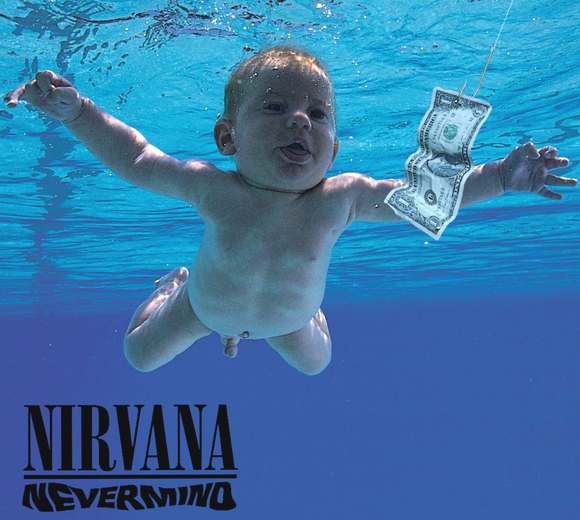
Nirvana’s September 1991 release brought grunge and alternative rock to a mainstream audience while accelerating the decline of hair metal.
Recorded with producer Butch Vig, the album featured a more polished sound than their previous work.
By Christmas 1991, the album was selling 400,000 copies a week in the US, and in January 1992 it displaced Michael Jackson’s Dangerous at number one on the Billboard charts.
The record ended up selling over 30 million copies worldwide and gave voice to Generation X.
Kind of Blue
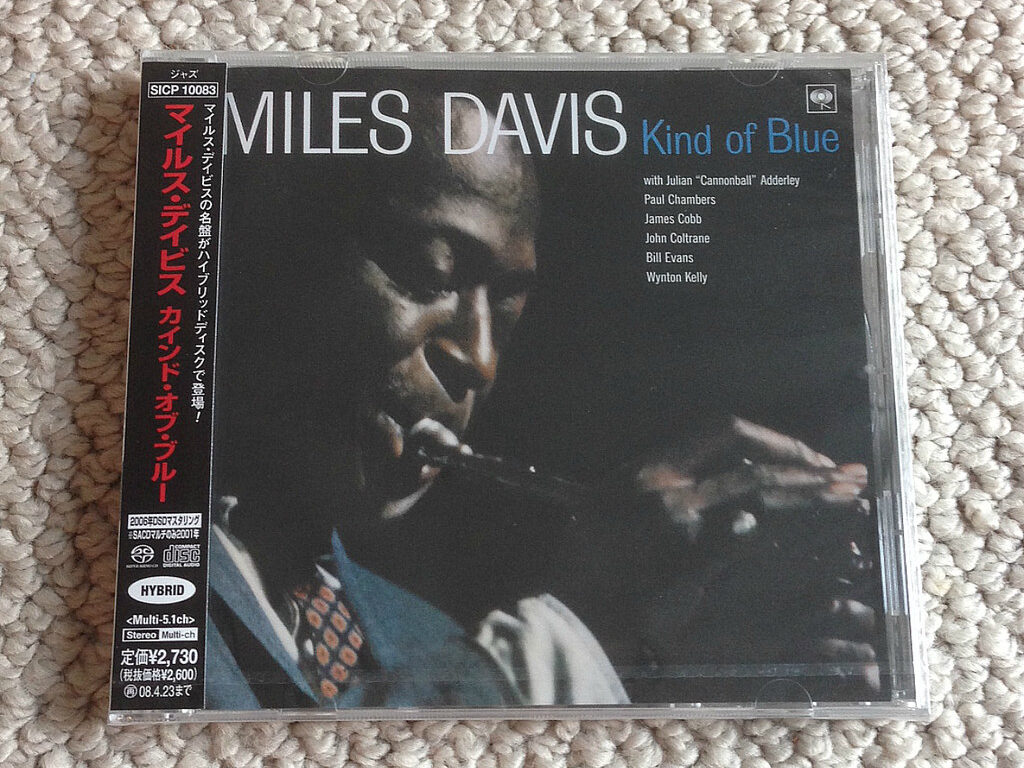
Miles Davis recorded this jazz masterpiece in 1959, and it remains one of the best-selling jazz albums ever made.
The album pioneered modal jazz, moving away from complex chord progressions to allow musicians more improvisational freedom.
Davis assembled an all-star lineup that included John Coltrane and Bill Evans, and the entire album was recorded in just two sessions.
Its influence extended far beyond jazz, affecting rock, hip-hop, and electronic music for decades.
The Velvet Underground & Nico
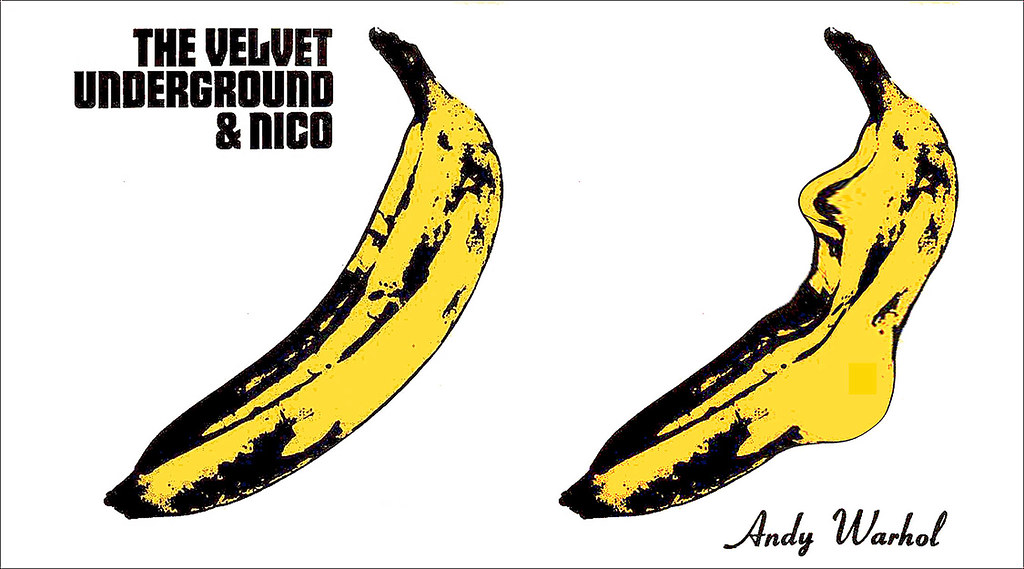
This 1967 album with its recognizable Warhol cover art proved that rock could be artistic and influenced countless artists including David Bowie.
Despite initial poor sales, the album’s experimental approach to rock music—incorporating elements of avant-garde and noise—created a blueprint for alternative and indie rock.
Producer Brian Eno famously said that while not many people bought the album when it first came out, everyone who did started a band.
What’s Going On
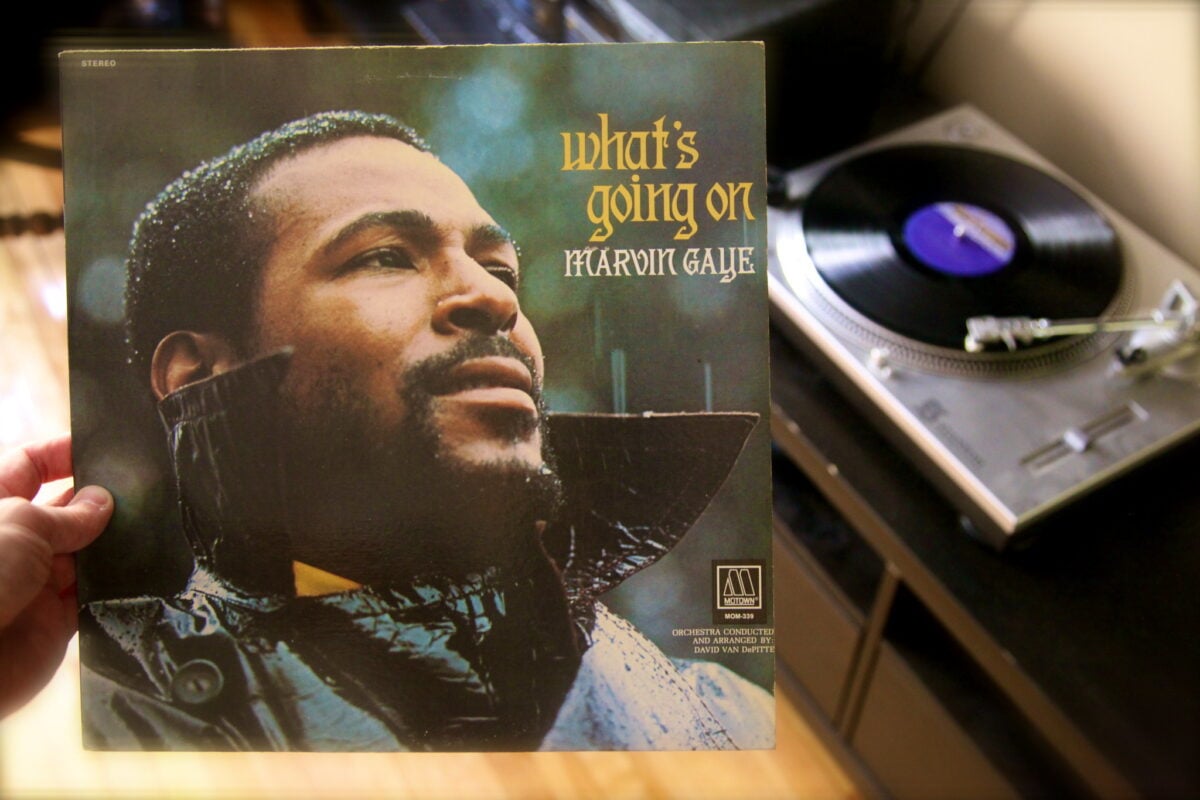
Marvin Gaye’s 1971 concept album tackled social issues like poverty, drug abuse, and the Vietnam War with unprecedented sophistication for popular music.
Gaye fought Motown Records for creative control and won, creating an album that blended soul, jazz, and classical influences.
The album proved that popular music could address serious topics without sacrificing commercial appeal, reaching number six on the Billboard charts.
The Chronic
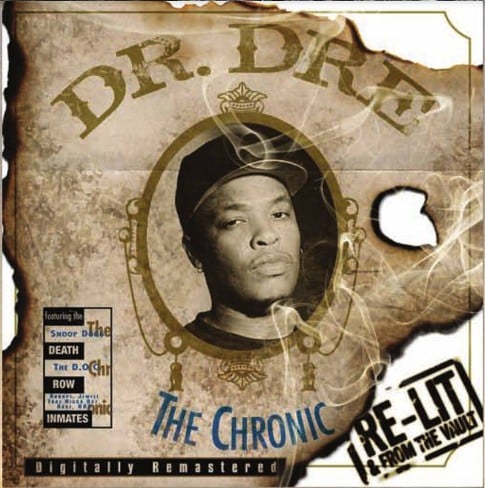
When Dr. Dre released this album, hip-hop was still in a relatively nascent stage, and the record proved that the genre had mass commercial appeal and limitless sonic potential.
Released in 1992, it introduced G-funk to the mainstream and launched the careers of Snoop Dogg and other West Coast rappers.
The album’s production style—featuring live instrumentation, funk samples, and laid-back grooves—influenced hip-hop production for the next two decades.
OK Computer
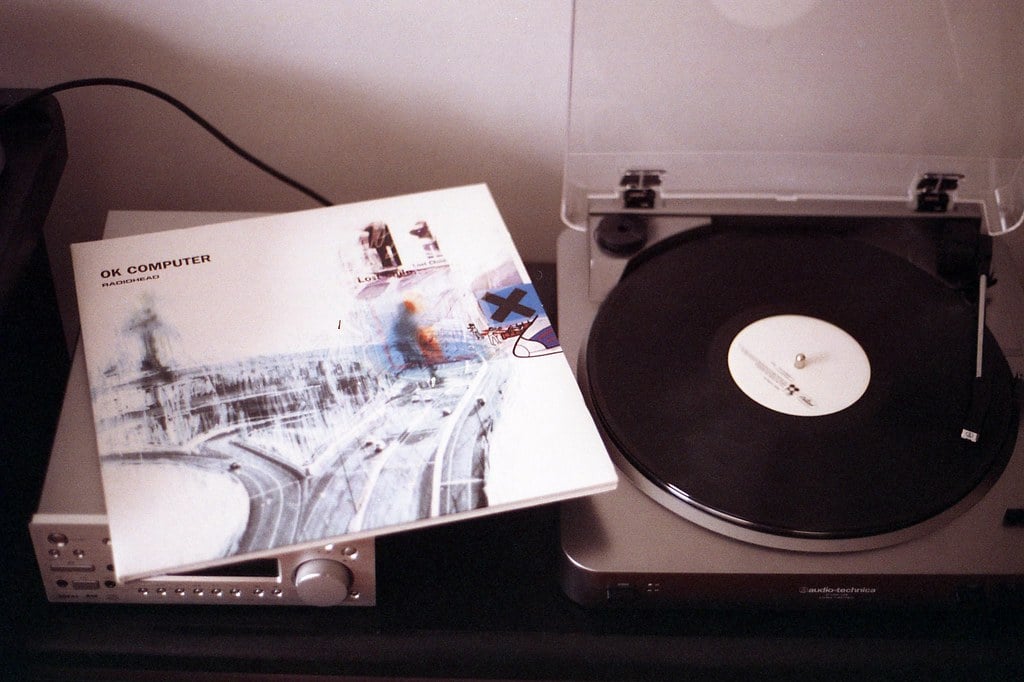
Radiohead’s 1997 album embraced contradiction through thoughtful lyrics set against an electronic background, using unconventional time signatures and innovative production techniques.
The album addressed anxieties about technology and modern life, resonating with listeners navigating an era of rapid technological change.
It expanded the boundaries of what alternative rock could be and influenced countless bands throughout the 2000s.
Purple Rain
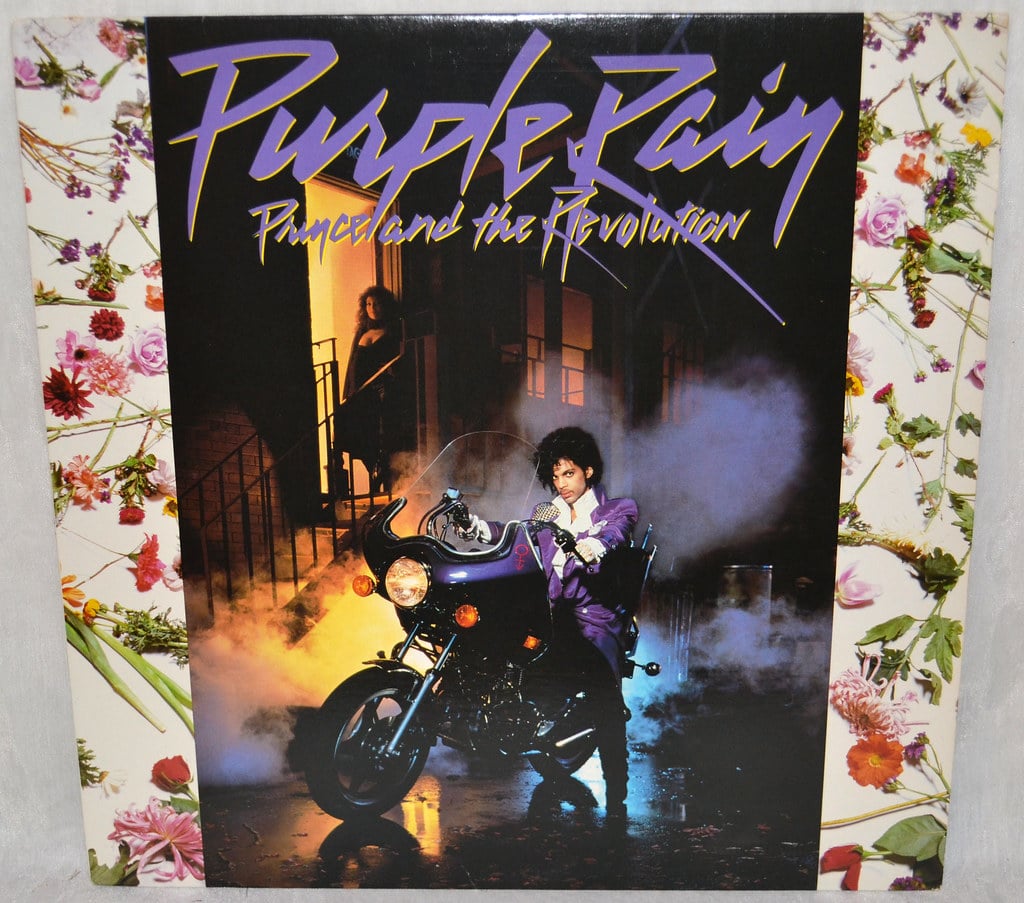
Prince showcased his ability to transcend musical and cultural boundaries by fusing rock, R&B, pop, and funk while rejecting typical genre and gender expectations.
Released in 1984, the album served as the soundtrack to his film of the same name and demonstrated Prince’s virtuosity as a multi-instrumentalist and producer.
The title track became one of rock’s most iconic anthems, proving that Black artists could dominate rock music just as powerfully as any genre.
Pet Sounds

The Beach Boys released this 1966 album after Brian Wilson became fascinated with studio experimentation.
Paul McCartney later identified Pet Sounds as his main musical inspiration for Sgt. Pepper’s Lonely Hearts Club Band.
Wilson used unconventional instruments, complex vocal harmonies, and sophisticated arrangements to create lush sonic landscapes. The album elevated pop music to an art form and influenced everyone from the Beatles to modern indie bands.
Licensed to Ill
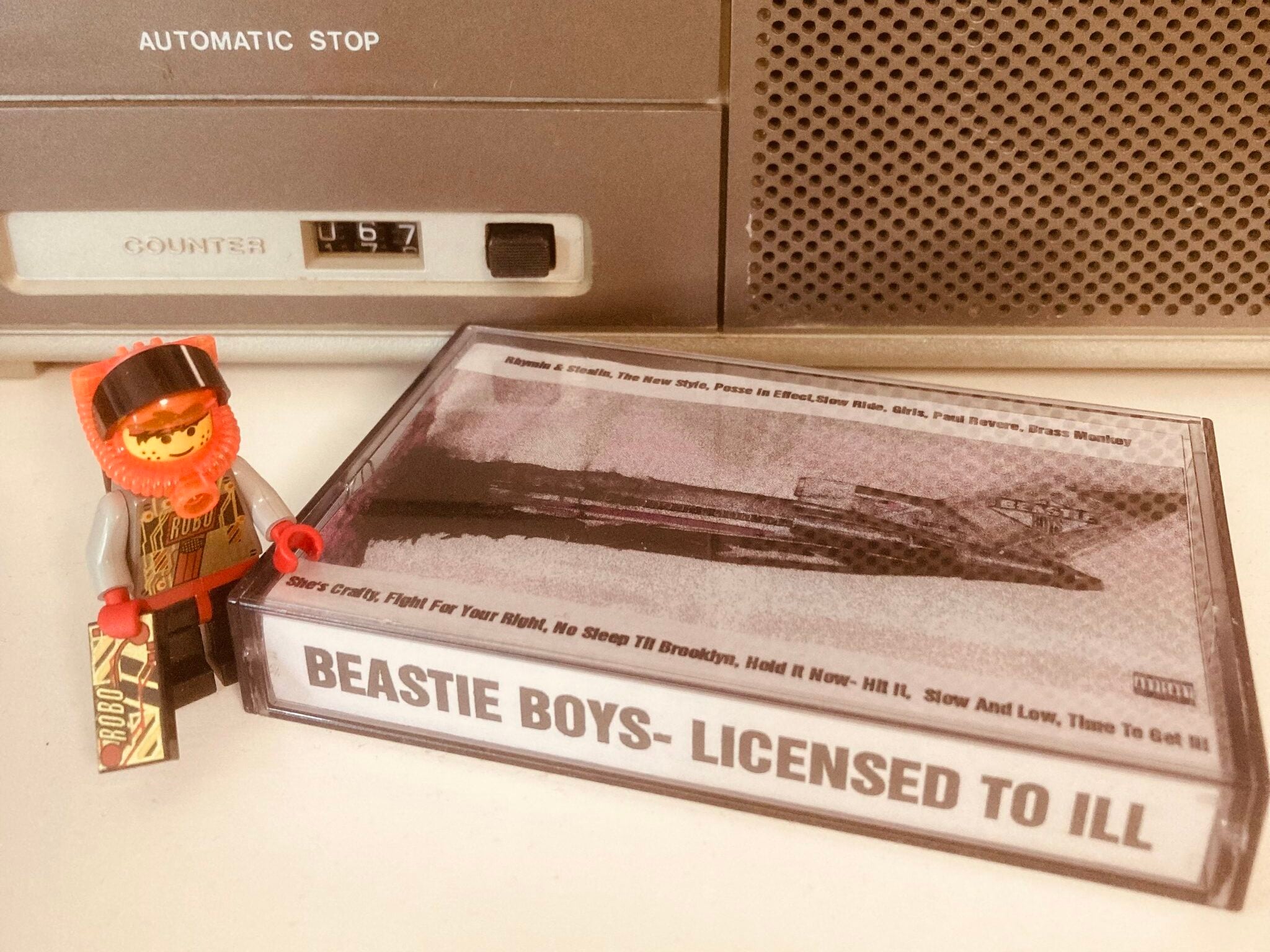
The Beastie Boys’ 1986 debut sampled classic rock riffs, and this genre-hopping broke hip-hop in with a whole new audience.
The album reached number one on the Billboard 200, becoming the first rap album to top the chart.
By blending hip-hop with rock guitar samples and irreverent humor, the Beastie Boys expanded rap’s audience beyond urban communities.
Thriller
Michael Jackson’s 1982 album became the best-selling record of all time.
With groundbreaking music videos and a genre-blending approach, Thriller set the stage for modern pop.
Jackson and producer Quincy Jones created a sound that incorporated pop, rock, funk, and R&B seamlessly.
The album’s success on MTV helped break down racial barriers in music television and established the music video as an essential promotional tool.
It Takes a Nation of Millions to Hold Us Back
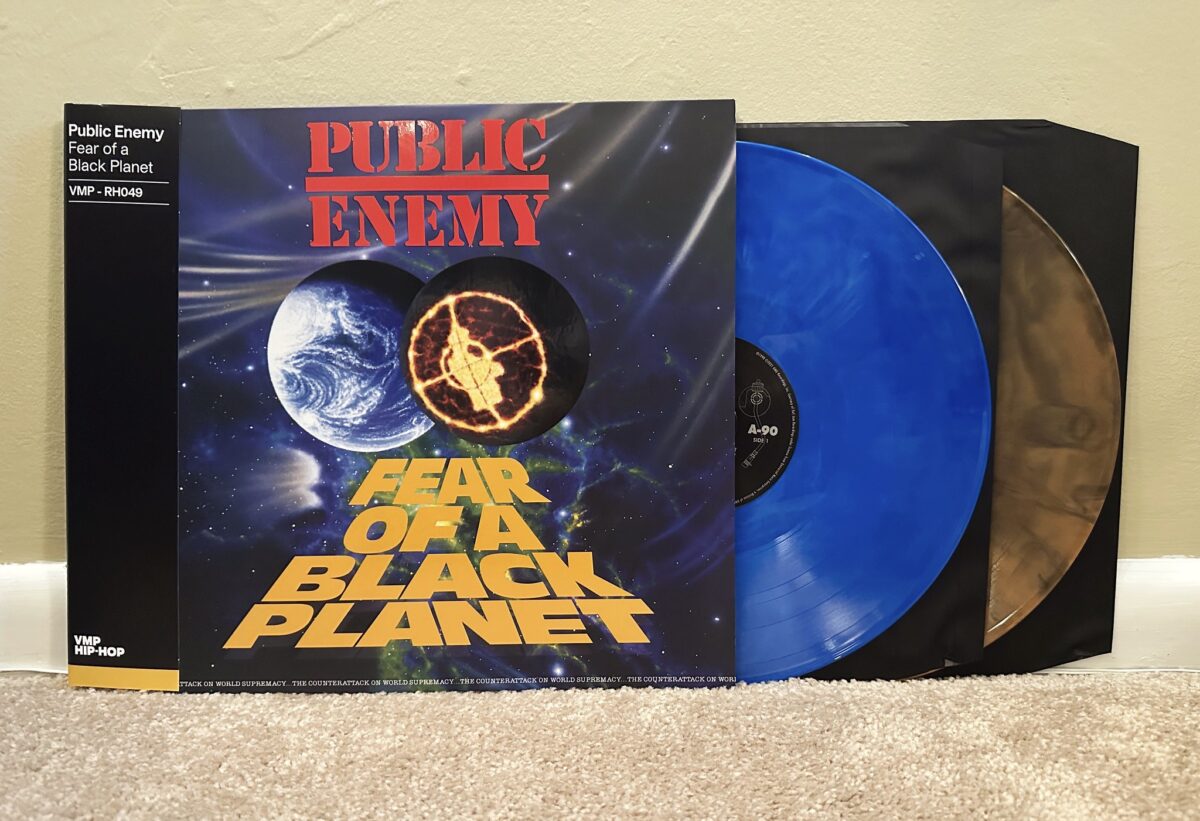
Public Enemy’s 1988 album gave hip-hop a voice and a conscience with tracks like Bring The Noise and Don’t Believe The Hype.
The production team, the Bomb Squad, created dense sonic collages using dozens of samples, revolutionizing hip-hop production.
The album proved that rap could be politically charged and musically complex while still connecting with a mass audience.
The Miseducation of Lauryn Hill
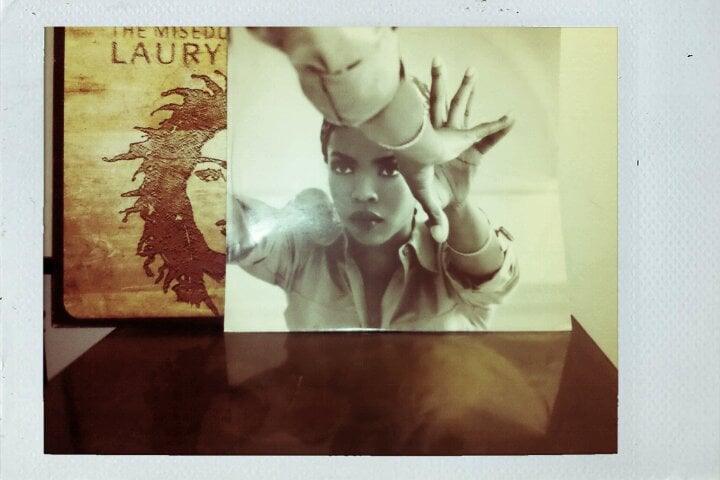
Lauryn Hill’s 1998 solo debut fused R&B, hip-hop, and soul, reshaping hip-hop and inspiring a new wave of female artists in the genre.
The album addressed themes of love, motherhood, and Black womanhood with unprecedented depth.
Hill wrote, produced, and arranged most of the album herself, winning five Grammy Awards and proving that women could excel in every aspect of hip-hop production.
Rumours
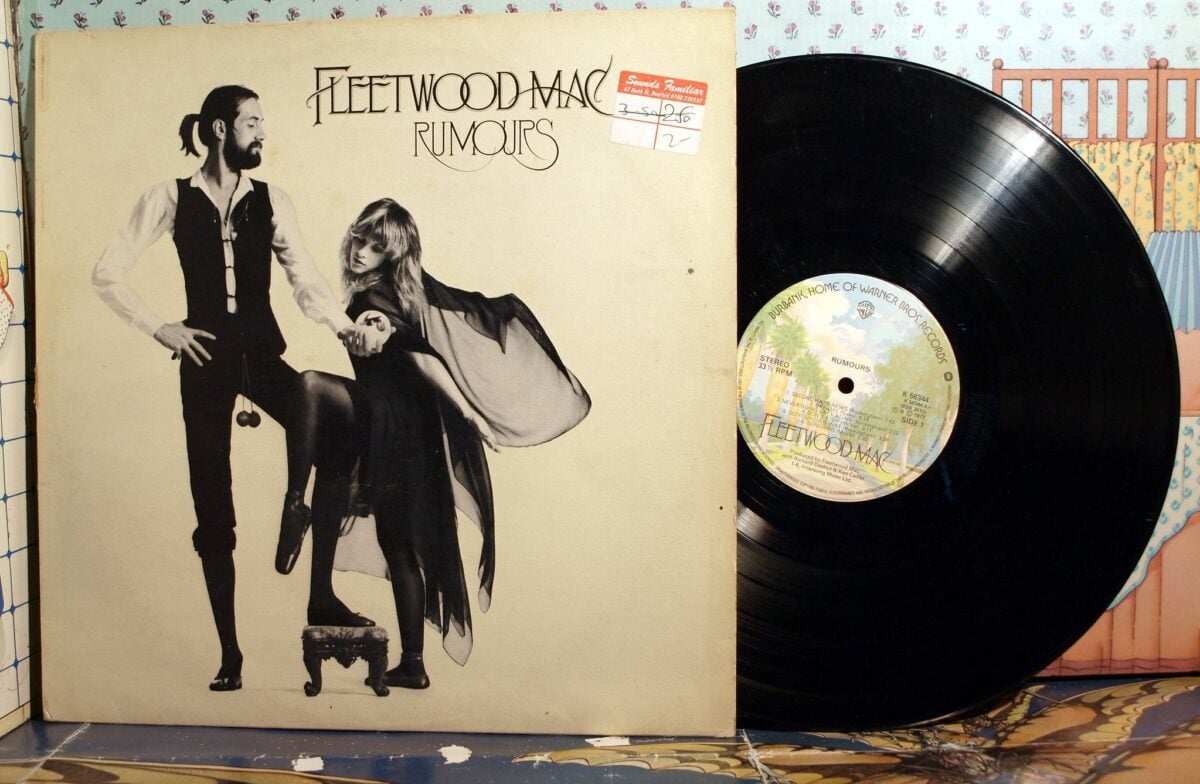
Fleetwood Mac’s 1977 album was recorded while the band’s relationships were disintegrating.
Despite—or perhaps because of—the turmoil, they created one of the most polished and emotionally resonant rock albums ever made.
The album spent 31 weeks at number one and sold over 40 million copies worldwide.
Its blend of pop hooks, rock guitars, and confessional lyrics influenced soft rock and pop-rock for decades.
Abbey Road
The Beatles’ 1969 swan song featured the iconic side two medley, where individual songs flowed seamlessly into one continuous piece.
The album’s melody appears in various guises, similar to how the Beatles used recurring musical themes, creating cohesion across different tracks.
Despite internal conflicts within the band, they created a polished masterpiece that demonstrated their maturation as songwriters and studio craftsmen.
From Vinyl to Streaming
These albums prove that lasting influence isn’t about following trends—it’s about having the courage to ignore them entirely.
From the Beatles’ studio wizardry to Nirvana’s raw power, each record became a reference point that subsequent generations measured themselves against.
The technologies changed from analog tape to digital files, but the fundamental truth remained constant: great albums don’t just capture a moment in time, they create a before and after in music history.
More from Go2Tutors!

- The Romanov Crown Jewels and Their Tragic Fate
- 17 Halloween Costumes Once Considered Taboo
- Famous Hoaxes That Fooled the World for Years
- 15 Child Stars with Tragic Adult Lives
- 16 Famous Jewelry Pieces in History
Like Go2Tutors’s content? Follow us on MSN.


