17 Fast-Food Mascots Retired Without Warning
For many years, our favorite fast-food restaurants have used their amiable faces as mascots in advertisements, packaging, and occasionally even during birthday celebrations. By fostering emotional bonds between consumers and companies, these vibrant avatars enhanced the joy and intimacy of eating encounters.
However, business tactics shift, and cherished mascots can just disappear from the public eye without any warning or hoopla. Character retirement in the fast-food marketing industry is quite brutal.
These 17 fast-food mascots vanished from their respective companies without a formal farewell or public statement.
The Noid
Domino’s Pizza introduced The Noid in 1986 as their primary antagonist—a red-suited character whose mission was to ruin pizza deliveries. The campaign was wildly successful, with ‘Avoid the Noid’ becoming a household phrase throughout the late 1980s.
However, Domino’s quietly retired the character in the early 1990s after a disturbing incident where a man with the same last name held employees hostage, believing the ads were targeting him personally.
Spuds MacKenzie
Budweiser’s party-loving bull terrier became an instant icon in the late 1980s, appearing at concerts and sporting events while promoting the ‘fun’ side of beer drinking. Spuds was arguably more recognizable than many human celebrities of the era.
The character disappeared abruptly in 1989 when Anheuser-Busch faced intense pressure from groups claiming the mascot was specifically designed to appeal to children and encourage underage drinking.
The Taco Bell Chihuahua
This tiny dog with a big attitude captured America’s heart in the late 1990s with the catchphrase ‘Yo Quiero Taco Bell.’ The commercials were everywhere, and the character even had its own line of merchandise.
Taco Bell dropped the Chihuahua in 2000 without explanation, though many speculated it was due to complaints about the character perpetuating Latino stereotypes.
Burger King Kids Club Gang
Before the creepy King took over, Burger King had an entire crew of diverse kid characters representing different interests and backgrounds. The gang included Kid Vid, Boomer, Snaps, Wheels, Jaws, I.Q., Lingo, and J.D., each with their own personality and storyline.
They vanished completely in the early 2000s as Burger King shifted toward edgier, adult-focused marketing campaigns.
The California Raisins
These dancing raisins weren’t tied to a single restaurant, but they promoted California raisins at various establishments and became a cultural phenomenon in the mid-1980s. Their claymation commercials featuring ‘I Heard It Through the Grapevine’ spawned toys, albums, and even a Saturday morning cartoon.
The campaign quietly ended in the early 1990s as the novelty wore off and the California Raisin Advisory Board moved in different marketing directions.
Little Caesar
The toga-wearing Roman emperor was Pizza Pizza’s original mascot, appearing in commercials long before the chain adopted the ‘Hot-N-Ready’ slogan. He would dramatically declare, ‘Pizza! Pizza!’ while gesturing toward the camera with theatrical flair.
Little Caesars phased out the character gradually in the early 2000s, replacing him with more modern advertising approaches focused on value and convenience.
The Arby’s Oven Mitt
This anthropomorphic oven mitt served as Arby’s mascot throughout the 1980s and early 1990s, often appearing alongside the slogan ‘Arby’s: Ya Gotta Eat.’ The character had a distinctive voice and would interact with customers in commercials about the chain’s roast beef sandwiches.
Arby’s retired the mitt without announcement as part of a broader rebranding effort that emphasized their ‘We Have the Meats’ campaign.
Jack’s Antenna Ball
Long before Jack in the Box brought back their clown mascot, the chain used a simple antenna ball featuring Jack’s round head as a promotional item and minor mascot. These foam balls sat on car antennas throughout the 1970s and 1980s, serving as mobile advertisements.
The antenna ball quietly disappeared as car designs changed and the company eventually revived the full Jack character for their advertising campaigns.
The Subway Gnome
In the early 2000s, Subway used a garden gnome figure to advertise their fresh ingredients and garden-fresh vegetables in a few markets. Only a small number of advertisements and marketing materials included the gnome.
Since it didn’t appeal to their target market or align with their healthier brand image, Subway swiftly and mysteriously eliminated the character.
Grimace’s Uncle
In the early 1980s, McDonald’s added Uncle O’Grimacey, a green variant of the well-known purple character who advertised Shamrock Shakes in March, to Grimace’s family tree. Uncle O’Grimacey added some ethnic flair to McDonaldland by wearing a hat and speaking with an Irish accent.
After only a few years, the character vanished entirely, never to be seen again, not even during Shamrock Shake seasons.
The Wendy’s Training Squad
Wendy’s created a group of employee characters in the 1990s to promote their training programs and customer service standards. These mascots appeared primarily in internal training materials and some regional advertising.
The squad included various workers representing different positions within the restaurant hierarchy. Wendy’s discontinued these characters as they shifted focus to Dave Thomas as their primary spokesperson and later to their current social media-driven approach.
Long John Silver’s Parrot
The seafood chain featured an unnamed parrot character throughout the 1980s and early 1990s, playing up their pirate theme with nautical commercials and promotional materials. The colorful bird would squawk about fish and chips while perched on treasure chests or ship wheels.
Long John Silver’s quietly retired the parrot as they moved away from the pirate theme and focused more on their food quality and variety.
The A&W Bear
A&W Root Beer’s mascot bear appeared in commercials and promotional materials for decades, often shown enjoying frosty mugs of root beer at drive-in locations. The friendly brown bear embodied the brand’s family-friendly, nostalgic atmosphere.
A&W phased out the bear character gradually in the 2000s as the chain struggled with declining locations and shifted marketing strategies.
Pizza Hut’s Pizza Head
This anthropomorphic pizza slice character appeared in Pizza Hut commercials during the early 1990s, featuring a face made of pepperoni and cheese. Pizza Head would sing jingles and promote various pizza deals with an upbeat, energetic personality.
Pizza Hut dropped the character without explanation as they moved toward celebrity endorsements and more sophisticated advertising campaigns.
The Dairy Queen Lips
Dairy Queen used a pair of animated red lips as a mascot during the 1980s, often shown enjoying ice cream treats and promoting various menu items. The lips would appear in commercials with a sultry voice, emphasizing the pleasure of eating DQ’s frozen desserts.
The character disappeared as Dairy Queen shifted toward more family-friendly marketing and eventually adopted their current ‘Fan Food’ campaign approach.
Roy Rogers and Dale Evans
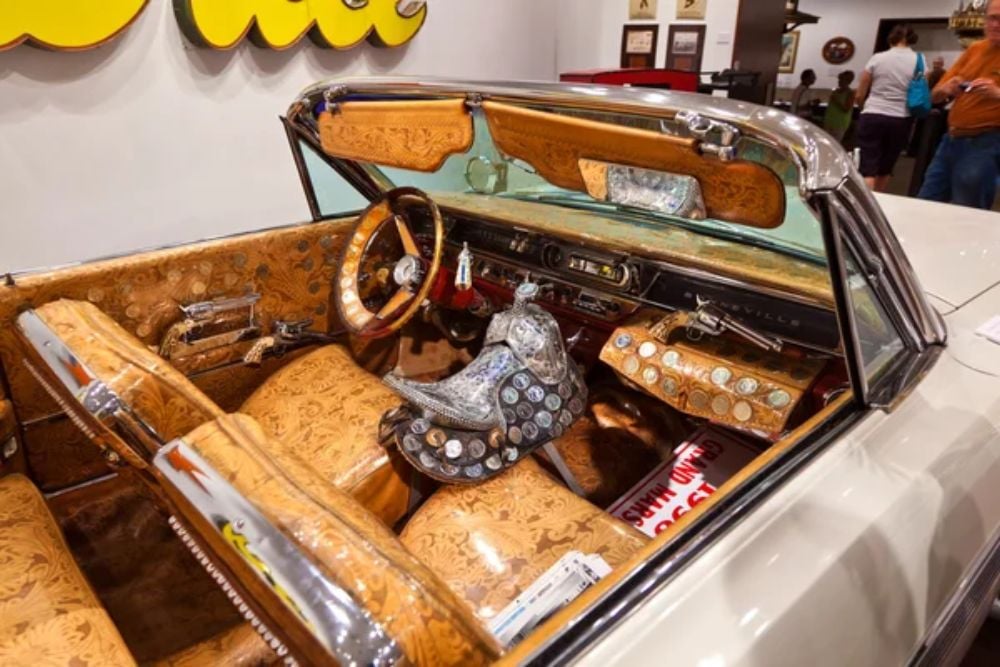
The western-themed restaurant chain naturally used the famous cowboy duo as their primary mascots throughout the 1970s and 1980s. Roy Rogers and Dale Evans appeared in commercials promoting the chain’s roast beef and fried chicken.
When Roy Rogers Entertainment took over the chain’s operations, they gradually phased out the characters’ appearances in advertising, focusing instead on the food quality and restaurant experience.
Howard Johnson’s Simple Simon
The hotel and restaurant chain featured Simple Simon from the nursery rhyme as their mascot for children’s promotions and ice cream marketing. Simple Simon appeared on kids’ menus and promotional materials throughout the 1960s and 1970s.
Howard Johnson’s retired the character as the company began declining in the 1980s and eventually focused more on their hotel operations than restaurants.
The Golden Age Lives On
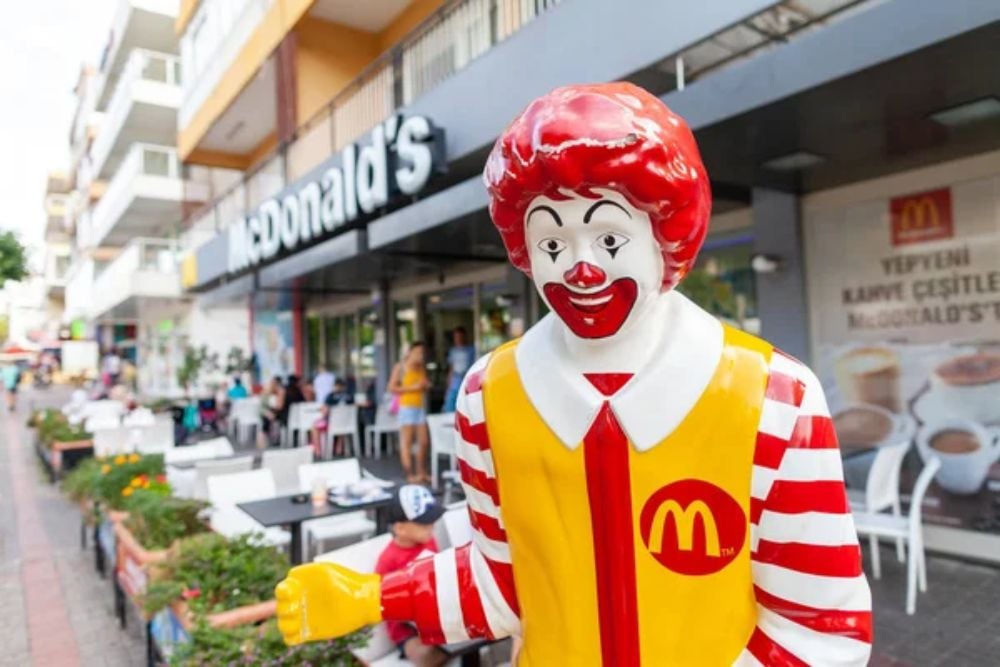
These retired mascots represent a fascinating chapter in American advertising history, when companies invested heavily in character development and storytelling to build brand loyalty. While modern marketing tends to favor social media influencers and viral campaigns, there’s something undeniably charming about the era when cartoon characters could sell millions of burgers and pizzas.
Many of these mascots are still fondly remembered by customers who grew up with them, proving that effective character marketing creates lasting emotional connections. The fast-food industry may have moved on, but the legacy of these colorful personalities continues to influence how brands think about connecting with their audiences on a personal level.
More from Go2Tutors!

- The Romanov Crown Jewels and Their Tragic Fate
- 13 Historical Mysteries That Science Still Can’t Solve
- Famous Hoaxes That Fooled the World for Years
- 15 Child Stars with Tragic Adult Lives
- 16 Famous Jewelry Pieces in History
Like Go2Tutors’s content? Follow us on MSN.