Sitcom Catchphrases That Became Iconic
Television sitcoms have given us more than just laughs and memorable characters. They’ve created phrases that jumped off the screen and landed in everyday conversations across America.
A good catchphrase sticks in your head, gets repeated at work and school, and sometimes even changes the way people talk. These weren’t carefully planned marketing slogans in most cases.
They were lines that actors delivered in character, and audiences loved them so much that they became part of the culture.
The best catchphrases work because they capture something simple but relatable. People heard them once and immediately wanted to say them too.
‘How you doin’?’ from Friends

Joey Tribbiani turned a basic greeting into his signature pickup line, and Matt LeBlanc delivered it with just the right amount of sleazy charm. The phrase worked because Joey thought it was smooth when everyone else could see it was ridiculous.
People started using ‘How you doin’?’ in real life, often with the same eyebrow raised and lowered voice that LeBlanc used.
The line became so associated with the character that LeBlanc couldn’t escape it even years after Friends ended. It captured everything about Joey’s character in three simple words.
‘Did I do that?’ from Family Matters

Steve Urkel’s nasally delivery of this phrase after causing chaos became one of the most recognizable lines of the 1990s. Jaleel White asked this question in nearly every episode after Urkel crashed through a door, broke something valuable, or caused some other disaster.
The character was supposed to appear in just one episode, but audiences loved him so much that he became the show’s centerpiece.
Kids across America started saying ‘Did I do that?’ whenever they got caught doing something wrong.
The phrase captured Urkel’s oblivious innocence perfectly, even when he’d just destroyed half the Winslow house.
‘Yada yada yada’ from Seinfeld

Seinfeld introduced this phrase as a way for characters to skip over boring or uncomfortable details in their stories. George’s girlfriend used it to gloss over parts of her life she didn’t want to discuss, and the gang quickly adopted it into their vocabulary.
The phrase already existed in some form, but Seinfeld made it mainstream. People loved having a socially acceptable way to avoid explaining things.
‘Yada yada yada’ became so popular that it entered the dictionary, which doesn’t happen to most TV catchphrases.
‘D’oh!’ from The Simpsons

Homer Simpson’s grunt of frustration became one of the most imitated sounds in television history. Dan Castellaneta created the noise as a shortened version of Jimmy Finlayson’s ‘D’ohhhhh’ from old Laurel and Hardy films.
It perfectly captured the feeling of realizing you’ve done something stupid.
The Oxford English Dictionary added ‘D’oh’ in 2001, defining it as expressing annoyance at foolishness or misfortune.
People use it when they forget their keys, miss their exit, or make any kind of small mistake that doesn’t require actual cursing.
‘Suit up!’ from How I Met Your Mother
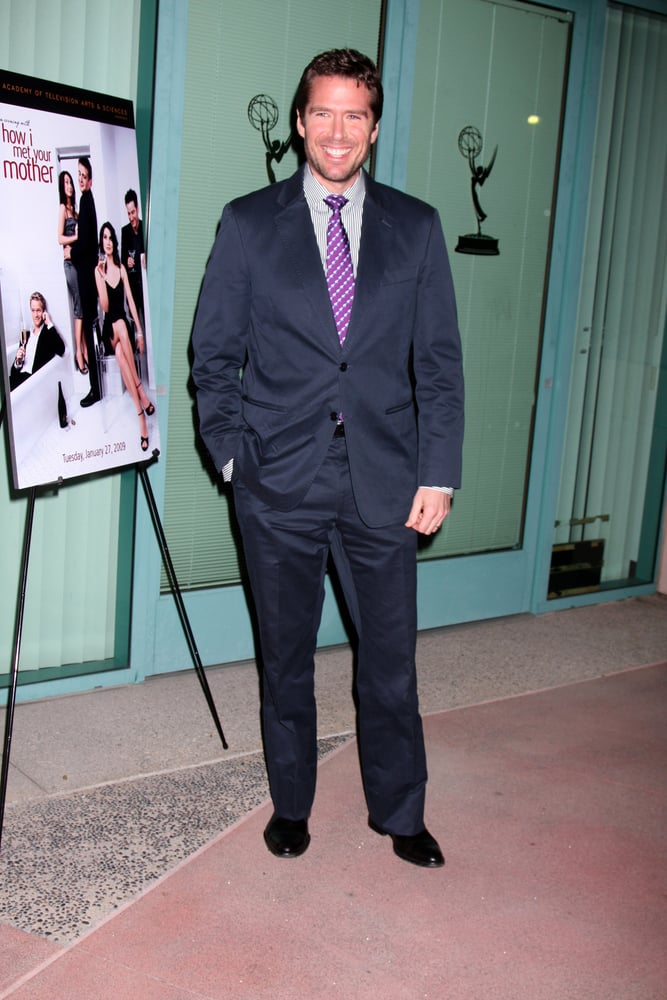
Barney Stinson turned his obsession with wearing suits into a rallying cry that Neil Patrick Harris delivered with infectious enthusiasm. The phrase meant more than just putting on formal wear.
It represented getting ready for adventure, going out with confidence, and embracing the night ahead. Harris made wearing a suit seem like a superhero costume, and ‘Suit up!’ became shorthand for preparing to have a good time.
The phrase worked because Barney’s commitment to his suits was so over the top that it became funny rather than pretentious.
‘Bazinga!’ from The Big Bang Theory

Sheldon Cooper used this made-up word after pranks or sarcastic comments, and Jim Parsons delivered it with such precise timing that it became the character’s trademark. The writers created ‘Bazinga’ specifically for the show rather than pulling it from existing slang.
Young viewers especially latched onto the phrase and started using it when they pranked their friends or made jokes.
The word appeared on merchandise, in other TV shows, and even got used to name a species of bee after the show’s popularity exploded.
It annoyed some people precisely because it got repeated so much, which is often the mark of a truly successful catchphrase.
‘What’chu talkin’ ’bout, Willis?’ from Diff’rent Strokes

Arnold Jackson’s skeptical response to his older brother became one of the most quoted lines of the 1980s. Gary Coleman delivered the phrase with perfect comic timing and a facial expression that sold the confusion and disbelief.
The line worked in countless situations whenever someone said something that didn’t make sense.
Kids repeated it in schools, adults used it at work, and it became a cultural reference point that lasted decades.
The phrase outlived the show itself and became more famous than most of the episodes it appeared in.
‘You got it, dude’ from Full House

Michelle Tanner’s cute response became a signature for the youngest member of the Tanner family. The Olsen twins were toddlers when they started saying this line, and their delivery made it impossibly adorable.
Adults found themselves repeating it even though it was clearly a child’s phrase.
The line captured Michelle’s can-do attitude and became shorthand for enthusiastic agreement.
Full House leaned heavily on the catchphrase in later seasons, having Michelle say it multiple times per episode once they realized how popular it had become.
‘That’s what she said’ from The Office

Michael Scott ruined perfectly normal conversations by turning innocent statements into inappropriate jokes with this phrase. Steve Carell played Michael as someone who couldn’t resist making the joke even when it made everyone uncomfortable.
The phrase existed before The Office, but the show made it mainstream and acceptable in more social situations.
People started using it constantly, often in the same awkward way Michael did.
The joke worked because Michael’s desperation to be funny and liked made him blind to how uncomfortable he made everyone around him.
‘Norm!’ from Cheers

This wasn’t something Norm said but rather what everyone yelled when Norm Peterson walked into the bar. The entire cast would shout his name in unison, creating a warm welcome that became the show’s most memorable moment.
George Wendt played Norm as an everyman who just wanted to drink beer and avoid his wife, and the greeting made him feel like a celebrity.
The tradition of shouting someone’s name when they enter a room started happening in real bars across America.
It captured the spirit of Cheers as a place where everybody knows your name.
‘Come on down!’ from The Price Is Right

While technically a game show rather than a sitcom, Johnny Olson’s invitation to contestants became one of TV’s most recognized phrases. The excited delivery and the way it preceded someone’s chance to win prizes made it feel celebratory.
People started using ‘Come on down!’ sarcastically when inviting friends over or offering something to someone.
The phrase lasted through different announcers and generations of the show.
It represents that moment of pure excitement when ordinary people get their shot at something special.
‘Whatchoo talkin’ ’bout?’ from Martin

Martin Lawrence had several catchphrases on his self-titled show, but this variation on Arnold’s classic line from Diff’rent Strokes became his own. Martin added his own flavor and energy to the phrase, making it distinct from the original.
The show featured Martin playing multiple characters, and several of them had their own catchphrases that audiences loved.
This particular line worked because Martin could shift from comedy to confrontation in seconds, and the phrase worked in both contexts.
It showed how a good catchphrase could be borrowed, modified, and made new again.
‘Holy crap!’ from Everybody Loves Raymond

While not unique to the show, Peter Boyle delivered this phrase as Frank Barone with such perfect timing and grumpy energy that it became his character’s signature. Frank used it to react to everything from minor inconveniences to major life events, always with the same level of over-the-top disgust.
The phrase was mild enough for network television but felt genuine coming from a cranky old man.
Boyle’s delivery made even this common expression feel fresh and funny.
It worked because Frank saw everything as equally annoying, whether it was cold meatloaf or his son’s marital problems.
‘Dyn-o-mite!’ from Good Times

Jimmie Walker turned this enthusiastic exclamation into his character J.J.’s trademark and one of the 1970s’ most recognizable catchphrases. Walker delivered it with arm gestures and energy that made it feel like a celebration of something actually exciting.
The phrase caught on so thoroughly that people used it for everything from good news to mild accomplishments.
It appeared on T-shirts, posters, and became Walker’s calling card for the rest of his career.
The show’s producers initially worried it made J.J. seem too much like a clown, but audiences loved it anyway.
‘Missed it by that much’ from Get Smart

Maxwell Smart used this phrase while holding his thumb and forefinger close together to describe near misses. Don Adams delivered it with the perfect combination of disappointment and complete lack of self-awareness about how badly he’d actually failed.
The phrase worked as a way to describe coming close to success while actually being nowhere near it.
Get Smart gave audiences several catchphrases, but this one stuck because it applied to so many real-life situations.
People used it when they almost caught the bus, nearly completed a project on time, or failed in ways they wanted to minimize.
‘Book ’em, Danno’ from Hawaii Five-O

Jack Lord’s character Steve McGarrett wrapped up cases by telling his colleague to arrest the bad guy with this simple command. The phrase became synonymous with solving crimes and catching criminals.
People started using it jokingly when someone got caught doing something wrong, even in non-criminal contexts.
The line was simple and direct, which made it easy to remember and repeat.
Hawaii Five-O ran for 12 seasons originally, and the catchphrase lasted through the entire run and into the 2010 remake, proving its staying power across generations.
Sit on it from Happy Days

Back when ‘Ayyy!’ wasn’t yet tied to Fonzie, folks on Happy Days tossed it around like a quiet jab. Not loud, not mean – just enough to brush someone off without breaking rules.
Think of it as shushing with style, fitting right into the clean-cut fifties vibe.
Young fans picked up on that balance fast. They wanted something sharp but safe, clever but not risky.
So they ran with it at school, on streets, during playground standoffs.
Other lines from the show stuck too, sure. Yet this one slipped through the cracks perfectly – not harsh, not weak.
By the time the decade neared its end, “sit on it” echoed in yards and hallways everywhere.
‘Up your nose with a rubber hose’ from Welcome Back, Kotter

A twist of plastic slips into nostrils on a classroom dare. That line from Welcome Back, Kotter sticks like chalk dust. One kid says it, another laughs too hard to breathe. It lives in memory because nobody expected such weirdness in school hours. Laughter cracks the moment wide open.
That odd put-down Vinnie Barbarino tossed around meant nothing at all, yet somehow felt cheeky. Confidence carried it – John Travolta said it like he believed every syllable.
Its power came from being totally illogical, absurd enough to land as humor instead of meanness. Young viewers clung to it – a fake swear word that flew under adult radar.
Other Sweathogs had their own go-to lines on Welcome Back, Kotter, unique shouts into the void. Still, “Do you have a license to park that thing?” stuck longest in people’s minds.
How words become culture

Out of nowhere, a single line sticks. When it matches what people sense deep down – yet never said – it takes root.
Instead of just summing up emotion, it shrinks big ideas into something small enough to carry around. Timing matters. Delivery too.
A burst of energy at the perfect moment can outlive years of storytelling. Think about kids repeating it on playgrounds, adults tossing it into meetings without thinking.
Even those unaware of its origin start using it naturally. Not every phrase survives long. Many fade fast, lost in old reruns. Yet some keep going, handed forward like forgotten heirlooms.
Decades pass. New viewers stumble upon them, surprised they weren’t always part of speech. Simplicity wins here – not flashiness.
More from Go2Tutors!

- The Romanov Crown Jewels and Their Tragic Fate
- 13 Historical Mysteries That Science Still Can’t Solve
- Famous Hoaxes That Fooled the World for Years
- 15 Child Stars with Tragic Adult Lives
- 16 Famous Jewelry Pieces in History
Like Go2Tutors’s content? Follow us on MSN.