Million-dollar Ideas That Ended in Disaster
The business world loves a good comeback story, but it’s equally fascinated by spectacular failures.
Some of the brightest minds in entrepreneurship have poured millions into ventures that seemed destined for greatness.
They collapsed under the weight of miscalculation, bad timing, or sheer hubris.
These aren’t just cautionary tales about small startups with big dreams.
They’re billion-dollar blunders from major corporations and well-funded ventures that had every advantage except the one that mattered most: an understanding of what people actually wanted.
Here’s a closer look at some of the most expensive missteps in modern business history.
Quibi
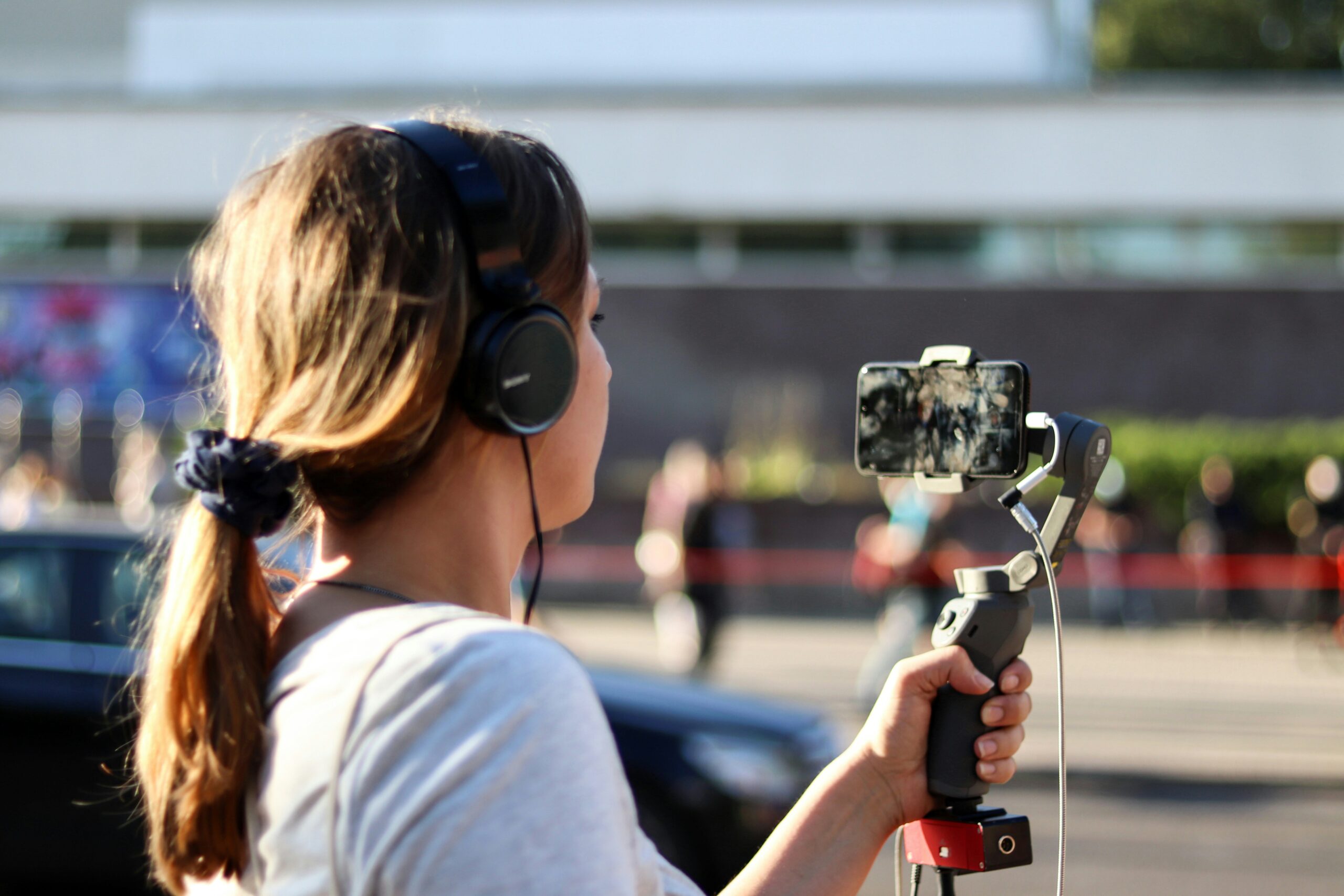
Streaming services were booming in 2020, so launching a new one seemed like a smart play.
Quibi bet $1.75 billion on a simple premise: people wanted premium, short-form video content designed specifically for smartphones.
The platform offered episodes under ten minutes from A-list creators with different viewing options for vertical and horizontal screens.
On paper, it made sense.
In practice, it didn’t stand a chance.
The service shut down just six months after launch, becoming one of the fastest high-profile failures in tech history.
Part of the problem was timing.
Launching during a pandemic when people were stuck at home with big screens made ‘quick bites’ less appealing.
The real issue ran deeper.
Quibi offered no social sharing features, no way to watch on TVs, and content that wasn’t compelling enough to justify yet another subscription.
Founder Jeffrey Katzenberg initially blamed COVID-19.
He later admitted the idea itself might have been flawed from the start.
Juicero

Silicon Valley has a habit of overengineering solutions to problems that don’t exist.
Juicero took that tendency to absurd heights with a $400 Wi-Fi-enabled juicer that squeezed proprietary juice packets.
The company raised $120 million from investors who believed consumers would pay premium prices for the convenience of fresh-pressed juice at home without the mess.
Then Bloomberg reporters discovered you could squeeze the packets just as effectively by hand.
That rendered the expensive machine completely unnecessary.
The revelation went viral, turning Juicero into a punchline overnight.
The company slashed prices, then tried to pivot, but the damage was done.
It shut down in 2017, refunding customers and proving that sometimes the simplest explanation is the right one.
If your product’s main feature can be replaced by human hands, you don’t have a product.
Google Glass
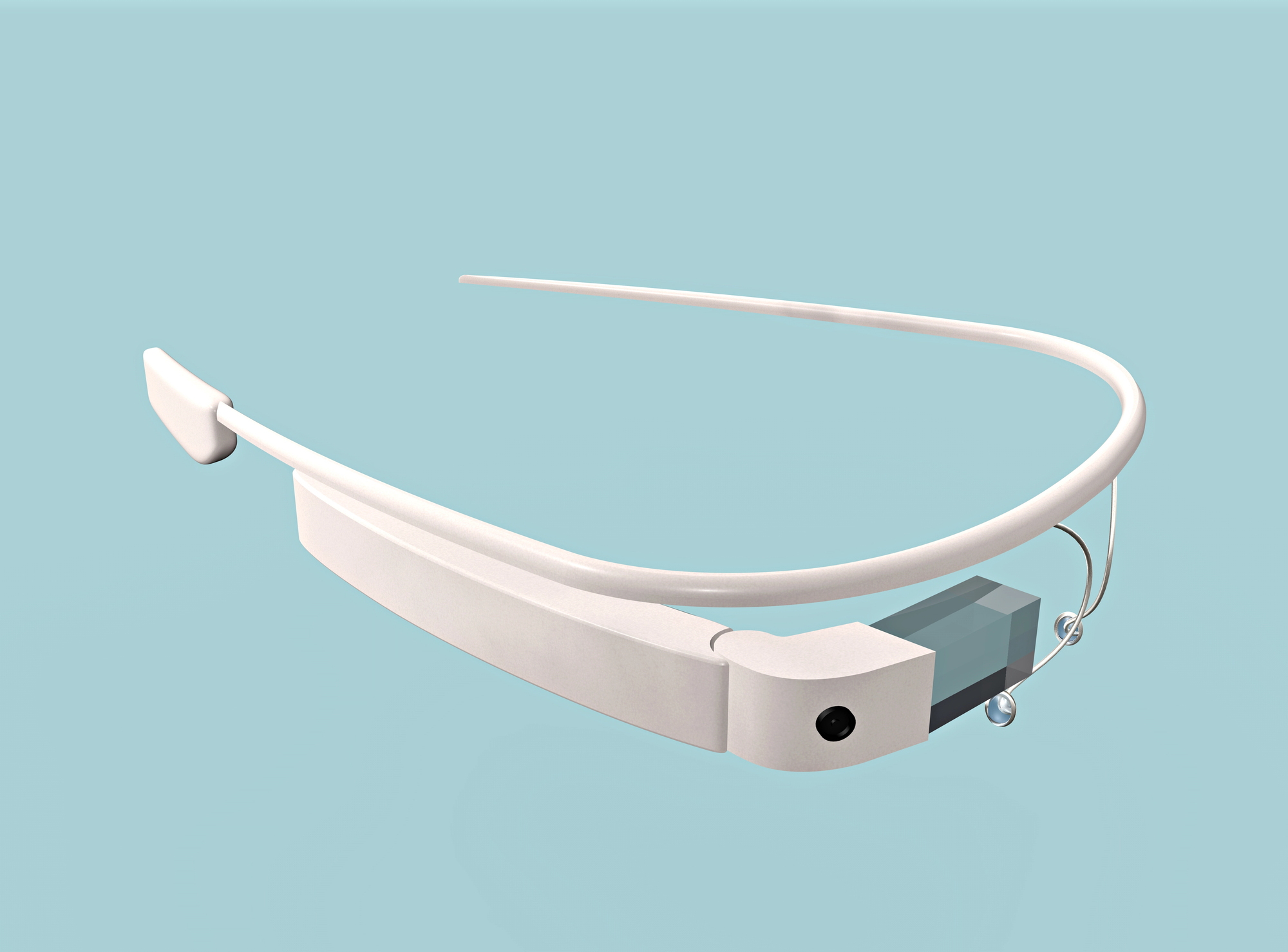
Wearable tech seemed like the next frontier when Google introduced Glass in 2013.
The augmented reality glasses promised to revolutionize how we interact with information, putting a heads-up display right in your field of vision.
Early adopters paid $1,500 to be ‘Explorers,’ testing the device in public and providing feedback.
Google lost approximately $895 million on the project before pulling it from the consumer market.
The technology worked, but everything else failed.
Glass users were mockingly called ‘Glassholes’ because the device’s camera raised constant privacy concerns.
Restaurants and bars banned them.
The design screamed ‘tech nerd’ rather than ‘fashionable accessory.’
Battery life was poor, functionality was limited, and nobody could articulate why anyone actually needed it.
Google eventually repositioned Glass for enterprise use in manufacturing and healthcare.
Privacy concerns mattered less and practical applications were clearer there.
The consumer version remains a cautionary tale about launching technology before society is ready for it.
Better Place
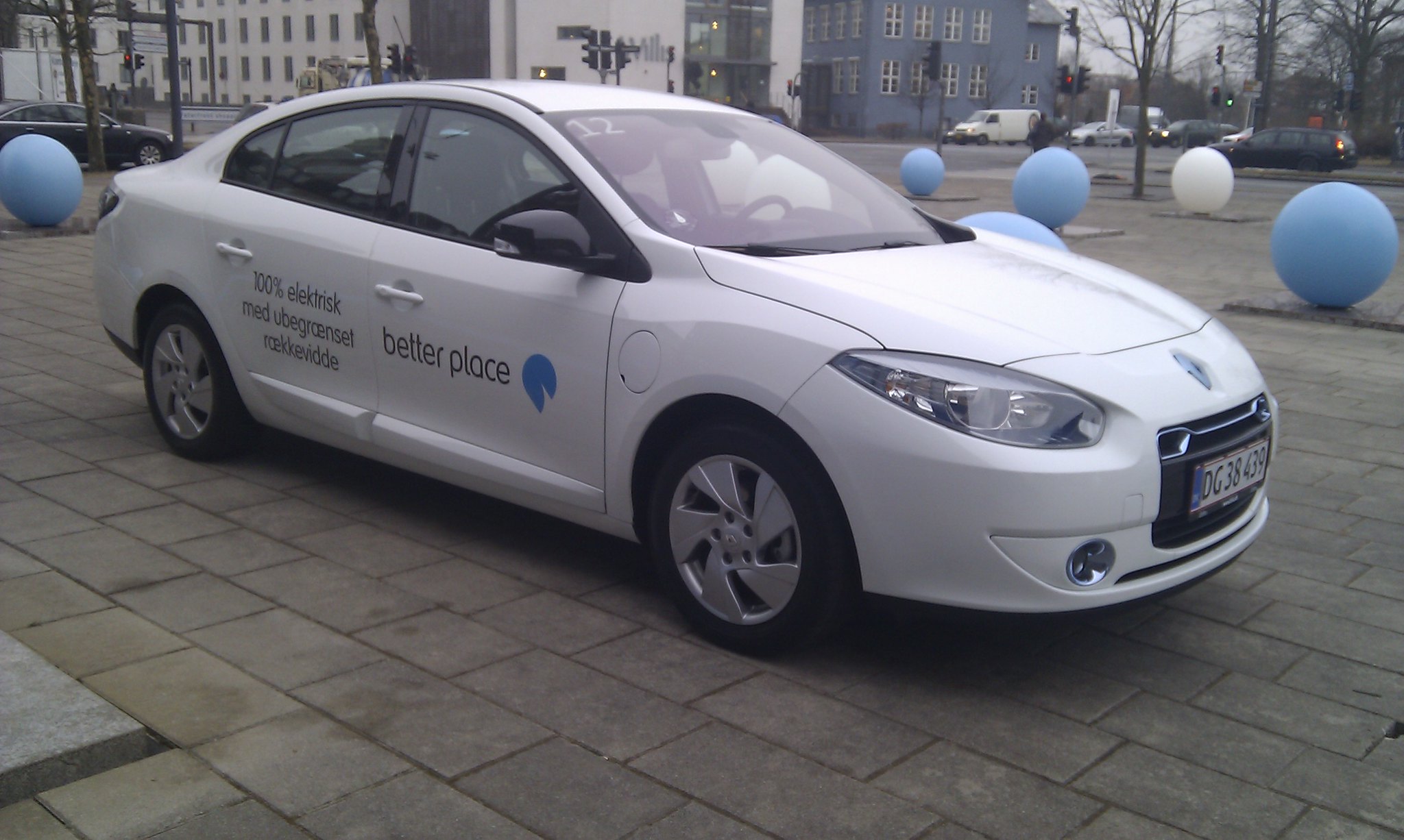
Electric vehicles needed better infrastructure, and Better Place had an elegant solution.
Instead of waiting hours to charge your car, you’d swap out the entire battery in minutes at special stations.
The Israeli company raised nearly $1 billion to build this network, partnering with Renault to produce compatible cars.
Founder Shai Agassi was charismatic, the technology was innovative, and the environmental benefits were obvious.
The company filed for bankruptcy in 2013 after burning through $850 million, having sold fewer than 1,500 vehicles.
Building battery-swap stations required massive infrastructure investment before there were enough cars to justify them.
Renault’s specially modified vehicles were expensive and only worked with Better Place’s system.
Range anxiety was real, but consumers proved more willing to wait for faster charging technology than to commit to a proprietary swap system.
Better Place tried to create an entirely new ecosystem when incremental improvements to existing charging would have been enough.
Amazon Fire Phone
Amazon conquered online retail, cloud computing, and streaming.
Smartphones seemed like the logical next step, especially if they were optimized for shopping.
The Fire Phone launched in 2014 with unique features like ‘Dynamic Perspective’ 3D effects and ‘Firefly,’ which could identify products and let you buy them instantly from Amazon.
The phone cost $170 million to develop and resulted in $120 million in losses, with most units never sold.
The hardware was mediocre, the 3D gimmick was more novelty than necessity, and the shopping features felt pushy rather than helpful.
Amazon priced it at $199 with a two-year AT&T contract, competing directly with iPhone and Android flagships that had far superior ecosystems.
Within months, Amazon dropped the price to 99 cents just to clear inventory.
The Fire tablets succeeded because they offered decent performance at rock-bottom prices.
The Fire Phone tried to compete at the high end without offering a compelling reason to switch.
It proved that even Amazon can’t will customers into wanting something they don’t need.
Webvan

Online grocery delivery was going to change everything.
Webvan launched in 1997 with that exact promise, raising $280 million and building massive automated warehouses to fulfill orders.
The company expanded aggressively to multiple cities, spending heavily on infrastructure before proving the model worked.
When the dot-com bubble burst, Webvan’s burn rate became unsustainable.
The company filed for bankruptcy in 2001 owing $280 million in debt, laying off 2,000 employees and shutting down overnight.
The idea wasn’t wrong.
Companies like Instacart and Amazon Fresh later proved grocery delivery could work.
Webvan’s timing was terrible, its execution was expensive, and it scaled too quickly.
Building custom warehouses in multiple cities before achieving profitability in one was a fatal error.
Two decades later, the pandemic proved that grocery delivery was indeed viable.
It required technology, logistics, and consumer behavior that simply didn’t exist in 1999.
Boo.com

Fashion e-commerce startup Boo.com spent $135 million in just 18 months during the dot-com boom, becoming a symbol of late-’90s excess.
The site featured cutting-edge design, 3D product views, and a virtual shopping assistant named Miss Boo.
It launched simultaneously in multiple European countries with massive marketing campaigns and an editorial approach to online retail.
The technology was too advanced for the internet speeds of 1999.
Pages took minutes to load on dial-up connections.
The site required specific browsers and plugins that many users didn’t have.
Boo.com burned through cash on lavish offices, Concorde flights for executives, and marketing before they’d worked out basic functionality.
When the site finally launched, it was beautiful but unusable for most potential customers.
The company went bankrupt in 2000, proving that being ahead of your time can be just as fatal as being behind it.
New Coke
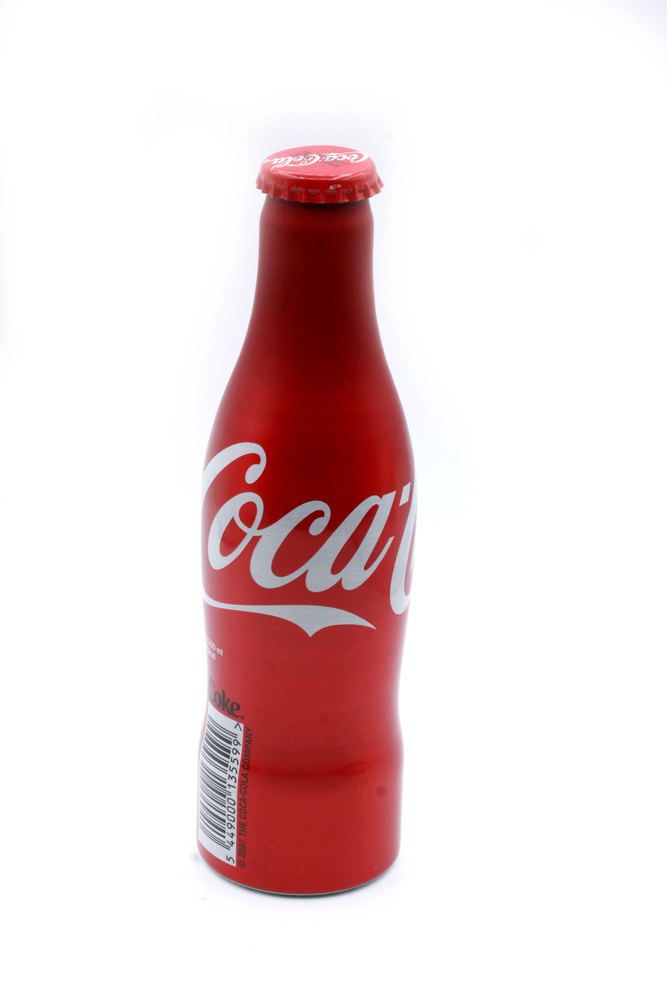
Pepsi was gaining market share in the 1980s, especially in blind taste tests where people preferred its sweeter flavor.
Coca-Cola panicked and decided to reformulate its 99-year-old recipe.
After years of research and testing, they launched New Coke in 1985 with massive fanfare, discontinuing the original formula entirely.
The backlash was immediate and fierce.
Customers felt betrayed.
Some hoarded old Coke.
Protest groups formed.
The company received 400,000 calls and letters, mostly angry.
Just 79 days after launch, Coca-Cola brought back the original formula as ‘Coca-Cola Classic,’ effectively admitting defeat.
Some marketing experts later speculated the whole thing might have been a publicity stunt.
Company executives denied it.
New Coke disappeared from most markets by 1992.
The episode taught a valuable lesson: sometimes your brand’s history matters more than taste tests.
Blockbuster Passes on Netflix
This one hurts even in retrospect.
In 2000, Netflix founders approached Blockbuster about a partnership, offering to sell the company for $50 million.
Blockbuster, the dominant video rental chain with thousands of stores, declined.
They didn’t see the threat from a DVD-by-mail service, and their late-fee revenue was too profitable to risk disrupting.
By 2010, Blockbuster filed for bankruptcy while Netflix’s market cap exceeded $13 billion.
The rental giant had every advantage—brand recognition, retail locations, customer relationships—but couldn’t adapt quickly enough when streaming emerged.
Blockbuster eventually launched its own mail service and streaming platform.
By then Netflix had captured the market and the cultural moment.
One store remains in Bend, Oregon, operating more as a nostalgic tourist attraction than a viable business.
Theranos

Elizabeth Holmes promised to revolutionize blood testing with technology that could run hundreds of tests from a single finger prick.
Theranos raised nearly $1 billion at a $9 billion valuation, partnering with Walgreens and attracting a board filled with prominent figures.
Holmes became the youngest self-made female billionaire, appearing on magazine covers and giving TED talks about democratizing healthcare.
Investigative reporting revealed the technology didn’t actually work as claimed.
The company was using traditional blood testing machines for most tests.
Theranos dissolved in 2018, and Holmes was convicted of fraud in 2022, sentenced to more than eleven years in prison.
The scandal highlighted how charisma and connections can substitute for substance when investors want to believe in a compelling narrative.
It also demonstrated the danger of ‘fake it till you make it’ culture in Silicon Valley.
In healthcare, lives are at stake.
The Legacy of Failure
These disasters share common threads: mistiming, overconfidence, and a fundamental disconnect between what creators thought people wanted and what they actually needed.
Some were good ideas executed poorly.
Others were poor ideas executed expensively.
A few were ahead of their time, solving problems that didn’t exist yet or requiring technology and infrastructure that hadn’t matured.
The most expensive lesson in all of them is that capital can’t compensate for a flawed premise.
You can raise billions, hire the best talent, and generate massive hype, but if the core value proposition doesn’t resonate with real humans in real circumstances, no amount of money will save you.
The graveyard of failed ventures is filled with products that made perfect sense in boardrooms and focus groups but crumbled upon contact with reality.
That’s the uncomfortable truth behind every million-dollar disaster: someone, somewhere, was absolutely convinced it would work.
More from Go2Tutors!

- The Romanov Crown Jewels and Their Tragic Fate
- 13 Historical Mysteries That Science Still Can’t Solve
- Famous Hoaxes That Fooled the World for Years
- 15 Child Stars with Tragic Adult Lives
- 16 Famous Jewelry Pieces in History
Like Go2Tutors’s content? Follow us on MSN.



