17 Family Restaurants With Surprising Origins
Most family restaurants seem like they’ve always been part of the American landscape, serving up comfort food and creating memories across generations. But behind those familiar facades and beloved recipes lie some pretty unexpected origin stories that might just change how you see your next dinner out.
The truth is, many of our favorite family dining spots started in completely different industries or arose from the most unlikely circumstances. Here are 17 family restaurants with surprising origins that prove success can come from the most unexpected places.
Cracker Barrel Started as a Gas Station Chain
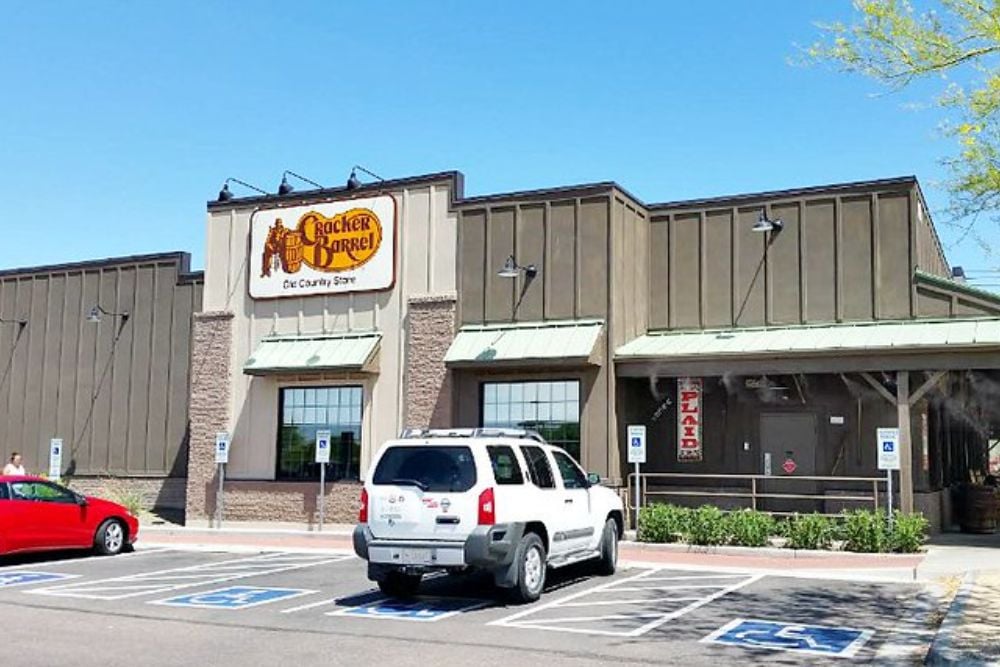
Dan Evins opened the first Cracker Barrel in 1969 as a gas station with a restaurant attached, targeting interstate travelers in Lebanon, Tennessee. The concept was simple: provide fuel for cars and hearty Southern food for families on long road trips.
The general store atmosphere wasn’t just decoration—it was meant to encourage browsing while waiting for food, boosting sales on both sides of the business.
Denny’s Was Originally Called Danny’s
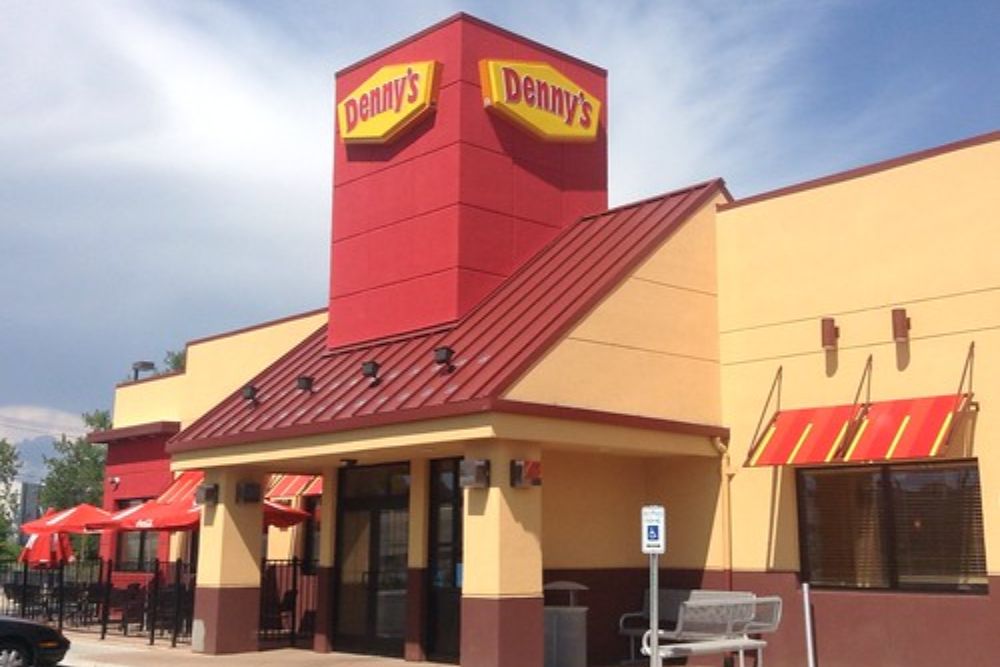
Harold Butler and Richard Jezak opened their first coffee shop in 1953 in Lakewood, California, calling it Danny’s Donuts. The focus was entirely on donuts and coffee for the morning crowd, operating just 12 hours a day.
When they discovered another restaurant chain already held the rights to the name Danny’s, they switched to Denny’s in 1959 and expanded into the 24-hour diner format we know today.
Bob Evans Started on an Ohio Farm
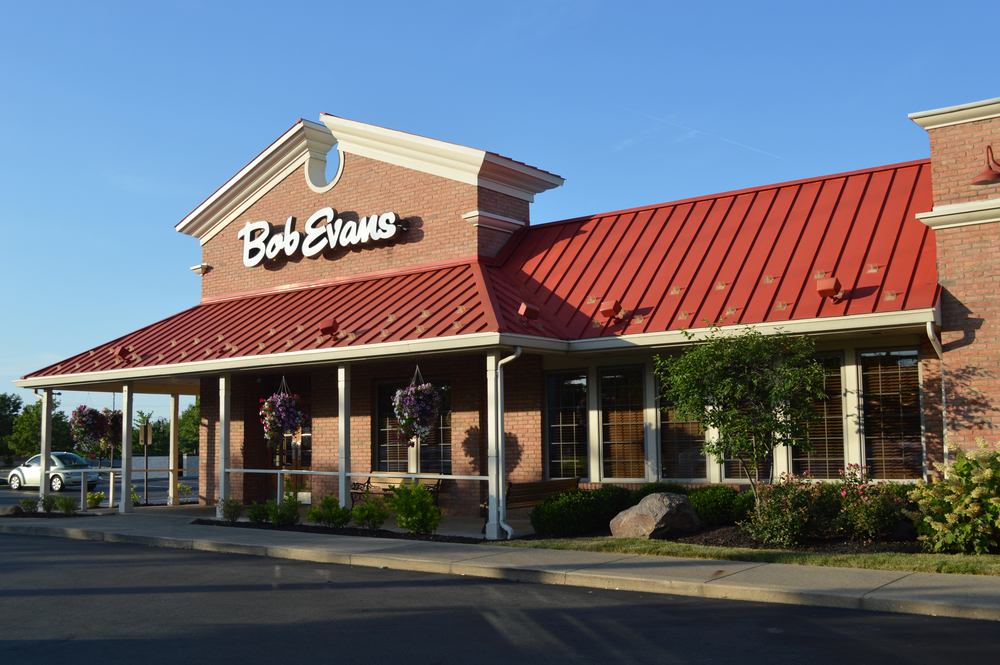
Bob Evans literally started his restaurant empire by selling homemade sausage from his 12-acre farm in Rio Grande, Ohio, in 1946. He’d wake up at 2 AM to make fresh sausage, then drive around to local restaurants trying to sell it from the back of his truck.
The first Bob Evans restaurant didn’t open until 1962, after his sausage business had already made him a local legend.
IHOP Began with a Pancake Recipe Contest
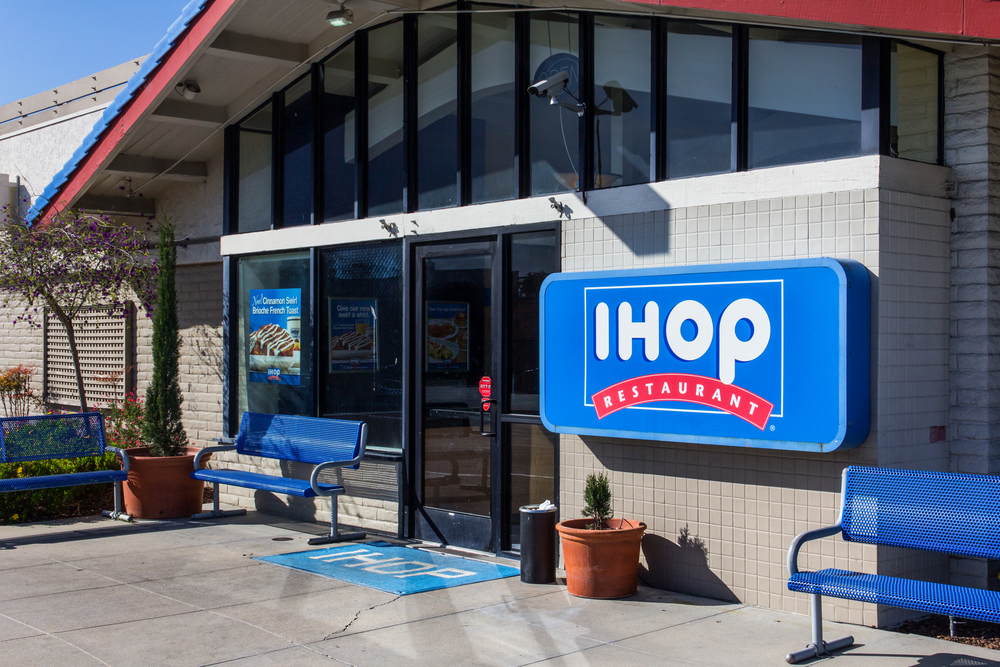
Brothers Al and J. Lapin opened the International House of Pancakes in 1958 after winning a pancake recipe contest that convinced them breakfast could be profitable all day long. They started with just one location in Toluca Lake, California, featuring pancakes from around the world as a novelty concept.
The idea of serving breakfast food around the clock was revolutionary at the time, when most restaurants stopped serving eggs after 11 AM.
Applebee’s Was Named After a Phone Book
Bill and T.J. Palmer opened their first restaurant in 1980 in Decatur, Georgia, originally calling it T.J. Applebee’s Rx for Edibles & Elixirs. The name came from a phone book—they were looking for something that would appear early in alphabetical listings and stumbled across the surname Applebee.
The ‘Rx’ theme played up a pharmacy concept, complete with antique medical equipment as decor.
Olive Garden Started in Florida, Not Italy
General Mills created Olive Garden in 1982 as a completely fabricated Italian-American concept, opening the first location in Orlando, Florida. The company spent months researching Italian food culture and even sent employees to Italy for training, but the restaurant was designed from scratch as an American interpretation of Italian dining.
The famous breadsticks and salad combination became the signature specifically because focus groups responded well to unlimited offerings.
TGI Friday’s Invented the Singles Bar Scene
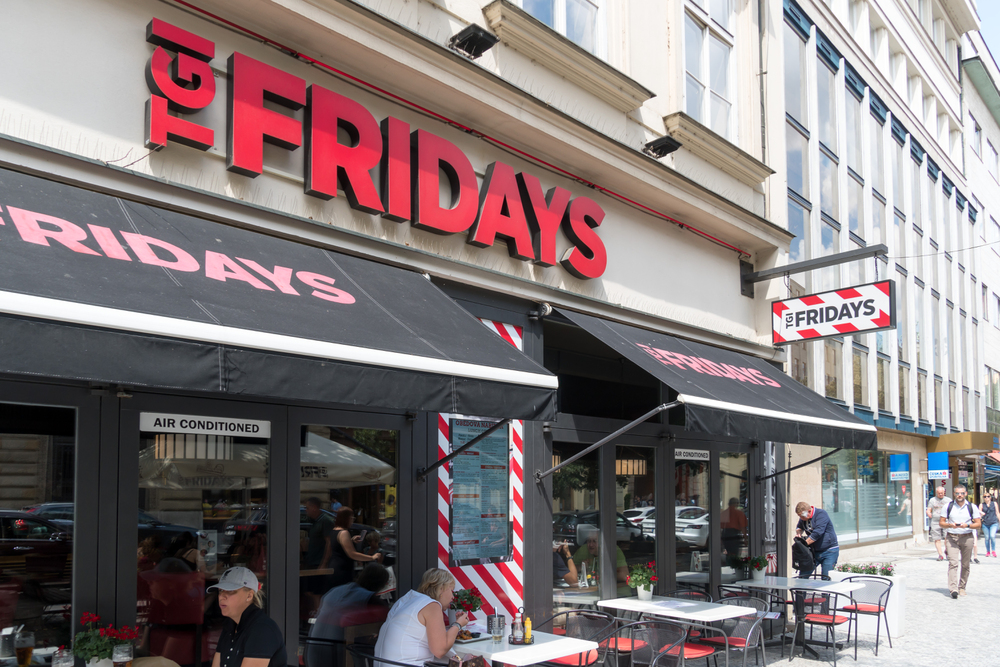
Alan Stillman opened the first TGI Friday’s in 1965 on Manhattan’s Upper East Side specifically to meet women in his neighborhood. He figured that an upscale bar with good food would attract young professionals, and the red-striped awnings and Tiffany lamps were chosen to create a welcoming atmosphere for single people.
The restaurant accidentally created the template for casual dining chains across America.
Chili’s Started as a Single Burger Joint
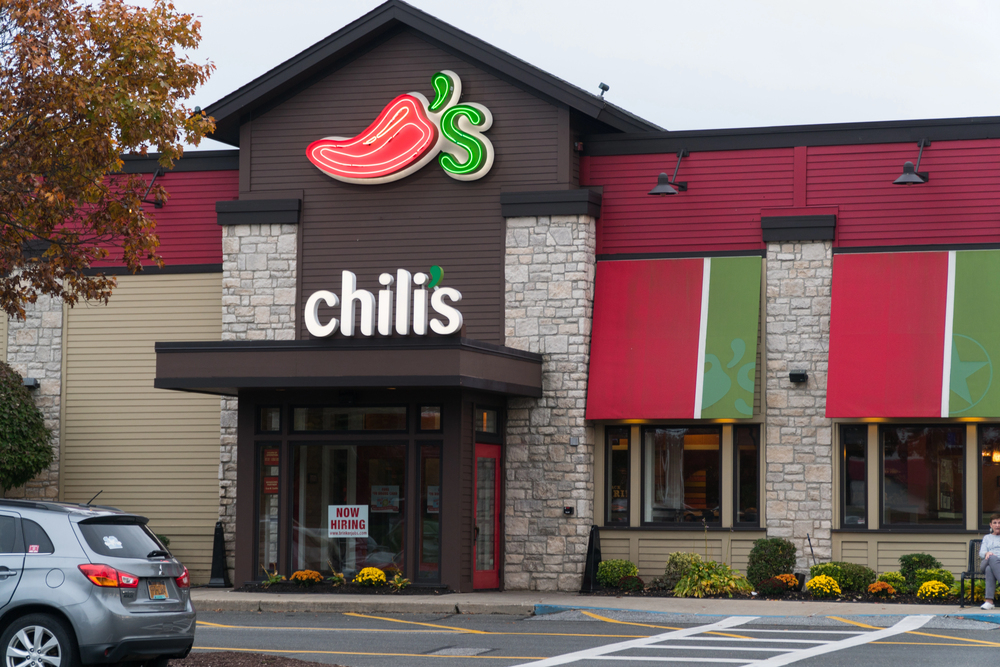
Larry Lavine opened the first Chili’s in 1975 in Dallas, Texas, as a small hamburger restaurant that served chili as a side dish. The original location had just 40 seats and a menu focused entirely on burgers, with the famous baby back ribs added later almost as an afterthought.
The Southwestern theme and fajita obsession came years later as the chain expanded and needed to differentiate itself from other burger joints.
Red Lobster Was Created by General Mills
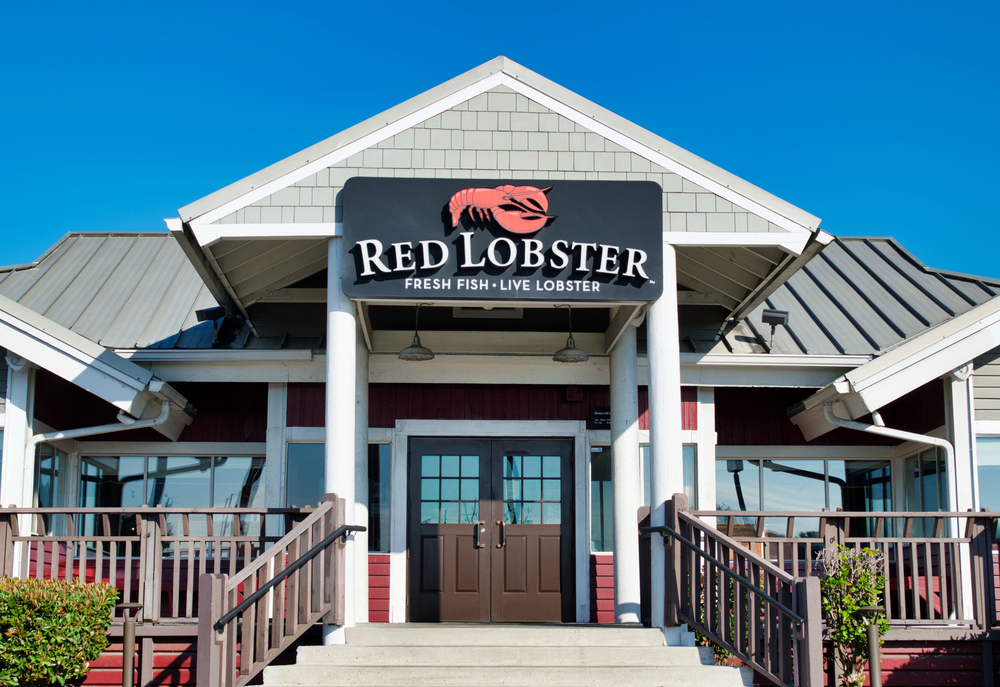
General Mills launched Red Lobster in 1968 in Lakeland, Florida, as part of their strategy to diversify beyond breakfast cereals and baking products. The company wanted to capitalize on Americans’ growing interest in seafood but had zero experience in the restaurant business.
They hired restaurant consultants and seafood experts to create what became the template for casual seafood dining in America.
Outback Steakhouse Has Nothing to Do with Australia
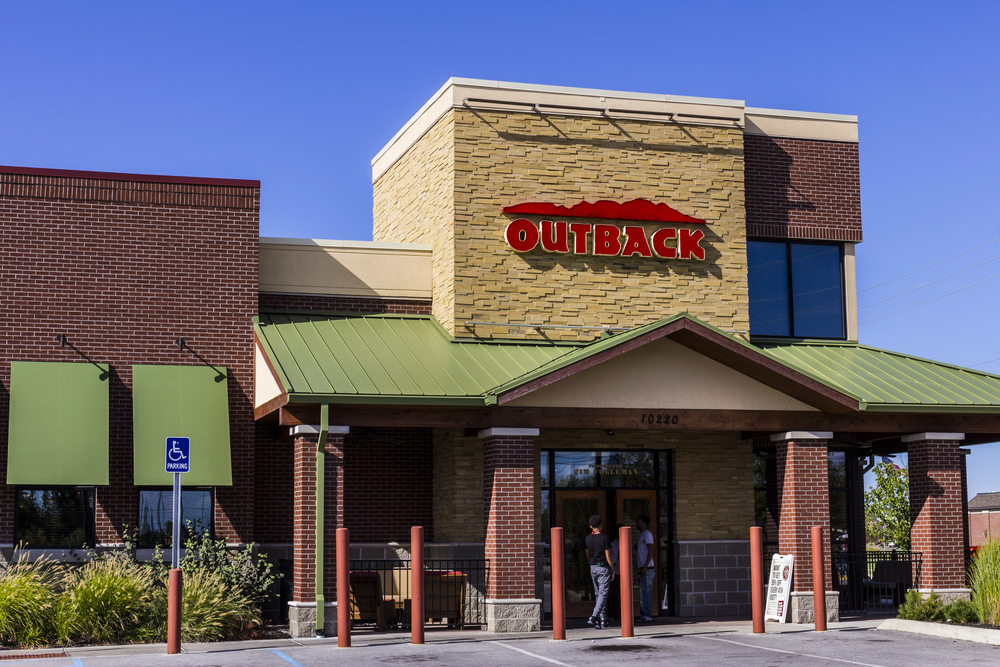
Four Florida businessmen created Outback Steakhouse in 1988 after watching the movie ‘Crocodile Dundee’ and deciding that Australian themes were trendy enough to build a restaurant around. None of the founders had ever been to Australia, and they developed the entire concept based on American stereotypes about Australian culture.
The bloomin’ onion, their signature appetizer, doesn’t exist in traditional Australian cuisine.
Romano’s Macaroni Grill Started as Fine Dining
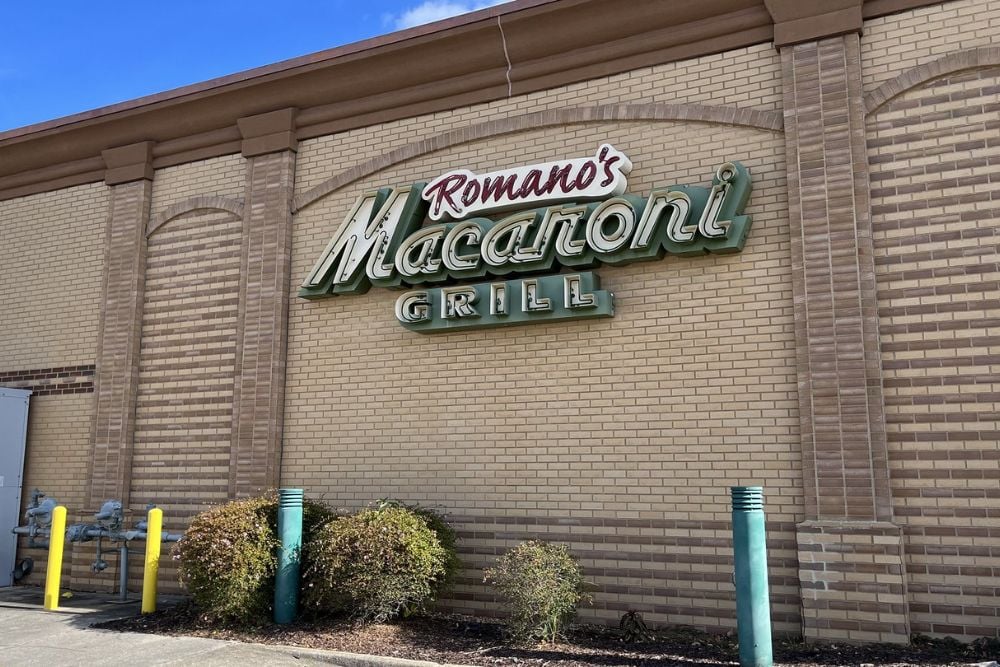
Phil Romano opened his first Macaroni Grill in 1988 in San Antonio, Texas, as an upscale Italian restaurant with white tablecloths and formal service. The casual atmosphere with paper tablecloths and crayons came later when the concept expanded and needed to appeal to families with children.
Romano originally envisioned it competing with high-end Italian restaurants, not family chains.
Golden Corral Began as a Steakhouse
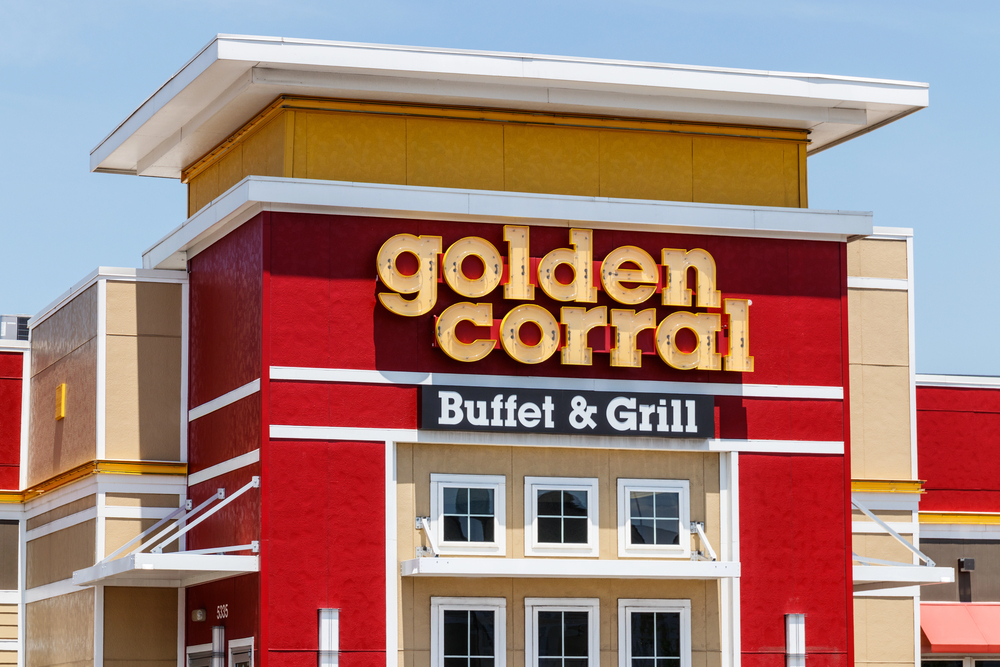
James Maynard and William Carl opened the first Golden Corral in 1973 in Fayetteville, North Carolina, as a traditional steakhouse with table service and no buffet in sight. The all-you-can-eat format was added in the 1980s as a way to reduce labor costs and speed up service during busy periods.
The buffet concept proved so popular that it eventually became the restaurant’s primary identity.
Buffalo Wild Wings Started in Ohio, Not Buffalo
Jim Disbrow and Scott Lowery opened the first Buffalo Wild Wings & Weck in 1982 in Columbus, Ohio, because they couldn’t find decent Buffalo-style chicken wings anywhere in the city after moving from New York. They had to convince a local supplier to carry the specific hot sauce they needed, and the first location was just a small bar that happened to serve wings.
The sports bar atmosphere developed naturally as customers lingered to watch games while eating wings.
Hooters Was Founded by Six Businessmen
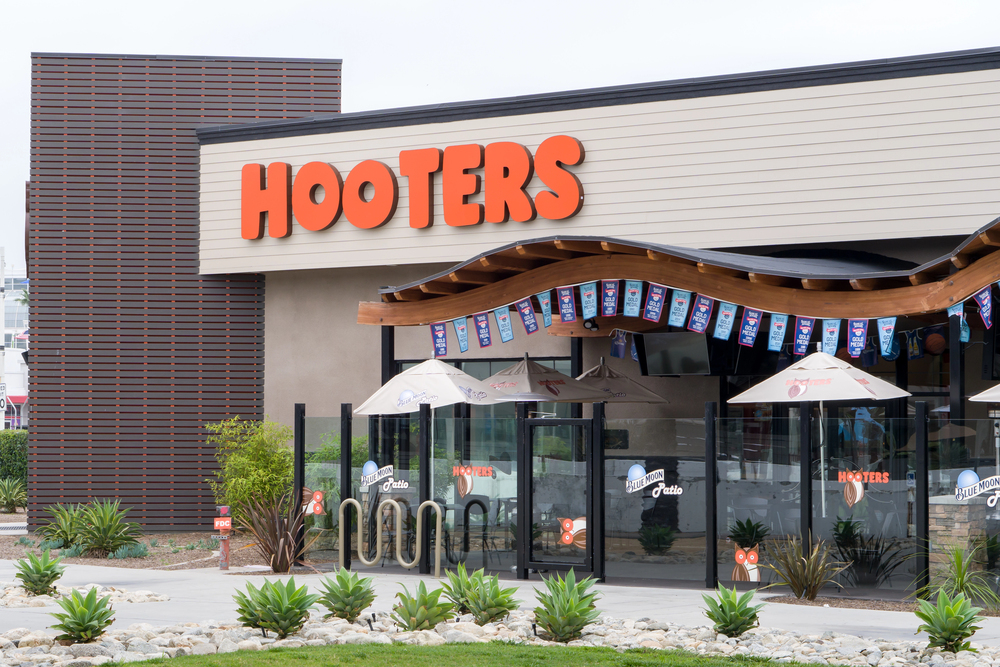
Six businessmen in Clearwater, Florida, opened the first Hooters in 1983 with absolutely no restaurant experience between them. They pooled their money together because they wanted to create a place where they’d enjoy hanging out, not because they had any grand vision for a restaurant chain.
The owl theme and orange shorts were chosen somewhat randomly, and the founders were genuinely surprised when the concept caught on nationally.
Bennigan’s Started as an Irish Pub Chain
Bennigan’s opened in 1976 in Atlanta, Georgia, as part of the Pillsbury Company’s attempt to create an Irish pub atmosphere for American families. The founders wanted to capitalize on the popularity of casual dining but with a distinctive theme that would set them apart from other chains.
The Monte Cristo sandwich and other non-Irish menu items were added later to appeal to broader American tastes.
Perkins Started as a Pancake House
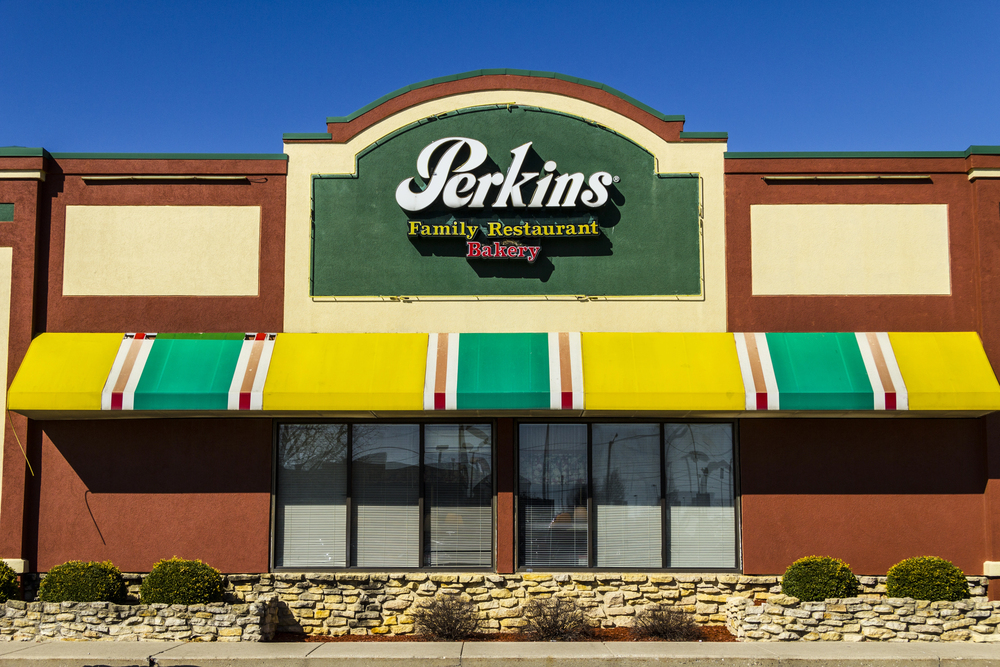
Matt and Ivan Perkins opened their first restaurant in 1958 in Cincinnati, Ohio, focusing exclusively on pancakes and morning fare. The all-day breakfast concept and pie cases came later as the chain expanded and tried to compete with other family restaurants.
The original Perkins Pancake House was just a small storefront that served breakfast food to downtown office workers.
Ruby Tuesday Got Its Name from a Rolling Stones Song
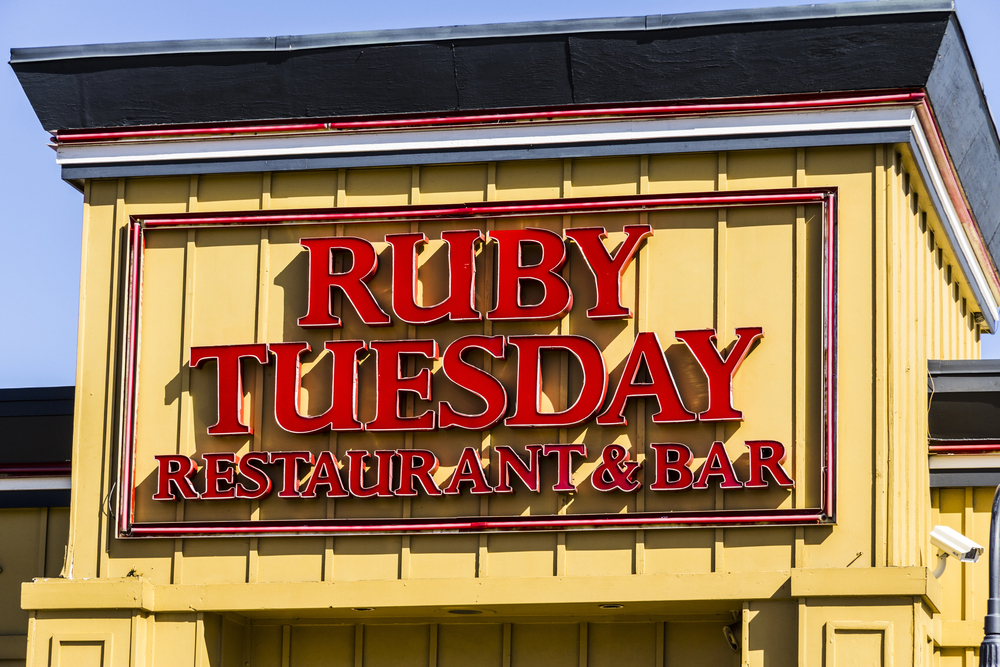
Sandy Beall opened the first Ruby Tuesday in 1972 near the University of Tennessee campus in Knoxville, naming it after the Rolling Stones song that was popular at the time. The restaurant started as a college hangout with a simple menu and casual atmosphere, targeting students who wanted something more upscale than fast food but less expensive than fine dining.
The salad bar, which became their signature feature, was added in the 1980s as health-conscious dining became more popular.
From Humble Beginnings to American Icons
These surprising origin stories reveal how many beloved family restaurants emerged from the most practical circumstances rather than grand culinary visions. Whether it started as a gas station, a sausage truck, or a singles bar, each chain found its identity through trial and error rather than elaborate planning.
The next time you’re enjoying unlimited breadsticks or choosing from a massive buffet, you’ll know that behind every familiar restaurant experience lies a story of American entrepreneurship and a willingness to try something completely different. These restaurants succeeded not because they followed a formula, but because they were willing to adapt and evolve with their customers’ changing needs and tastes.
More from Go2Tutors!

- The Romanov Crown Jewels and Their Tragic Fate
- 13 Historical Mysteries That Science Still Can’t Solve
- Famous Hoaxes That Fooled the World for Years
- 15 Child Stars with Tragic Adult Lives
- 16 Famous Jewelry Pieces in History
Like Go2Tutors’s content? Follow us on MSN.