Weird Things Fans Did at 90s Concerts
The 1990s concert scene was something else entirely. Sure, every generation thinks their music era was special, but there’s documented proof that 90s fans took their devotion to places that would make today’s concertgoers seem downright reserved. Between the grunge explosion, the pop phenomenon, and everything in between, fans weren’t just attending shows — they were creating experiences that bordered on the surreal. Some of these moments were beautiful, others were bizarre, and a few were just plain dangerous. But they all shared one thing: an intensity that felt uniquely tied to that decade’s particular brand of musical obsession.
Throwing underwear at boy bands

Teenage girls hurled their undergarments at NSYNC and Backstreet Boys with military precision. The stage would be littered with bras by the third song.
Security guards needed industrial-strength garbage bags.
Recording entire concerts on bulky camcorders
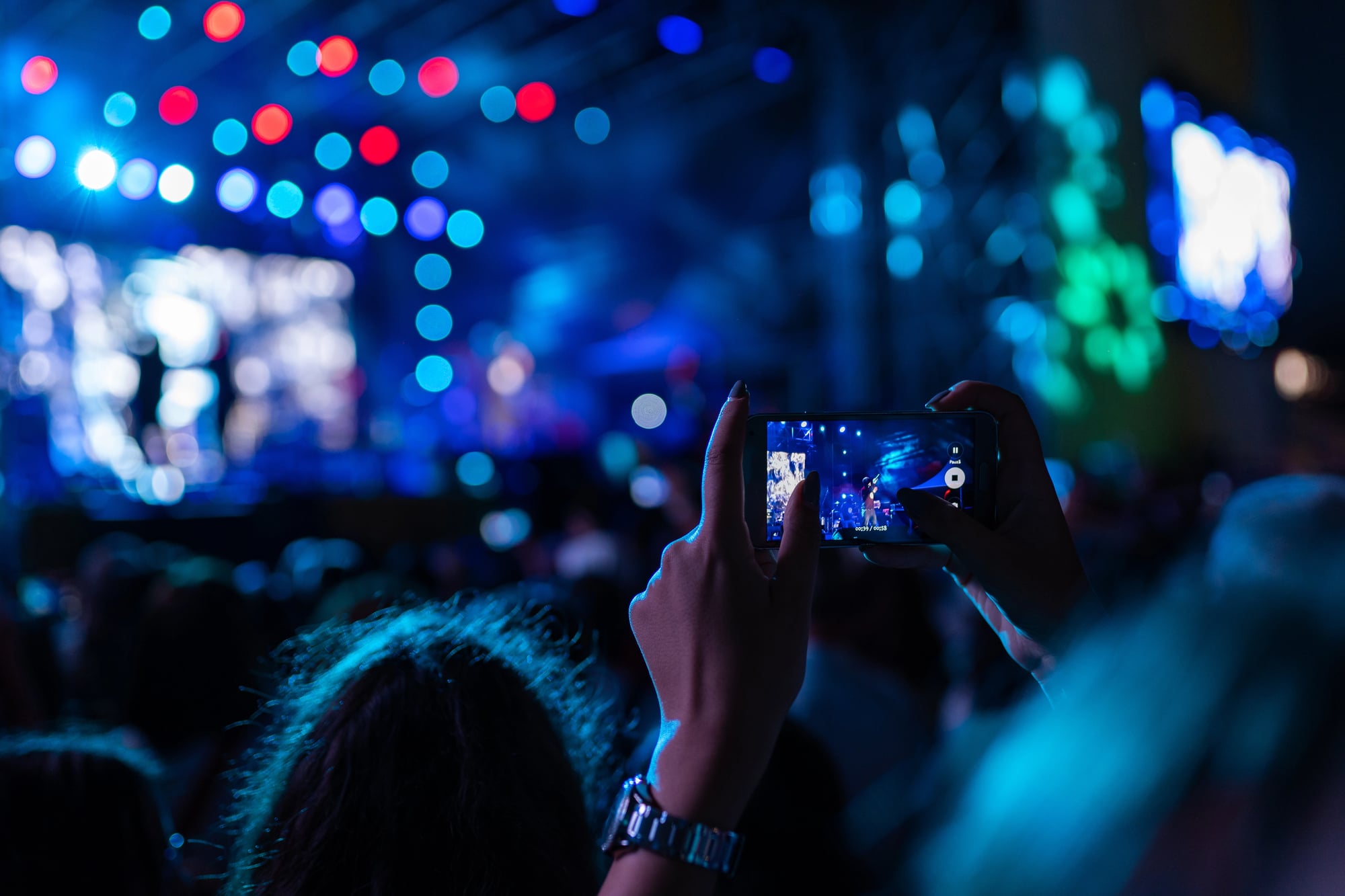
Fans lugged massive shoulder-mounted video cameras into venues, holding them up for two-hour sets. The footage was grainy and the audio was terrible, but people recorded everything anyway.
Battery packs the size of textbooks were strapped to their belts, and they’d film through the tiny viewfinder while everyone behind them watched a screen instead of the actual show.
Creating human pyramids during mosh pits
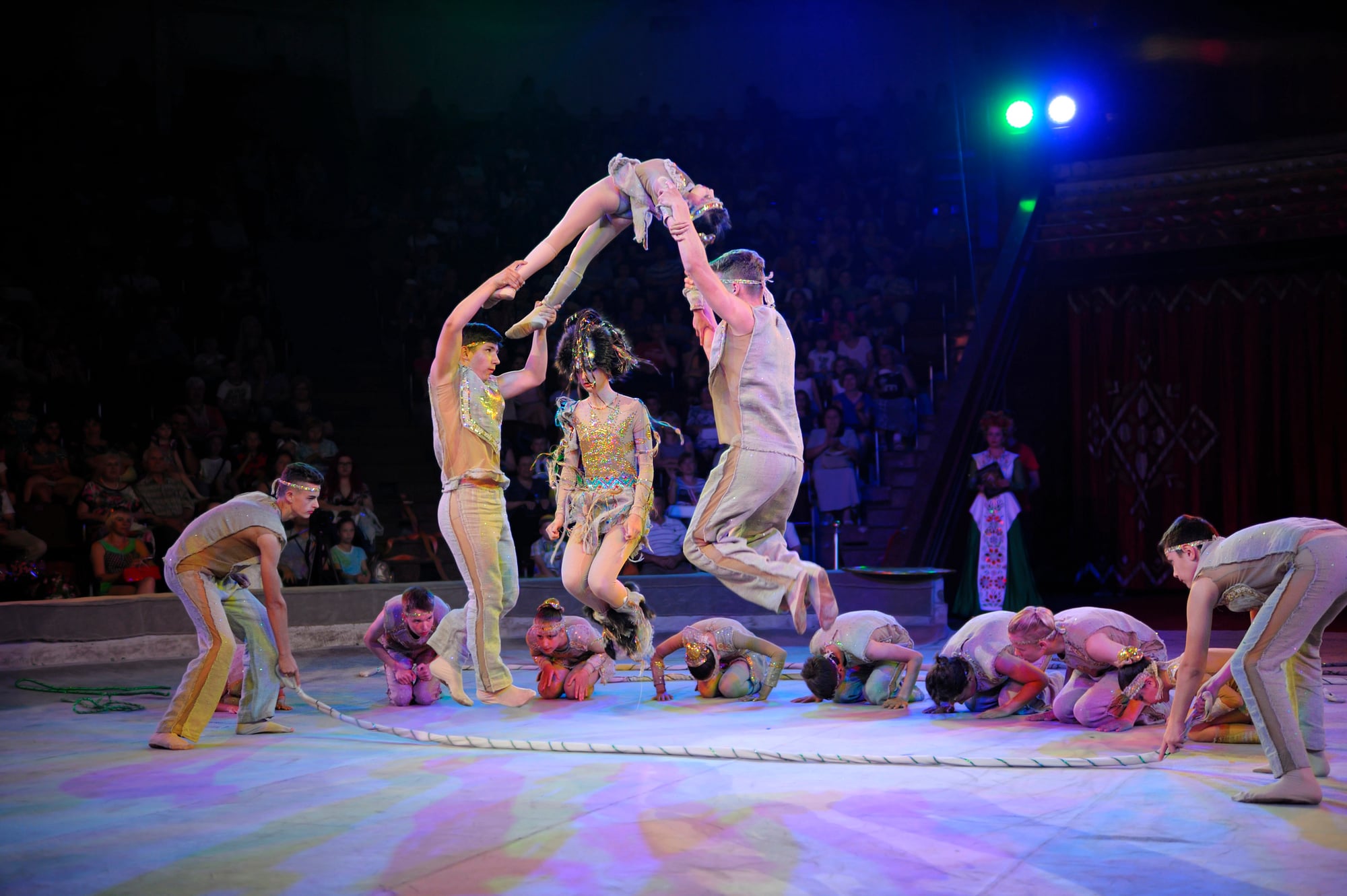
Something about the combination of flannel shirts and teenage angst made people think they were acrobats. Groups of strangers would spontaneously decide to form human towers in the middle of swirling crowds — which sounds insane when you consider that mosh pits are essentially controlled chaos where people slam into each other on purpose.
And yet (somehow this worked more often than it should have), these wobbly pyramids would hold for a few seconds before collapsing into the crowd, everyone laughing and immediately trying to build another one.
Camping for weeks to get front row spots

Dedicated fans treated concert tickets like a military campaign. They’d arrive at venues weeks before the show, setting up actual campsites on sidewalks with sleeping bags, portable grills, and battery-powered radios.
Cities had to create special ordinances just to deal with the tent cities that sprouted around popular venues.
Writing song lyrics on their bodies in permanent marker
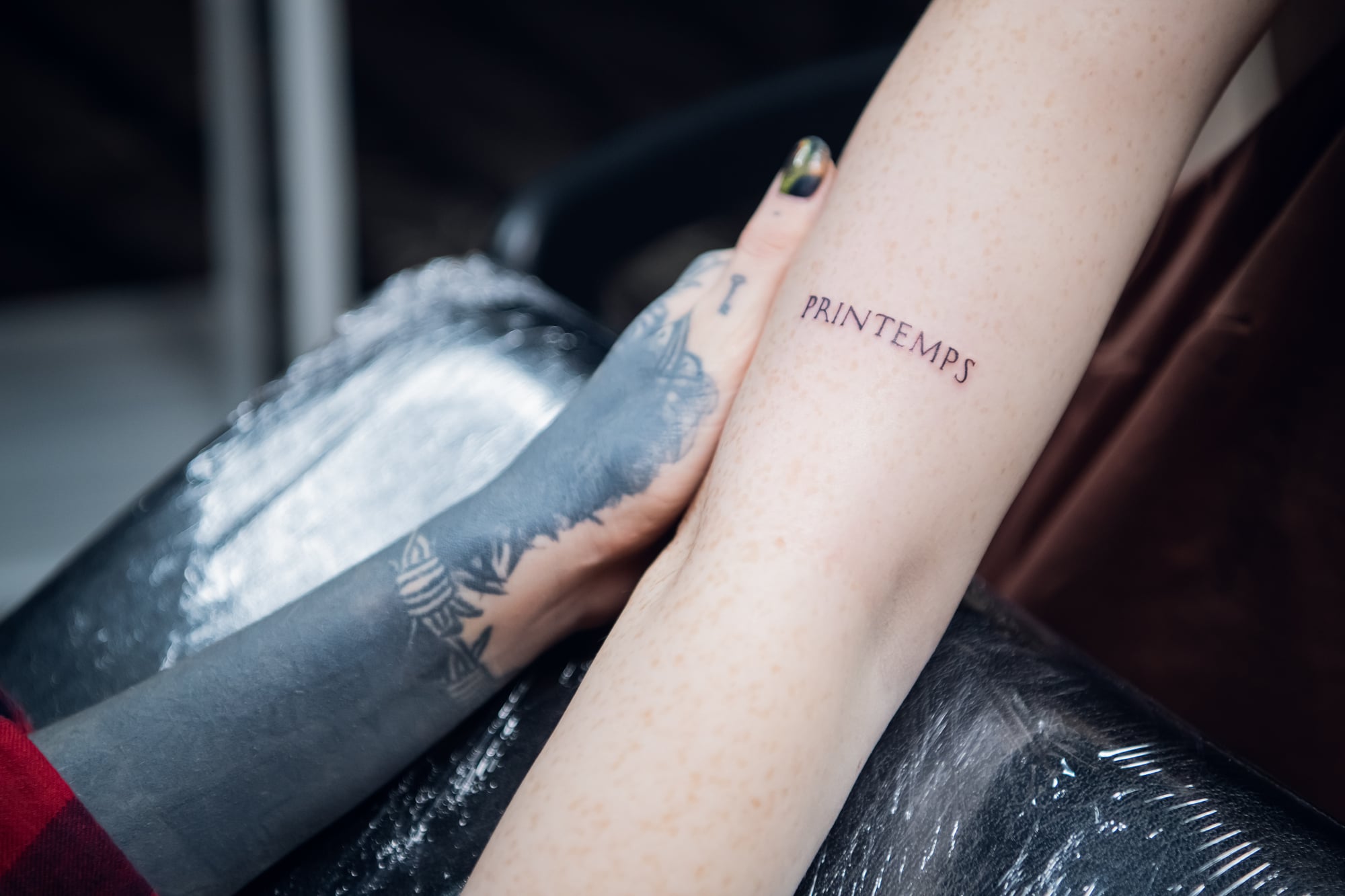
The human canvas became the ultimate fan statement, but not in the delicate, artistic way you might imagine. People would cover themselves in sprawling song lyrics using thick black Sharpies, creating what looked like walking manifestos rather than body art.
Arms, legs, faces, necks — no surface was off-limits, and since this was before readily available body paint or temporary tattoos became mainstream, permanent marker seemed like the obvious choice.
The lyrics would smudge and blur with sweat during the show, creating these abstract, illegible poems across people’s skin that lasted for days afterward.
Sneaking pets into venues
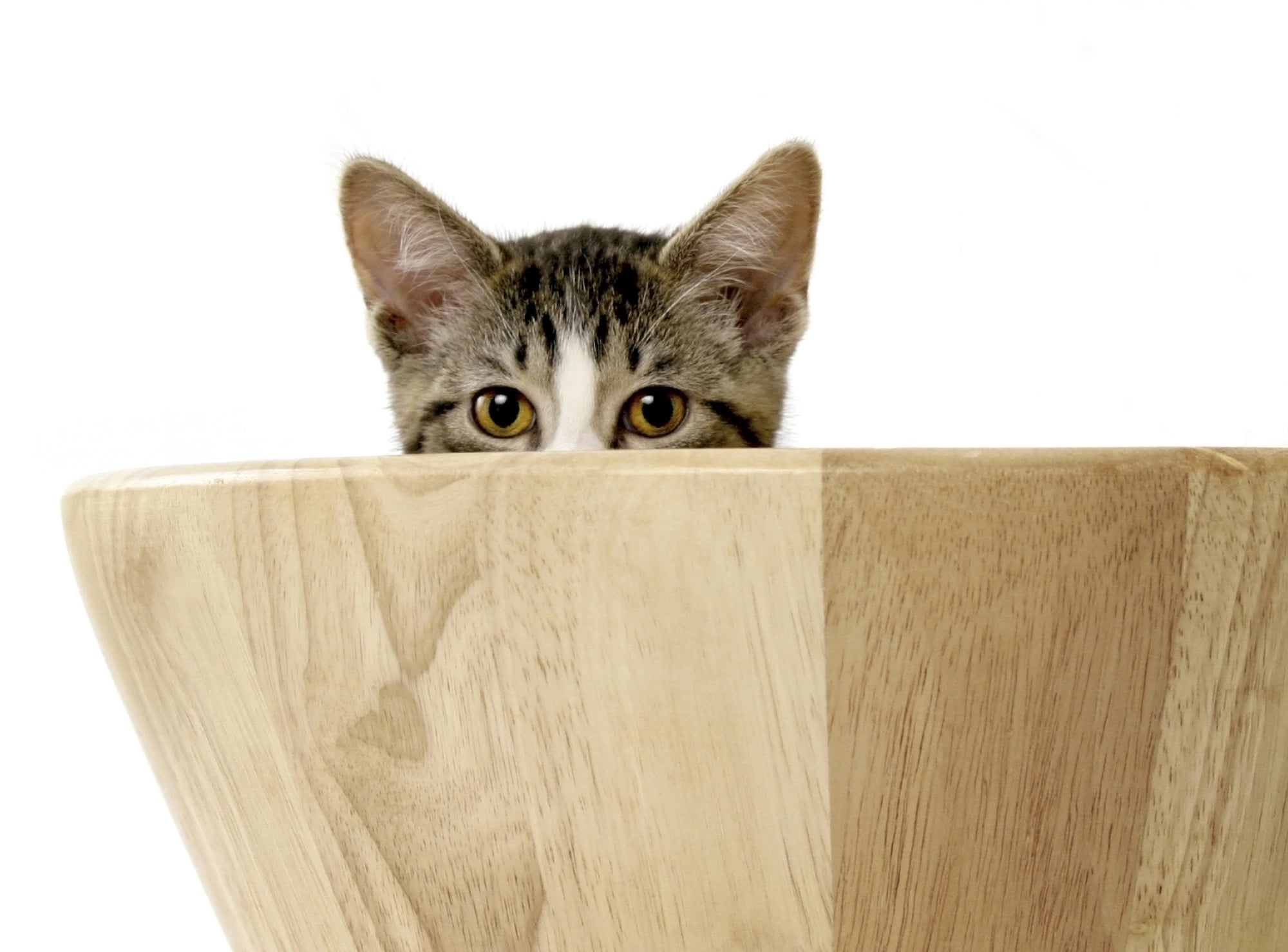
Fans smuggled cats, ferrets, and small dogs into concerts hidden in oversized jackets. The logic was questionable but the commitment was absolute.
Venue security wasn’t exactly trained to pat down for hamsters, so it worked more often than it should have.
Creating elaborate costumes to match album artwork
This went far beyond wearing a band t-shirt — fans would spend months crafting full recreations of album covers as wearable art. Someone would show up dressed as the entire “Nevermind” pool scene (thankfully clothed), complete with a fishing hook dangling from their outfit and blue fabric draped around them like water.
Others turned themselves into walking versions of Pearl Jam’s “Ten” or Stone Temple Pilots’ “Core,” interpreting abstract artwork through layers of cardboard, paint, and sheer determination.
The results were often more impressive than anything you’d see at a comic convention, created by teenagers with unlimited time and access to craft supplies.
Starting letter-writing campaigns to get bands to play specific deep cuts
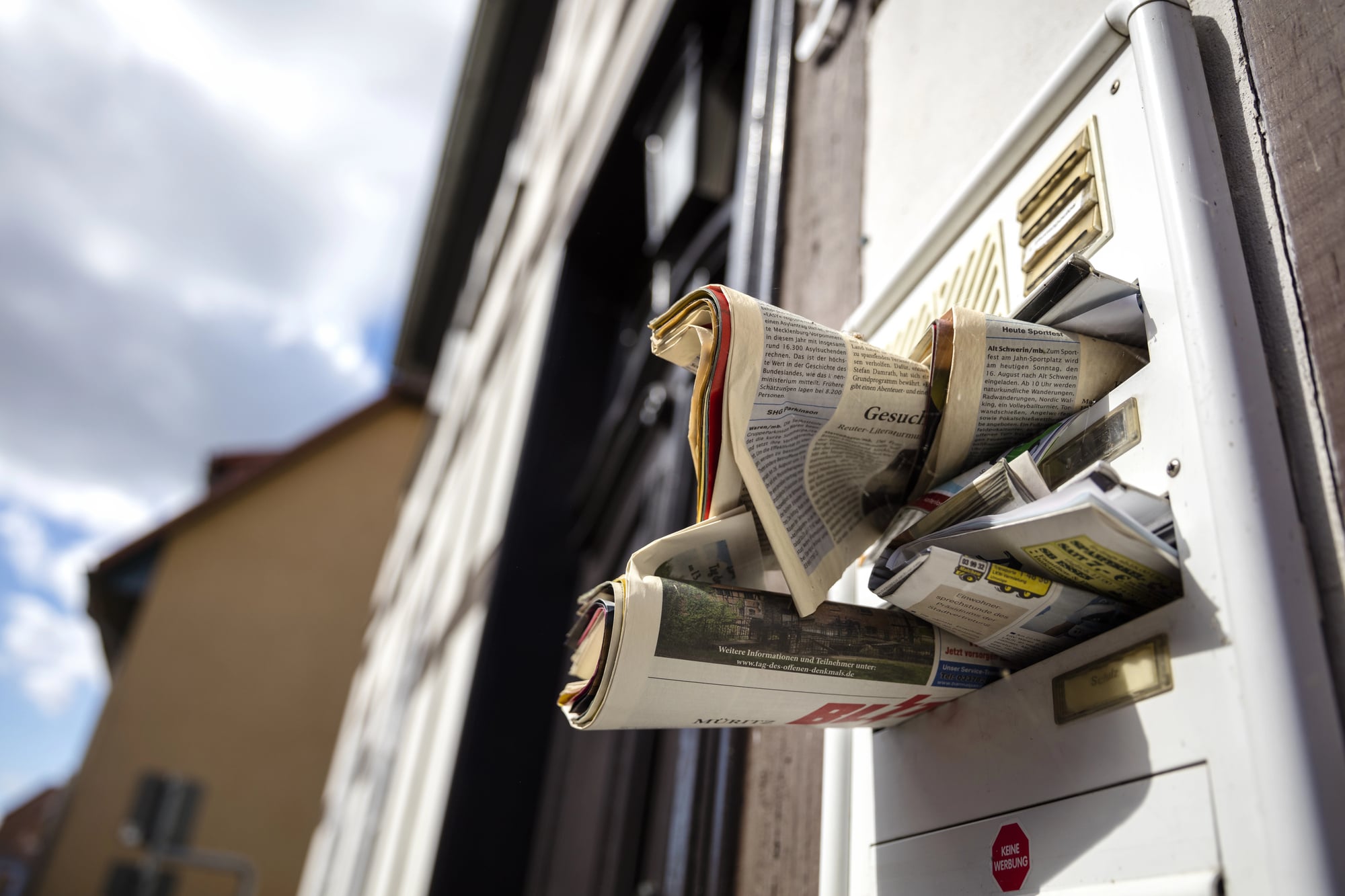
Fans organized massive mail campaigns to convince artists to perform obscure album tracks. They’d flood record labels with hundreds of handwritten requests for songs that hadn’t been played live in years.
Some campaigns actually worked, which only encouraged more elaborate petition drives.
Throwing roses with phone numbers attached
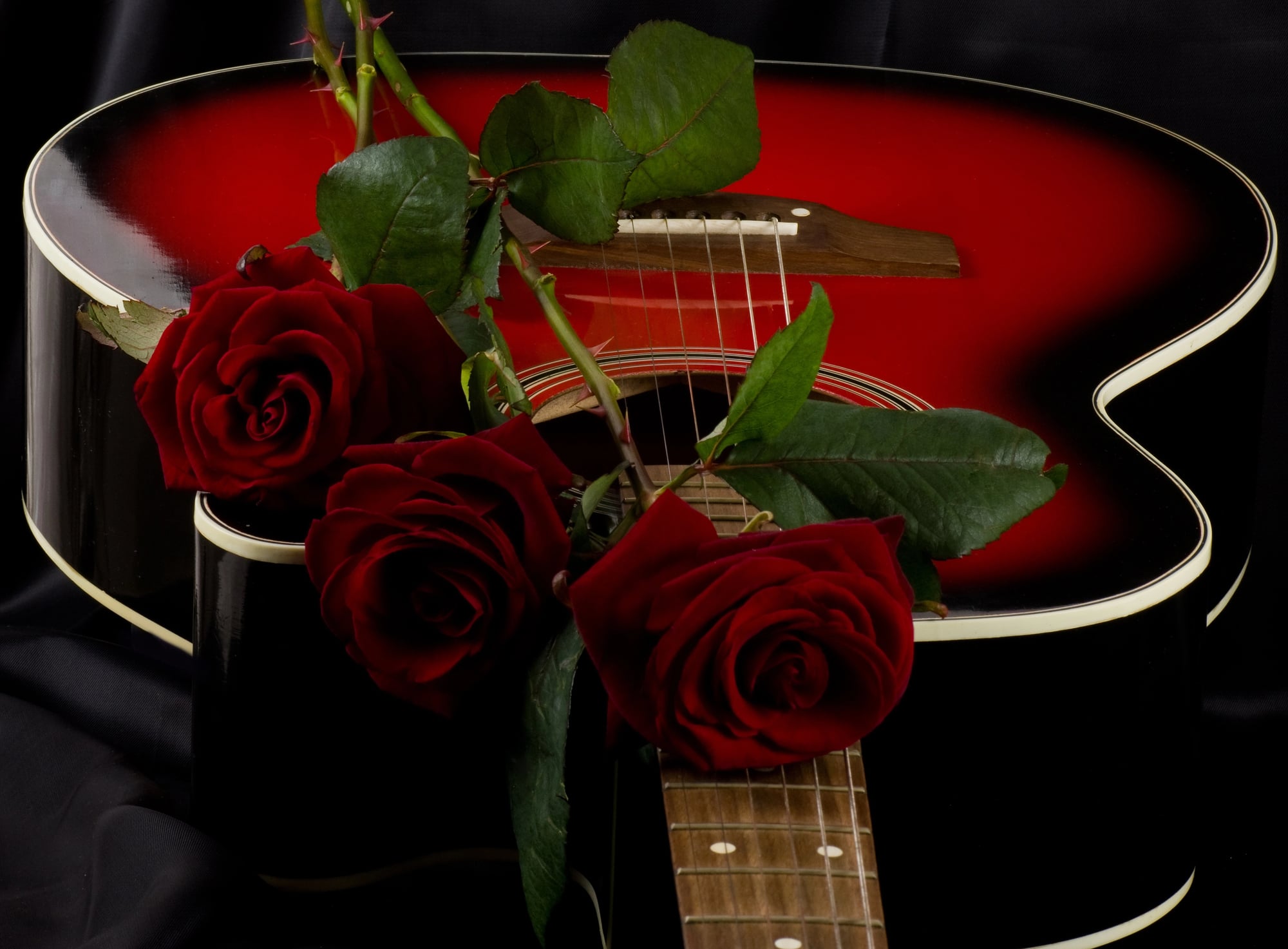
The 90s version of sliding into DMs involved attaching personal contact information to flowers and hurling them at performers. Lead singers would end up with bouquets full of phone numbers written on everything from napkins to torn notebook paper.
Some fans got creative with laminated cards or rolled-up messages tied to the stems.
Building shrines in hotel lobbies
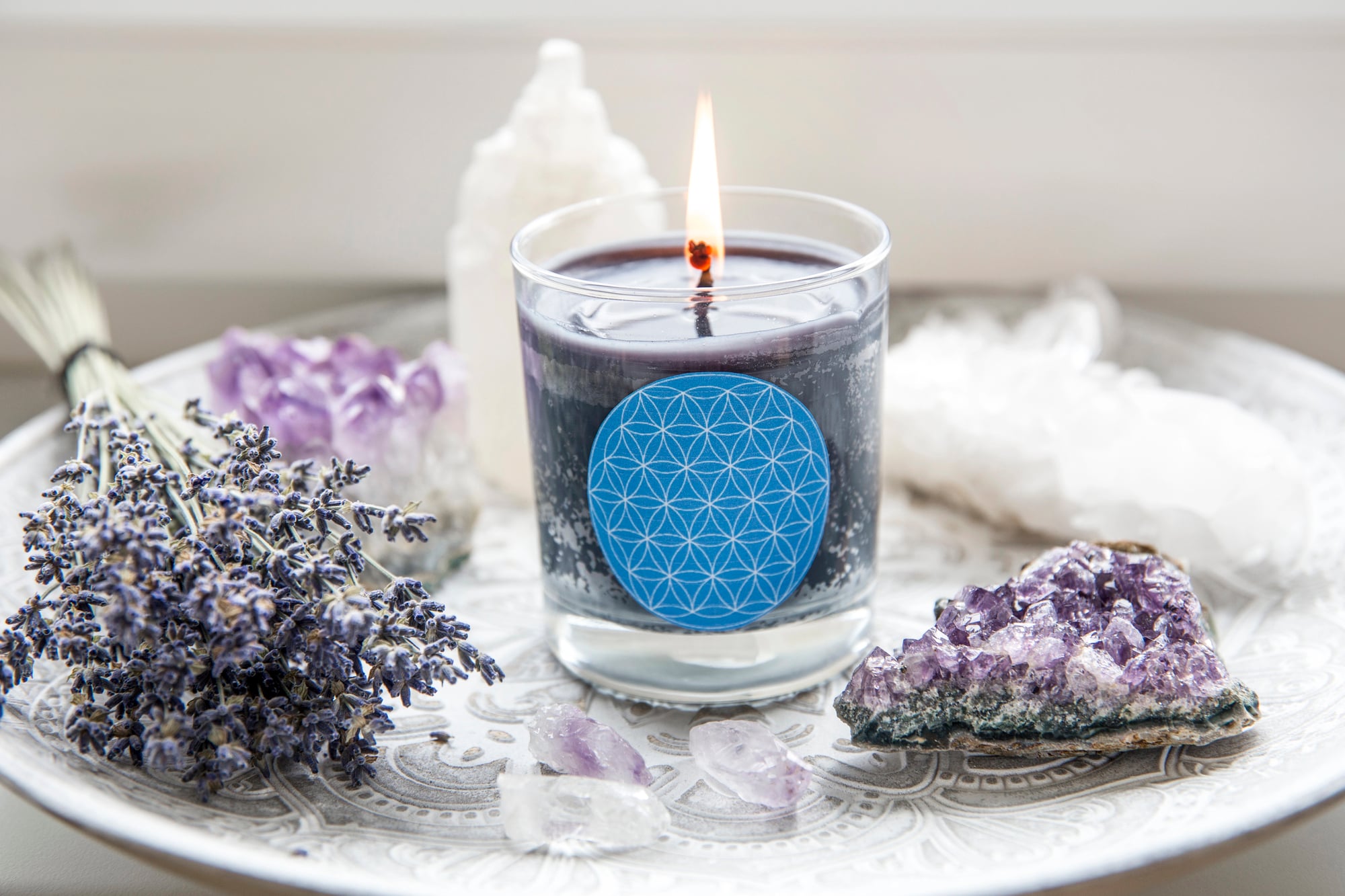
When bands stayed at local hotels, fans would transform the lobbies into temporary monuments. They’d arrange flowers, candles, photos, and personal letters into elaborate displays that hotel staff had to navigate around for days.
The shrines grew throughout the band’s stay, with fans taking shifts to maintain and expand them, creating these oddly sacred spaces in otherwise mundane corporate hotels.
Recording personalized radio shows on cassette tapes
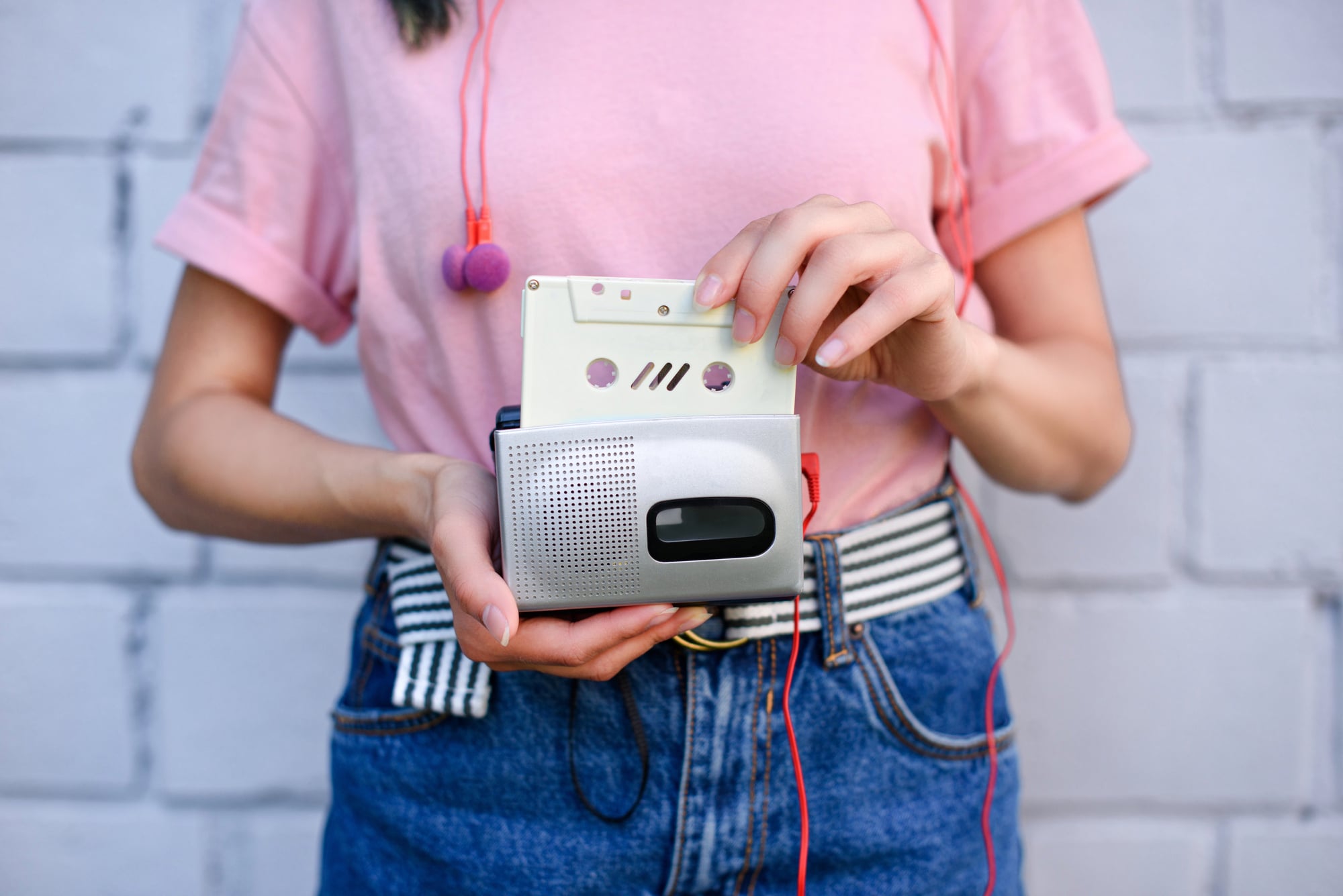
Fans became amateur DJs, creating elaborate mix tapes that weren’t just collections of songs — they were full radio shows complete with commentary, fake commercials, and dedications. People would spend hours crafting these productions, timing everything perfectly and recording multiple versions until they got the transitions just right.
They’d distribute copies at concerts like underground broadcasts, complete with custom artwork and liner notes explaining the concept behind each “episode.”
Recreating music videos in parking lots before shows
Groups of fans would gather in venue parking lots hours before concerts to perform synchronized recreations of their favorite music videos. Someone always had a boom box, and they’d run through choreographed routines they’d learned from MTV, complete with costume changes and prop coordination.
These impromptu performances would draw crowds of other early arrivals, creating pre-show entertainment that was sometimes more memorable than the actual opening acts.
Collecting setlists like sacred artifacts
The scramble for used setlists became a contact sport. Fans would rush the stage the moment the last song ended, diving for those crumpled pieces of paper like they contained government secrets.
People developed relationships with roadies specifically to get access to setlists, and successful collectors would display them in frames at home like museum pieces.
When the music stopped mattering as much
Looking back, the most striking thing about 90s concert behavior wasn’t any single weird act — it was how the experience had become bigger than the music itself. Fans weren’t just listening; they were participating in something that felt like a cross between theater, community ritual, and performance art.
The internet was still dial-up, social media didn’t exist, and if you wanted to connect with other people who understood your obsession, you had to show up in person and make it count.
Maybe that’s why everything felt so intense, so physical, so desperately creative. There was no other outlet for that kind of devotion except to bring it directly to the source, in whatever strange form it took.
More from Go2Tutors!

- The Romanov Crown Jewels and Their Tragic Fate
- 13 Historical Mysteries That Science Still Can’t Solve
- Famous Hoaxes That Fooled the World for Years
- 15 Child Stars with Tragic Adult Lives
- 16 Famous Jewelry Pieces in History
Like Go2Tutors’s content? Follow us on MSN.