Technologies Ancient Civilizations Used That Still Amaze Us Today
When people think about ancient civilizations, they often picture stone tools and basic survival. But the reality is far more interesting.
Our ancestors created technologies that were so advanced, some of them still puzzle modern engineers and scientists. Let’s take a look at some of the most impressive inventions and techniques that prove ancient people were a lot smarter than we give them credit for.
Concrete that lasts thousands of years
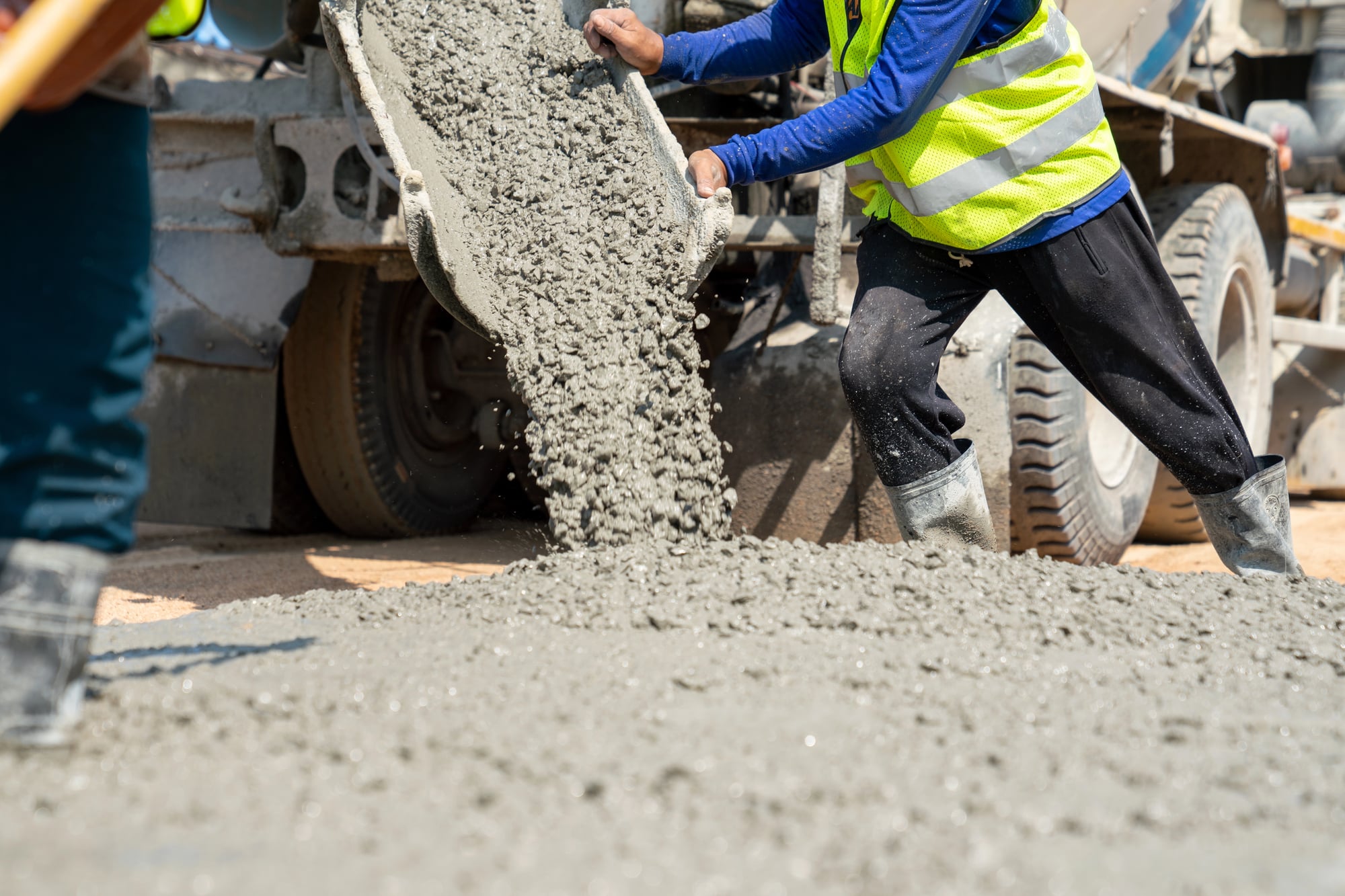
The Romans figured out how to make concrete that’s actually stronger than what we use today. Their recipe included volcanic ash, lime, and seawater, which created a material that could withstand the test of time.
Modern concrete starts crumbling after a few decades, but Roman structures like the Pantheon have stood solid for over 2,000 years. Scientists only recently discovered that the volcanic ash created a chemical reaction with seawater that made the concrete grow stronger over time.
Batteries before electricity was understood

In 1936, workers near Baghdad found clay jars containing iron rods surrounded by copper cylinders. These objects, dating back to around 200 BCE, could generate an electric current when filled with an acidic liquid like vinegar.
Nobody knows exactly what the Parthians used them for, though some researchers think they might have been used for electroplating gold onto other metals. The fact that they existed at all shows someone understood basic electrical principles long before Benjamin Franklin flew his famous kite.
Plumbing systems that rival modern ones
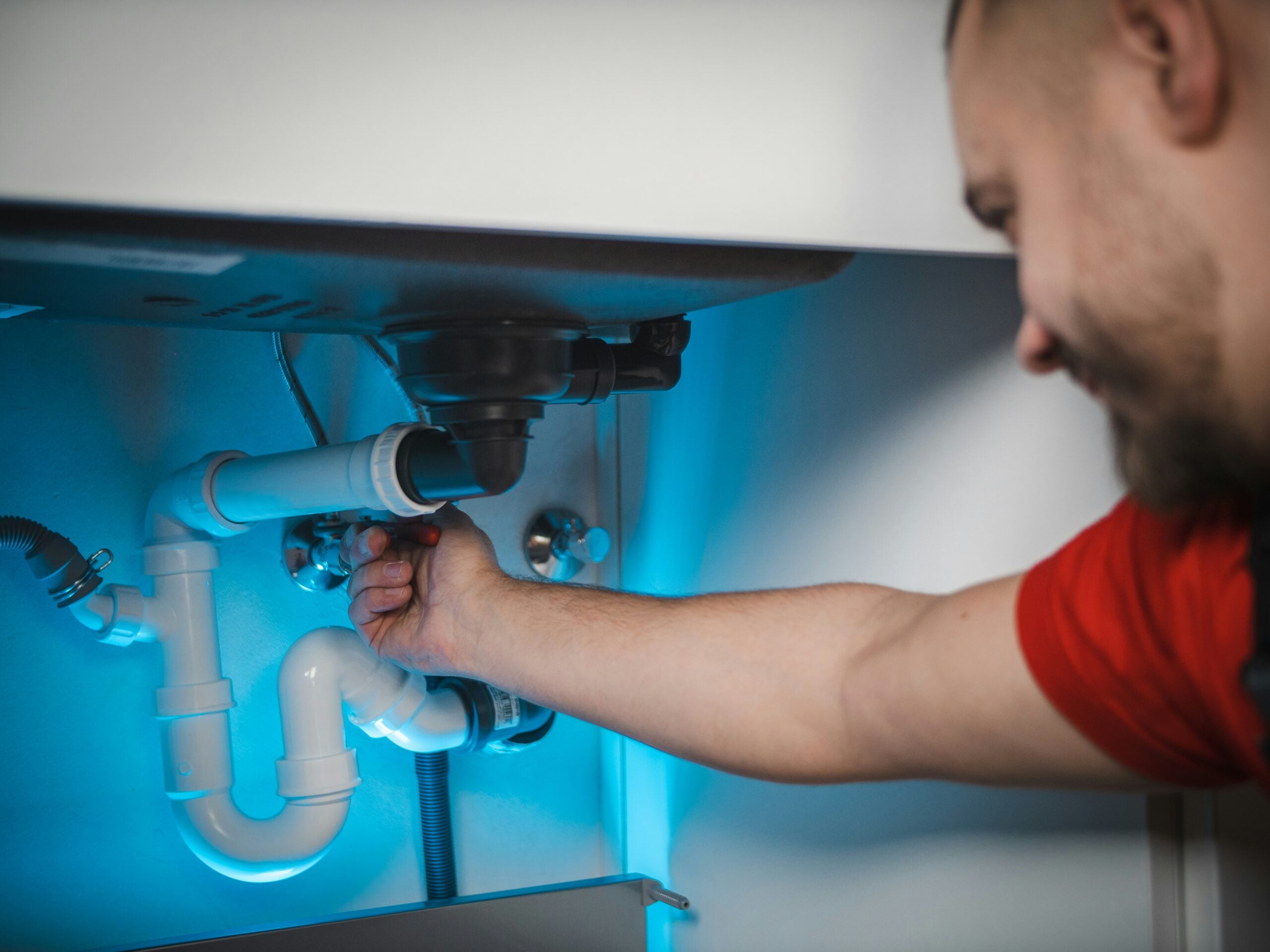
The Indus Valley Civilization built cities with sophisticated drainage systems around 2500 BCE. Houses had private bathrooms connected to covered drains that ran along the streets, and some homes even had toilets with running water.
The city of Mohenjo-daro had better sanitation than many places in the world today. Engineers designed the system with such precision that wastewater flowed away from homes without any pumps or electricity.
Air conditioning in the desert
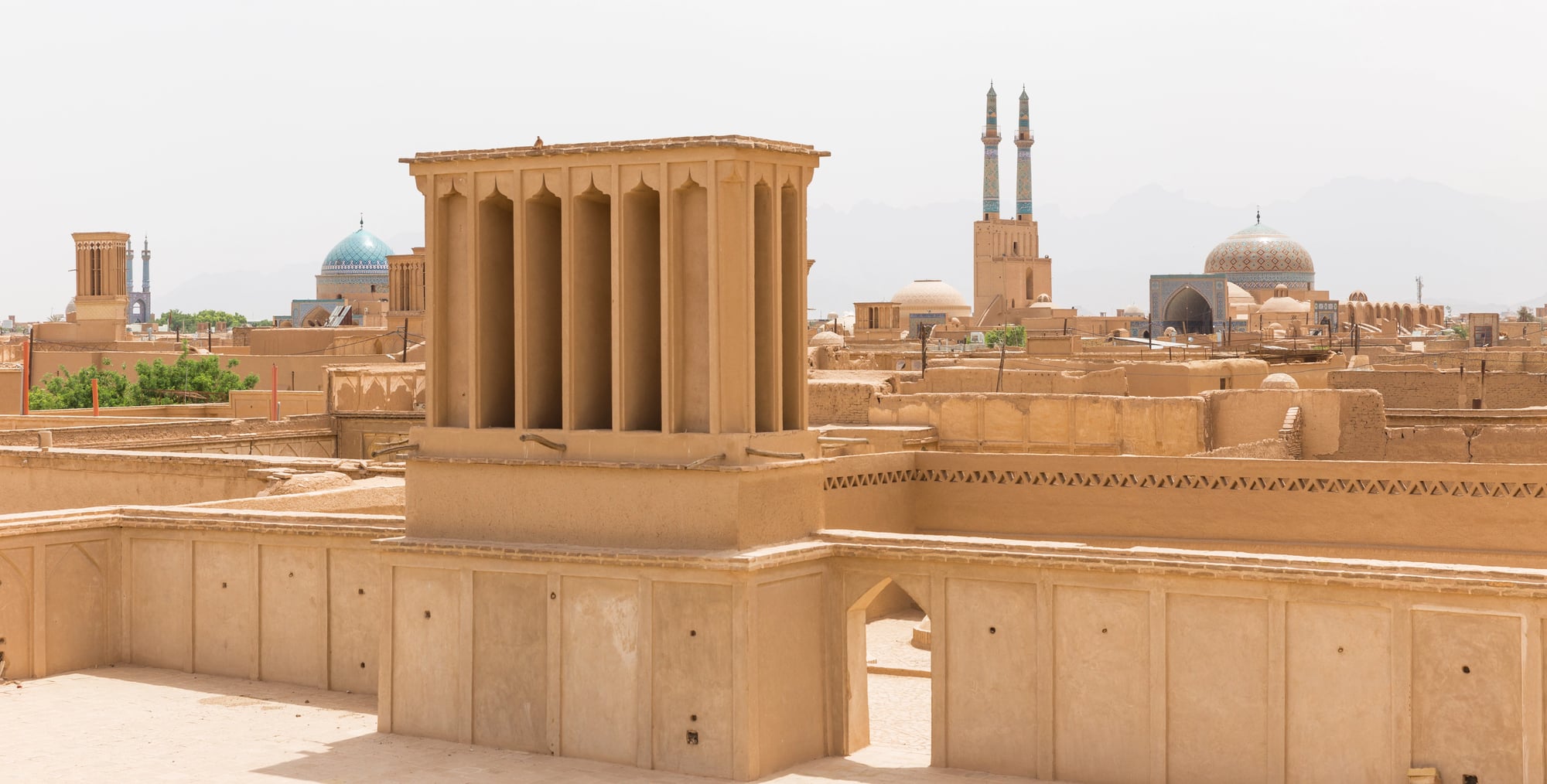
Ancient Egyptians and Persians created cooling systems that worked without any power source. The Egyptians hung wet reeds in windows so the breeze would blow through them and cool the air inside.
Persians built tall wind towers called badgirs that caught breezes and directed them down into buildings, sometimes passing the air over underground water channels to make it even cooler. These designs kept buildings comfortable even when outside temperatures soared past 100 degrees.
Seismographs that detected earthquakes
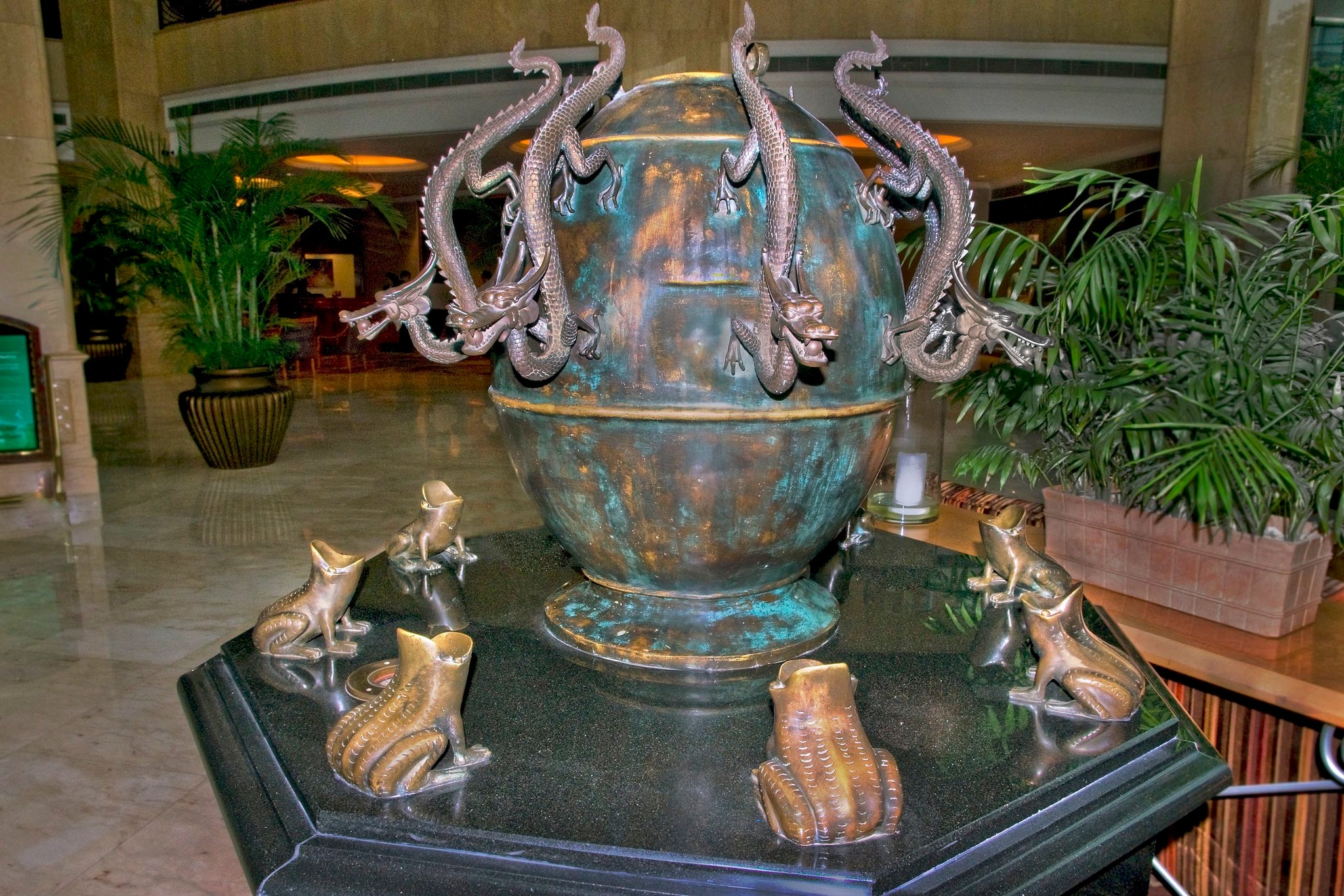
Chinese inventor Zhang Heng created the first earthquake detector in 132 CE. His device was a large bronze vessel with eight dragon heads around the outside, each holding a bronze orb in its mouth.
When an earthquake happened, a pendulum inside would swing and trigger one of the dragons to drop its orb into a frog’s mouth below, showing which direction the quake came from. This invention could detect earthquakes hundreds of miles away before anyone felt the ground shake.
Optical lenses for precision work
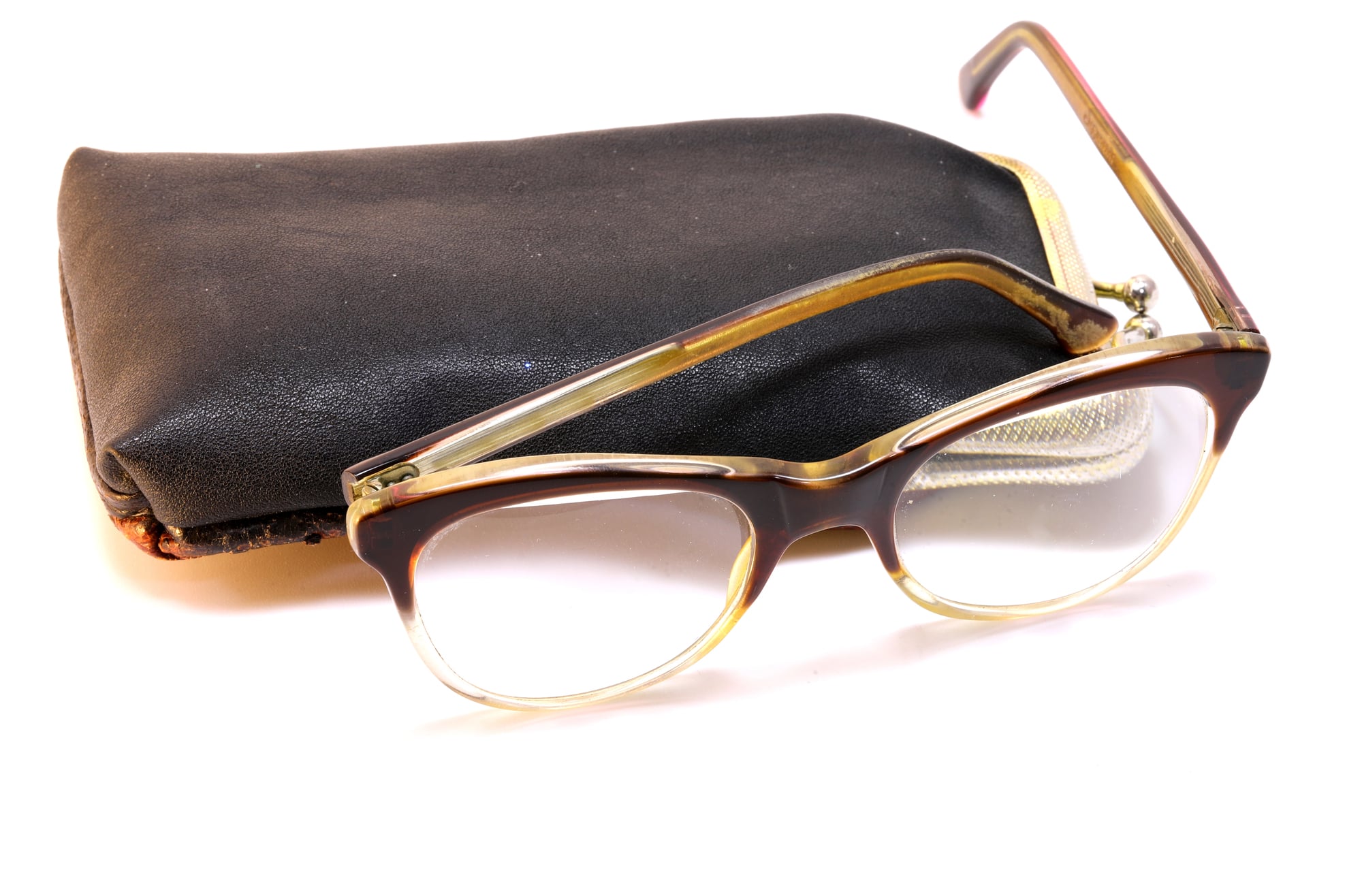
The ancient Assyrians and Egyptians crafted rock crystal lenses as early as 700 BCE. These weren’t just decorative objects but actual functioning magnifying glasses.
Craftsmen used them to create incredibly detailed engravings and jewelry that would have been impossible to make with the unaided eye. Some of these lenses are so well made that they could have been used in telescopes if someone had thought to combine two of them.
Automated machines and robots

Greek engineer Hero of Alexandria designed dozens of automated devices around 60 CE. He created temple doors that opened automatically when priests lit a fire on an altar, using heated air to push water through a hidden system of pipes and weights.
He also built a coin-operated machine that dispensed holy water and designed the first known steam engine, though it was used as a toy rather than for practical work. His inventions showed an understanding of hydraulics, pneumatics, and mechanics that wouldn’t be common for another thousand years.
Surgical tools and procedures

Ancient Indian physicians performed complex surgeries including cataract removal, plastic surgery, and even brain operations. They used over 120 different surgical instruments made from steel, many of which look remarkably similar to tools used today.
The Sushruta Samhita, written around 600 BCE, describes surgical techniques and sterilization methods that were far ahead of their time. These doctors understood the importance of cleanliness and used wine and hot water to sterilize their tools before operations.
Underground refrigeration systems
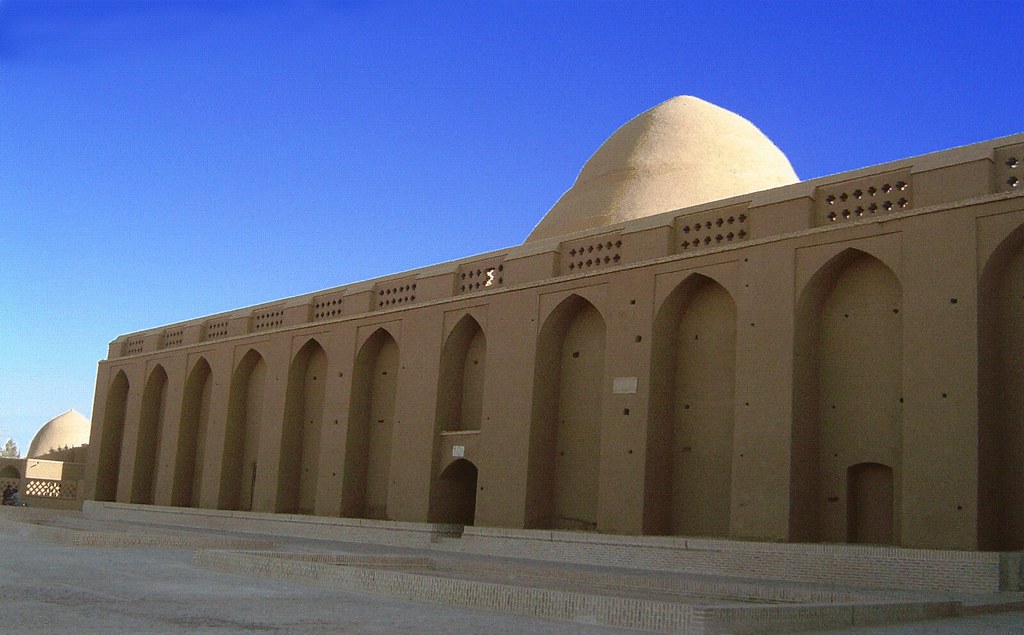
Persians built structures called yakhchals to store ice and food throughout the hot summer months. These dome-shaped buildings had thick mud-brick walls for insulation and were often built partially underground.
Workers would bring ice from nearby mountains in winter and store it in the yakhchal, where it could last for months despite scorching temperatures outside. Some of these ancient refrigerators could hold over 5,000 cubic meters of ice.
Roads built to last millennia
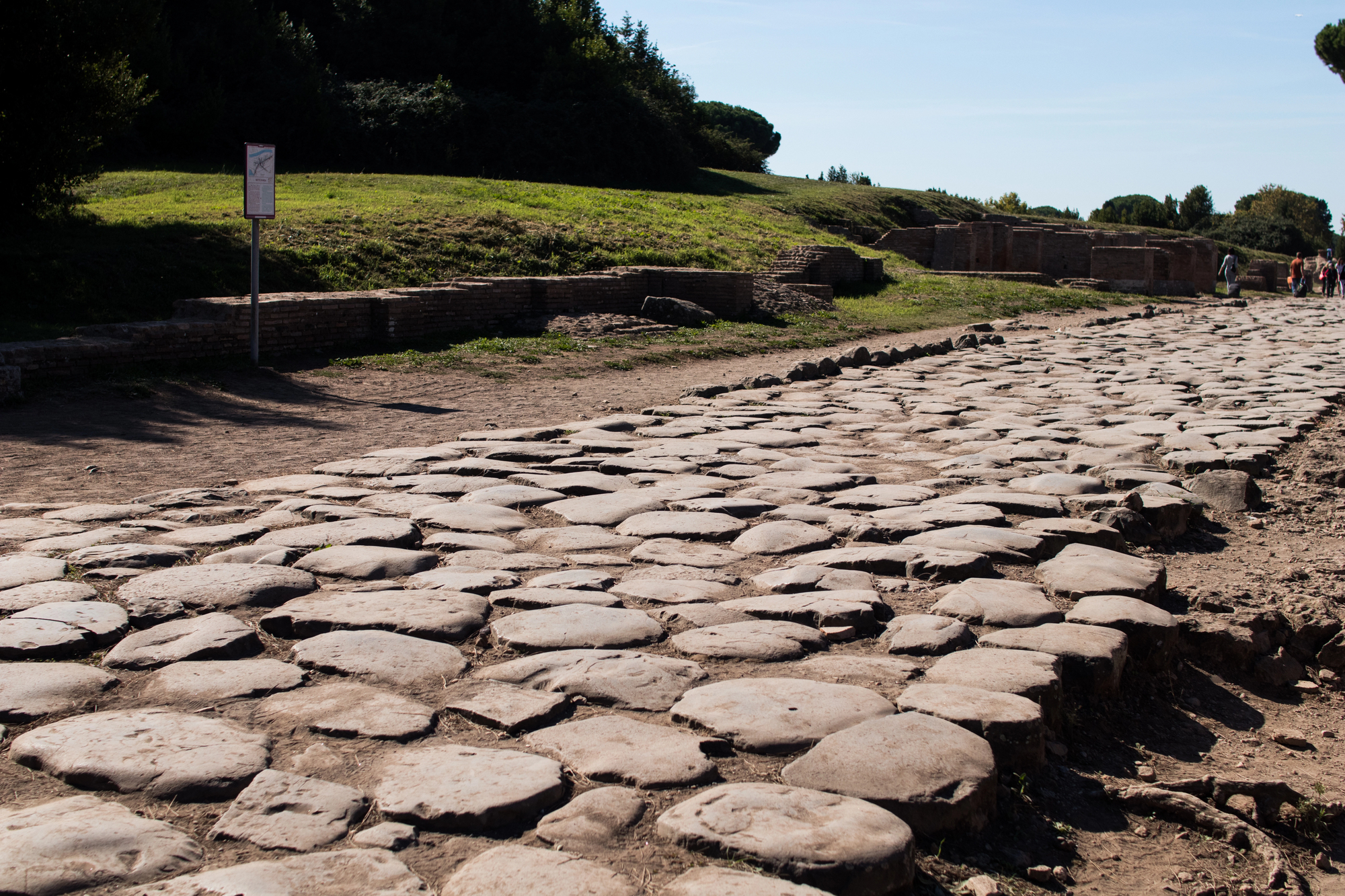
The Romans constructed over 250,000 miles of roads across their empire, and many of them are still in use today. They built these roads in multiple layers, starting with large stones at the bottom, then adding gravel, sand, and finally flat paving stones on top.
The roads were slightly curved in the middle so water would drain off to the sides, preventing damage from freezing and thawing. Some Roman roads have been carrying traffic continuously for 2,000 years with only minor repairs.
Astronomical computers
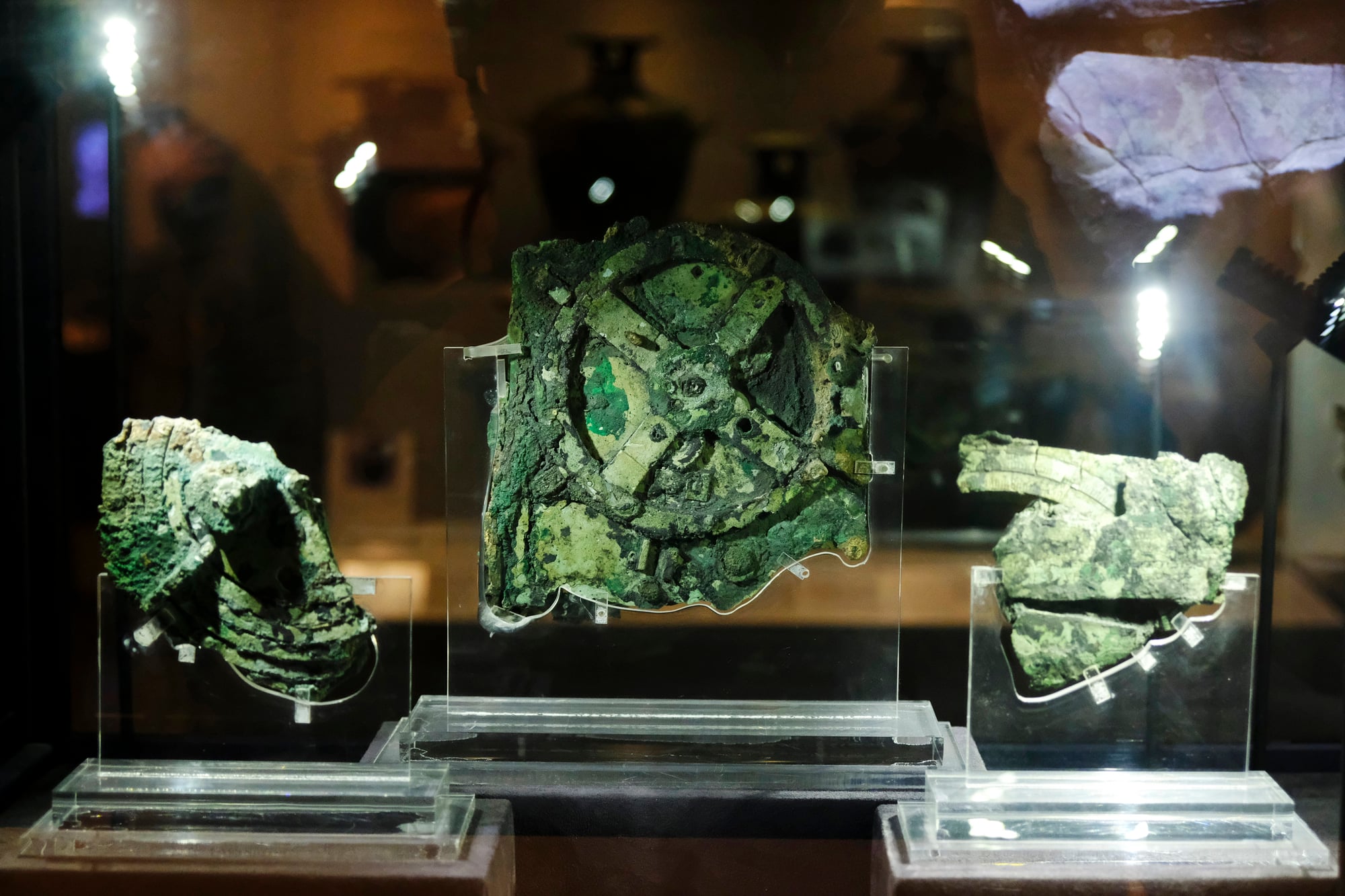
The Antikythera mechanism, discovered in a shipwreck off the Greek island of Antikythera, dates to around 100 BCE. This bronze device used a complex system of gears to predict astronomical positions and eclipses decades in advance.
It could track the movements of the sun, moon, and planets with remarkable accuracy. Scientists needed X-ray technology and decades of study to figure out how it worked, and similar mechanical computers wouldn’t appear again until the 14th century.
Water management in the mountains
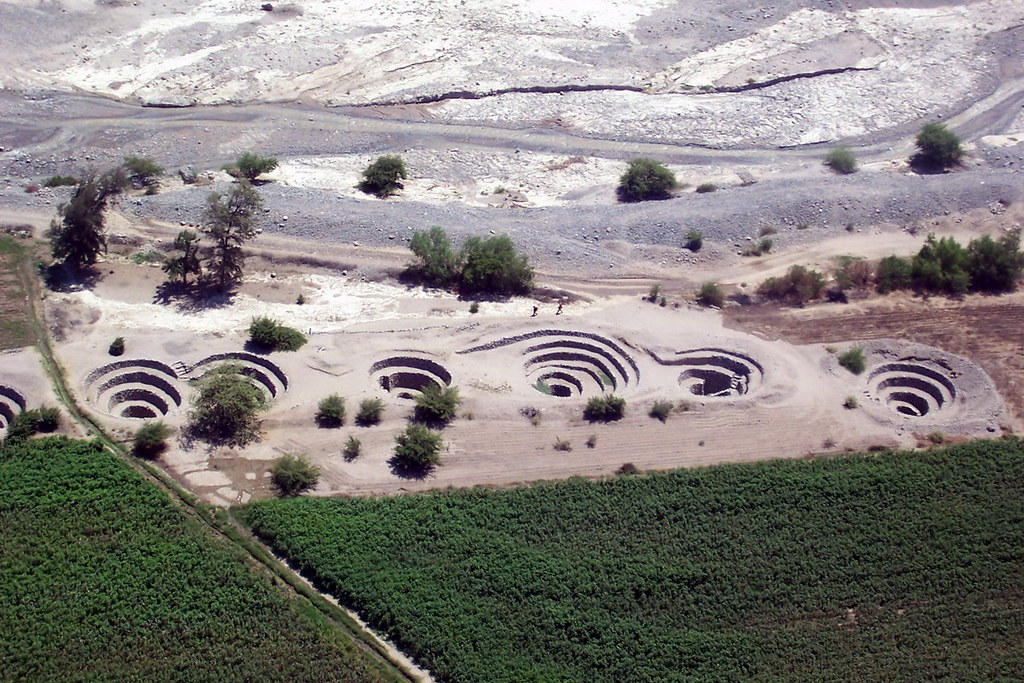
The Nazca people of Peru built underground aqueducts called puquios around 500 CE that still provide water to the region today. These spiraling tunnels captured water from mountain aquifers and channeled it to settlements in the desert below.
The spiral shape of the openings created air pressure that pushed water through the system without any pumps. Engineers designed the system so well that it continues to supply water to farms and towns 1,500 years later.
Pain relief during surgery

Ancient cultures found effective ways to manage pain long before modern anesthesia. The Chinese used acupuncture combined with herbal remedies to numb specific areas of the body.
South American civilizations used coca leaves, while ancient Egyptians used opium poppy extracts. Surgeons in ancient India used cannabis and henbane to put patients into a sleep-like state before operations.
Steel stronger than anything in Europe
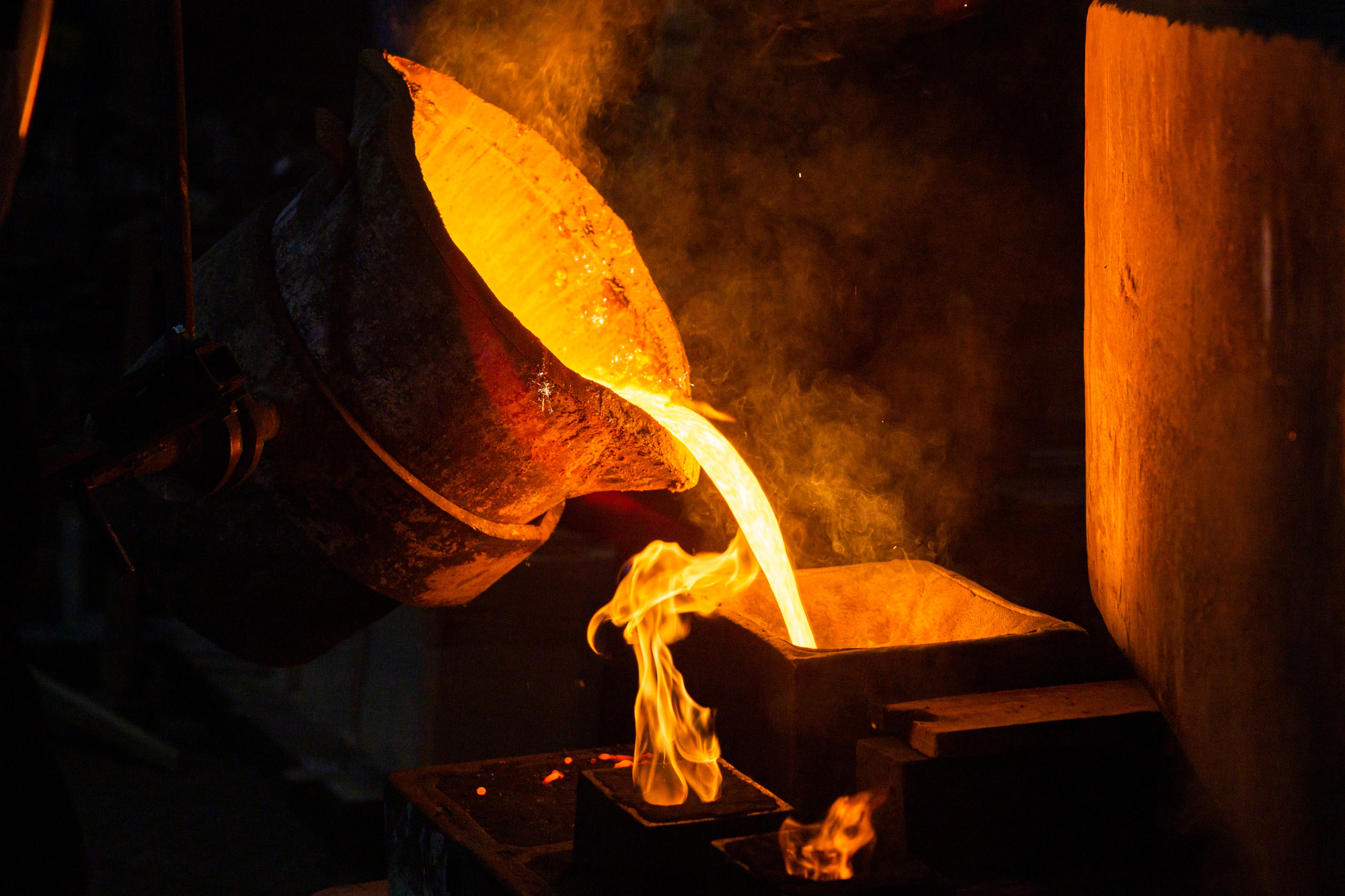
Indian metallurgists produced crucible steel as early as 300 BCE using a technique that wouldn’t be replicated in Europe until the Industrial Revolution. They heated iron ore and charcoal in sealed clay containers, creating steel with a carbon content that made it incredibly strong and flexible.
This steel was exported across the ancient world and became famous as Damascus steel when Arab traders brought it to the Middle East. Swords made from this material could supposedly cut through European blades like butter.
Precision drilling through solid rock
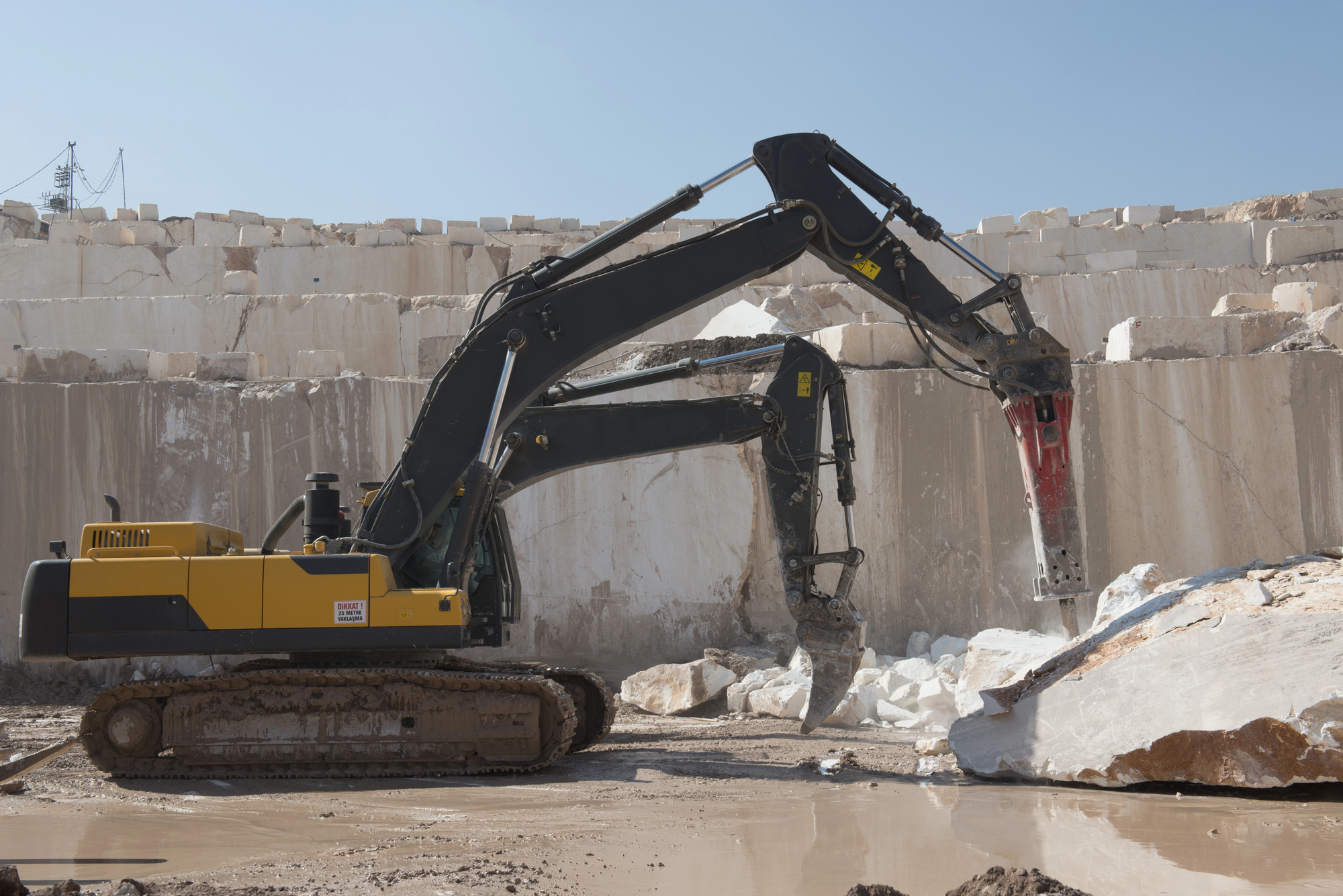
The ancient Egyptians somehow drilled perfectly round pits through solid granite and diorite, some of the hardest stones on Earth. These pits are so precise and smooth that modern engineers have trouble explaining how they were made without diamond-tipped drill bits.
Some researchers think the Egyptians used copper tubes with sand as an abrasive, while others believe they had access to harder materials we haven’t discovered yet. The drill marks show a level of precision that would be impressive even with modern power tools.
Bridges that grew from living trees
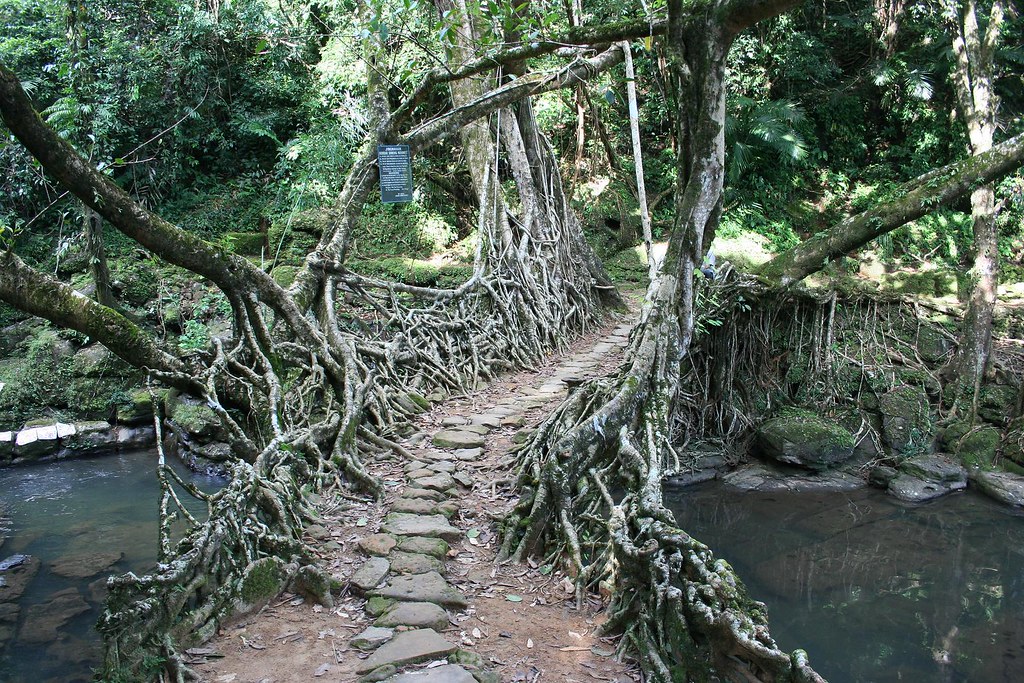
In the forests of northeast India, the Khasi people trained the roots of rubber trees to grow across rivers and form living bridges. They would guide young roots across bamboo scaffolds, and over 10 to 15 years, the roots would grow together and strengthen.
These bridges can support the weight of 50 people at once and actually get stronger over time instead of deteriorating. Some of the oldest living root bridges are over 500 years old and still in daily use.
Acoustic engineering in theaters
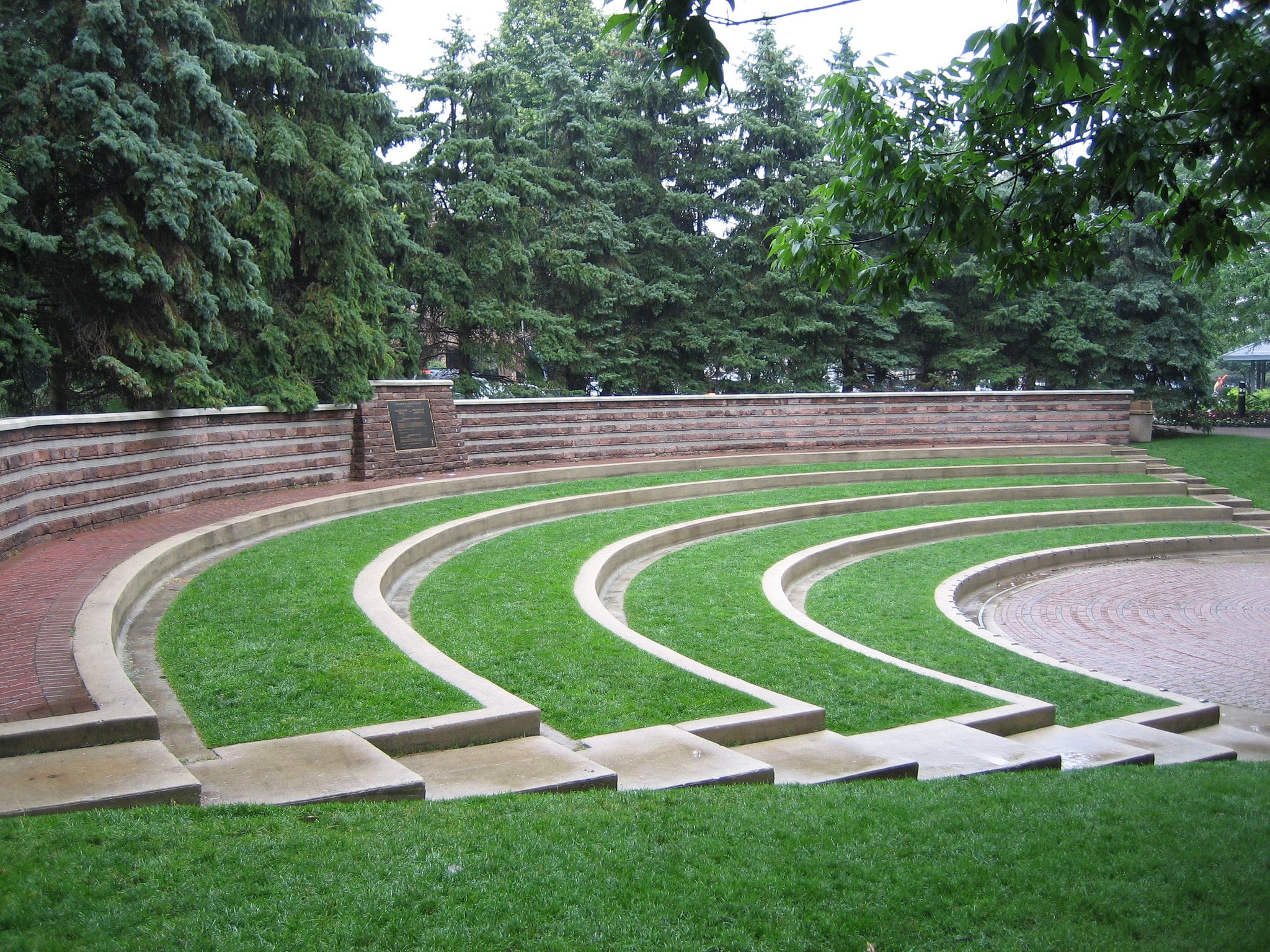
Greek architects designed amphitheaters with such perfect acoustics that a person speaking on stage could be heard clearly in the back row, over 300 feet away. They achieved this without any electronic amplification by carefully shaping the seating area and using the natural properties of limestone seats to filter out background noise.
Modern researchers discovered that the seats act like acoustic filters, dampening low-frequency sounds like crowd noise while allowing voices to carry. The Theater of Epidaurus, built in the 4th century BCE, still hosts performances today with no need for microphones.
Weapons that shot fire
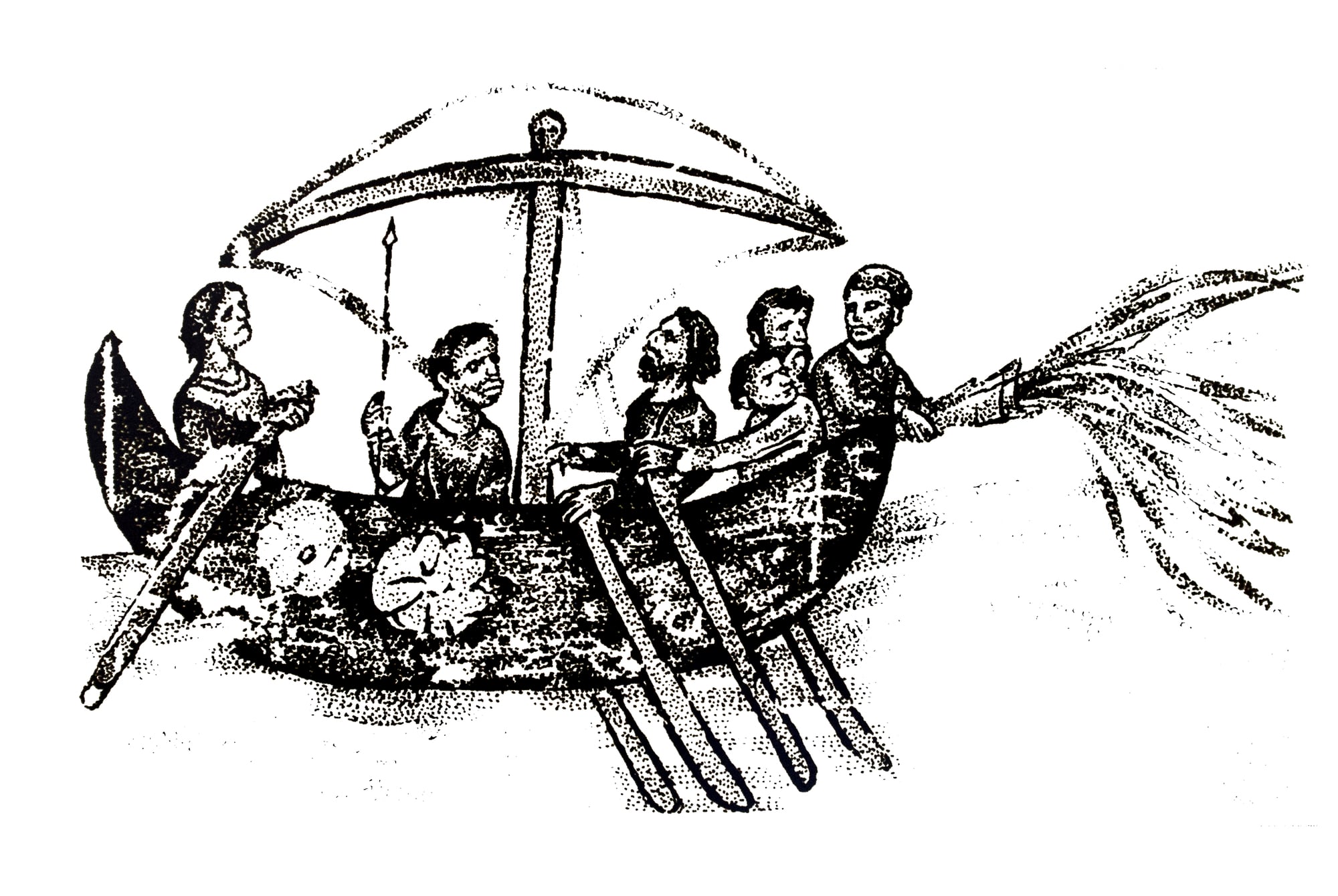
The Byzantine Empire used a weapon called Greek fire that could burn on water and couldn’t be extinguished with regular methods. The exact recipe was such a closely guarded secret that it was lost to history when the empire fell.
Historical accounts describe it as a sticky, flaming liquid that was sprayed from tubes mounted on ships. It gave the Byzantines a huge advantage in naval battles and helped them defend Constantinople for centuries.
What they left behind
These technologies show that innovation isn’t just a modern achievement. Ancient people faced problems and solved them with the materials and knowledge they had available, often creating solutions that worked better than what came centuries later.
The fact that so many of these inventions still work today, or that we’re only now figuring out how they were made, should make us think twice about dismissing the capabilities of our ancestors. They may not have had computers or electricity, but they had something just as valuable: human ingenuity and the determination to push past what seemed possible.
More from Go2Tutors!

- The Romanov Crown Jewels and Their Tragic Fate
- 13 Historical Mysteries That Science Still Can’t Solve
- Famous Hoaxes That Fooled the World for Years
- 15 Child Stars with Tragic Adult Lives
- 16 Famous Jewelry Pieces in History
Like Go2Tutors’s content? Follow us on MSN.