Fabrics Made From Unlikely Materials
The fashion and textile industries have come a long way from cotton fields and sheep farms. Today, scientists and designers are turning the most unexpected things into wearable fabrics.
Some of these materials seem too strange to believe, but they’re already being used to make clothes, shoes, and accessories that people wear every day. Let’s take a look at some of the most surprising things being transformed into fabric right now.
Pineapple leaves
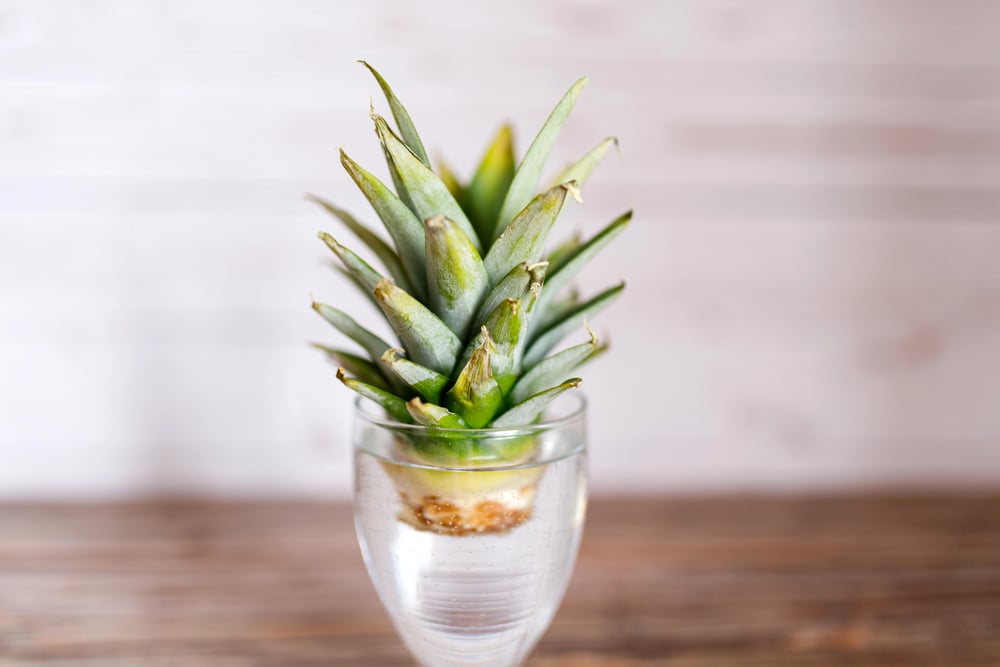
Filipino textile innovators discovered that the leaves left over after pineapple harvests contain incredibly strong fibers. Workers extract these fibers from leaves that would otherwise rot in fields, then weave them into a leather-like material called Piñatex.
The fabric feels soft and flexible, yet it’s tough enough for shoes, bags, and jackets. Big fashion brands have started using this pineapple leather because it gives farmers extra income while keeping plant waste out of landfills.
Mushroom roots
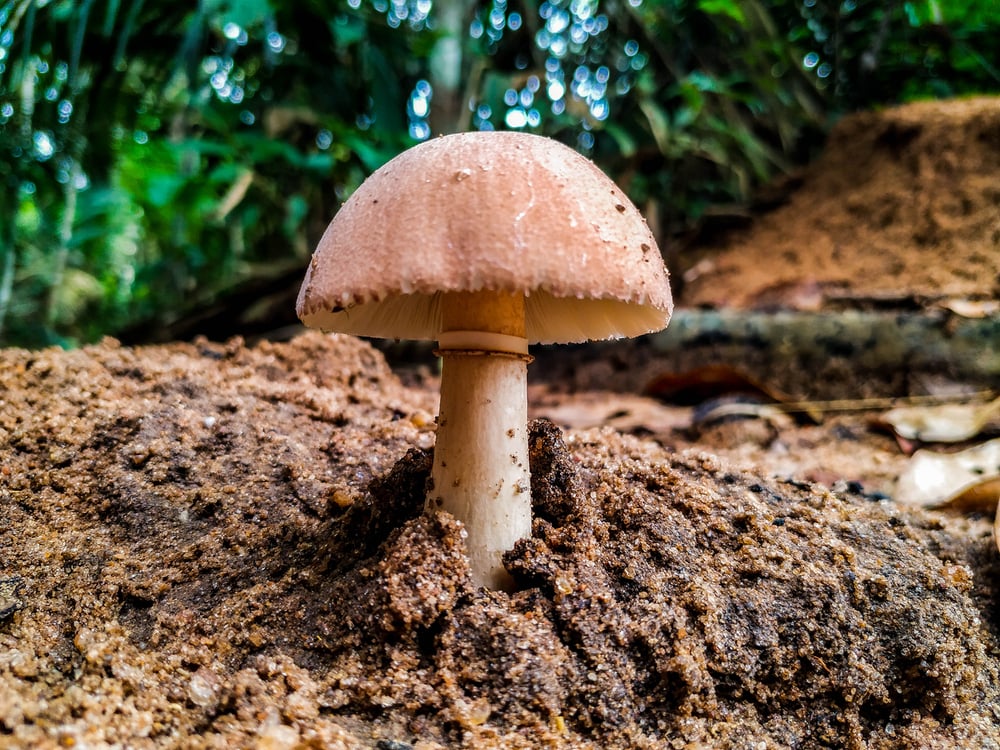
The underground root system of mushrooms, called mycelium, grows fast and can be shaped into almost anything. Companies grow these roots in labs on sawdust and agricultural waste, then dry and treat them to create a material that looks and feels remarkably similar to animal leather.
The whole process takes just a few weeks, unlike raising cattle which takes years. This mushroom leather already appears in handbags, wallets, and even car seats.
Milk that can’t be sold

When milk spoils or fails quality tests, dairies used to simply throw it away. Now, scientists extract a protein called casein from this unusable milk and spin it into fibers that resemble silk.
The resulting fabric feels incredibly soft against skin and dye beautifully. Clothes made from milk protein are naturally antibacterial and regulate body temperature well, though they do require careful washing to maintain their texture.
Algae from polluted water
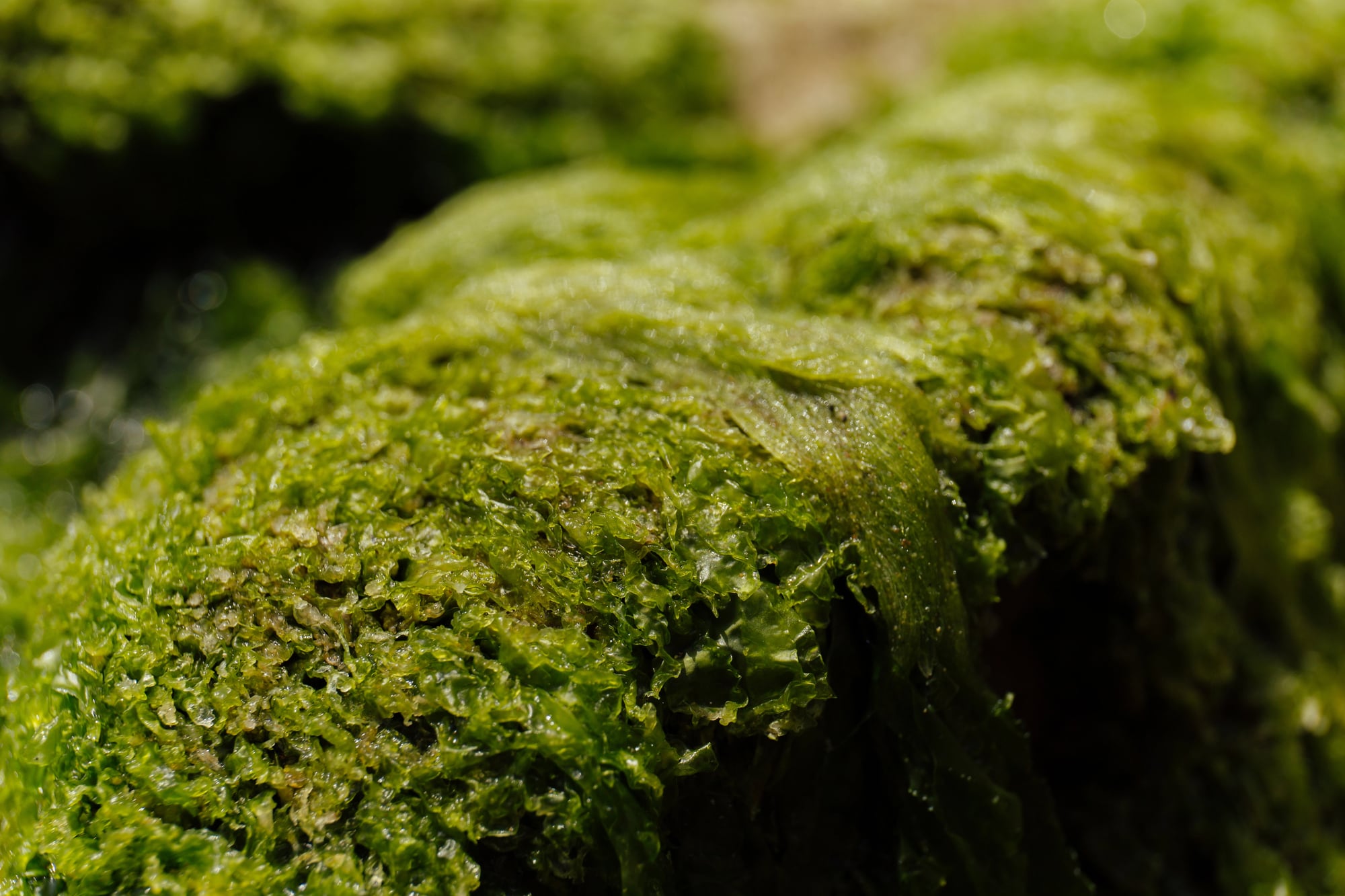
Algae blooms in lakes and rivers cause major environmental problems, but they also contain compounds perfect for making fabric. Workers harvest excess algae from waterways where it’s causing harm, then process it into a foam that gets blended with other materials.
The final fabric works great for shoes and yoga pants because it’s stretchy and breathable. Removing algae from water bodies actually helps restore the ecosystem while creating something useful.
Coffee grounds from cafes
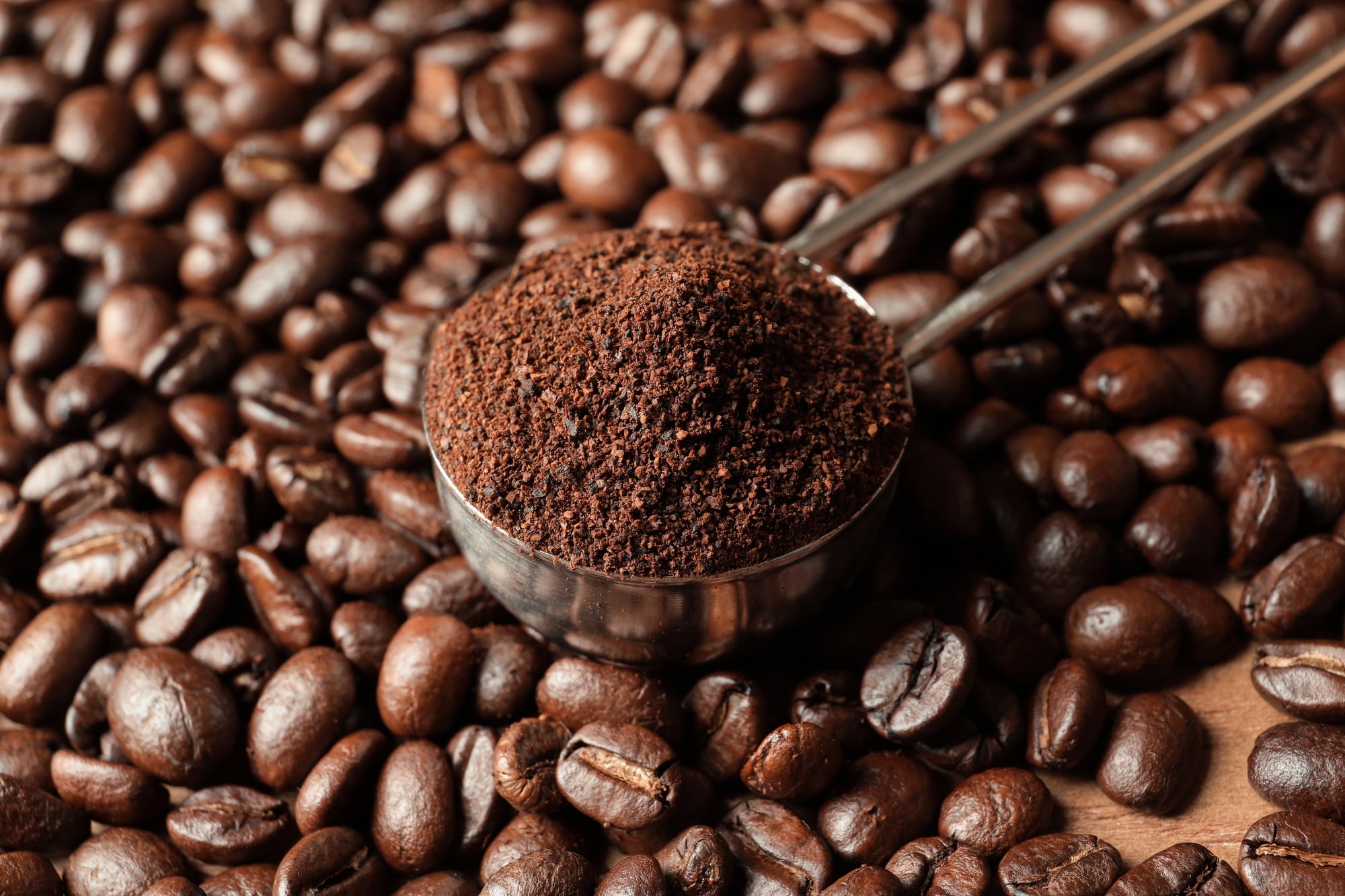
Millions of tons of used coffee grounds get tossed in the trash every single day. Textile companies now collect these grounds from coffee shops, extract the oils, then bind them to recycled polyester fibers.
The coffee particles trap odors naturally, which makes the fabric perfect for workout clothes and socks. Athletes love wearing these garments because they can exercise longer without worrying about smell, and the fabric dries faster than regular polyester.
Crab and shrimp shells

Seafood processing plants discard mountains of shells that usually end up in landfills or the ocean. These shells contain chitin, a tough substance that can be converted into fibers with some chemical processing.
The resulting fabric naturally resists bacteria and fungi, which means clothes stay fresher between washes. Medical professionals have started using bandages made from this material because it actually helps wounds heal faster.
Plastic bottles pulled from oceans
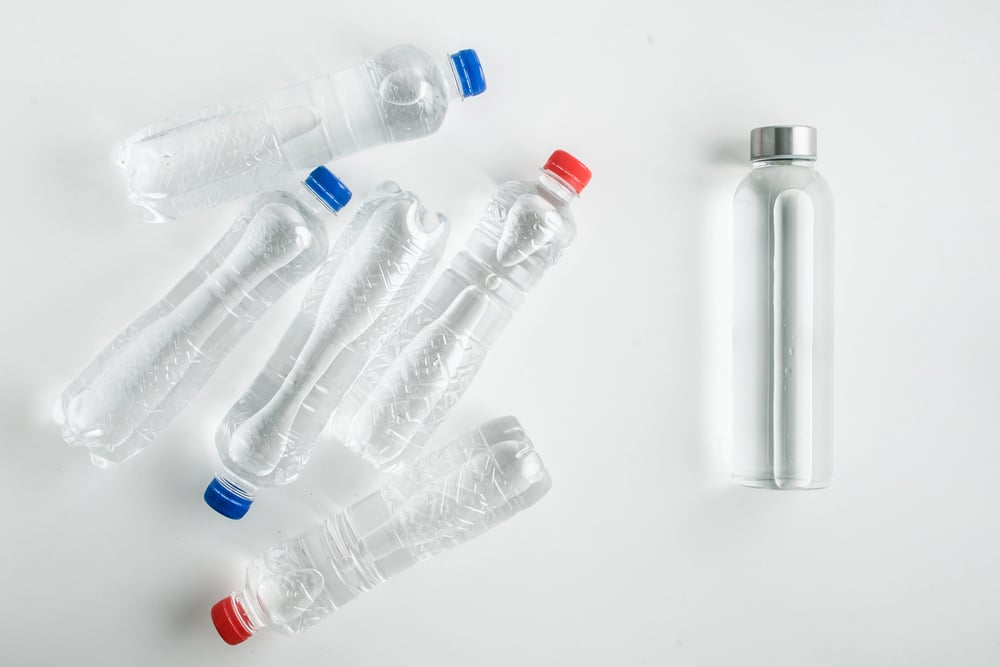
Ocean cleanup crews retrieve tons of plastic bottles floating in the water, and textile manufacturers have figured out how to turn this trash into polyester yarn. The bottles get cleaned, shredded into tiny pieces, melted down, and spun into fibers that feel just like regular polyester.
Major sportswear companies now make jerseys, swimsuits, and running shoes from ocean plastic. Each piece of clothing might contain anywhere from five to twenty recycled bottles.
Banana plant stems
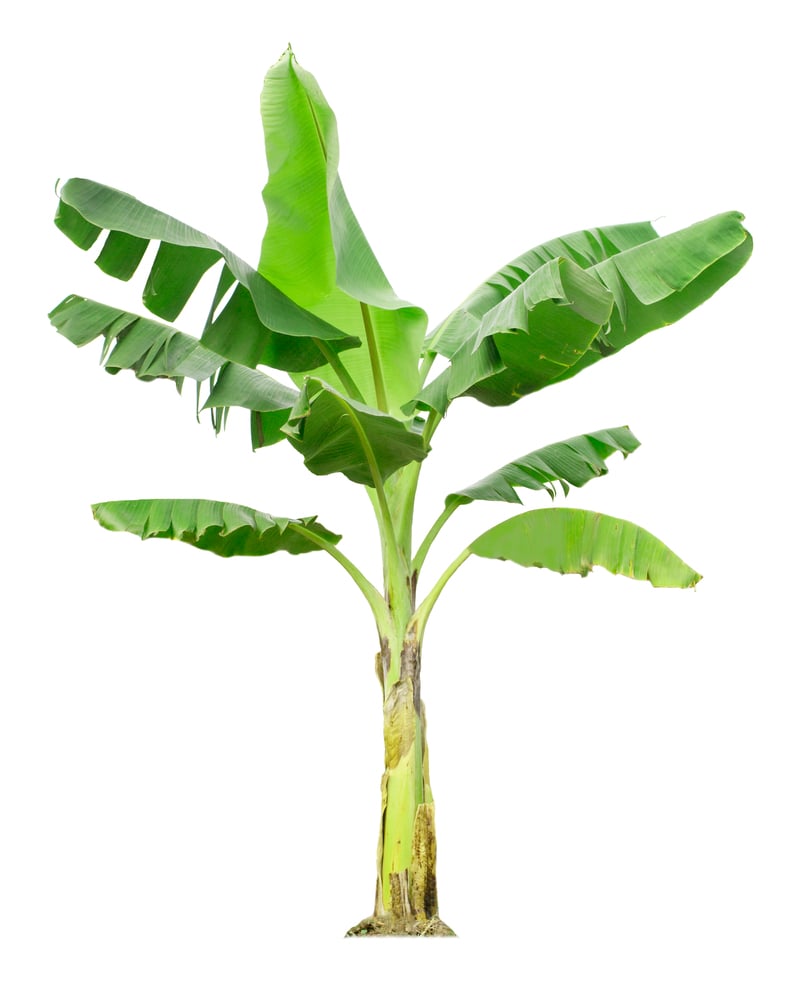
After banana farmers harvest their fruit, they cut down the plants because each one only produces once. The thick stems would normally decompose in fields, but they’re packed with strong fibers that work beautifully for textiles.
Workers strip the outer layers, extract the fibers, and weave them into a fabric that’s lightweight yet surprisingly durable. This banana fabric gets softer with every wash and works particularly well for summer dresses and shirts.
Corn stalks and husks
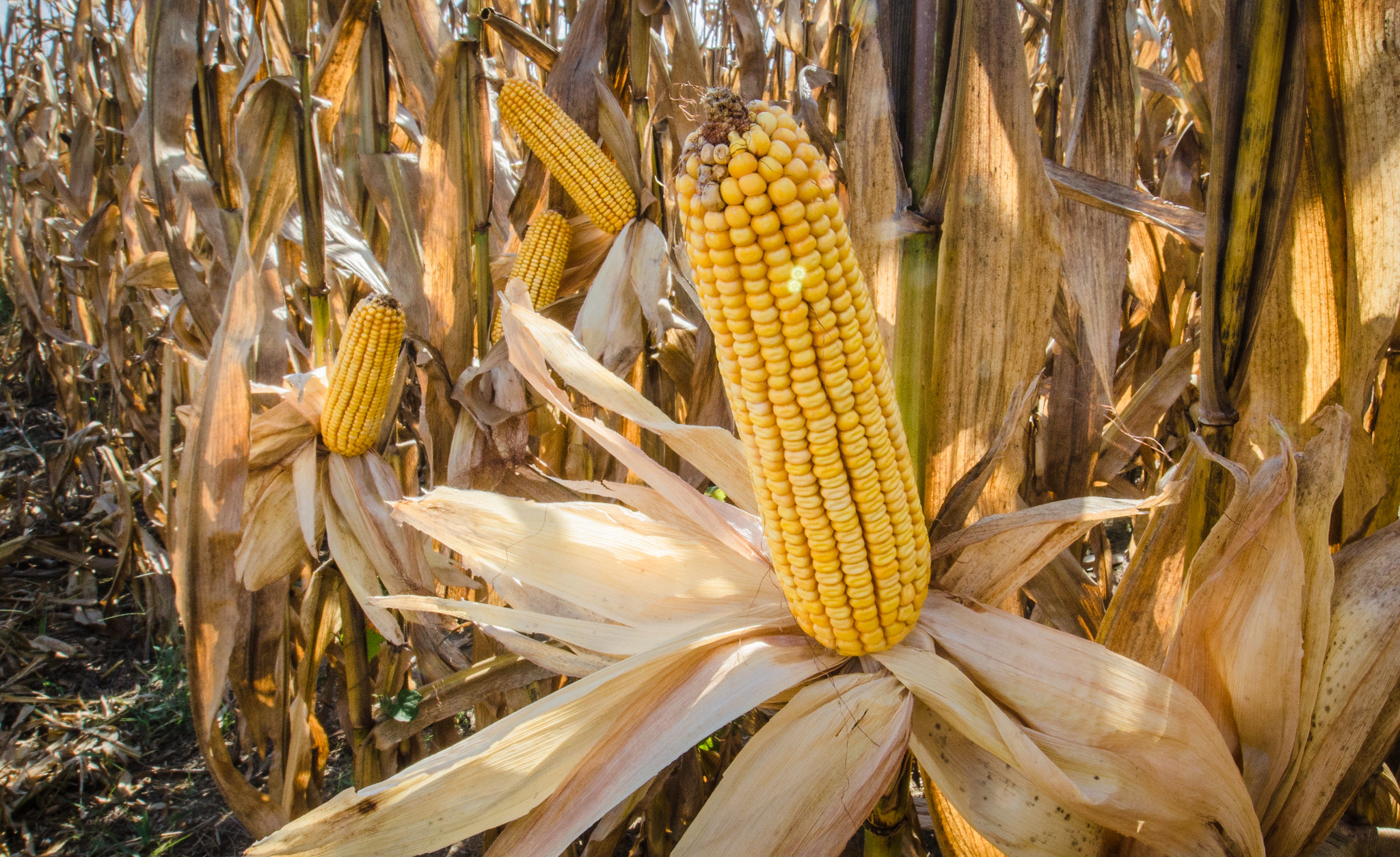
American farms grow so much corn that the leftover stalks and husks create a waste problem. Scientists discovered they could break down this plant material and extract sugars that ferment into a substance called polylactic acid.
This becomes a synthetic fiber that looks similar to polyester but comes entirely from plants. The fabric breathes well and resists wrinkles, though it does break down faster than petroleum-based synthetics.
Wine grape leftovers
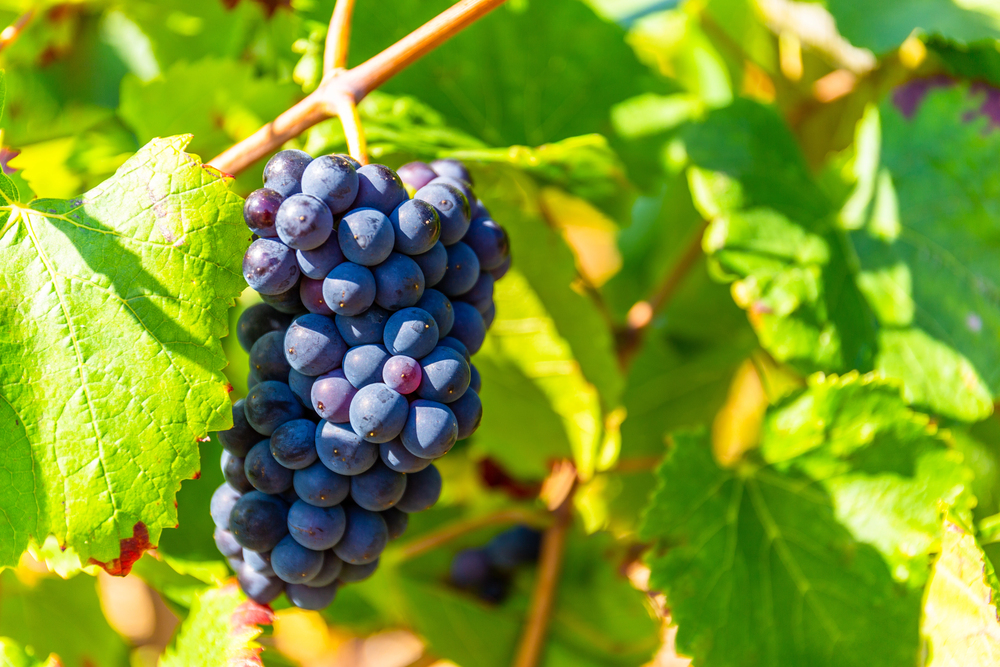
Wineries squeeze grapes and toss the skins, seeds, and stems into giant waste piles. Italian innovators found a way to dry these grape remnants and grind them into a fine powder that gets mixed with other materials to create a leather substitute.
The grape leather has a unique texture and comes in various colors depending on the type of wine grapes used. Shoe companies have embraced this material because it’s flexible enough for comfortable footwear.
Coconut husks
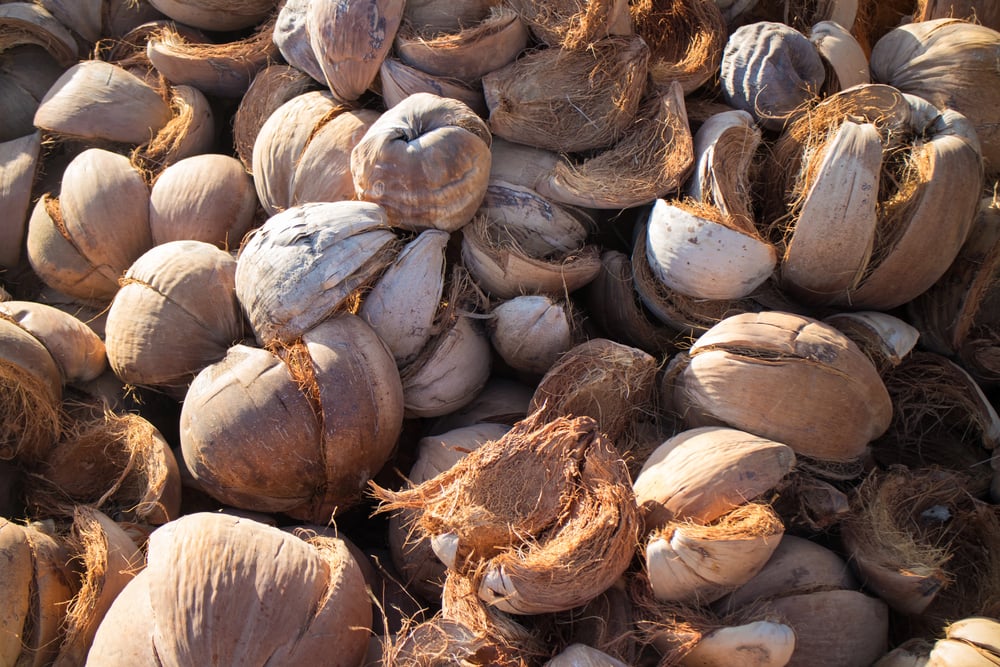
The hard, fibrous shell around coconuts usually gets burned or buried after people extract the meat and water. These husks contain coir fibers that are incredibly resistant to water and rot.
Manufacturers now process these fibers into textiles used for mats, brushes, and even clothing blends. The fabric has a slightly rough texture that softens over time, and it naturally repels moisture without any chemical treatment.
Orange peels from juice factories
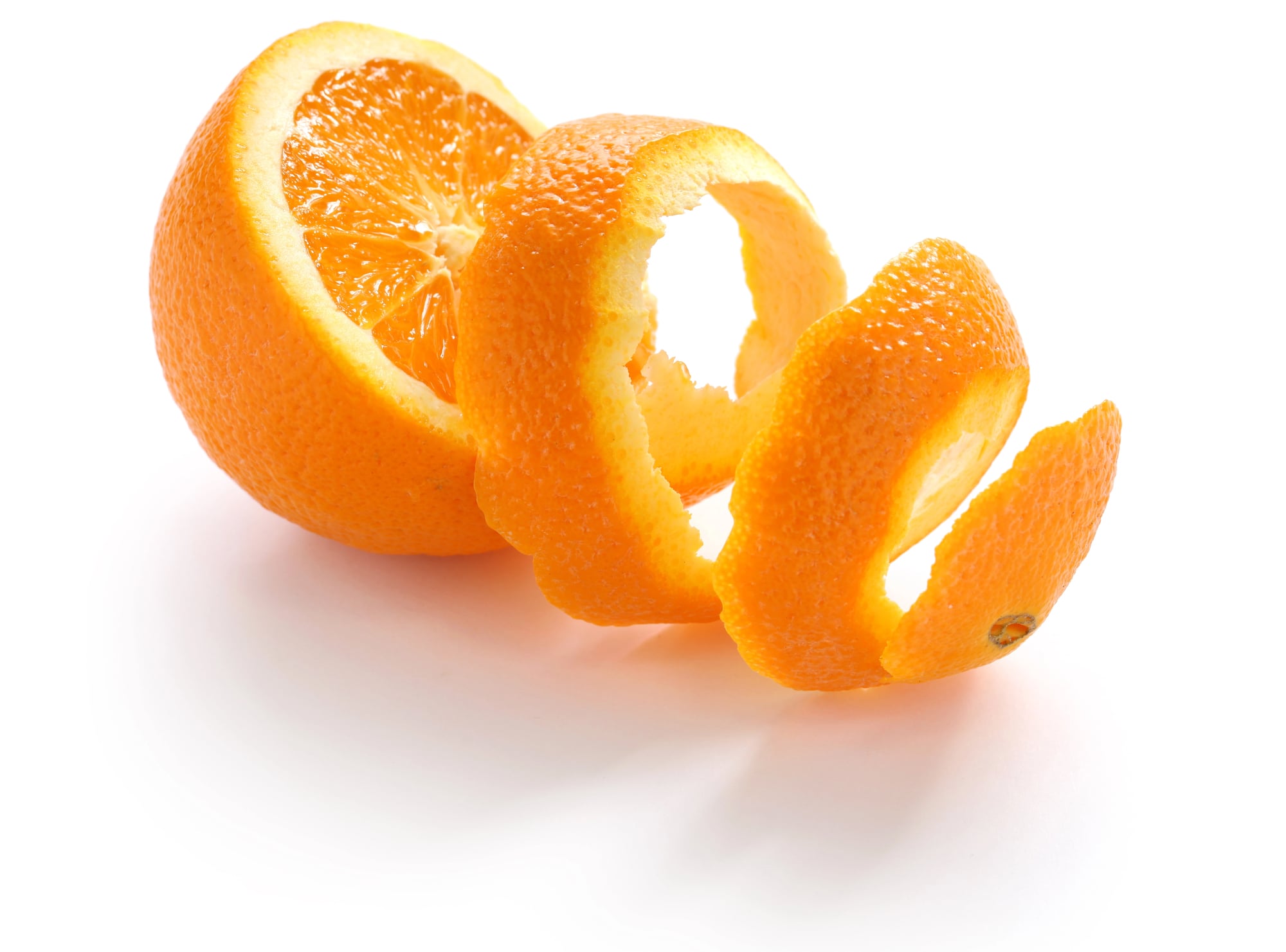
Juice companies process millions of oranges daily, creating massive amounts of peel waste. Researchers in Italy developed a method to dissolve the cellulose in these peels and spin it into a silky fiber.
The resulting fabric drapes beautifully and has a subtle shine that makes it popular for dresses and blouses. Orange peel fabric also takes natural dyes exceptionally well, creating rich colors without harsh chemicals.
Wood pulp from sustainable forests
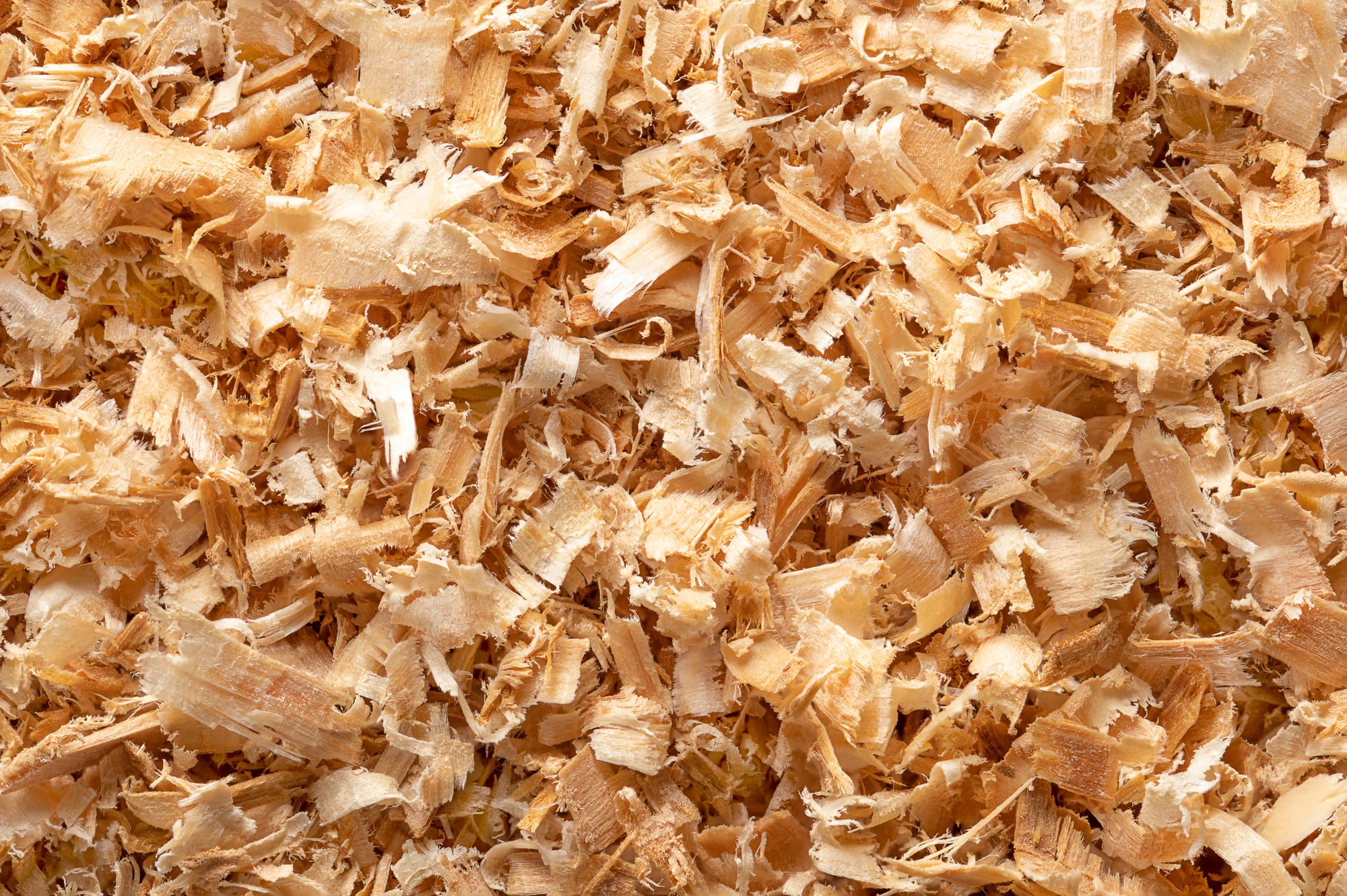
Trees grown specifically for harvesting can be turned into more than just paper. The wood gets broken down into a pulp, then dissolved and pushed through tiny pits to create long, smooth fibers.
This process makes fabrics like rayon, modal, and lyocell that feel soft and drape elegantly. These wood-based textiles breathe better than synthetic materials and cost less to produce than cotton, though they do require significant water during manufacturing.
Nettles that sting
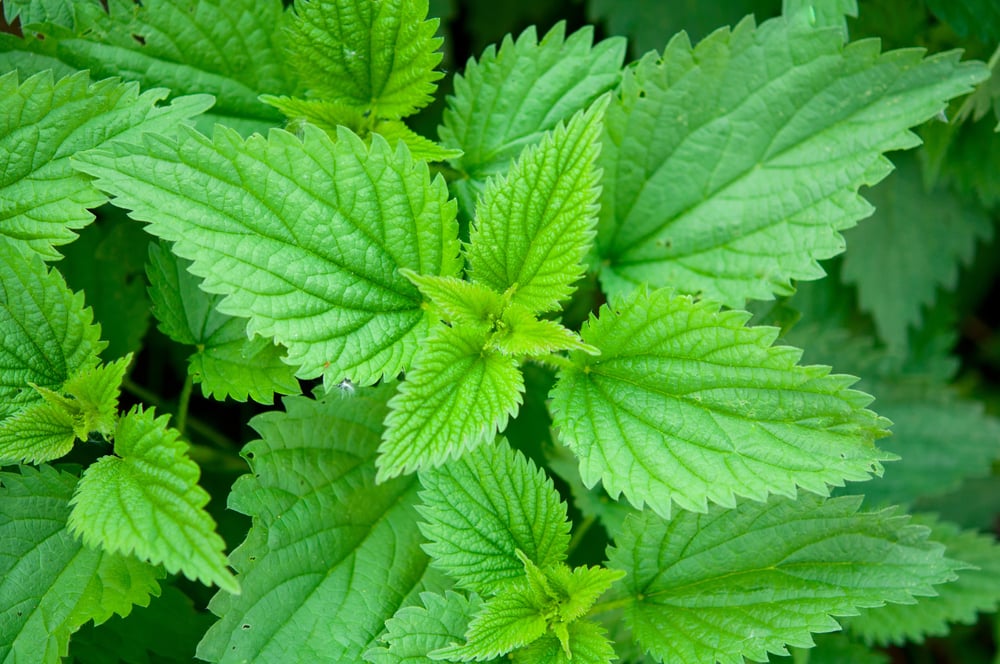
Stinging nettle plants grow wild across many countries and irritate anyone who touches them with bare hands. Once processed, however, the stems contain fibers that rival linen in strength and appearance.
European textile makers have revived the ancient practice of turning nettles into fabric because the plants grow without pesticides or much water. Nettle fabric feels crisp and cool, perfect for warm weather clothing.
Lotus flower stems

In parts of Asia, artisans have been making fabric from lotus stems for centuries, though it’s remained rare because the process is labor-intensive. Workers harvest the stems, break them carefully, and pull out incredibly fine threads that get spun into yarn.
Lotus fabric is exceptionally lightweight and resists stains naturally because of the plant’s water-repelling properties. A single scarf made from lotus silk can take months to create and costs hundreds of dollars.
Lab-grown spider silk proteins
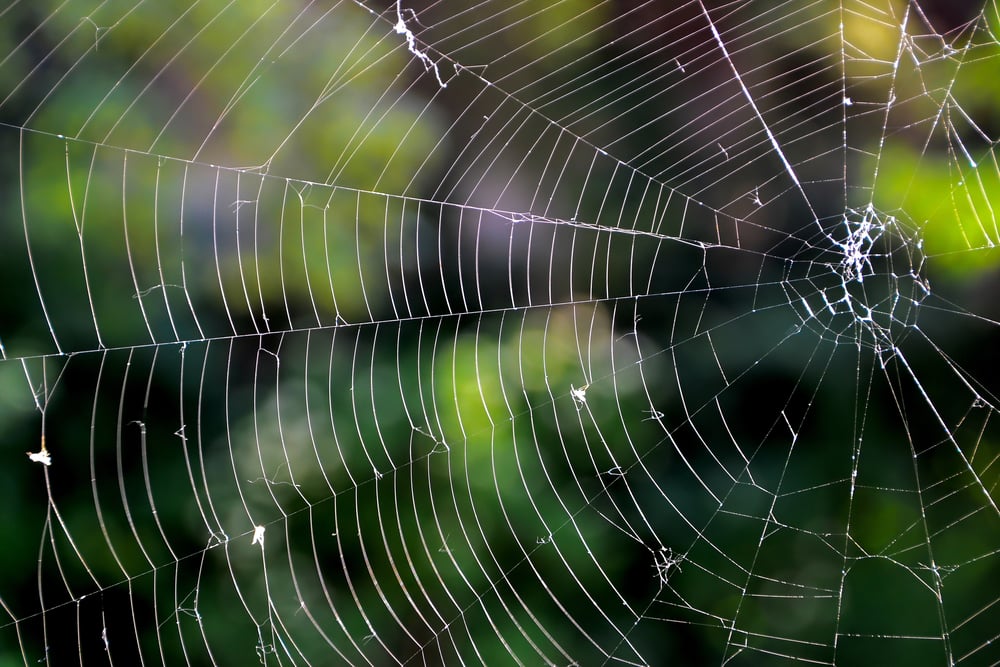
Real spider silk is one of the strongest natural fibers on Earth, but farming spiders isn’t practical because they’re territorial and eat each other. Biotechnology companies now use genetically modified bacteria or yeast to produce spider silk proteins in large tanks.
These proteins get spun into fibers that are lighter than cotton yet tougher than steel by weight. The resulting fabric could revolutionize everything from medical sutures to bulletproof vests, though it’s still expensive to produce at scale.
Seaweed harvested from farms
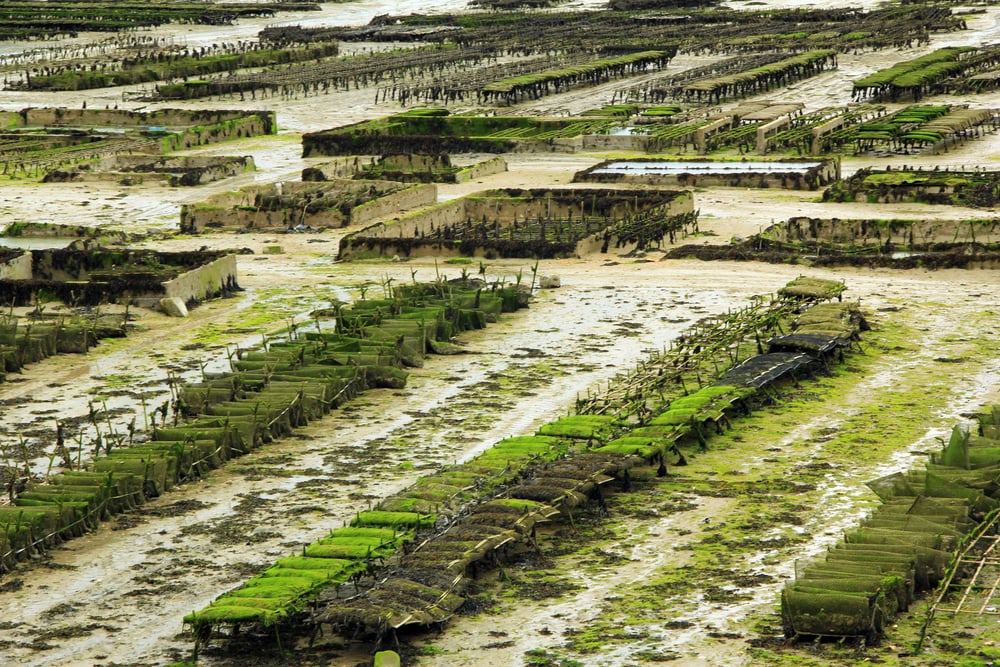
Seaweed grows incredibly fast in ocean farms without needing fertilizer, pesticides, or fresh water. Processors extract alginate from the seaweed and turn it into a fiber that can be woven or knitted.
The fabric feels smooth and cool against skin, and it naturally biodegrades at the end of its life. Fashion designers have started experimenting with seaweed textiles for eco-friendly collections, though the fabric can’t handle high heat when washing.
From waste to wardrobe

These unusual fabrics prove that innovation often comes from looking at trash in new ways. What seemed like garbage just a decade ago now hangs in closets around the world.
The textile industry keeps finding creative solutions that turn environmental problems into wearable products, and scientists discover new material sources every year. Shopping for clothes might soon mean choosing between pineapple leather shoes or a mushroom root jacket.
More from Go2Tutors!

- The Romanov Crown Jewels and Their Tragic Fate
- 13 Historical Mysteries That Science Still Can’t Solve
- Famous Hoaxes That Fooled the World for Years
- 15 Child Stars with Tragic Adult Lives
- 16 Famous Jewelry Pieces in History
Like Go2Tutors’s content? Follow us on MSN.