Restaurants Before And Now: Menus and Dining Trends
There’s something almost archaeological about old restaurant menus. You pick one up — maybe a laminated relic from a diner that’s been around since the 1970s — and you get a window into how people ate, what they valued, and what they simply didn’t think about yet.
Dining out has changed more in the last 30 years than it did in the century before that. The shifts aren’t just in what’s on the plate.
They’re in how you order, where you sit, and what the whole experience is supposed to mean.
How Menus Used to Look
The old menus were long. Not just a little long — genuinely exhausting.
A mid-century American diner might offer 80 or 90 items across breakfast, lunch, and dinner, all available at any hour. Italian-American restaurants had entire novels printed on laminated boards.
The thinking was simple: more options meant more value, and more value meant more customers. The kitchen suffered for it, of course.
Cooks had to prep ingredients for dozens of dishes simultaneously, which meant a lot of frozen products and a lot of shortcuts. But customers didn’t know that.
They just saw the abundance and felt taken care of.
The Age of the Massive Menu

Casual dining chains took the “more is more” approach and industrialized it. Places like Applebee’s and TGI Fridays in the 1990s built menus that ran to dozens of pages.
Appetizers, soups, salads, mains, desserts, kids’ sections, specialty drinks — all of it crammed into a folder the size of a small textbook. This worked for a long time.
Families with different tastes could all find something. But it also meant that nearly everything came out of a bag or a freezer.
The consistency was the point.
When Seasonal and Local Became the Standard
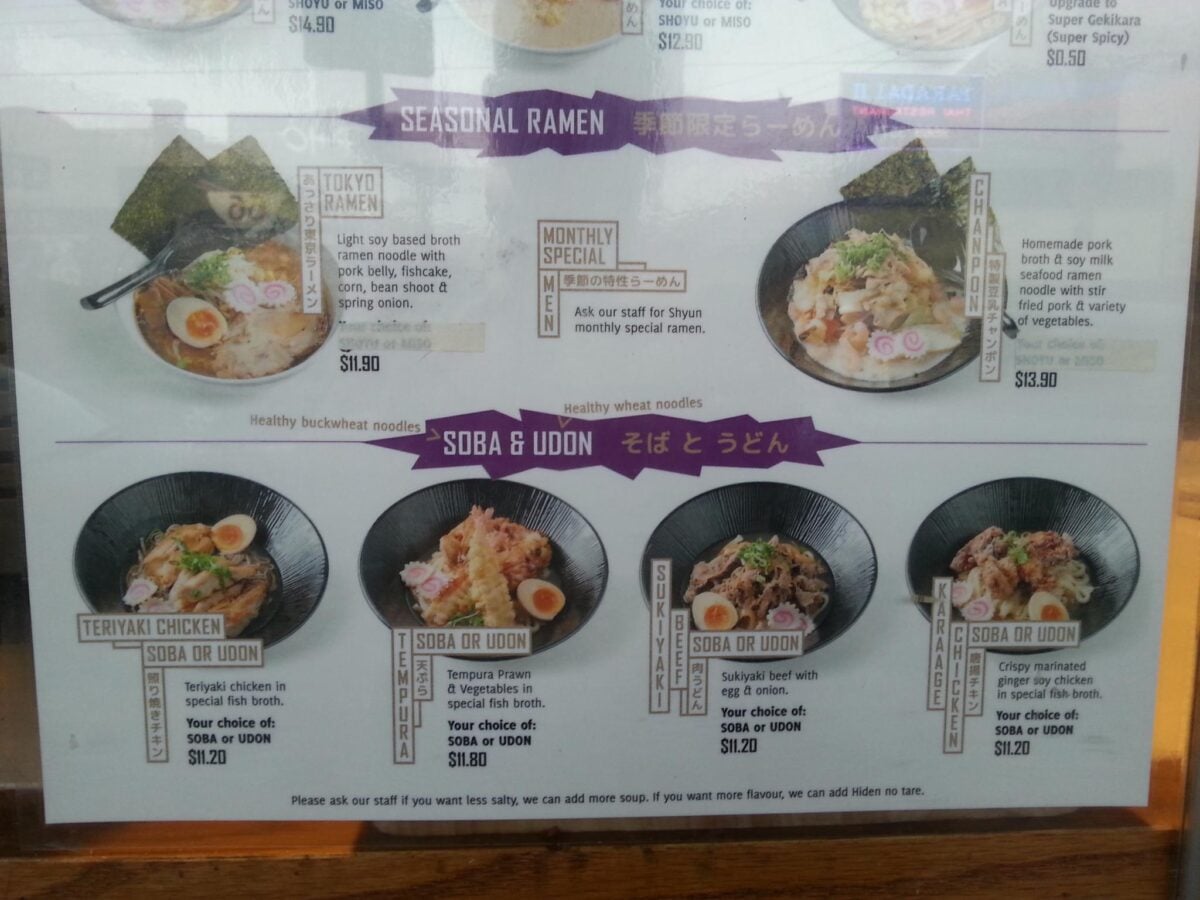
Something shifted in the early 2000s. Chefs started talking publicly about where their ingredients came from.
The farmers market became a place chefs were spotted on Saturday mornings, not just weekend shoppers. And menus started getting shorter.
A restaurant with 15 items started to signal something different than a restaurant with 80. It suggested that the kitchen was buying fresh, cooking from scratch, and actually thinking about what was on the plate.
The short menu became a mark of seriousness. Today, many fine dining spots change their menus weekly or even daily, depending on what’s available.
The dish you had last Tuesday may not exist by Thursday.
The Rise of Dietary Menus

In the 1980s, a vegetarian at a steakhouse got a side salad and maybe a baked potato. There was no section for them, no acknowledgment that they existed. Vegans were essentially invisible.
That’s unrecognizable now. Most restaurants today have clear vegetarian and vegan options, often highlighted with symbols throughout the menu.
Many have dedicated gluten-free sections, nut-free designations, and allergen charts available on request. Some restaurants have built their entire identity around a single dietary approach.
This wasn’t just cultural pressure — it was business. Dietary preferences and restrictions are common enough now that ignoring them means turning away paying customers.
Fast Food Grows Up
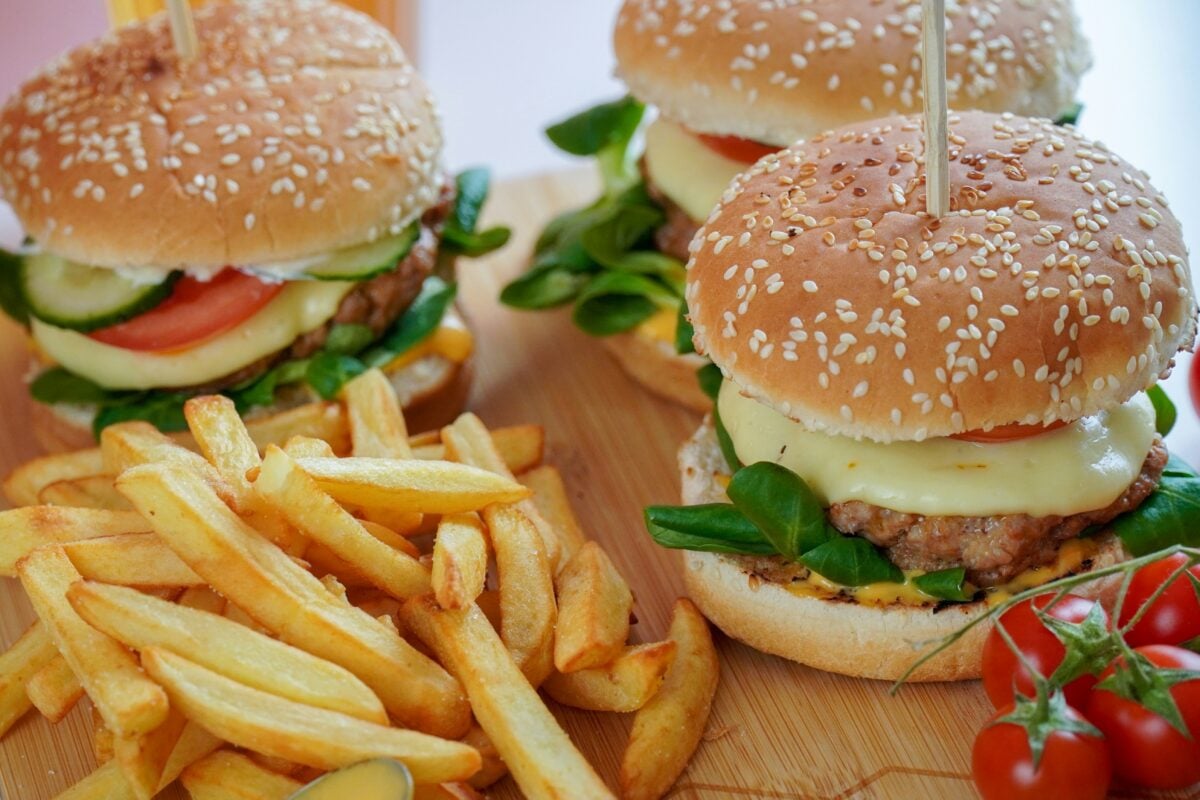
Fast food menus have always been simple by design. That’s the point.
But even within that framework, the categories have expanded dramatically. The early McDonald’s menu was genuinely small: burgers, fries, shakes.
Today the same chain offers salads, wraps, specialty coffees, seasonal items, and regional variations that change by country. The pressure to compete with fast-casual options pushed fast food chains to add ingredients and flavor profiles they would have considered absurd 20 years ago.
Sriracha aioli on a fast food sandwich would have seemed bizarre in 1998. Now it’s a Wednesday special.
How Portions Changed Over the Decades

American portion sizes grew steadily from the 1970s through the 2000s. Plates got bigger. Drinks got larger.
Steakhouses started measuring their cuts in ounces in a way that was meant to impress rather than simply describe. The backlash came quietly.
Smaller plates appeared — not tapas exactly, but a move toward sharing and tasting rather than eating one enormous entrée alone. Fine dining leaned into smaller, more focused portions.
Even casual restaurants started offering half-portions or starter sizes. The “clean your plate” ethic that dominated for decades has softened.
Now many restaurants frame sharing as the intended way to eat, which actually suits a lot of people better.
The Death of the Prix Fixe (and Its Comeback)

The fixed-price meal — a set number of courses for a set price — was a staple of formal dining for most of the 20th century. It came from French restaurant tradition and implied a certain kind of evening: unhurried, structured, ceremonial.
By the 1990s, it had mostly disappeared outside of high-end restaurants and special occasions. Americans wanted to choose, and they wanted flexibility.
But the prix fixe never fully left, and in recent years it’s come back in a different form. Tasting menus at serious restaurants are essentially prix fixe taken to an extreme.
And even more casual spots have started offering prix fixe options as a way to reduce food waste and simplify kitchen logistics. The format makes economic sense for restaurants and, it turns out, a lot of diners don’t actually mind being guided.
Drinks Got Serious

The bar menu used to be an afterthought at most restaurants. Beer, wine, a few basic cocktails — whatever the bartender knew how to make.
The focus was on food, and drinks were just something to have alongside it. That changed as cocktail culture made a significant comeback in the 2000s.
Bar programs became a point of pride. Restaurants hired dedicated beverage directors. Menus listed spirit origins, wine regions, and tasting notes.
Craft beer lists grew to rival wine lists in length and complexity. Now, a well-developed drinks menu is expected, not exceptional.
And non-alcoholic beverage programs — which barely existed 10 years ago — have become their own serious category, with house-made sodas, botanical infusions, and zero-proof cocktails designed with the same care as their alcoholic equivalents.
The Open Kitchen Effect

For most of restaurant history, the kitchen was hidden. Customers didn’t need to see what was happening back there, and frankly, it was probably better that way.
The separation was practical and psychological. Open kitchens changed the dynamic entirely.
When you can watch the line cooks work, the restaurant is making a statement about its process. It’s saying: look at how this is made.
The kitchen becomes part of the dining experience rather than a backstage operation. This pushed kitchens toward cleaner setups and more visible craftsmanship.
It also changed how diners relate to the food — watching something being prepared, even briefly, makes people more invested in it.
QR Codes and Digital Menus

The paper menu isn’t dead, but it’s no longer the default at a growing number of restaurants. QR codes on tables that link to a digital menu became widespread during the pandemic, and many restaurants kept them.
The reasons are practical: digital menus are cheaper to update, can include photos, and eliminate the cost of reprinting when items change. But the experience isn’t universally loved.
A lot of diners find the process of scanning, loading, and scrolling less enjoyable than holding an actual menu. There’s something about the physical object that feels like part of the ritual.
The debate continues, and most places now offer both.
Tasting Menus and the Theater of Dining

Strange how the tasting menu sits in today’s food scene. Eight plates, maybe ten, at times even fifteen – each tiny, each shaped with care.
Not every diner finds their way here. Time must be set aside.
Money too. Then there is appetite: one ready to follow where chefs lead.
Still, this is where inventive cooking often takes place. Because they want freedom to shape a narrative with dishes, chefs drawn to creativity usually choose it.
One dish follows another, each adding something new. Components show up again, transformed somehow.
What you eat feels like watching a play unfold. People eating at these places want more than just tasty food.
What sticks in their minds matters most, not only what’s on the plate. A moment worth recalling often begins where flavor ends.
Ghost Kitchens Rise With Food Delivery Growth
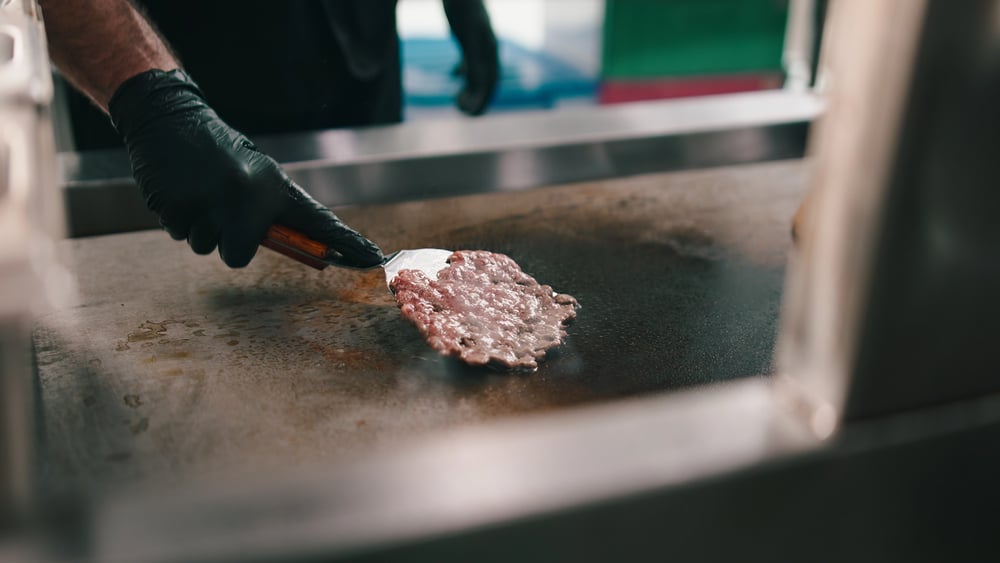
Twenty years back, a place serving meals but no seats? Unthinkable. Today, that idea runs on its own rails.
Hidden behind alleyways or inside warehouses, these spots cook nothing you eat there. Delivery only shapes their entire rhythm.
Think of them as stoves with addresses but no chairs. Their rise shifted assumptions, quietly redefining where food comes from.
What counts as a restaurant now carries new weight. Week after week, city eaters skip restaurants – meals now come through apps instead.
What once meant candles and conversation shifts to containers on doorsteps. Taste becomes the only message, sent without smiles or silverware.
A dish must speak fully when it lands, carrying every intention across miles in foam and tape. Silence fills the space where chatter used to be.
Flavor stands alone, judged before the lid lifts. A twenty-minute ride can wreck even the nicest-looking meal if it turns into mush.
Because of that shift, kitchens now adjust how they wrap food, keep it warm, and choose what travels well. When pasta arrives glued together, nobody wins.
So instead, some meals are made only to handle movement. These portable plates didn’t exist before but now stand as a form on their own.
Casual Dining Loses Its Way
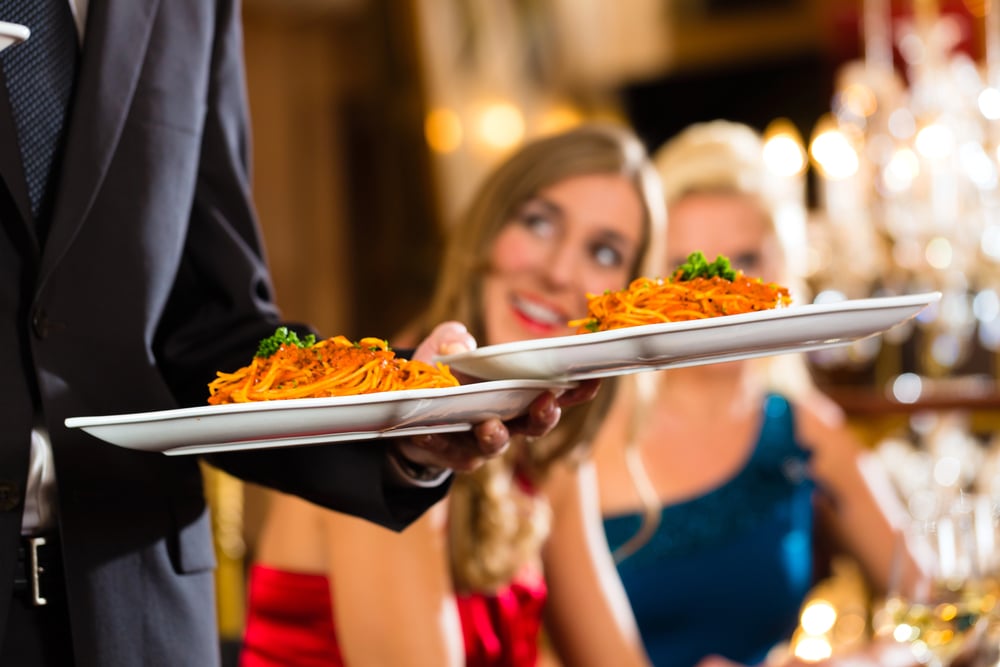
Nowhere has the pinch been felt more than in casual dining. These places serve meals at moderate cost, with plenty of choices on their menus.
Trouble started creeping in ten years back. Higher-end quick service spots began offering tastier food without the high price tag. At the same time, basic fast food stepped up its game dramatically.
That left regular mid-tier chains stuck in the middle. Balance became hard to maintain.
Their position weakened slowly. Fewer people saw a reason to choose them.
One group trims menus down hard, removing many dishes to highlight only the strong ones. Another bunch spends big on mood and vibe, aiming to turn the space into a destination on its own.
A small number shift instead to drinks with flair or regular shows that pull people in.
Nowhere near as many of those old-style outlets remain open these days.
Places still standing only made it by changing almost everything about how they operate.
The Table That Never Left
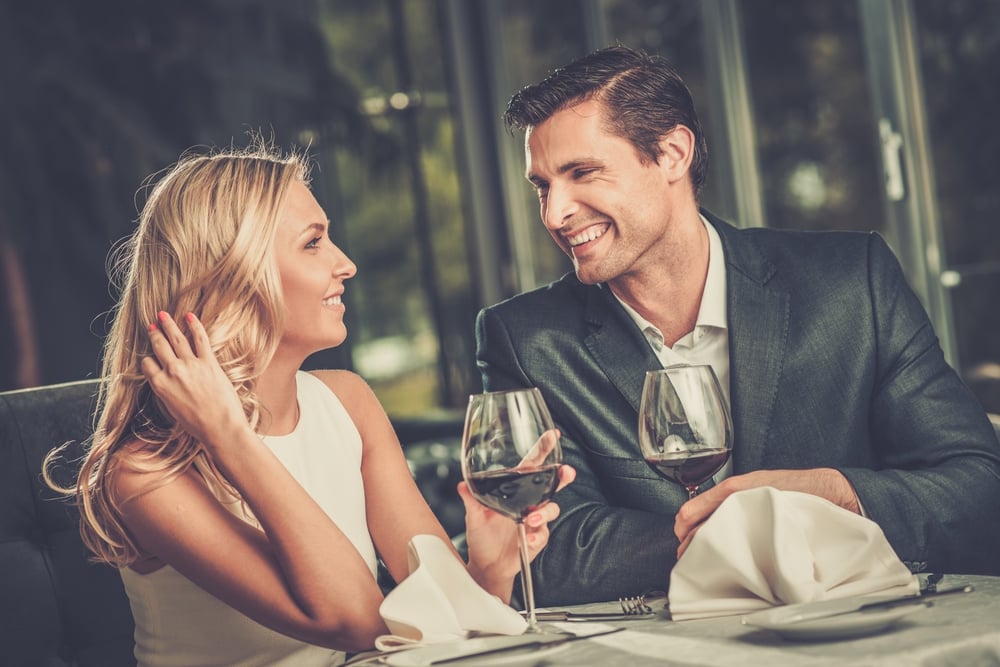
Still, after everything shifts around it, eating out holds one truth. Occasions find their way to a table.
Talk flows easier when shared bites fill the silence. Faces meet across cloth napkins, worlds shut outside.
Distractions pause, just for now. Out here, the setup near the table feels different now.
Over there, the menu took a turn. Behind the scenes, the kitchen runs another way.
Yet why folks show up – sharing meals not cooked by themselves, sitting somewhere besides their own walls, close to those they care about – remains untouched by time. Each fresh wave, each altered layout, each redesigned list of dishes simply wraps that steady hunger in new paper.
More from Go2Tutors!

- 16 Historical Figures Who Were Nothing Like You Think
- 12 Things Sold in the 80s That Are Now Illegal
- 15 VHS Tapes That Could Be Worth Thousands
- 17 Historical “What Ifs” That Would Have Changed Everything
- 18 TV Shows That Vanished Without a Finale
Like Go2Tutors’s content? Follow us on MSN.