15 Children’s TV Hosts Who Shaped a Generation
For many kids who grew up between the 1950s and early 2000s, there’s a lot of memories. Certainly, some of those memories are tied to the Television screen.
Some iconic children’s TV hosts have stuck with us. These weren’t just entertainers filling airtime between cartoons – for some, they became like distant families! Here’s a closer look at the TV hosts you probably still remember… especially if you were a kid when their faces were plastered on your TV screen.
Fred Rogers
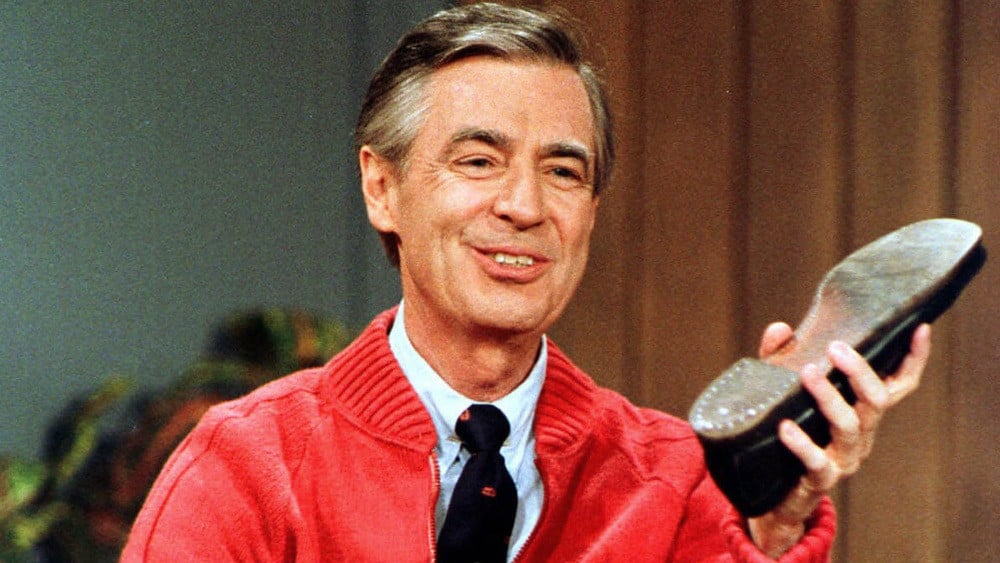
The man in the cardigan sweater wasn’t trying to be a television star. Fred Rogers created Mister Rogers’ Neighborhood with a singular mission: to speak directly to children about their feelings, fears, and worth as human beings.
From 1968 to 2001, he did exactly that, never wavering from his quiet, deliberate approach. Rogers didn’t rely on flashy gimmicks or loud theatrics.
He changed his shoes, fed his fish, and visited the Neighborhood of Make-Believe, all while making each viewer feel seen and valued. His legacy endures not because he was entertaining in the traditional sense, but because he was genuinely kind.
Studies have shown that children who watched his show demonstrated increased emotional intelligence and empathy. Quite profound if you think about it….
Bob Keeshan
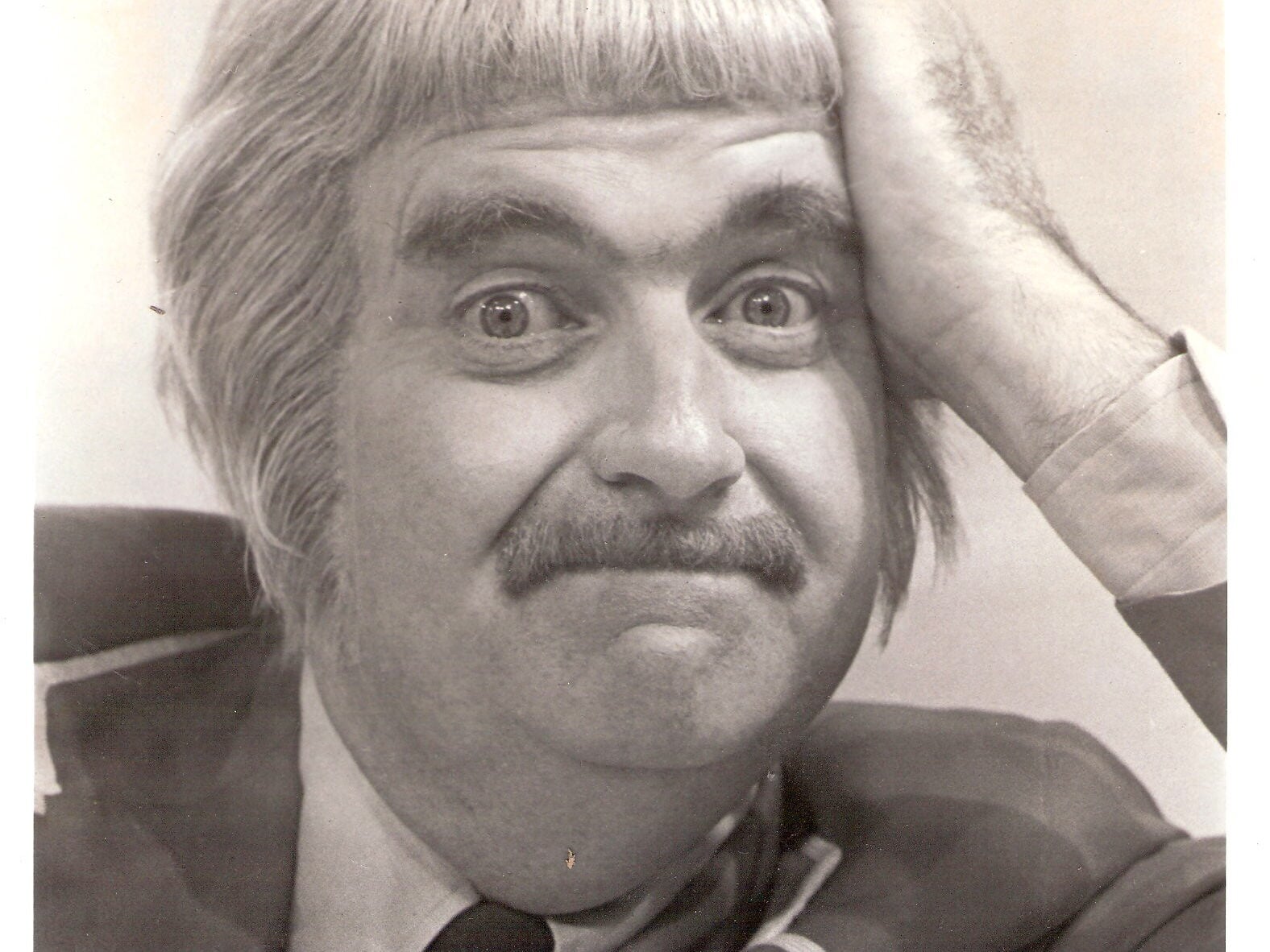
Before there was a Captain Kangaroo, there was Bob Keeshan playing Clarabell the Clown on Howdy Doody. But when he created Captain Kangaroo in 1955, he found his true calling.
The character, named for the large pockets on his jacket, became a surrogate grandfather to millions of children over nearly three decades. Keeshan’s show ran on CBS until 1984, making it the longest-running nationally broadcast children’s program of its era by episode count, with over 6,000 episodes.
His approach was revolutionary for its time—gentle, educational, and never condescending. He used games and comedy to teach literature, science, and music, earning five Emmy Awards and three Peabody Awards along the way.
Keeshan maintained a close friendship with Fred Rogers, and the two often collaborated, recognizing in each other a shared commitment to treating children with respect.
Shari Lewis
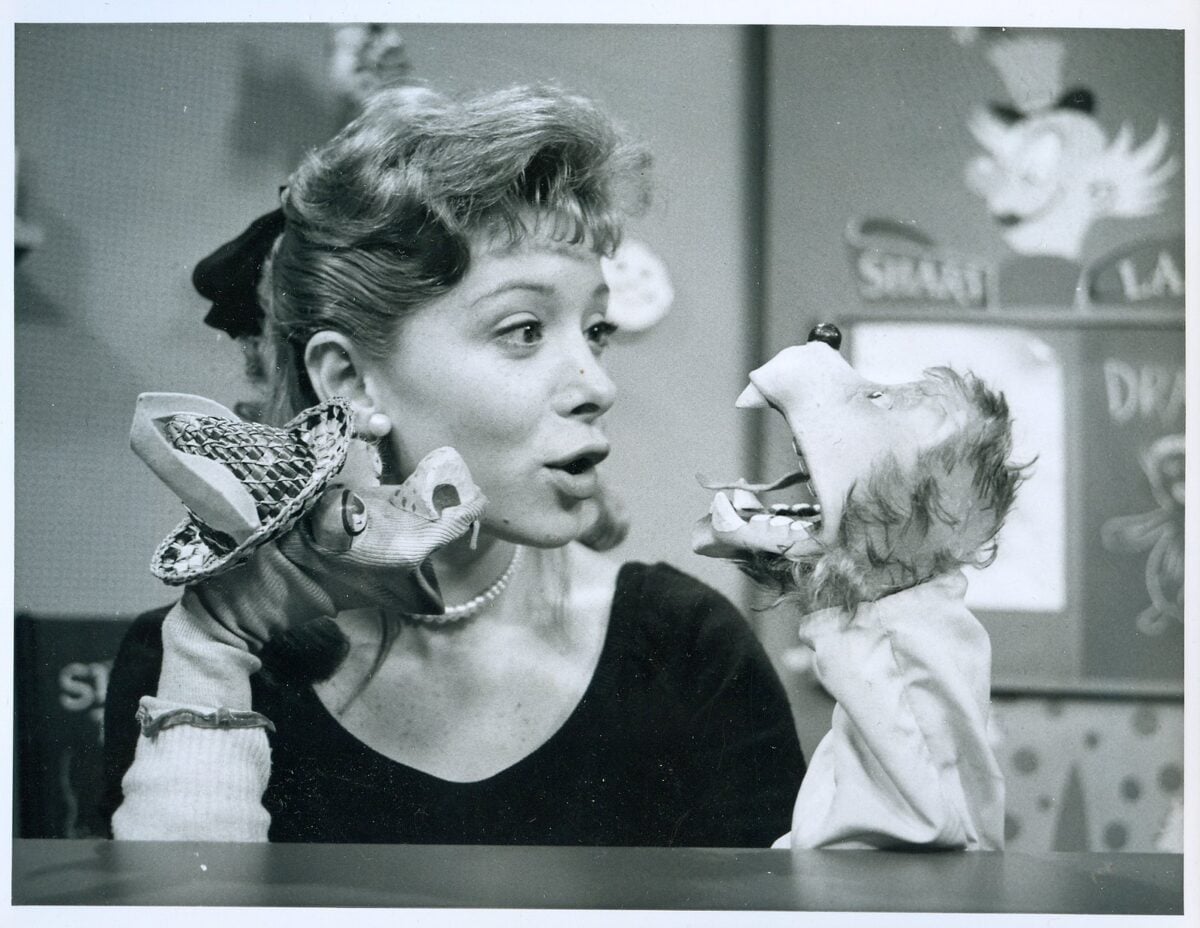
Shari Lewis didn’t particularly like puppets as a child. Her father, a magician, essentially forced her into performing with them during the Great Depression.
But that reluctant beginning led to one of the most beloved partnerships in children’s television history. Lewis and her sock puppet Lamb Chop became inseparable in the public imagination after her first appearance on Captain Kangaroo in 1956.
She went on to host multiple shows, always bringing a combination of ventriloquism, music, and genuine warmth that connected with young audiences. Lewis was a talented performer who could have pursued any number of entertainment paths, but she chose to dedicate her career to children’s programming.
Her daughter Mallory continues performing with Lamb Chop today, keeping that legacy alive for new generations.
LeVar Burton
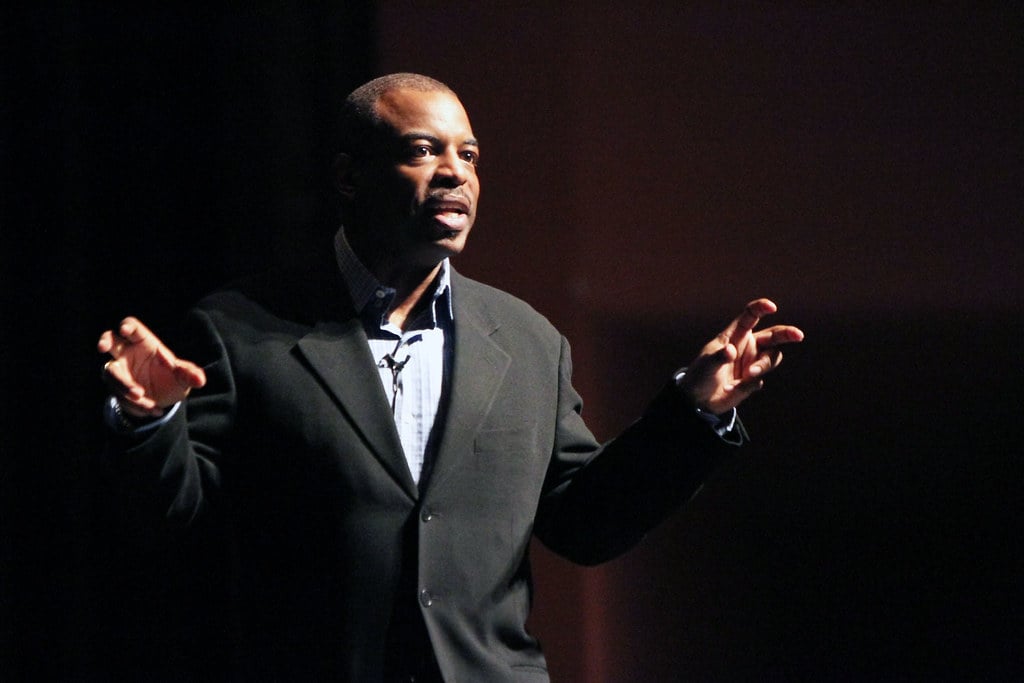
Reading Rainbow wasn’t just a show about books—it was an invitation to see reading as an adventure. LeVar Burton, already known for his roles in Roots and Star Trek: The Next Generation, hosted the PBS series from 1983 to 2006, encouraging children to explore stories without ever making literacy feel like homework.
Each episode featured a theme, a celebrity-narrated story, and Burton’s signature sign-off: “But you don’t have to take my word for it.” The show earned 26 Emmy Awards and became one of the longest-running children’s series in PBS history.
Burton’s influence extended far beyond the show’s original run. In 2014, his Kickstarter campaign to revive Reading Rainbow raised over $5 million, setting records for the most backers on the platform at that time.
For countless millennials, Burton’s voice is synonymous with the joy of discovering a good book.
Steve Burns
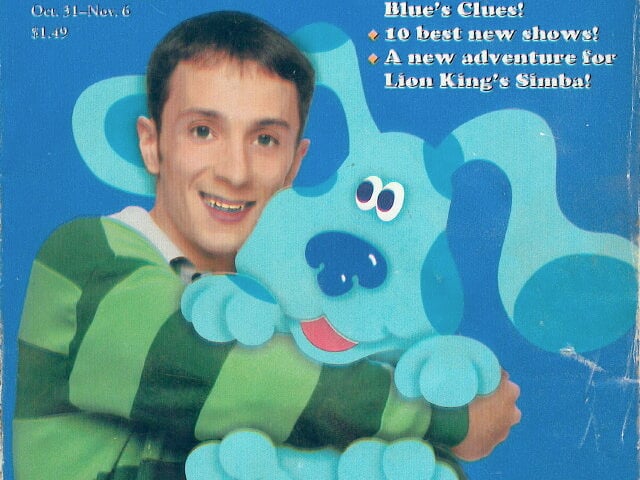
Steve Burns didn’t just host Blue’s Clues—he revolutionized how children’s television could engage its audience. When the show premiered on Nick Jr. in 1996, Burns spoke directly to the camera, pausing for responses and treating preschoolers like active participants rather than passive viewers.
He wore the same green striped shirt every episode, creating a sense of consistency and familiarity that young children craved. When Burns left the show in 2002 to pursue other projects, he did so with care, introducing his replacement and explaining his departure in terms kids could understand.
Nearly 20 years later, in 2021, Burns released a video message to his now-adult audience during the pandemic, thanking them for growing up with him. The video went viral, with millions of millennials openly weeping at the kindness and closure he offered.
It was a reminder that the best children’s hosts never really leave—they just wait for the right moment to check back in.
Bob McGrath
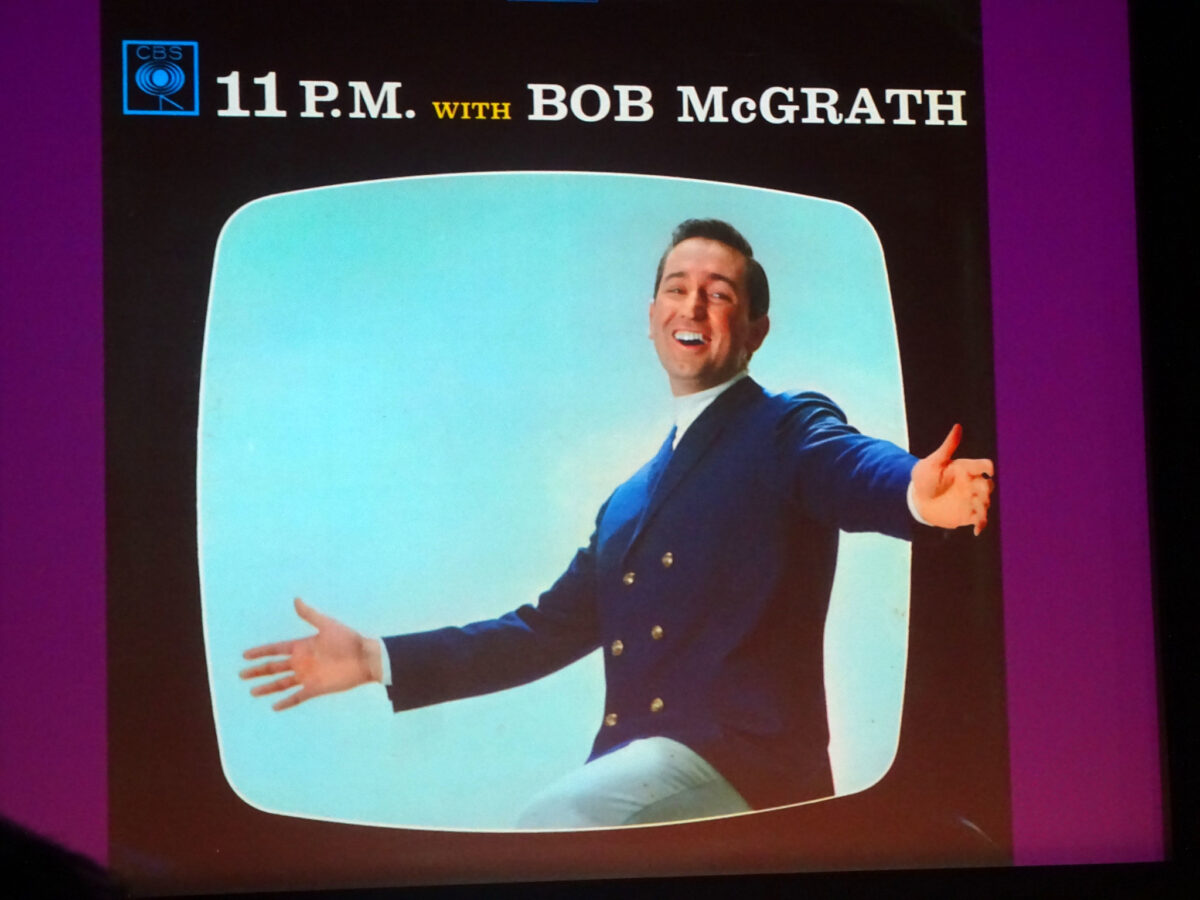
Bob McGrath was there from the very beginning. When Sesame Street premiered in 1969, McGrath played Bob Johnson, a friendly neighbor and music teacher who became one of the show’s most enduring human characters.
He remained with the show for 47 years, appearing alongside Muppets like Big Bird, Cookie Monster, and Elmo. McGrath’s warm, easygoing presence provided stability for generations of children navigating the colorful chaos of Sesame Street.
He was particularly known for his singing, recording numerous albums aimed at introducing children to different styles of music. His departure from the show in 2016 marked the end of an era, though he continued to represent Sesame Workshop at public events.
McGrath passed away in 2022, but his contributions to children’s education and entertainment remain immeasurable.
Paul Reubens
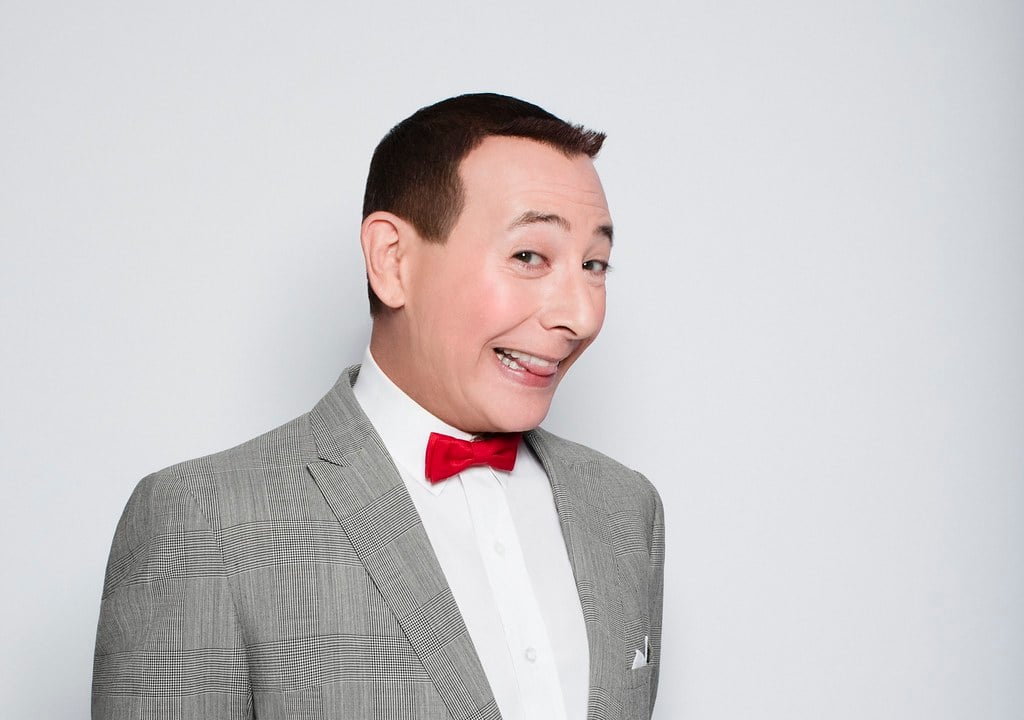
Pee-wee Herman started as an adult comedy character, but Paul Reubens transformed him into something unexpected: a genuine role model for children. Pee-wee’s Playhouse, which aired on CBS from 1986 to 1991, was unlike anything else on television.
The show was vibrant, surreal, and educational without ever feeling preachy. Reubens was meticulous about the messages his character sent, refusing to endorse junk food and avoiding being photographed with anything that might contradict Pee-wee’s positive influence.
The show addressed issues like racial diversity and healthy eating while maintaining its anarchic, playful energy. Pee-wee’s Playhouse won 15 Emmy Awards during its run and influenced a generation of creators, including Steve Burns of Blue’s Clues.
Reubens remained committed to the character throughout his life, understanding that Pee-wee represented something pure and joyful that both children and adults needed.
Bill Nye

Bill Nye made science cool before it was trendy to do so. Bill Nye the Science Guy premiered in 1993 and ran for five seasons, turning complex scientific concepts into fast-paced, entertaining lessons.
Nye, a mechanical engineer and former Boeing employee, brought genuine expertise to his role, but it was his enthusiasm and humor that made the show compelling. `He wore lab coats, conducted experiments, and explained everything from inertia to digestion with a combination of clarity and irreverence.
The show won 19 Emmy Awards and became a staple in classrooms across America. Nye’s influence extended well beyond the show’s original run—he became a vocal advocate for science education and climate awareness, using the platform children’s television gave him to address critical issues.
For many millennials, Nye was their first introduction to the idea that science wasn’t just a subject in school but a way of understanding the world.
Buffalo Bob Smith
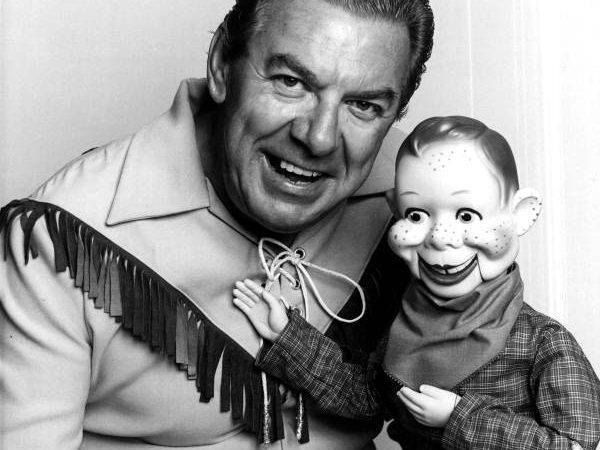
Buffalo Bob Smith was the ringmaster of early children’s television. The Howdy Doody Show, which ran from 1947 to 1960, was one of the first programs specifically created for children, and Smith was its charismatic host.
Dressed in frontier attire and surrounded by puppets, Smith presided over the Peanut Gallery, a studio audience of children who participated in games and watched cartoons. The show was groundbreaking for its time, introducing the concept of interactive children’s programming.
Smith’s warmth and energy set the template for hosts who followed, proving that children’s television could be both entertaining and commercially successful.Though Howdy Doody feels like ancient history now, its influence on the format of children’s shows remains foundational.
Caroll Spinney
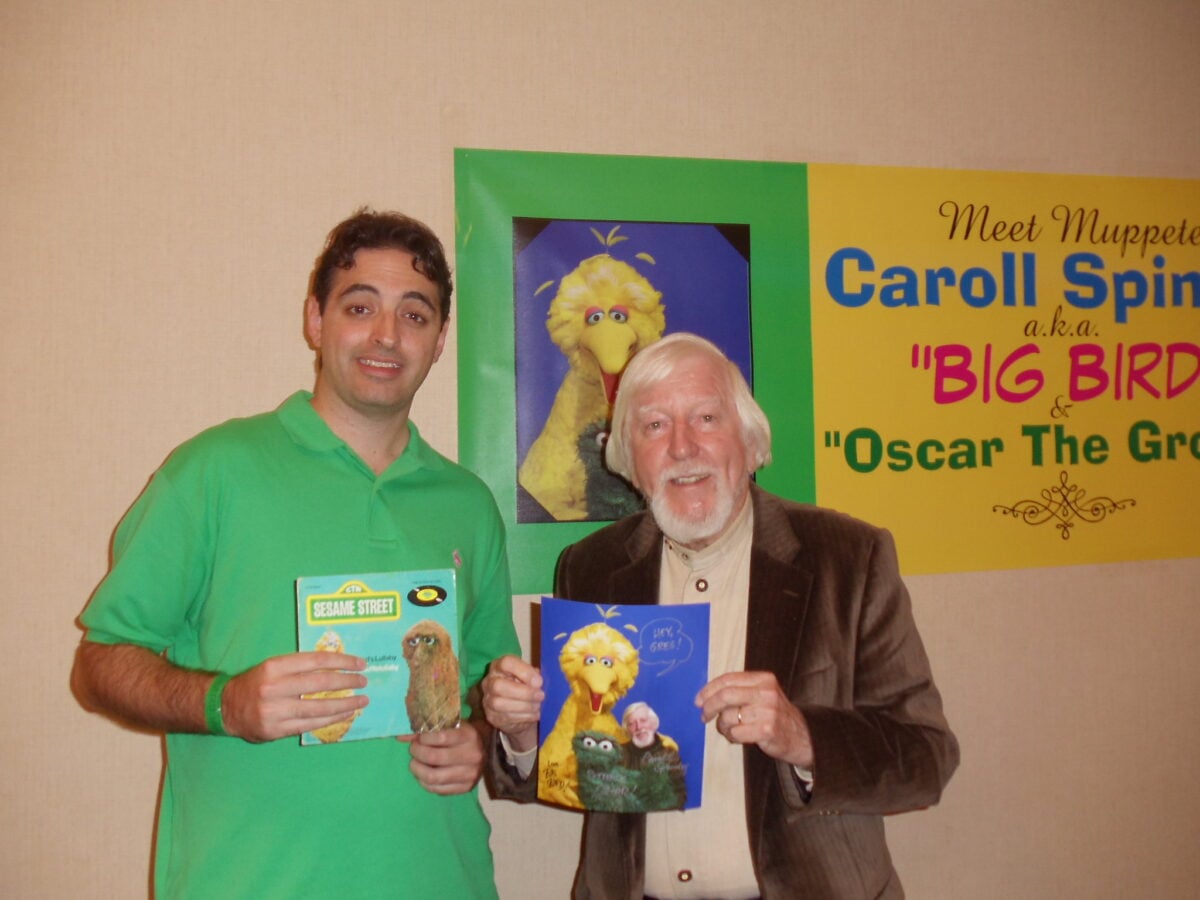
Caroll Spinney wasn’t a host in the traditional sense, but his performance as Big Bird made him one of the most recognizable figures in children’s television history. From Sesame Street’s premiere in 1969 until his retirement in 2018, Spinney brought the eight-foot-tall yellow bird to life with a gentleness and vulnerability that resonated across generations.
Big Bird was curious, sometimes confused, and always kind—a perfect avatar for the children watching at home. Spinney also performed Oscar the Grouch, showcasing remarkable range within the same show.
His dedication to the characters was extraordinary; he performed Big Bird for nearly 50 years, often in physically demanding conditions inside a cumbersome costume. Spinney’s work helped make Sesame Street the cultural institution it became, proving that puppetry could convey genuine emotion and teach profound lessons.
Kevin Clash
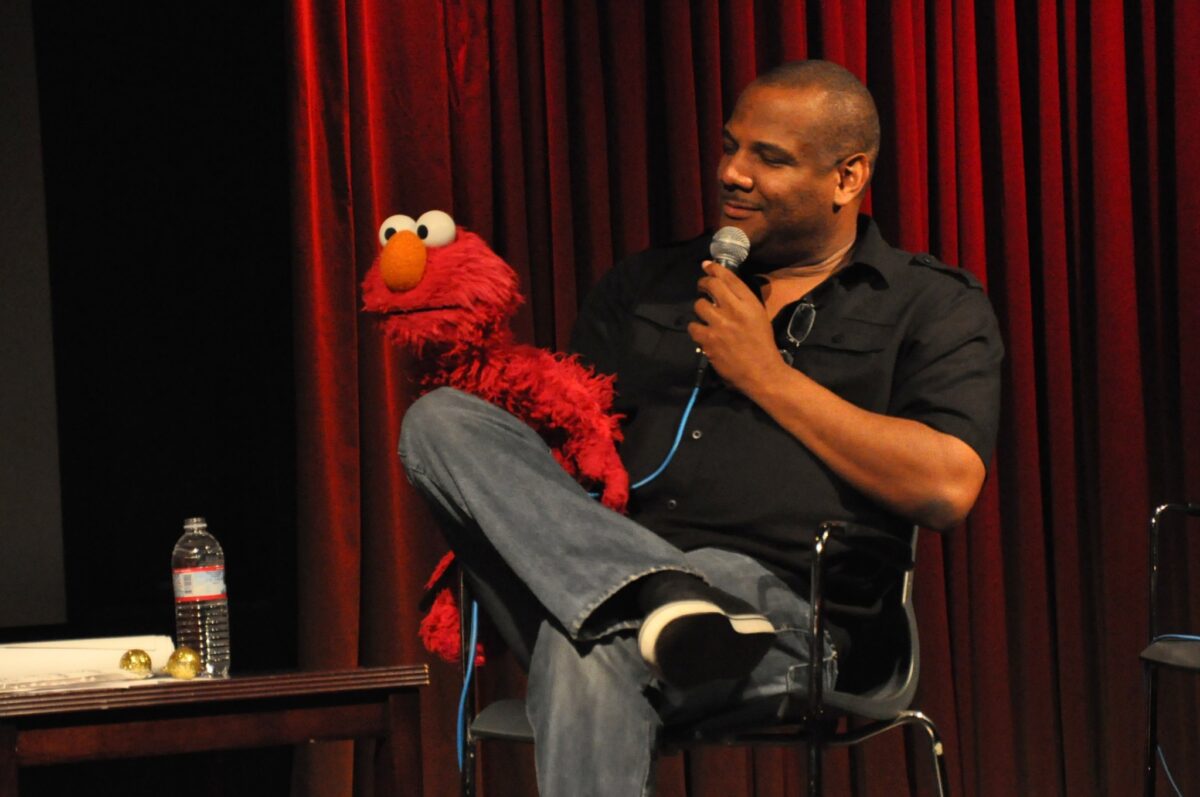
Kevin Clash transformed Elmo from a minor Sesame Street character into a global phenomenon. When Clash took over performing Elmo full-time in the mid-1980s, he gave the character a distinctive voice and personality that immediately connected with young children.
Elmo’s childlike wonder, uncontainable enthusiasm, and signature falsetto made him irresistible to preschoolers. Clash’s work earned him multiple Emmy Awards and made Elmo one of the most marketable characters in children’s entertainment history.
Beyond Sesame Street, Clash worked on numerous other productions and mentored younger puppeteers, passing along the craft he’d learned from legends like Jim Henson. His influence on modern puppetry and children’s television remains significant, even after his departure from Sesame Street in 2012.
Mister Mayor
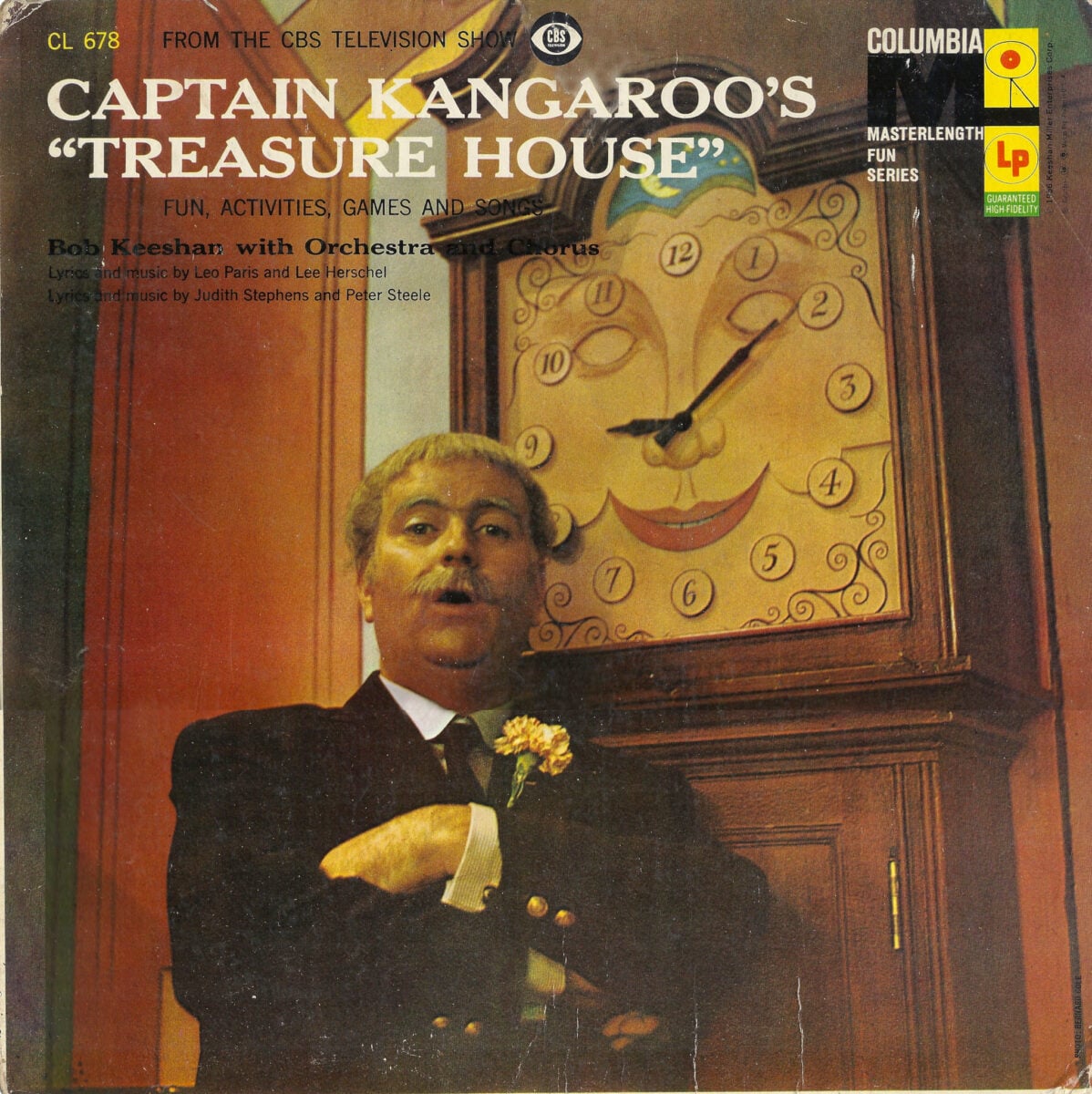
Bob Keeshan’s lesser-known venture, Mister Mayor, aired briefly in the mid-1960s, but it demonstrated his commitment to creating quality children’s programming beyond Captain Kangaroo. Though the show didn’t achieve the same longevity, it showcased Keeshan’s versatility and his understanding that children deserved television that respected their intelligence.
The character was another gentle authority figure, much like the Captain, proving that Keeshan had found his niche in portraying trustworthy adults who genuinely cared about young viewers.
Gene London
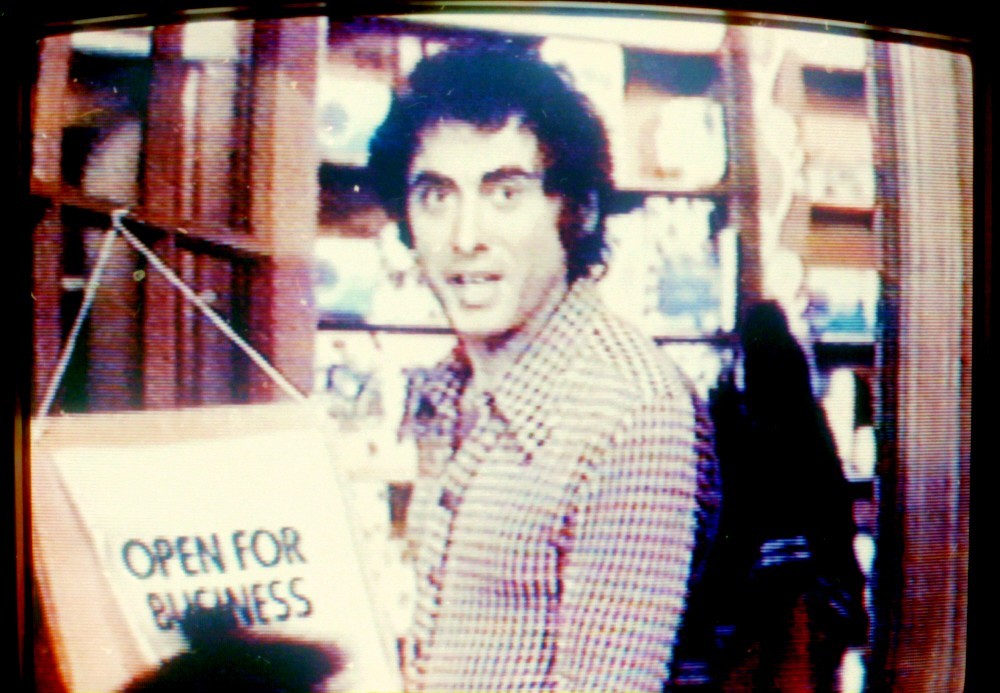
Gene London hosted Cartoon Corners, a long-running local children’s program in Philadelphia, and became a beloved figure in the Delaware Valley. London’s show, which aired for decades, featured cartoons, puppets, and London’s warm interactions with his young audience.
He represented the hundreds of local children’s television hosts who shaped regional childhoods, proving that you didn’t need national distribution to make a lasting impact. London’s influence was so significant in his market that generations of Philadelphia-area residents remember him as fondly as any national figure.
Miss Frances
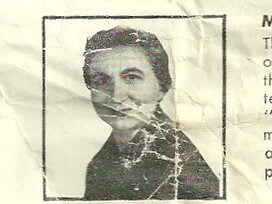
Frances Horwich, known as Miss Frances, hosted Ding Dong School from 1952 to 1965, pioneering the format of educational television for preschoolers. The show was remarkably innovative, using cameras positioned at a child’s eye level to create a more immersive experience.
Miss Frances projected a friendly, nursery-school teacher persona, teaching basic concepts through songs, stories, and gentle guidance. Her approach influenced everyone who came after her, establishing the template for how educational content could be delivered to very young children.
Though her style seems quaint now, it was revolutionary for its time.
Sally Starr
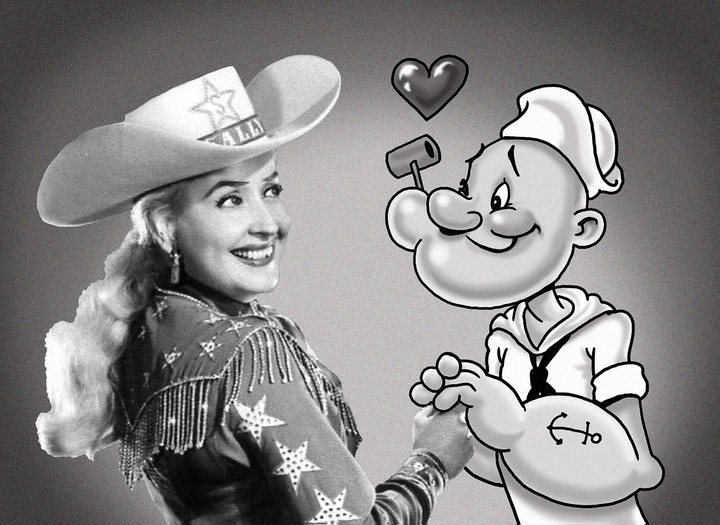
Sally Starr, known as “Our Gal Sal,” was a cowgirl-themed host in Philadelphia who proved that children’s television hosts didn’t all need to fit the same mold. Dressed in western attire and exuding confidence, Starr hosted various programs from the 1950s through the 1970s, becoming a trailblazer for women in broadcasting.
She was tough, funny, and unpretentious—a refreshing alternative to some of the more saccharine hosts of her era. Starr remained active in the Philadelphia community for decades, maintaining her connection with the generations she’d entertained as children.
Iconic TV Hosts

These hosts didn’t simply fill the time between cartoons. They created safe spaces where children could learn, imagine, and feel appreciated.
In an age before streaming services and infinite options in content, they showed up with regularity, offering stability in a format respectful of young minds. The best of them grasped something essential: children can tell when you’re real.
No amount of bright colors or silly voices could substitute for that, and that separated the memorable hosts from the forgettable.
More from Go2Tutors!

- The Romanov Crown Jewels and Their Tragic Fate
- 13 Historical Mysteries That Science Still Can’t Solve
- Famous Hoaxes That Fooled the World for Years
- 15 Child Stars with Tragic Adult Lives
- 16 Famous Jewelry Pieces in History
Like Go2Tutors’s content? Follow us on MSN.