16 Iconic Formula 1 Champions
Formula 1 has always been more than just racing. It’s a mix of speed, skill, nerves of steel, and moments that live forever in fans’ minds. Over the decades, a handful of drivers have stood out — not just for winning, but for how they raced, how they carried themselves, and the impact they left on the sport.
Some did it with grace. Others with fire. But all 16 left a mark that can’t be ignored.
Juan Manuel Fangio
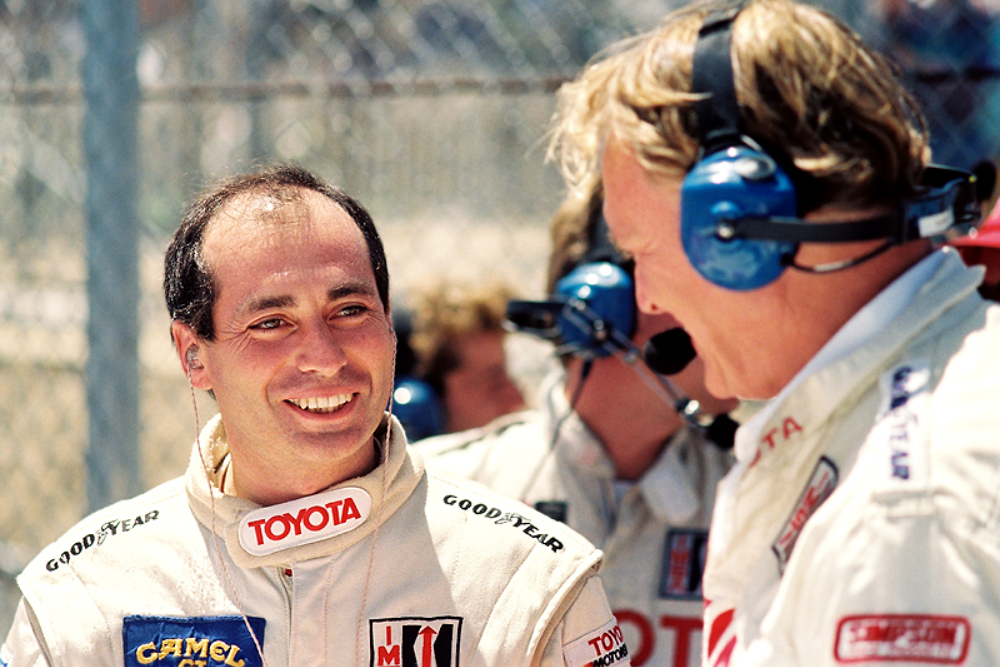
Racing in the 1950s, Fangio was cool under pressure and fast in any car. He won five World Championships with four different teams — something no one else has ever done.
What made him special wasn’t just the wins. It was how he handled tough cars, dangerous tracks, and little safety.
The sport was risky then, but Fangio managed to stay calm, showing sharp focus and smooth driving. His natural feel for the cars made him look like he was gliding on the track, and his ability to switch teams and still win proved his skill wasn’t about the machine, but about him.
Ayrton Senna
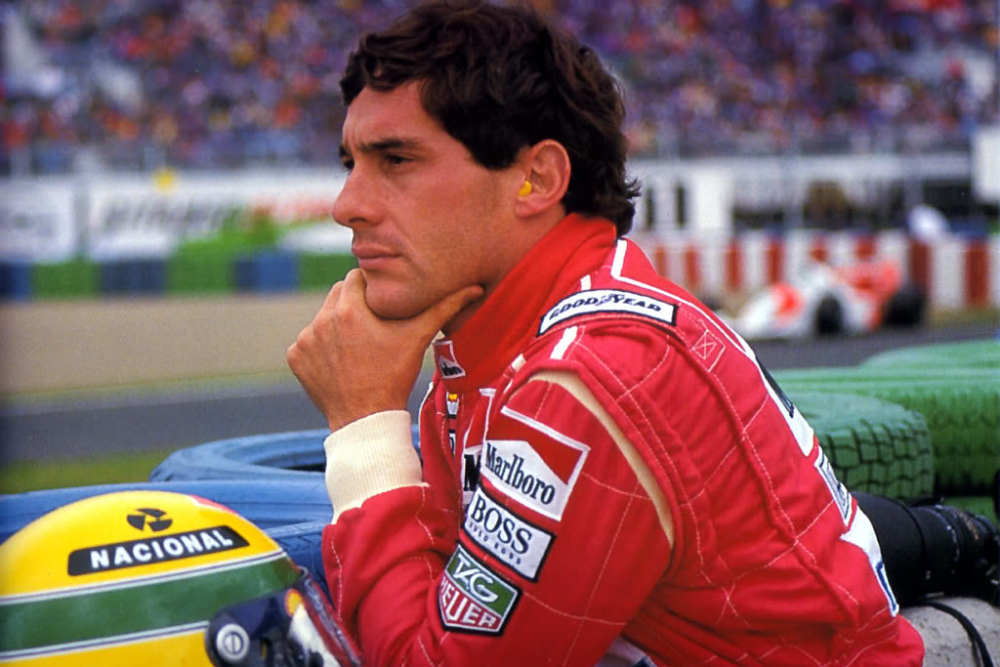
Senna didn’t just race — he attacked the track. Every lap was full of passion and raw speed.
His rain drives are still talked about, especially that wild win at Donington in 1993, where he passed several cars on the first lap in the wet. Senna won three titles but could have had more if not for unlucky moments.
His dedication to perfecting his driving, especially in tricky weather, set him apart. Senna also cared deeply about his home country, Brazil, and became a hero for many beyond racing.
His intense personality and belief in himself made him both loved and feared by competitors.
Like Go2Tutors’s content? Follow us on MSN.
Michael Schumacher
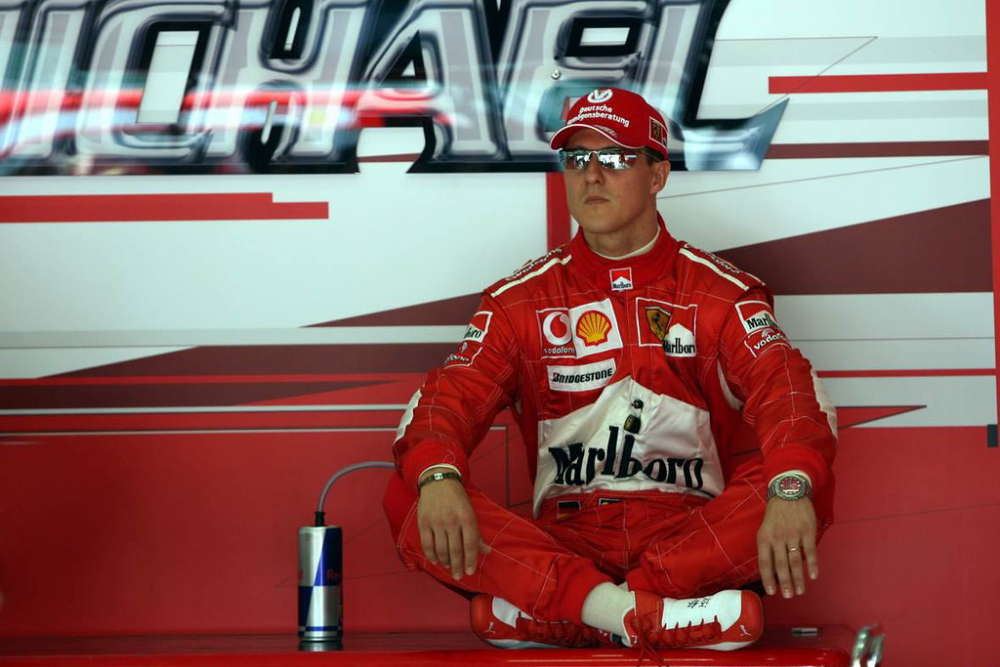
When Schumacher showed up, he changed everything. His work ethic, fitness, and focus pushed the sport forward.
He won seven championships, including five in a row with Ferrari, a team that had waited decades for a champion. Schumacher’s attention to detail was legendary — from pushing engineers to improve the car to training harder than anyone else.
He also knew how to push his rivals hard on track, sometimes controversially. His battles with Mika Häkkinen and later Fernando Alonso were epic.
Schumacher’s dominance in the early 2000s made Ferrari the team to beat and raised the sport’s profile worldwide.
Lewis Hamilton
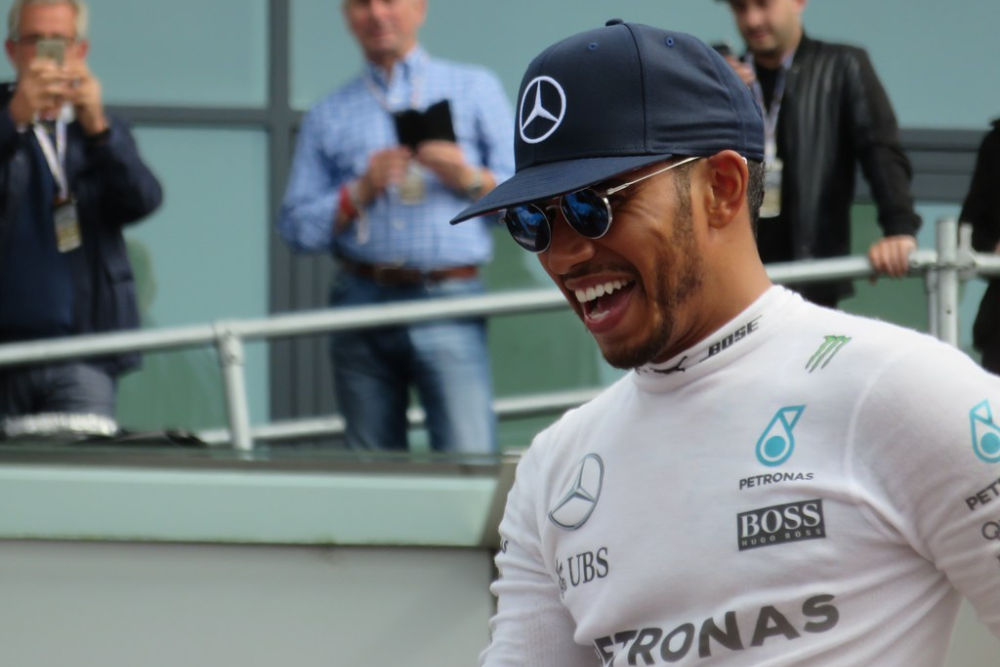
Hamilton brought style, skill, and consistency. With seven titles, he shares the record with Schumacher, but in a totally different era.
Hamilton fights hard and races clean, winning on tracks from Monaco to Monza. Off the track, he speaks up for causes like equality and climate change, showing there’s more to a champion than just speed.
His ability to get the most out of his car, especially in tricky conditions, is a big part of why he stays on top. His ongoing rivalry with Max Verstappen has made recent seasons some of the most exciting in F1 history.
Hamilton’s calm and confident nature lets him handle pressure like few others.
Niki Lauda
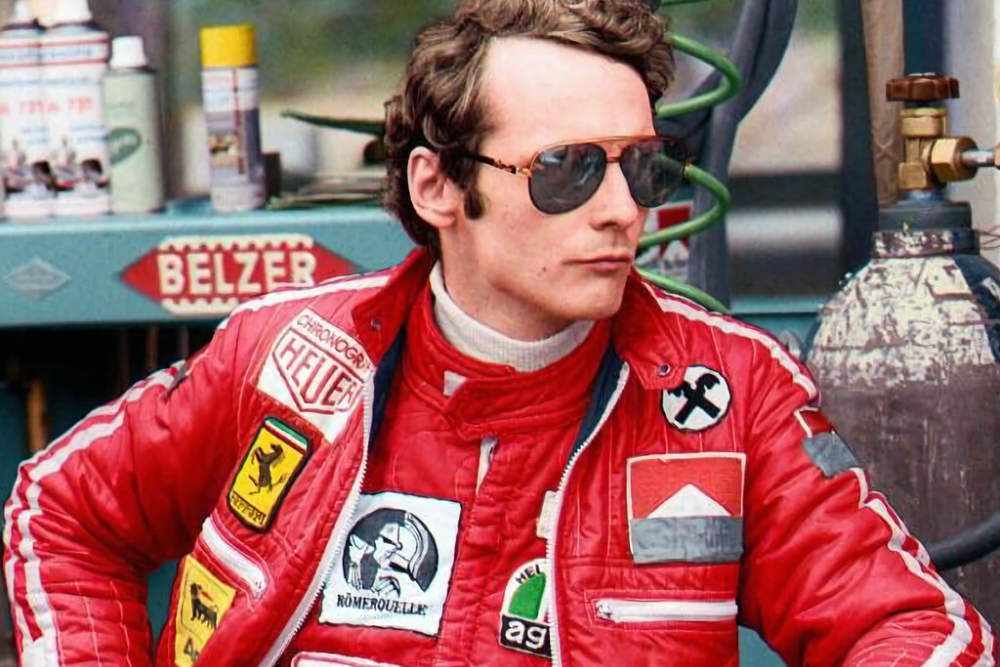
Lauda was sharp, honest, and fast. After a terrible crash in 1976 that nearly cost him his life, he returned to racing just six weeks later, showing incredible courage.
Lauda won three titles and never wasted words, preferring to let his driving speak. His knowledge of the car and ability to give clear feedback helped him and his teams improve every season.
Off the track, Lauda played a major role in shaping the sport, especially with Mercedes, helping to build a team that would dominate years later. His life story is one of resilience and passion for racing.
Like Go2Tutors’s content? Follow us on MSN.
Jackie Stewart
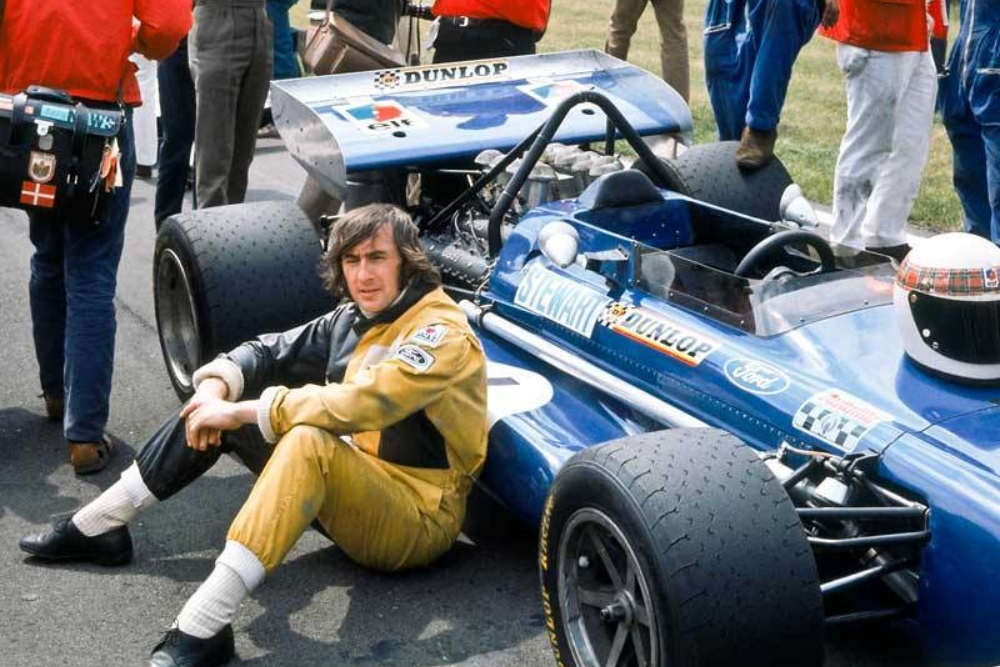
Known as the “Flying Scot,” Stewart won three championships and helped make the sport safer. Back when crashes were common and danger was everywhere, he spoke up about the need for better safety measures.
Many didn’t like it at first, but his efforts led to improved helmets, tracks, and medical care. Stewart’s smooth and precise driving style helped him win 27 races and remain competitive even in difficult cars.
His leadership after retiring helped push Formula 1 toward the modern era. His voice for safety saved many lives and changed the sport forever.
Alain Prost
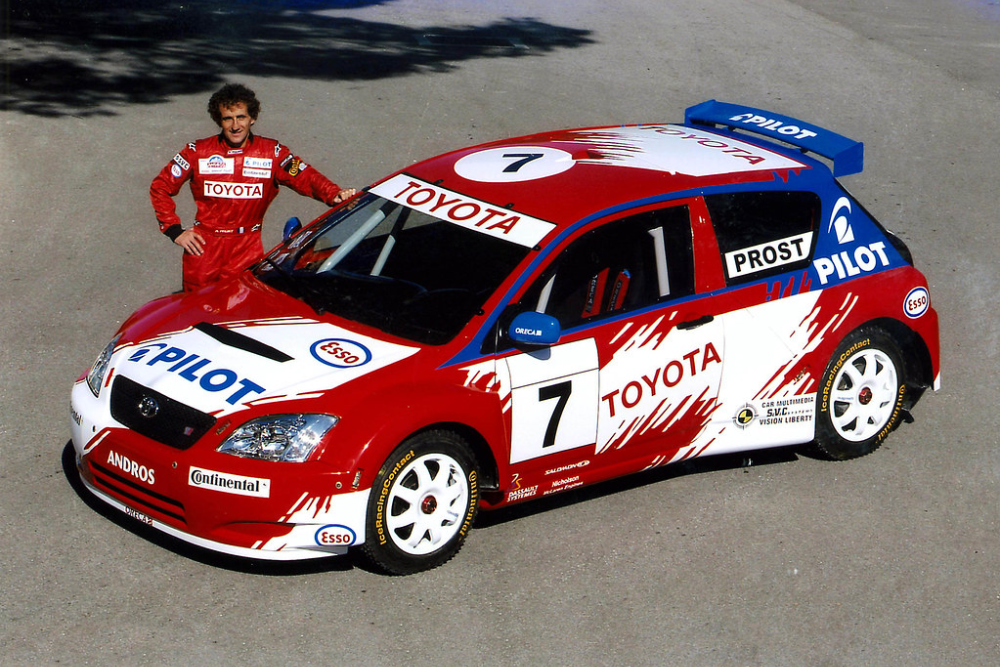
They called him “The Professor” because of how smart he raced. Prost didn’t take big risks.
He planned, waited, and struck when it mattered, which helped him win four championships. His cool head in battles with Senna was crucial; those two defined one of the sport’s greatest rivalries.
Prost’s style was about efficiency — saving the car, managing tires, and scoring points consistently. He could read races better than most, knowing when to push and when to hold back.
His success with McLaren and later Ferrari made him one of the smartest drivers in F1 history.
Sebastian Vettel
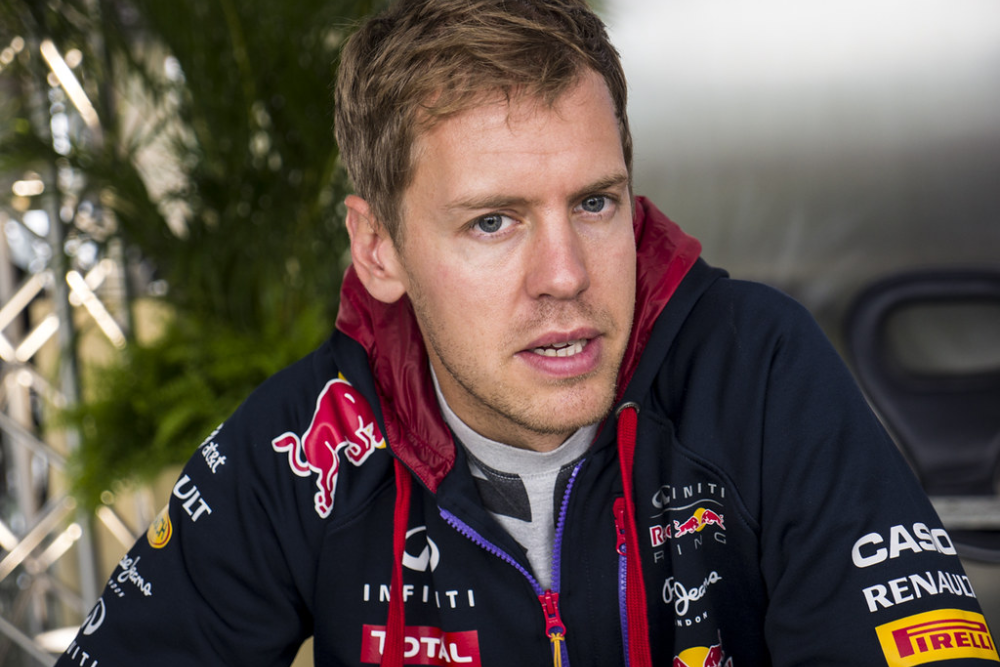
Vettel came out of nowhere and took four straight titles with Red Bull from 2010 to 2013. He was known for his clean, fast driving and strong qualifying performances, often starting at the front.
He smiled a lot in interviews but was very serious on track, focusing on perfect laps and race strategy. After moving to Ferrari and Aston Martin, he took on the role of a team leader and mentor to younger drivers.
Vettel’s approach combined raw speed with kindness off the track, earning him respect from fans and fellow drivers alike. His ability to bounce back from tough seasons showed great character.
Like Go2Tutors’s content? Follow us on MSN.
Fernando Alonso
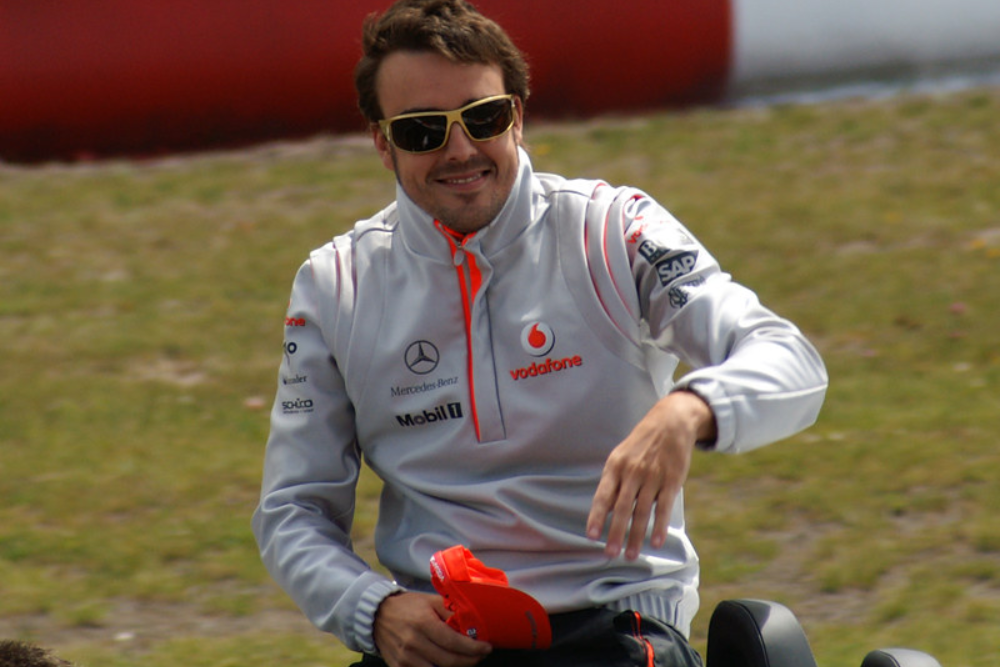
Alonso is known for making slow cars look fast. His back-to-back titles with Renault in 2005 and 2006 broke Schumacher’s dominance and showed the world his fighting spirit.
He’s one of the best overtakers and can adapt to any race condition. Even when his teams struggled, Alonso kept pushing, often outperforming the car’s limits.
His straightforward and sometimes fiery personality made headlines but also earned admiration for honesty. Alonso’s comeback to F1 in his late 30s proved he still has the speed and drive to compete with the best.
Jim Clark
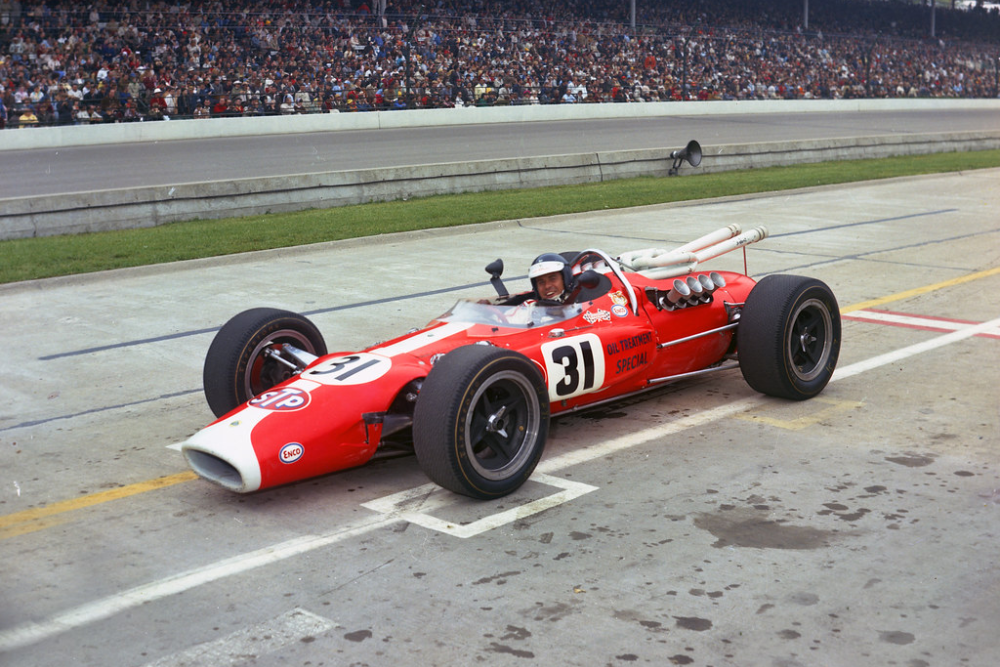
Clark made everything look easy. He won two titles in the 1960s and often led races from start to finish. His driving was smooth, almost gentle, but deadly quick, and he won on many different types of tracks.
Clark was also great in other racing series, showing versatility. His untimely death at age 32 cut short a career many believe could have been the greatest ever.
He was known for being calm under pressure, but once on track, he had the speed to blow away competitors. Clark set the standard for future generations.
Kimi Räikkönen
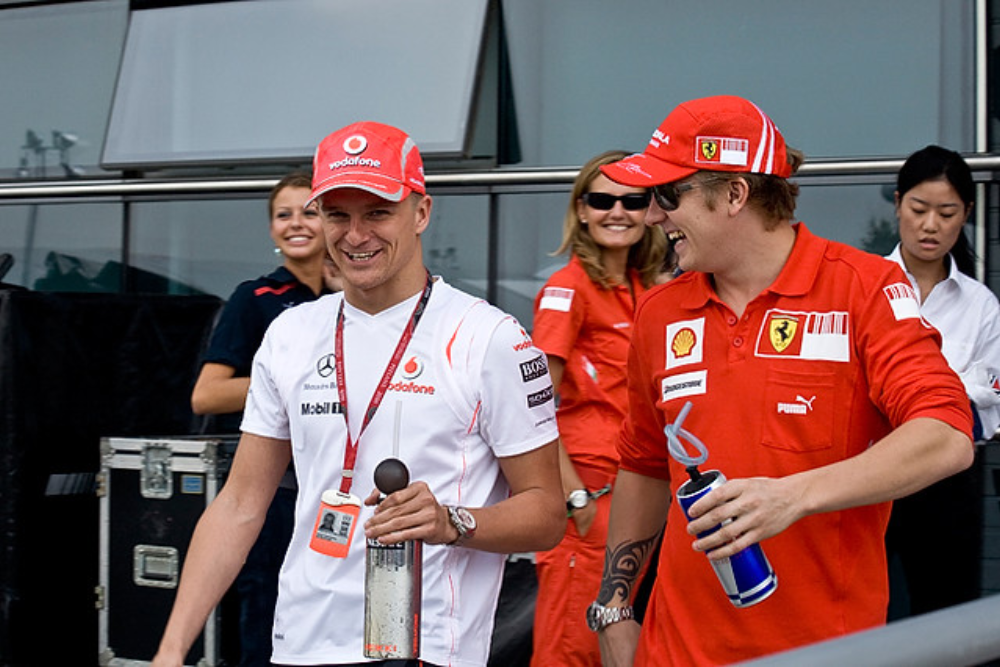
Kimi didn’t talk much, but he sure drove fast. His 2007 title with Ferrari was a surprise for many, but not for those who watched closely.
He stayed calm, didn’t care for drama, and let his driving do the talking. Known as “The Iceman,” his ability to stay cool helped him in tricky races and during tense moments.
Fans loved his straightforward answers and dry humor. Even outside F1, Kimi’s love for speed showed in rally and other motorsports. His long career is a testament to talent and persistence.
Like Go2Tutors’s content? Follow us on MSN.
Nelson Piquet
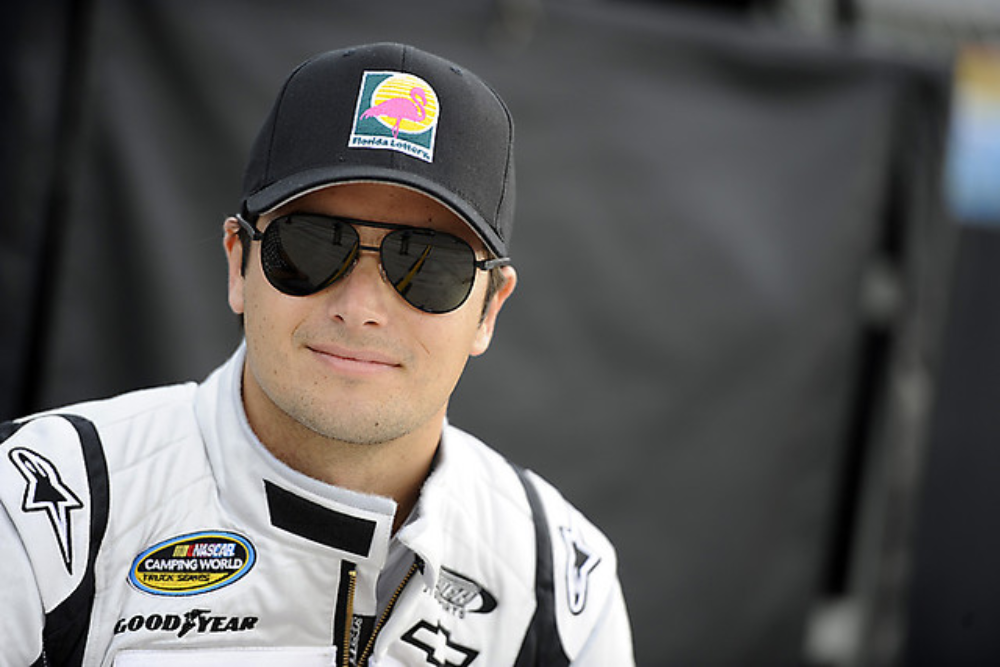
Piquet had brains, guts, and three championships to show for it. He was clever with car setups and wasn’t afraid to use mind games on rivals.
His knowledge of mechanics helped him work closely with teams to improve the car. Piquet’s style was sometimes sneaky, but he always found a way to come out on top.
Off-track, he was known for his humor and quick wit, which made him popular in the paddock. His ability to read races and think ahead helped him win against some of the best drivers of his era.
Nigel Mansell
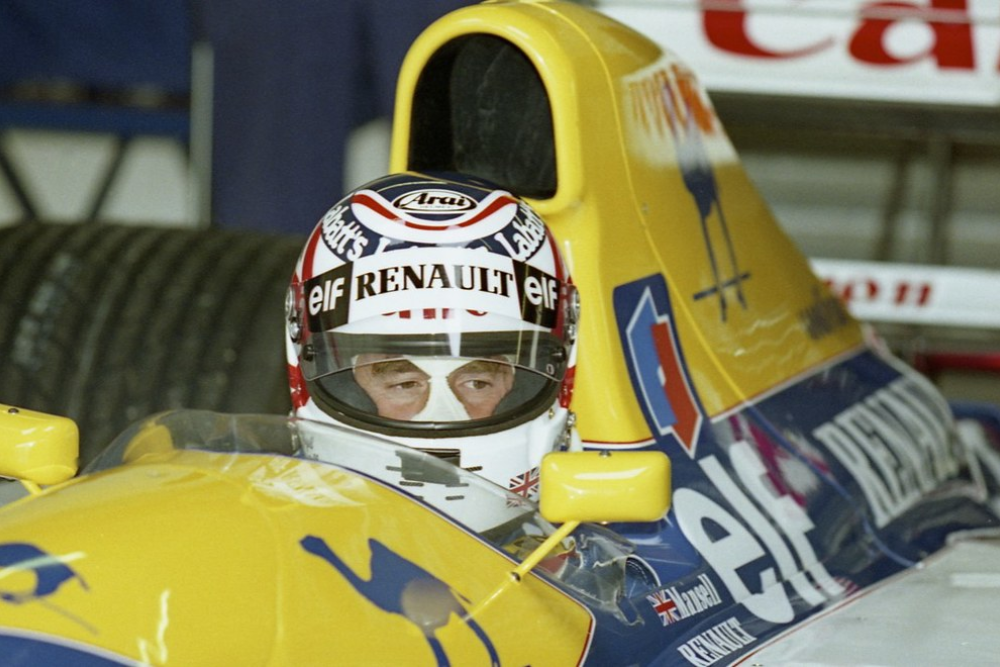
Mansell drove like every race was the last. His style was aggressive, sometimes wild, but always exciting.
He finally won the title in 1992 after years of near misses, thrilling fans with his fearless overtaking. Mansell’s fiery personality matched his on-track racing, and his battles with drivers like Alain Prost were legendary.
His thick moustache became a symbol of his fighting spirit. After F1, he even found success in other racing series, showing his love for competition never faded.
Mika Häkkinen
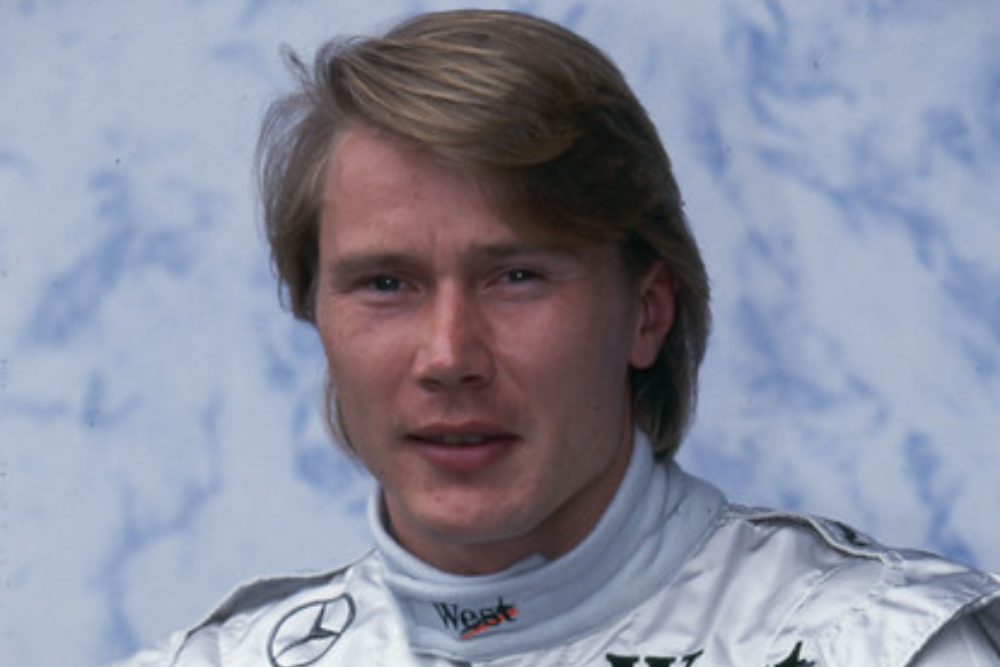
Häkkinen was quiet off the track and a lion on it. He won two titles in 1998 and 1999 by beating Michael Schumacher in some of the closest fights the sport has seen.
Häkkinen’s smooth style and strong focus helped him stay calm under pressure. He was a great teammate and respected by all for his fair racing.
After retiring, he stayed connected to the sport and inspired many young drivers. Häkkinen showed that calm confidence can win championships.
Like Go2Tutors’s content? Follow us on MSN.
Emerson Fittipaldi
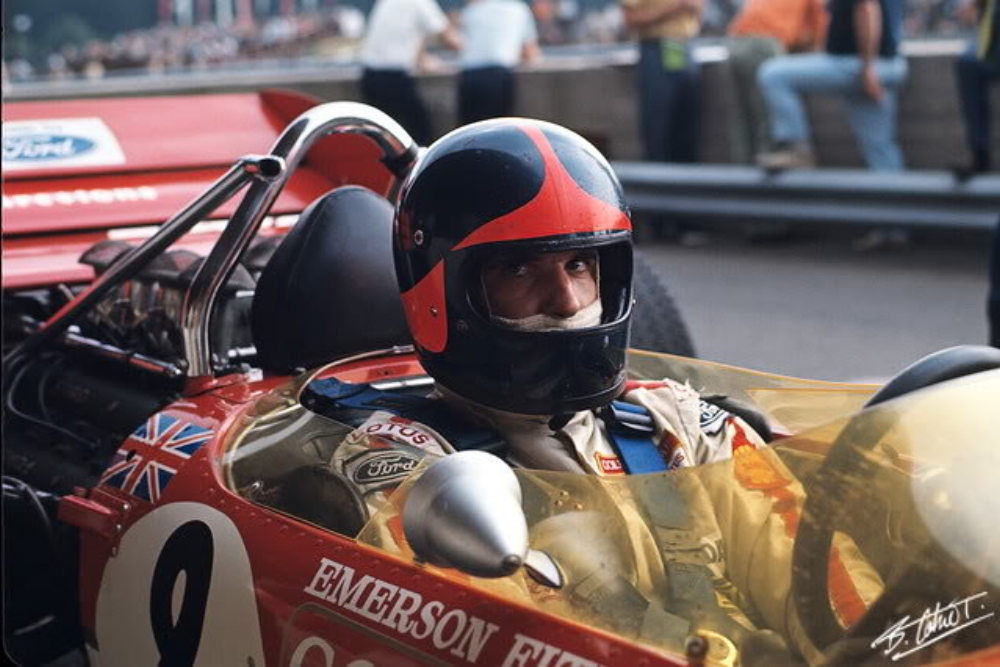
At just 25, Fittipaldi became the youngest world champion at the time. He brought Brazilian flair and calm focus to the sport, winning two titles with Lotus and McLaren.
Fittipaldi was known for his smooth driving and ability to get the most out of his car. After F1, he helped build interest in motorsports in South America and made a mark in IndyCar racing too.
His friendly, easy-going personality made him a beloved figure on and off the track.
Jenson Button
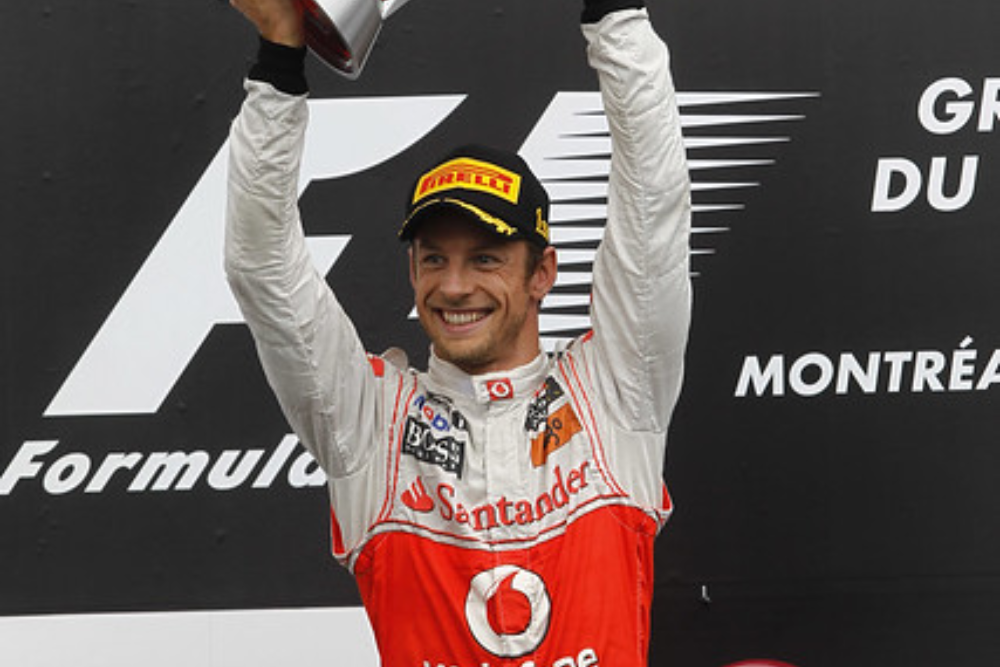
Button was patient, steady, and smart. When he finally got the right car with Brawn GP in 2009, he didn’t waste the chance and won the title in style.
Button could handle wet and dry conditions equally well, showing great adaptability. His calm approach meant he avoided unnecessary risks but knew when to attack.
Despite not being the fastest qualifier, his race craft made him a tough opponent. Button’s story proves that perseverance and smart racing can lead to big rewards.
Echoes of speed and stories
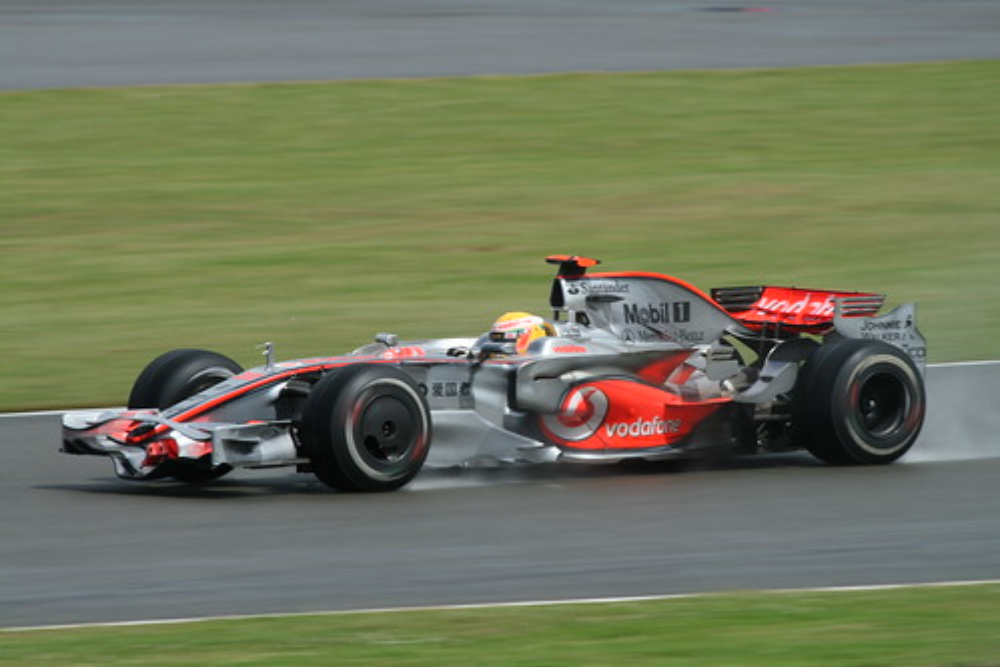
From the noisy engines of the ’50s to the high-tech machines of today, these champions shaped what F1 is all about. Their stories, battles, and grit still echo through every corner and straight.
Some broke records. Others broke expectations.
But they all gave everything for the sport — and left something behind for everyone to remember. Each race since has built on what they started.
And somewhere out there, another future champion is watching, dreaming, and getting ready.
Like Go2Tutors’s content? Follow us on MSN.
More from Go2Tutors!

- 16 Historical Figures Who Were Nothing Like You Think
- 12 Things Sold in the 80s That Are Now Illegal
- 15 VHS Tapes That Could Be Worth Thousands
- 17 Historical “What Ifs” That Would Have Changed Everything
- 18 TV Shows That Vanished Without a Finale
Like Go2Tutors’s content? Follow us on MSN.



