The Greatest Buried Treasure Never Recovered
Many, many fortunes have disappeared without a trace throughout history, from rooms made entirely of amber to gold coins and precious jewels. Some were hidden on purpose, and others were lost due to chaos and war.
These are not campfire stories. Most have solid historical records and evidence they existed before disappearing.
Despite modern technology like ground-penetrating radar and metal detectors, these fortunes remain stubbornly lost. The following are thirteen of the greatest buried treasures that have never been found.
Treasure of Lima

In 1820, as revolutionary forces closed in on Lima, Peru, Spanish authorities loaded an enormous fortune onto the Mary Dear, a British ship captained by William Thompson. The treasure included solid gold statues, jeweled crowns, and a life-size golden Virgin Mary encrusted with emeralds.
Thompson and his crew murdered the guards and buried the loot on Cocos Island near Costa Rica before getting captured. The Spanish executed everyone except Thompson and his first mate, who escaped into the jungle and vanished.
More than 300 expeditions have searched Cocos Island, but the treasure—estimated at $200 million—remains hidden.
Blackbeard’s Fortune
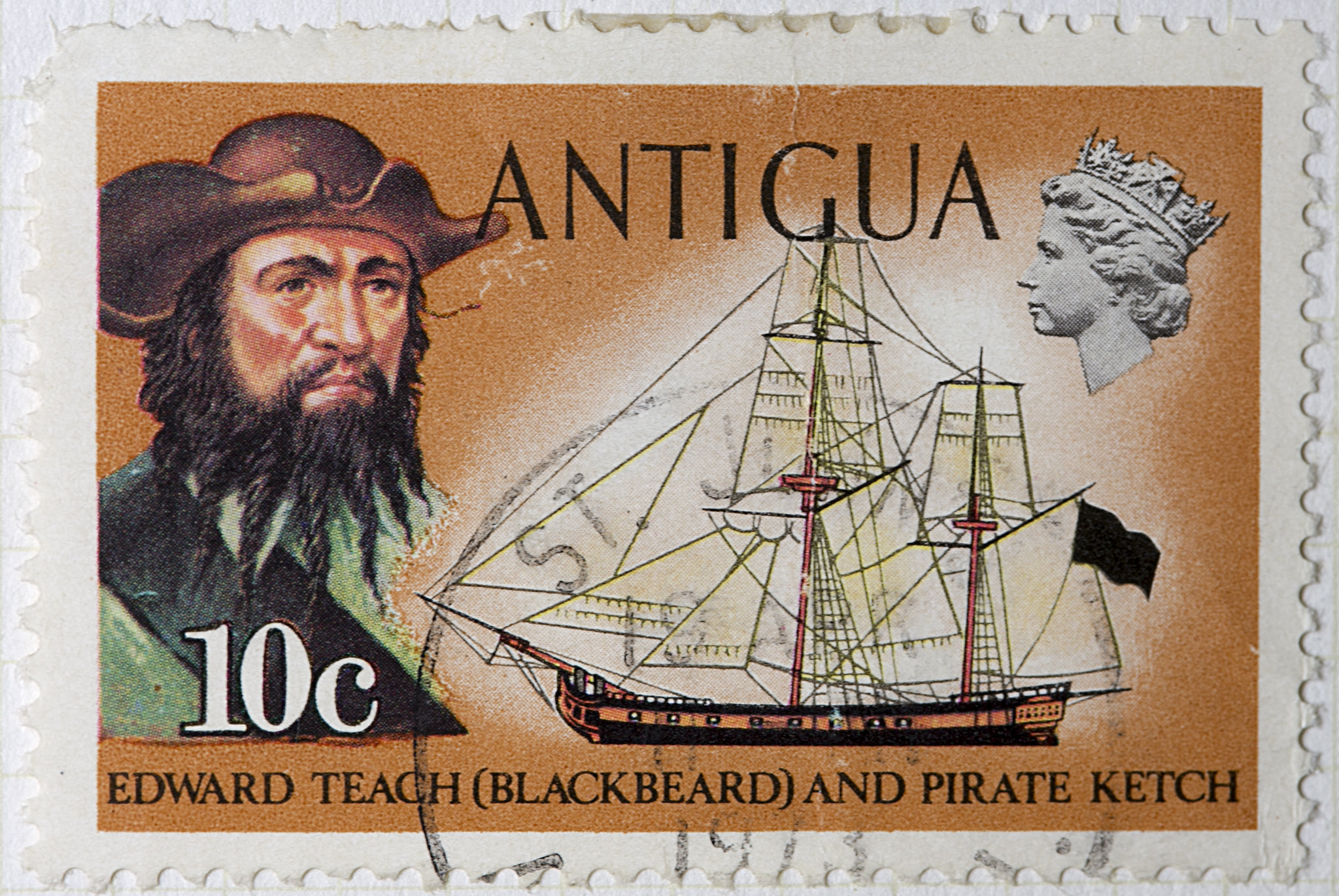
Edward Teach terrorized the seas for just two years between 1716 and 1718, attacking Spanish treasure ships and amassing a fortune his ledger valued at $12.5 million. Before his death in battle off North Carolina in 1718, Blackbeard bragged about hidden treasure but never revealed its location.
His ship, the Queen Anne’s Revenge, was discovered in 1996 but contained almost nothing valuable. The real fortune remains missing somewhere between Virginia’s Chesapeake Bay and the Caribbean.
Captain Kidd’s Lost Hoard
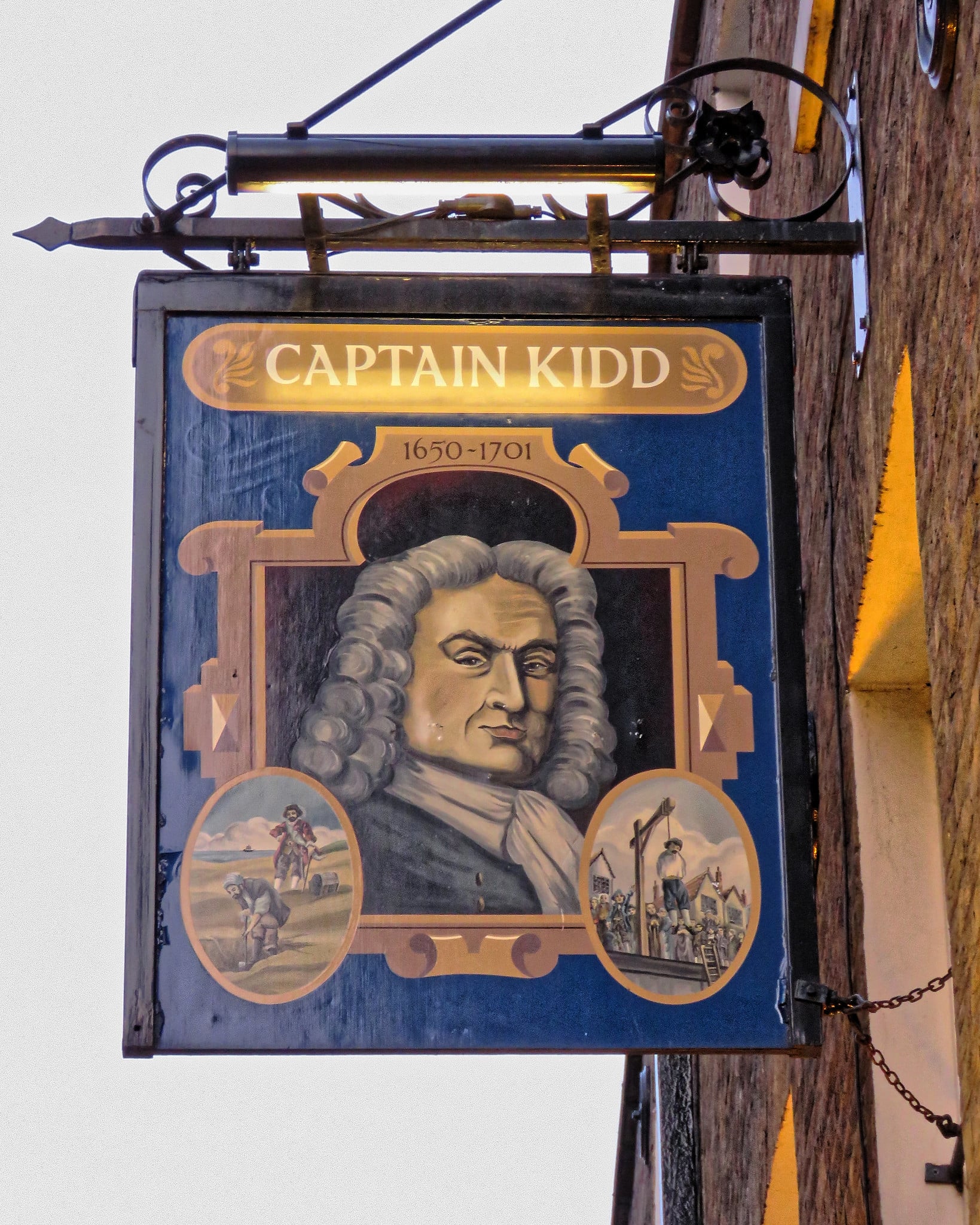
Scottish captain William Kidd switched from respected privateer to pirate before getting executed in London in 1701. He claimed to have buried treasure worth 40,000 British Pounds, though rumors suggested 400,000.
Authorities recovered 10,000 Pounds from Gardiner’s Island off New York, leaving a massive amount unaccounted for. Kidd supposedly left clues in a book marked with the letter ‘D,’ but never revealed where it was hidden.
The fortune remains lost despite generations of searching.
The Amber Room

Built in Prussia in 1701, this chamber featured walls made from six tons of amber panels decorated with gold leaf and gemstones. Given to Russian Czar Peter the Great in 1716, it became the ‘Eighth Wonder of the World’ at Catherine Palace.
Nazi forces seized it in 1941, packing it into 27 crates and displaying it in Königsberg Castle. When Allied bombing destroyed Königsberg in 1944, the Amber Room vanished.
Estimated worth today reaches $500 million, yet only one small mosaic panel has been recovered since 1997.
Yamashita’s Gold

General Tomoyuki Yamashita commanded Japanese forces in the Philippines during WWII. Legend says the Japanese hid massive amounts of looted gold and jewels in mountain tunnels before the war ended.
In 1971, Filipino locksmith Rogelio Roxas claimed he found a golden Buddha filled with diamonds, but President Ferdinand Marcos allegedly seized it and tortured Roxas. Marcos’ widow later claimed their wealth came from this treasure, though most historians doubt it existed on the described scale.
Despite ongoing searches and government permits now required for excavation, the treasure remains unfound.
Montezuma’s Aztec Gold
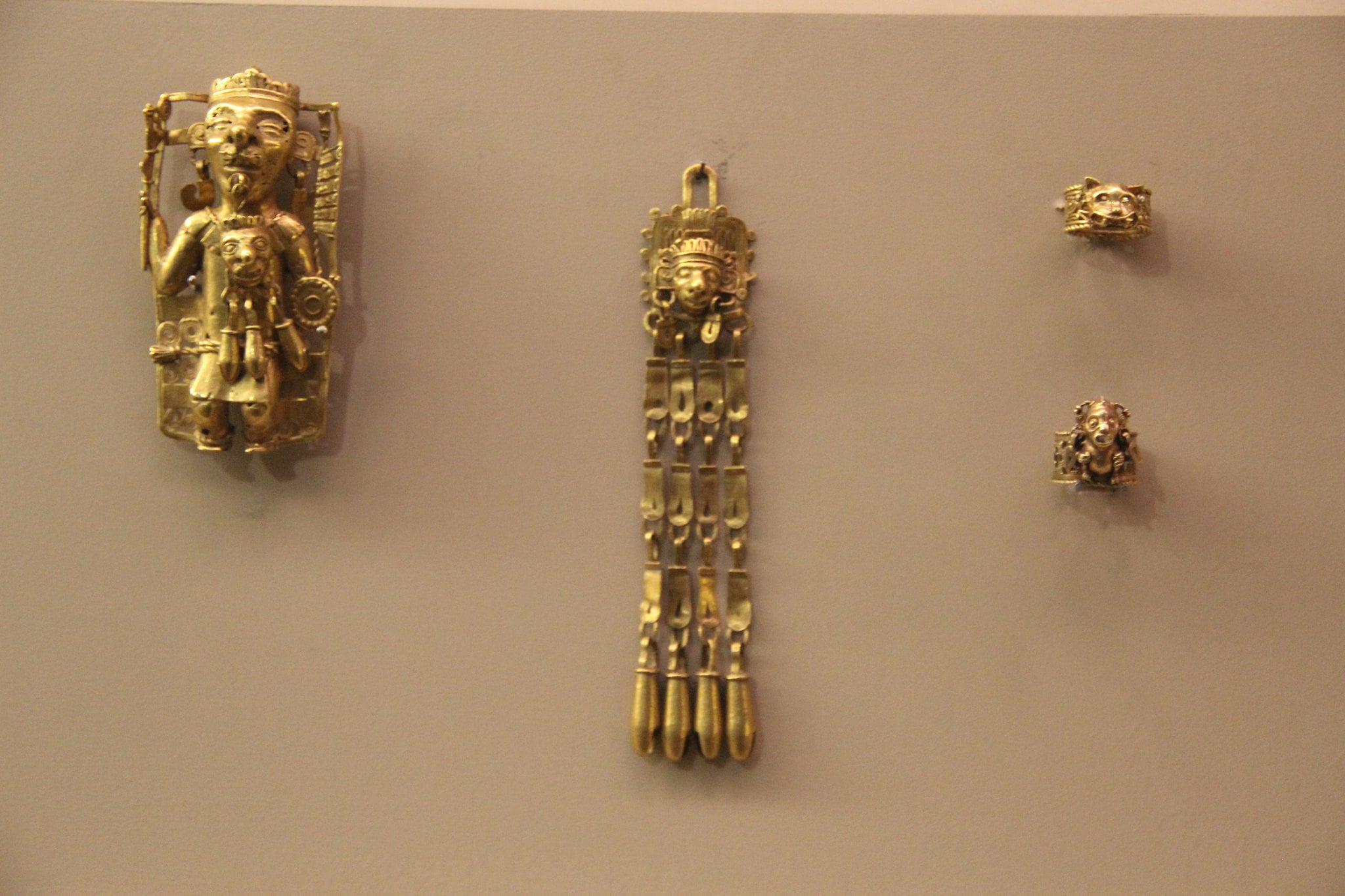
When Spanish conquistador Hernán Cortés arrived in Tenochtitlán in 1519, the Aztec capital overflowed with gold artifacts and jeweled treasures. As Cortés closed in during 1520, the Aztecs buried their treasure in and around Lake Texcoco.
The fortune has been hidden beneath nearly five centuries of mud and silt on Mexico City’s outskirts ever since. A former Mexican president even dredged the lakebed but found nothing.
Urban development and the vast search area make recovery nearly impossible.
Mosby’s Confederate Treasure
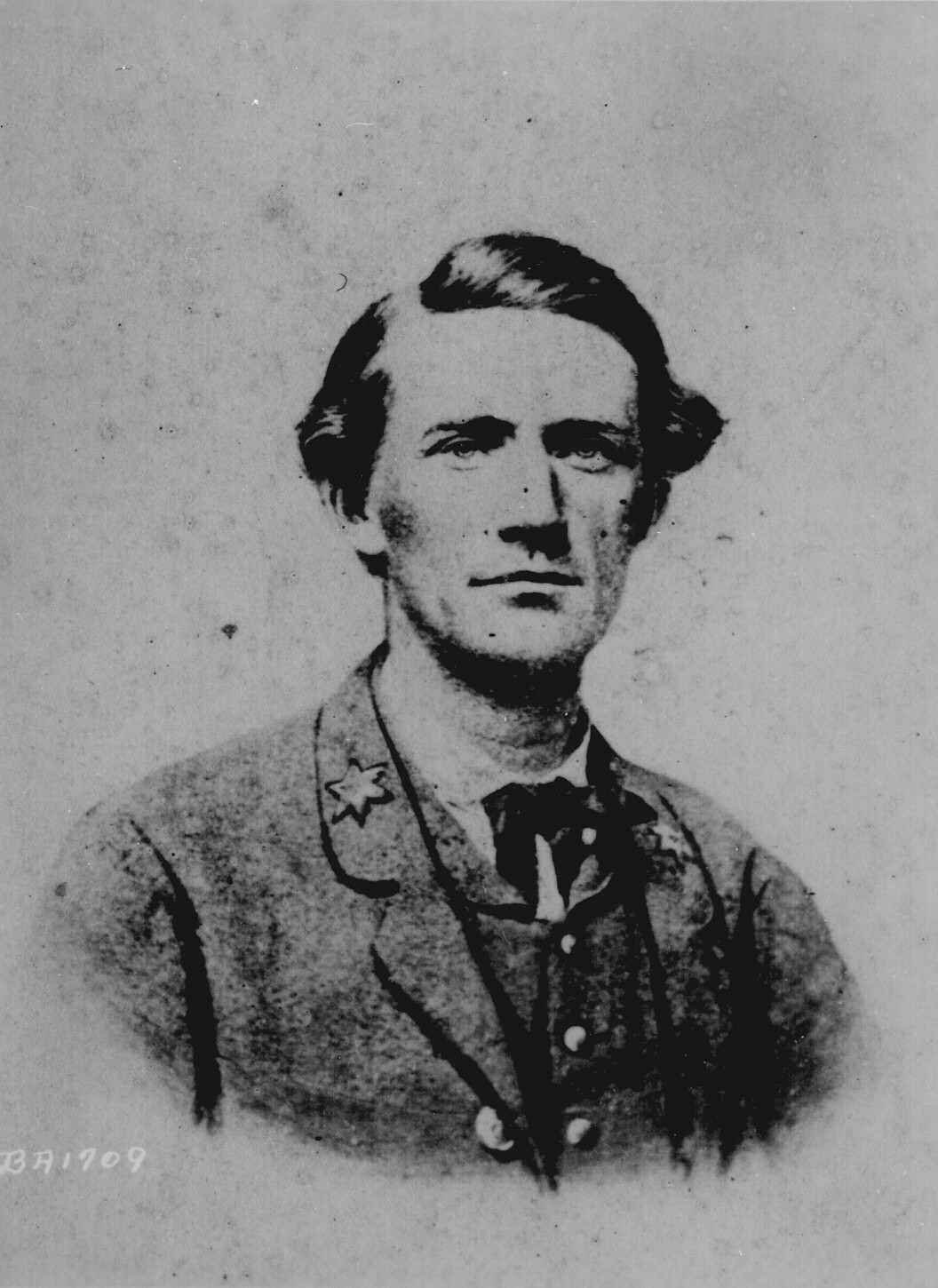
In March 1863, Confederate Colonel John Singleton Mosby raided Fairfax County Courthouse in Virginia, capturing Union soldiers and stealing $350,000 worth of gold, silver, and jewelry. Learning Union forces were nearby, Mosby buried the sack between two trees marked with his knife.
He sent seven men back to retrieve it, but all were captured and hanged. Mosby never returned the treasure and apparently never told anyone its exact location.
The woods have changed dramatically since 1863, making recovery unlikely.
The Beale Treasure
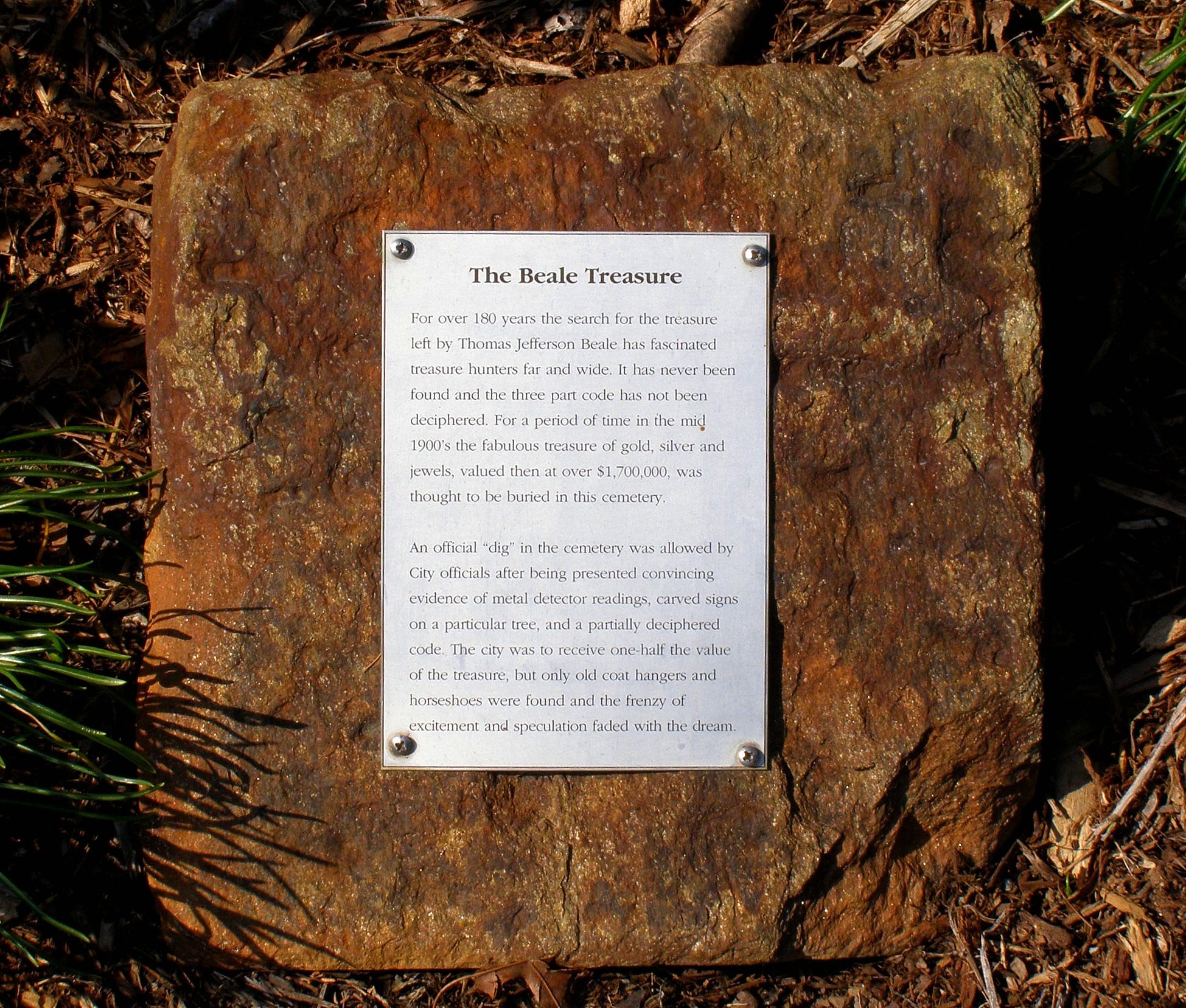
Thomas J. Beale and companions allegedly discovered gold and silver in the Rocky Mountains during the 1820s and buried it in Bedford County, Virginia. Beale left three encrypted messages with innkeeper Robert Morriss describing the location, contents, and rightful heirs.
Only the second code has been cracked, revealing thousands of pounds of gold and silver worth approximately $93 million. The other codes remain unsolved, and no treasure has been found.
Many believe the entire story is an elaborate hoax.
King John’s Crown Jewels
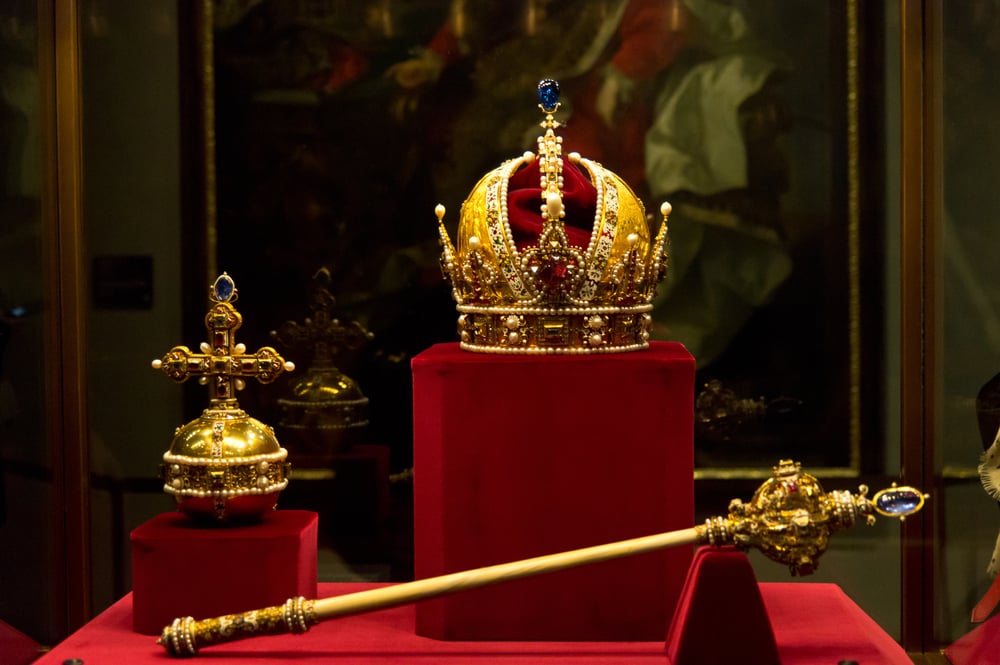
In October 1216, England’s unpopular King John marched across eastern England carrying the Crown Jewels. While crossing The Wash near Lincolnshire, his baggage train got caught by rising tides and sank into mud and quicksand.
King John died days later. The jewels included golden crowns, ceremonial swords, and precious relics accumulated over generations.
The treasure could be under 20 feet of mud, and seven centuries of searching have produced nothing.
Lost Dutchman’s Gold Mine

The Superstition Mountains in Arizona have drawn treasure hunters for over a century. Legend centers on Jacob Waltz, a German immigrant who allegedly discovered a rich gold mine in the late 1800s.
Before dying in 1891, he supposedly revealed the location to his caretaker Julia Thomas, but she never found it. Hundreds have searched since, with quite a few dying from dehydration, falls, and mysterious circumstances.
Locals speak of a curse protecting the treasure.
The Pharaohs’ Missing Treasure
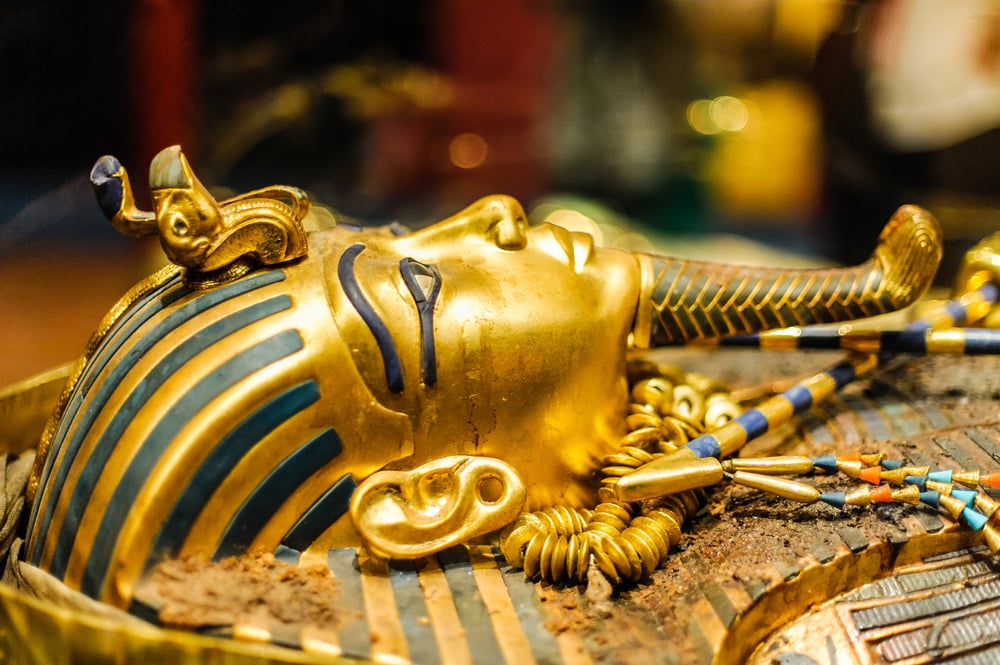
When Howard Carter found King Tut’s tomb in 1922, it overflowed with treasures—yet Tut was a minor pharaoh. Where are the riches from powerful rulers like Ramses II?
Valley of the Kings tombs were found empty, stripped centuries ago. Some scholars believe priests looted them during the 20th and 21st dynasties.
One suspect is Herihor, who controlled reburial operations and whose tomb has never been found. He might be buried with multiple dynasties’ combined wealth.
Genghis Khan’s Tomb
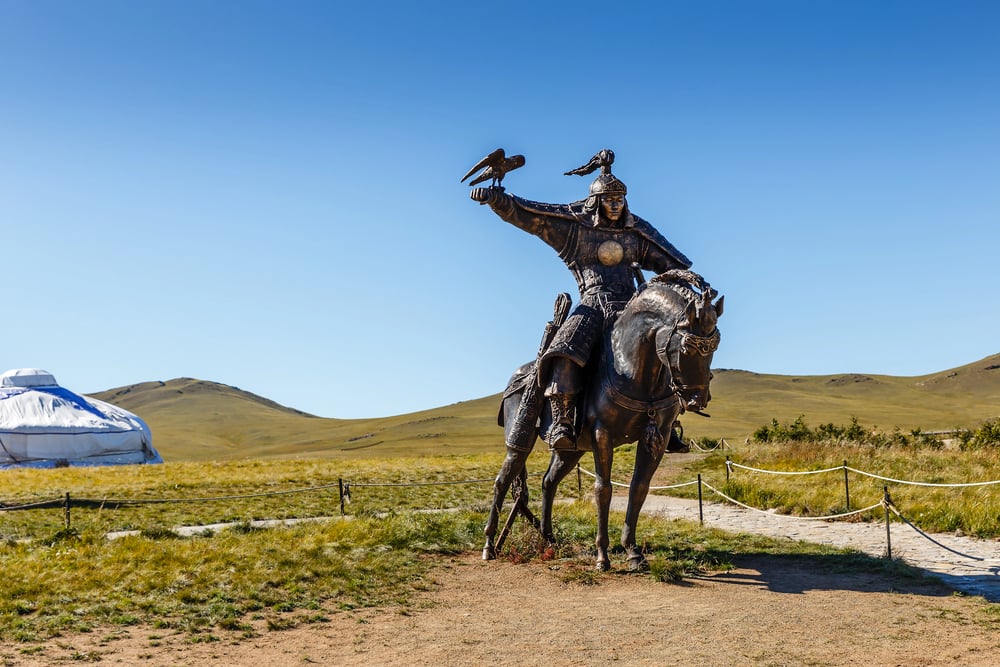
When Genghis Khan died in 1227, he was buried somewhere in Mongolia’s Burkhan Khaldun mountains. His followers killed everyone involved in the burial to preserve secrecy.
They released a thousand horses over the site and possibly diverted a river across it. The tomb would contain treasures from his conquests across Asia.
Despite satellite imagery and ground-penetrating radar, nobody has found a trace. The Mongolian government restricts searches out of cultural respect.
Knights Templar Treasure

During the Crusades, the Knights Templar amassed enormous wealth by amassing religious artifacts and gold. Their treasure disappeared in 1307 when King Philip IV suppressed the order.
Grand Master Jacques de Molay was executed in 1314 without revealing its location. Theories range from secret chambers beneath French castles to ships sailing to Scotland.
Some believe it included sacred relics like the Holy Grail. Despite centuries of searching former Templar properties, nothing substantial has been found.
Fortune’s Echo in Today’s World
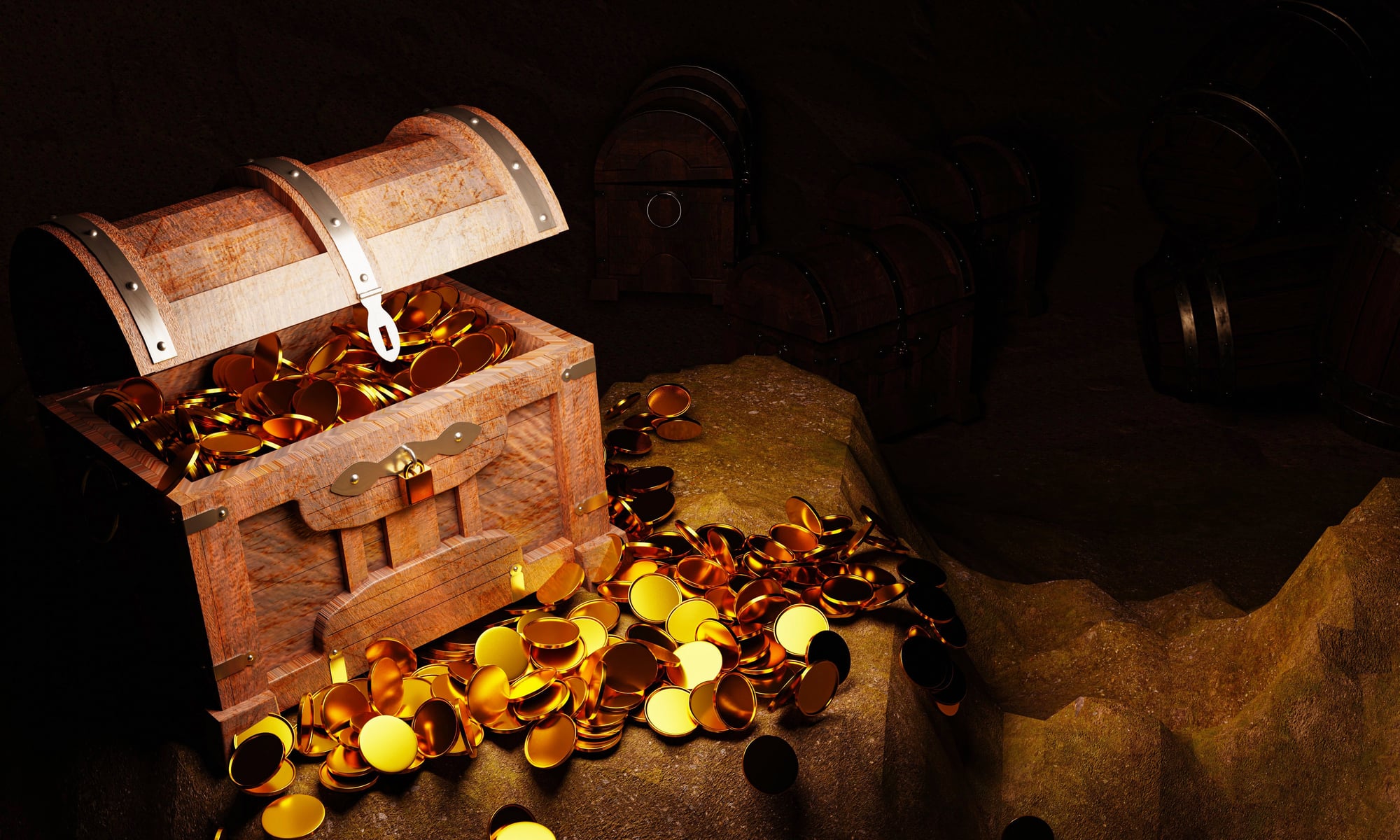
Modern-day treasure hunters use satellite imaging, ground-penetrating radar, and artificial intelligence to analyze ancient documents. Still, with that technology in place, none of these fortunes has been found.
Perhaps we are looking in the wrong places, the treasures were destroyed, or the original owners were particularly wise. It is not their value in money but the human drama associated with each disappearance-a moment of desperation, a calculated gamble, a last action before death-that has made these stories timeless.
And dreamers and adventurers continue to find them irresistible.
More from Go2Tutors!

- The Romanov Crown Jewels and Their Tragic Fate
- 13 Historical Mysteries That Science Still Can’t Solve
- Famous Hoaxes That Fooled the World for Years
- 15 Child Stars with Tragic Adult Lives
- 16 Famous Jewelry Pieces in History
Like Go2Tutors’s content? Follow us on MSN.