15 Times a “Limited Edition” Product Had Zero Demand
The marketing allure of “limited edition” products has long been a powerful tool for companies to generate excitement and drive sales. These exclusive releases are designed to create a sense of urgency and scarcity that compels consumers to buy quickly before they miss out.
However, not every attempt at manufacturing demand through artificial scarcity succeeds. Some limited editions sit on shelves gathering dust despite their supposed exclusivity. Here is a list of 15 times when companies released “limited edition” products that consumers completely ignored, proving that scarcity alone can’t sell a fundamentally unwanted item.
Crystal Pepsi 2016 Revival
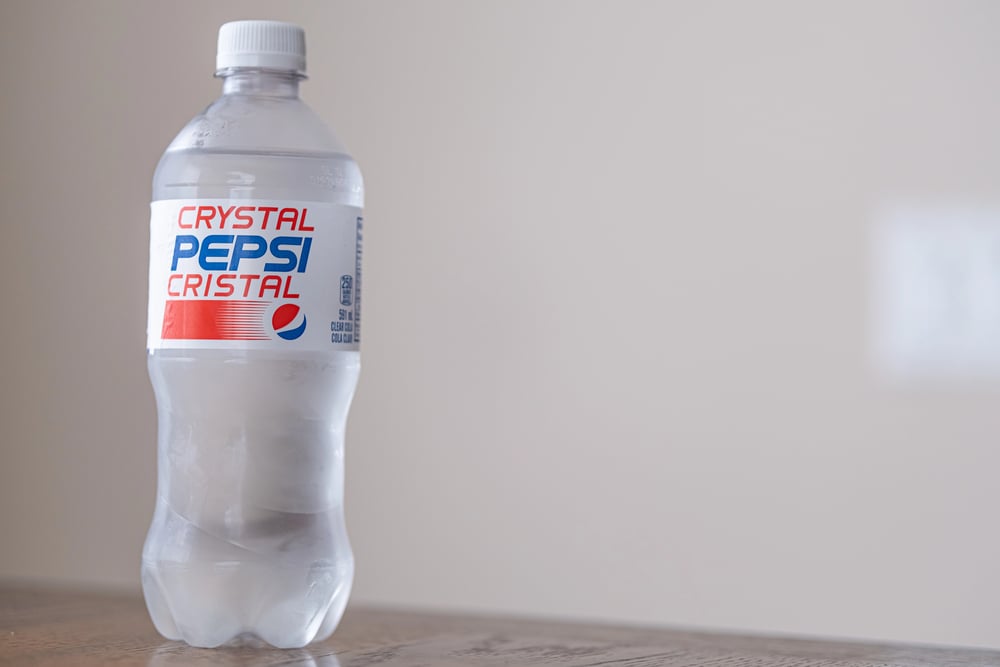
The nostalgic relaunch of this clear cola from the 90s fell flat with modern consumers. Despite being marketed as a collector’s item with “limited time only” packaging, stores struggled to move inventory, eventually resorting to steep discounts.
The novelty factor that made the original somewhat successful couldn’t be recaptured in an era of craft sodas and health-conscious beverages.
Windows Vista Ultimate Extras
Microsoft promised exclusive “limited availability” premium content for buyers of their most expensive Vista edition. These extras turned out to be a handful of mediocre wallpapers and a poker game that functioned poorly.
Customers who paid extra for these supposed exclusives felt so cheated that Microsoft abandoned the concept entirely with future Windows releases.
McDonald’s Szechuan Sauce Disaster
After being featured in a popular cartoon, McDonald’s released a “super limited edition” of this sauce with a minimal supply. While initial demand existed, the poorly executed rollout created such negative publicity that when they released a much larger batch months later, consumers had lost interest.
Thousands of sauce packets remained unclaimed despite the initial frenzy.
Facebook Phone
The HTC First, advertised as the exclusive “Facebook phone,” was a limited hardware release featuring deep Facebook integration. Within one month, the price dropped from $99 to $0.99 with contract, a clear indication of non-existent demand.
AT&T discontinued the phone almost immediately, with reports suggesting fewer than 15,000 units sold.
Burger King Black Whopper
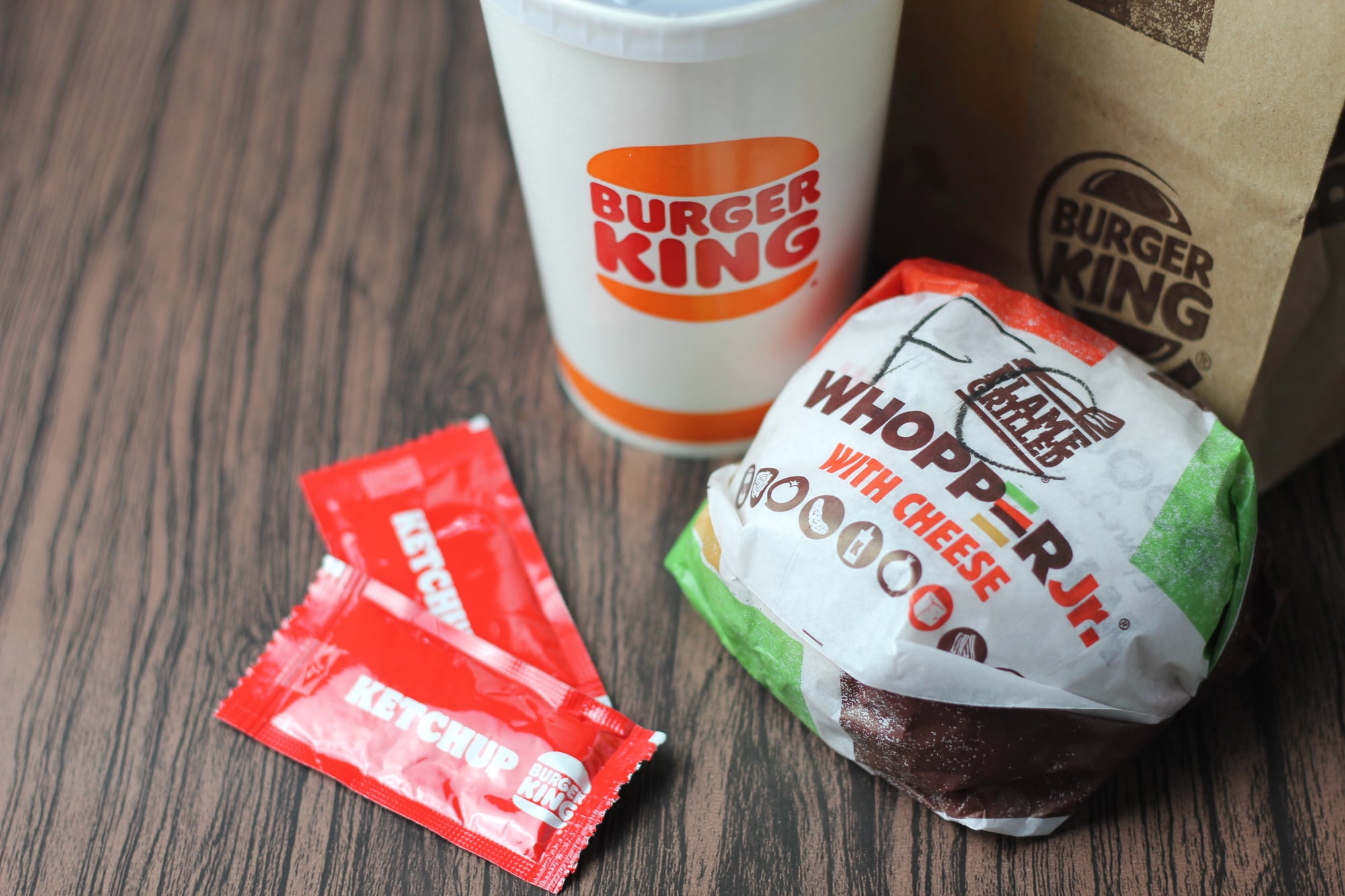
This Halloween special featured a limited edition black bun colored with A.1. sauce and bamboo charcoal. While visually striking in advertisements, consumers quickly discovered the unmentioned side effect: it turned their waste bright green.
This unappetizing aftermath spread across social media, causing demand to plummet almost overnight.
Google Glass Explorer Edition

Google’s “exclusive” limited release of their augmented reality glasses was intended to create buzz among tech influencers. Instead, the $1,500 devices earned wearers the unflattering nickname “Glassholes” and raised widespread privacy concerns.
Google had trouble giving them away even to tech enthusiasts, eventually discontinuing the consumer version entirely.
Harley-Davidson Perfume
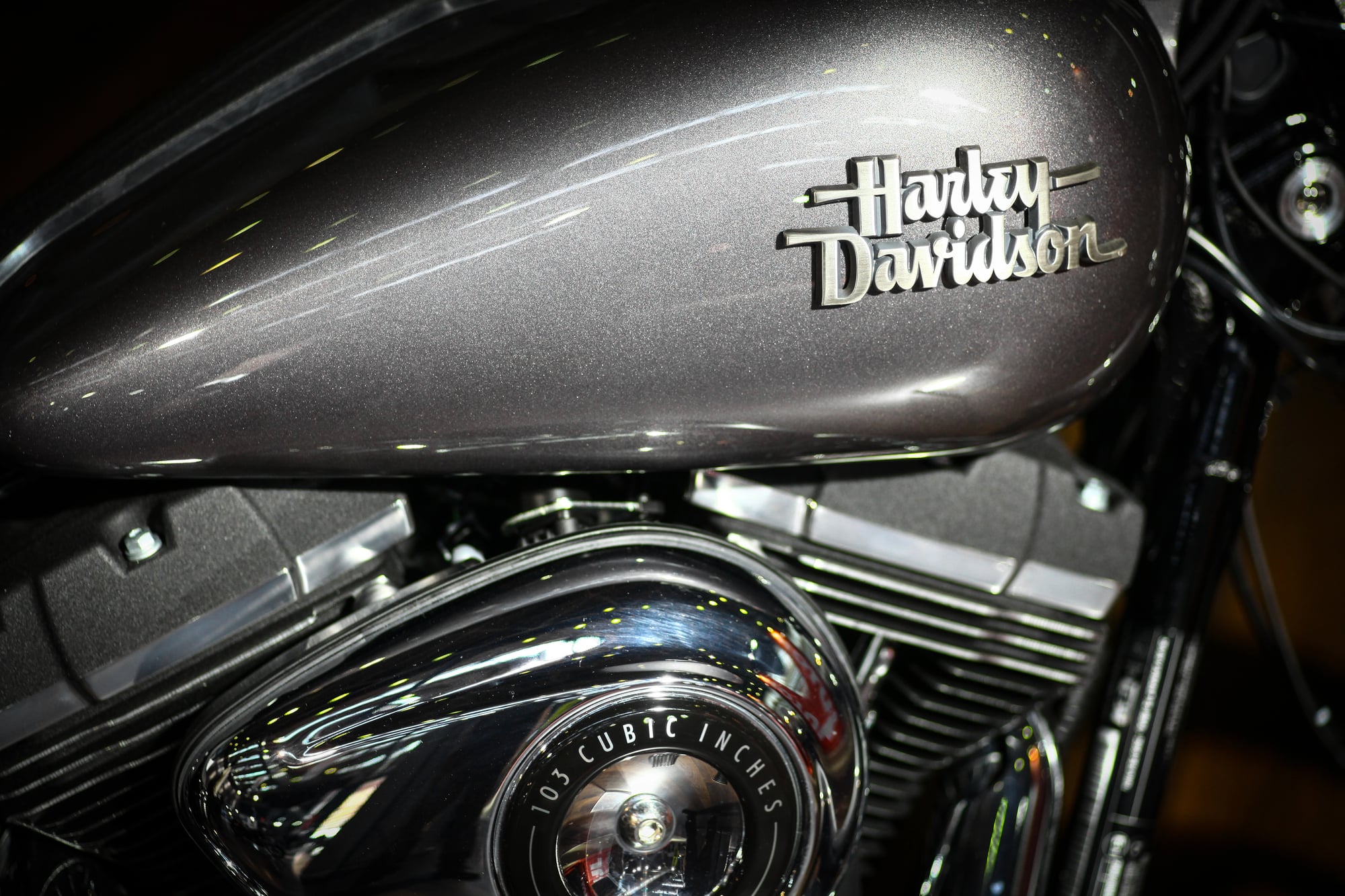
The motorcycle manufacturer inexplicably released a limited cologne line that contradicted their rugged brand image. Hardcore Harley enthusiasts had zero interest in smelling like “Hot Road” or “Destiny,” while luxury perfume buyers had no connection to the motorcycle brand.
Bottles ended up in clearance bins at fractions of their original prices.
25th Anniversary New Coke
Coca-Cola’s infamous 1985 formula change was so hated that they reversed course within months. Bizarrely, they celebrated this marketing disaster 25 years later with a limited edition re-release of the failed recipe.
Consumers who remembered the original fiasco avoided it, while younger consumers had no nostalgic connection, resulting in untouched display cases.
Lady Gaga’s Polaroid Products
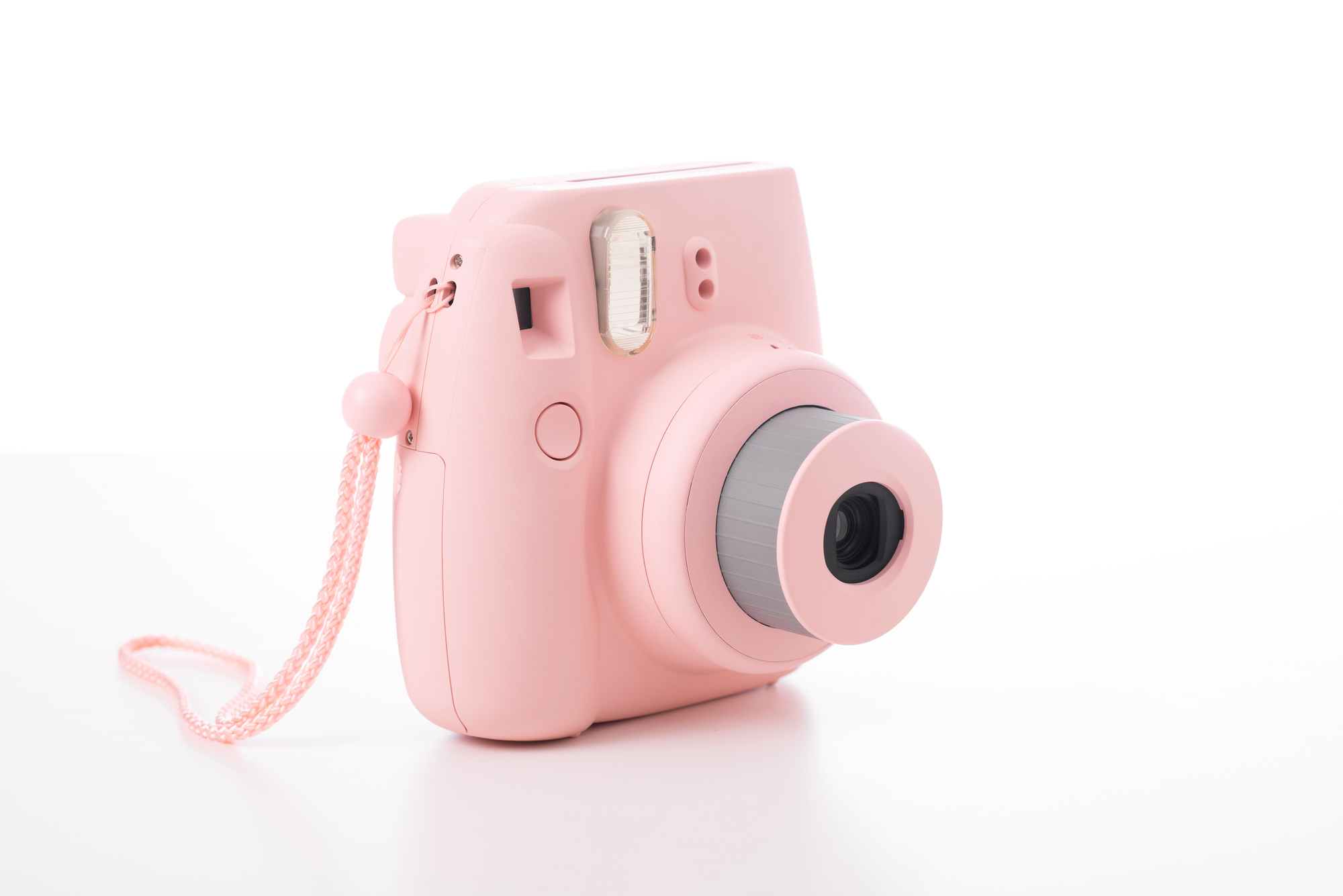
The pop star was named “Creative Director” for a special line of Polaroid products in 2011. The centerpiece was GL20 Camera Glasses, limited edition sunglasses that could supposedly take and display photos.
Despite massive publicity, these products never actually materialized beyond prototype stage as consumer interest was nonexistent.
Cheetos Lip Balm

This limited edition flavor extension took the cheese snack into the personal care category with predictably disastrous results. Even dedicated Cheetos fans couldn’t understand why anyone would want their lips to taste perpetually like artificial cheese.
Most units were eventually destroyed rather than sold, despite promotional pricing attempts.
R.J. Reynolds Smokeless Cigarettes

The tobacco company tried creating a “revolutionary limited release” product called Premier that heated rather than burned tobacco. The complicated lighting procedure, unusual appearance, and charcoal-like taste meant even dedicated smokers rejected it.
The company had to write off almost all production as a loss.
Nintendo Virtual Boy

Nintendo’s limited distribution 3D gaming system was supposedly restricted in release due to its cutting-edge technology. In reality, the all-red display caused headaches, the games were unimpressive, and the awkward tabletop design was uncomfortable.
Nintendo slashed prices repeatedly before discontinuing it after less than a year.
Bic For Her Pens

These pastel-colored pens were marketed as a limited special edition designed specifically for women’s hands. The unnecessary gendering of a basic product sparked ridicule rather than interest.
Satirical reviews flooded online retailers, and the pens became a case study in tone-deaf marketing rather than a desirable exclusive product.
Colgate Kitchen Entrees
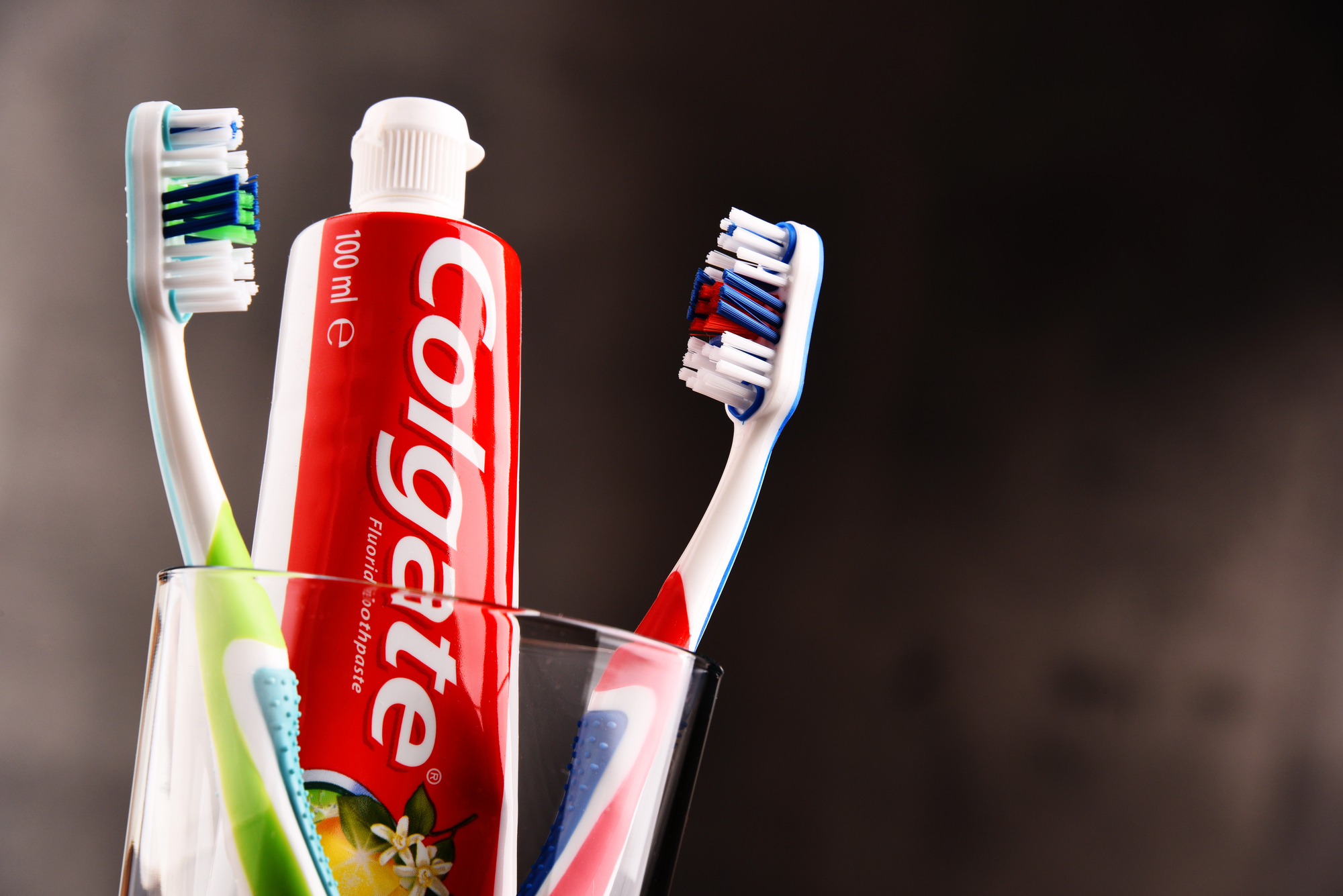
The toothpaste company inexplicably launched a limited line of frozen dinner entrees. Consumers couldn’t overcome the mental association between toothpaste and food items bearing the same brand name.
Most people reported they couldn’t even consider trying the products without thinking about the taste of mint toothpaste.
Wagyu Beef Pringles
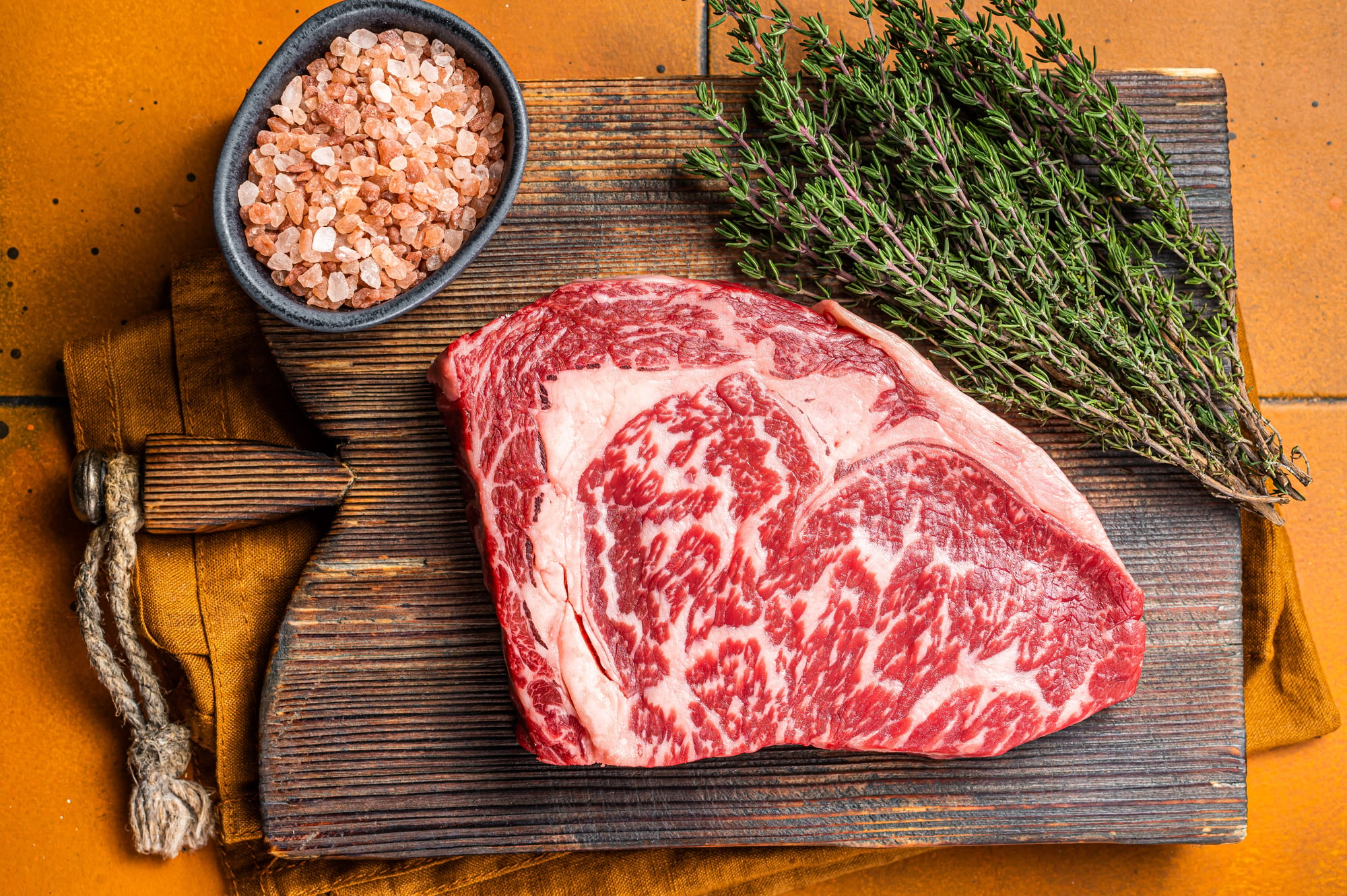
This limited edition flavor attempted to capture the essence of $200-per-pound Japanese beef in a $2 potato chip can. The artificial flavoring bore no resemblance to actual Wagyu, disappointing foodies, while regular Pringles customers found the concept pretentious.
Stores reported almost no movement of the product despite premium endcap placement.
The Illusion of Scarcity

The failures of these limited edition products reveal a fundamental truth about consumer behavior. Artificial scarcity only works when paired with genuine desirability.
These marketing misfires demonstrate that consumers have become increasingly sophisticated about recognizing manufactured hype. While successful limited editions can indeed drive tremendous sales, these cautionary tales remind us that exclusivity without quality or relevance is a recipe for warehouses full of unwanted inventory, proving that even in marketing, you can’t make something from nothing.
More from Go2Tutors!

- The Romanov Crown Jewels and Their Tragic Fate
- 13 Historical Mysteries That Science Still Can’t Solve
- Famous Hoaxes That Fooled the World for Years
- 15 Child Stars with Tragic Adult Lives
- 16 Famous Jewelry Pieces in History
Like Go2Tutors’s content? Follow us on MSN.