Unusual Ways People Used Bells in Rituals
Bells have been part of human ceremonies for thousands of years. Their sounds carry meaning beyond simple noise, and different cultures found creative ways to use them for spiritual purposes, protection, and connection with the unseen world.
From driving away evil spirits to calling the recently departed, people have treated these ringing objects as powerful tools that bridge our world with something greater. Here is a list of 16 unusual ways people used bells in their rituals and ceremonies.
Baptizing babies in ship’s bells

Naval tradition took baptism to an unusual place by using the ship’s bell as a font. The crew would remove the bell from its mounting, turn it upside down, and fill it with holy water for the ceremony.
After the baptism, sailors engraved the child’s name on the bell itself, making the infant a permanent part of the ship’s history. This practice started in the British Royal Navy centuries ago and spread to other navies including the U.S. Navy and Royal Canadian Navy.
The tradition was believed to bring good luck to both the child and the vessel.
Giving church bells their own baptism

The Catholic Church developed elaborate ceremonies to bless new bells that looked surprisingly similar to human baptism. Bishops would wash the bells with holy water, anoint them with sacred oils both inside and outside, and even give them names, often after saints.
The ceremony could last for hours and included special prayers asking that the bell’s sound would drive away demons and protect people from storms. Some bells even had godparents present during the naming ceremony.
This practice goes back at least to the eighth century and became so common that people called it the ‘baptism of bells,’ though the Church insisted this was just a nickname.
Summoning hungry ghosts in Tibet
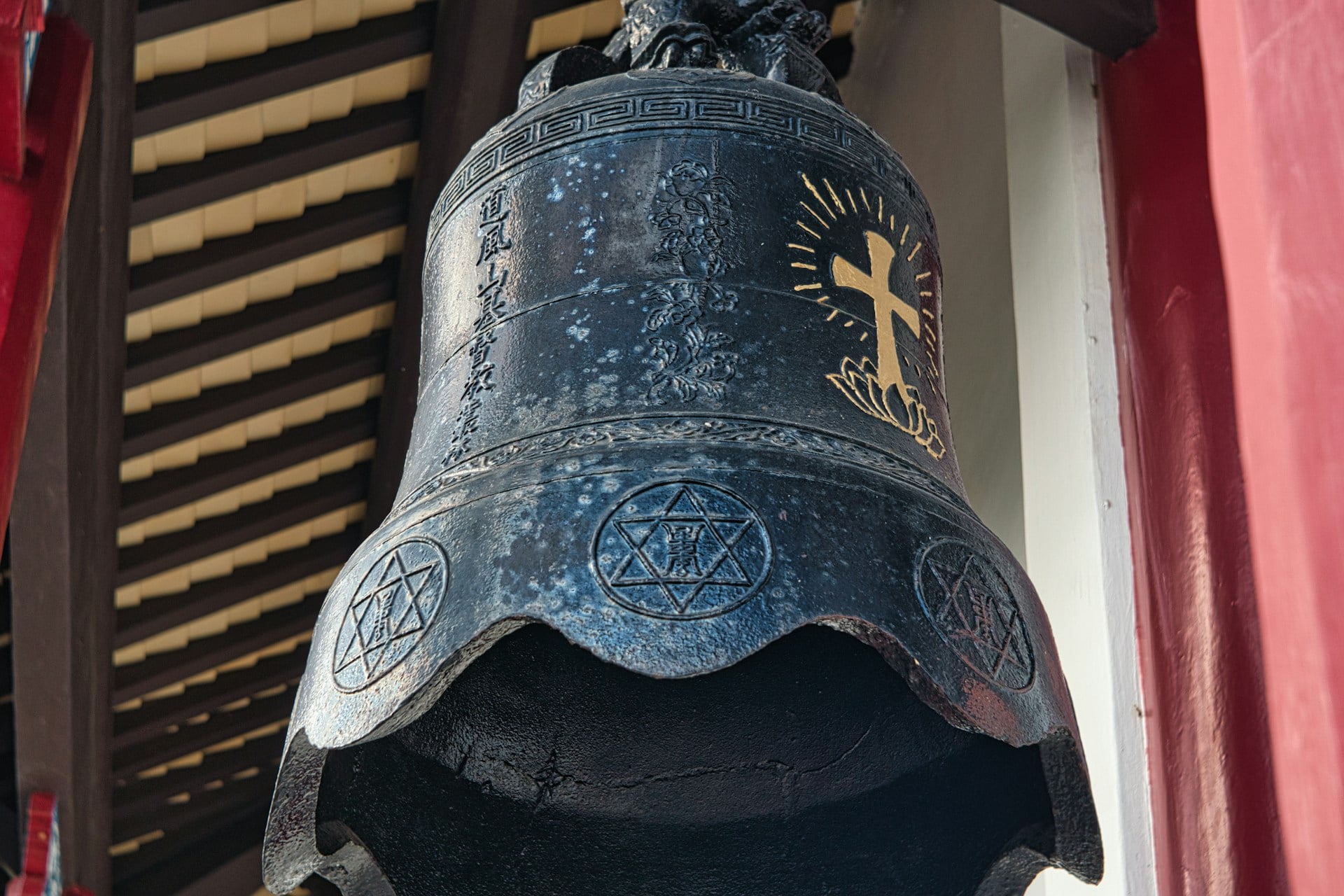
Tibetan Buddhist monks used tingsha bells in rituals for spirits trapped in terrible suffering. These spirits, called hungry ghosts, were believed to have enormous stomachs but tiny mouths that prevented them from eating.
Monks would strike the tingsha bells to summon these tormented beings, then offer them burned food and water that they could consume through scent alone. The ritual lasted 49 days after someone died, with daily prayers and bell ringing to guide the deceased’s consciousness.
The pure sound of the bells was thought to cut through the spiritual realm and reach beings that regular voices could not.
Driving storms away from villages
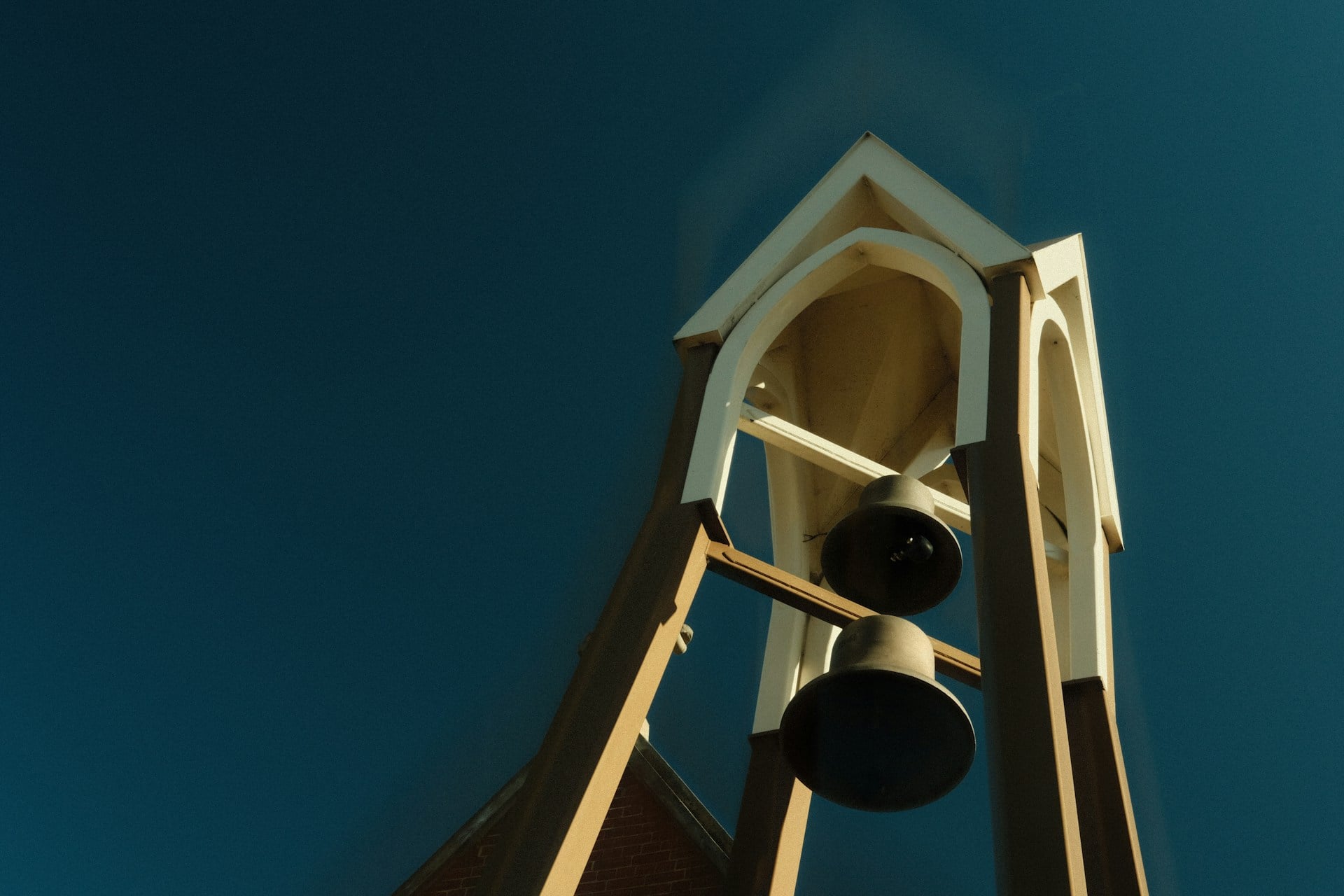
Medieval Europeans believed that ringing church bells could literally push away dangerous weather. During thunderstorms, bell ringers would climb into towers and ring the bells vigorously to disperse storm clouds and prevent lightning strikes.
The idea was that the blessed bells had power over the demons that supposedly lived in the air and controlled the weather. Some bells even had inscriptions that specifically mentioned their storm-fighting abilities.
The practice was so widespread that it became part of the official blessing ceremony for new bells, with bishops praying that the bells would protect against tempests.
Marking the moment of consecration
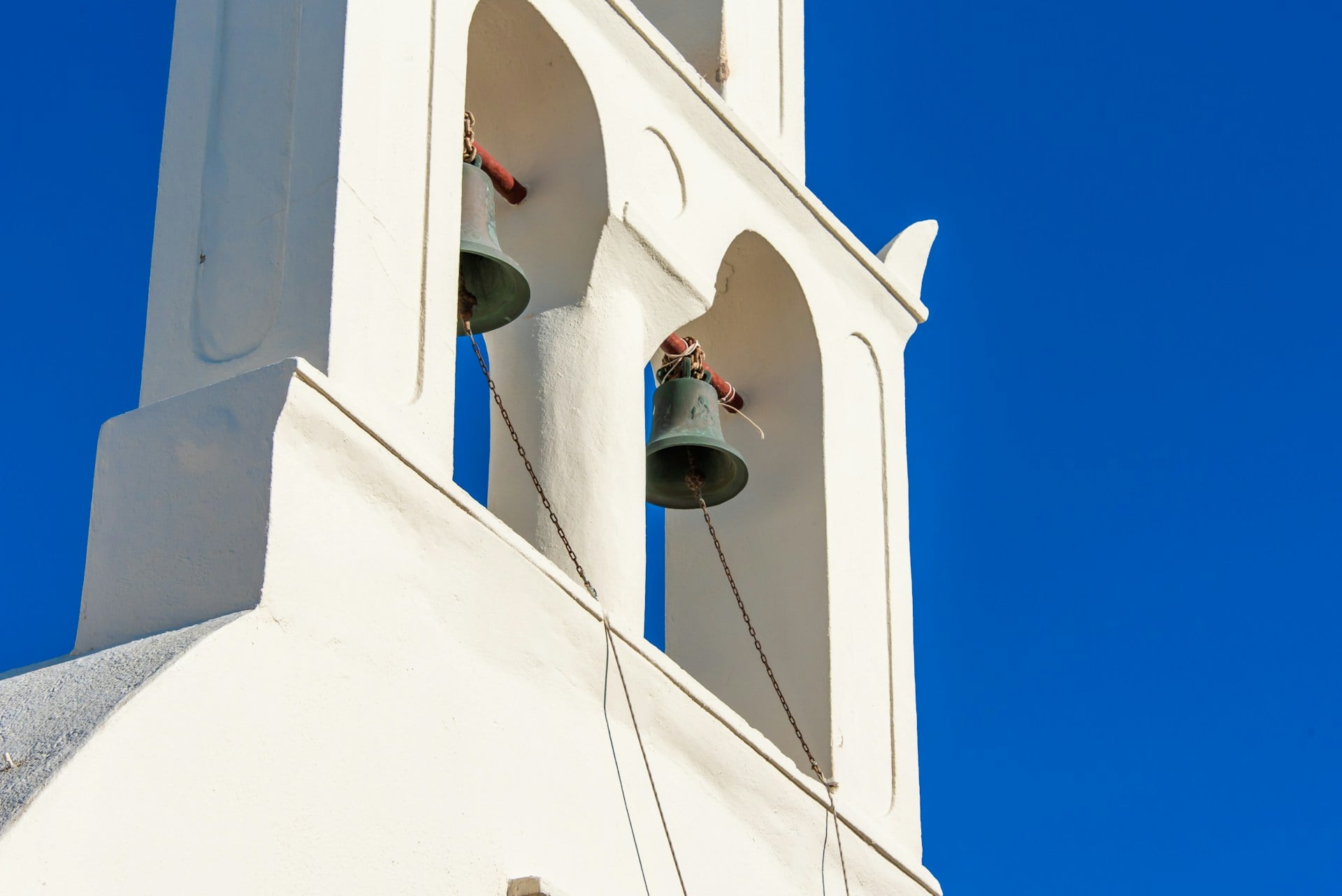
Catholic churches developed a practice of ringing the large tower bell at the exact moment when the priest consecrated the bread and wine during Mass. This wasn’t just for people inside the church.
The bell alerted farmers working in distant fields and sick people at home to pause, kneel if possible, and make an act of worship toward the church. The practice began in the 13th century and created a spiritual connection between everyone in the community, whether they were physically present for the service or not.
Some churches still maintain this tradition today, ringing their bells during the most sacred part of the Mass.
Warding off evil at doorways
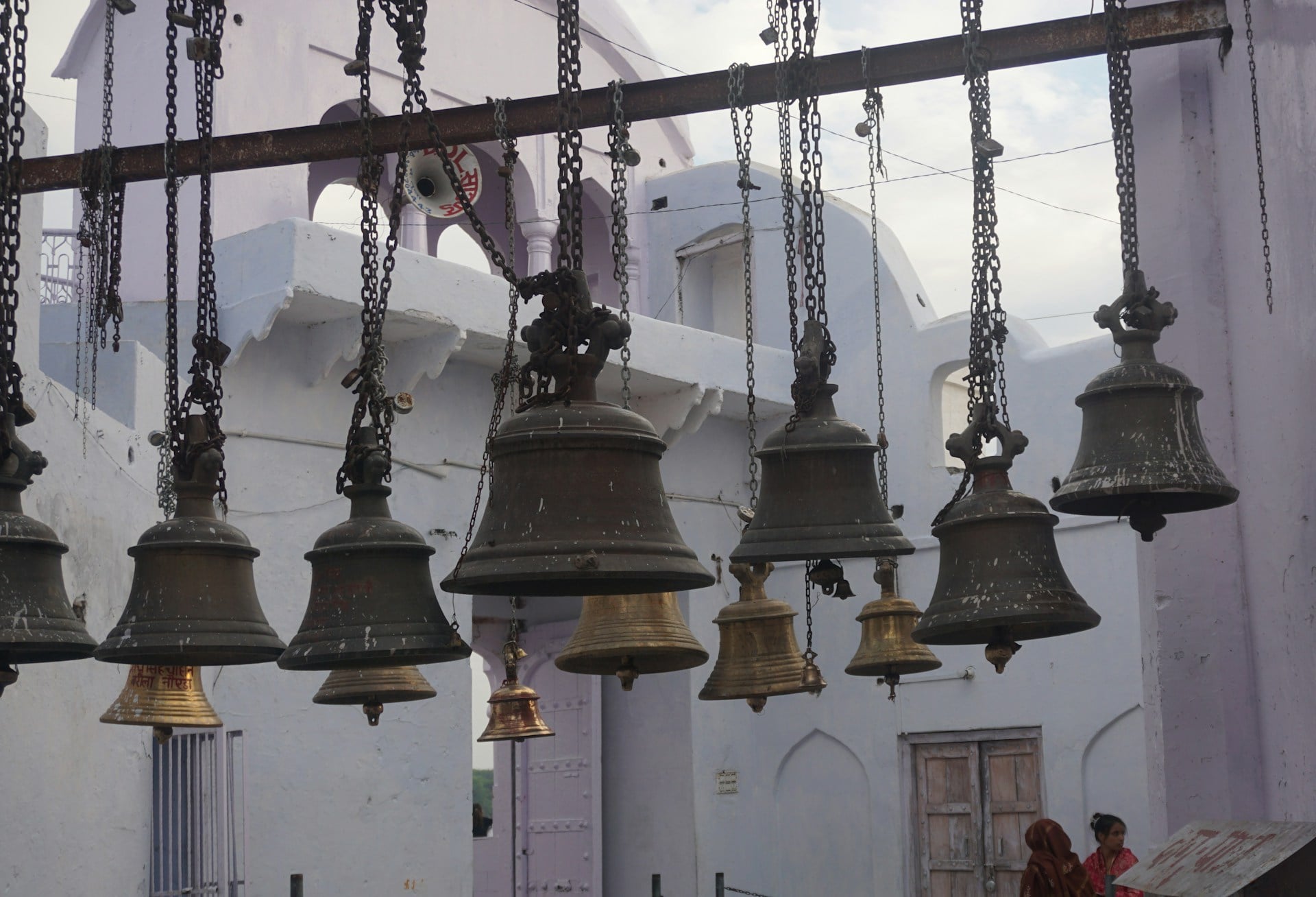
Ancient Romans hung small bronze bells called tintinnabulum near their doorways and in gardens. These bells were believed to protect homes from the evil eye and malevolent spirits.
The bells would ring when wind moved through them or when people brushed past, creating a constant protective sound barrier. Many of these bells featured images and symbols meant to enhance their protective powers.
The practice shows how people once viewed sound itself as a form of spiritual defense that could create invisible boundaries evil could not cross.
Announcing transitions in meditation
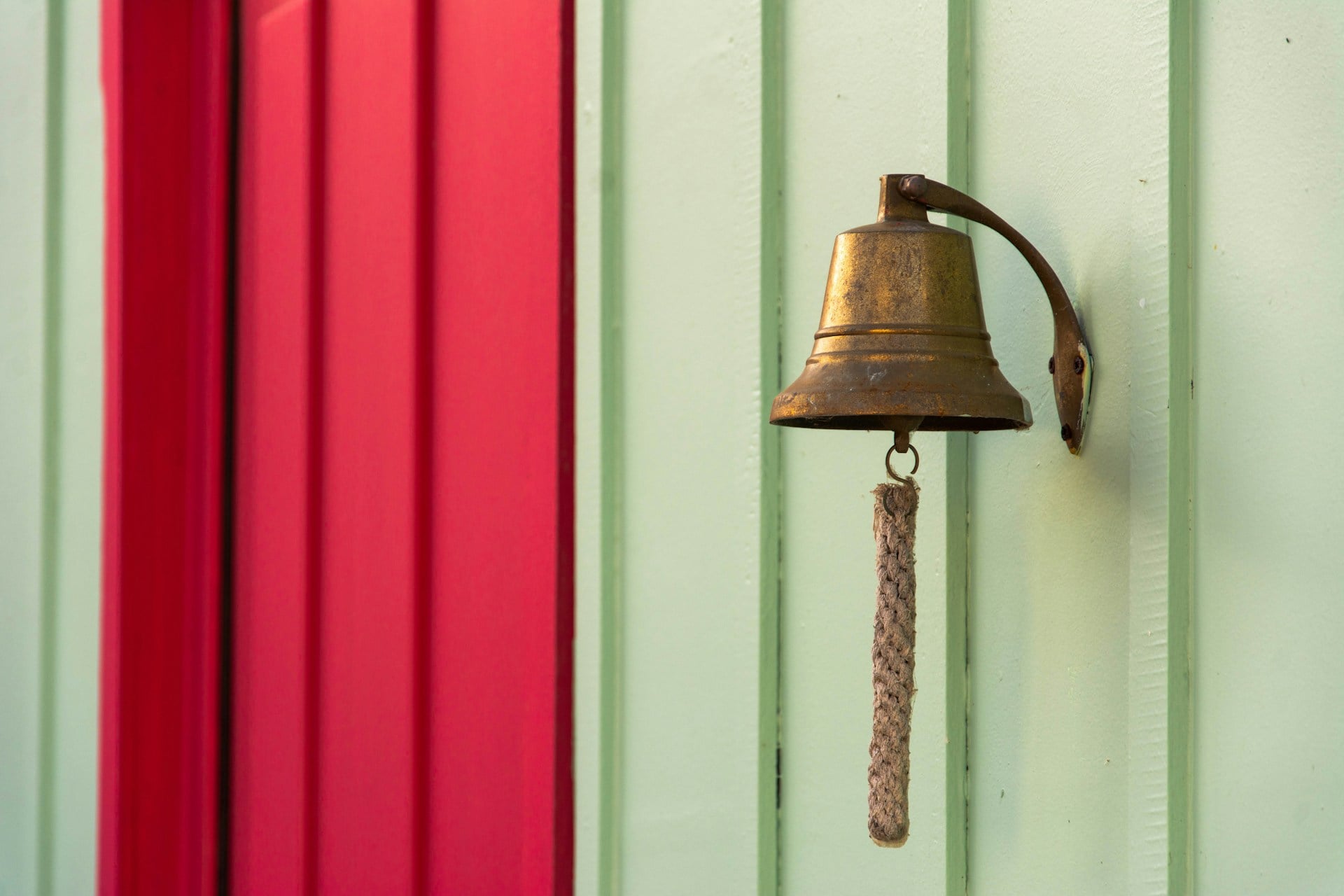
Buddhist monasteries developed precise bell-ringing patterns to mark different parts of the day and guide meditation practice. The bells didn’t just tell time.
They helped monks shift their mental states, moving from sleep to prayer, from work to contemplation, and from one meditation session to the next. The sound of the bell became a trigger that trained the mind to immediately enter a focused state.
Different bell patterns meant different things, so experienced monks could tell exactly what activity should happen next just from how the bell was rung.
Purifying spaces before ceremonies
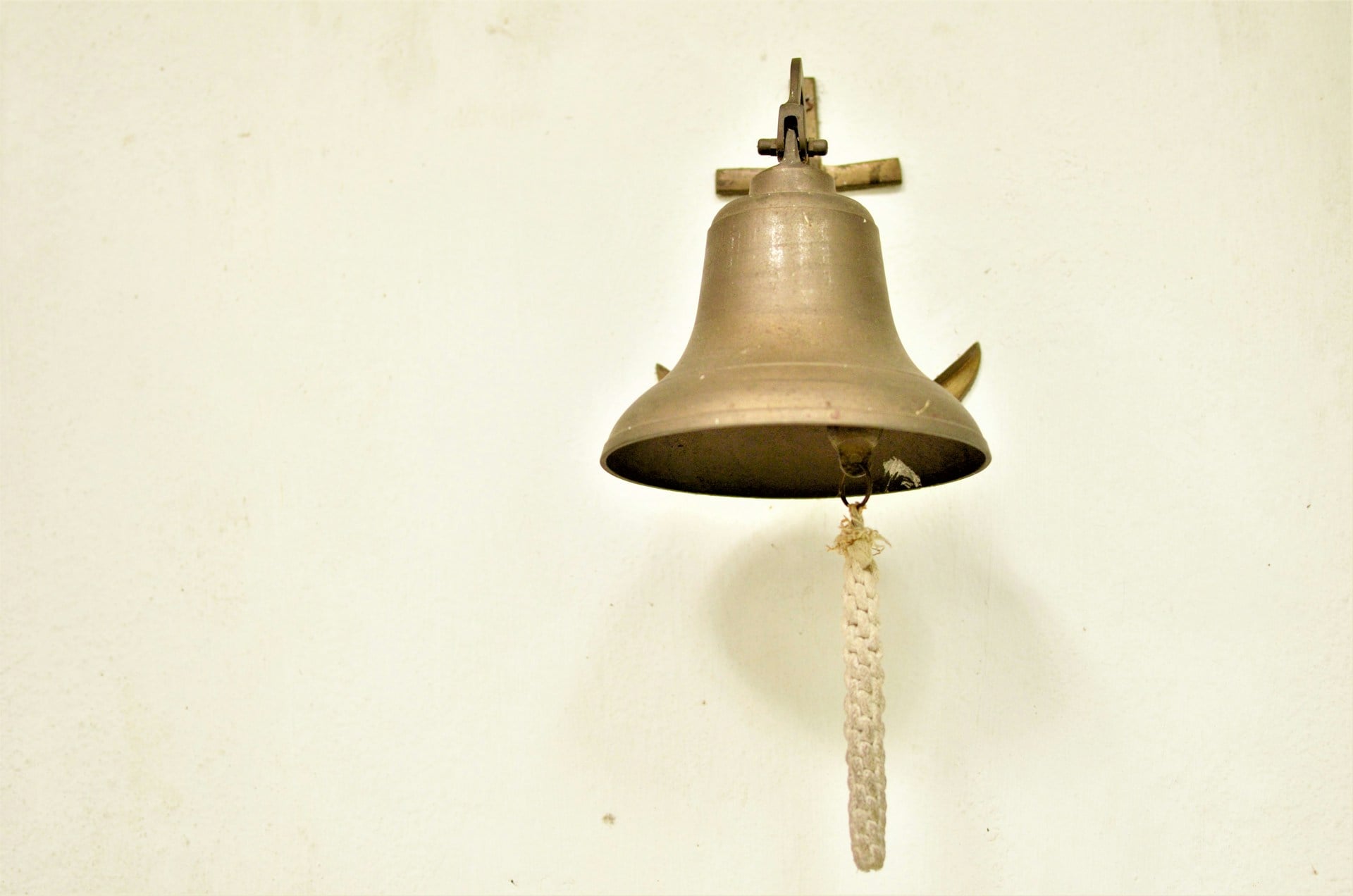
Many spiritual traditions use bells to cleanse spaces of negative energy before important rituals begin. The sound waves from the bells are believed to break up stagnant or harmful energies and create a fresh spiritual atmosphere.
Practitioners walk through rooms while ringing bells, paying special attention to corners where bad energy supposedly collects. This practice appears in Tibetan Buddhism, feng shui, and various New Age spiritual practices.
The ritual treats sound as a physical force that can literally push unwanted spiritual influences out of a space.
Calling deities during worship

Hindu temples use specific bells called ghanta during puja ceremonies to wake up and invite deities to be present. Priests ring the bell at the beginning of worship to announce their presence to the gods and request their attention.
The sound is considered pleasing to divine beings and helps establish a connection between the human and spiritual realms. Different temples have bells of various sizes, and the tone is considered important.
A properly cast temple bell should produce a sound that resonates for several seconds, filling the temple with vibrations believed to be sacred.
Exorcising demons from people
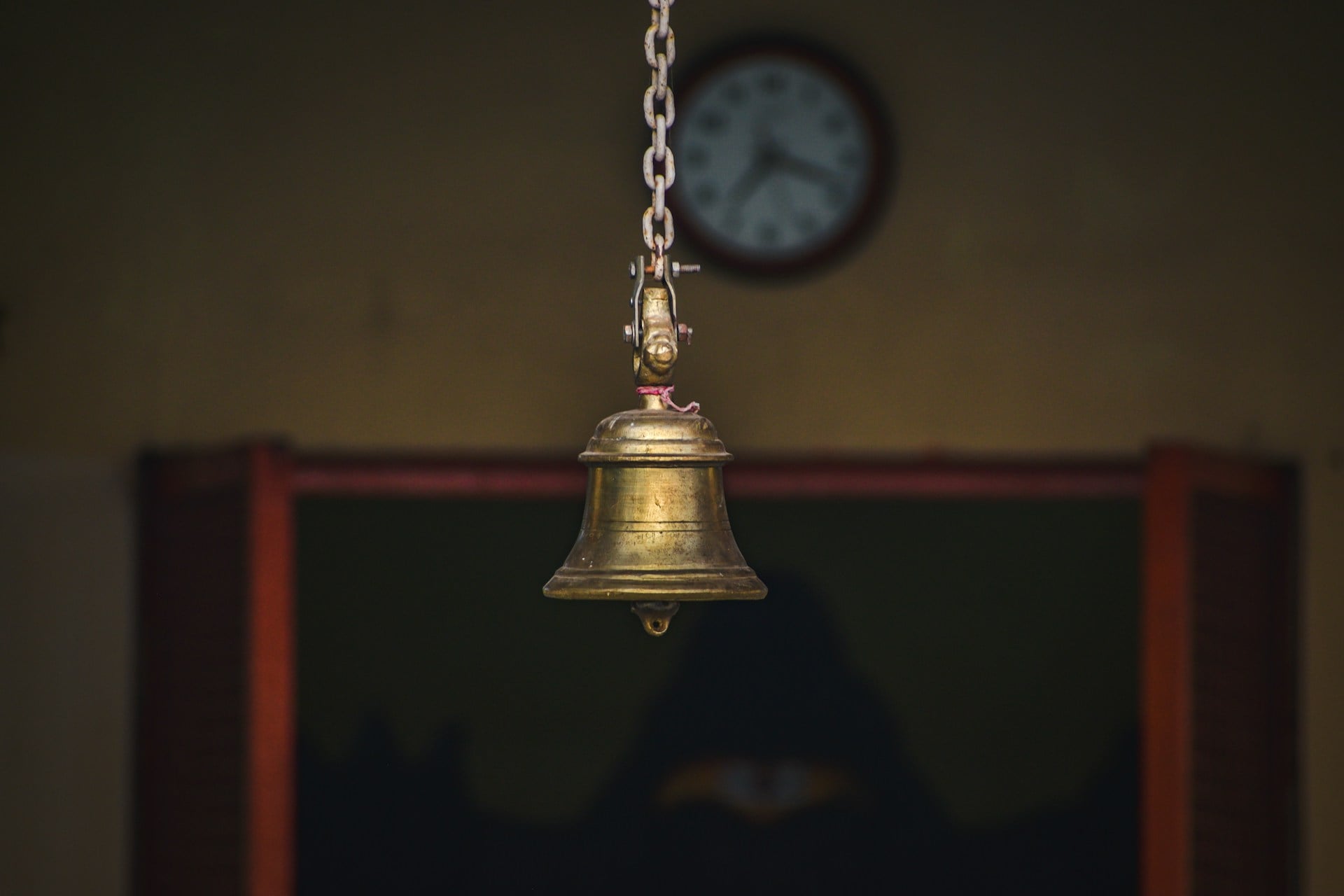
Catholic exorcism rituals traditionally included bell ringing as part of the process of casting out evil spirits. The priest would ring a sanctified bell while reciting prayers and performing other ritual actions.
The sound was believed to cause physical pain to demons and force them to flee. Taoist exorcists in China also used bells during their ceremonies, shaking them in specific patterns while chanting spells.
The bells had to be properly consecrated before they would work, and experienced exorcists developed their own bell-ringing techniques that they believed were more effective against different types of spirits.
Announcing death to the community
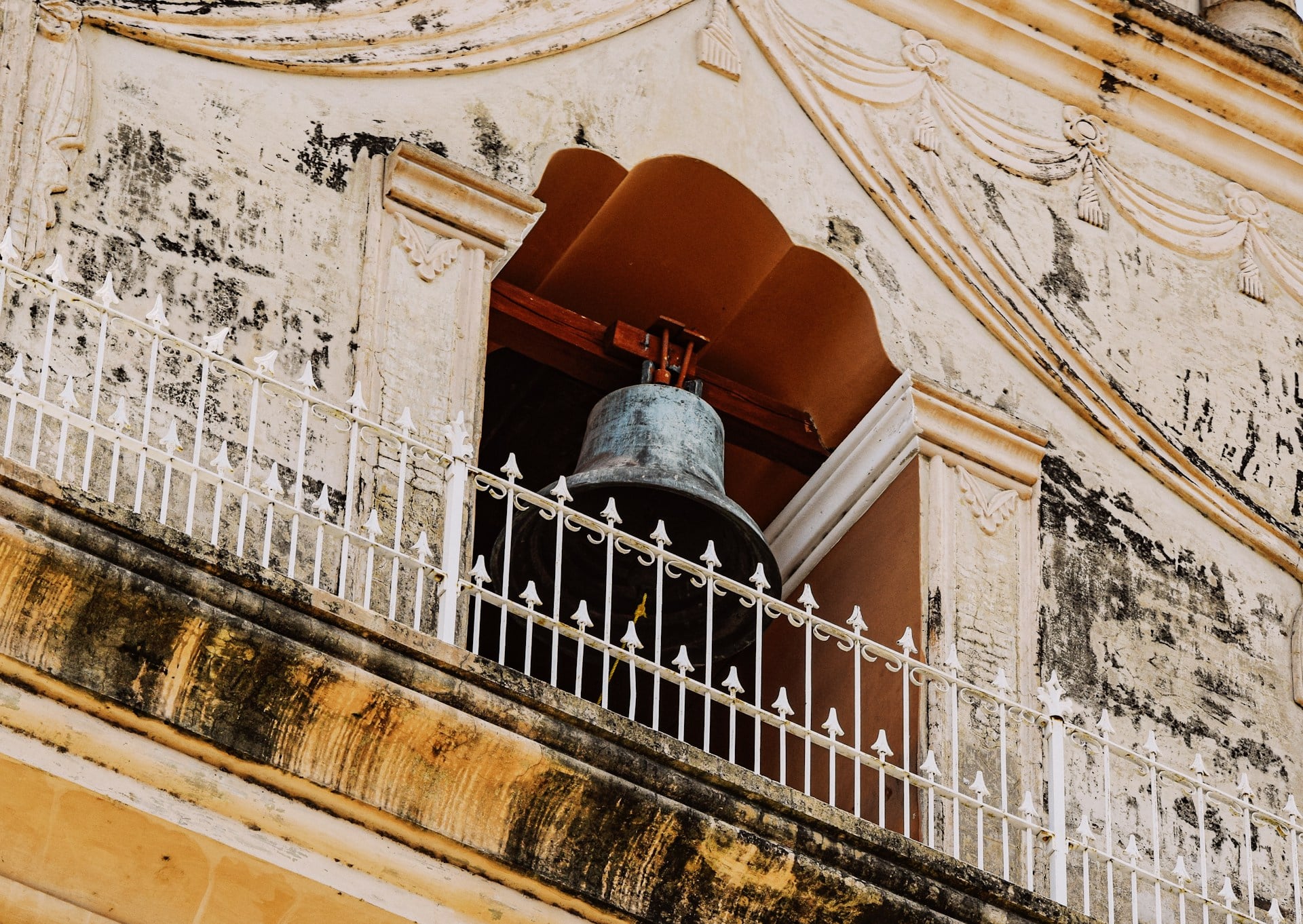
The death knell, or tolling of a church bell when someone died, served both practical and spiritual purposes. The number of rings often indicated whether the deceased was male or female, and sometimes their age.
But beyond communication, people believed the bell ringing helped the soul of the departed find its way to the afterlife and offered protection against evil spirits that might try to capture the soul during its vulnerable journey. In some communities, the bells rang continuously until the burial was complete, creating a protective sound barrier around the deceased person’s spirit.
Blessing new beginnings at New Year
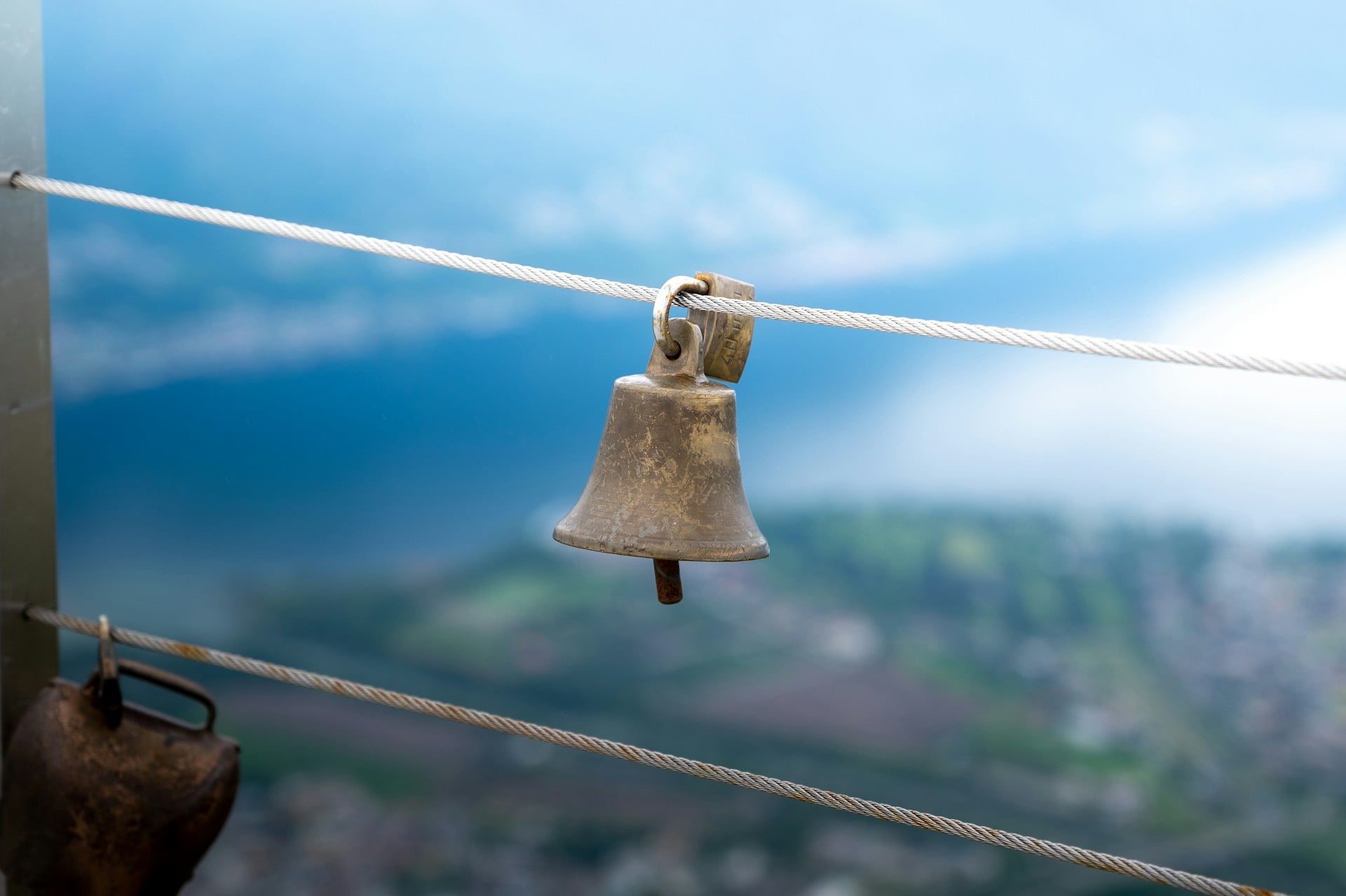
Cultures around the world ring bells at midnight on New Year’s Eve not just for celebration but as spiritual cleansing rituals. Buddhist temples in Japan ring their bells 108 times on New Year’s Eve, with each ring representing one of the 108 earthly desires that cause human suffering.
The practice is meant to purify people of these attachments and let them start the year with a clean spiritual state. Other cultures ring bells to scare away evil spirits that might try to enter the new year, treating the moment of transition as particularly vulnerable and requiring protection.
Shielding seafarers from ocean ghosts
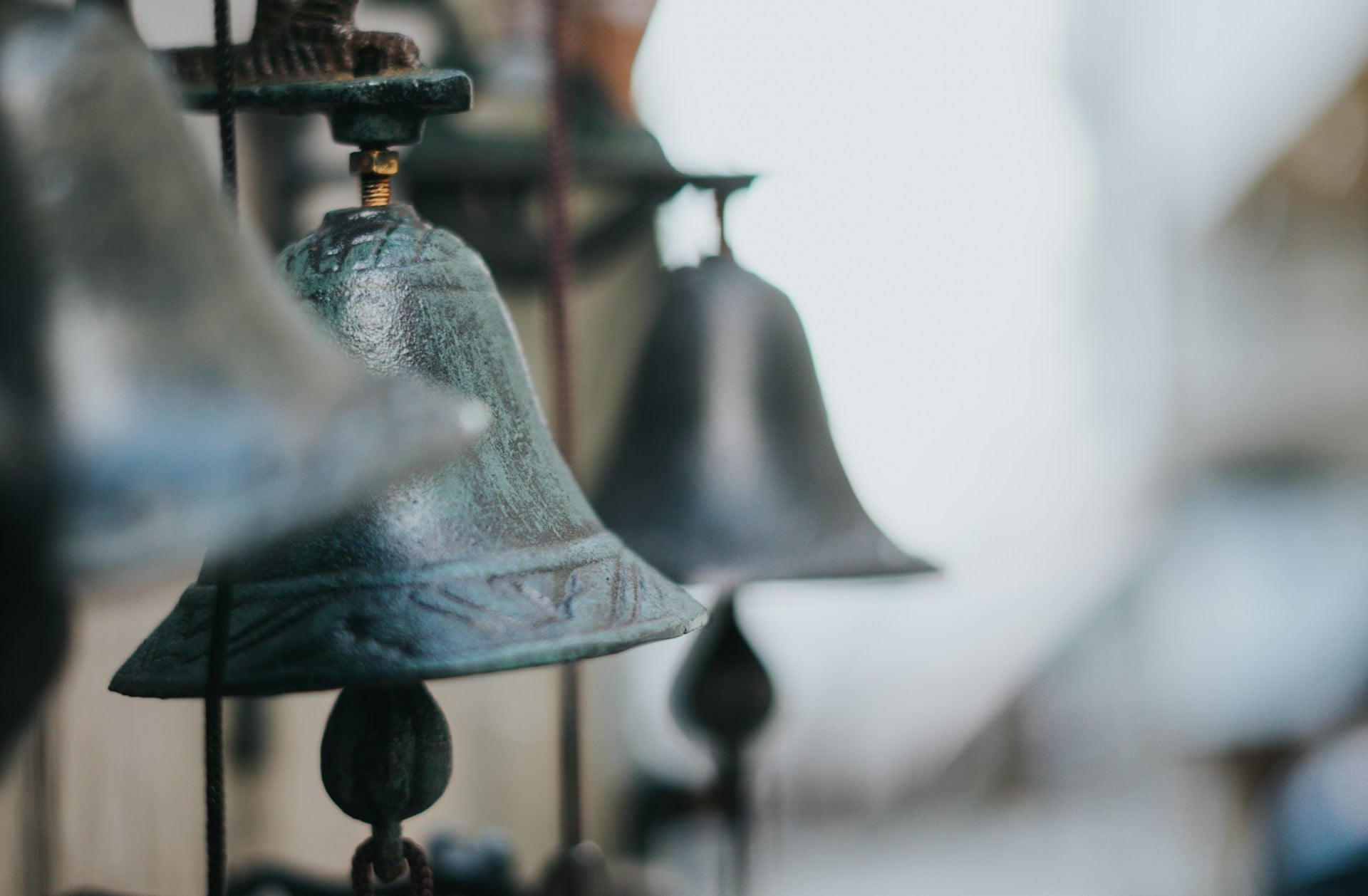
Maritime folks once thought bells kept evil forces off boats during rough seas. The bell on board wasn’t just metal – it had life, almost like a quiet watcher for everyone aboard.
Crews respected it deeply; ringing it right meant bad ocean ghosts stayed clear. If a ship went down, finding the bell mattered most – people said it carried the boat’s history and soul.
After being found, lots of these bells ended up in chapels or monuments, still guarding stories of those who never came home.
Enhancing healing ceremonies
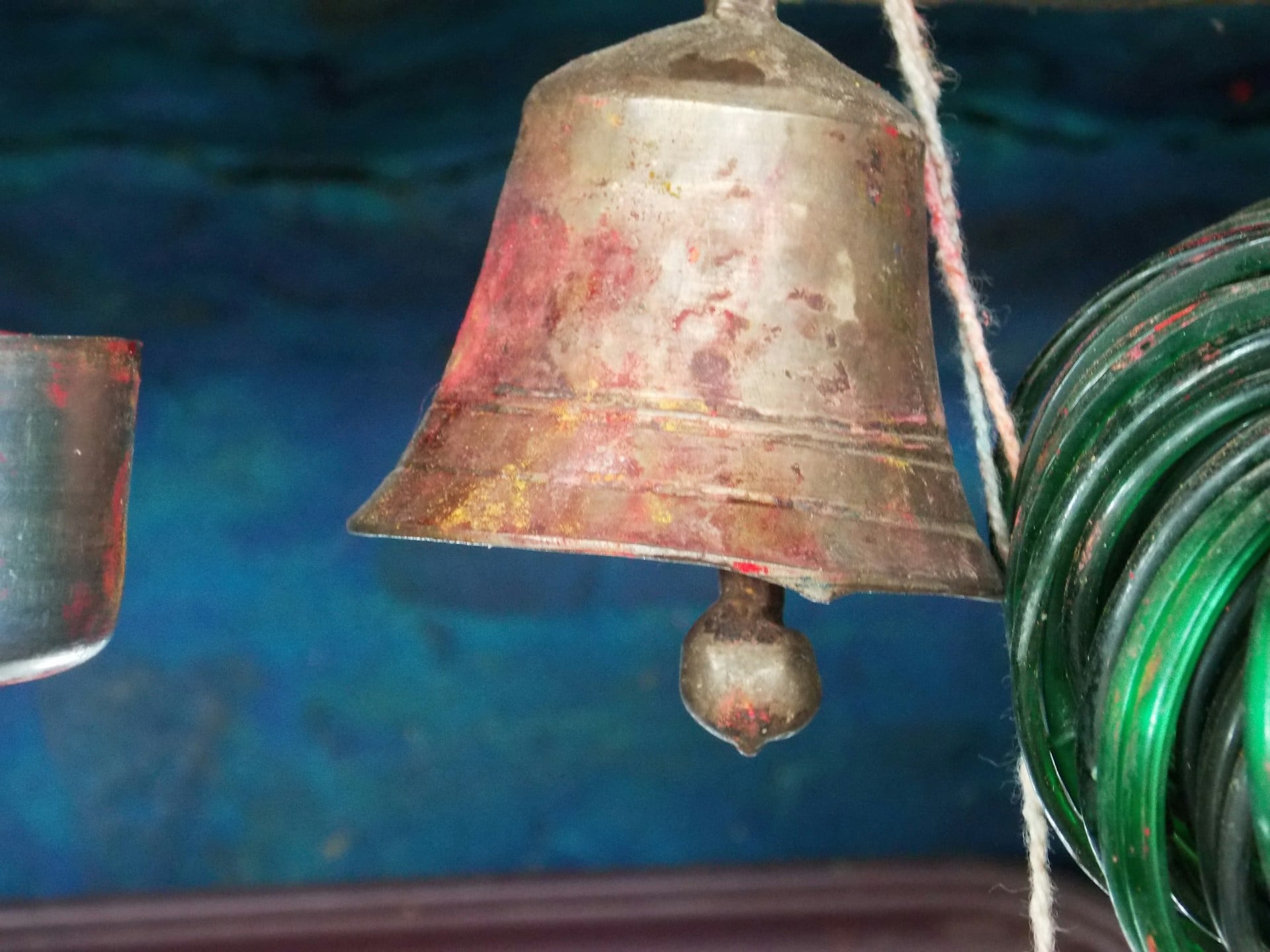
Sound healers often use bells during sessions because they think vibrations might influence cells inside the body. They ring them close to people while thinking about wellness, feeling like the waves touch invisible energies around us.
One tone may target one issue – some pick certain chimes said to match up with organs or inner energy spots. Though doctors don’t teach this method, it’s been done for ages in places where sickness is seen as more than just physical.
Noting big moments on vessels
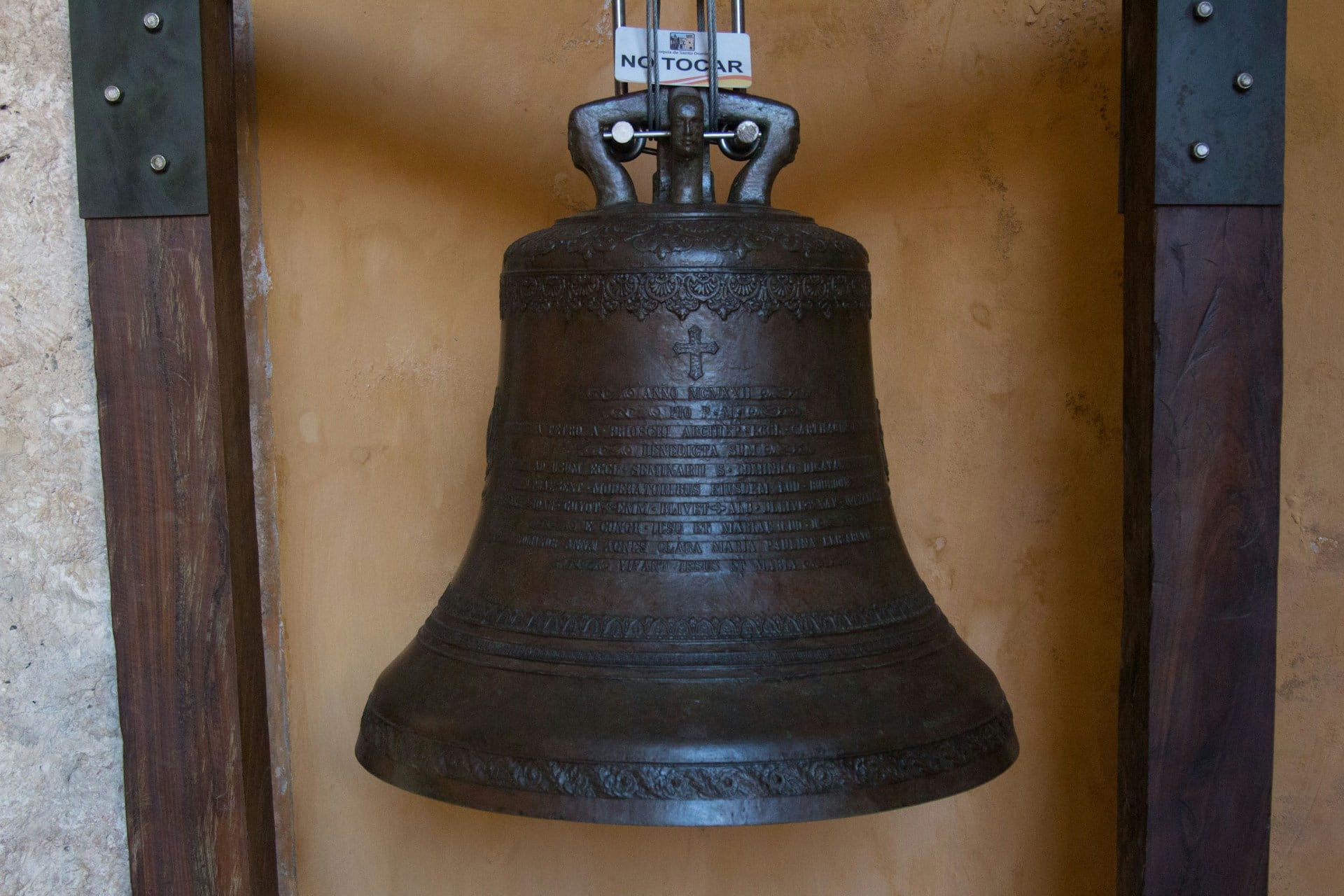
Besides baptisms, ships rang their bells to signal almost any big moment onboard. When couples married, unique chime sequences spread the news.
A crew member moving up in rank? That called for loud, joyful tolling. Those lost at sea got a final tribute – eight rings, meaning the shift had ended.
Over time, each ding helped log real human moments, like new babies or unions. Names and dates carved into metal turned these instruments into more than tools – they held memories, grief, joy.
What started as a way to track hours slowly grew into something deeper, echoing what people went through together.
Focusing energy in feng shui

Chinese feng shui experts hang bells where they’re thought to balance unseen energies in a space. These spots come from detailed math tied to how energy moves inside structures.
Bells get sounded now and then to stir good chi and shift bad vibes away. Depending on direction, metal chimes might boost money luck, help well-being, or deepen personal bonds – rooted in old earth-energy rules.
To them, bells aren’t just pretty things; they’re used like instruments shaping hidden influences linked to life outcomes. Where you put them matters – as much as how clear or pure the ring sounds – for real impact.
Why do bells keep echoing now?

These days, folks ring bells in ceremonies – shows how we’ve long tied noise to unseen forces. Be it shielding from thunderstorms, leading ghostly souls, or highlighting holy seconds, they worked like bridges into the hidden realm.
Sure, physics now calls those chimes just waves shaking air; yet for ages, humans felt them deep down, almost magical. Loads of these customs stick around – even if nobody fully buys old myths anymore – because doing them brings order, purpose, maybe peace beyond routine stuff.
A sudden clang hits differently, makes you freeze mid-step, regardless whether you think it’s scaring spirits or summoning sky gods.
More from Go2Tutors!

- The Romanov Crown Jewels and Their Tragic Fate
- 13 Historical Mysteries That Science Still Can’t Solve
- Famous Hoaxes That Fooled the World for Years
- 15 Child Stars with Tragic Adult Lives
- 16 Famous Jewelry Pieces in History
Like Go2Tutors’s content? Follow us on MSN