Bizarre Tales of Amnesia and Lost Dentity
The human brain stores everything from your first memory to what you had for breakfast this morning, weaving together a continuous thread of who you are. When that thread snaps, the results can range from mildly inconvenient to absolutely life-shattering.
Some people forget decades of their lives in an instant, while others wake up unable to form a single new memory. A few even lose their entire identity, becoming strangers to themselves and everyone who knows them.
Here is a list of bizarre cases where amnesia turned people’s lives upside down in ways that seem almost too strange to believe.
Henry Molaison
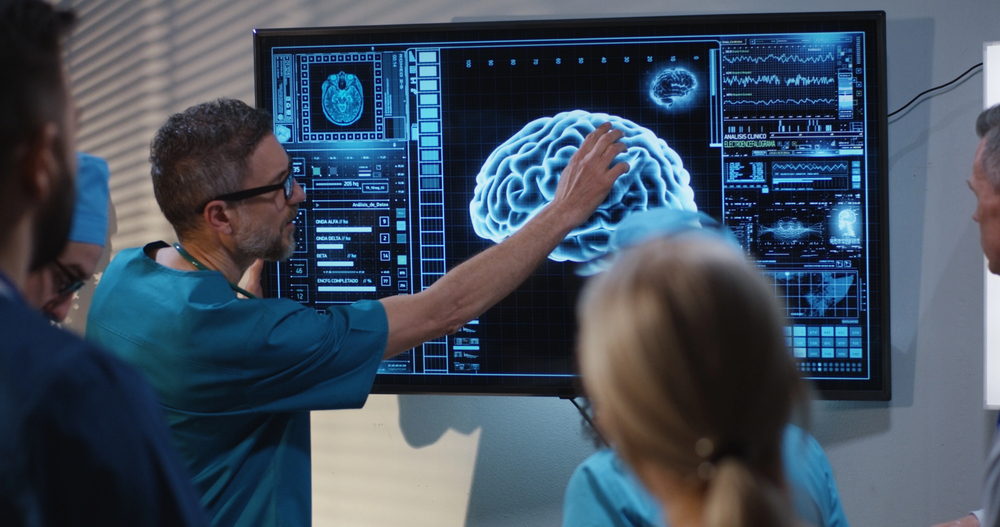
Back in 1953, a 27-year-old man named Henry Molaison underwent experimental brain surgery to control his severe epilepsy. The procedure worked for the seizures but came with a catastrophic side effect.
Henry, known in medical literature as ‘Patient H.M.,’ spent the next 55 years forgetting events nearly as fast as they occurred, unable to move memories from short-term to long-term storage. He became one of the most studied patients in neuroscience history, contributing invaluable insights about how memory works even though he couldn’t remember the researchers who visited him day after day.
Clive Wearing
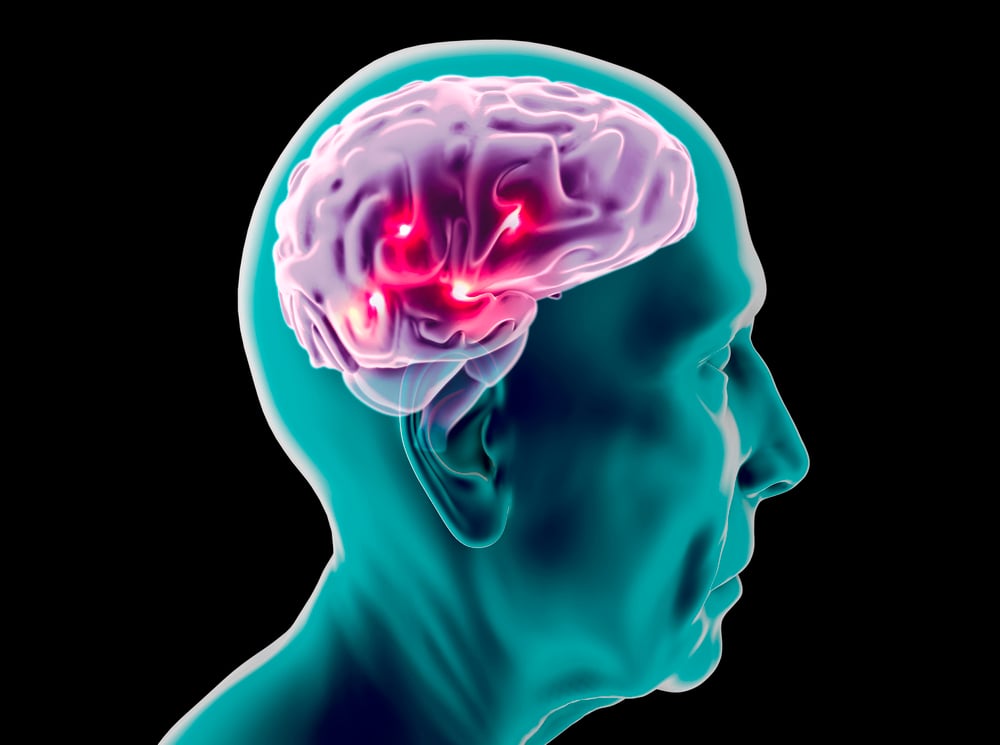
A brilliant British musicologist contracted a brain infection in 1985 that left him with what might be the most severe case of amnesia ever documented. Clive Wearing’s memory essentially resets every seven to 30 seconds, trapping him in a perpetual present where he constantly feels like he’s just woken up for the first time.
The strangest part is that despite remembering almost nothing about his past or present, he can still play piano beautifully and conduct music, showing how different types of memory live in different parts of the brain.
Ansel Bourne
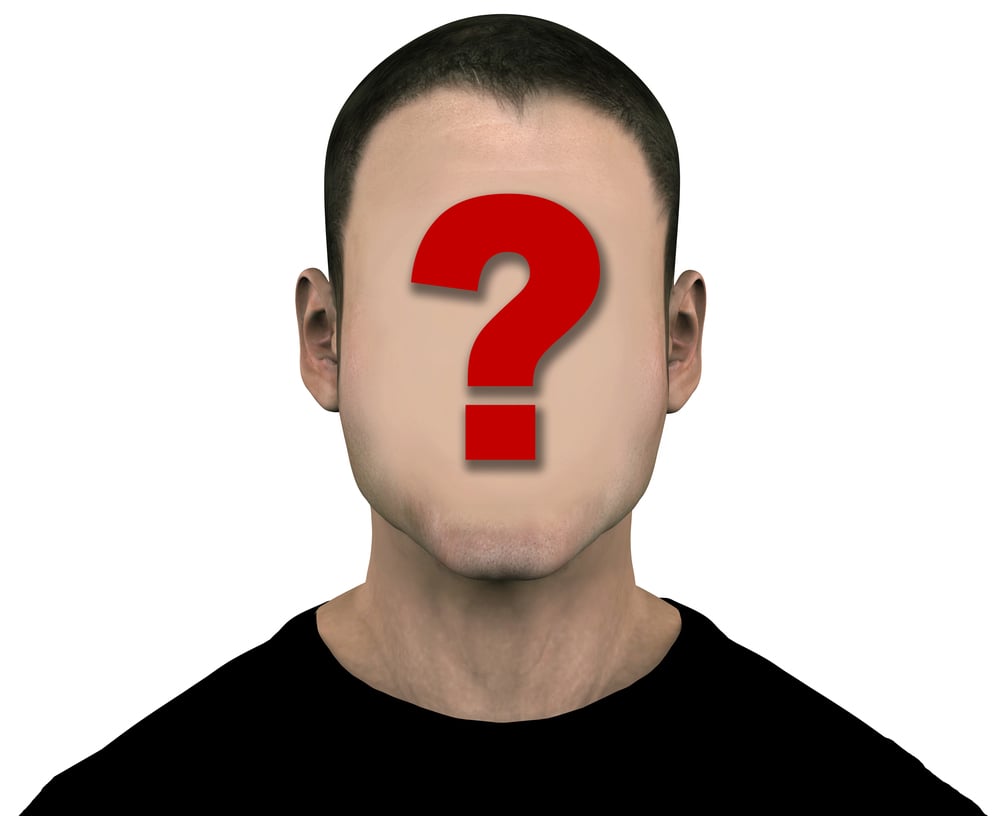
This Rhode Island preacher gave his name to the Jason Bourne character, and for good reason. In January 1887, Bourne left his home and vanished for two months, only to wake up in Norristown, Pennsylvania, with no idea how he got there.
During his missing time, he’d been living as ‘A.J. Brown,’ running a small shop and attending church regularly, leading a completely normal but entirely different life. When he snapped out of it on March 15, he had zero memory of those two months and was shocked to discover what his alternate self had been up to.
Agatha Christie
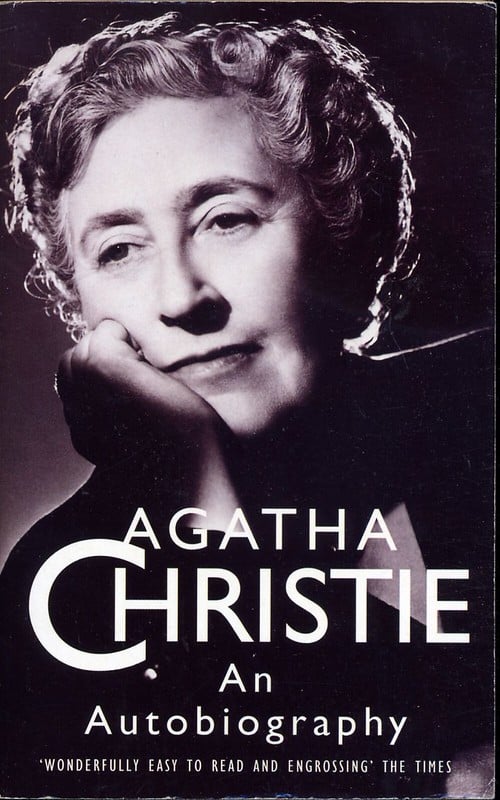
The world’s best-selling mystery novelist became the center of her own baffling mystery in December 1926. Christie kissed her daughter goodnight, left her home in England, and disappeared for 11 days, sparking a massive manhunt involving over 1,000 police officers and countless volunteers.
She was eventually found at a hotel registered under the name of her husband’s mistress, with no apparent memory of the missing time. Whether it was a genuine fugue state triggered by her mother’s death and impending divorce, or an elaborate publicity stunt, remains one of literature’s great unsolved puzzles.
Benjamin Kyle

A man found unconscious behind a Georgia Burger King in 2004 woke up with absolutely no clue who he was. He had no identification, no memory of his name, and didn’t even recognize his own face in the mirror.
Taking the name Benjamin Kyle from the restaurant’s initials, he spent years trying to uncover his identity through DNA testing and media appeals. The truly bizarre twist came in 2015 when a genealogist announced she was close to finding a DNA match, and Kyle abruptly cut off all contact with her, suggesting maybe he preferred the mystery to the truth.
Michael Boatwright
When an unconscious man was found in a California motel in 2013, his wallet contained plenty of ID identifying him as Michael Boatwright, a Navy veteran from Florida. The problem was that when he woke up, he had no memory of being Michael Boatwright and could only speak Swedish, insisting his name was ‘Johan Ek.’
Despite having lived in America his entire life, every trace of English seemed to have vanished from his mind. He eventually moved to Sweden to start over, embracing his mysterious new identity until his death in 2014.
Anthelme Mangin

This French soldier returned from World War I in 1918 as one of 65 shell-shocked men, but unlike the others, he had no paperwork and no memory of who he was. When his photo appeared in newspapers, over 300 desperate families claimed him as their missing loved one.
He met with each family hoping for recognition, but nothing sparked his memory. In 1930, he was finally identified as Octave Monjoin through persistent investigation, but by then his father and brother had died, and he never recovered the memories of his life before the war.
Patient W.O.

A routine dental appointment in 2005 became a nightmare for a 38-year-old British man who went in for a simple root canal procedure. After the anesthetic injection, something went catastrophically wrong in his brain.
Since that day, he wakes up every single morning convinced it’s March 14, 2005, and he’s about to get his root canal. His memories last about 90 minutes before wiping clean, and after nearly two decades of extensive testing, neuroscientists still can’t figure out what caused this permanent time loop or find anything physically wrong with his brain.
Doug Bruce

On a New York subway in 2003, a well-dressed man with a knapsack had absolutely no idea who he was or where he was going. A phone number in his bag led to his identification as Doug Bruce, a wealthy British banker turned photography student living in a fancy Manhattan loft.
Even after being taken home, he didn’t recognize his expensive apartment or remember any details about his former life. His case became the subject of a documentary called ‘Unknown White Male,’ though skeptics have questioned whether the whole thing might be an elaborate hoax, since doctors couldn’t identify any trauma that would explain such complete memory loss.
Scott Bolzan
A bathroom break at work turned into a life-altering disaster for this former NFL player. Bolzan slipped on the floor of his office restroom and hit his head, erasing virtually every memory he’d accumulated over 46 years.
He had to re-meet his wife and children, couldn’t recognize himself in photos, and had to rebuild his entire sense of identity from scratch. His wife spent months showing him boxes of family photos arranged in chronological order, hoping something would trigger recognition, but the memories of his entire life before that bathroom fall have never returned.
Kent Cochrane
After a motorcycle accident in 1981, this 30-year-old Canadian lost both his hippocampi, the brain regions crucial for forming memories. Cochrane, known as ‘K.C.’ in medical literature, lost most of his past memories and could barely form new ones.
The fascinating discovery came when researchers realized he could still recall certain facts from his past, but only as isolated pieces of information rather than actual experiences he remembered living through. It’s like knowing you went to your high school graduation because someone told you, versus actually remembering the feeling of walking across that stage.
Naomi Jacobs
This British woman went to sleep in 2008 as a 32-year-old single mother and woke up convinced she was still 15 years old. She didn’t recognize her 10-year-old son, had no memory of giving birth to him, and was shocked to discover she was living in a house she didn’t remember buying.
Her last clear memory was falling asleep in the bunk bed she shared with her sister as a teenager. Doctors attributed this 17-year gap to stress-induced amnesia, though what could cause such a precise and complete erasure of nearly two decades remains medically puzzling.
Michelle Philpots

A car accident in 1985 and another in 1990 left this British woman with severe epilepsy and a devastating form of memory loss. Starting in 1993, her memory began deteriorating until she reached a breaking point at work where she spent an entire day photocopying the same single document over and over.
Now she wakes up every morning thinking it’s 1994, unable to remember anything that’s happened in the decades since. Her husband leaves notes around the house to remind her they’re married, and she watches their wedding video regularly to convince herself it really happened.
Patient R.B.
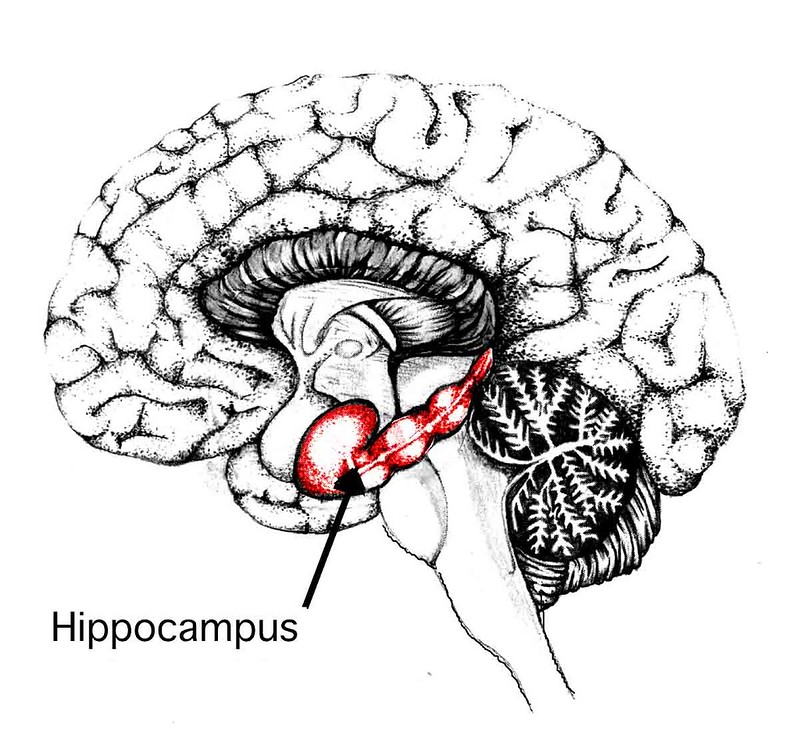
This case gave scientists their first solid evidence that damage to specific parts of the hippocampus could cause memory loss. After suffering a stroke in 1986, Patient R.B. couldn’t form new memories and lost everything from roughly two years before his illness.
His case was groundbreaking because when researchers examined his brain after his death, they found precise, limited damage that helped map exactly which brain structures control which types of memory. Sometimes the most valuable medical cases are the ones that finally answer questions researchers have been asking for decades.
Patient E.P.

Viral encephalitis attacked the brain of a 70-year-old man in 1992, leaving him unable to learn anything new or understand certain words. Known as ‘E.P.’ in medical circles, he studied for 14 years until his death in 2008.
The autopsy revealed that his medial temporal lobe was severely damaged and his hippocampus was completely destroyed, explaining why new information simply couldn’t stick in his brain. His case helped researchers understand that different parts of the brain’s memory systems can fail independently, like hard drives on a computer failing one at a time.
The Massachusetts Mystery

Between 2012 and 2016, 14 people ranging from age 19 to 52 suddenly developed amnesia with no obvious cause, and all of them had one thing in common. Every single patient either tested positive for drugs or had a history of substance use, with 12 having used certain prescription medications.
Brain scans showed dramatically reduced blood flow to their hippocampus, but doctors couldn’t definitively prove what triggered the memory loss. The cluster of cases suggested a link between substance use and sudden-onset amnesia, though researchers are still monitoring similar cases to understand if there’s a direct cause-and-effect relationship.
When Memory Becomes Mystery

These cases show that memory isn’t the reliable recording device we often assume it to be. It’s more like a delicate biological system that can malfunction in ways both predictable and completely bizarre.
Some victims eventually recovered, others learned to live in an eternal present, and a few chose to embrace their blank slate rather than search for answers. The brain keeps most of its secrets, even from the people living inside them.
More from Go2Tutors!

- The Romanov Crown Jewels and Their Tragic Fate
- 13 Historical Mysteries That Science Still Can’t Solve
- Famous Hoaxes That Fooled the World for Years
- 15 Child Stars with Tragic Adult Lives
- 16 Famous Jewelry Pieces in History
Like Go2Tutors’s content? Follow us on MSN.