Detention To Digital Discipline: 18 Student Rules Then And Now
Back then, discipline meant silence and stiff uniforms. Now it’s about login times and filtered websites.
One era punished slouched posture; the next tracks browser history. Expectations shift, yet control remains the quiet backbone of classrooms.
Students once feared chalkboard punishments – today they navigate digital check-ins. Some rules fade quietly; others reappear disguised as updates.
The reasons change less than people think. What felt rigid fifty years ago feels routine now.
Authority adapts without announcing it. Quiet obedience still counts more than questions.
Even when tools evolve, the message stays familiar. Walk back into classrooms shaped by rules that once ruled every hallway.
A few might feel familiar, while others could leave young learners thankful for now instead of then.
Dress Code Enforcement
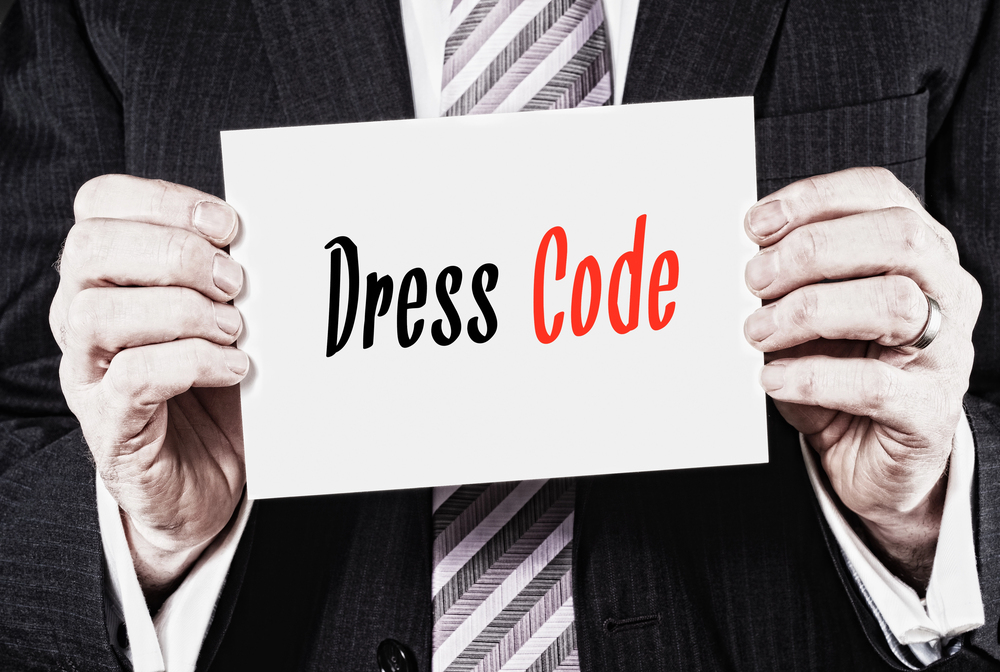
Folks once policed skirts as if borders depended on it. Rulers came out to measure hems, while bare legs sparked swift summons to the headteacher’s room.
These days, uniforms linger in hallways everywhere – yet talk has broadened, touching fairness across genders and respect for braids, hijabs, saris. Control has softened into care, sort of, though folks still argue when nobody’s looking.
Classroom Talking

Back then, speaking up without asking first felt like breaking a serious rule. One wrong word, maybe just a quiet laugh, meant sitting through lunch alone after class.
Watchful teachers caught nearly every slip-up before it spread far across the room. These days, students often trade ideas in small circles instead of staying silent at desks.
Sharing thoughts out loud now counts as working, not acting out. Noise once spelled trouble.
Now it sometimes means minds are moving.
Gum Chewing

Nothing made teachers react faster than chewing sounds breaking silence. Pupils got good at slipping gum beneath tabletops, leaving sticky traces behind.
Now, certain classrooms keep the rule against it, though punishments softened over time. Tossing used pieces out is often met with just a hushed nudge instead of public retrieval scenes long gone.
Bathroom Breaks
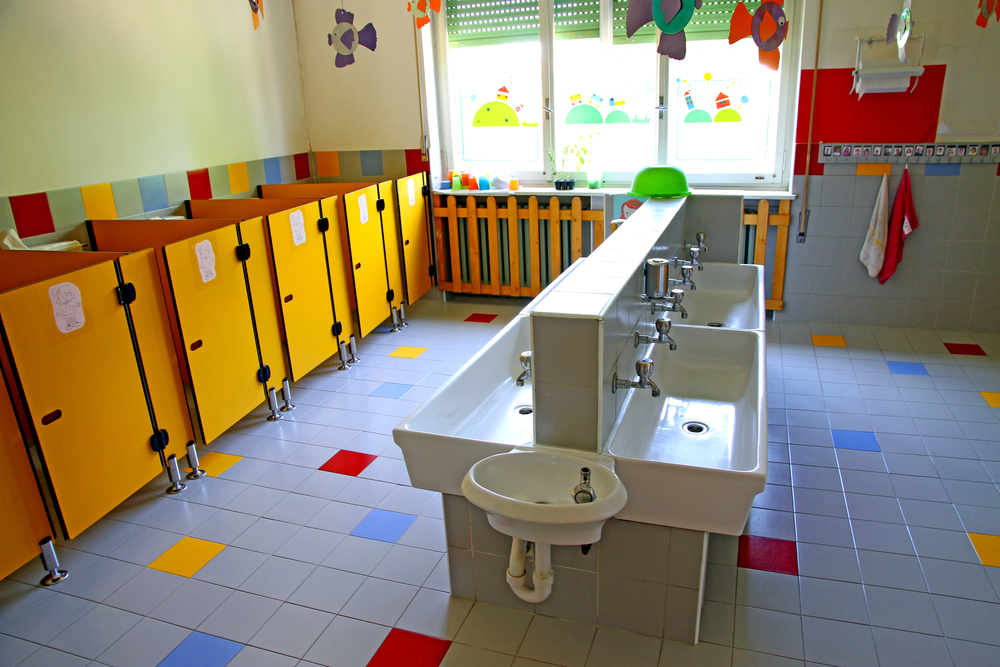
Back in the day, letting kids go to the bathroom felt like unlocking a vault. A hand raised high, eyes fixed on the clock, then maybe – just maybe – a nod from the teacher.
Some had to plead their case before being allowed down the hall. Now, plenty of classrooms let pupils leave when needed, no drama, no checklist.
Tiny change? Sure. But ask any fidgeting kid who waited thirty minutes just to pee.
That freedom meant more than anyone realized.
Phone Policies

Back then, classrooms didn’t have phones lurking around – teaching felt lighter. Today, almost every school policy tangles with the phone question.
A few places lock them down tight using sealed pouches till dismissal. Meanwhile, some let students peek at screens between classes, chasing a mix of online habits and real lessons.
Note-Passing
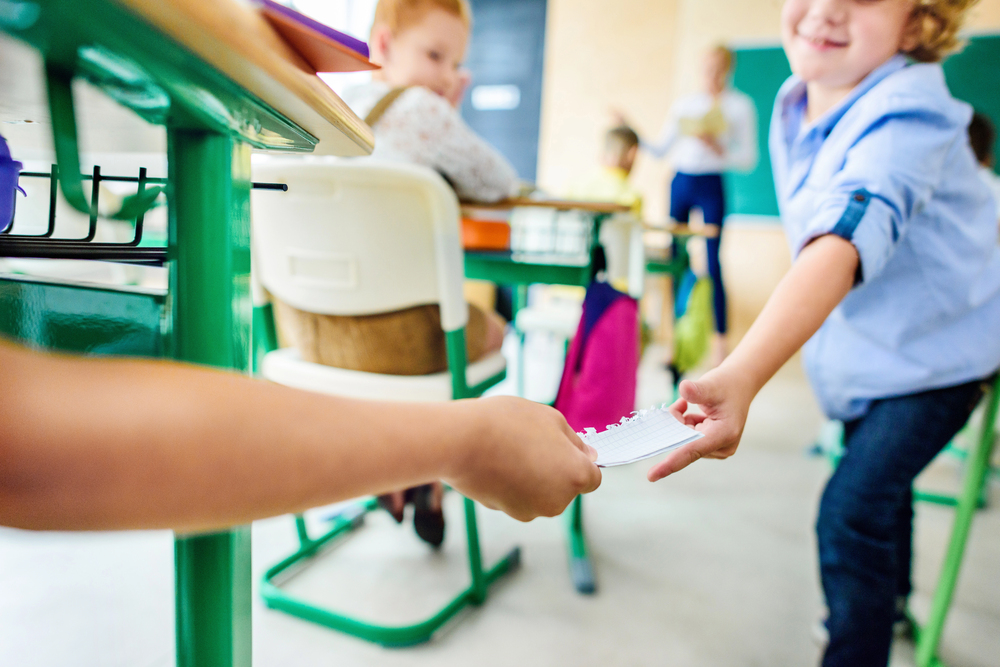
Notes slipped under desks needed quick hands, clear letters, someone you could trust nearby. If caught, the words echoed in front of class – worst moment possible.
Now fingers tap screens instead, sending lines through digital paths built into learning tools. Adults might never know what passes between seats.
Method shifts with time, yet passing thoughts when attention should be elsewhere stays exactly where it started.
Tardiness Consequences

Halfway through biology, showing up late once meant everyone knew. Eyes shifted toward the door, time seemed heavier.
That pause while attendance got noted could stretch forever. Punishment followed like clockwork.
Today, logging in happens on screens, silent and quick. Notifications zip through airwaves before the bell resets.
Shame hides behind walls now, yet proof sticks around longer than ever.
Library Behavior

Nowadays, school libraries go by names like learning commons, built for teamwork instead of quiet. Hushed tension used to rule every corner, thick enough to taste.
A single loud noise back then would freeze everything – eyes darting, pages snapping shut. Silence wasn’t requested – it was demanded, almost worshipped.
That old strictness has melted into open areas where talking flows without guilt. What felt untouchable now welcomes mess, movement, sound.
Respect For Teachers

In earlier decades, questioning a teacher was not considered a healthy sign of curiosity. It was seen as defiance, plain and simple.
Students stood when the headteacher entered, and the teacher’s word was final. Today, schools encourage students to ask questions, challenge ideas respectfully, and even give feedback on their learning experience.
Authority is still present, but it looks a lot less like fear and a lot more like mutual respect.
Homework Rules

Old-school homework policies were firm. Miss it and face the consequences, no discussion needed.
Students scribbled assignments by lamplight and turned in handwritten pages that sometimes got lost between the backpack and the classroom. Now, homework is submitted through online platforms, tracked with timestamps, and sometimes returned with digital comments before the school day even starts.
The process changed completely, even if the stress around it stayed exactly the same.
Eating In Class

Eating in the classroom was simply not allowed. Food belonged in the cafeteria, and bringing a snack to a lesson was treated like smuggling contraband across a border.
Some modern schools have relaxed this rule, especially for younger students who need snack breaks to stay focused. A growing understanding of how hunger affects concentration has made teachers a little more open to a quiet granola bar during a long lesson.
Physical Punishment

Corporal punishment was once a standard tool in many schools across the world, including several U.S. states where paddling was fully legal and routine. Students feared the principal’s office not just for the scolding but for what might come after.
Most countries and many U.S. states have now banned physical discipline in schools entirely. The shift toward restorative practices, counseling, and conversations represents one of the most significant changes in school culture over the past century.
Cheating Consequences

Catching a student cheating used to mean a zero on the assignment and a very uncomfortable meeting with parents. The methods were low-tech: a wandering eye, a note on the palm, or answers written inside an eraser.
Today, cheating has gone high-tech with AI writing tools and shared online documents, and schools have had to upgrade their detection methods just to keep up. The consequences are still serious, but now they come with digital evidence trails.
Use Of Technology

Technology in old classrooms meant a projector that took ten minutes to warm up and sometimes an educational film on a wheeled television. Students had no devices and no distractions beyond the window.
Today, students use tablets, laptops, and online research tools as core parts of their education. Managing screen time responsibly has become one of the most important and least simple rules schools now have to enforce.
Social Media Conduct

Social media did not exist as a concern for earlier generations of school administrators. Students left school and that was more or less the end of the school’s involvement in their lives until the next morning.
Now, schools have policies that extend into students’ personal accounts, especially when posts affect the school community. Cyberbullying has pushed administrators into spaces they were never trained to handle, and the lines between school life and personal life keep getting harder to draw.
Student Mental Health Support

Mental health was not part of the school conversation for most of the twentieth century. Students were expected to show up, perform, and keep personal struggles private.
Today, many schools have dedicated counselors, wellness rooms, and mental health days built into the academic calendar. The acknowledgment that students are full human beings with emotional needs, not just learners with test scores, is one of the most important shifts education has ever made.
Suspension And Expulsion Standards

Getting suspended used to be one of the most feared outcomes in a student’s school life. The rules around it were often applied unevenly, and many students who needed support ended up pushed out instead.
Modern approaches lean more toward restorative justice, where students sit in structured conversations to understand the impact of their actions. Schools are learning that removing students from education rarely fixes the problem and often creates bigger ones.
Inclusion And Special Needs Accommodation

In earlier decades, students with learning differences or physical needs were often placed in separate classes, sometimes with less qualified teachers and fewer resources. Inclusion was not a value the system was built around.
Today, most schools are legally required to accommodate students with disabilities through individualized education plans, assistive technology, and classroom adjustments. The move toward inclusion changed not just policy but the entire culture of who belongs in a classroom.
Rules That Grew With The Students

School rules were never really about control for the sake of it. They reflected what society believed students needed and who schools thought they were serving.
The classroom went from a place of strict silence and physical consequences to one that tries, imperfectly but genuinely, to meet students where they are. The rules changed because the understanding of children changed.
And while no system is perfect, the direction from detention to digital discipline is moving toward something more human.
More from Go2Tutors!

- The Romanov Crown Jewels and Their Tragic Fate
- 13 Historical Mysteries That Science Still Can’t Solve
- Famous Hoaxes That Fooled the World for Years
- 15 Child Stars with Tragic Adult Lives
- 16 Famous Jewelry Pieces in History
Like Go2Tutors’s content? Follow us on MSN.