Spiciest Chili Peppers Officially Ranked by Experts
The moment your tongue touches a seriously hot pepper, your entire body knows something consequential just happened. That familiar burn starts as a gentle warmth, then builds into something that demands respect — and sometimes immediate relief.
For most people, a jalapeño represents the outer edge of tolerable heat, but for pepper enthusiasts and masochistic food lovers, that’s barely the beginning.The world of superhot peppers exists in a realm where heat is measured in Scoville Heat Units (SHUs), a scale that transforms pain into precise numbers.
These aren’t just ingredients anymore — they’re weapons of culinary destruction that have been carefully cultivated, tested, and ranked by experts who apparently have no regard for their own comfort. The peppers on this list represent the absolute pinnacle of natural heat, each one capable of reducing grown adults to tears with just a tiny bite.
Carolina Reaper
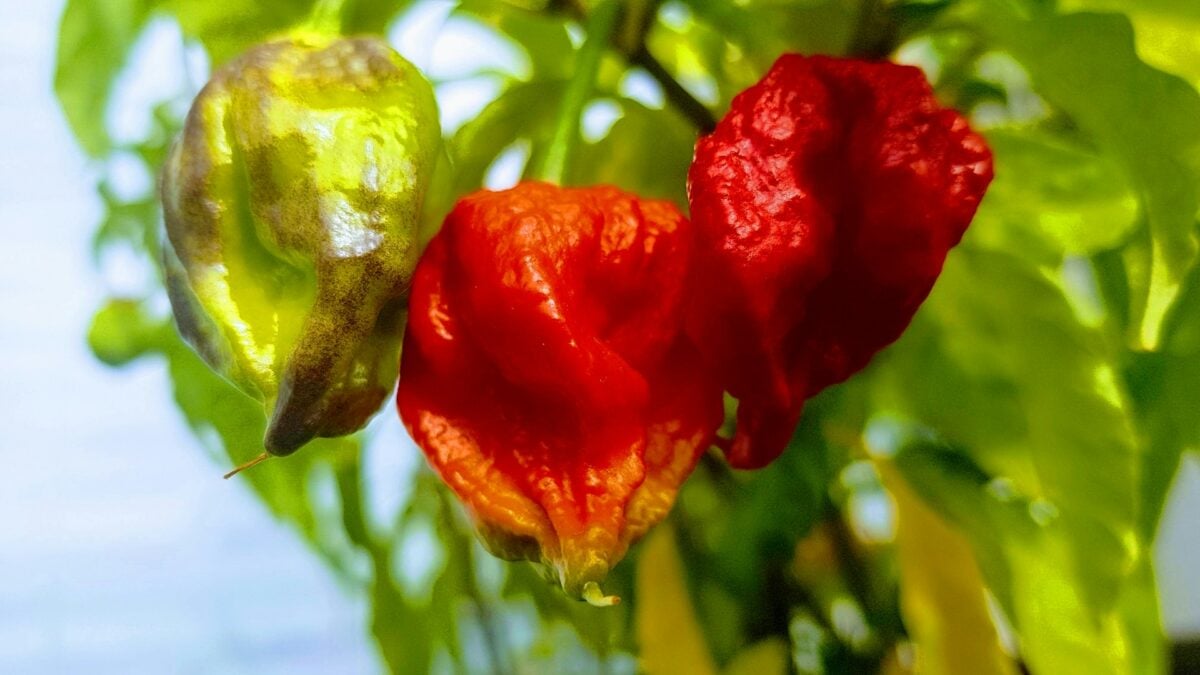
The Carolina Reaper holds the current Guinness World Record as the chilliest pepper on Earth. At an average of 2.2 million SHUs, it’s not messing around.
Ed Currie developed this monster in South Carolina, crossing a Pakistani Naga with a Red Habanero. The result looks like something that should come with a warning label — wrinkled, gnarly, and sporting a distinctive scorpion-like tail that seems to taunt anyone brave enough to consider taking a bite.
Pepper X
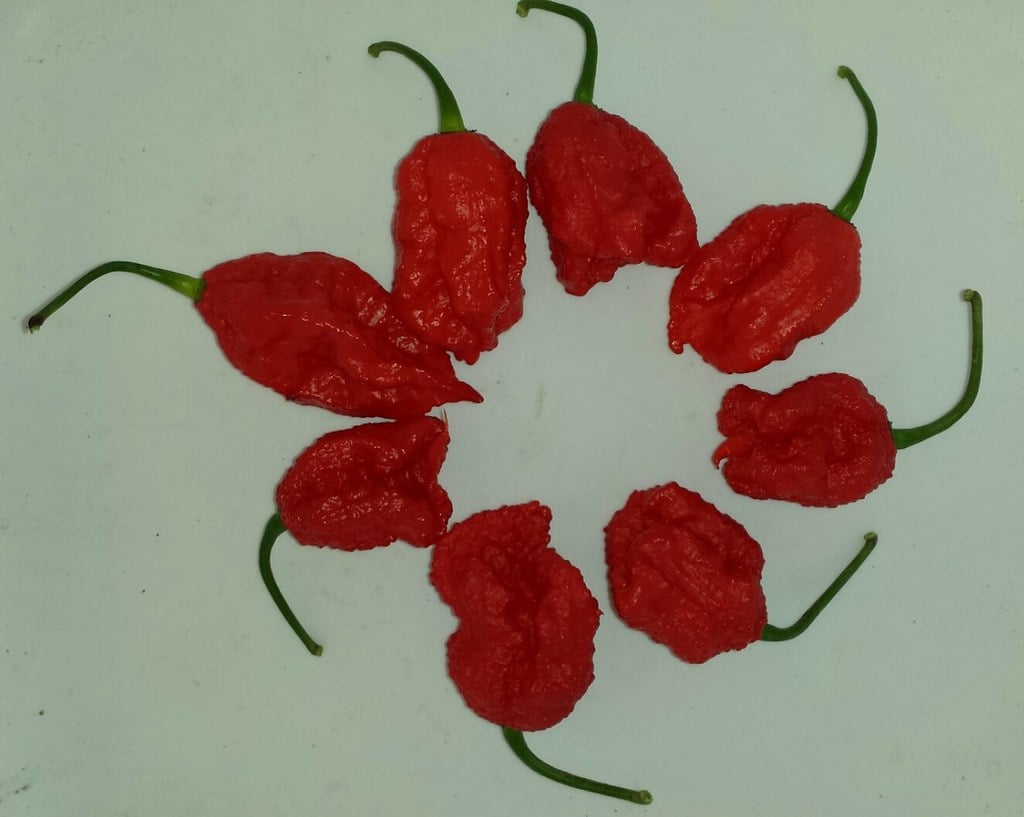
Pepper X remains shrouded in mystery, but (according to its creator, the same Ed Currie behind the Carolina Reaper) it measures over 3.18 million SHUs — which would make it significantly hotter than anything currently holding official records, though the Guinness people haven’t verified these claims yet, and Currie has been notably secretive about releasing seeds or detailed information. So while it might be the chilliest thing on the planet, it exists in this strange limbo where you can’t actually get your hands on one to test that theory yourself.
The whole situation has this weird air of culinary legend meets corporate secrecy — you hear whispers about its existence from pepper enthusiasts who speak about it the way people discuss Bigfoot sightings.
Dragon’s Breath
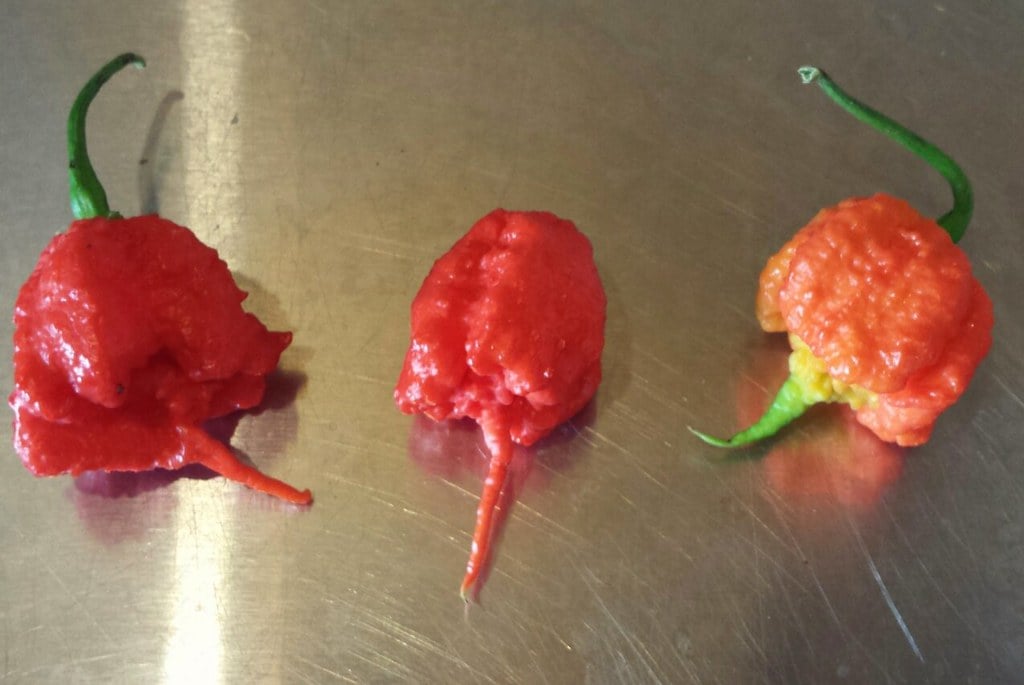
Dragon’s Breath was developed by a Welsh grower named Mike Smith, reportedly reaching 2.48 million SHUs. The pepper was actually created for medical purposes — its capsaicin content is so intense that researchers thought it might work as an anesthetic.
Smith never intended for people to actually eat the thing. That should tell you something about what happens when they do.
Apollo Pepper
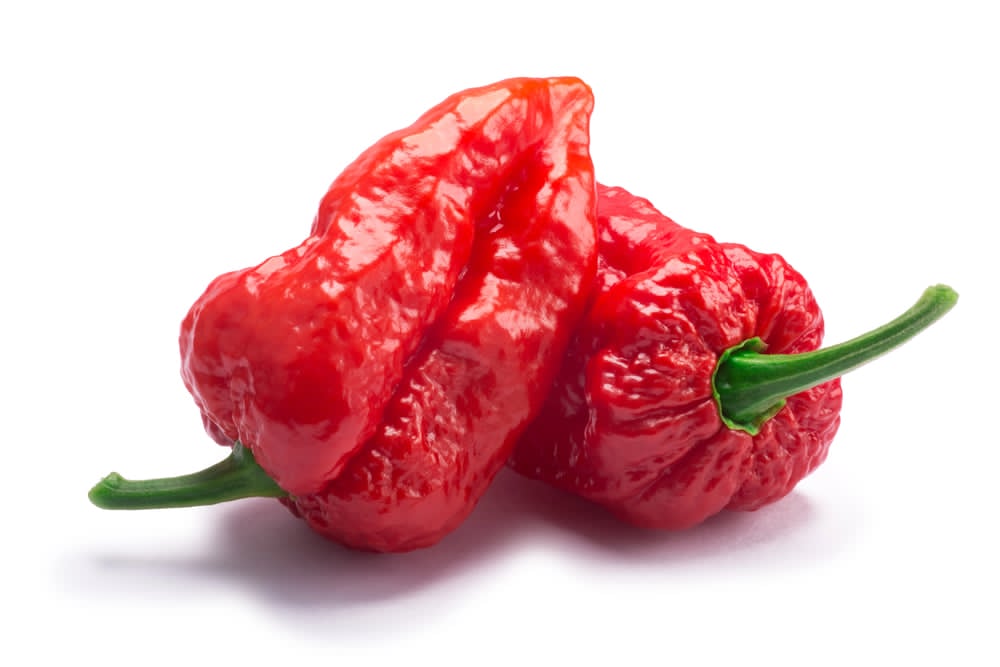
Like watching someone learn to juggle chainsaws, the Apollo pepper represents ambition meeting reality in the most uncomfortable way possible. Developed in the UK by Salvatore Genovese, this pepper doesn’t just deliver heat — it delivers a narrative arc of regret that unfolds over several minutes.
The initial bite seems almost manageable, a false confidence that lasts just long enough for you to think maybe the stories were exaggerated, before the real heat arrives like a delayed train that’s been gathering speed for miles. The Apollo sits at around 2.5 million SHUs, but numbers become abstract when you’re dealing with something that makes your sinuses feel like they’re hosting their own personal fireworks show.
Chocolate 7 Pot
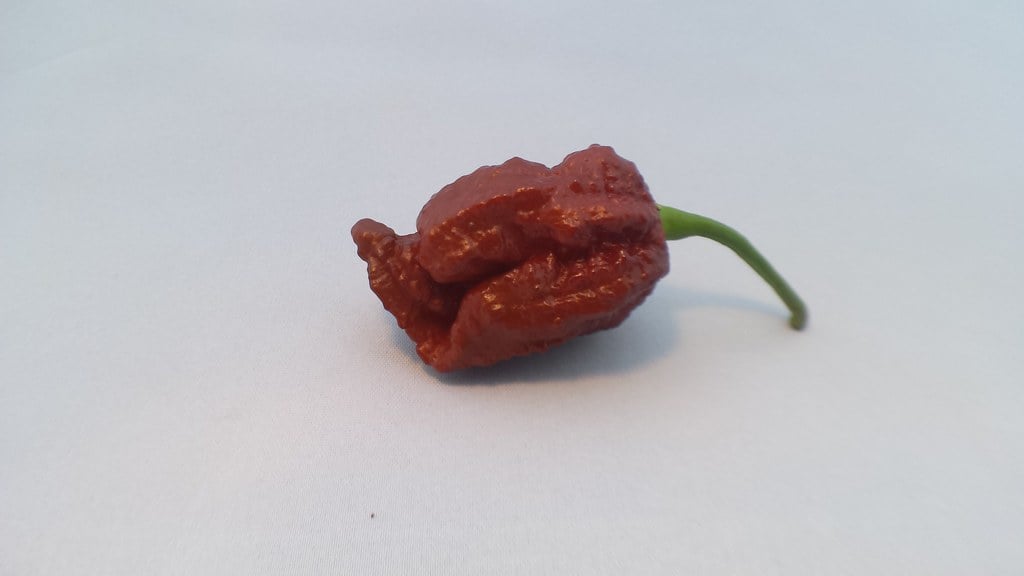
The Chocolate 7 Pot earns its name honestly — one pepper can supposedly spice seven pots of stew. At 1.2 million SHUs, it’s hot enough to demand serious respect.
The chocolate variety brings a smoky, almost fruity flavor before the heat kicks in. That brief moment of actual taste is both a gift and a trap — it makes you think this might be manageable right before your mouth catches fire.
Ghost Pepper (Bhut Jolokia)
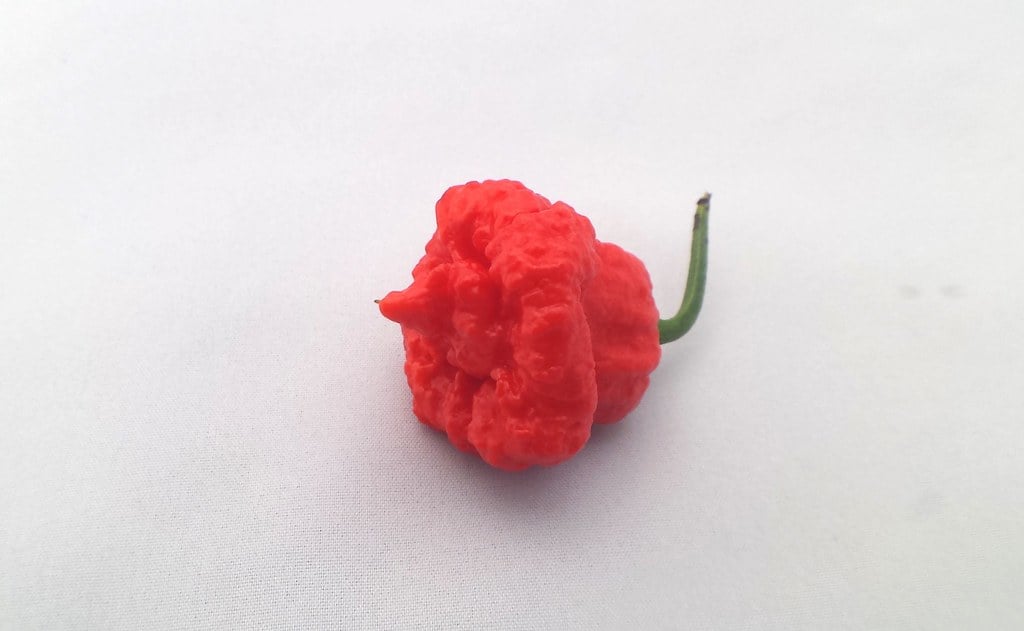
The ghost pepper was the first to officially break the million-SHU barrier, clocking in at around 1.04 million SHUs — and for a long time, that seemed like an impossible number that surely represented the outer limits of what peppers could achieve (which, in hindsight, was charmingly naive, considering what growers have managed to create since then). Originally from Northeast India, the bhut jolokia earned its reputation the hard way, building a legend that spread far beyond its geographic origins through word of mouth and YouTube videos of people making regrettable decisions.
And yet there’s something almost gentle about how the ghost pepper delivers its heat — not the immediate slap of a habanero, but a slow build that gives you just enough time to understand what’s coming before it fully arrives. The name itself carries weight; local folklore suggested the pepper was hot enough to scare away ghosts, which feels less like superstition and more like a practical warning system.
7 Pot Primo
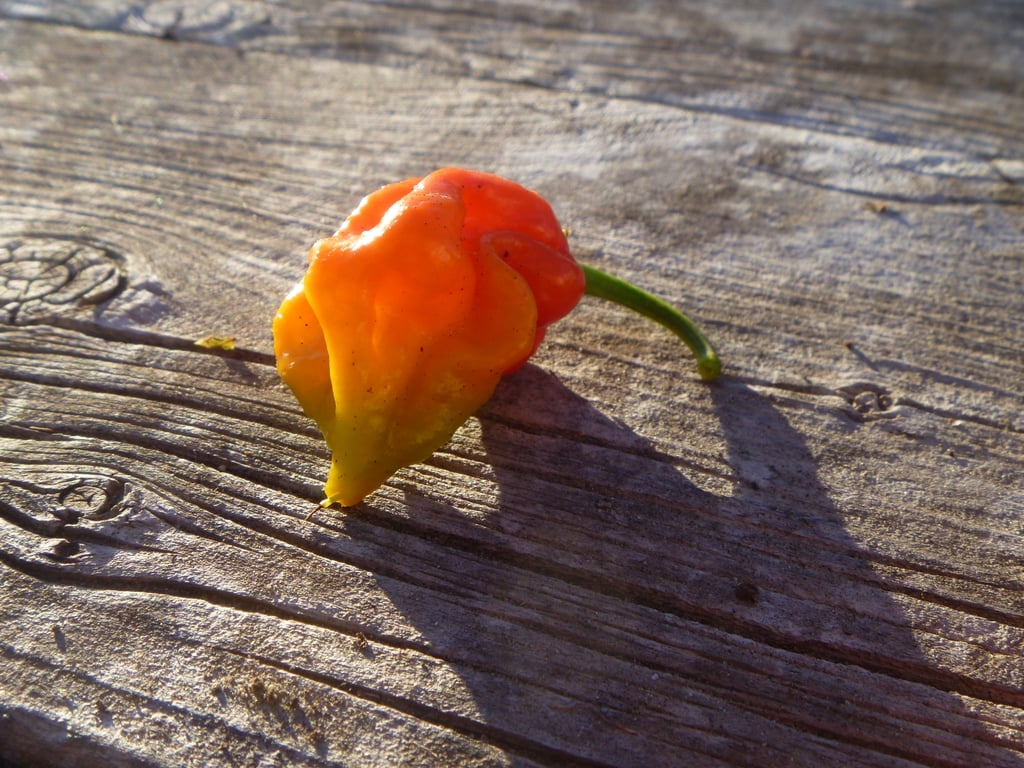
The 7 Pot Primo looks exactly like what it is — trouble with a distinctive tail. Created by Troy Primeaux in Louisiana, it averages around 1.2 million SHUs and carries that characteristic 7 Pot punch.
The tail isn’t just for show. It concentrates some of the chilliest oils, making it the part most experienced pepper heads avoid until they’re really ready to commit to the experience.
Trinidad Scorpion
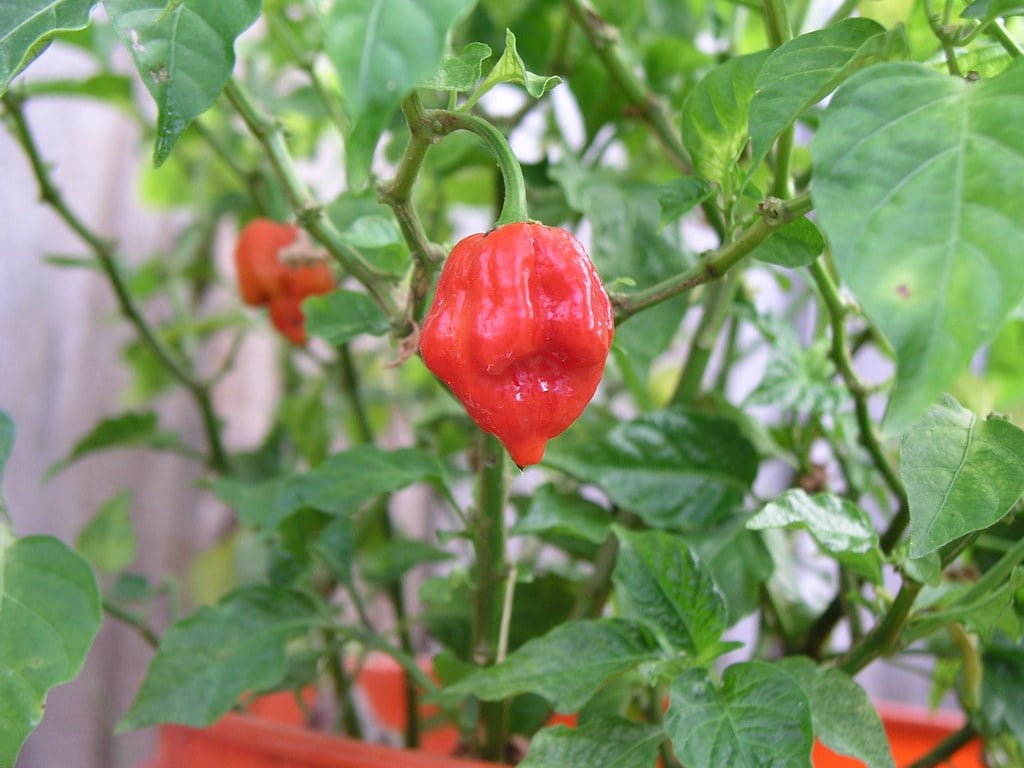
Trinidad Scorpion peppers come in several varieties, but they all share that unmistakable scorpion tail and a heat level that hovers around 1.2 million SHUs. The original strain from Trinidad packs enough punch to justify its fearsome name.
The heat hits differently than other superhots — less immediate burn, more creeping intensity that builds until your entire mouth feels like it’s been hijacked by something with a serious grudge.
Naga Viper
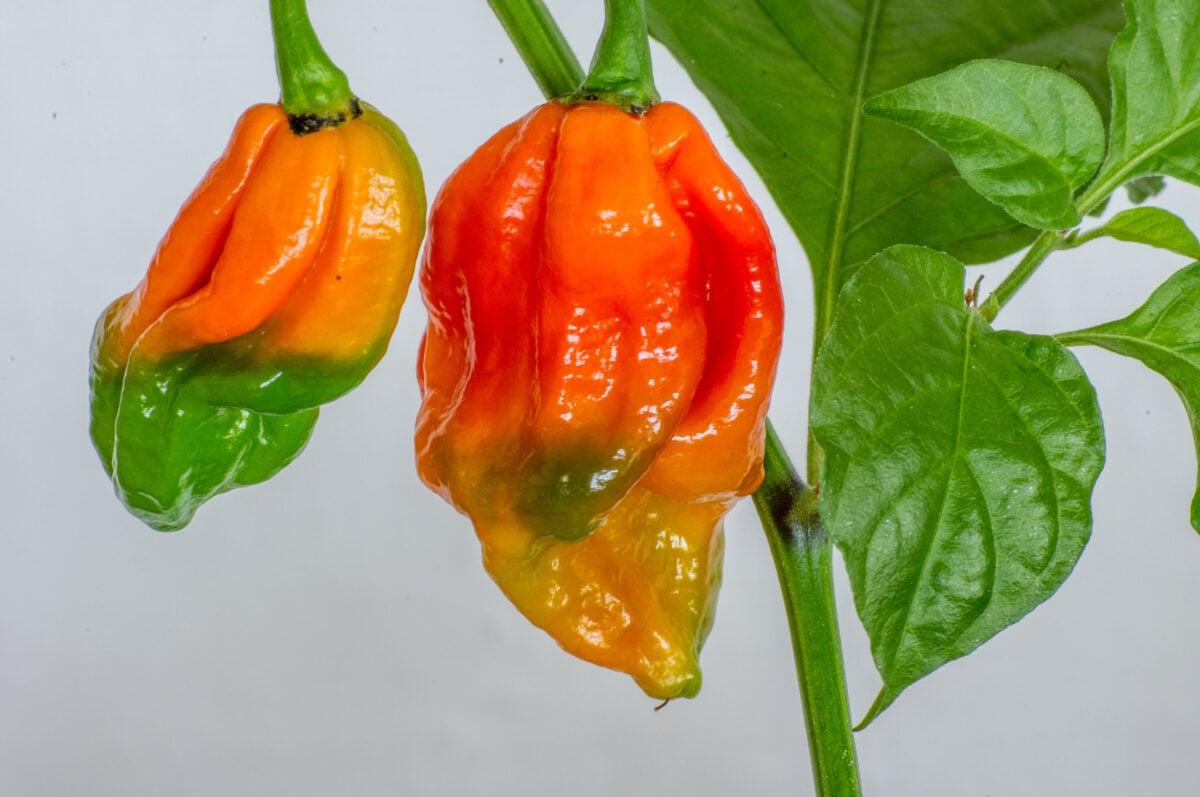
The Naga Viper briefly held the world record at 1.38 million SHUs before being dethroned by later developments. It’s a hybrid created by crossing three of the chilliest peppers available at the time — the Naga Morich, the Bhut Jolokia, and the Trinidad Scorpion.
Like most record-breaking hybrids, the Naga Viper is unstable, meaning plants don’t consistently produce peppers at the same heat level. Some are merely devastating instead of apocalyptic.
Red Savina Habanero
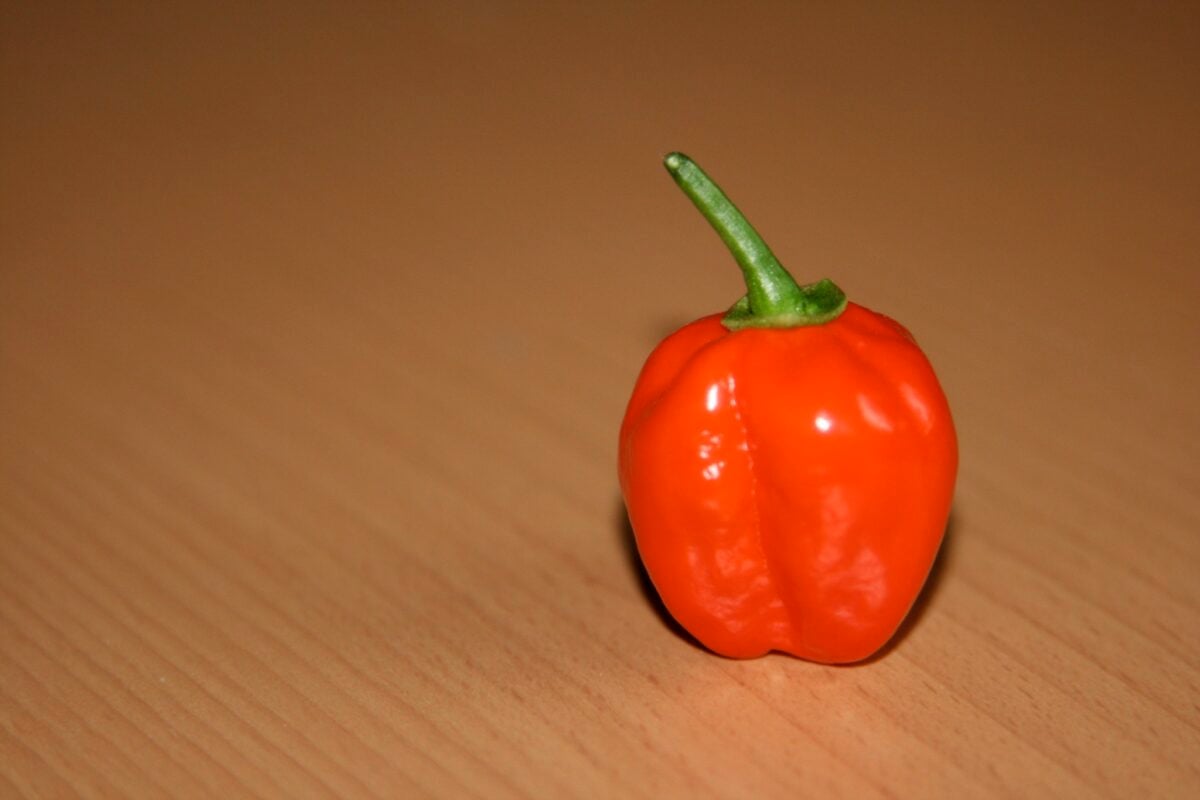
Red Savina Habaneros represent the bridge between “normal” hot peppers and the superhot category, measuring around 580,000 SHUs — which means they’re still hot enough to make most people question their life choices, just not quite hot enough to require signing a waiver first (though honestly, the difference becomes academic when you’re the one experiencing it). This pepper held the world record for over a decade before the ghost pepper revolution changed everything, and there’s something almost quaint about that era when half a million SHUs seemed like the absolute ceiling of what peppers could achieve.
But the Red Savina earned its place through reliability rather than record-breaking extremes; unlike some of the newer superhots that can vary wildly in heat from plant to plant, this one delivers consistent, predictable fire every time. So it burns with the confidence of something that knows exactly what it is and doesn’t need to prove anything to anyone.
Habanero Chocolate
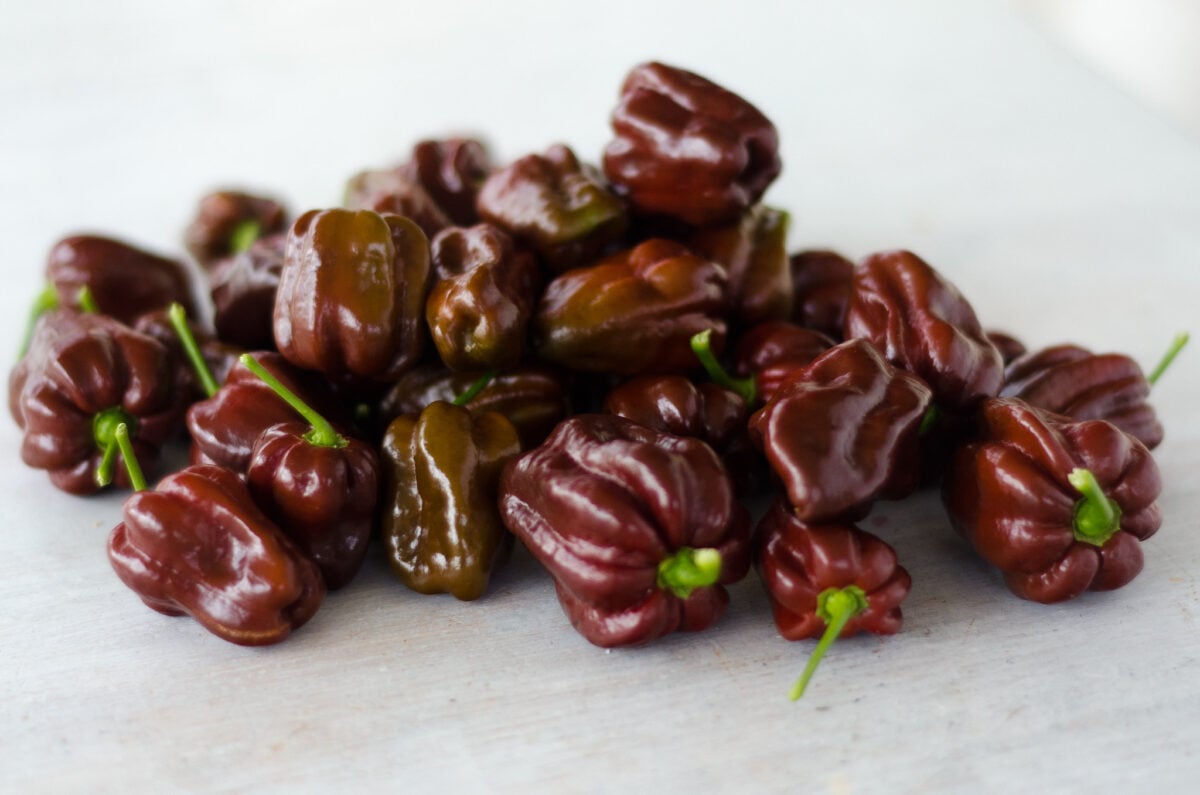
The Chocolate Habanero brings a rich, smoky flavor along with its 425,000 SHU heat level. It’s one of the few superhot peppers where you can actually taste something besides fire.
That chocolate undertone makes it popular with hot sauce makers who want complexity along with heat. The flavor arrives first, followed by the burn — a civilized approach to pain.
Scotch Bonnet
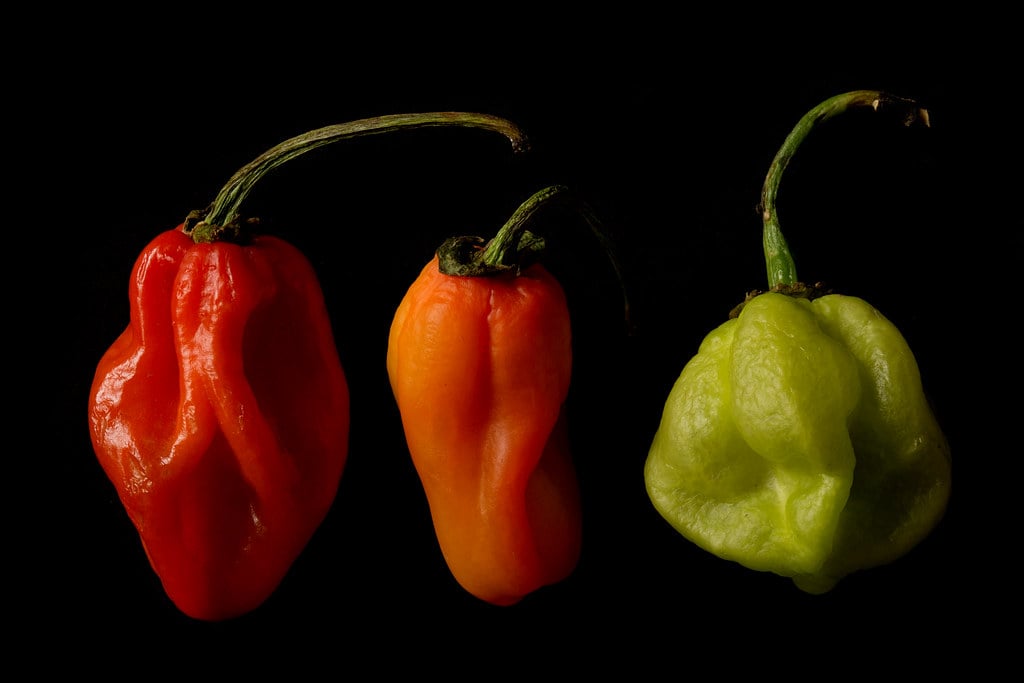
Scotch Bonnets are the Caribbean’s answer to serious heat, typically measuring between 350,000 and 400,000 SHUs. They’re essential to authentic jerk seasoning and countless island dishes.
The heat comes with a fruity sweetness that makes these peppers more versatile than their SHU rating might suggest. They’re hot enough to hurt but flavorful enough to actually cook with regularly.
Thai Chili (Bird’s Eye)
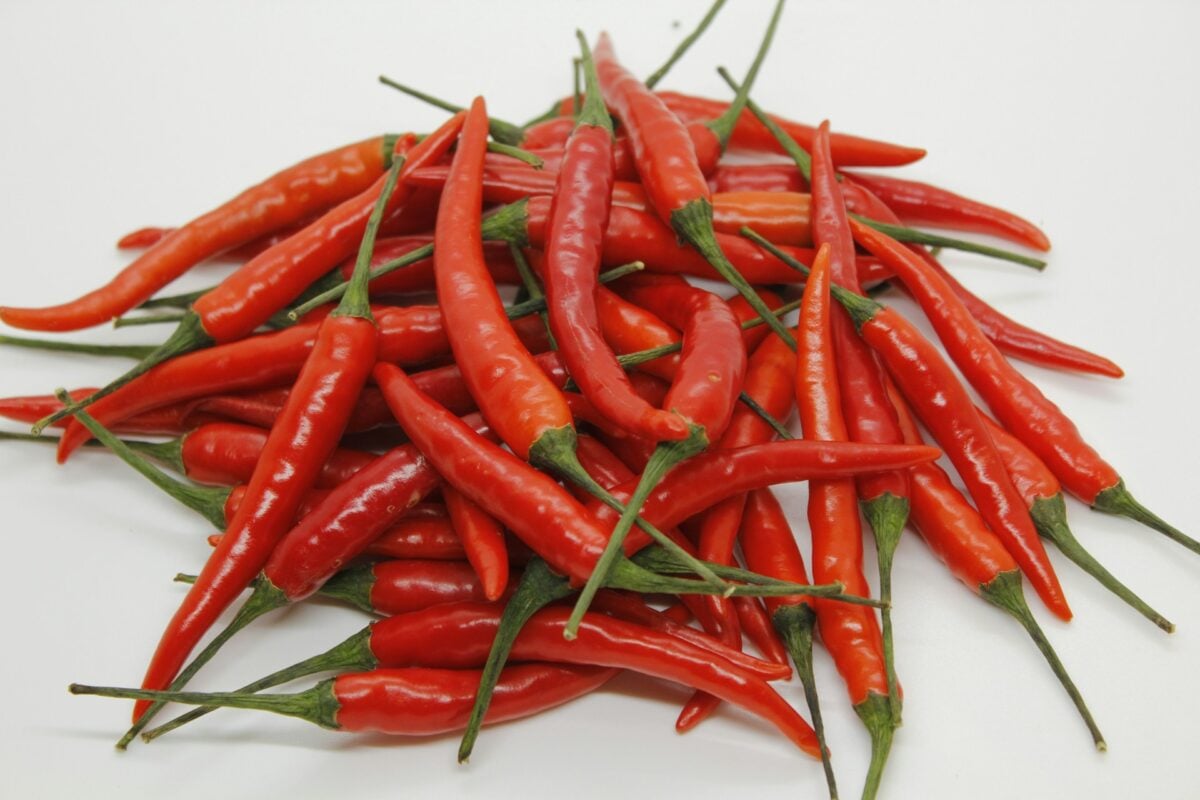
Thai chilies prove that size means nothing when it comes to heat. These tiny peppers pack around 225,000 SHUs into something no bigger than your thumbnail.
Their heat is immediate and intense — no slow build, no warning. One minute you’re fine, the next you’re reaching for milk and wondering why you thought something so small could be harmless.
Cayenne
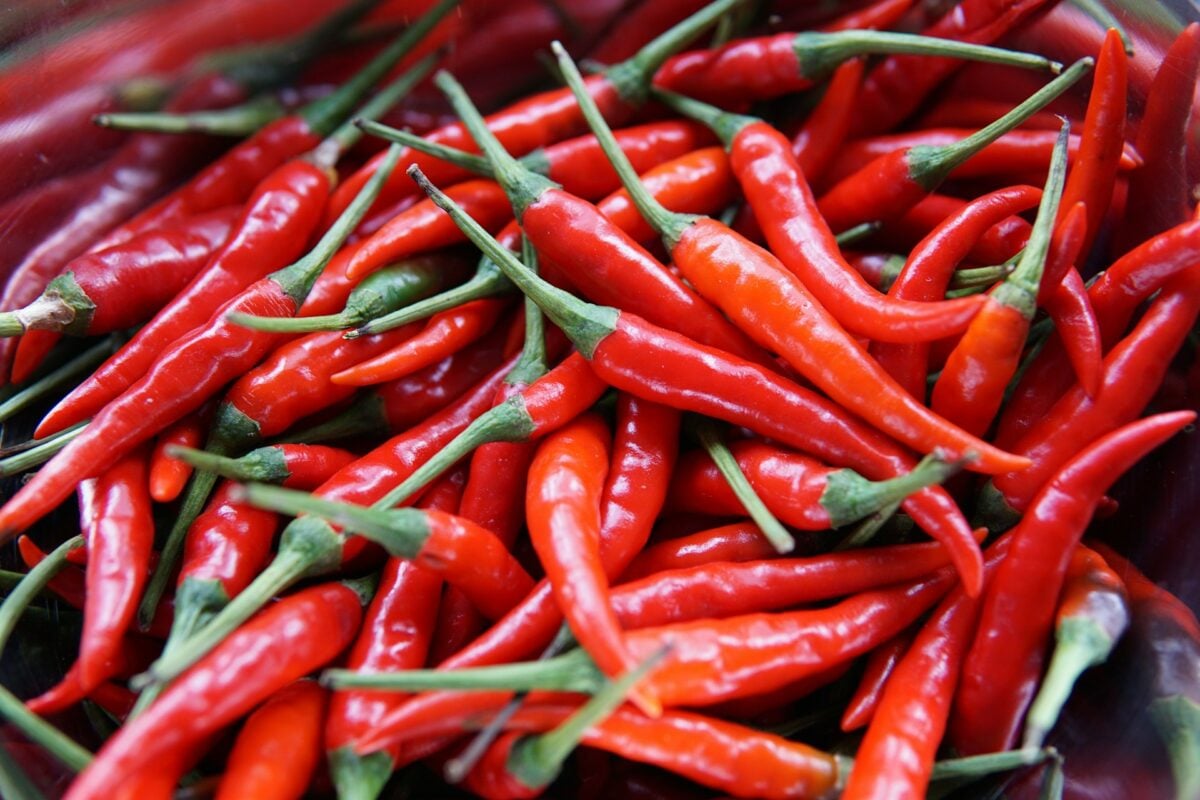
Cayenne peppers measure between 50,000 and 100,000 SHUs, putting them in the “serious but manageable” category. They’re hot enough to add real heat to dishes without completely overwhelming other flavors.
Most people know cayenne as a dried powder, but fresh cayenne peppers deliver a cleaner, brighter heat that reminds you why this pepper has been a kitchen staple for centuries.
Serrano
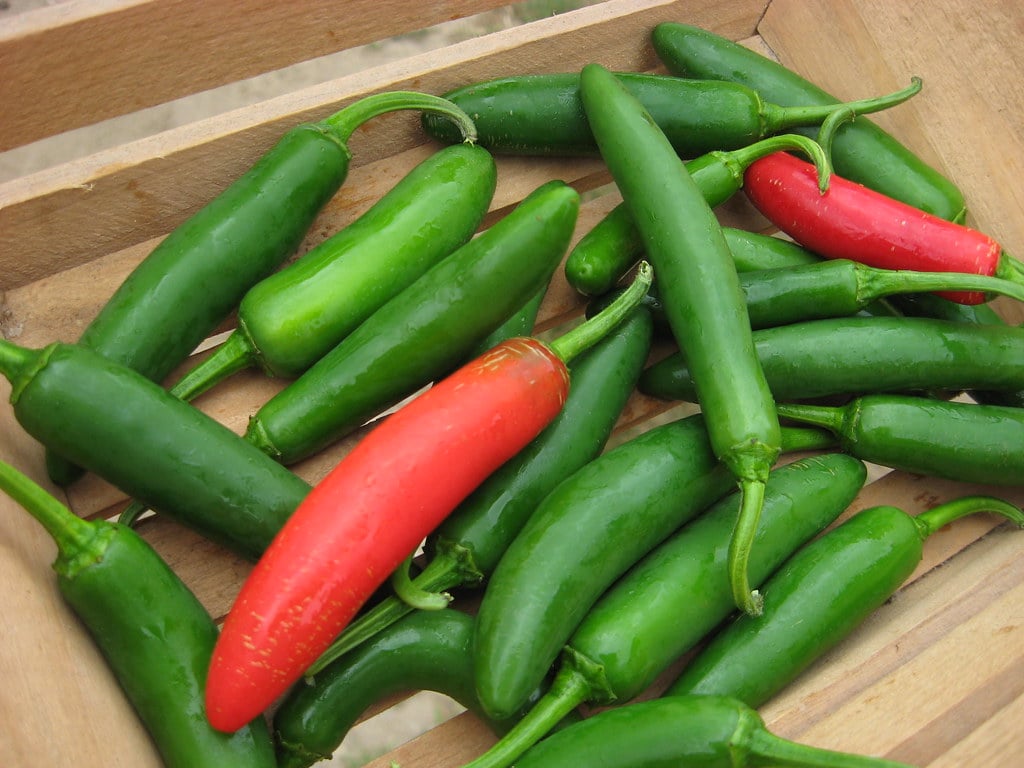
Serrano peppers offer a clean, crisp heat that typically ranges from 25,000 to 50,000 SHUs — which places them in that sweet spot where they’re genuinely hot without being punishing, the kind of heat that wakes up your palate rather than shutting it down entirely. They’re smaller than jalapeños but considerably hotter, with a brightness that cuts through rich foods and adds complexity rather than just fire.
And there’s something honest about the way serranos deliver their heat — no tricks, no delayed reactions, just straightforward pepper fire that arrives when expected and behaves predictably. Mexican cuisine has embraced serranos for good reason; they bring enough heat to matter while still allowing other flavors to coexist, which is a harder balance to strike than it sounds.
A Heat That Lingers
Understanding the chilliest peppers isn’t really about the numbers or the rankings — it’s about recognizing that humans have this peculiar drive to push boundaries, even when those boundaries involve voluntary suffering. The peppers on this list represent decades of careful cultivation, scientific measurement, and probably more tears than anyone wants to admit.
Whether you’re a heat seeker looking for your next challenge or someone who thinks black pepper is spicy, these rankings offer a roadmap through the increasingly intense world of superhot peppers.The real lesson isn’t which pepper reigns supreme, but that the pursuit itself reveals something essentially human about our relationship with food, pain, and the strange satisfaction that comes from surviving something that probably should have been avoided in the first place.
More from Go2Tutors!

- The Romanov Crown Jewels and Their Tragic Fate
- 13 Historical Mysteries That Science Still Can’t Solve
- Famous Hoaxes That Fooled the World for Years
- 15 Child Stars with Tragic Adult Lives
- 16 Famous Jewelry Pieces in History
Like Go2Tutors’s content? Follow us on MSN.