Impressive Sporting Trophies Through History
Trophies are weird when you think about it. We take chunks of metal, shape them into cups or urns or whatever, and then grown adults cry over them, drink champagne out of them, and occasionally lose them in canals or leave them in taxis.
But that’s sports for you—the hardware matters almost as much as the winning itself. Some of these trophies have been around longer than most countries, have been stolen multiple times, or come with traditions so elaborate they need their own instruction manual.
Let’s look at the ones that actually matter.
The Stanley Cup
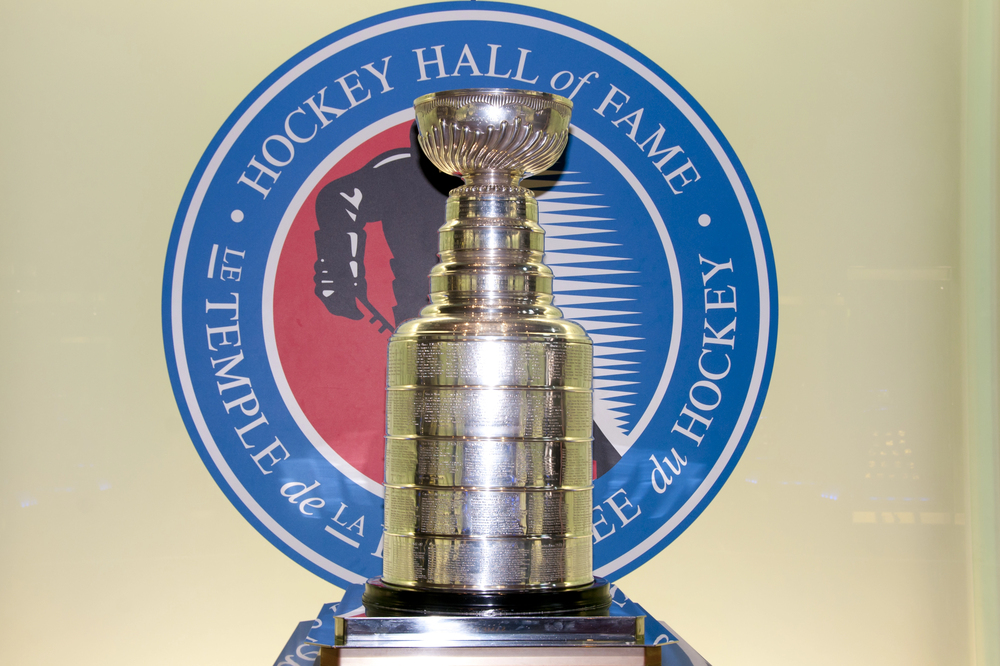
The Stanley Cup is the oldest professional sports trophy still awarded today, dating back to 1892 (which is insane when you think about it). Lord Stanley of Preston, who was Governor General of Canada, bought it for about 10 guineas—roughly $50 at the time—and now it’s worth millions and is basically a sacred object in hockey culture.
What makes the Cup unique is that every player on the winning team gets to spend a day with it, and they’ve taken it everywhere from strip clubs to the bottom of swimming pools to remote villages in Russia. Phil Kessel apparently ate cereal out of it multiple times (which feels very Phil Kessel).
The Cup has its own handler who travels with it and makes sure nobody does anything too stupid. It’s been left on the side of the road, thrown into a canal, used as a flowerpot, and once as a baptismal font.
The FIFA World Cup Trophy
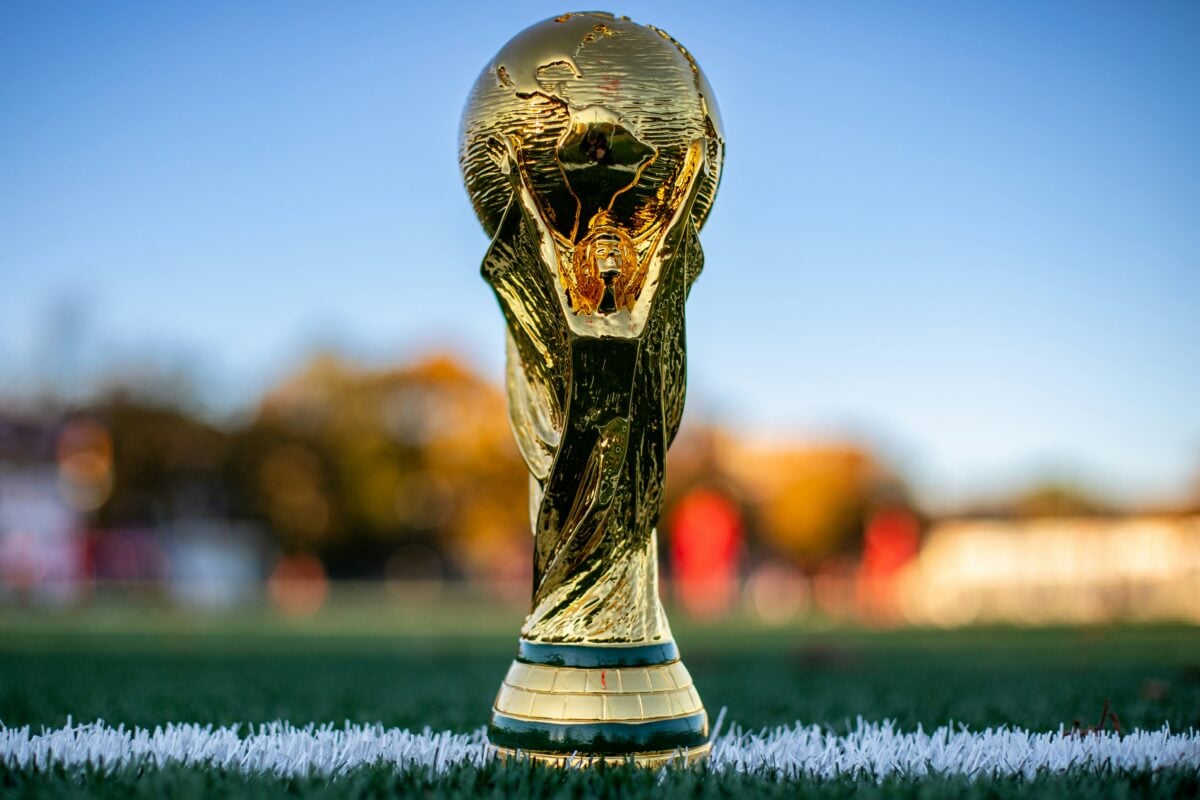
There have actually been two World Cup trophies. The first one, the Jules Rimet Trophy, was given to Brazil permanently in 1970 after they won their third tournament (that was the rule back then).
Then it got stolen in 1983 and was never recovered—probably melted down for the gold, which is genuinely depressing. The current trophy was introduced in 1974 and is made of 18-karat gold and malachite.
It weighs about 13.5 pounds and shows two human figures holding up the Earth, which is either inspiring or kind of cheesy depending on your mood. Winners don’t get to keep the actual trophy anymore (learned that lesson), they get a gold-plated replica instead.
The Ashes Urn
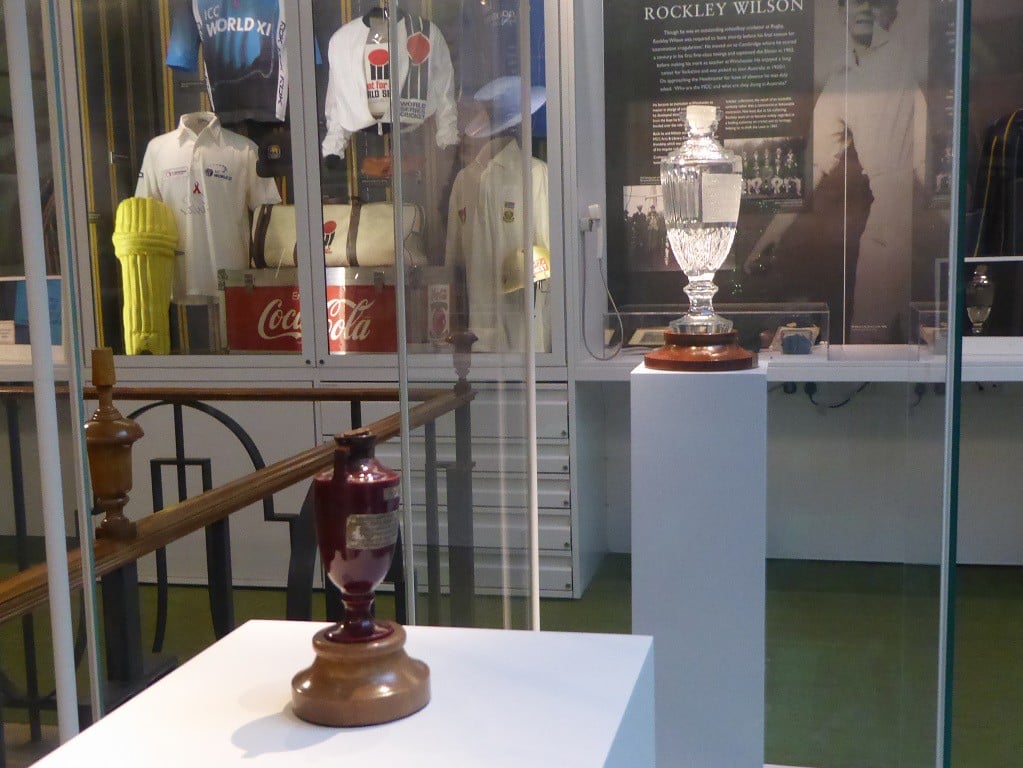
This is the weirdest trophy in sports because it’s tiny—just 4 inches tall—and it contains the ashes of a burnt cricket bail (the little wooden pieces that sit on top of the stumps). The whole thing started as a joke in 1882 when Australia beat England and a newspaper published a mock obituary saying English cricket had died and “the body will be cremated and the ashes taken to Australia.”
The next time England toured Australia, some women burned a bail and gave the ashes to the England captain in a small urn. And somehow this became one of cricket’s most important trophies.
The original urn is so fragile it stays at Lord’s Cricket Ground in London permanently, and teams compete for a crystal replica instead.
The Claret Jug
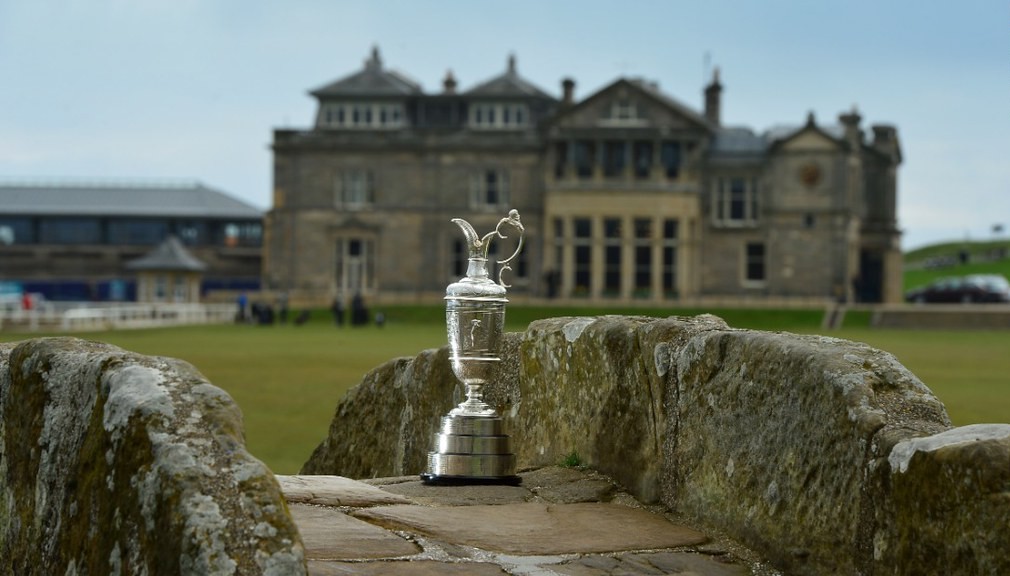
The Open Championship (golf) winner gets the Claret Jug, which is actually a claret jug—like the kind you’d serve wine from at a fancy Victorian dinner party. It’s been awarded since 1872, and the thing is surprisingly understated for such an important trophy.
Silver, about two feet tall, with the names of every winner engraved on it. Winners have to return it after a year (they get a replica to keep), and there’s a famous photo of Ben Curtis drinking from it at an Irish pub in 2003, looking absolutely thrilled with himself.
The America’s Cup
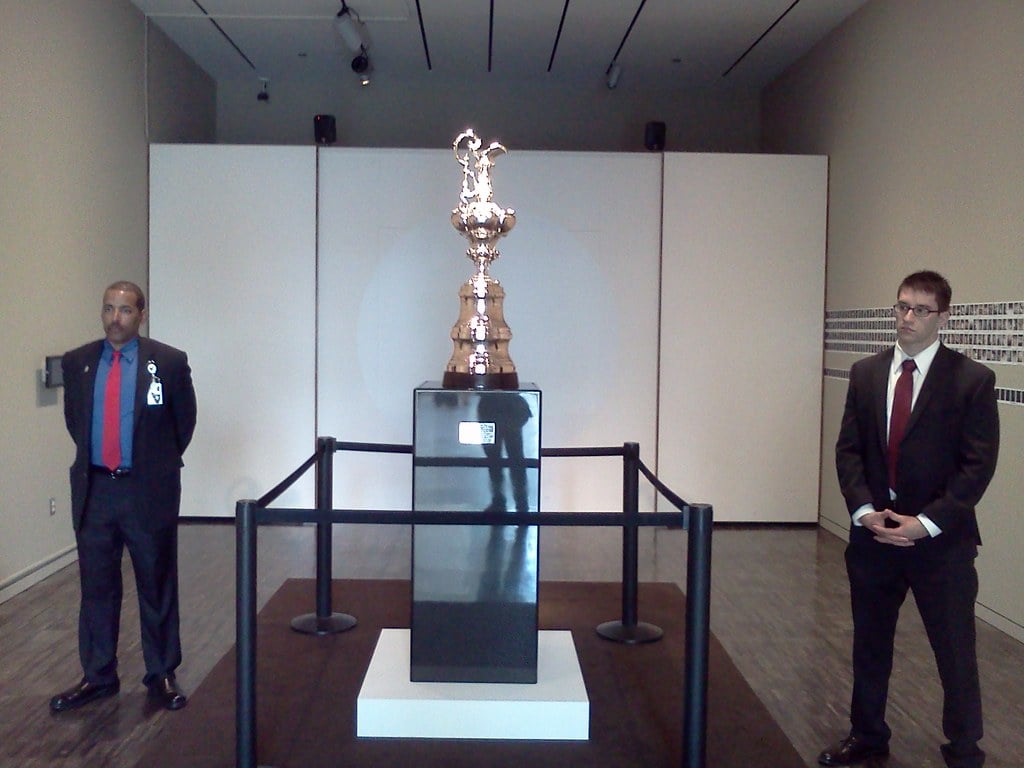
This is the oldest international sporting trophy, first awarded in 1851 when the schooner America won a race around the Isle of Wight. The trophy itself is this ornate silver ewer (basically a fancy pitcher) that weighs about 8 pounds and stands 27 inches tall.
What’s wild about the America’s Cup is how rarely it changes hands—the New York Yacht Club held it for 132 consecutive years until Australia finally won in 1983. The competition is sailing, which most people find incredibly boring to watch, but the trophy’s history and the engineering that goes into modern racing yachts is actually fascinating (even if the races themselves make you fall asleep).
Wimbledon Trophies
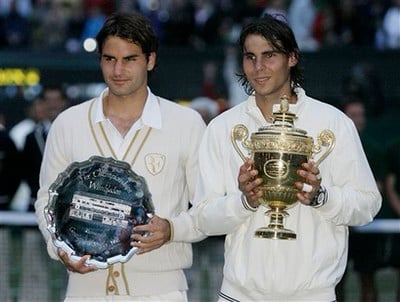
The men’s singles champion gets a silver gilt cup that’s been awarded since 1887. It’s 18 inches tall with a pineapple on top (pineapples were symbols of luxury and hospitality in Victorian England, apparently). The women’s champion receives the Venus Rosewater Dish, which is actually a salver—a flat dish on a pedestal—decorated with mythological figures.
Both trophies stay at Wimbledon year-round (champions get three-quarter-size replicas), and there’s this whole tradition where winners have to sit for formal photos while in their sweaty tennis clothes, which must feel weird.
The Vince Lombardi Trophy
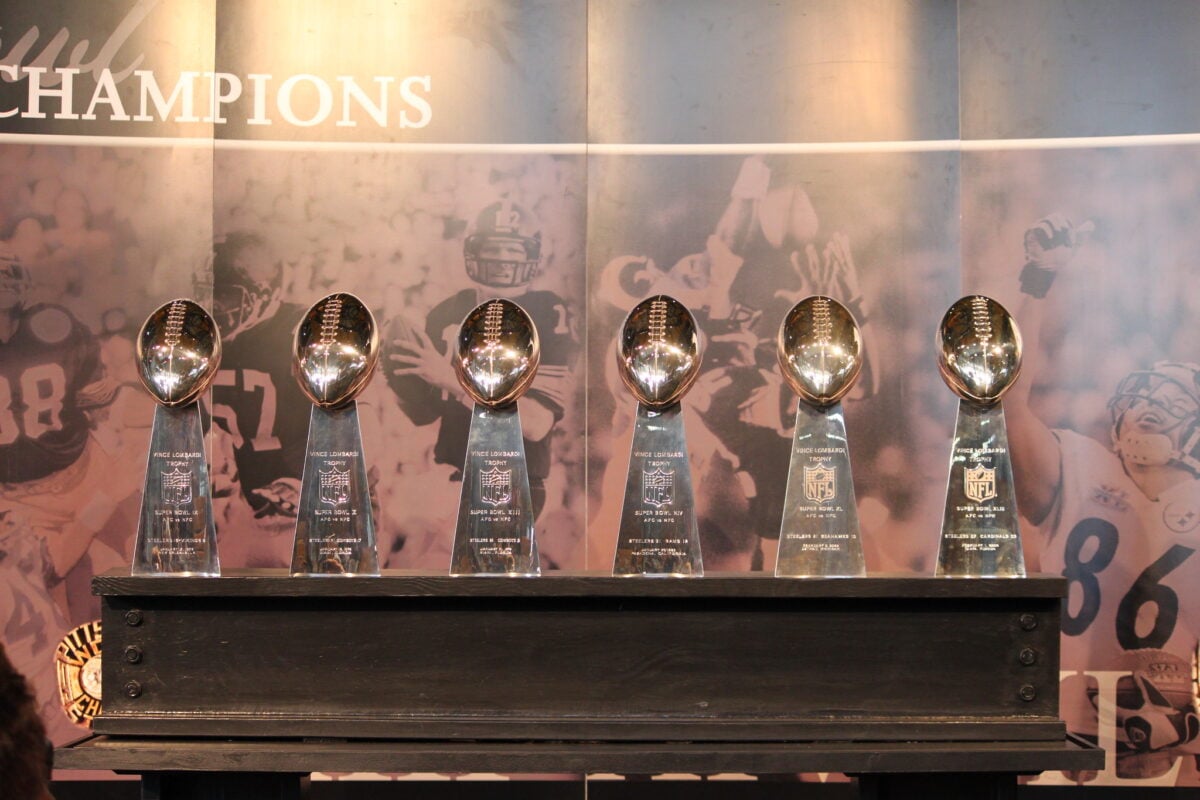
The Super Bowl trophy is named after legendary Packers coach Vince Lombardi and it’s probably the most aesthetically pleasing major sports trophy. It’s sterling silver, shaped like a football in a kicking position, stands 22 inches tall, weighs 7 pounds, and is made by Tiffany & Co.
Each one takes four months to create and costs about $50,000. Unlike most trophies, the winning team keeps it permanently—a new one gets made every year. This has led to some teams having multiple Lombardis sitting in their trophy cases, and other teams having none (looking at you, various franchises that shall remain nameless but you know who you are).
The Green Jacket
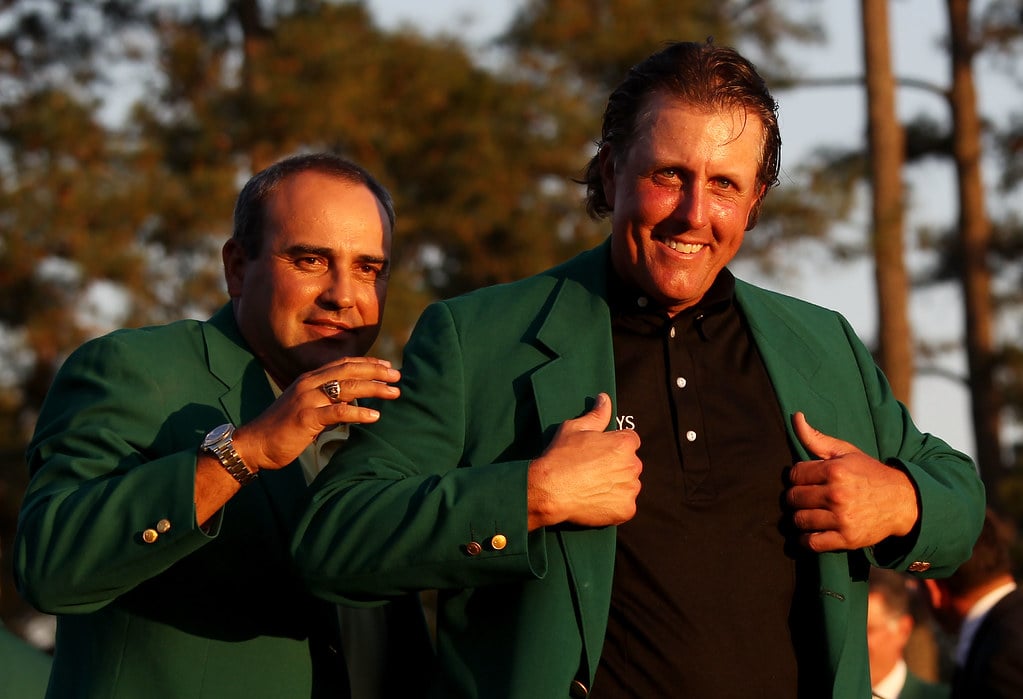
The Masters Tournament winner doesn’t get a traditional trophy, they get a green blazer. Which sounds anticlimactic until you realize that a green jacket is more exclusive than pretty much any other prize in sports.
Only Masters champions and Augusta National members can wear it, and champions are only supposed to take it off the grounds during their first year of winning. After that, it stays at Augusta and you can wear it when you visit.
Arnold Palmer’s jacket sold at auction for nearly $700,000 (which technically violated the rules, but Palmer was Palmer and nobody was going to tell him what to do).
The Larry O’Brien Championship Trophy

The NBA championship trophy is named after former NBA commissioner Larry O’Brien. It’s two feet tall, sterling silver with 24-karat gold overlay, weighs about 14.5 pounds.
The design shows a basketball going through a net. Like the Lombardi Trophy, a new one gets made every year by Tiffany & Co., and the winning team keeps it permanently. The trophy is actually pretty new compared to others on this list—it’s only been around since 1977—but it’s become iconic anyway.
The tradition of players posing with it in the locker room while spraying champagne everywhere has produced some truly great photos.
The Webb Ellis Cup
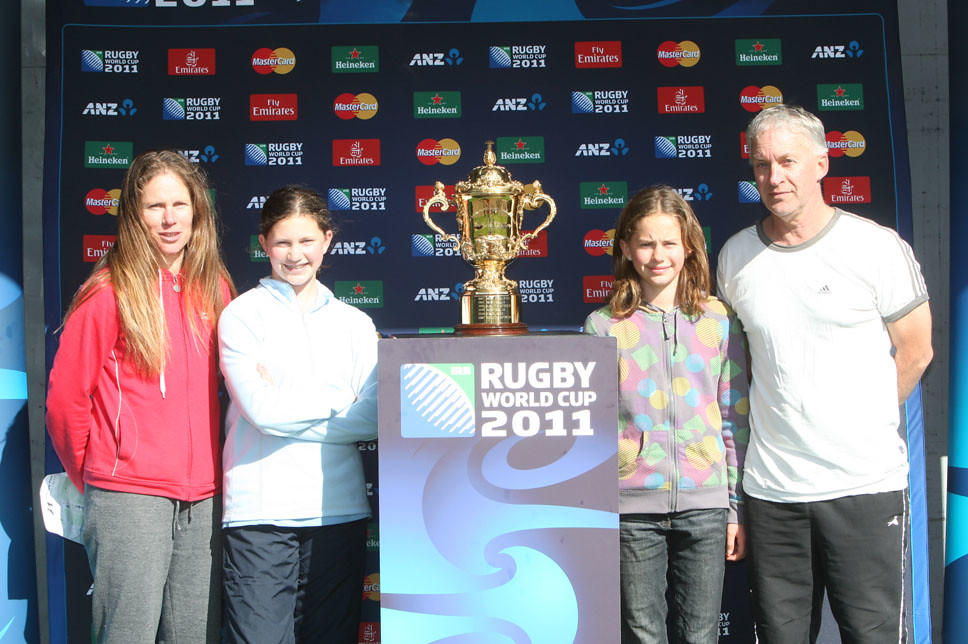
The Rugby World Cup trophy is named after William Webb Ellis, who supposedly invented rugby by picking up a football and running with it during a school match in 1823 (this story is almost certainly false, but rugby has committed to it anyway). The cup is gilded silver, stands 15 inches high, and weighs about 8.4 pounds.
It’s got these elaborate handles and decorative elements that make it look properly old-school. South Africa has won it three times, New Zealand twice, Australia twice, and England once, which are statistics that will be outdated basically as soon as I write them but whatever.
The Copa América Trophy
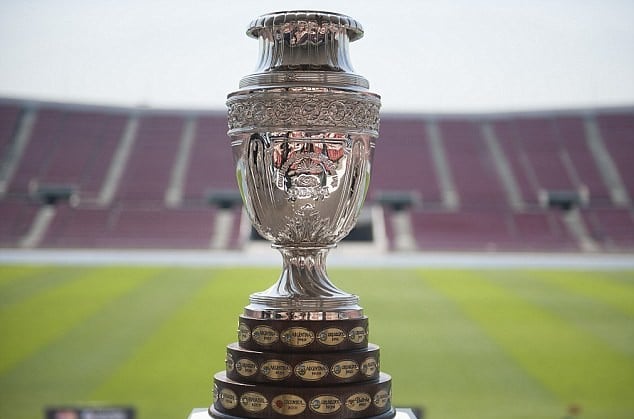
This is South American soccer’s championship trophy and it’s been around since 1916, making it one of the oldest international soccer competitions. The current trophy has been in use since 1917 (they replaced the original pretty quickly after Argentina apparently forgot to bring it to a tournament).
It’s silver, stands about 30 inches tall, and has a wooden base decorated with plaques of past winners. Uruguay and Argentina have each won it 15 times, which creates a nice rivalry situation.
The trophy stays with the winning federation but has to be returned for the next tournament.
The Grey Cup

Canadian football’s championship trophy is named after Governor General Earl Grey who donated it in 1909. It’s been broken, stolen, held for ransom, and generally put through more abuse than any trophy should endure.
The original cup cracked beyond repair after being dropped one too many times, so they replaced it with a replica in 1969 and retired the original. There’s a whole tradition around the Grey Cup where the winning team brings it to various events, and people drink beer out of it, which seems to be a theme with hockey-adjacent sports in Canada.
The Ryder Cup
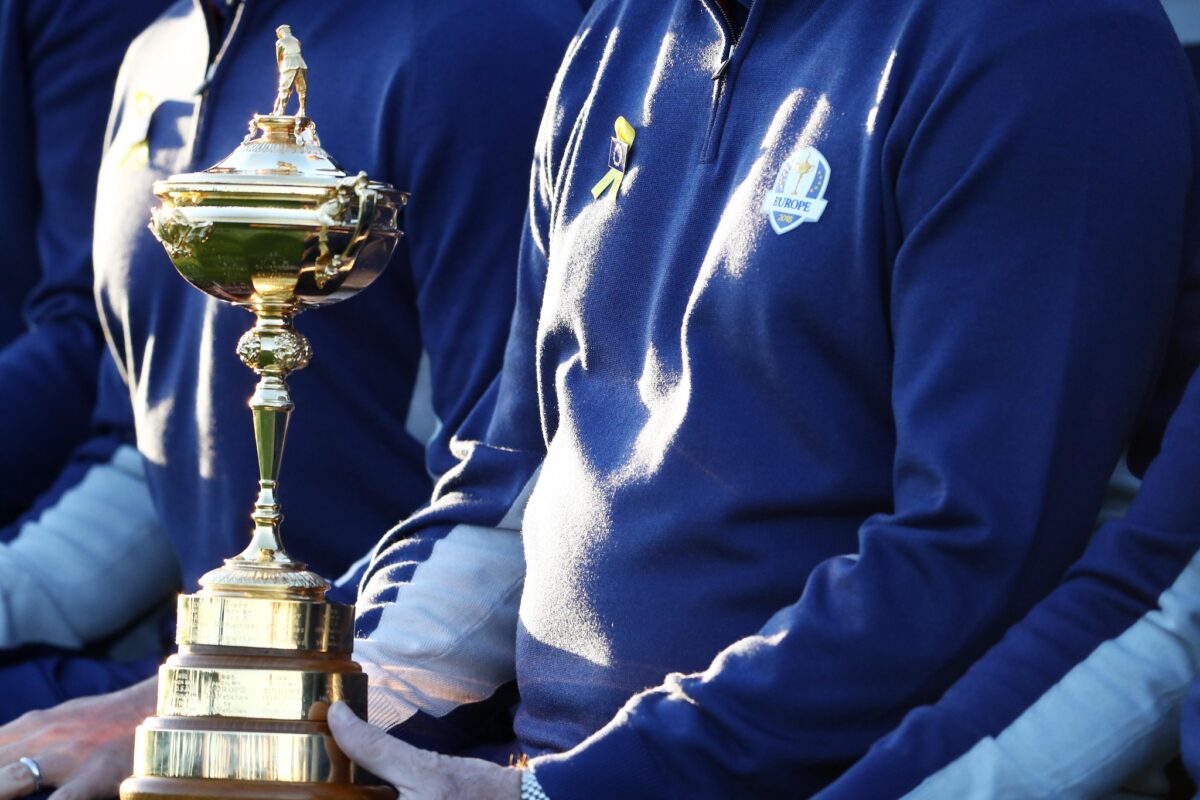
This golf trophy is contested between teams from Europe and the United States every two years. The actual cup itself is kind of small and unimpressive—it’s a gold chalice about 17 inches high, and Samuel Ryder donated it in 1927 after watching an informal match between American and British golfers.
What makes the Ryder Cup special isn’t the trophy, it’s that there’s no prize money, just pride and bragging rights, which somehow makes professional golfers care more than when they’re competing for millions. The cup stays with the winning team for two years and travels around for public appearances.
The Champions League Trophy
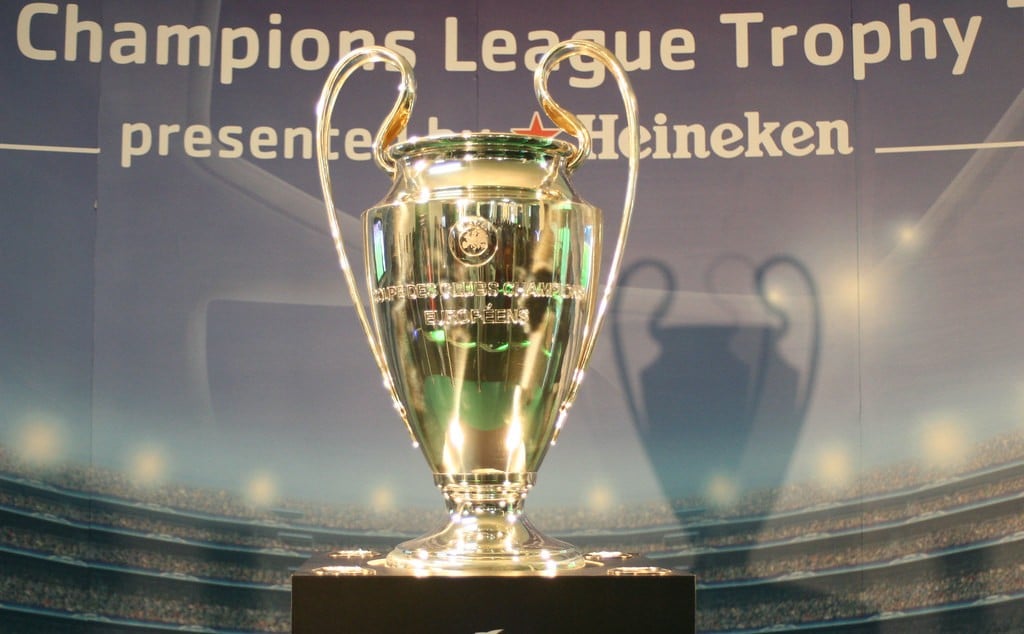
European club soccer’s biggest prize is this massive silver cup with the distinctive big ears (the handles look like ears, everyone calls them that). It weighs 17 pounds, stands 29 inches tall, and was designed in 1967.
Real Madrid has won it 15 times (which is frankly showing off at this point). The actual trophy stays with UEFA, and the winning team gets a replica plus gets to keep the real one until the next final.
Teams that win it five times or three times in a row get to keep a replica permanently, which is a nice touch.
So What Makes a Trophy Impressive
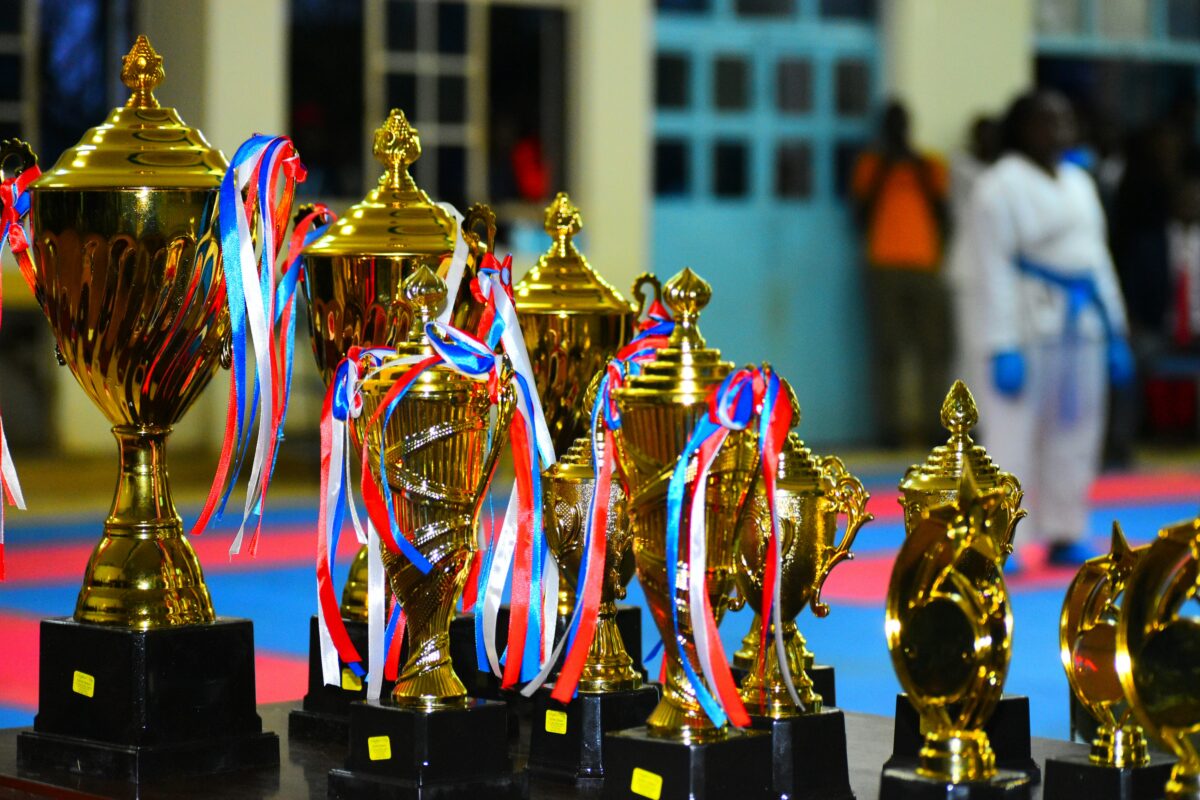
Size? History? Design?
The stories attached to it? Probably all of the above.
Some of these trophies are objectively beautiful pieces of craftsmanship (looking at you, Lombardi Trophy), while others are kind of ugly but have so much history attached that it doesn’t matter (tiny Ashes urn, I’m talking about you). What’s interesting is how much these objects come to mean—they’re just metal and wood and sometimes questionable Victorian design choices, but athletes dedicate their entire lives to winning one.
And then sometimes leave them in taxis or eat cereal out of them, because humans are weird and wonderful and contradictory like that.
More from Go2Tutors!

- The Romanov Crown Jewels and Their Tragic Fate
- 13 Historical Mysteries That Science Still Can’t Solve
- Famous Hoaxes That Fooled the World for Years
- 15 Child Stars with Tragic Adult Lives
- 16 Famous Jewelry Pieces in History
Like Go2Tutors’s content? Follow us on MSN.