15 Mining Disasters That Changed Safety Laws
Mining has always been one of the world’s most dangerous professions, with workers facing constant threats from cave-ins, explosions, and toxic gases deep underground. For decades, mining companies prioritized profits over worker safety, cutting corners on equipment and ignoring warning signs that could have prevented catastrophic accidents. It often took devastating tragedies that claimed dozens or hundreds of lives before lawmakers stepped in to demand better protections.
These disasters served as grim turning points that forced governments to implement stricter regulations and safety standards. Here is a list of 15 mining disasters that changed safety laws.
Cherry Mine Fire
The 1909 Cherry Mine fire in Illinois killed 259 miners when a hay cart caught fire underground, trapping workers in the tunnels below. The tragedy exposed how unprepared the mines were for emergency evacuations and fire suppression. This disaster led to Illinois passing the first comprehensive mine safety laws in the United States, requiring better ventilation systems and emergency escape routes.
Monongah Mine Explosion
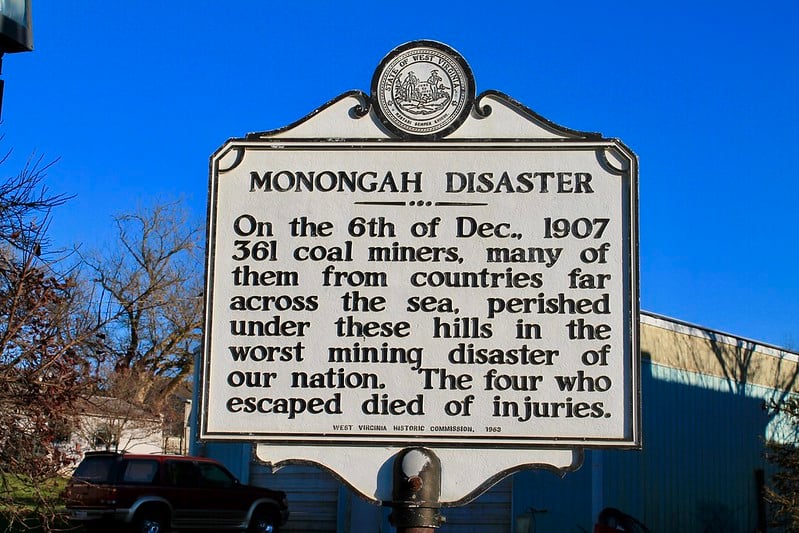
The 1907 Monongah Mine explosion in West Virginia remains the deadliest mining accident in American history, killing 362 miners when coal dust ignited throughout the tunnels. The massive explosion highlighted the dangers of coal dust accumulation and inadequate ventilation systems. This tragedy directly led to the creation of the Federal Bureau of Mines in 1910, establishing the first federal oversight of mining safety.
Courrières Mine Disaster
The 1906 Courrières mine disaster in France killed 1,099 miners in what remains Europe’s worst mining accident, caused by a coal dust explosion that spread through interconnected tunnels. The catastrophe revealed how poor communication and inadequate safety equipment made rescue efforts nearly impossible. France responded by implementing strict regulations requiring better ventilation, dust suppression systems, and standardized safety equipment across all mines.
Dawson Mine Explosions
Two separate explosions at coal mines near Dawson, New Mexico, in 1913 and 1923 killed a combined 386 miners, devastating the small mining community twice within a decade. Both disasters were caused by coal dust explosions that could have been prevented with proper safety measures. These tragedies led New Mexico to establish some of the strictest mine safety regulations in the country, including mandatory rock dusting to prevent coal dust explosions.
Farmington Mine Explosion
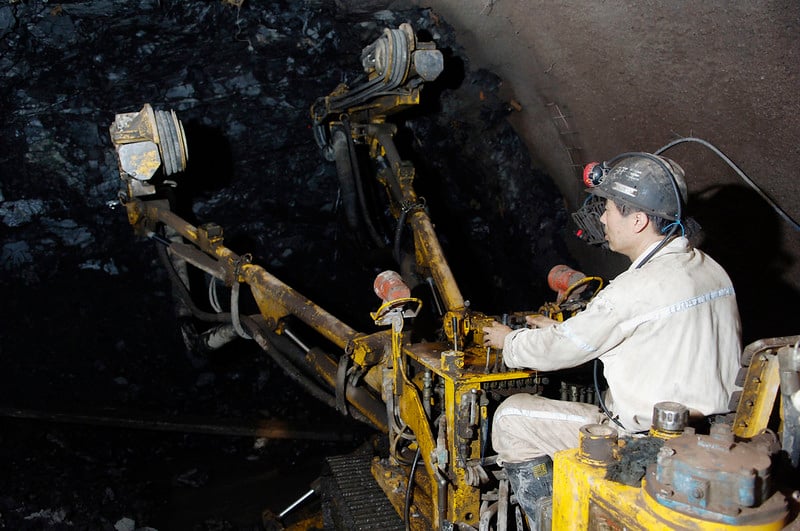
The 1968 Farmington Mine explosion in West Virginia killed 78 miners and shocked the nation when rescue attempts had to be abandoned due to continuing fires underground. The disaster occurred despite existing safety laws, revealing how poorly those regulations were being enforced. This tragedy directly led to the passage of the Federal Coal Mine Health and Safety Act of 1969, dramatically expanding federal oversight and enforcement powers.
Buffalo Creek Flood
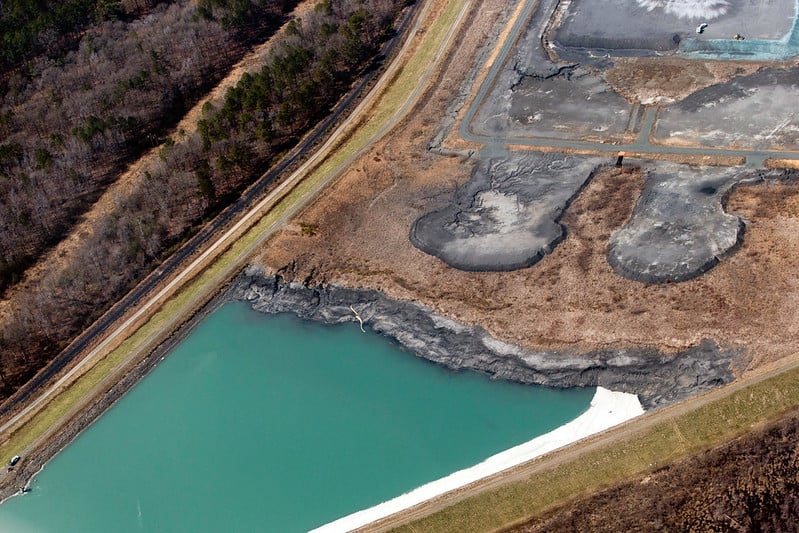
The 1972 Buffalo Creek flood in West Virginia killed 125 people when a coal waste dam collapsed, sending millions of gallons of toxic water rushing through mining communities. The disaster highlighted the environmental dangers of coal mining operations and inadequate waste disposal practices. This tragedy led to stricter federal regulations governing coal waste disposal and dam construction, requiring regular inspections and environmental impact assessments.
Sunshine Mine Fire
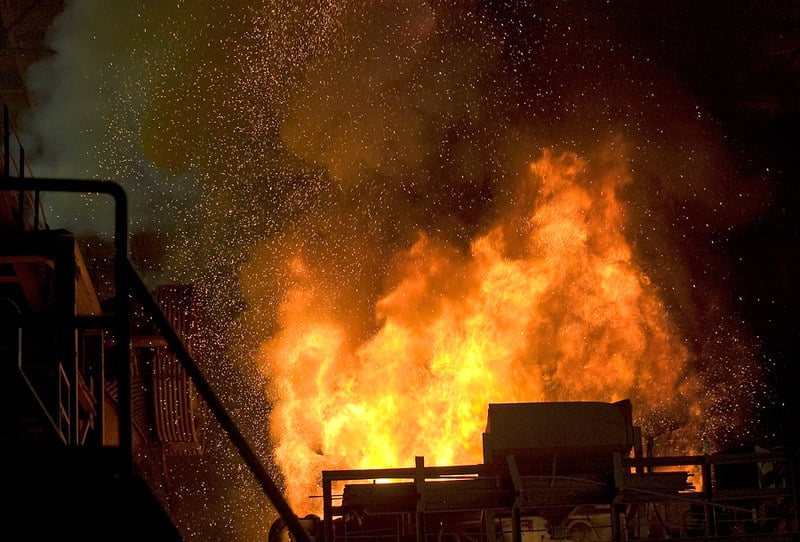
The 1972 Sunshine Mine fire in Idaho killed 91 miners when a fire spread through the underground silver mine, trapping workers in smoke-filled tunnels. The disaster exposed how metal mines had fewer safety regulations than coal mines despite facing similar dangers. This tragedy led to the expansion of federal mine safety laws to cover all types of mining operations, not just coal mines.
Millfield Mine Explosion
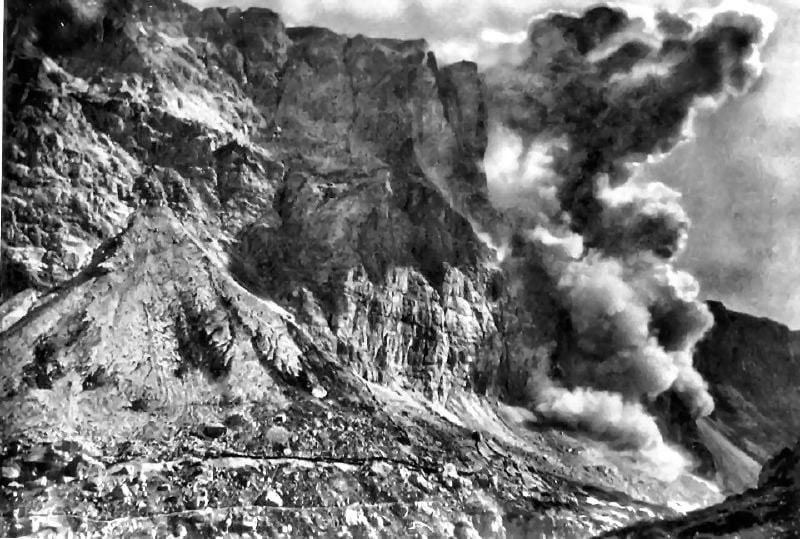
The 1930 Millfield Mine explosion in Ohio killed 82 miners when methane gas ignited in poorly ventilated tunnels, creating a massive underground explosion. The disaster revealed how inadequate gas monitoring and ventilation systems put miners at constant risk. Ohio responded by requiring continuous gas monitoring equipment and improved ventilation standards that became models for other states.
Centralia Mine Fire
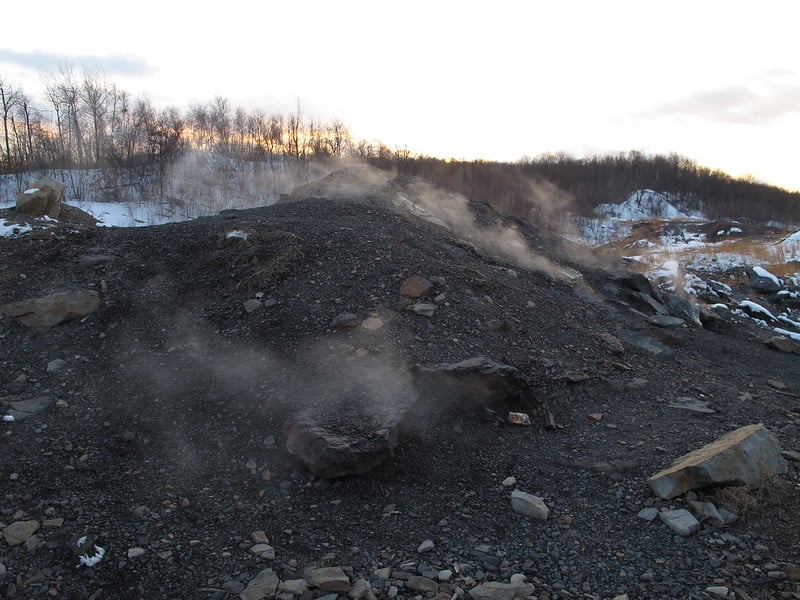
The 1962 Centralia Mine fire in Pennsylvania started as a small trash fire but ignited underground coal seams, creating a fire that still burns today and forced the evacuation of an entire town. While the initial fire killed relatively few people, the long-term environmental and health consequences were devastating. This disaster led to strict regulations governing underground fires and coal seam management, as well as environmental monitoring requirements.
Upper Big Branch Explosion
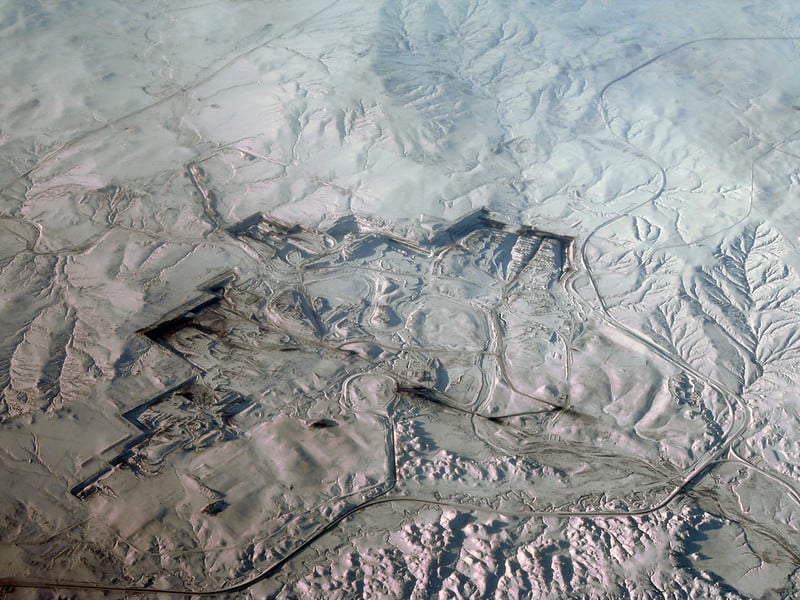
The 2010 Upper Big Branch explosion in West Virginia killed 29 miners when methane gas and coal dust ignited in tunnels where safety violations had been repeatedly documented. The disaster exposed how mining companies could continue operating despite accumulating hundreds of safety violations. This tragedy led to increased penalties for safety violations and stronger enforcement powers for federal inspectors.
Sago Mine Explosion
The 2006 Sago Mine explosion in West Virginia killed 12 miners and highlighted serious problems with emergency communication systems underground. Families waited hours for accurate information about survivors, receiving conflicting reports that added to their anguish. This disaster led to requirements for improved communication systems, better emergency shelters, and upgraded rescue equipment in all mines.
Pike River Mine Explosion
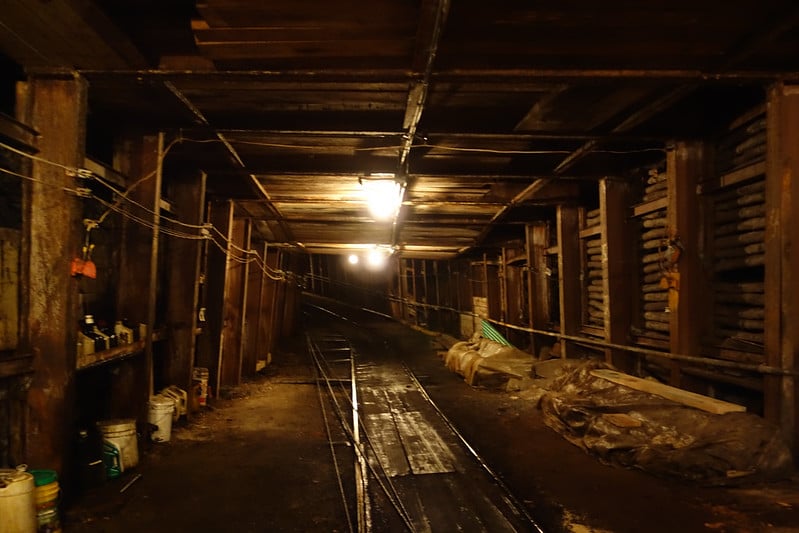
The 2010 Pike River Mine explosion in New Zealand killed 29 miners when methane gas ignited in the underground coal mine. The disaster revealed significant gaps in New Zealand’s mining safety regulations and oversight systems. This tragedy led to a complete overhaul of New Zealand’s mining laws, including stricter safety standards and independent oversight of mining operations.
Quecreek Mine Flooding
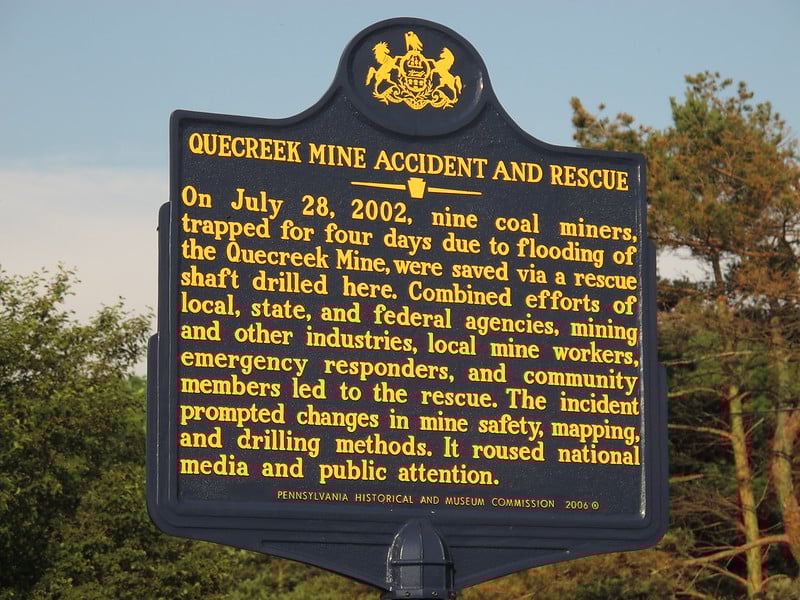
The 2002 Quecreek Mine flooding in Pennsylvania trapped nine miners underground for 77 hours when they accidentally broke through into an abandoned, water-filled mine. While all nine miners survived this incident, it exposed dangerous gaps in mine mapping and communication between adjacent mining operations. This near-disaster led to improved requirements for accurate mine maps and better coordination between neighboring mining companies.
Westray Mine Explosion
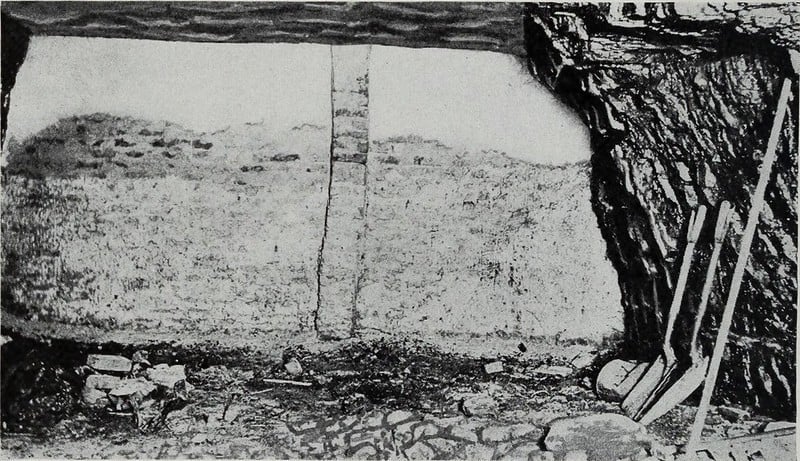
The 1992 Westray Mine explosion in Nova Scotia killed 26 miners when methane gas and coal dust ignited in tunnels where safety concerns had been repeatedly raised. The disaster became a symbol of corporate negligence when investigations revealed that management had ignored safety warnings from workers and inspectors. This tragedy led to criminal charges against mine executives and stronger laws holding company officials personally responsible for safety violations.
Castle Gate Mine Explosion
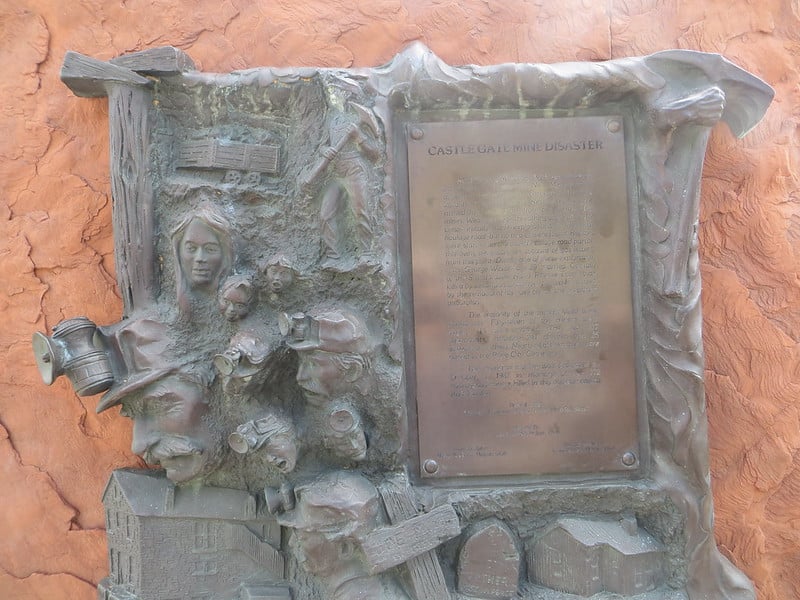
The 1924 Castle Gate Mine explosion in Utah killed 172 miners when coal dust ignited throughout the underground tunnels. The disaster occurred despite previous smaller explosions that had served as warnings about dangerous conditions in the mine. This tragedy led Utah to implement comprehensive coal dust suppression requirements and mandatory safety inspections that became models for other western mining states.
Learning from Tragedy
These disasters remind us that workplace safety regulations are written in the blood of workers who died from preventable deaths. Each tragedy forced society to confront the reality that profit-driven companies would not voluntarily protect their workers without legal requirements and enforcement. The safety laws born from these disasters have saved countless lives, though mining remains dangerous work that requires constant vigilance and continuous improvement of safety standards. Modern miners work under far safer conditions than their predecessors, but only because previous generations paid the ultimate price for those protections.
More from Go2Tutors!

- The Romanov Crown Jewels and Their Tragic Fate
- 13 Historical Mysteries That Science Still Can’t Solve
- Famous Hoaxes That Fooled the World for Years
- 15 Child Stars with Tragic Adult Lives
- 16 Famous Jewelry Pieces in History
Like Go2Tutors’s content? Follow us on MSN.