Great Emu War: When Birds Defeated the Military
Australia has dealt with plenty of unusual challenges throughout its history, from deadly spiders to massive wildfires. But nothing quite compares to the time the Australian military went to war against a bunch of large, flightless birds and lost.
The Great Emu War of 1932 sounds like something out of a comedy sketch, yet it actually happened. Farmers in Western Australia were struggling with an emu invasion that was destroying their crops, so they called in the army for help.
What followed became one of the most embarrassing military operations ever recorded, proving that sometimes nature just refuses to cooperate with human plans. The emus won this fight fair and square.
Here’s how it all went down.
The post-war farming crisis

Australian soldiers returned home after World War I expecting to build peaceful lives as farmers. The government had promised them land in Western Australia where they could grow wheat and start fresh.
These veterans worked hard to clear the land and plant crops, hoping to make a decent living. Unfortunately, the Great Depression hit hard, and wheat prices dropped so low that many farmers could barely afford to keep their operations running.
Thousands of emus arrived
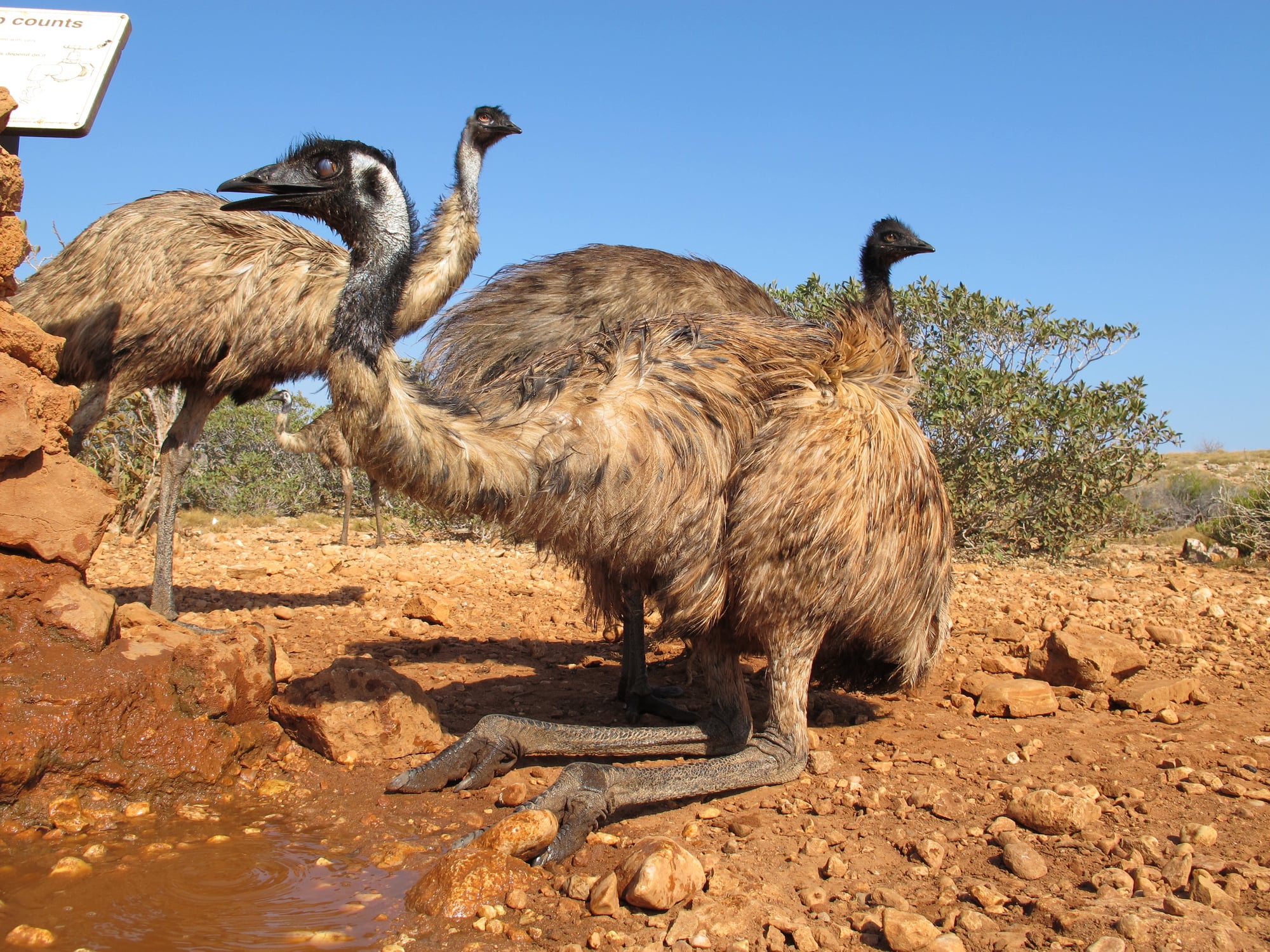
When November 1932 rolled around, approximately 20,000 emus decided to migrate inland from their coastal breeding grounds. These massive birds stood about six feet tall and weighed over 100 pounds each.
They traveled in huge groups, looking for water and food after the breeding season ended. The wheat fields looked like an all-you-can-eat buffet to these hungry birds, and they had no intention of leaving anytime soon.
Crops getting destroyed daily

The emus trampled through wheat fields like they owned the place, eating the crops and ruining what they didn’t eat. Farmers watched helplessly as their entire harvests got wiped out in a matter of days.
Each emu could consume large amounts of wheat, and with thousands of them moving through the area, the damage added up fast. The birds also knocked down fences that farmers had built to keep out rabbits, creating even more problems.
Farmers begged for military help
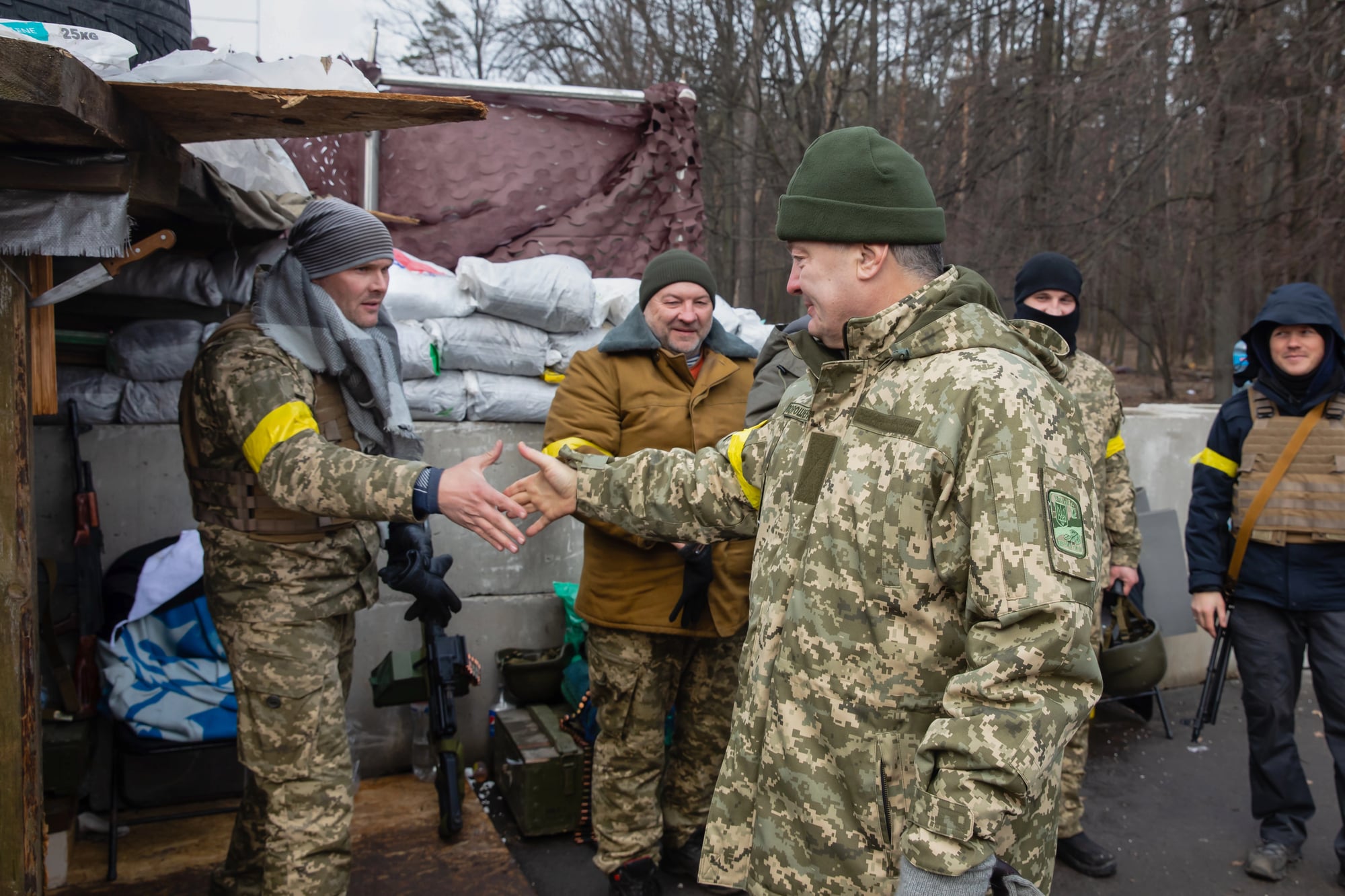
Desperate farmers contacted their local representatives and asked the government to send in the army. They argued that they had served their country during the war, and now the country should help them protect their livelihoods.
The Minister of Defence, Sir George Pearce, actually agreed to the plan. He thought it would be good target practice for soldiers and help the farmers at the same time, killing two birds with one stone, so to speak.
Soldiers arrived with machine guns
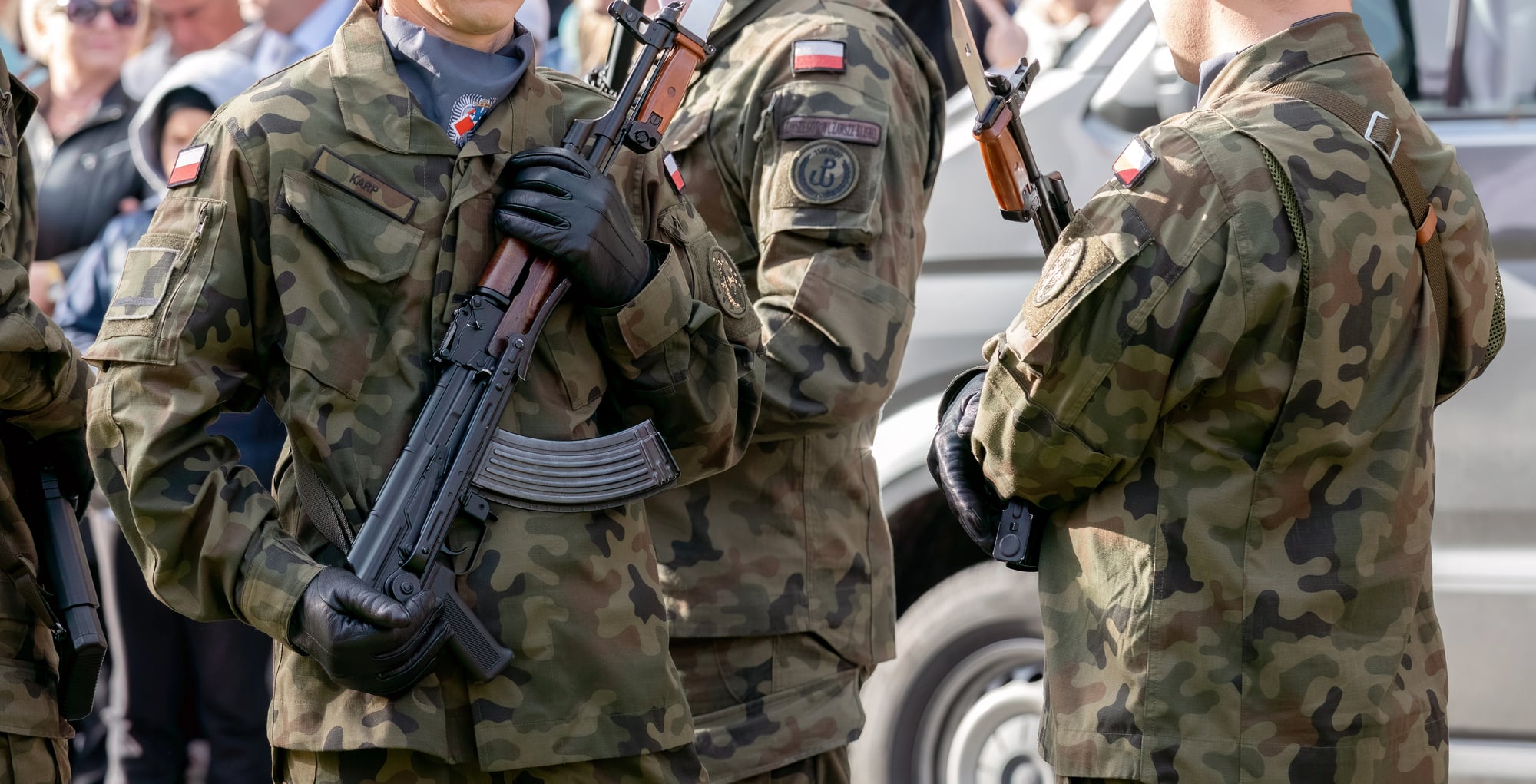
The military sent Major G.P.W. Meredith along with two soldiers armed with Lewis guns, which were light machine guns used during World War I. They also brought 10,000 rounds of ammunition, figuring that would be more than enough to handle some birds.
A Fox Movietone cinematographer even tagged along to film the operation for newsreels. Everyone expected this to be a quick and easy mission that would be wrapped up in a few days.
First attack went terribly wrong
The soldiers spotted a group of about 50 emus and prepared to open fire. But emus are surprisingly smart, and they scattered in different directions as soon as the shooting started.
The birds ran at speeds up to 30 miles per hour, making them incredibly difficult targets. After using a bunch of ammunition, the soldiers had only managed to kill a handful of emus.
The rest escaped into the bush without even breaking a sweat.
Emus proved too quick and clever
The military quickly realized they were dealing with tougher opponents than expected. Emus don’t gather in tight groups like sitting ducks, they spread out and zigzag when they run.
Their thick feathers and tough bodies meant that even direct hits didn’t always bring them down immediately. One soldier reportedly said that the emus could take several rounds and keep running, almost like they were wearing armor.
Machine guns kept jamming

The Lewis guns weren’t designed for chasing fast-moving targets across rough terrain in the Australian heat. The weapons jammed frequently, wasting precious time while emus scattered in every direction.
Soldiers found themselves constantly stopping to clear the guns and reload, giving the birds plenty of chances to escape. The whole operation felt more like a comedy of errors than a military campaign.
Media started mocking the effort
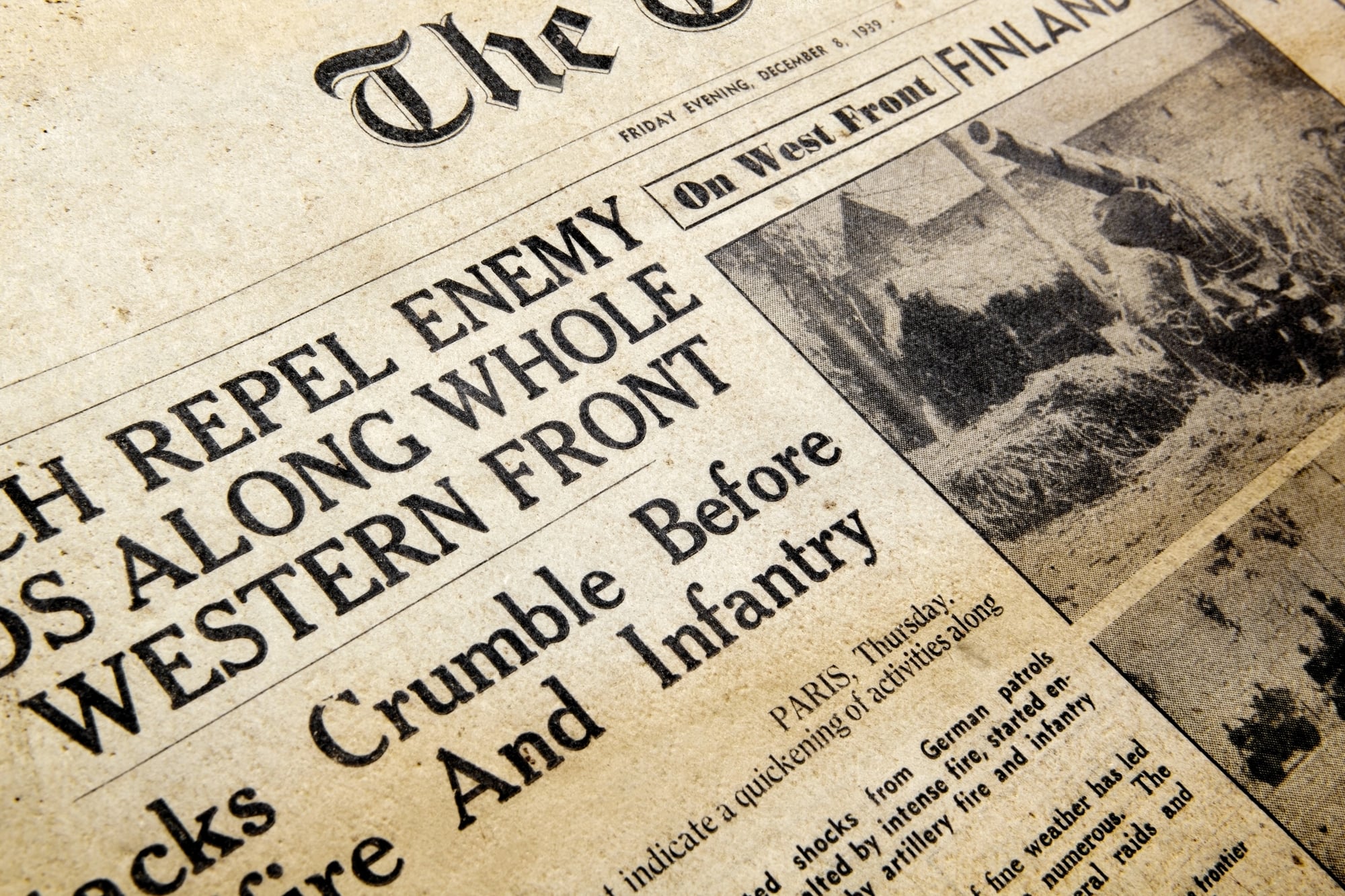
Newspapers across Australia began reporting on the military’s struggles with increasingly sarcastic headlines. Journalists had a field day writing about how the mighty Australian army couldn’t defeat a bunch of birds.
One newspaper suggested that the emus should be given medals for their outstanding performance against the military. The public found the whole situation hilarious, even though the farmers were still suffering from crop damage.
Military called off the operation
After about a week of unsuccessful hunting, the military decided to withdraw. Major Meredith reported that they had used around 2,500 rounds of ammunition to kill approximately 50 emus.
The math didn’t look good, requiring about 50 bullets per bird. The operation was costing too much in ammunition and embarrassment.
Military leaders quietly pulled the troops out, hoping people would forget about the whole mess.
Farmers complained again

The emus didn’t leave just because the soldiers did. They kept eating crops and causing problems throughout the region.
Frustrated farmers petitioned the government again, pointing out that their problems hadn’t been solved. The damage to wheat fields continued to mount, threatening the financial survival of multiple farming communities.
Politicians faced pressure to do something, anything, to help the struggling agricultural sector.
Second attempt launched
The government reluctantly agreed to send the military back in December 1932. This time the soldiers tried different tactics, setting up ambushes and using vehicles to chase down the birds.
They had slightly better success than the first attempt, managing to kill around 100 emus per week. However, the birds still proved elusive and difficult to eliminate in large numbers despite the improved strategy.
Bounty system replaced military action

After the second military operation ended, the government decided to try a different approach entirely. They established a bounty system that paid farmers and hunters for every emu they killed.
This turned out to be far more effective than sending in soldiers with machine guns. Over the next six months, hunters claimed bounties for more than 57,000 emus.
Local people who knew the land and the birds’ habits could track them more successfully than soldiers unfamiliar with the terrain.
Emu population barely affected
Despite all the hunting and shooting, the emu population in Western Australia remained strong and healthy. These birds reproduce quickly and adapt well to harsh conditions.
The species as a whole never faced any real threat from human efforts to control their numbers. Emus continued to migrate through farming areas in subsequent years, though usually in smaller groups that caused less dramatic damage.
Fences proved more useful
Farmers eventually discovered that building better fences worked better than bullets. The government helped fund a fence system designed specifically to keep emus out of agricultural areas.
These barriers weren’t perfect, but they reduced crop damage significantly compared to trying to shoot every bird. Sometimes the simplest solutions work better than the most aggressive ones.
International embarrassment

News of Australia’s emu defeat spread around the world, making the country a subject of international jokes. British newspapers found it particularly amusing that their former colony couldn’t handle some oversized birds.
The story became a popular example of military overconfidence and poor planning. Decades later, people still reference the Great Emu War when discussing ridiculous historical events or failed military operations.
Meredith defended his efforts

Major Meredith later wrote reports defending his actions and explaining the difficulties his team faced. He described the emus as worthy adversaries that displayed remarkable tactical abilities.
The major pointed out that shooting mobile targets across open terrain with World War I era equipment presented genuine challenges. His reports painted the operation as more difficult than people realized, though his explanations did little to restore the military’s reputation.
Ecological lessons learned
The Great Emu War taught Australians important lessons about trying to solve ecological problems with military force. Wildlife management requires understanding animal behavior, not just firepower.
The incident showed that nature operates according to its own rules, and human attempts to dominate it often backfire.
When nature writes its own rules

The Great Emu War remains a favorite story among history enthusiasts because it perfectly captures human overconfidence meeting natural reality. Those farmers genuinely needed help, and the government tried to provide it in the most dramatic way possible.
More from Go2Tutors!

- The Romanov Crown Jewels and Their Tragic Fate
- 13 Historical Mysteries That Science Still Can’t Solve
- Famous Hoaxes That Fooled the World for Years
- 15 Child Stars with Tragic Adult Lives
- 16 Famous Jewelry Pieces in History
Like Go2Tutors’s content? Follow us on MSN.