Most Mysterious Archaeological Discoveries
What if finding something only makes you wonder more? That happens when old things turn up but refuse to explain themselves.
Instead of clarity, there’s silence where answers should be. Sometimes dirt gives back objects nobody can name.
These moments stretch curiosity thin. A shard here, a mark there – nothing fits clean.
Clues exist, yet the story stays broken. Something about these places and objects feels strange without needing guesses.
What makes them stand out is how solid the records are, yet how little we truly get it. Decades pass. Tools improve.
Still some findings refuse to make sense. Mystery sticks around when facts stay unclear. A few finds stand out when it comes to puzzles buried long ago.
Some objects dug up over time just do not make sense at first glance. Secrets from the past often rise without clear answers.
Strange things pulled from earth challenge what we think we know. Every so often, something turns up that resists explanation completely.
Göbekli Tepe
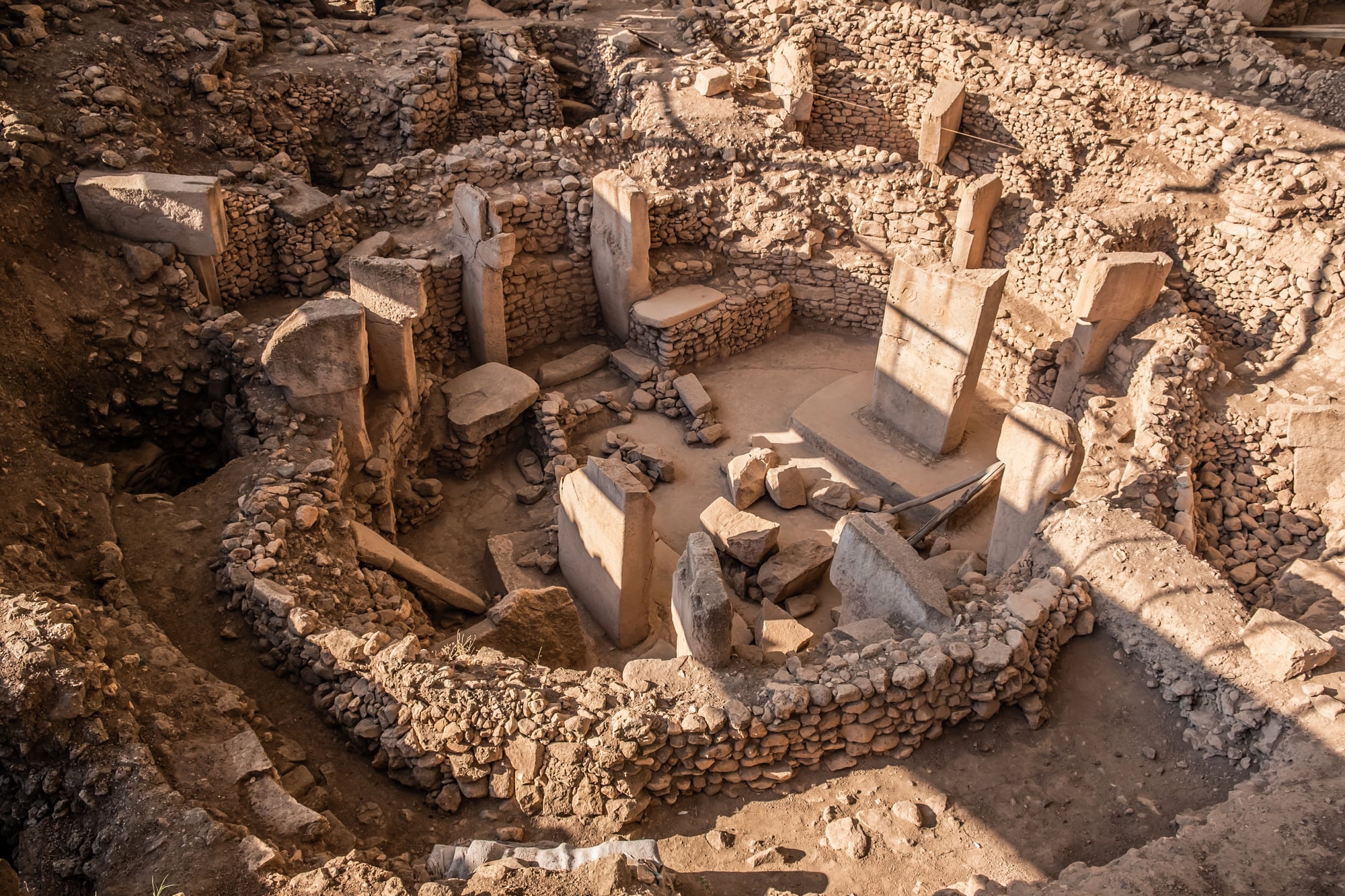
The ancient site of Göbekli Tepe has reshaped how historians think about early human societies. Dating back over 11,000 years, it predates Stonehenge by several thousand years, yet features massive stone pillars arranged in complex circular patterns.
What makes it especially puzzling is that it appears to have been built before the rise of settled agriculture. That detail challenges long-held assumptions about how organized labor and large-scale construction first developed.
The Antikythera Mechanism
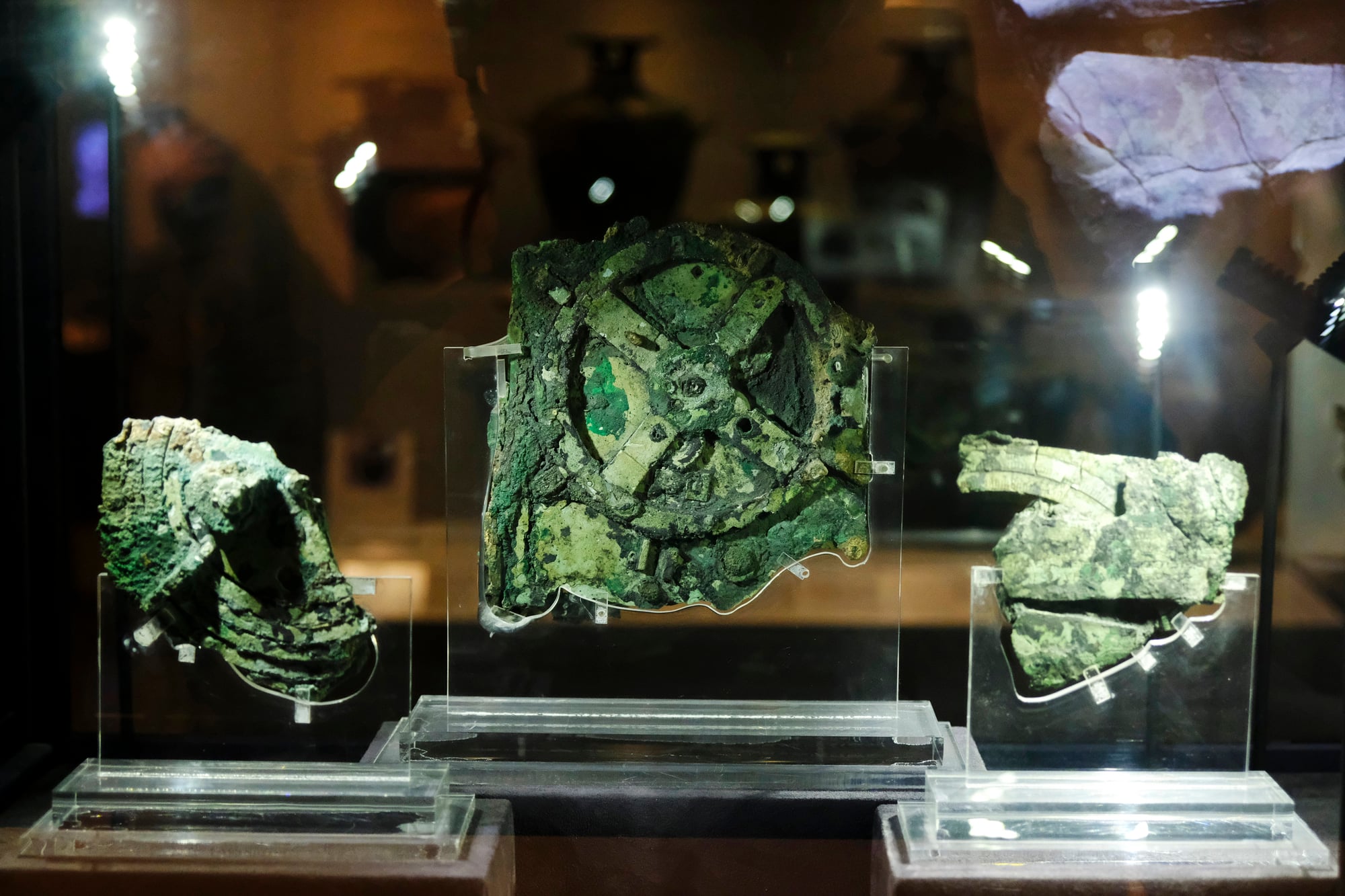
Recovered from a shipwreck off the coast of Greece, the Antikythera Mechanism is often described as the world’s first known analog computer. Its intricate system of gears was used to predict astronomical positions and eclipses, demonstrating a level of engineering that seems far ahead of its time.
Even today, researchers continue to study its design to understand how it was constructed. The sophistication of the device raises questions about what other technologies may have been lost to history.
The Nazca Lines
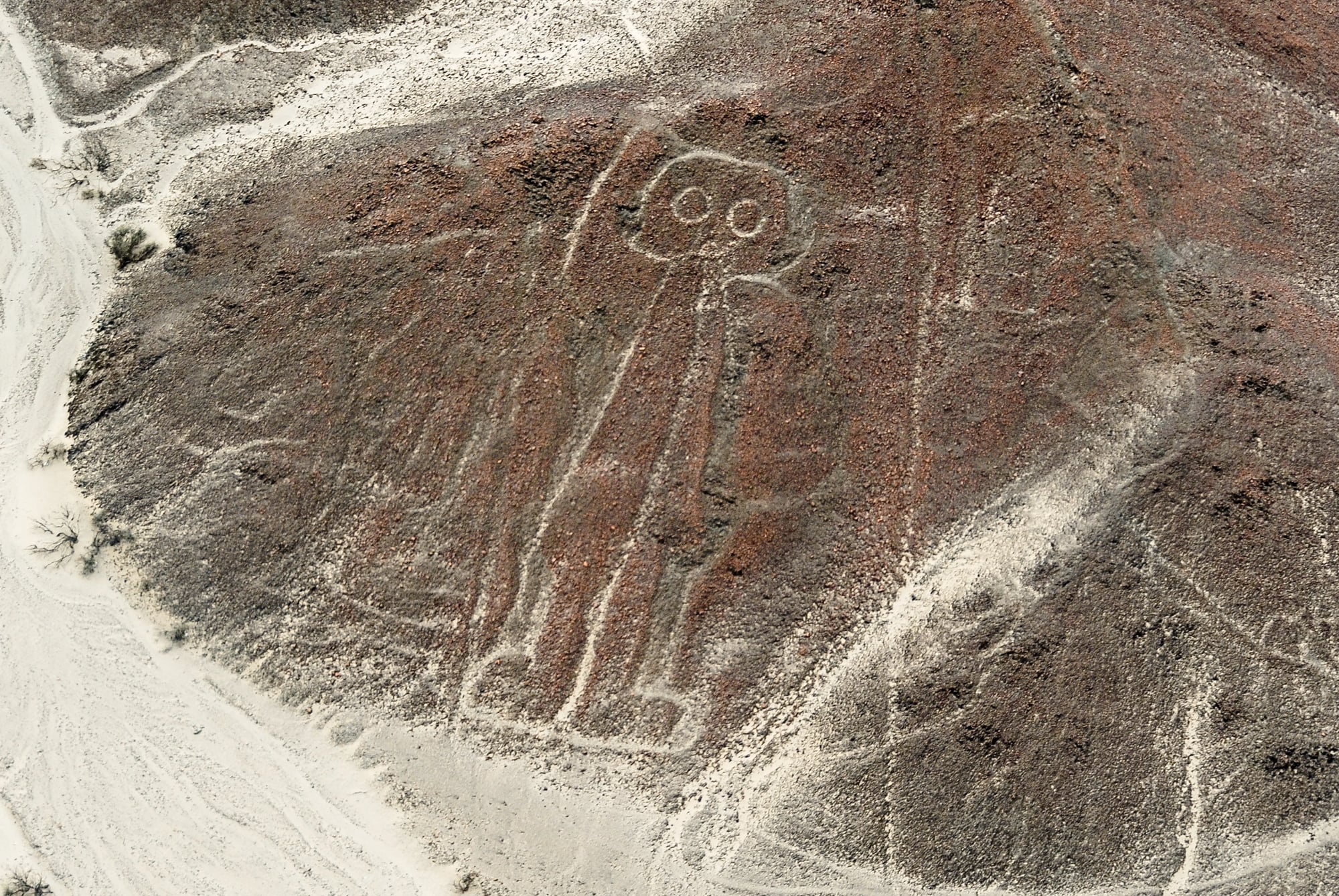
Stretching across the desert in Peru, the Nazca Lines form enormous shapes and figures that are best viewed from above. Created by removing the top layer of earth to reveal lighter soil beneath, these designs have remained intact for centuries.
Their purpose remains unclear, with theories ranging from ceremonial pathways to astronomical markers. The scale and precision of the lines continue to captivate researchers and visitors alike.
The Terracotta Army

Discovered in 1974, the Terracotta Army consists of thousands of life-sized figures buried alongside China’s first emperor. Each soldier features unique facial details, suggesting careful craftsmanship rather than mass production.
The sheer number of figures and the scale of the site hint at the resources and organization required to create it. Still, many aspects of the burial complex remain unexplored, adding to its sense of mystery.
Machu Picchu

Perched high in the Andes Mountains, Machu Picchu is often associated with the height of Inca engineering. Its precise stonework and strategic location suggest a site of significant importance, yet its exact purpose is still debated.
Some believe it served as a royal estate, while others see it as a ceremonial center. Its remote setting only adds to the intrigue.
The Pyramids of Giza

The Pyramids of Giza have stood for thousands of years, yet their construction continues to spark discussion. Built with remarkable precision, they align closely with cardinal directions and display an understanding of geometry that remains impressive even today.
While their function as tombs is well established, the methods used to build them at such scale are still debated. Their presence continues to define ancient Egyptian civilization.
The Stone Spheres of Costa Rica

Scattered across parts of Costa Rica, the Stone Spheres of Costa Rica are nearly perfect in shape, ranging from small to several feet in diameter. Their purpose is not clearly understood, and their original placement may have held cultural or symbolic meaning.
Creating such precise spheres with limited tools would have required significant skill. Their simplicity makes them all the more puzzling.
The Voynich Manuscript
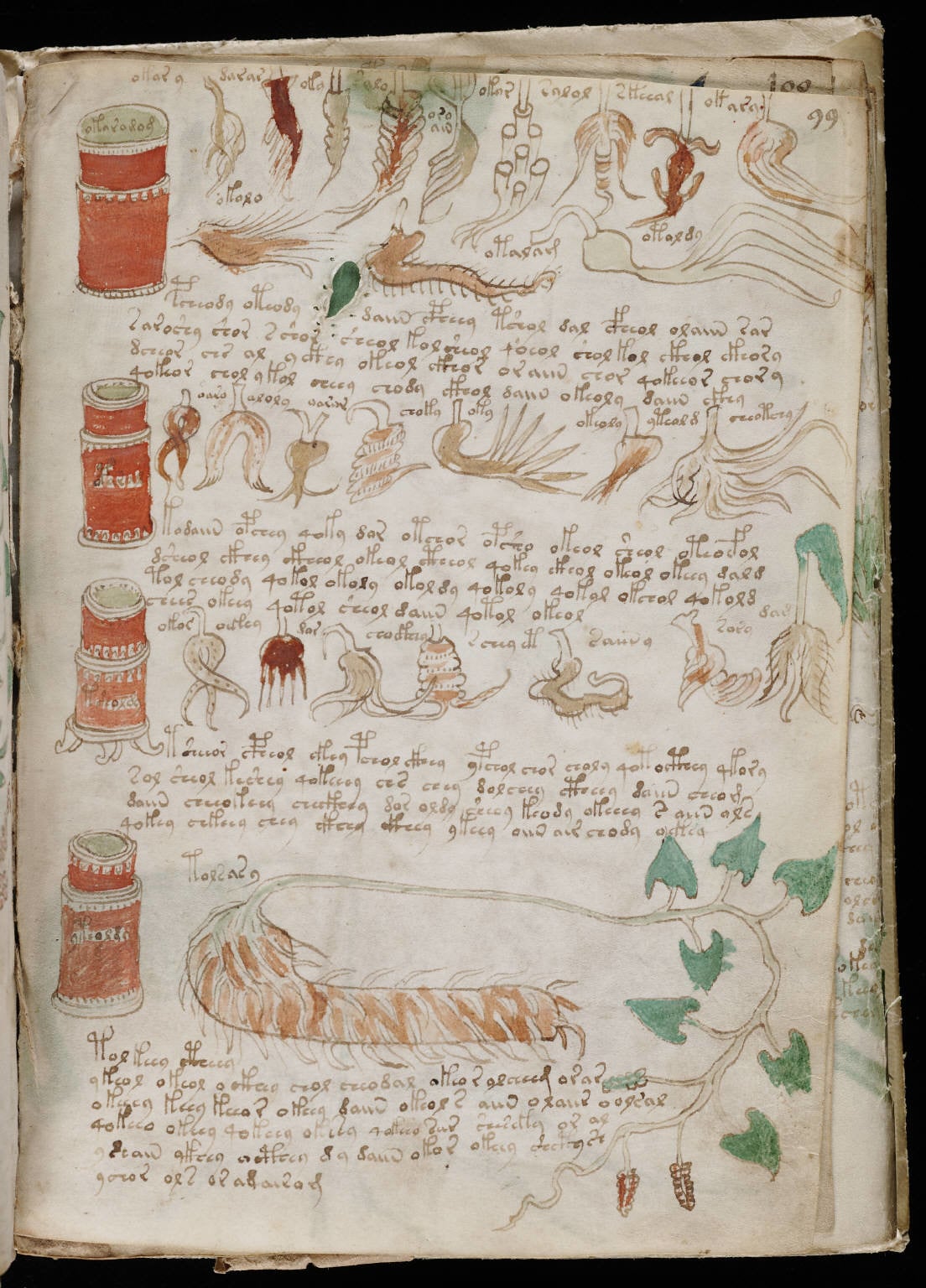
The Voynich Manuscript is one of the most famous unsolved texts in the world. Written in an unknown script and filled with unusual illustrations, it has resisted all attempts at translation.
Linguists, cryptographers, and historians have studied it for decades without reaching a consensus. Its origin and meaning remain open questions.
Easter Island Moai

The towering statues of Easter Island, known as moai, are instantly recognizable. Carved from volcanic rock, they were transported across the island and positioned on stone platforms.
The methods used to move these massive figures continue to be studied. Their cultural significance is better understood, yet the logistics behind their placement still invite curiosity.
The Indus Valley Civilization
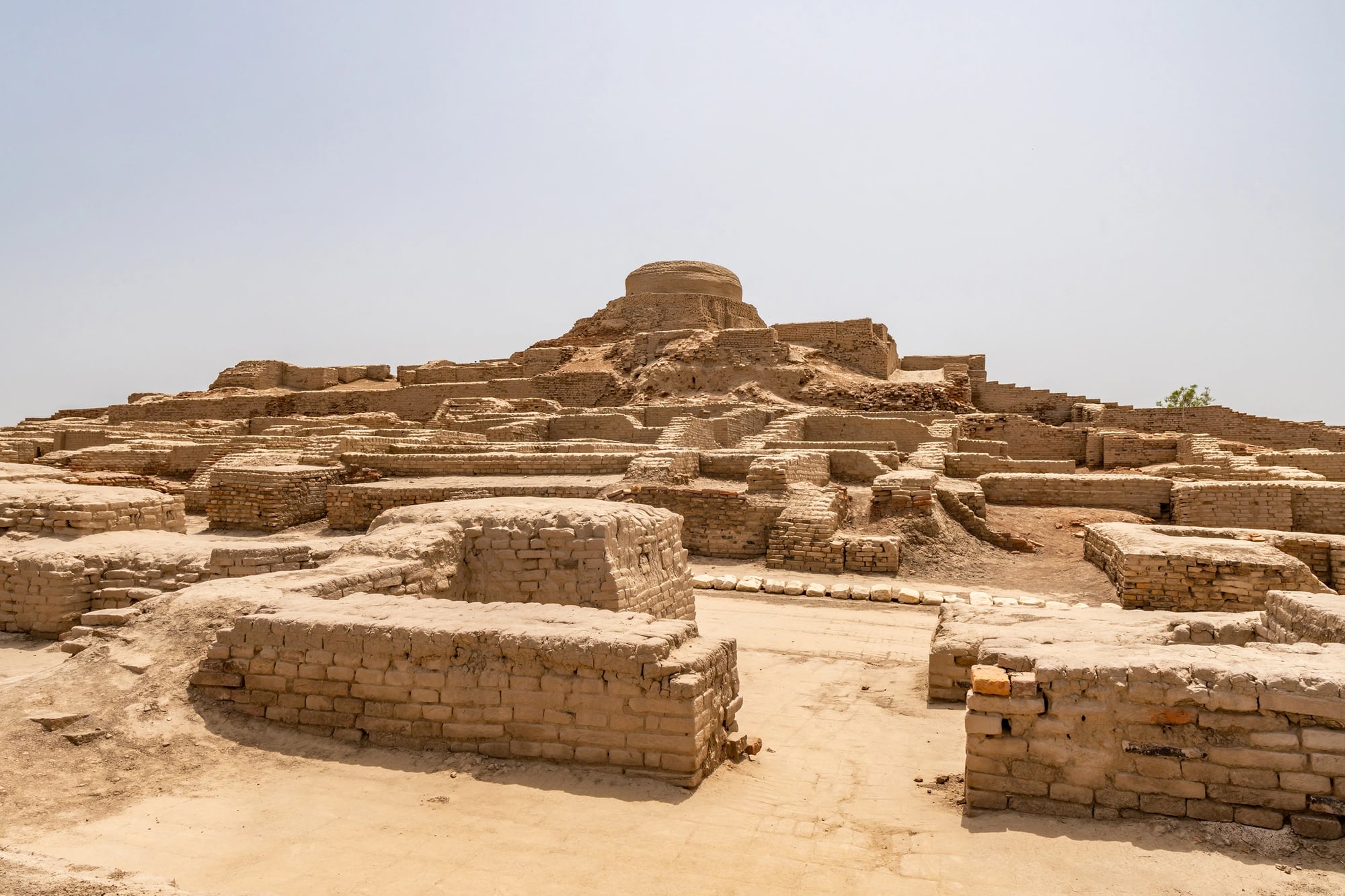
The cities of the Indus Valley Civilization reveal advanced urban planning, including grid layouts and drainage systems. Despite these achievements, their writing system has not been fully deciphered.
This gap limits understanding of their social and political structure. Their sudden decline adds another layer of uncertainty.
The Baghdad Battery
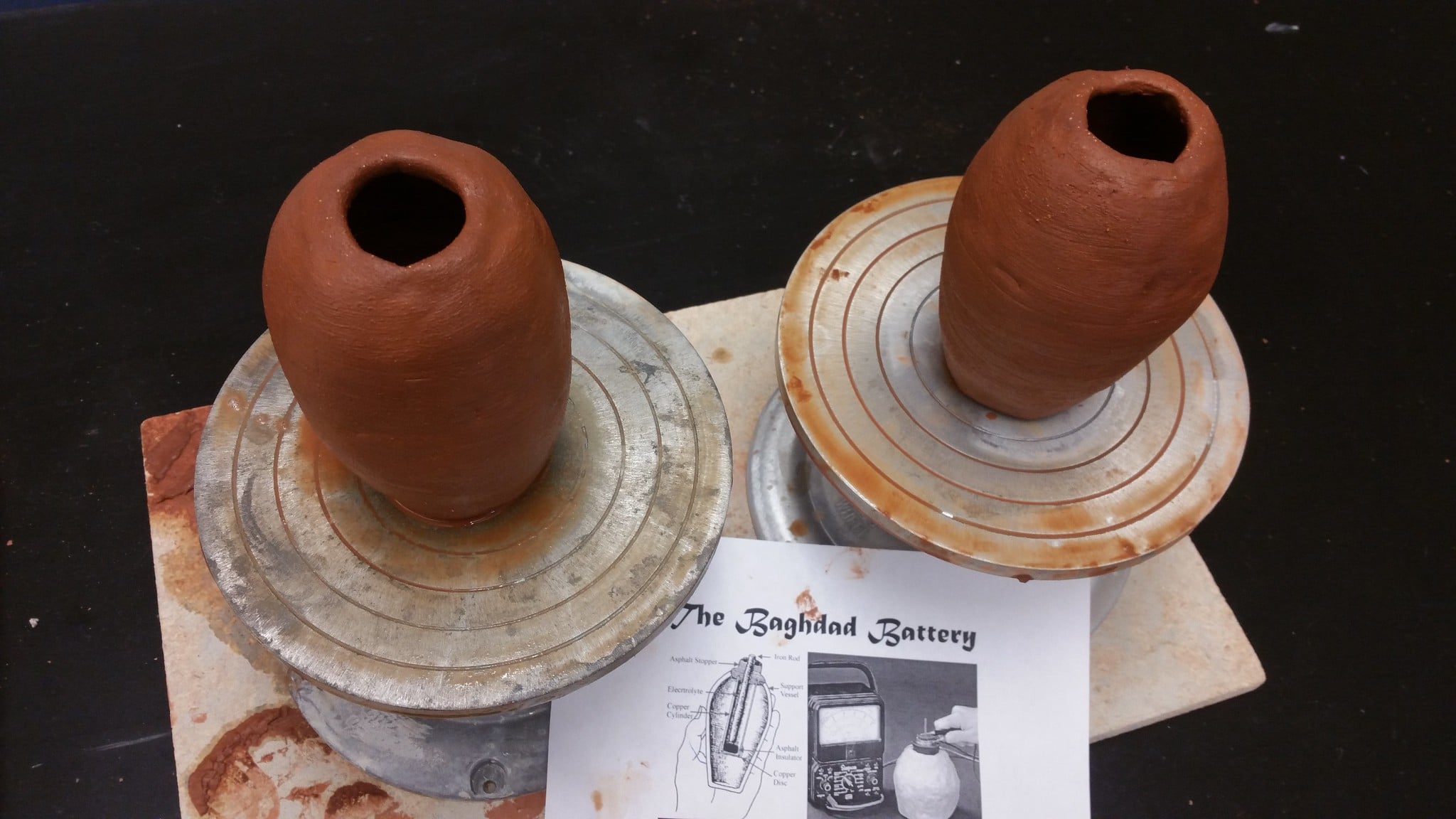
Often cited in discussions of early technology, the Baghdad Battery consists of a clay jar containing a metal rod and cylinder. Some researchers suggest it may have been used to generate a small electrical charge, though this interpretation remains debated.
Others propose more conventional uses. The uncertainty keeps it firmly in the realm of mystery.
The Lost City of Petra

Carved directly into sandstone cliffs, Petra was once a thriving trade hub. Its elaborate facades and water management systems reflect a high level of engineering.
While much has been uncovered, large portions of the city remain buried. Each new discovery adds to an already complex picture.
The Olmec Colossal Heads

The massive stone heads created by the Olmec civilization are notable for their size and detail. Weighing several tons, they were transported over long distances without modern equipment.
Their purpose is generally believed to be commemorative, possibly representing rulers. Even so, the logistics of their creation remain impressive.
The Nazca Underground Aqueducts

In addition to the famous lines, the Nazca people also constructed a network of underground aqueducts. These systems demonstrate an advanced understanding of water management in a dry environment.
Many of them are still functional today. Their durability highlights the ingenuity of civilization.
The Lascaux Cave Paintings
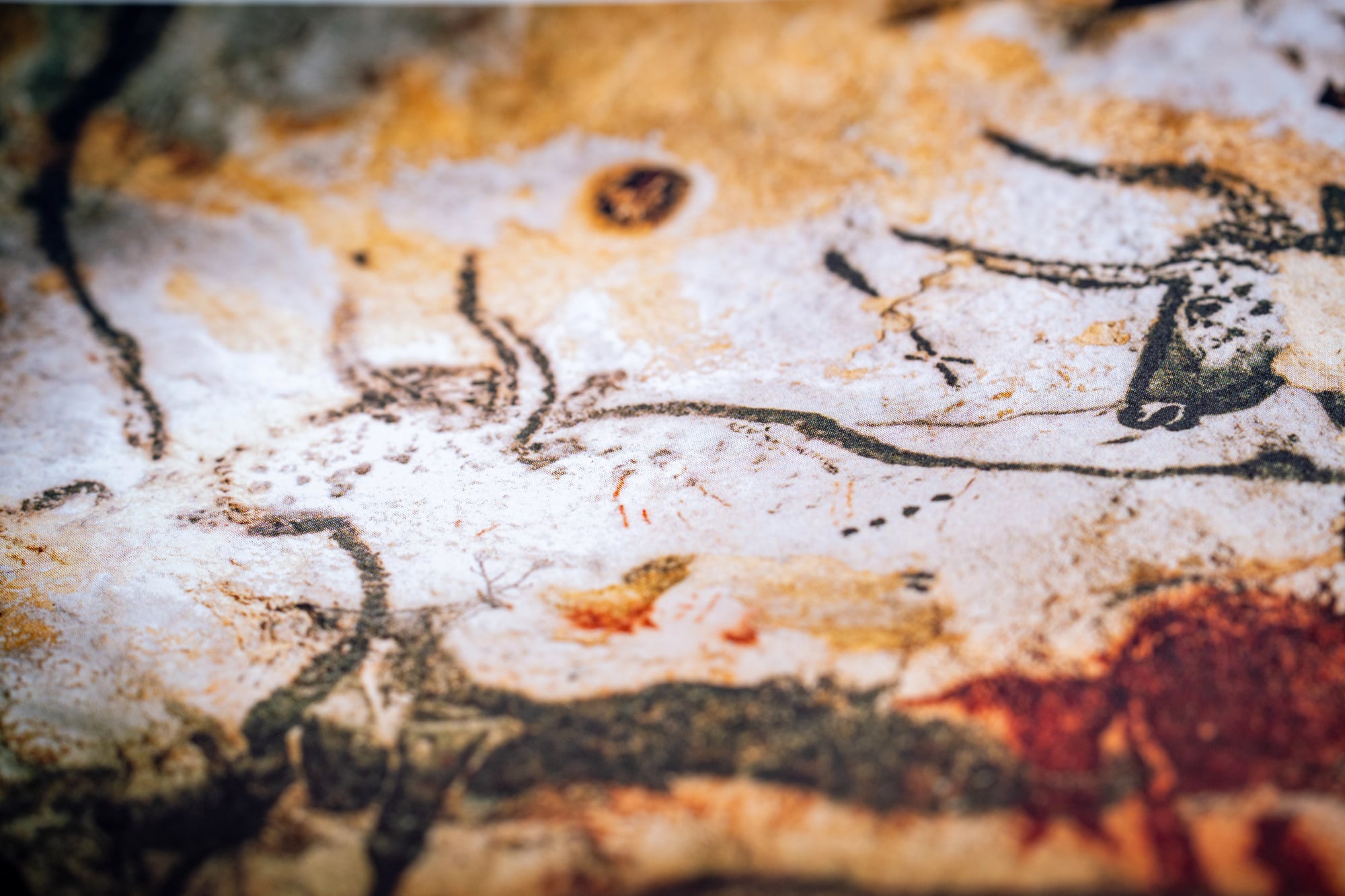
The artwork found in Lascaux Caves dates back thousands of years and depicts animals with remarkable detail. The purpose of these paintings is still debated, with theories ranging from ritual use to storytelling.
The techniques used to create them suggest careful planning. Their preservation adds to their significance.
The Yonaguni Monument

Off the coast of Japan, the Yonaguni Monument features large, stepped formations beneath the sea. Some believe it is a natural formation, while others argue for human involvement.
The debate continues due to limited evidence. Its appearance alone makes it a subject of fascination.
The Dead Sea Scrolls

Discovered in caves near the Dead Sea, the Dead Sea Scrolls provide valuable insight into early religious texts. Their preservation in such harsh conditions is remarkable.
While much has been translated, questions remain about their full context and authorship. They continue to be studied for new insights.
The Saqqara Bird

The Saqqara Bird is a small wooden object shaped like a bird, though some have suggested it resembles a glider. Most scholars view it as a symbolic or decorative item rather than evidence of early flight.
Still, its design invites curiosity. It remains a small but intriguing piece of a much larger history.
Why the Past Still Keeps Its Secrets

It’s not only the answers that draw us in, it is the silence between them. A single object, a buried floorplan – each opens a window onto lives once whole, meaningful to themselves, now scattered like pages lost from a book.
Despite tools that scan beneath soil and decode ancient marks, some pieces stay missing, always out of reach. Something about not knowing everything makes archaeology hard to put down.
Far from being a finished tale on a shelf, history reveals itself slowly, one fragment at a time. Often, the real weight lies less in solved mysteries than in those still whispering through silence.
More from Go2Tutors!

- The Romanov Crown Jewels and Their Tragic Fate
- 13 Historical Mysteries That Science Still Can’t Solve
- Famous Hoaxes That Fooled the World for Years
- 15 Child Stars with Tragic Adult Lives
- 16 Famous Jewelry Pieces in History
Like Go2Tutors’s content? Follow us on MSN.