Forgotten Inventions That Led to Modern Breakthroughs
History tends to remember the big names and the final products, but it often forgets the earlier ideas that made those achievements possible. Many inventions we use today wouldn’t exist without strange, obscure, or abandoned creations from the past.
These forgotten pieces of technology quietly paved the way for the modern world, even though most people have never heard of them. Let’s look at some of these overlooked innovations that helped shape everything from computers to medicine.
The Antikythera mechanism
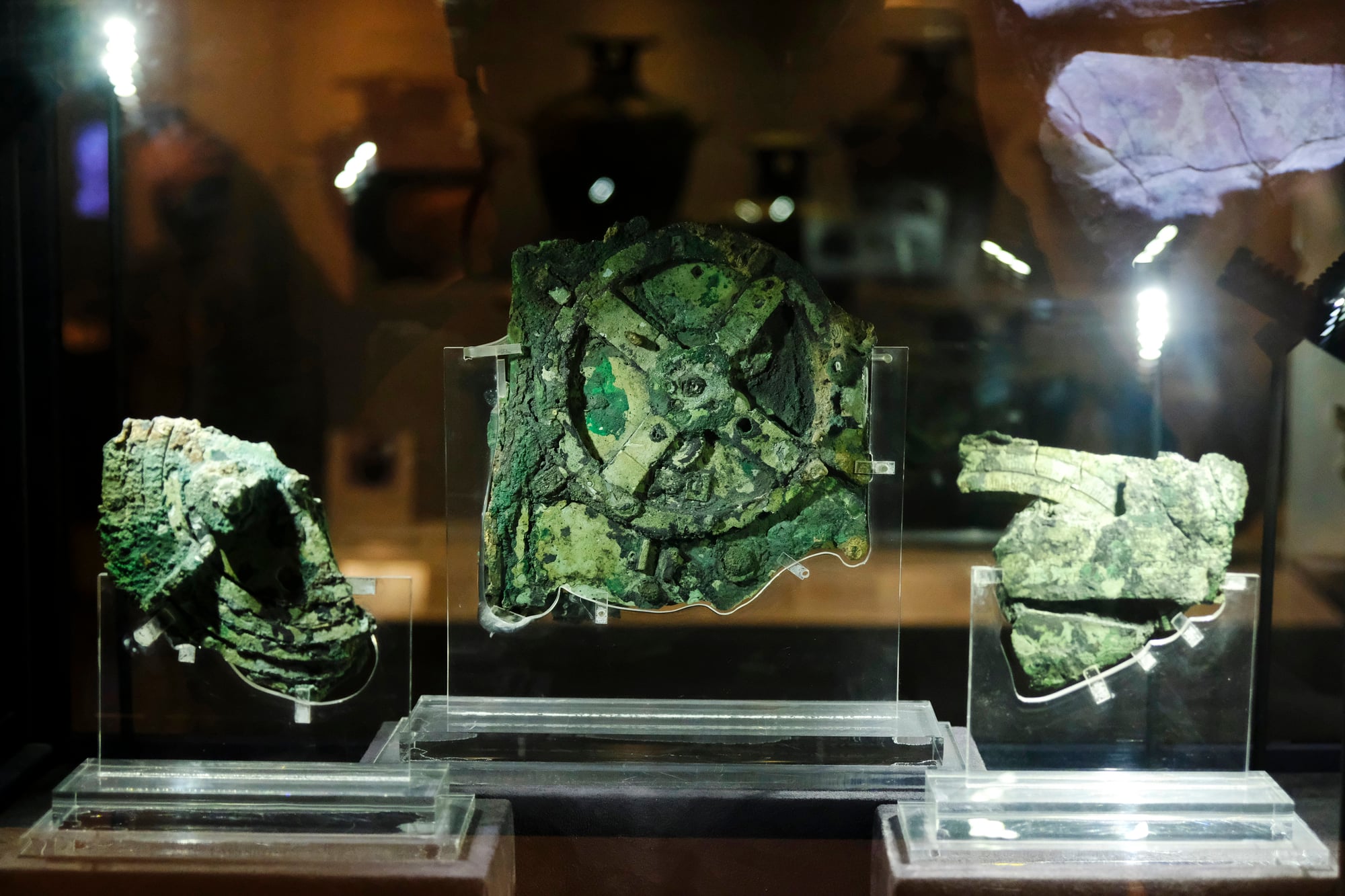
Ancient Greece gave us philosophy and democracy, but it also created something far stranger. Around 100 BC, Greek engineers built a device found decades ago in a shipwreck off the coast of Antikythera.
This bronze machine had over 30 gears and could predict eclipses, track planetary movements, and even account for the irregular orbit of the moon. Scientists didn’t see anything this advanced again until medieval clockmakers started working centuries later.
Philo’s water clock

Most people know sundials, but fewer have heard of Philo of Byzantium and his water-powered timekeeping system from around 250 BC. He designed a clock that used flowing water to move gears and measure hours with surprising accuracy.
The device included an early feedback system that kept the water flowing at a steady rate, which meant the time stayed consistent. This idea of using feedback to control a machine became central to everything from thermostats to cruise control in cars.
The Nipkow disk
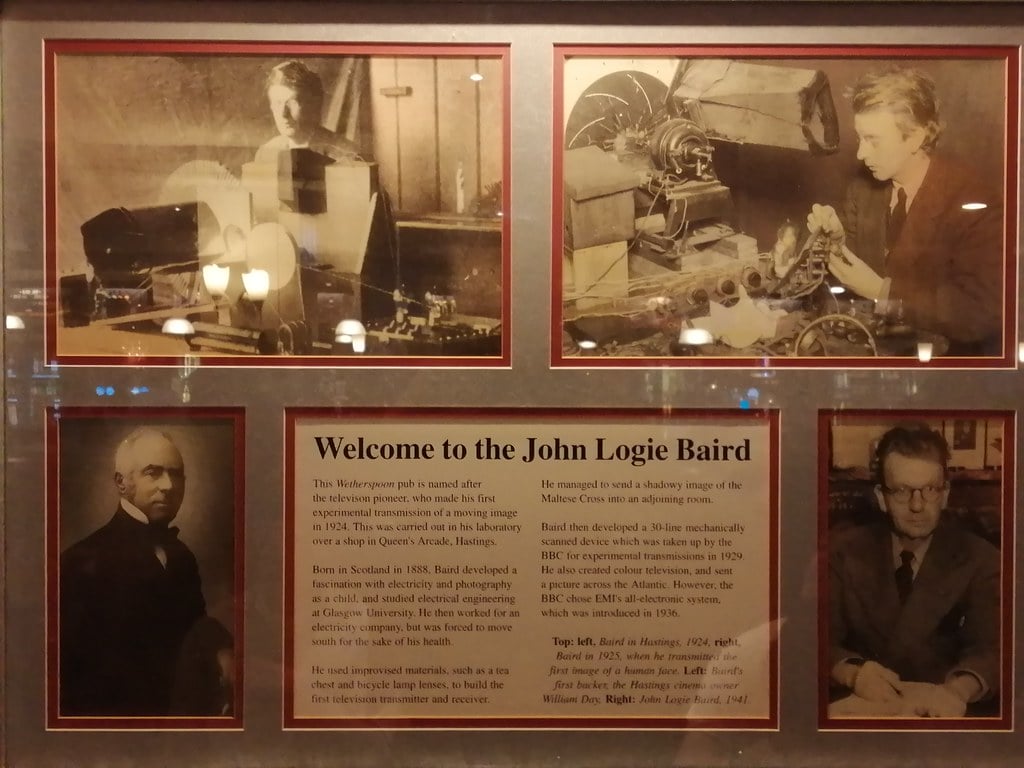
Television didn’t just appear out of nowhere. In 1884, a German student named Paul Nipkow created a spinning disk with pits arranged in a spiral pattern.
When light passed through the disk, it scanned an image line by line, turning it into a signal that could be transmitted and then reassembled. Early TV broadcasts in the 1920s and 1930s used this mechanical scanning method before electronic systems took over.
Vannevar Bush’s differential analyzer
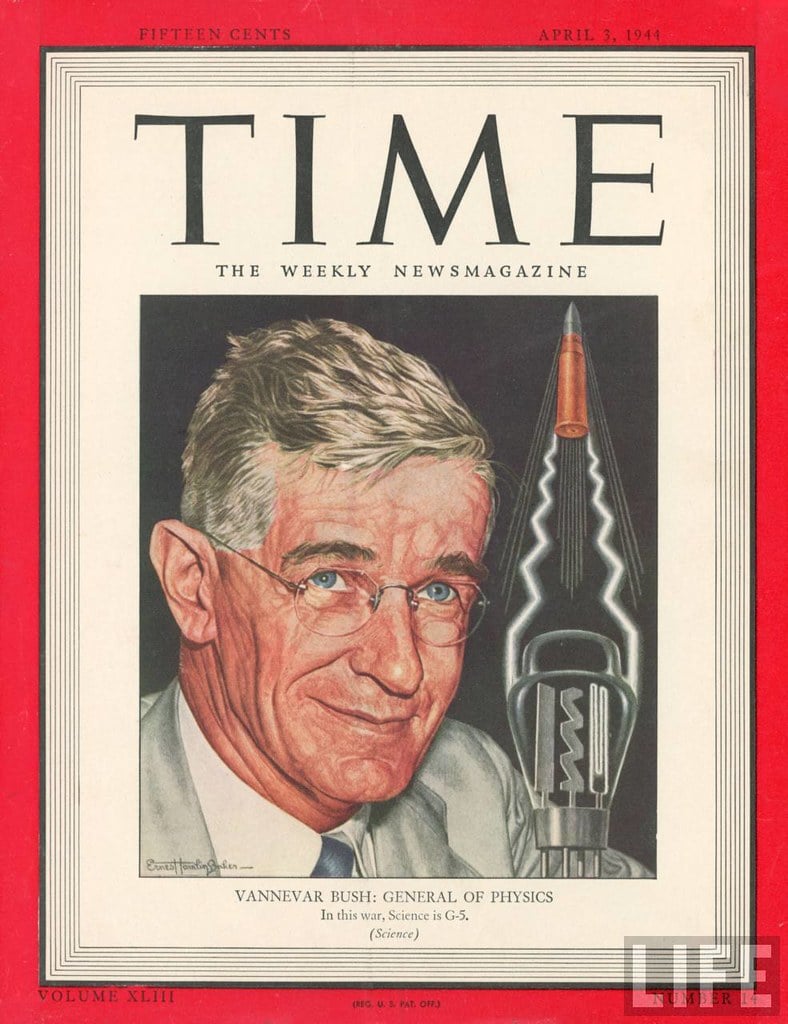
Long before digital computers, there were analog machines that solved equations using mechanical parts. Vannevar Bush built one of the most advanced versions in 1927 at MIT, using wheels, gears, and shafts to calculate complex mathematical problems.
Scientists and engineers used it to design everything from bridges to military equipment during World War II. The differential analyzer proved that machines could handle advanced calculations, which helped convince researchers that building programmable electronic computers was worth the effort.
The plankalkül programming language
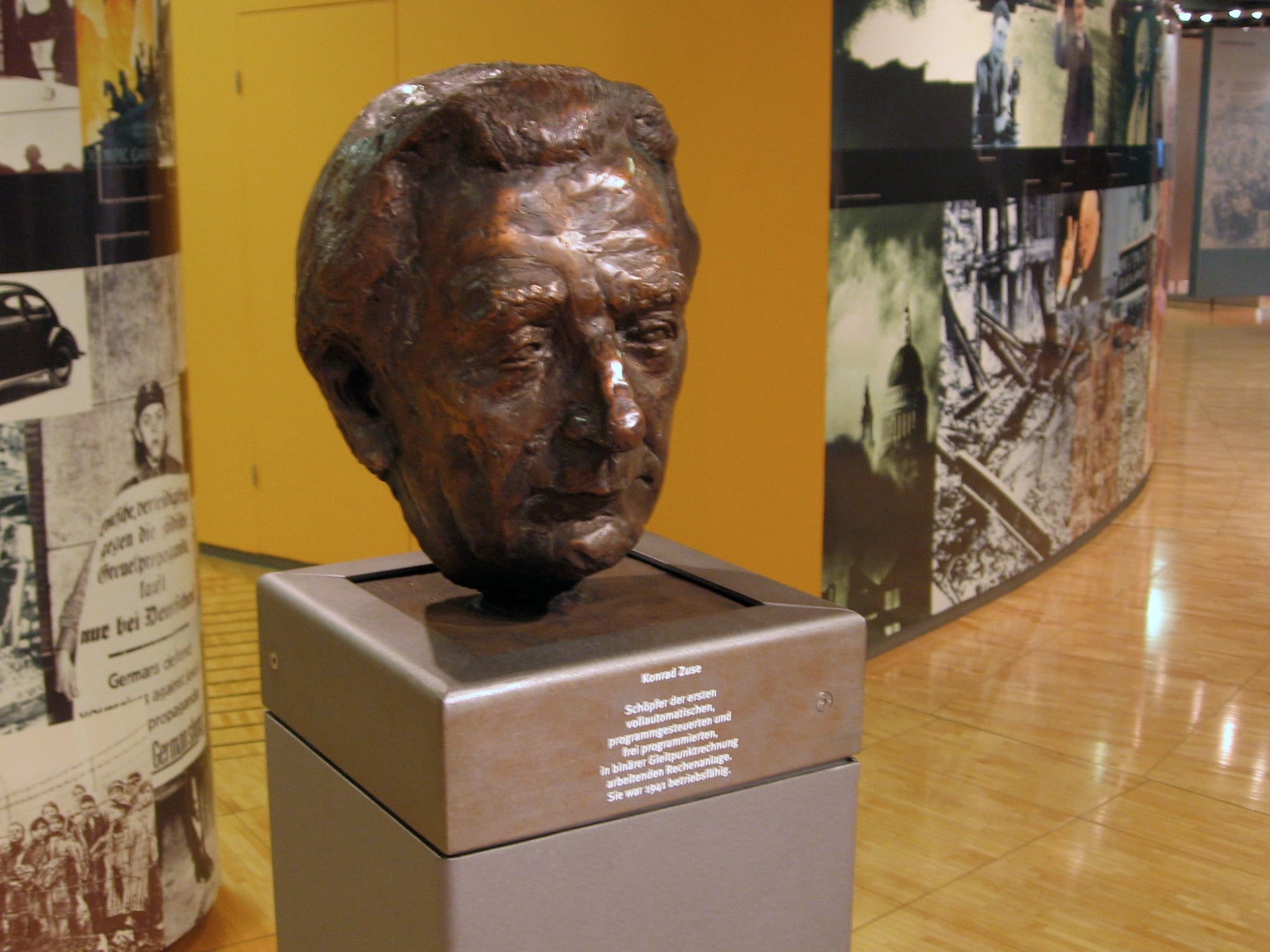
Konrad Zuse created the first high-level programming language in the 1940s while working in wartime Germany, but almost nobody knew about it for decades. Plankalkül included ideas like data types, arrays, and even early concepts of what would later be called loops and functions.
Zuse designed it to control his mechanical computers, but the war and its aftermath meant his work stayed hidden from the wider scientific community. When researchers finally discovered his notes in the 1970s, they realized he had independently invented many of the same principles that became standard in modern programming.
The telegraphone
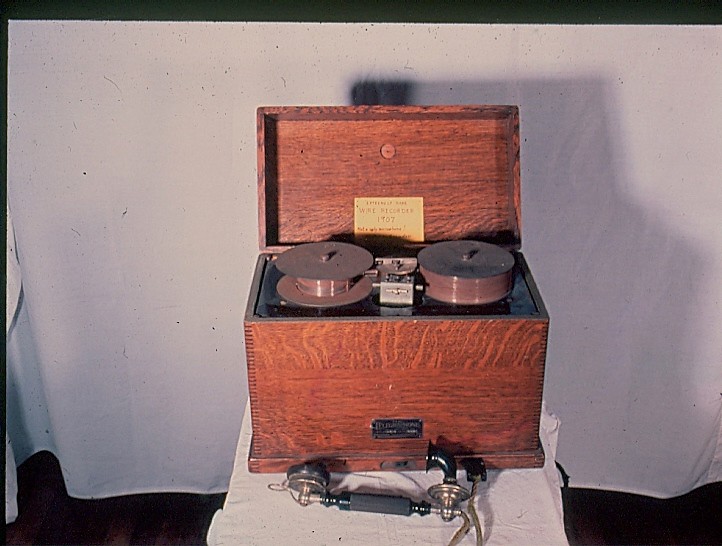
Before cassette tapes or digital recording, a Danish inventor named Valdemar Poulsen built a device in 1898 that recorded sound on a steel wire using magnetism. The telegraphone captured audio by changing the magnetic alignment of the wire as it passed by an electromagnet.
Though it never became popular, the idea of magnetic recording eventually led to tape recorders, hard drives, and every other form of data storage that relies on magnetism. Poulsen’s device was decades ahead of its time, but the technology wasn’t ready for mass production yet.
The Birmingham Blitz radar jammer
During World War II, British engineers needed to confuse German radar systems, so they developed a device called Carpet that created false signals. The jammer worked by receiving radar waves and then sending back modified versions that made it look like planes were in different locations.
This early form of electronic warfare required engineers to understand how to manipulate radio frequencies in real time. The techniques developed for jamming enemy radar became the foundation for modern signal processing, which now powers everything from cell phones to Wi-Fi routers.
The Jacquard loom
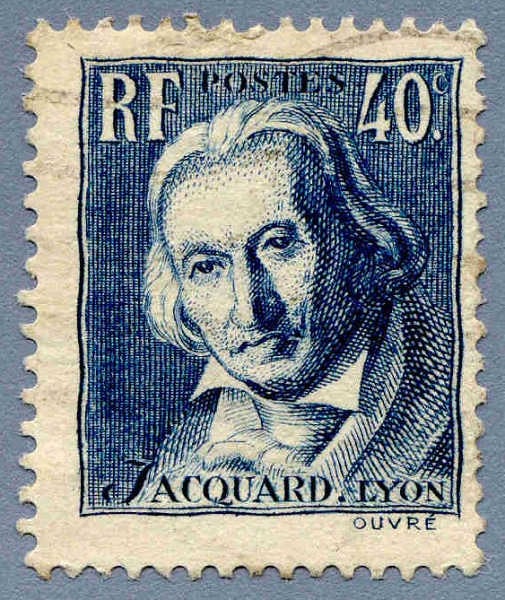
In 1804, a French weaver named Joseph Marie Jacquard invented a loom that used punched cards to control which threads went up or down. The cards had pits in specific patterns, and the loom read these pits to create complex designs automatically.
Factory owners could change the pattern just by swapping out the cards, which made weaving far more flexible. Charles Babbage saw the loom in action and realized that punched cards could also control a calculating machine, which led directly to the concept of programmable computers.
The Edison effect tube
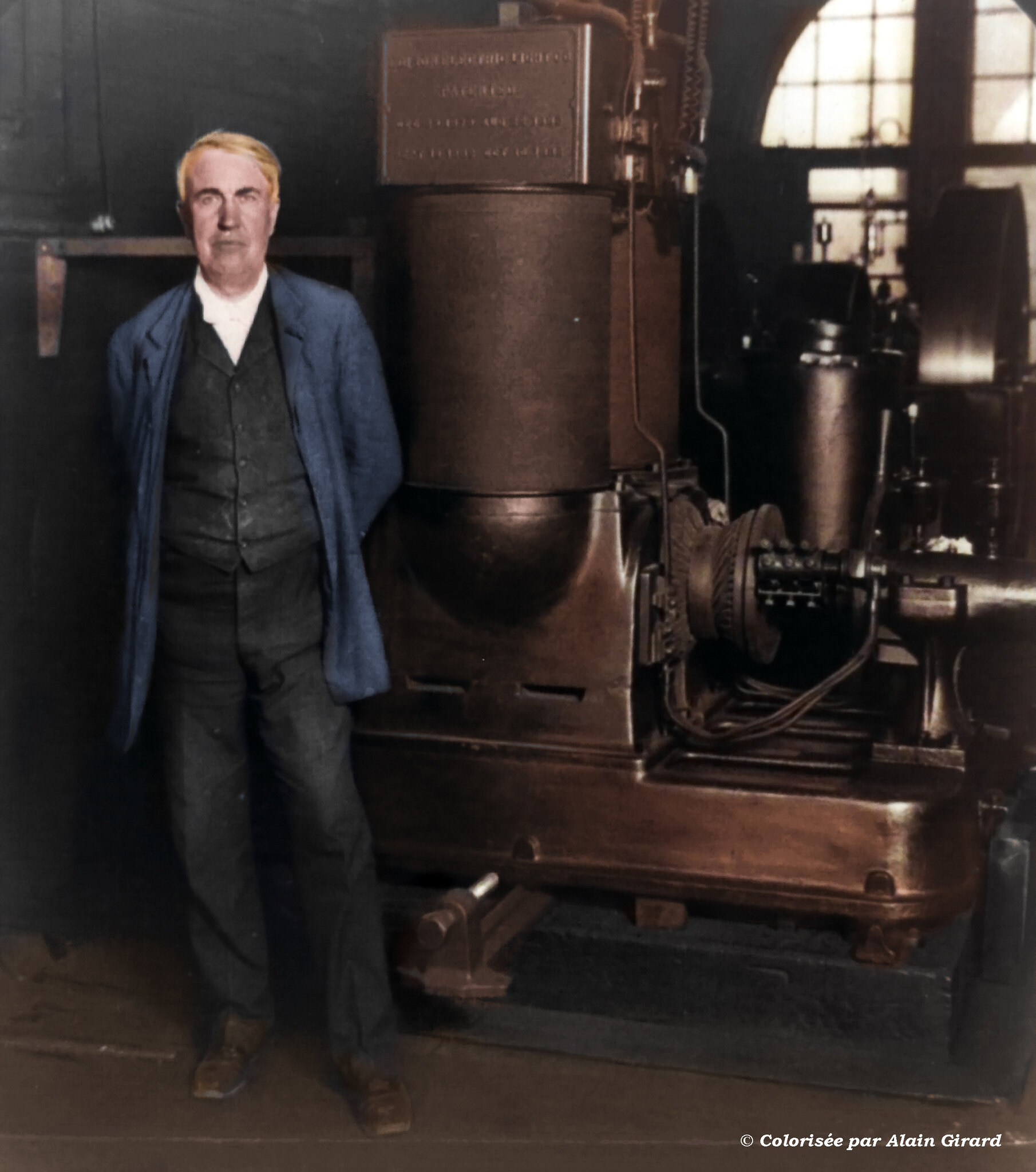
Thomas Edison noticed something odd in 1883 while working on light bulbs. He put an extra wire inside a bulb and found that electricity could flow through the vacuum from the hot filament to the wire, but only in one direction.
Edison didn’t know what to do with this discovery, so he just patented it and moved on. Two decades later, other inventors realized this effect could be used to control electrical current, which led to the invention of vacuum tubes.
The Stirling engine

Robert Stirling designed an external combustion engine in 1816 that ran on temperature differences rather than explosions inside a cylinder. The engine heated air on one side and cooled it on the other, which made a piston move back and forth.
It was safer and quieter than steam engines, but it never caught on because steam power improved faster. Modern engineers have started building Stirling engines again because they can run on any heat source, including solar energy.
The Vocoder
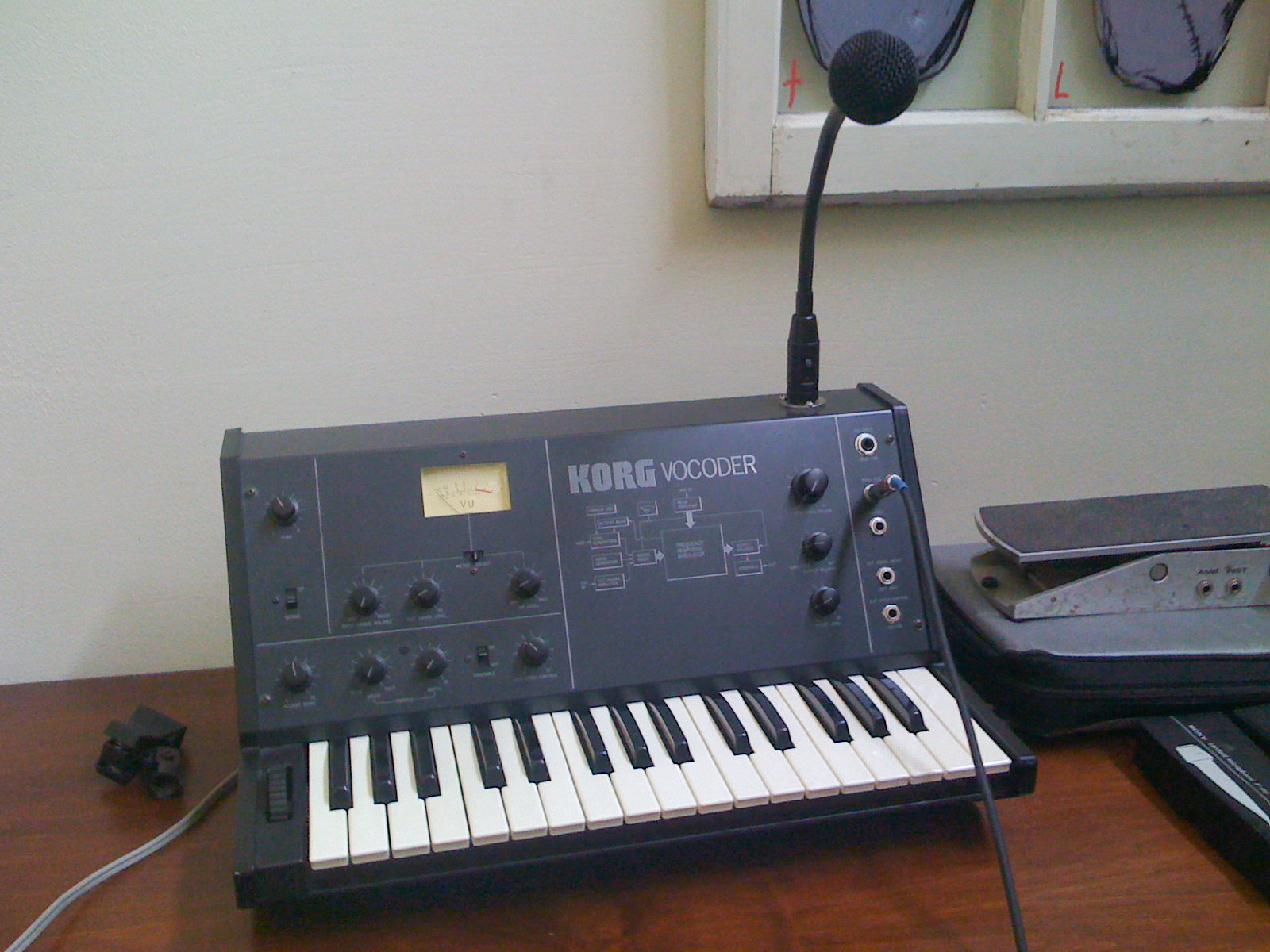
Bell Labs invented the vocoder in 1938 to compress voice signals for secure military communications. The device broke down speech into different frequency bands and then reassembled them at the other end.
Musicians discovered the vocoder decades later and used it to create robotic-sounding voices in electronic music. More importantly, the technology behind the vocoder became essential for digital audio compression, which now powers everything from MP3 files to streaming services.
The Telautograph
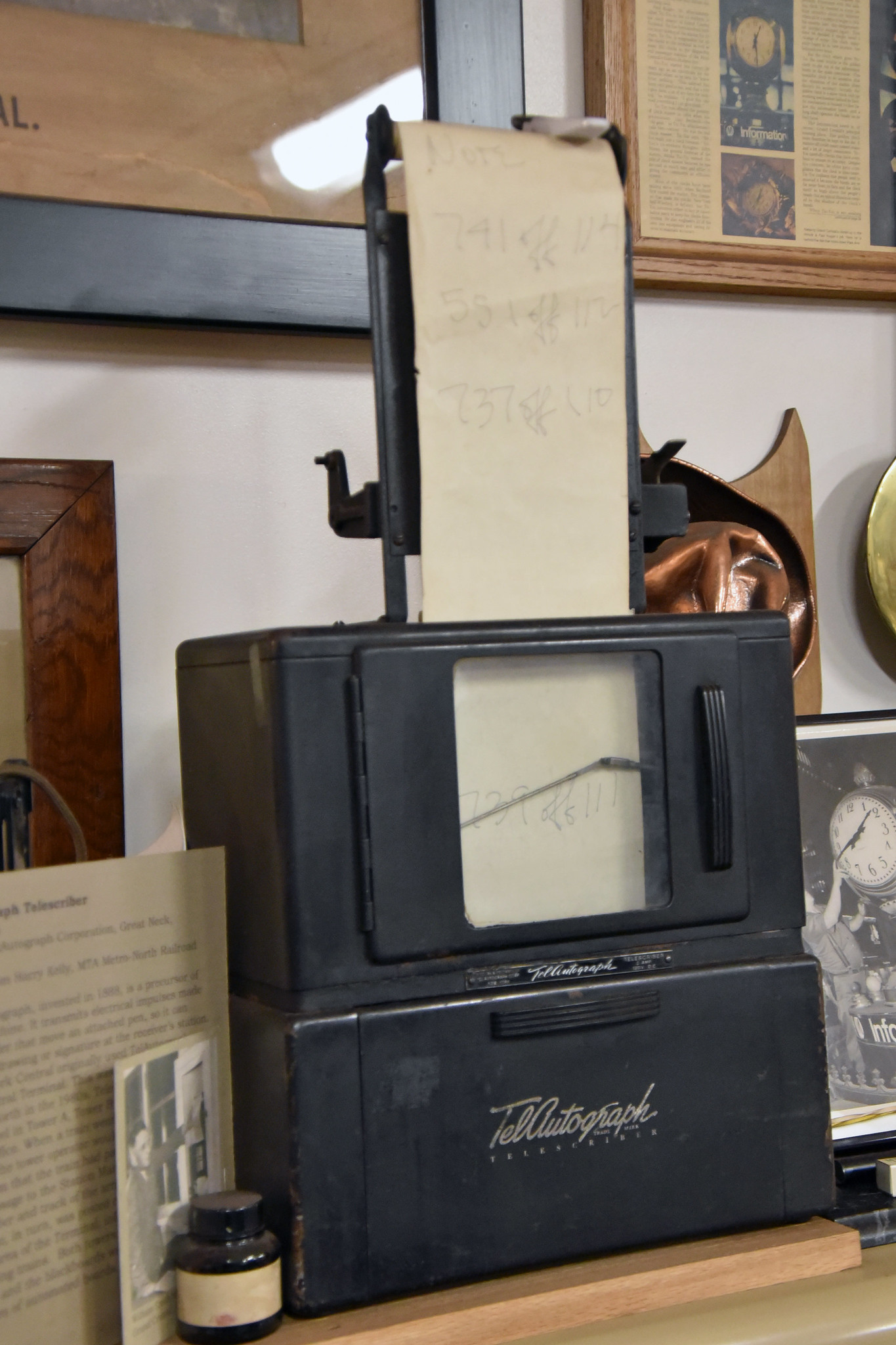
Elisha Gray invented a device in 1888 that could transmit handwriting over telegraph wires. The sender wrote on a special pen connected to electrical circuits, and the receiver’s pen moved in the same pattern.
Businesses used the telautograph to send signatures and drawings before fax machines existed. The device introduced the idea of sending visual information electronically, which eventually evolved into fax technology and then digital document sharing.
The Memex
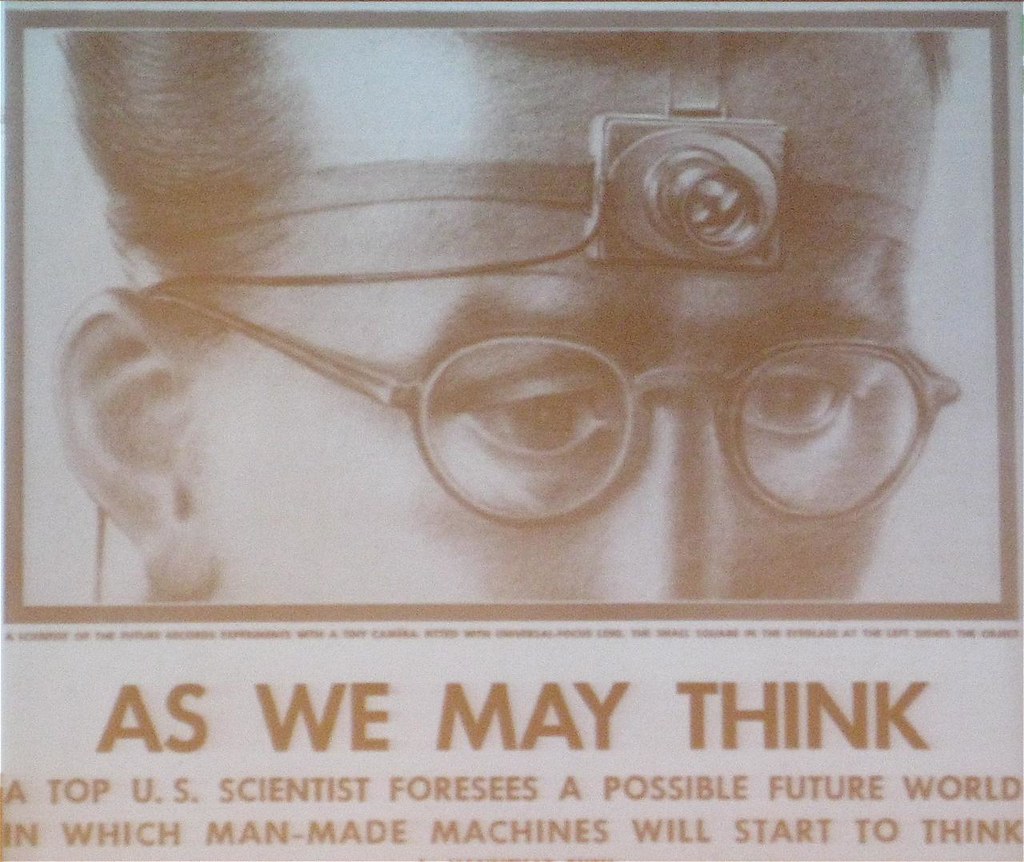
Vannevar Bush described an imaginary machine in 1945 that he called the Memex, which would store all of a person’s books, records, and notes on microfilm. Users could create links between related pieces of information and follow trails of thought from one document to another.
Bush never built the device, but his description influenced the engineers who later created hypertext and the World Wide Web. The Memex showed that information didn’t have to be stored in a rigid order but could be connected in flexible, associative ways.
The Theremin
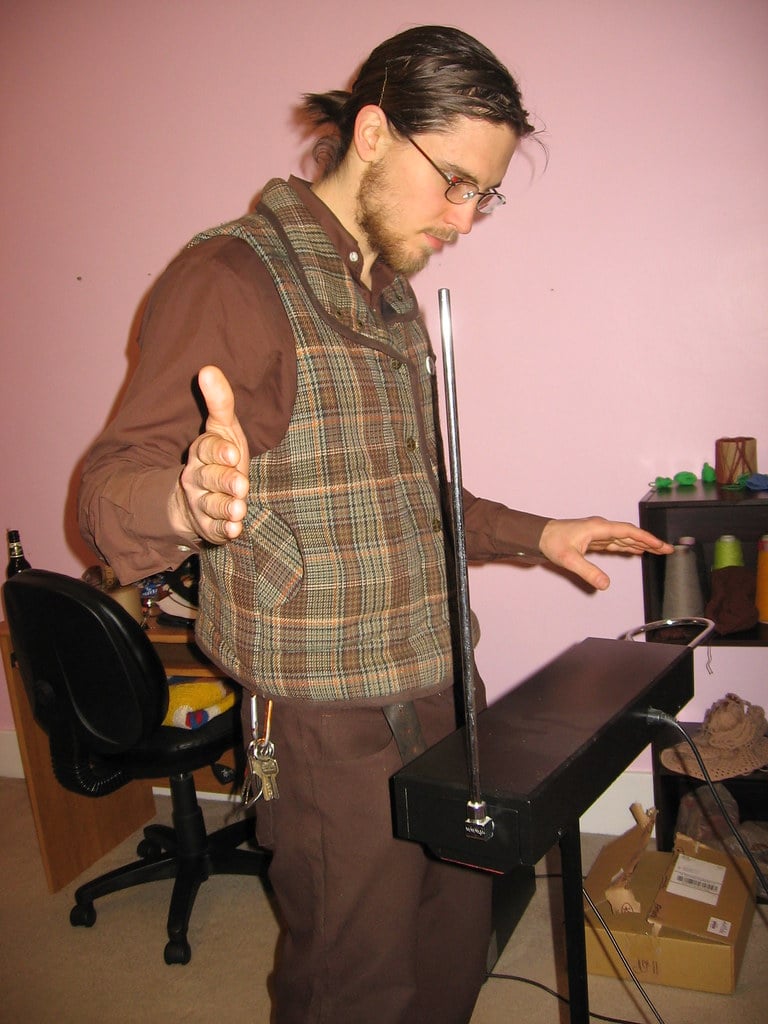
Leon Theremin built an instrument in 1920 that musicians played without touching it. Two metal antennas detected the position of the player’s hands, which controlled pitch and volume through electromagnetic fields.
The theremin produced an eerie, wavering sound that became popular in science fiction movies and experimental music. More significantly, it was one of the first electronic instruments, proving that people could make music with circuits and radio waves instead of strings and hammers.
The Colossus computer
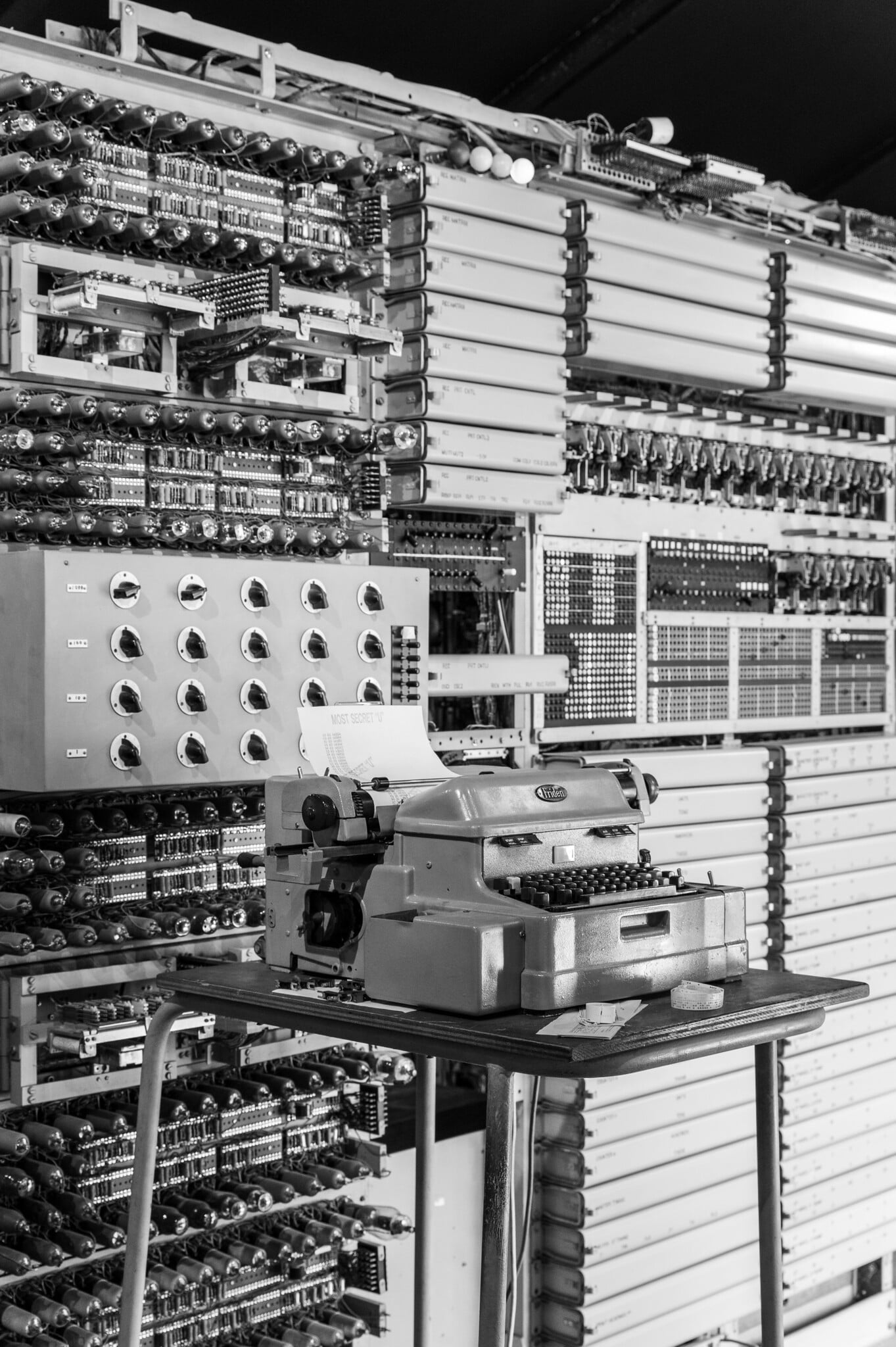
British codebreakers built a massive electronic computer during World War II to crack German encryption, but the government kept it secret for decades. Colossus used vacuum tubes to process data at high speeds, making it one of the first programmable digital computers.
Engineers who worked on the project couldn’t talk about it, so they couldn’t share their innovations with the rest of the computing world. When the machine’s existence finally became public in the 1970s, historians realized that Britain had built advanced computers years before most people thought they existed.
The Fessenden oscillator
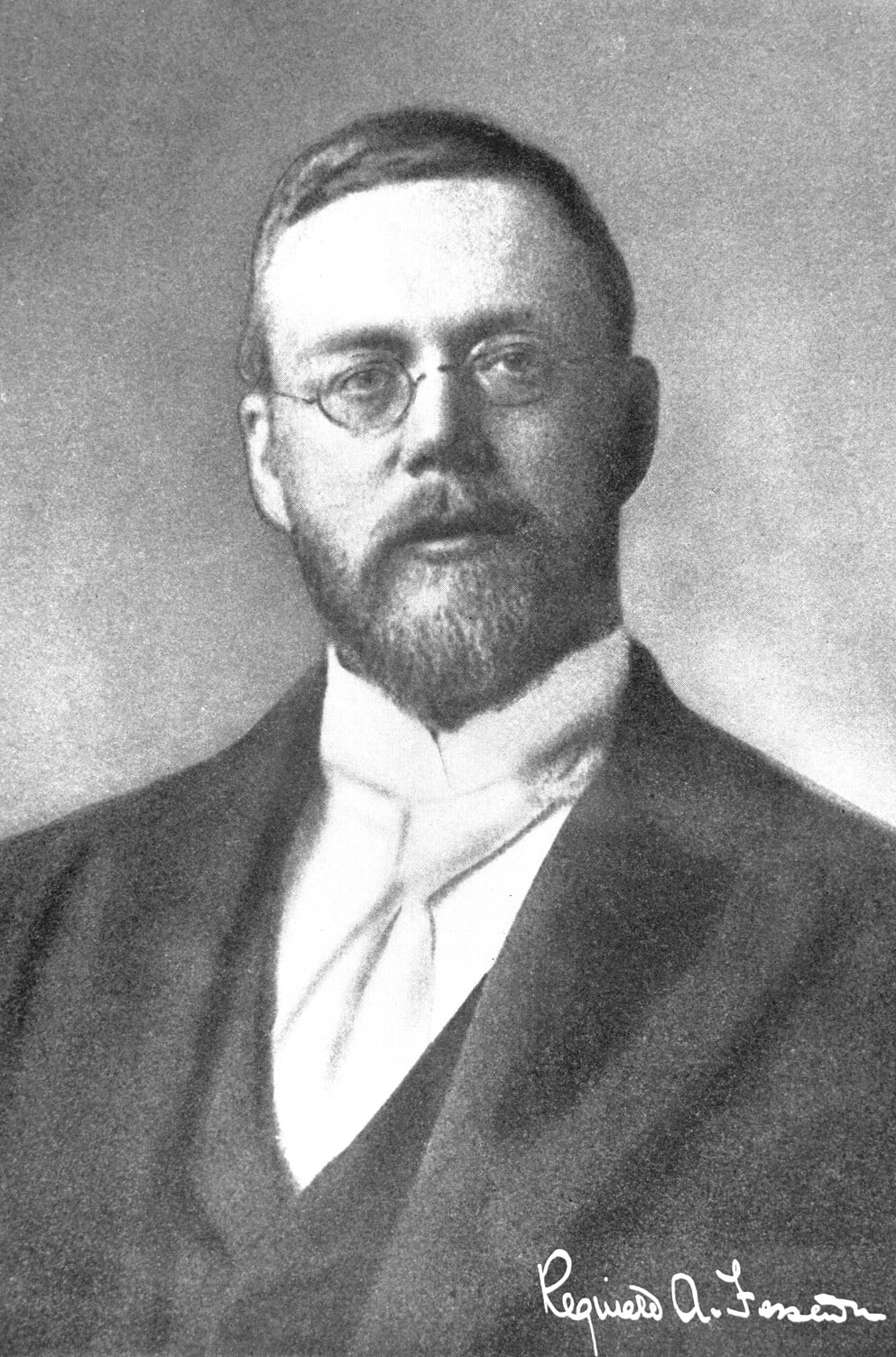
Reginald Fessenden invented an underwater sound device in 1914 that used electrical oscillations to create sound waves powerful enough to travel through the ocean. Navies used it to detect icebergs and submarines, which made it an early form of sonar.
The oscillator proved that sound could be generated and controlled electronically, which later influenced the development of audio equipment and ultrasound imaging in medicine. Fessenden’s device showed that electrical signals could interact with the physical world in useful ways.
The Torpedo Data Computer
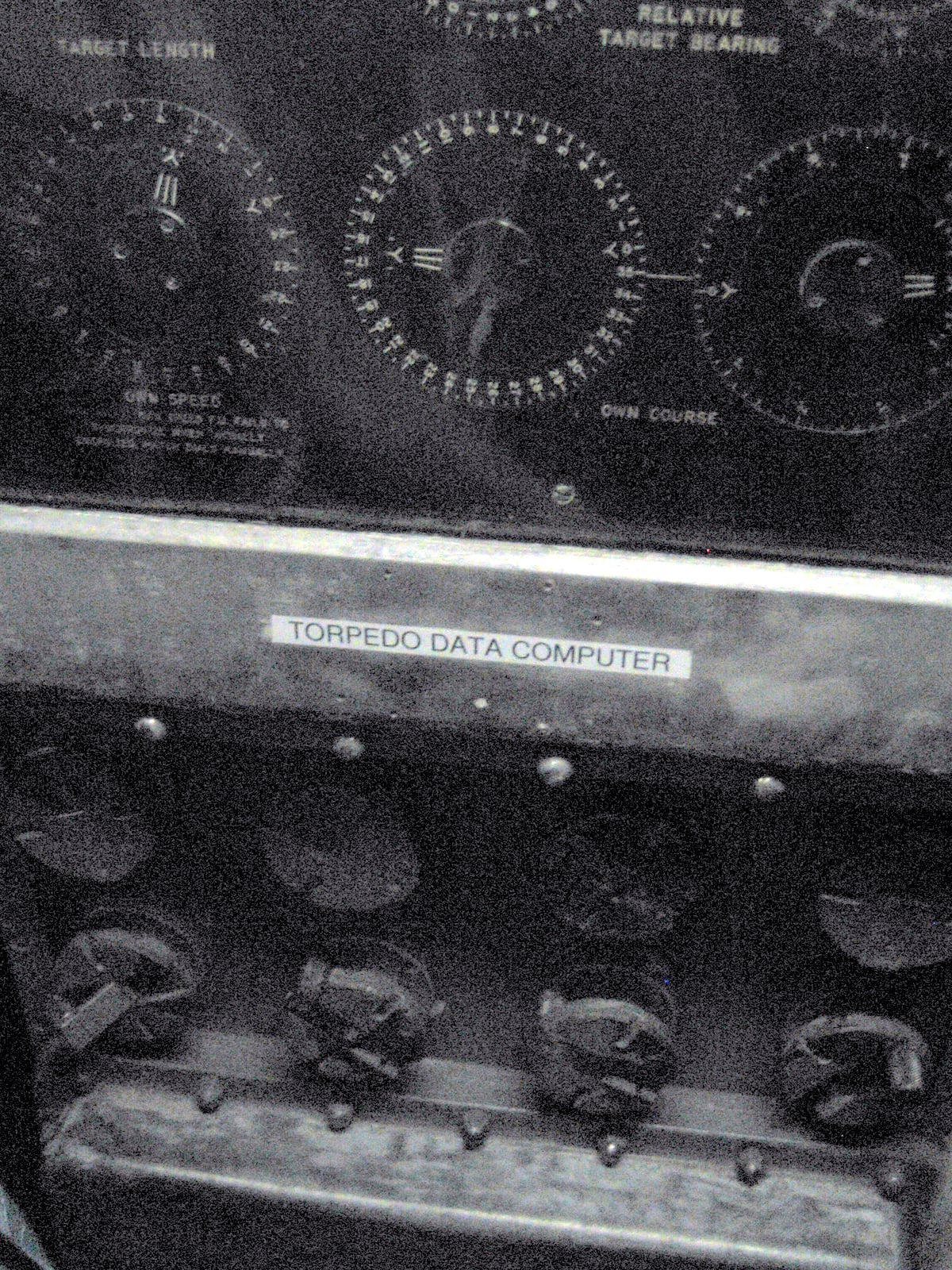
Before digital computers became common, the U.S. Navy needed a way to calculate where to aim torpedoes at moving ships. Engineers built a mechanical computer in the 1930s that took in information about target speed, direction, and distance, then calculated the correct firing angle using gears and cams.
The Torpedo Data Computer was one of the first machines designed to solve real-time problems automatically, which showed that computers could be more than just calculators. This idea of using machines to make rapid decisions based on changing conditions eventually led to autopilot systems and automated control in modern vehicles.
The full circle back to today

These forgotten inventions didn’t fail because they were bad ideas but because the world wasn’t ready for them yet. Technology moves in fits and starts, with some concepts arriving too early and others building on abandoned work from decades earlier.
The modern devices we take for granted stand on the shoulders of strange machines and overlooked experiments that most people will never hear about. Understanding where our technology comes from means recognizing that progress isn’t a straight line but a messy collection of dead ends, rediscoveries, and ideas that waited patiently for their moment to matter.
More from Go2Tutors!

- The Romanov Crown Jewels and Their Tragic Fate
- 13 Historical Mysteries That Science Still Can’t Solve
- Famous Hoaxes That Fooled the World for Years
- 15 Child Stars with Tragic Adult Lives
- 16 Famous Jewelry Pieces in History
Like Go2Tutors’s content? Follow us on MSN.