Little Known Facts About Volcanoes Around the World
Volcanoes have always captivated human imagination — symbols of both destruction and creation rolled into one fiery package. Most people know the basics: they erupt, spew lava, and shape landscapes.
But beyond the textbook facts lies a fascinating world of strange details — from rocks that float to lightning born out of ash clouds.Here are 15 surprising facts about volcanoes that reveal just how wild and unpredictable these natural wonders can be.
Pumice Is the Only Rock That Floats

Among all the rocks on Earth, only one can float — pumice. It forms when lava loaded with gas bubbles cools so quickly that the bubbles get trapped inside, leaving a sponge-like structure light enough to drift on water.
After Krakatoa’s devastating 1883 eruption, massive pumice rafts floated across the Indian Ocean for nearly two decades. Some were so large that sailors mistook them for islands.
Volcanic Lightning Is a Real Phenomenon
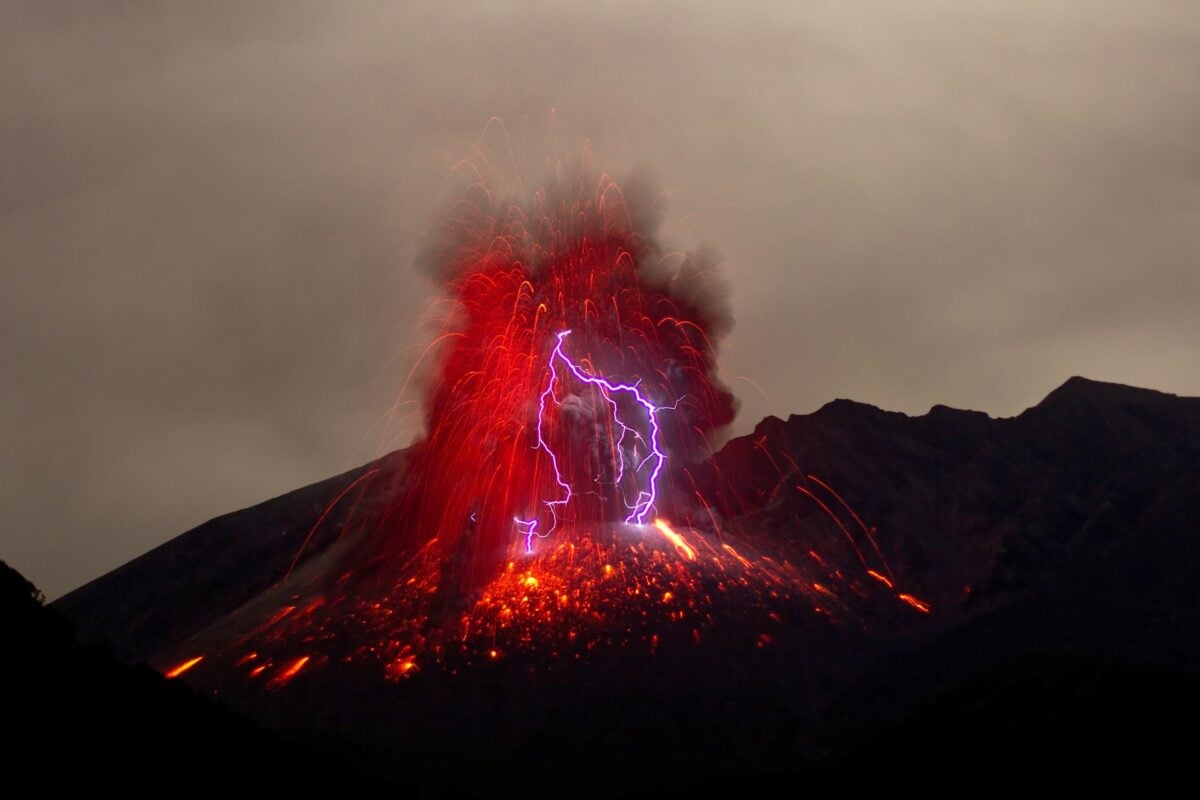
Yes, volcanoes can make lightning — no rain required. When ash particles rush into the sky and rub against each other, they build up static electricity, creating lightning bolts that flash through the ash plume.
Scientists call it a dirty thunderstorm. The spectacle is both eerie and mesmerizing, and ancient observers like Pliny the Younger even described it during Mount Vesuvius’s 79 AD eruption.
Like Go2Tutors’s content? Follow us on MSN.
A Volcano Was Born in a Cornfield
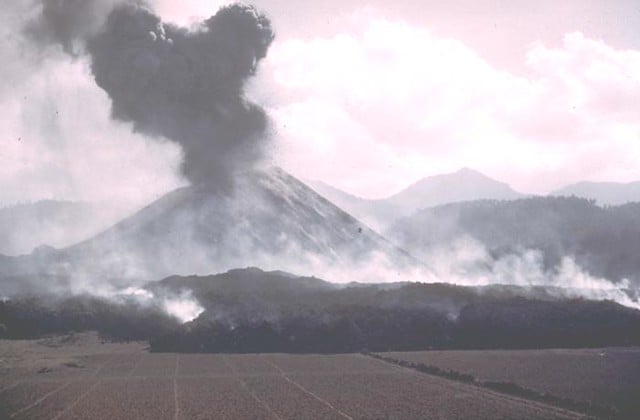
In 1943, a Mexican farmer named Dionisio Pulido noticed smoke rising from a crack in his cornfield. By the end of the day, the crack had turned into a 50-meter-high cone.
The volcano, later named Parícutin, erupted for nine years, growing to over 1,300 feet tall. It was the first volcano ever observed from birth to dormancy — a once-in-history event that turned a farmer’s field into a geological marvel.
Mauna Loa Is Taller Than Mount Everest
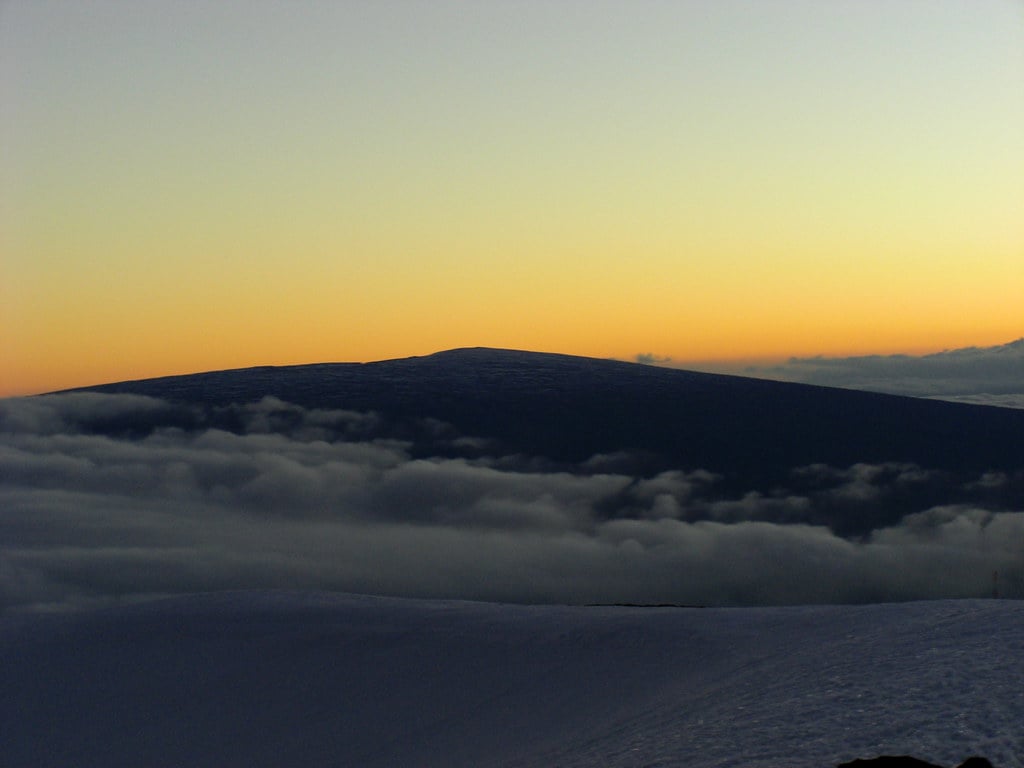
Mount Everest might be the world’s highest peak above sea level, but Hawaii’s Mauna Loa wins when measured from base to summit. Most of it lies beneath the Pacific Ocean, but from its oceanic base to its peak, Mauna Loa stretches roughly 30,000 feet — about 1,000 feet taller than Everest.
It has erupted 33 times since 1832 and still ranks among the most active volcanoes on Earth.
Volcanoes Created Earth’s Oceans and Atmosphere

The air we breathe and the water we drink exist largely because of ancient volcanoes. Billions of years ago, volcanic outgassing released water vapor, carbon dioxide, and other gases trapped deep inside Earth.
Over time, the vapor condensed and fell as rain, forming oceans. In fact, over 80 percent of Earth’s surface was originally shaped by volcanic activity — both on land and beneath the sea.
Like Go2Tutors’s content? Follow us on MSN.
Ice Volcanoes Exist in Space

Not all volcanoes spew molten rock. On some of Jupiter and Saturn’s moons, there are cryovolcanoes that erupt freezing slush instead of lava.
These “ice volcanoes” shoot out water, ammonia, or methane at temperatures below -170°F. Jupiter’s moon Io, for example, has over 400 active volcanoes — making it the most volcanically active body in the entire solar system.
Three People Died from Volcanic Lightning

During the Parícutin eruptions in Mexico, three people lost their lives — not to lava or ash, but to lightning generated by the volcano itself. The rare phenomenon showed that eruptions come with dangers beyond the obvious.
The intense static buildup inside ash plumes can trigger unpredictable lightning strikes powerful enough to kill.
The Loudest Sound Ever Recorded Came from a Volcano

The 1883 Krakatoa eruption didn’t just destroy islands — it created the loudest sound in human history. At 310 decibels, the explosion was heard over 3,000 miles away.
The pressure wave from the blast circled the globe seven times. For comparison, a jet engine produces around 150 decibels — anything beyond 194 decibels in air becomes a shockwave rather than a sound.
Like Go2Tutors’s content? Follow us on MSN.
Lahars Are Deadlier Than Lava
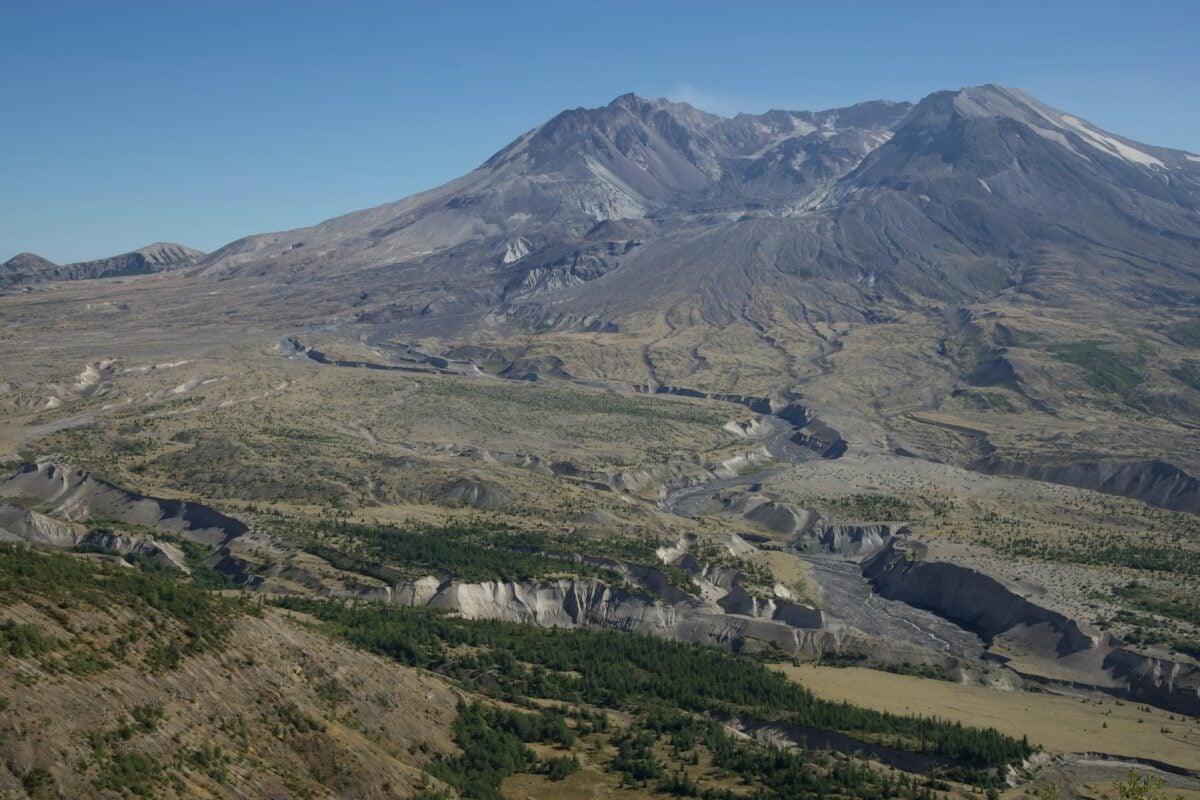
Lava may look terrifying, but the real killer is something called a lahar — a fast-moving volcanic mudflow made of ash, debris, and water. Between 1600 and 2010, lahars killed more than 44,000 people.
They move like rivers of wet concrete, capable of burying towns and uprooting trees. They can strike during an eruption or years later, triggered by heavy rain.
Some Volcanoes Produce Hail
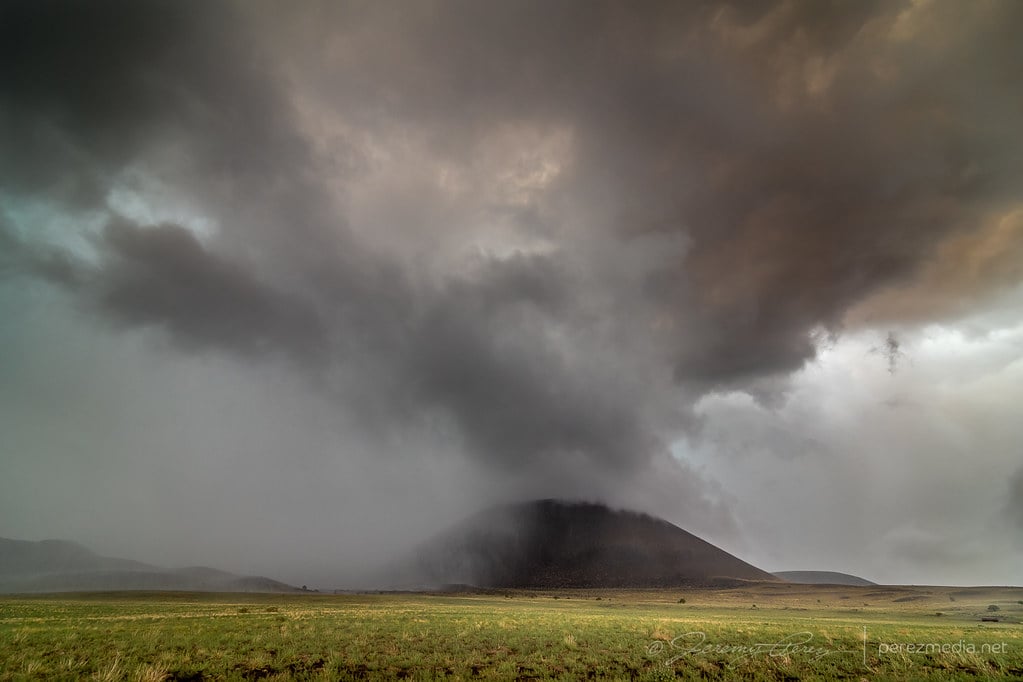
Volcanoes can create their own weather — including hailstorms. When ash and vapor rise high enough into freezing altitudes, the moisture turns into ice, just like in a thunderstorm.
Scientists have documented volcanic hail during multiple eruptions. Ice in the plume also increases the odds of lightning, turning the sky into a surreal mix of fire and ice.
Mount St. Helens Lost Its Top

In 1980, Mount St. Helens in Washington State erupted with a force that literally blew its summit off — about 1,300 feet gone in an instant. The explosion flattened forests, scorched 230 square miles, and sent ash 80,000 feet into the atmosphere.
The eruption remains one of the best-studied and most visually dramatic events in modern volcanic history.
Like Go2Tutors’s content? Follow us on MSN.
Volcanoes Support Unique Ecosystems

Some species have learned to use volcanoes to their advantage. In Indonesia, the Maleo bird buries its eggs in volcanic soil, using geothermal heat to incubate them instead of sitting on a nest.
When the chicks hatch, they dig their way to the surface alone. It’s a remarkable adaptation that proves life can flourish even in extreme volcanic environments.
Volcanic Soil Is Incredibly Fertile

Once the ash settles, volcanoes leave behind rich, mineral-packed soil ideal for farming. As volcanic rocks weather and decompose, they release potassium, phosphorus, and other nutrients.
This fertility explains why many civilizations have chosen to live near active volcanoes despite the danger — the rewards of abundant crops often outweigh the risks.
The Ring of Fire Contains 75 Percent of Earth’s Volcanoes
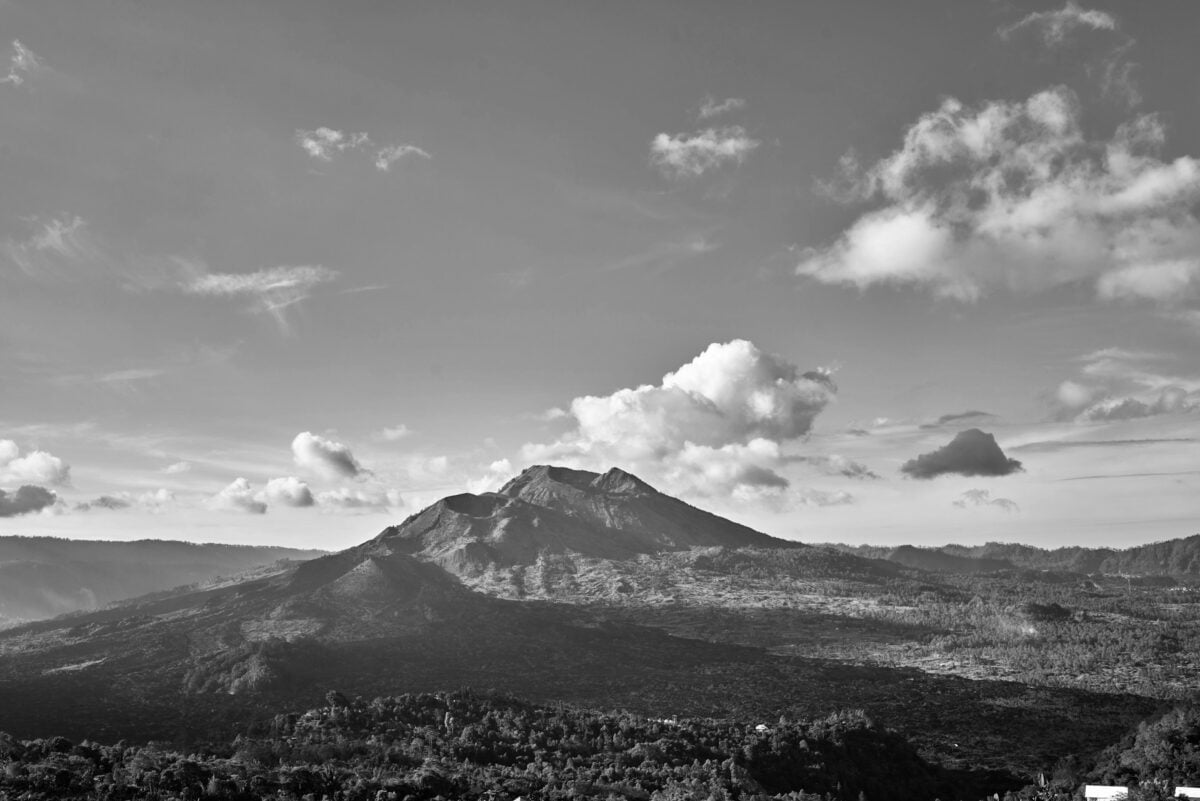
The Ring of Fire — a massive horseshoe-shaped belt encircling the Pacific Ocean — is home to about 75% of the world’s active volcanoes and 90% of its earthquakes. This 25,000-mile zone stretches from South America to New Zealand.
It’s a direct result of tectonic plate subduction, where the Pacific Plate dives beneath surrounding continental plates, fueling constant volcanic and seismic activity.
Like Go2Tutors’s content? Follow us on MSN.
Mount Tambora Caused the Year Without a Summer

When Mount Tambora erupted in 1815, it unleashed one of the most powerful explosions in recorded history. The ash and gases it released cooled the planet by several degrees, causing crop failures and freak weather events worldwide.
following year, 1816, became known as the “Year Without a Summer,” when snow fell in July in Virginia and Europe suffered widespread famine.
The Volcanic Legacy
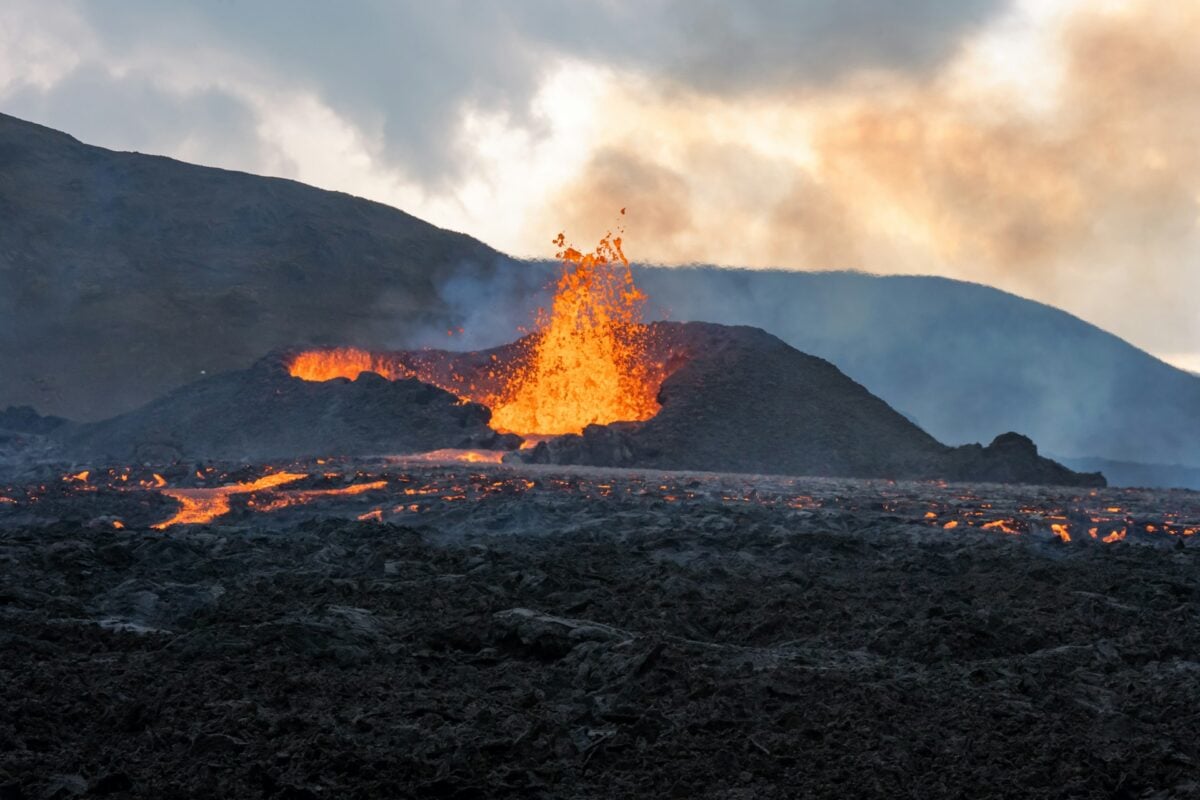
Volcanoes are more than destructive spectacles — they’re architects of our world. They build islands, enrich soil, regulate the atmosphere, and remind us that Earth is still alive beneath our feet.
The next time you watch footage of an eruption, remember: you’re witnessing one of the oldest and most powerful forces shaping our planet’s story.
More from Go2Tutors!

- 16 Historical Figures Who Were Nothing Like You Think
- 12 Things Sold in the 80s That Are Now Illegal
- 15 VHS Tapes That Could Be Worth Thousands
- 17 Historical “What Ifs” That Would Have Changed Everything
- 18 TV Shows That Vanished Without a Finale
Like Go2Tutors’s content? Follow us on MSN.