Fascinating Origins of the Most Popular Emojis
You probably send dozens of emojis every day without thinking about where they came from. The laughing face. The heart. Maybe the eggplant if you’re feeling bold.
But someone had to invent these tiny pictures. Someone sat down and decided the world needed a digital representation of poop with a smiley face. Someone drew the first heart. Someone created that crying-laughing face that dominated the internet for years.
The story behind emojis involves Japanese mobile phones, competing tech companies, a professor’s message board post from 1982, and one particular manga character that shaped digital communication in ways nobody predicted.
The Professor Who Started It All
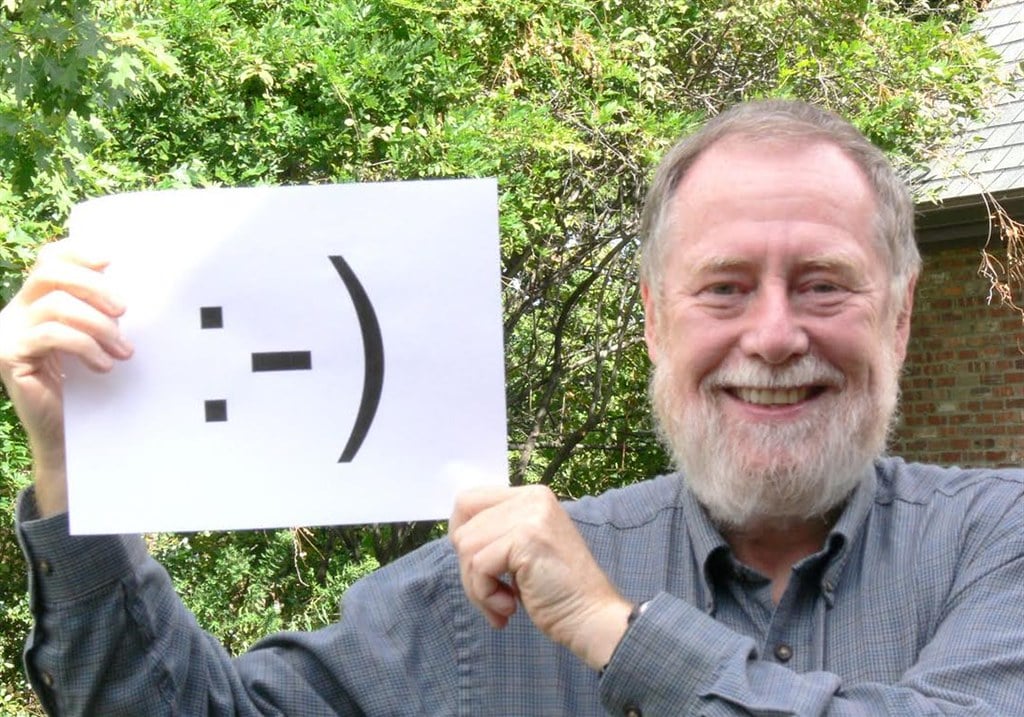
Scott Fahlman was a computer science professor at Carnegie Mellon University. On September 19, 1982, he posted a message to the school’s online bulletin board.
He suggested using 🙂 to indicate jokes and 🙁 for serious matters. This would help people understand tone in text-based messages. His colleagues on the message board started using these combinations immediately.
Fahlman created emoticons, not emojis. The difference matters. Emoticons use keyboard characters arranged to create faces when you tilt your head sideways. Emojis are actual pictures.
But Fahlman’s idea established the principle: digital communication needs visual cues to convey emotion and tone. Text alone doesn’t capture the full meaning of what someone wants to say.
Those simple combinations of colons, hyphens, and parentheses spread throughout universities and early online forums. By the 1990s, emoticons appeared everywhere in chat rooms and message boards.
Japan’s Pixelated Revolution

Shigetaka Kurita worked for NTT Docomo, a Japanese mobile phone company. In 1999, he faced a problem. The company’s new mobile internet service needed a way for users to express themselves quickly.
Japanese pagers already used simple symbols. Kurita wanted something better for phones. He designed 176 tiny images on 12×12 pixel grids.
Each picture measured just 144 pixels total. Kurita drew weather symbols, hearts, faces expressing different emotions, transportation icons, and common objects. He included a calendar, a phone, musical notes, and sports equipment.
The original 176 emojis covered themes people discussed most often. Weather. Feelings. Activities. Technology. Food. They weren’t meant to be beautiful. They needed to be recognizable despite the severe size limitations.
Docomo launched these emojis as part of their i-mode service in February 1999. They became instantly popular with Japanese mobile phone users. Other Japanese carriers noticed and created their own emoji sets.
The Museum of Modern Art in New York acquired Kurita’s original 176 emojis in 2016. They’re now part of the permanent collection, preserved as important artifacts of design history.
Why It’s Called Emoji Not Emoticon
The word emoji comes from Japanese. E means picture. Moji means character. Together: picture character.
The resemblance to the English words emotion and emoticon is pure coincidence. Japanese created the term before emoji went global. When they spread worldwide, the name stuck.
This confused English speakers who assumed emoji derived from emoticons. The two words sound related but come from completely different language origins.
Some people still call them emoticons even though that’s technically incorrect. Emoticons are the text-based versions like 🙂 or ;). Emojis are the actual images.
The distinction matters to linguists and tech historians. To everyone else, the terms blur together. You send someone a heart emoji and they understand perfectly even if you call it the wrong thing.
When Vegetables Became Something Else
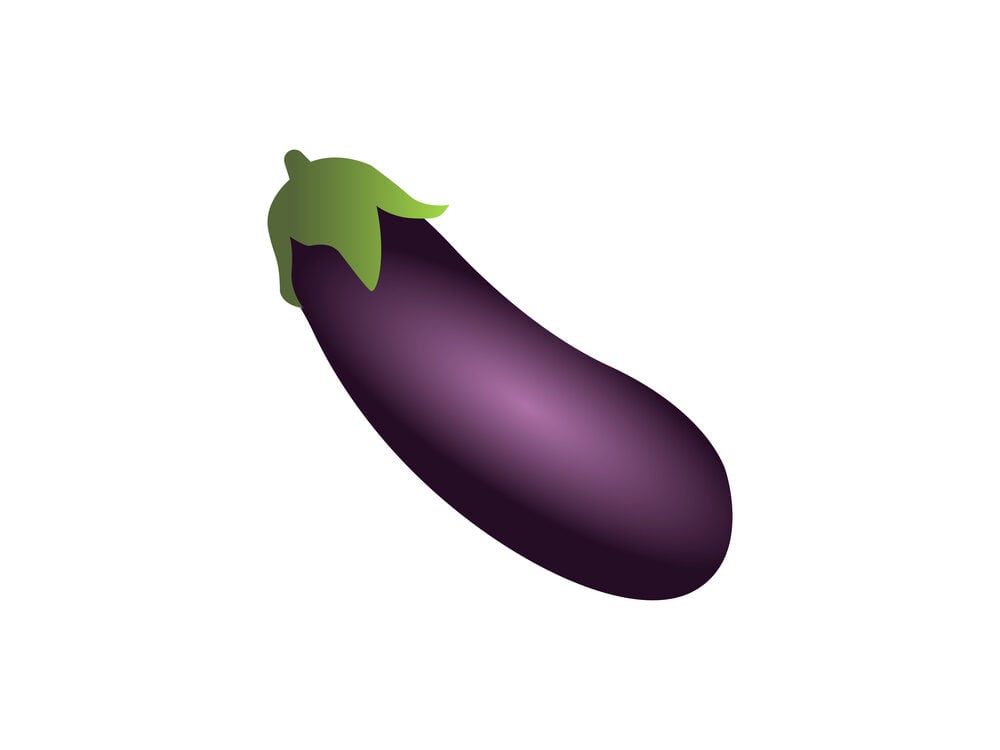
The eggplant emoji debuted in 2010 as part of Unicode 6.0. It was meant to represent an actual eggplant. Purple vegetable with a green stem. Simple food icon.
Then people noticed the shape. The resemblance to male anatomy was obvious. By 2011, Twitter users were deploying the eggplant as visual shorthand in ways that had nothing to do with cooking.
The transition happened organically. Nobody officially declared the eggplant emoji represented anything other than produce. Users simply started using it that way and everyone understood.
A Japanese reality show may have accelerated this interpretation. In the late 1990s, a contestant nicknamed Nasubi (meaning eggplant) appeared on camera regularly. The show obscured his private parts with an eggplant graphic. This established the visual connection in Japanese pop culture.
By 2014, Instagram users created a hashtag called EggplantFriday. Men posted explicit images with the eggplant emoji. Instagram banned the emoji from search functionality in 2015. You couldn’t search for eggplant anymore.
The ban sparked a campaign called FreetheEggplant, modeled after the FreetheNipple movement. Users argued for the right to use emojis however they wanted. Instagram held firm.
In 2016, the American Dialect Society voted the eggplant emoji as Most Notable Emoji of 2015. An anthropomorphized vegetable had officially entered the cultural lexicon with a meaning its creators never intended.
The Manga That Inspired Feces

Dr. Slump was a manga series by Akira Toriyama. The comic featured bathroom humor and puns. One character was an anthropomorphic poop that walked, talked, and smiled.
This manga character influenced how Japanese culture viewed feces imagery. What might seem gross or inappropriate in Western contexts became cute and funny in Japan. The character appeared on merchandise. Children recognized it fondly.
When designers created early emoji sets, they drew on Japanese pop culture references. The smiling poop emoji descended directly from Dr. Slump’s influence. The pastel-colored, friendly-looking design made sense to Japanese audiences who grew up with that manga.
Apple later redesigned the poop emoji to be even cuter. They removed the flies that Google had added. They made the eyes larger and more expressive. The smile became more prominent. The shape changed to look more like a soft-serve ice cream swirl.
Some people genuinely believed the emoji represented chocolate soft-serve ice cream rather than feces. The design was ambiguous enough to support multiple interpretations. Apple never clarified officially.
Context determines meaning. In a conversation about desserts, it could be ice cream. In most other contexts, everyone knows what it represents.
Instagram’s War on Eggplants

In April 2015, Instagram launched emoji hashtags. Users could tag posts with emojis instead of just words. This opened up new creative possibilities for categorizing and finding content.
It also created immediate problems. Within days, the eggplant emoji became one of the most popular tags. Much of the content tagged with eggplants violated Instagram’s community guidelines.
Instagram banned the eggplant emoji from search. Type it into the search bar and nothing appeared. Hashtags using the eggplant got blocked. The company decided the emoji had become too associated with inappropriate content.
Users adapted quickly. They switched to the banana emoji. Then the cucumber. Instagram was playing whack-a-mole with produce. Every phallic-shaped food emoji became a substitute.
The peach emoji faced similar treatment. Originally meant to represent the fruit, users adopted it to represent buttocks. The combination of eggplant and peach became visual shorthand that everyone recognized.
By 2019, both Facebook and Instagram banned using eggplants or peaches alongside explicit statements about desire. The platforms tried to crack down on content that technically followed rules but clearly violated spirit.
The bans proved how thoroughly emoji meanings had evolved beyond original intentions. Instagram wasn’t fighting against vegetables. They were fighting against a visual language that developed organically among users.
How Apple Changed Everything
Apple released the first iPhone in 2007. The phone included an emoji keyboard, but only for Japanese users. The keyboard accessed SoftBank’s emoji set since SoftBank was Apple’s exclusive Japanese carrier.
American iPhone users discovered they could access these emojis by downloading Japanese apps. This activated the hidden emoji keyboard. Word spread quickly. Suddenly Americans were using Japanese picture characters in their text messages.
Apple faced a problem. The emojis weren’t officially supported outside Japan. But users had figured out the workaround. Demand was building. Other phones didn’t have comparable features.
In 2011, Apple made emojis available globally with iOS 5. They didn’t just adopt existing designs. They created their own versions of each emoji. Apple’s design aesthetic influenced how emojis looked across the digital world.
The smiling poop got cuter. The eggplant became more purple and prominent. Faces gained more detail and expression. Apple’s designers understood that emojis needed to work at small sizes while conveying clear meaning.
Other companies followed Apple’s lead. Google, Microsoft, Samsung, Facebook, Twitter all designed their own versions. The same emoji looks different depending on which platform displays it. But the core concept stays recognizable.
The Face That Conquered the World
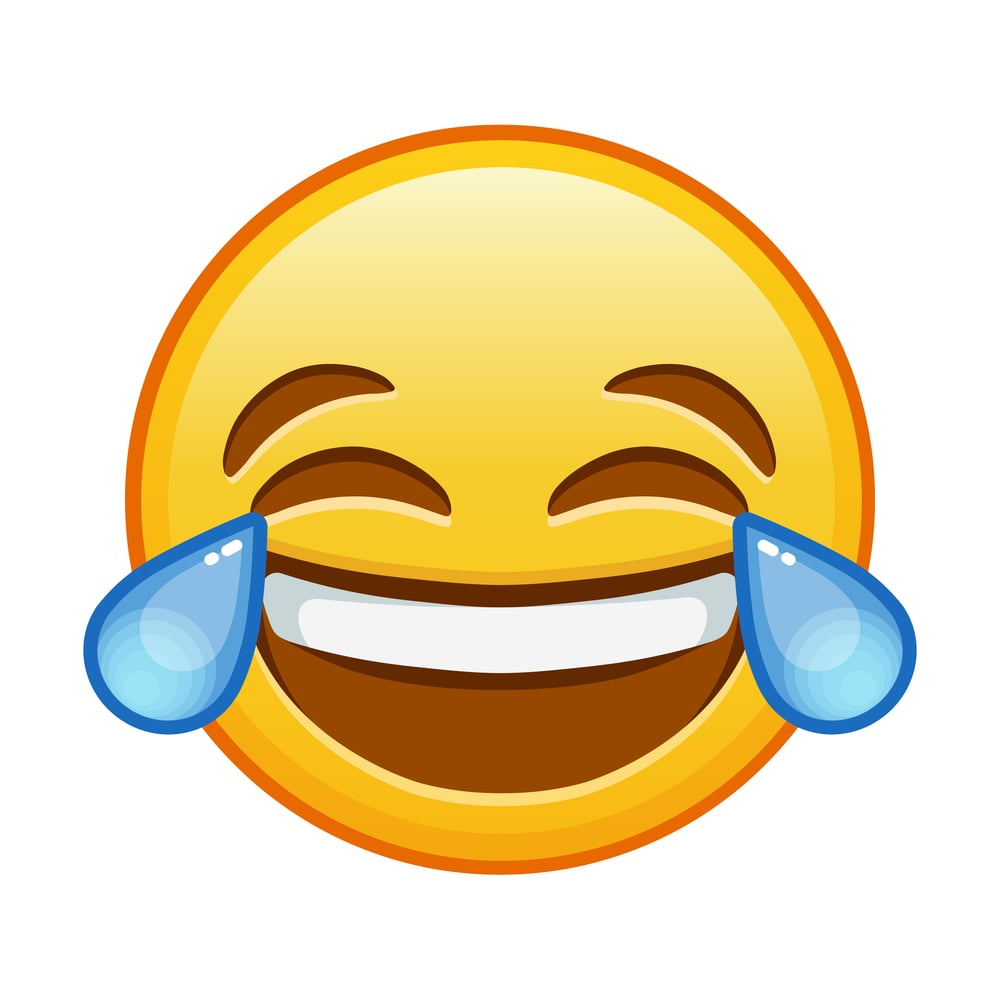
The Face with Tears of Joy emoji dominated digital communication for years. In 2015, Oxford Dictionary named it Word of the Year. Not an actual word. An emoji.
This emoji appears as a yellow face laughing so hard that tears stream down. It conveys extreme amusement. People used it billions of times.
Apple revealed it was the most popular emoji among English-speaking Americans. A 2017 study analyzing over 1.2 billion messages found it was the most used emoji globally. The researchers from the University of Michigan confirmed its universal appeal.
The design is simple and effective. You can see it clearly at tiny sizes. The meaning is immediately obvious. It works across cultures and languages. Everyone understands laughter.
In 2023, the Loudly Crying Face finally dethroned Tears of Joy as the most popular emoji. But Face with Tears of Joy still ranks in the top five. Its reign lasted nearly a decade.
The emoji became so ubiquitous that younger users started viewing it as outdated. Gen Z declared it uncool. They switched to using the skull emoji to represent laughter instead. When something funny kills you, you’re dead.
This shift demonstrates how emoji usage evolves. What was cutting-edge becomes mainstream and becomes passé. The symbols stay the same but their social meaning changes.
Unicode Takes Control
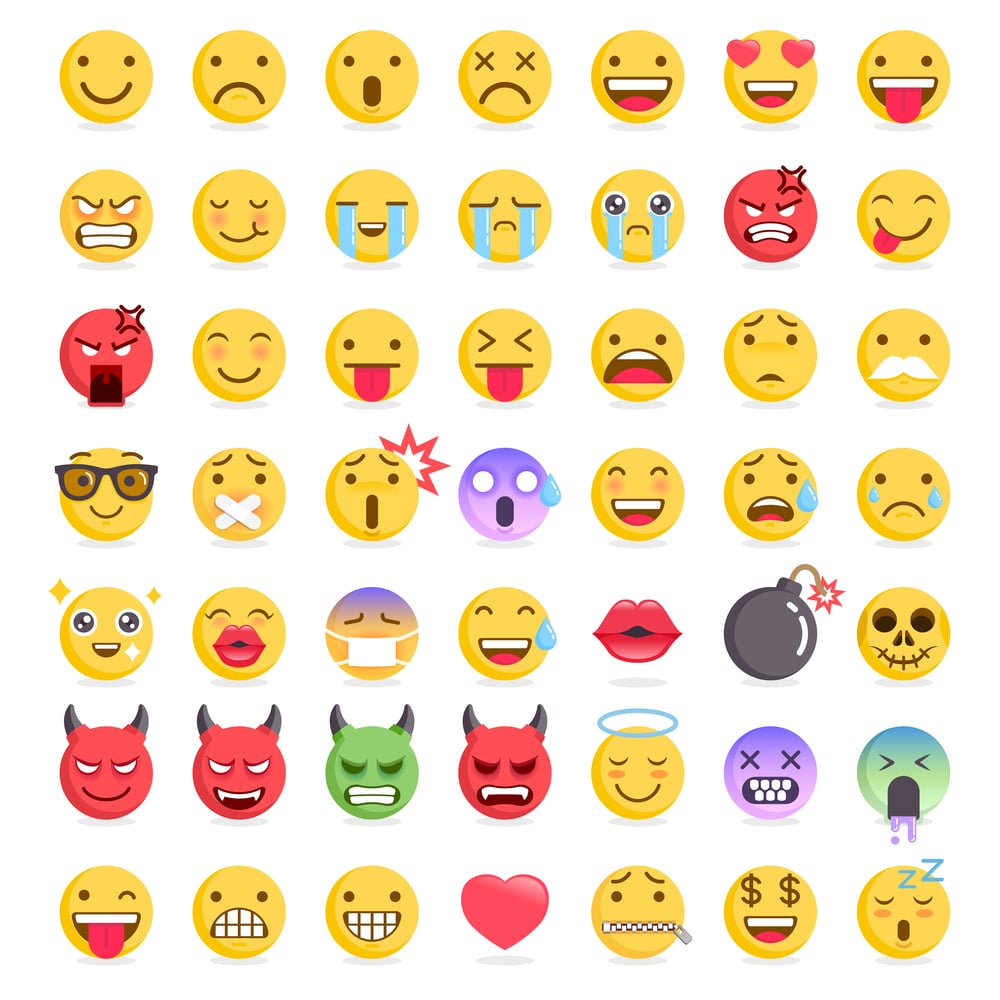
Before Unicode standardization, emoji chaos reigned. Japanese carriers created their own emoji sets with different designs and different code points. Sending an emoji from one carrier to another could result in the wrong image appearing.
You’d send a smiley face. Your friend would receive an angry face. The code points didn’t match across systems. This created constant miscommunication and frustration.
Google recognized the problem in 2007. They partnered with KDDI, one of the Japanese carriers. Google volunteered to fix the code point confusion for all three major Japanese telecom companies. They standardized the system so emojis would work across platforms.
Then Google petitioned the Unicode Consortium to adopt emojis into the universal character encoding standard. Unicode ensures text appears the same across all computers and devices regardless of operating system or manufacturer.
Two Apple engineers, Yasuo Kida and Peter Edberg, submitted their own proposal in 2009. They suggested Unicode adopt 625 new emojis. The original Japanese sets only had 176 to 200.
Unicode accepted the proposal in 2010. Suddenly emojis had official status. Any company could create their own designs without worrying about compatibility. The code points were standardized even if the visual representations differed.
The Unicode Consortium now controls which emojis get added to the standard. They review proposals. They consider cultural significance, usage frequency, and whether the proposed emoji fills a gap. The approval process takes time and careful consideration.
The Calendar Mystery
Why is July 17 World Emoji Day? The date seems random until you understand the reference.
Look at Apple’s calendar emoji. It displays July 17. This date commemorates when Apple first announced iCal for Mac at MacWorld Expo in 2002. That calendar app was a precursor to the digital calendars we use today.
Jeremy Burge, founder of Emojipedia, established World Emoji Day in 2014. He chose July 17 specifically because of the calendar emoji. The date has nothing to do with when emojis were invented or standardized.
In 2017, the Empire State Building lit up emoji-yellow to celebrate World Emoji Day. Apple announced new emojis. Social media filled with emoji-related content. People attempted to set world records for most people dressed as emojis.
The date stuck. It’s now an annual celebration of these tiny pictures that transformed digital communication. Events, product launches, and media coverage cluster around July 17 each year.
Only tech-savvy people understand why that specific date was chosen. Everyone else just accepts it as the official emoji holiday.
Google’s Smelly Decision
When Google created their original Gmail emoji set in 2007, they made the poop emoji anatomically accurate. Brown pile. Flies buzzing around it. Stink lines.
The Google Doodle team defended their design choice. They said the flies brought it to life. Made it timeless. You could almost smell it. The flies captured a moment in a way a static image couldn’t.
Other companies looked at Google’s flying insect feces and decided to go in a different direction. Apple removed the flies. They removed the smell lines. They added cute eyes and a big smile.
The transformation from realistic poop to adorable character reflected cultural differences in how companies wanted emojis to appear. Google initially aimed for accuracy. Apple aimed for approachability.
By 2010, when Unicode standardized emojis, most platforms adopted the friendlier design. The flies disappeared across the emoji ecosystem. The poop became universally cute rather than actually disgusting.
Android held out longer with their more realistic version. But eventually they too switched to the smiling cartoon approach. The cute version won.
This design evolution shows how emojis balance representation with palatability. They need to clearly indicate what they represent while remaining appropriate for all audiences and contexts.
Symbols That Speak Louder
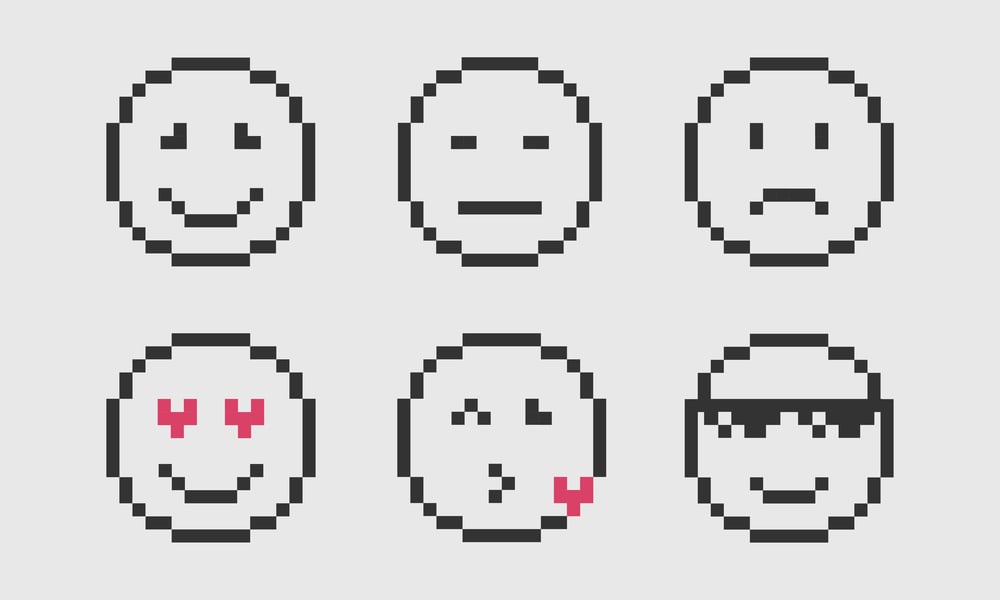
Pictures too small to call art somehow say what words struggle with. These little symbols carry feelings far bigger than their size suggests.
Every so often, a violet vegetable turns into something cheeky online. Sometimes, a grinning pile of waste stands in for joy – or scorn. For years on end, a face weeping with laughter rules how people share feelings across screens.
Meaning shifts like this simply because crowds shape it together. Most of these meanings were never planned by those who made them.
That eggplant sketch? Kurita wasn’t picturing body parts at all. When Google’s team signed off on a simple vegetable icon, sparking global associations was far from their minds.
Pictures slipped free from how they first got used. Whatever people wanted them to mean, that is what they turned into.
Because they can shift like that, emojis carry weight. Their vagueness, though – that’s where things get tangled.
Sometimes a string of tiny pictures says what pages of text cannot. Other times, confusion sneaks in when one person’s vegetable becomes another’s inside joke.
Meaning shifts like sand under bare feet. A grin might mean warmth or sarcasm depending on who sent it.
Symbols carry weight only if both people lift them the same way. Misreading happens quietly, without warning signs.
What feels clear to you may land sideways elsewhere. Tiny icons hold big assumptions.
Context hides between pixels. Intention drifts across screens like fog.
Now showing up in legal papers, courtroom arguments, marches on city streets – those little images pop through trillions of chats every day. A silent way of speaking has grown, one that floats beyond letters yet still bends to local habits.
A single note posted by a Carnegie Mellon teacher back in 1982 – suggesting 🙂 as shorthand – somehow snowballed into 3600 uniform picture symbols now sitting inside MoMA. Sounds ridiculous when you say it like that.
Yet here we are. Out of nowhere, tiny digital faces started meaning more than anyone expected.
Growing step by step, they shifted from basic keyboard combos into colorful icons on old Japanese phones. Now these small pictures show up everywhere, even inside courtrooms where rules must explain what they actually mean.
Their journey wasn’t mapped out – just shaped slowly by how people used them. Back in 1999, a designer in Japan started sketching on a tiny grid of dots.
That moment, small as it seemed, quietly sparked a shift in how people share feelings across the world now. You might be tapping out a heart, sharing a chuckle with a face, even tossing in an eggplant – without ever wondering who made them possible.
What makes emojis special? These tiny images carry weight, yet feel light. Not quite art, not quite words – still, people rely on them. Crafted with purpose, shared without thought.
Known by everyone, shaped by context. Simple visuals, really. Still, life uses them daily.
More from Go2Tutors!

- The Romanov Crown Jewels and Their Tragic Fate
- 13 Historical Mysteries That Science Still Can’t Solve
- Famous Hoaxes That Fooled the World for Years
- 15 Child Stars with Tragic Adult Lives
- 16 Famous Jewelry Pieces in History
Like Go2Tutors’s content? Follow us on MSN.



