Bizarre Uses for the Potato Throughout History
The humble potato sits on nearly every dinner table today, baked and buttered or mashed with gravy. But this starchy tuber has lived a far stranger life than most people realize.
Throughout history, people have found some truly odd ways to put potatoes to work, from battlefields to beauty parlors, and from prison cells to photography studios. These uses had nothing to do with satisfying hunger and everything to do with human creativity and desperation.
Let’s dig into some of the weirdest ways people have used potatoes when they weren’t eating them.
Wartime hand warmer for soldiers
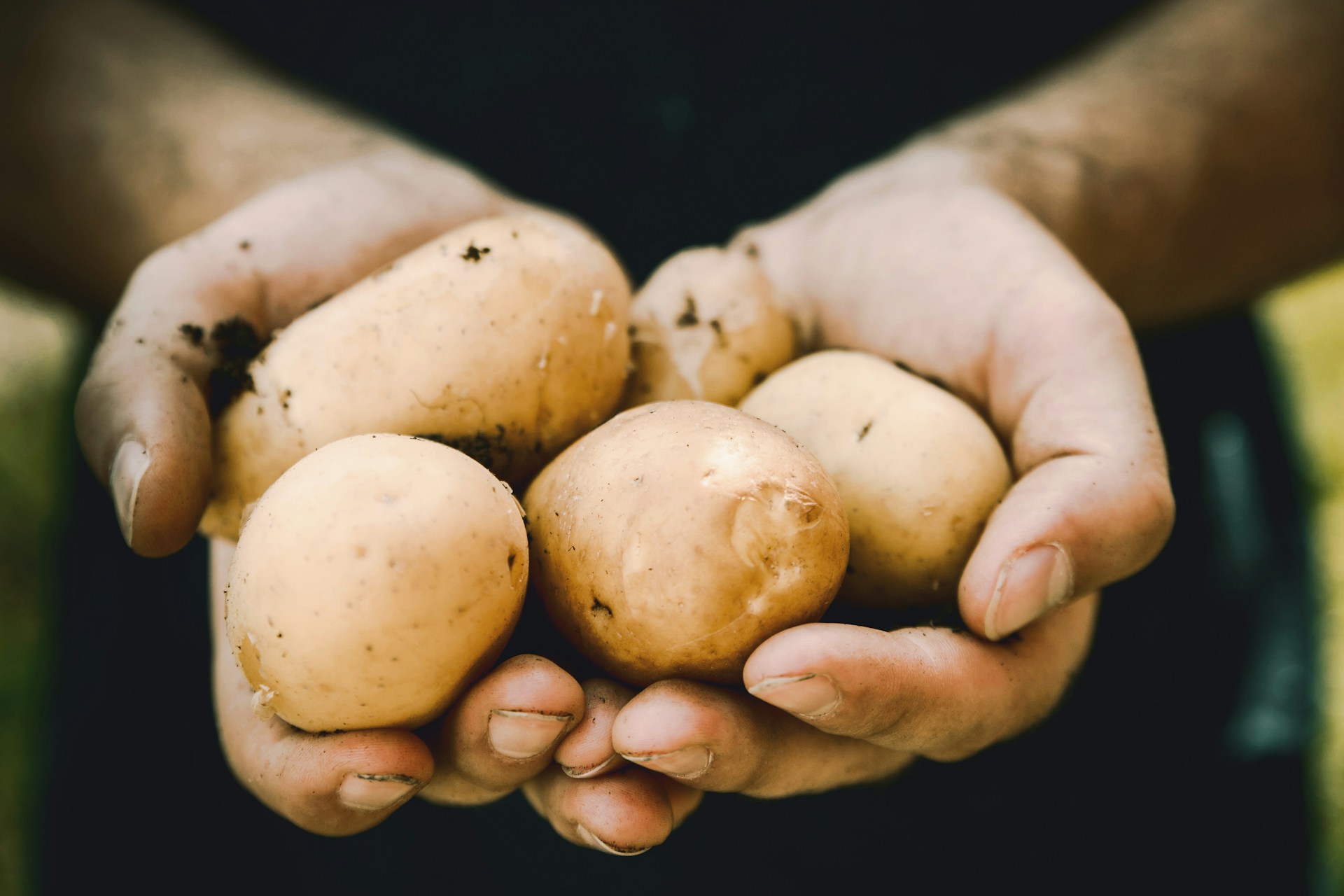
Soldiers fighting in cold climates during World War I discovered that a hot potato tucked into a coat pocket worked better than most heating devices available at the time. The potato retained heat for hours, keeping hands warm enough to operate rifles and write letters home.
British troops stationed in freezing trenches would bake potatoes over small fires and rotate them throughout the night as portable heat sources.
Early photographic developer chemical
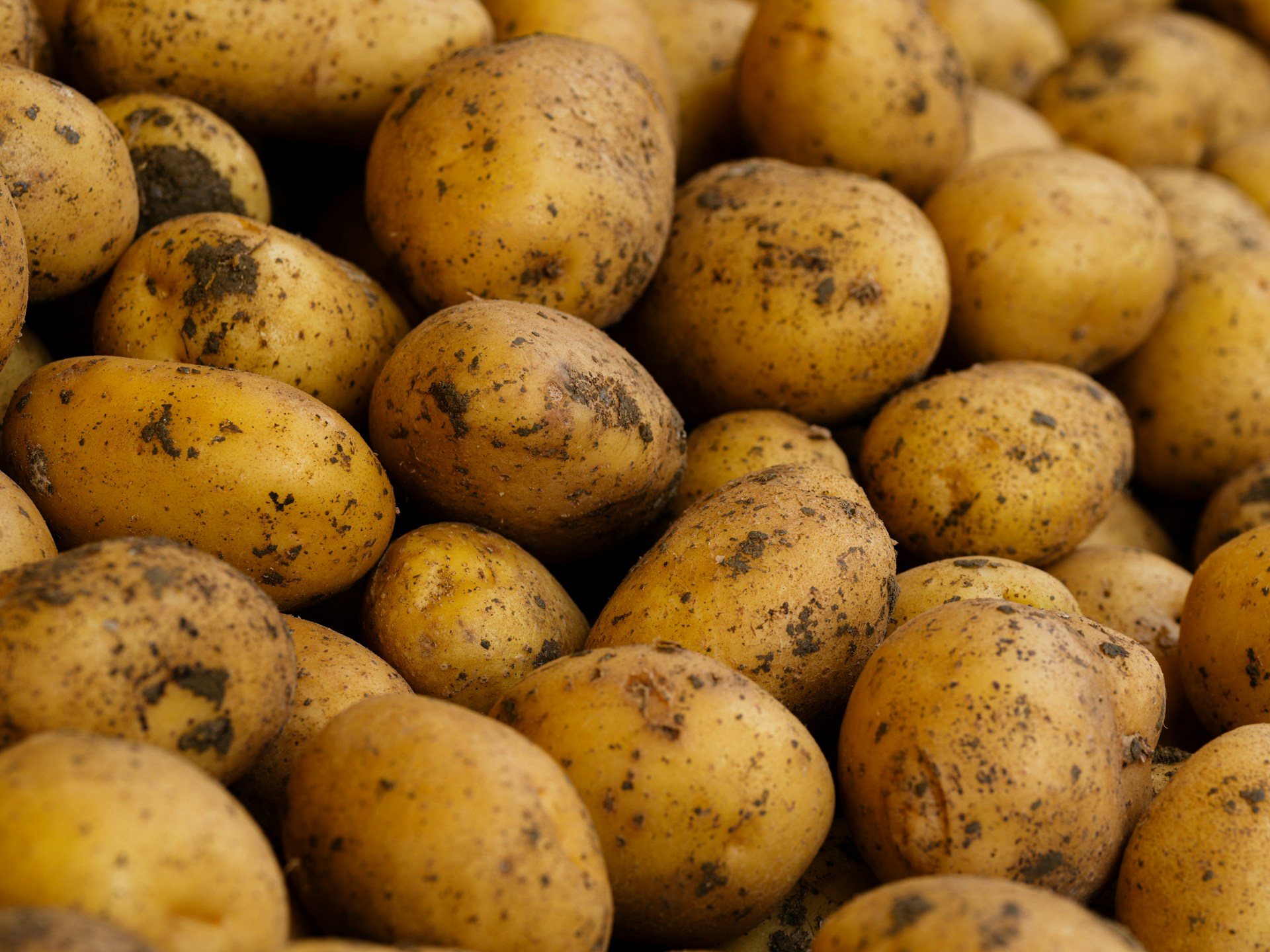
Before modern photography chemicals became standard, some photographers in the 1800s used potato starch as part of their developing process. The starch helped create certain effects on photographic plates and could be mixed with other substances to develop images.
This practice was more common among amateur photographers experimenting with the new technology, though professional studios occasionally adopted similar techniques when supplies ran short.
Prison contraband for making alcohol
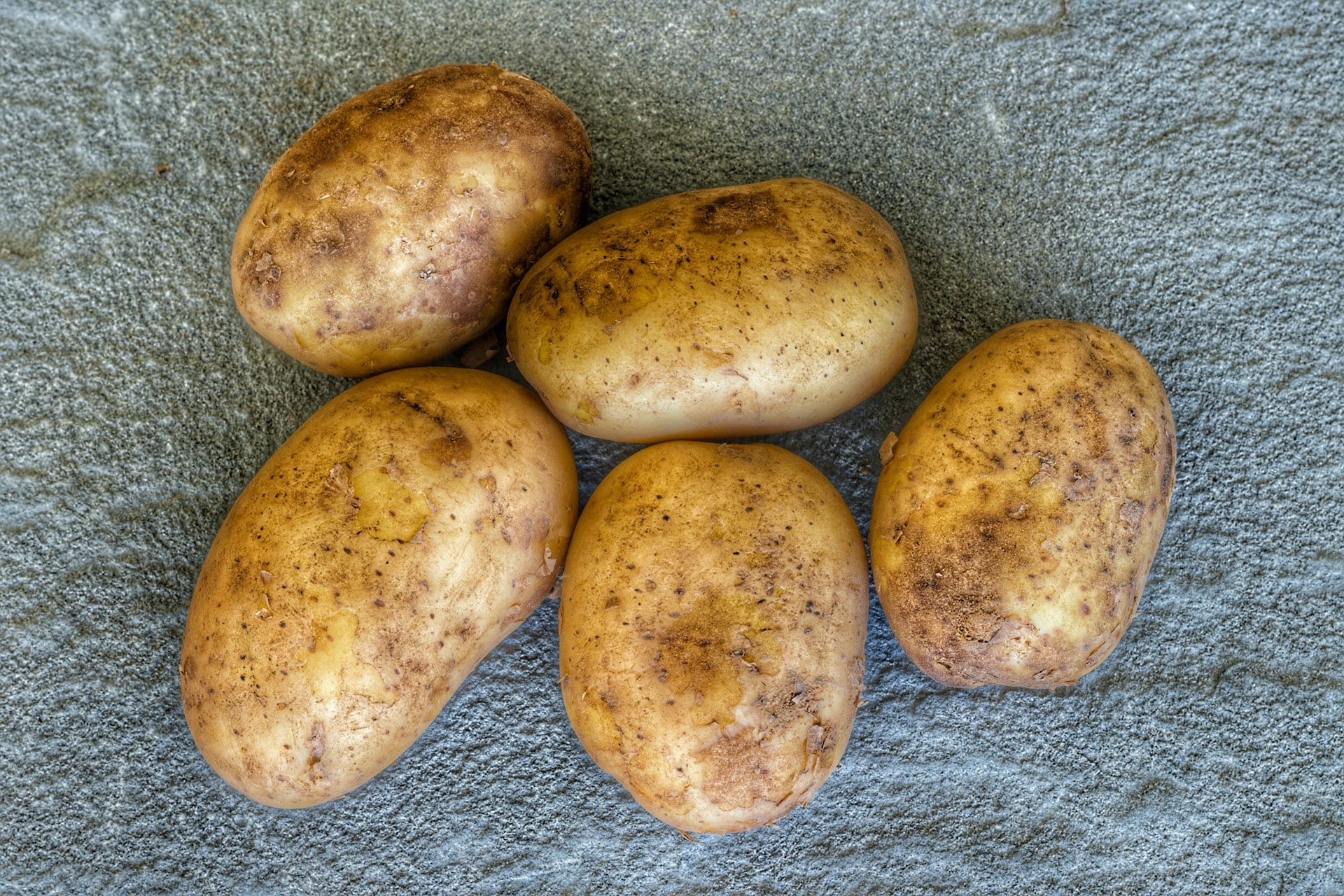
Inmates throughout history have turned to potatoes for brewing illegal prison alcohol, known as pruno or hooch. The fermentation process requires only potatoes, fruit scraps, sugar packets, and time hidden in a warm place.
Corrections officers consider potato smuggling a serious issue because the resulting brew can reach dangerous alcohol levels. Prisoners have become remarkably creative at concealing fermenting potatoes in ventilation systems and behind loose wall panels.
Furniture polish in Victorian homes
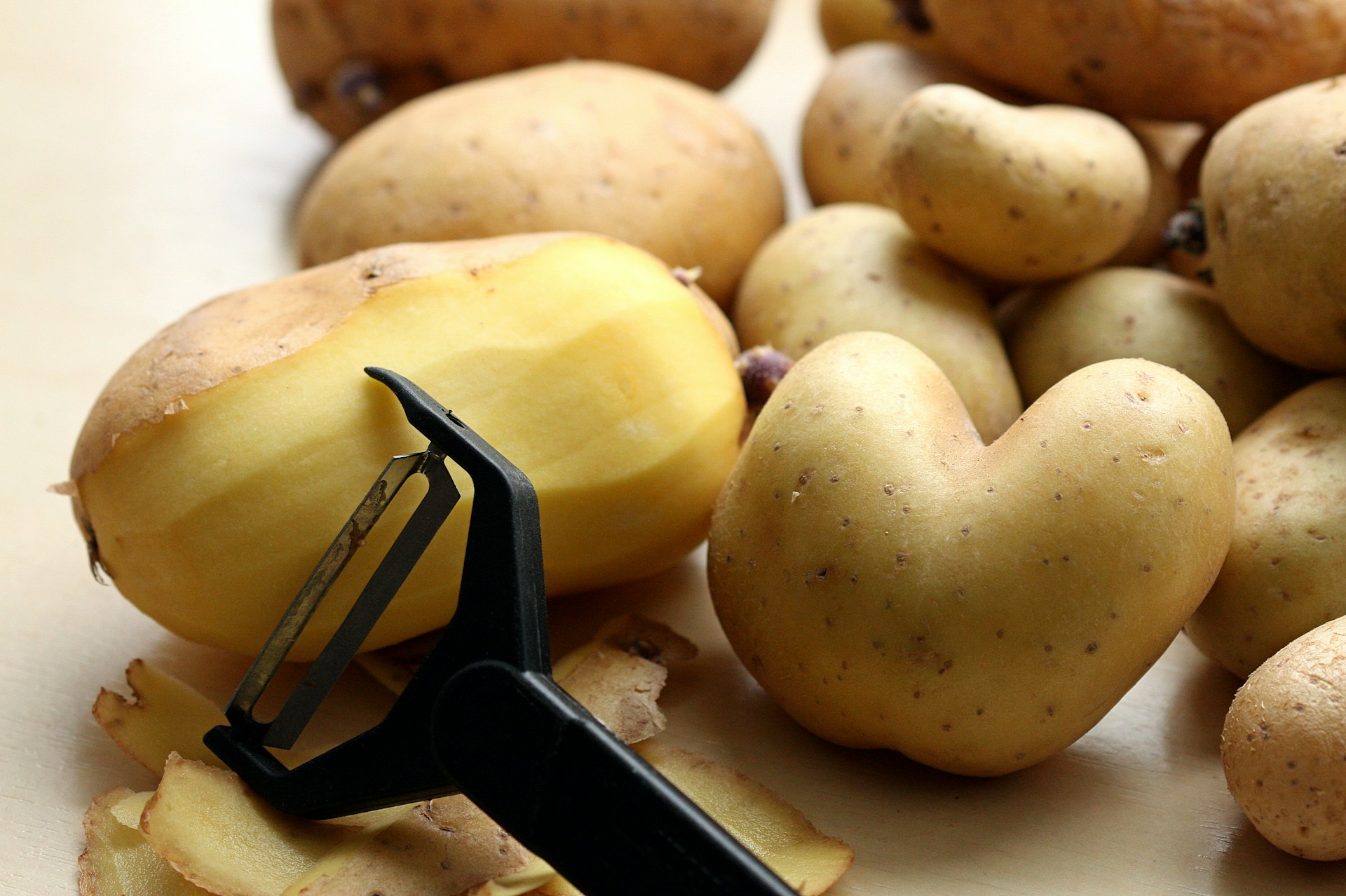
Housekeepers during the Victorian era rubbed raw potato slices on wooden furniture to bring out a natural shine. The moisture and subtle oils in the potato helped lift dust while leaving a clean finish on mahogany and oak surfaces.
This method was cheaper than commercial polishes and didn’t leave the greasy residue that animal fat based products often did. Many historical household management books from the 1800s included detailed instructions for potato polishing techniques.
Stamp applicator before glue sticks
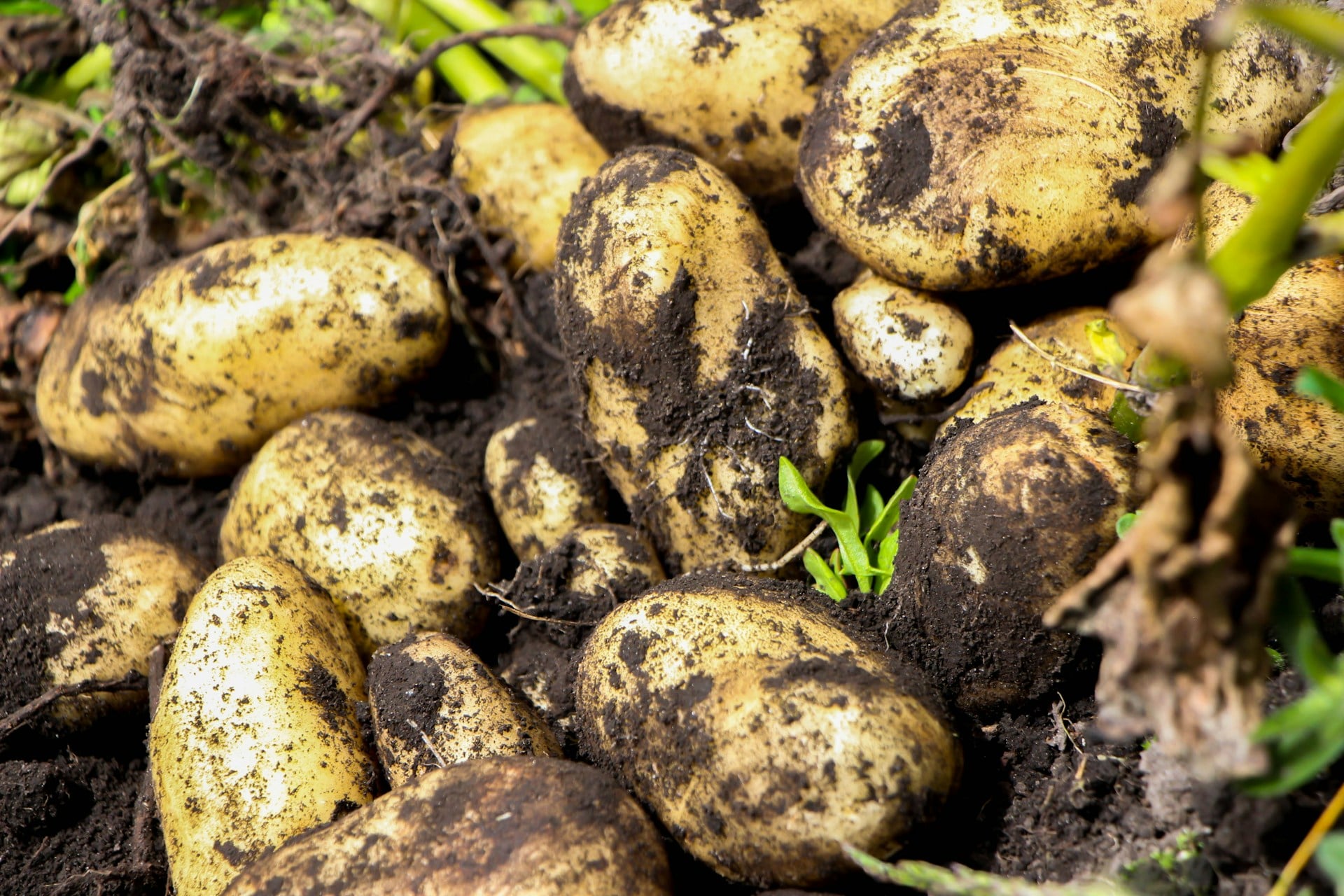
Office workers in the early 20th century used potato halves as a moistening tool for postage stamps and envelope seals. The cut surface of a potato provided just enough moisture to activate the gum on stamps without over saturating the paper.
This trick was particularly popular in large mail rooms where dozens of letters needed processing daily. Some people preferred this method over sponges because potatoes didn’t harbor bacteria the same way.
Emergency shoe cleaner
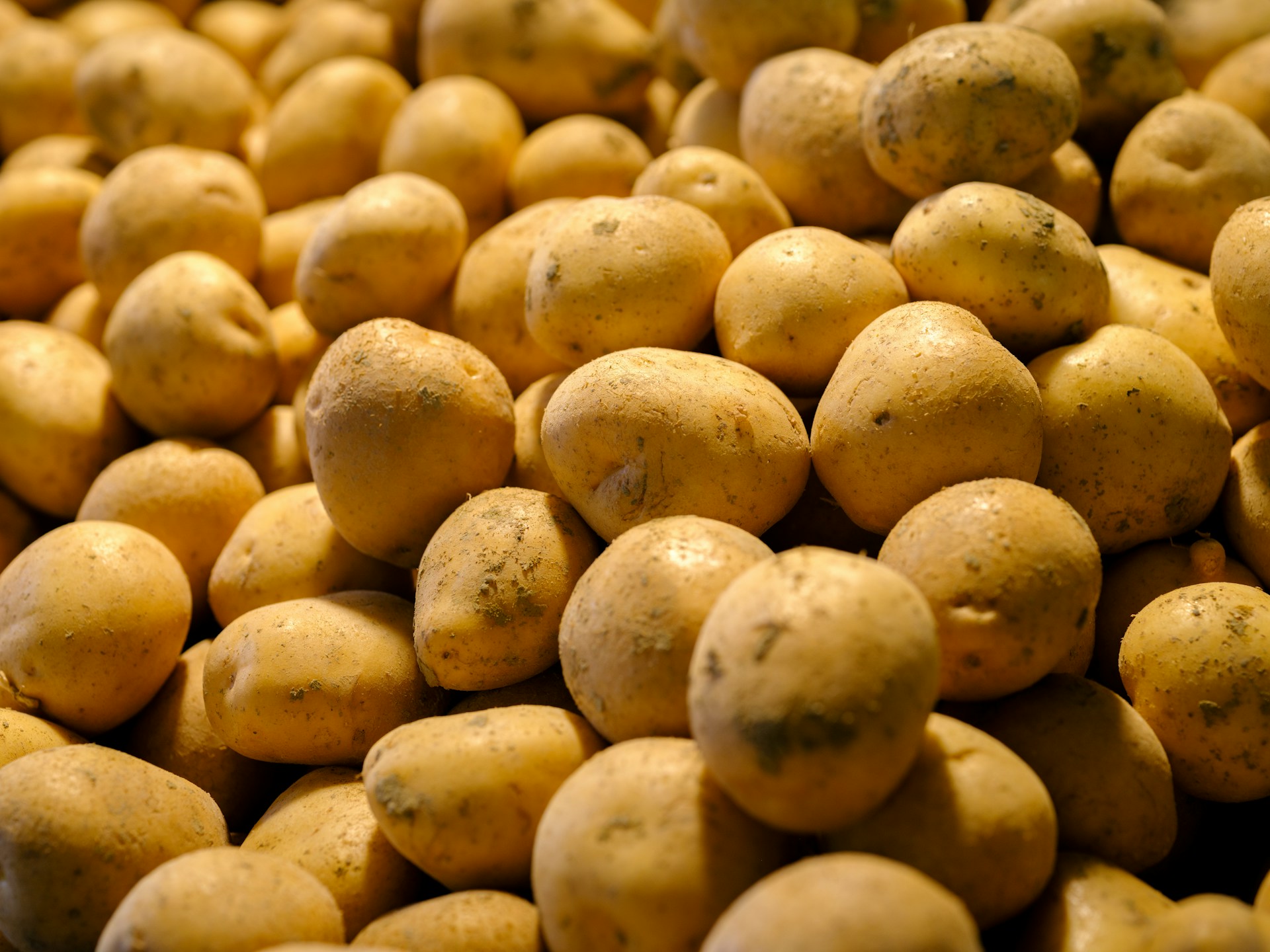
Raw potato slices remove scuff marks from leather shoes surprisingly well due to the oxalic acid and moisture content. People traveling without proper shoe polish would rub a potato slice on their footwear before important meetings or social events.
The temporary shine helped maintain appearances when nothing else was available. This trick became especially common among traveling salesmen and military officers who needed to look presentable at a moment’s notice.
Face mask for skin ailments
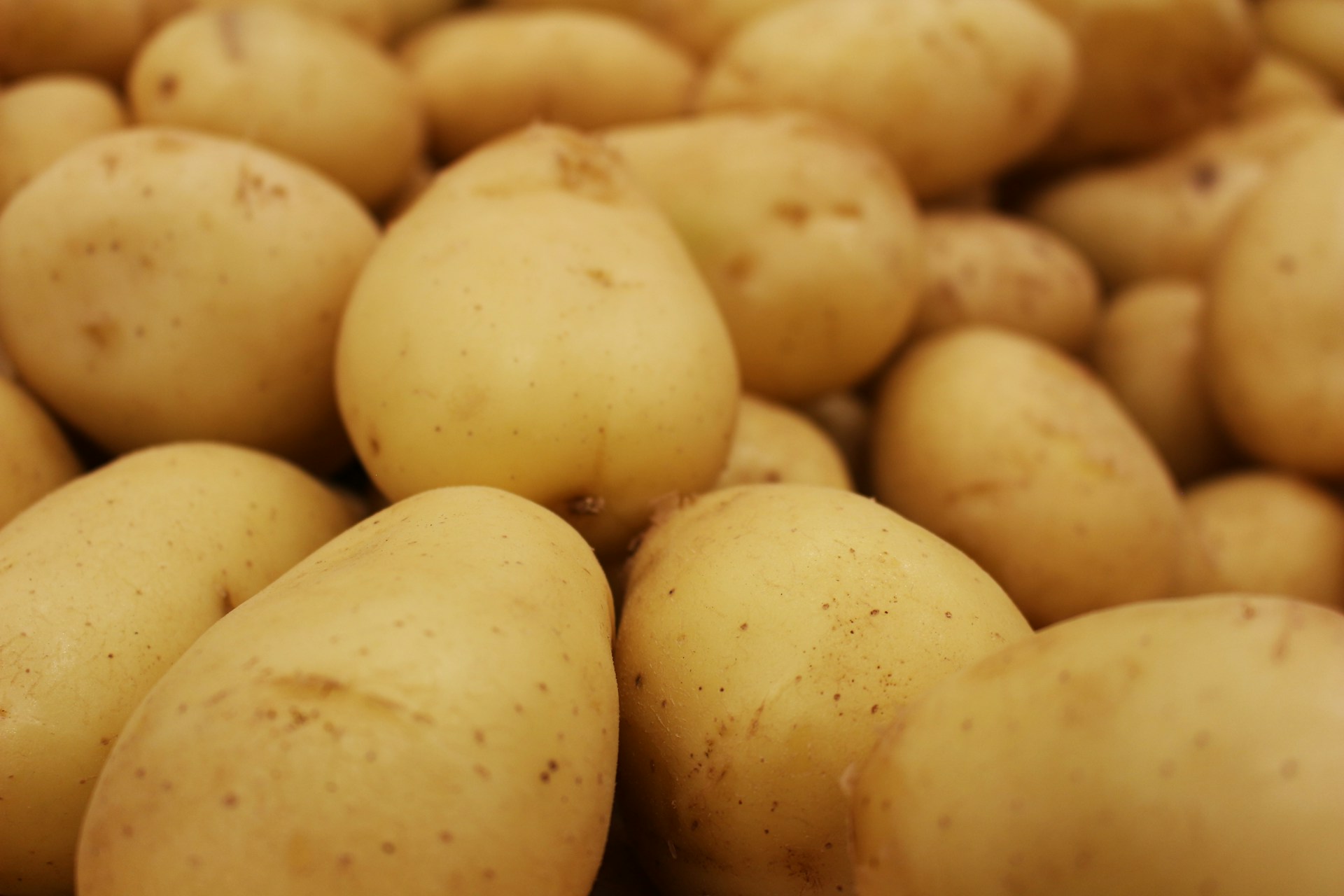
Women throughout Europe applied grated raw potato to their faces to reduce skin inflammation and treat minor burns. The cooling effect and vitamin C content made potatoes a popular home remedy for sunburns and rashes.
Some beauty manuals from the 1920s recommended potato masks for reducing dark circles under the eyes. While dermatologists today question the effectiveness of these treatments, many people still swear by potato based skin care.
Rust removal tool for metal items
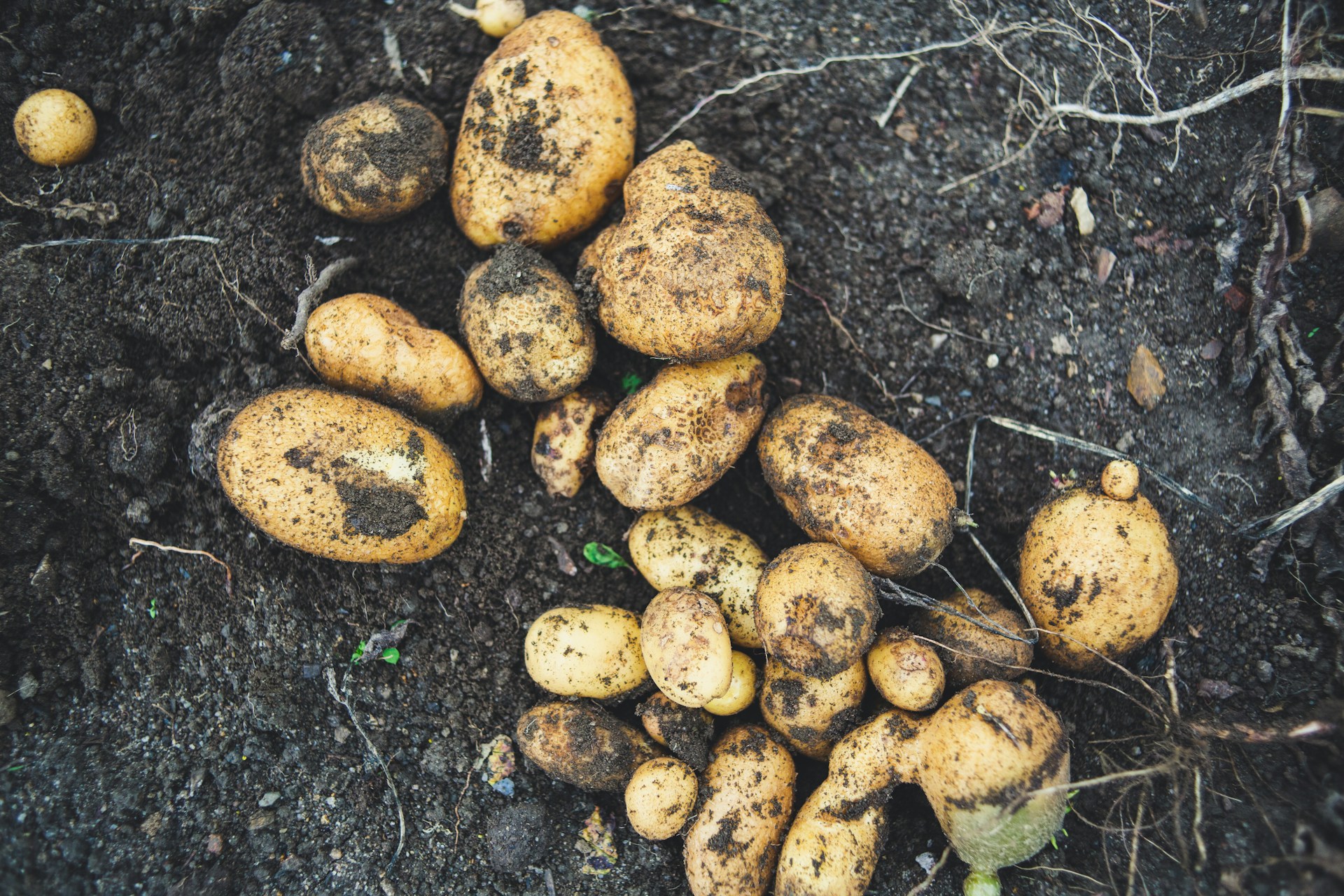
The oxalic acid in potatoes actually dissolves rust when combined with dish soap or baking soda. People would cut a potato in half, dip it in the cleaning agent, and scrub rusty knives, tools, or other metal objects.
This method worked particularly well on cast iron pans that had developed surface rust. Farmers and mechanics often kept potatoes in their workshops specifically for this purpose rather than for eating.
Currency substitute during economic collapse
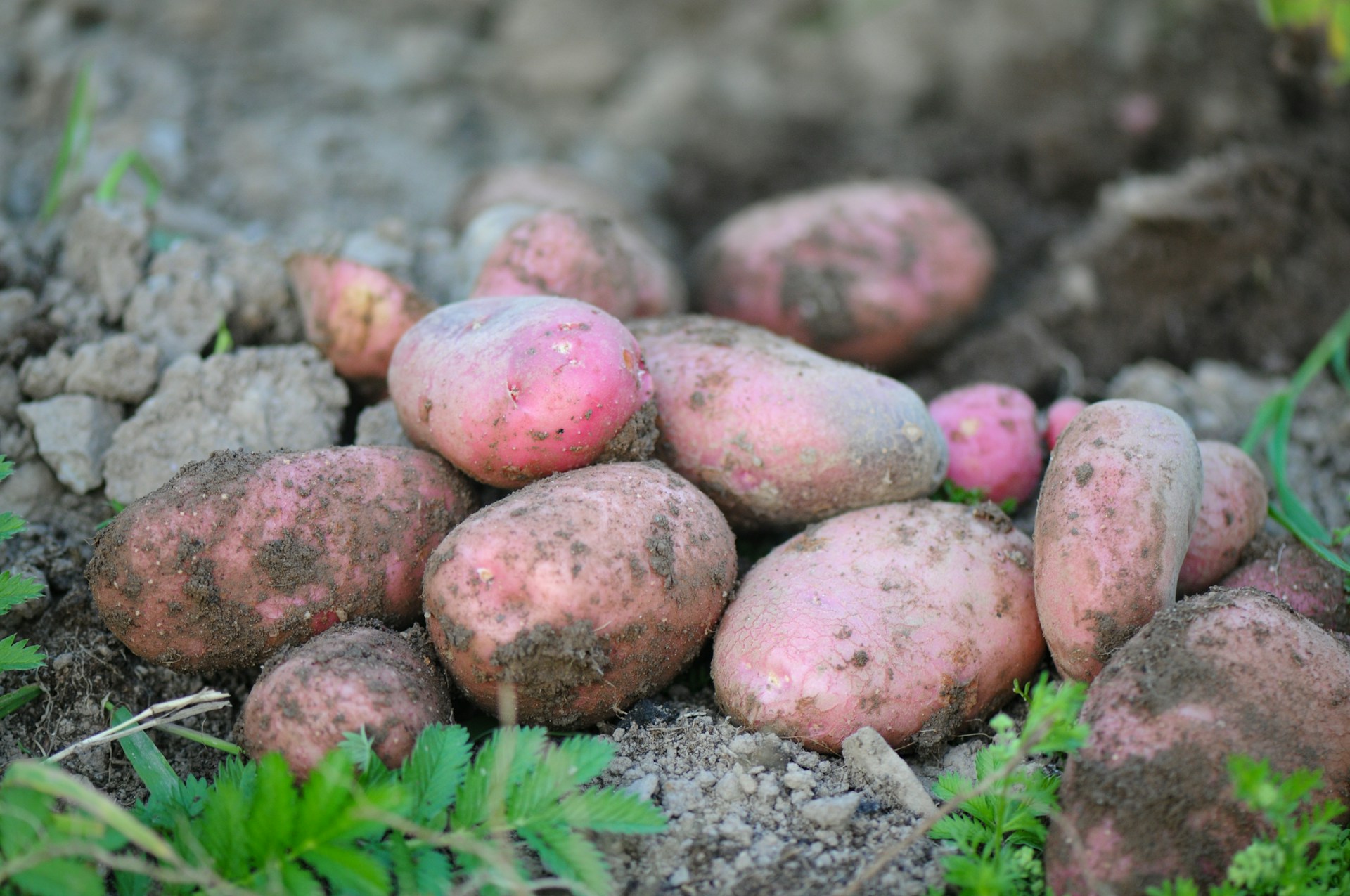
During severe economic crises in various countries, potatoes temporarily functioned as a form of barter currency when paper money became worthless. German citizens during the hyperinflation of the 1920s traded sacks of potatoes for services and goods because the tubers held actual value.
Communities established informal exchange rates based on potato quantities rather than currency. This practice highlighted how a reliable food source could become more valuable than official money during desperate times.
Theatrical blood substitute
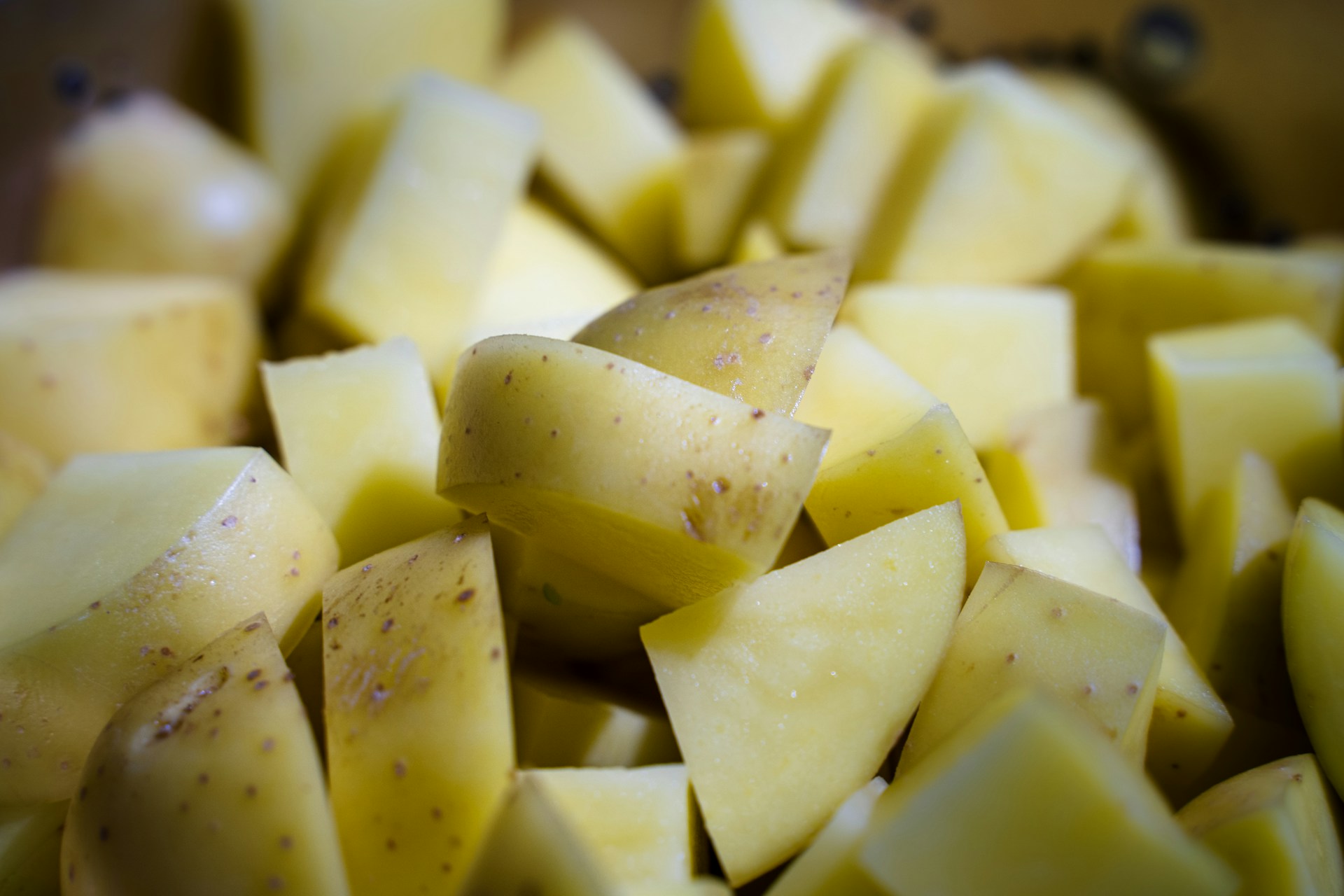
Stage productions before the invention of synthetic blood often used potato juice mixed with red dye to simulate blood during dramatic scenes. The thickness and color of this mixture looked convincing under stage lighting without staining costumes permanently.
Actors preferred this method over other alternatives because it washed out easily and didn’t attract insects during outdoor performances. Some theater companies kept barrels of grated potato specifically for creating this stage effect.
Livestock feed supplement to prevent disease
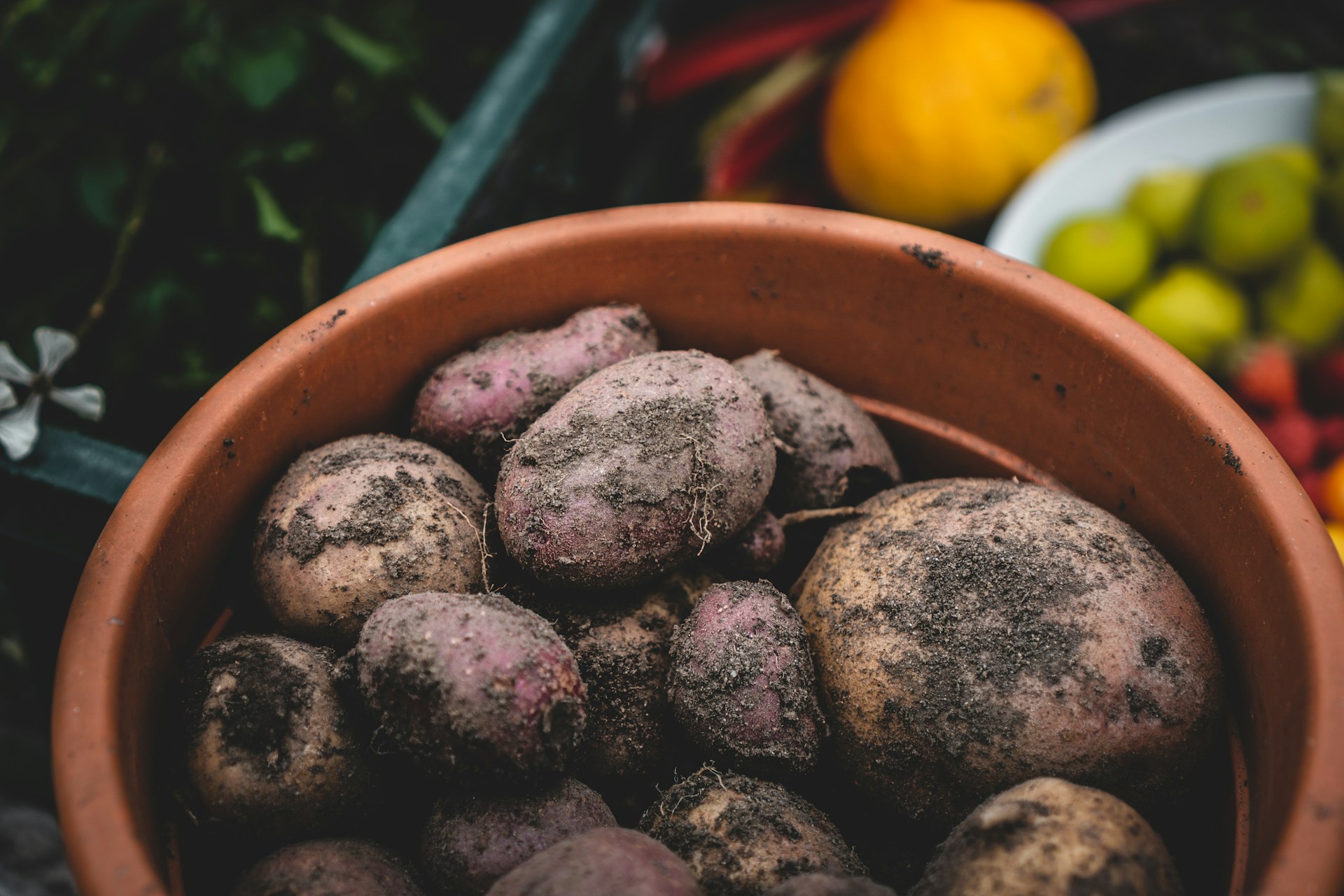
Farmers discovered that adding raw potatoes to animal feed helped prevent certain nutritional deficiencies in pigs and cattle during winter months. The extra vitamins kept animals healthier when fresh grass wasn’t available.
However, farmers had to be careful because raw potatoes contain solanine, which can be toxic in large quantities. This practice required balancing nutritional benefits against potential poisoning risks.
Makeshift football before rubber orbs
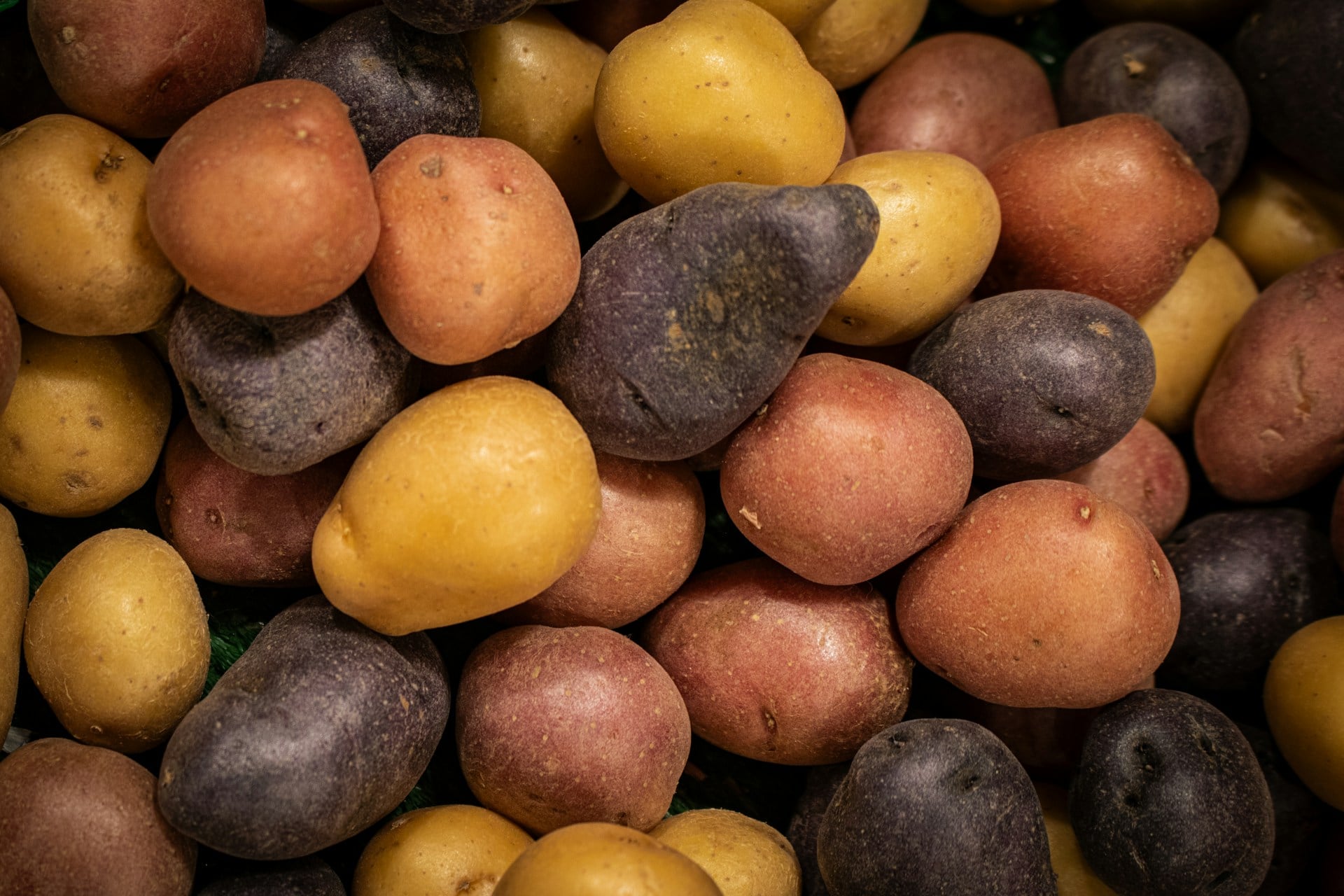
Children in poor rural areas fashioned footballs from old cloth wrapped tightly around a potato core. The weight and size of a large potato created the right heft for kicking games in yards and fields.
These homemade orbs didn’t last long before falling apart, but they cost nothing and could be replaced easily. Some elderly people today still remember playing with potato based orbs during their childhood.
Water purification method in emergencies
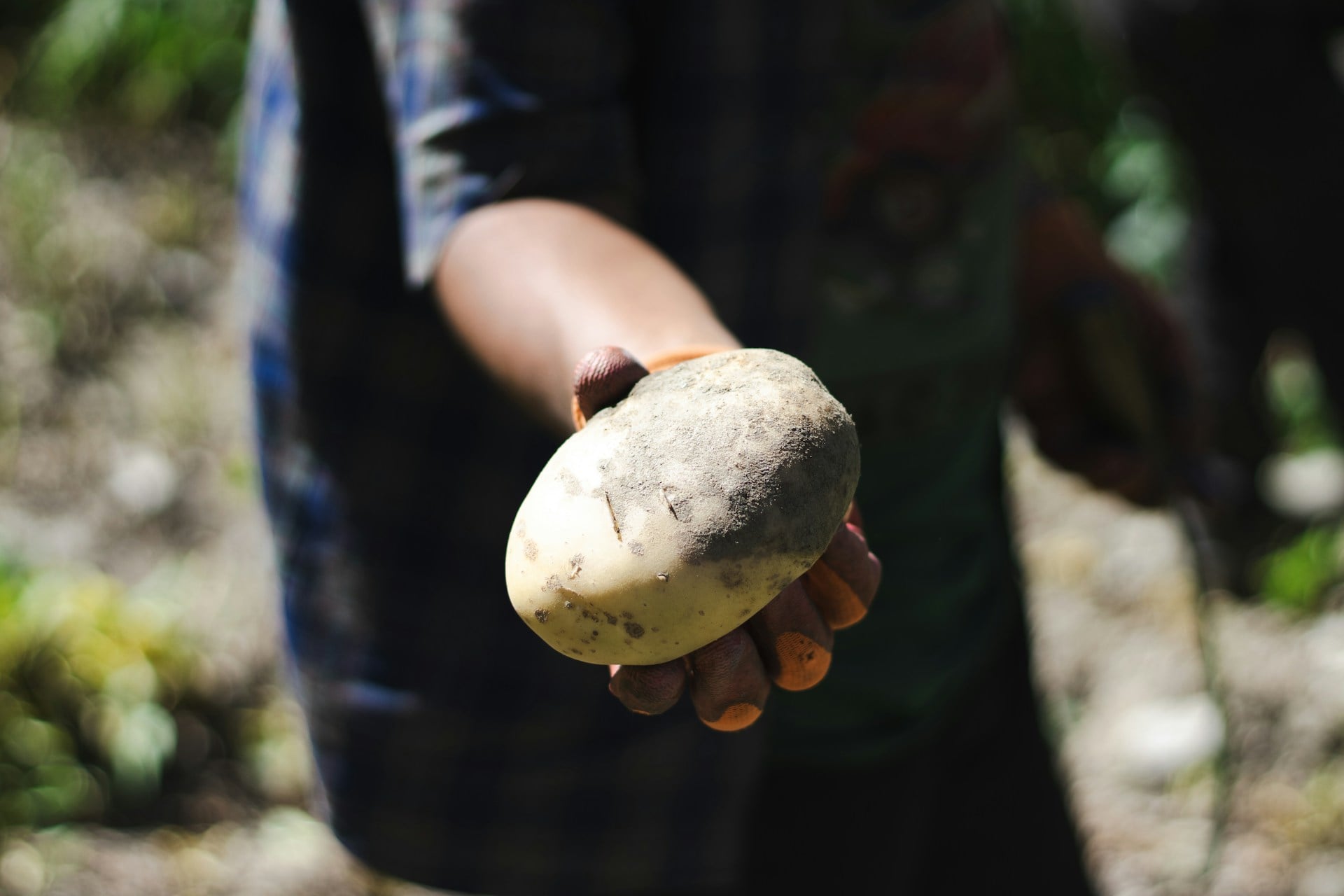
Raw potatoes can absorb some impurities from cloudy water through a process of natural filtration. Disaster survival guides have occasionally mentioned slicing potatoes into dirty water and letting them sit for several hours before removing them.
While this method doesn’t make water completely safe to drink, it can reduce sediment and some contaminants when no other options exist. Modern survival experts caution that boiling remains the most reliable purification method.
Temporary battery power source
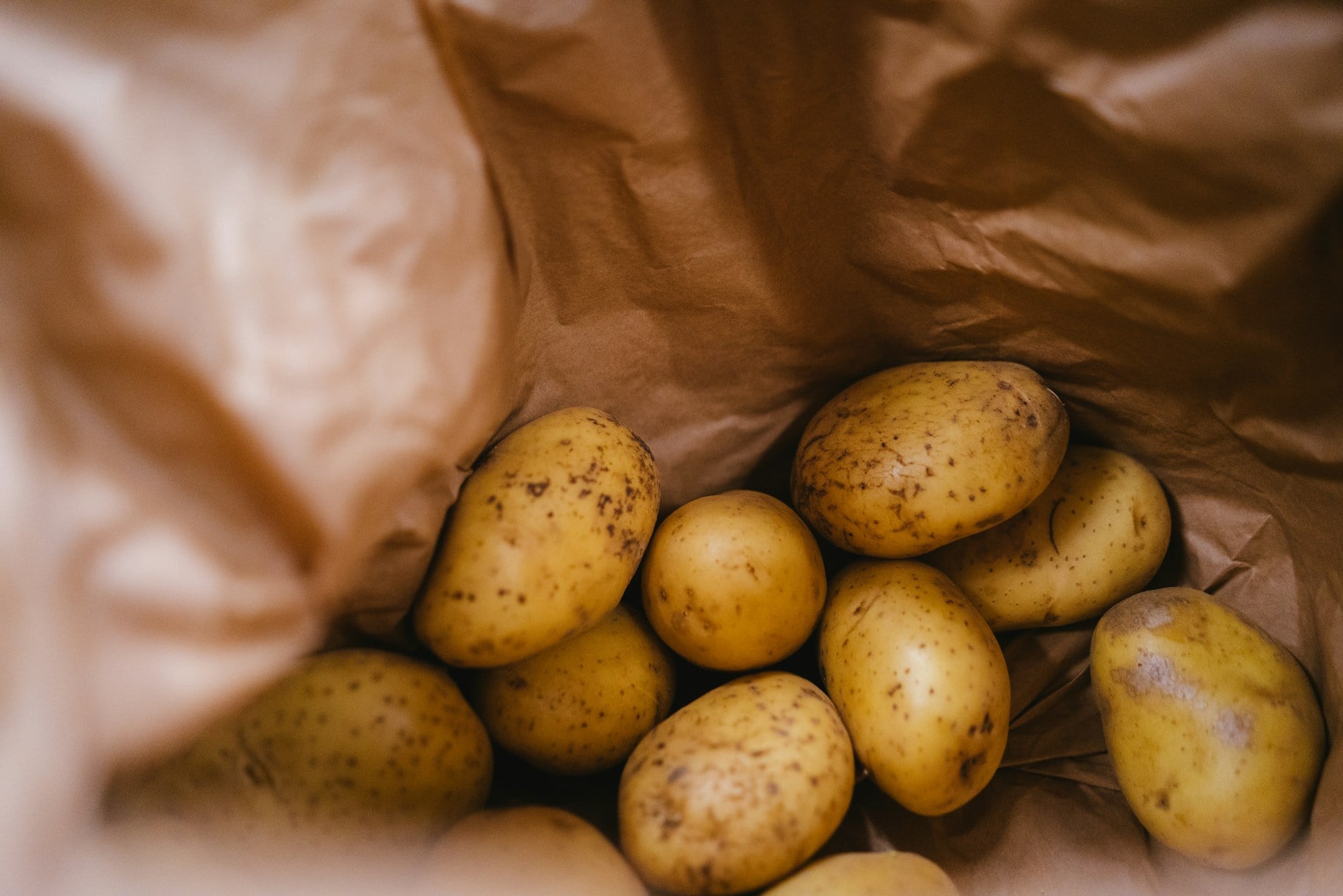
The starch and phosphoric acid in potatoes can generate small amounts of electricity when combined with copper and zinc electrodes. Science teachers have used potato batteries to power LED lights and digital clocks as educational demonstrations.
During actual emergencies, desperate people have created potato batteries to power small devices temporarily. The electrical output remains too weak for most practical applications, but the concept proves that potatoes contain surprising chemical properties.
Postage stamp remover for collectors
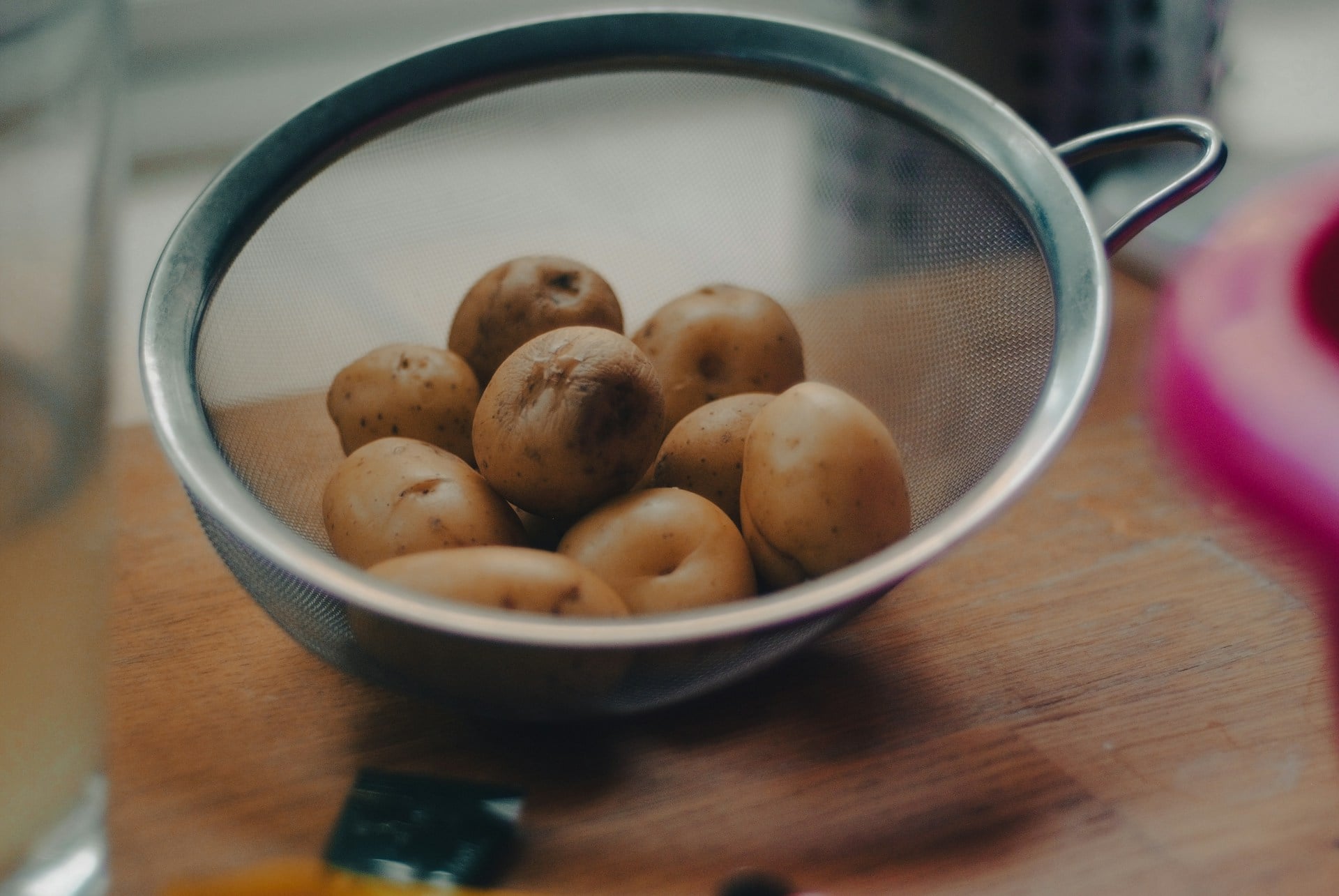
Stamp collectors learned that soaking stamps attached to envelopes in potato water helped separate them without damage. The mild enzymes in potato water dissolved the adhesive more gently than plain water or harsh chemicals.
This technique prevented tearing and preserved the stamp’s condition for mounting in albums. Collectors in the mid 1900s considered potato water an essential tool in their hobby.
Pain relief from headaches or sore joints
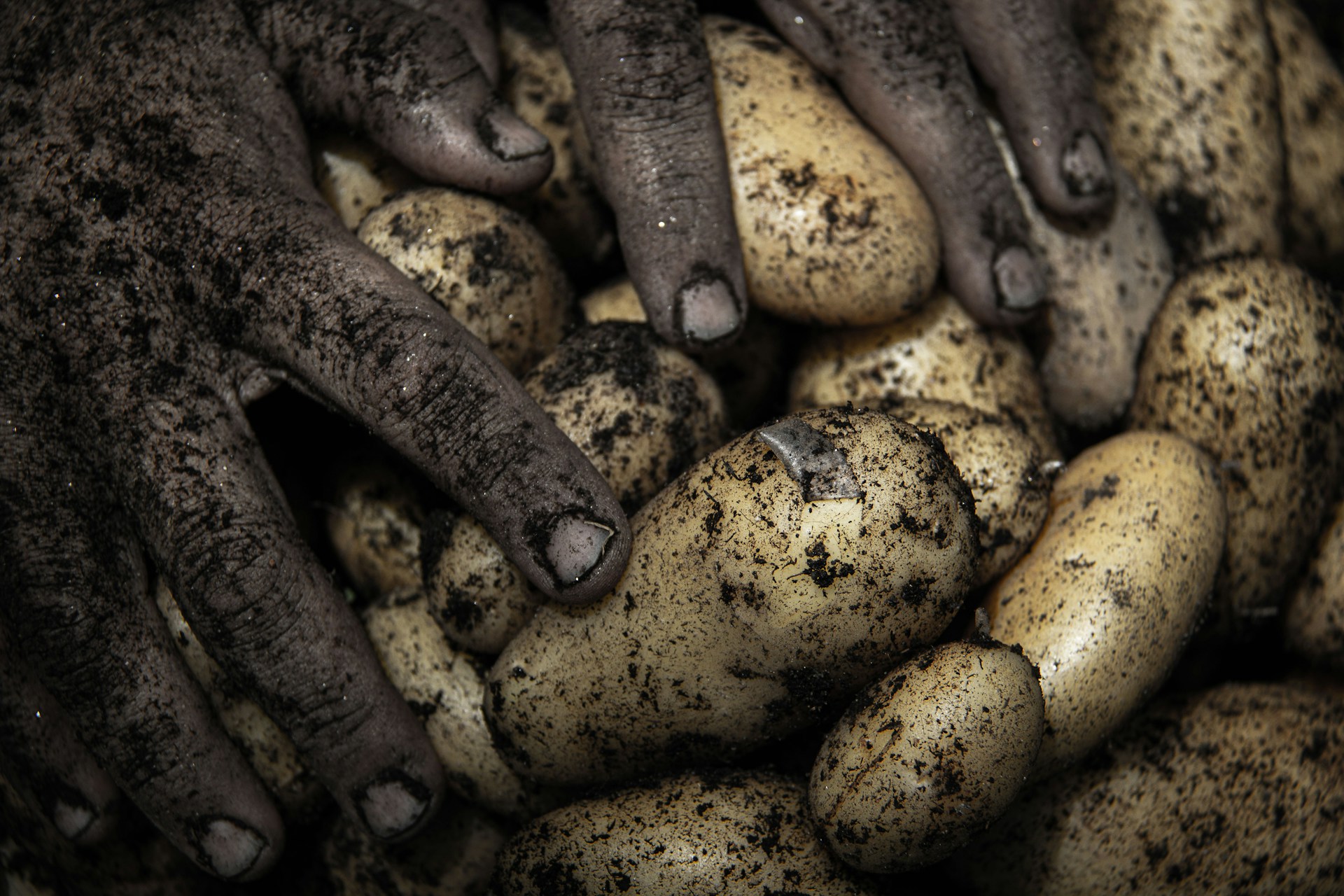
Folks who used home remedies often put raw potato pieces on their head or sore spots to ease swelling and ache. Coolness from the spuds brought short-term comfort, kind of like an ice pack still, real healing effects were iffy.
Others claimed potatoes pulled pain right through the skin, even though science never proved it true. Even with better medicine around, country areas kept using this trick deep into the 1900s.
Stick alternative when working on paper projects
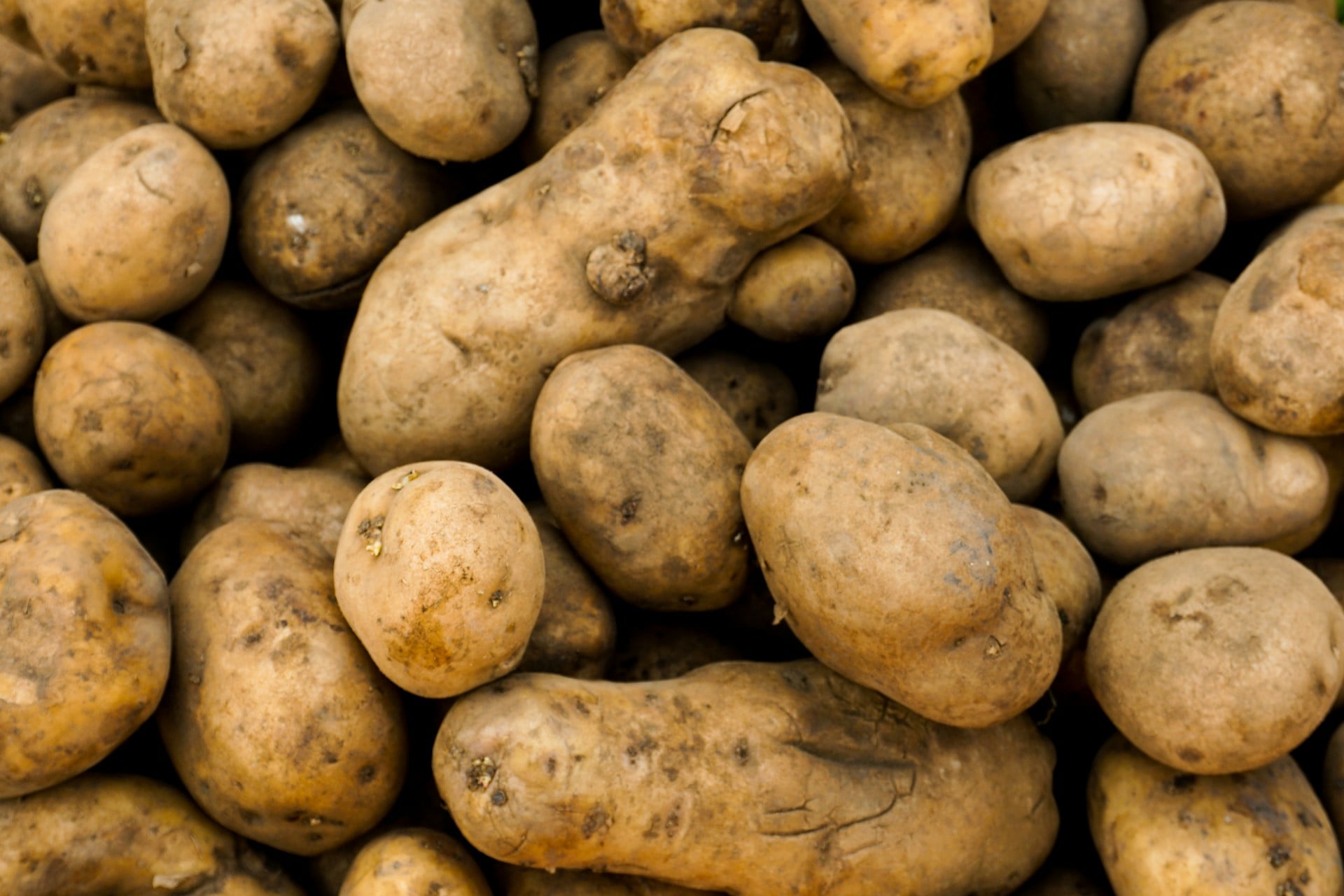
Potato starch stirred into water makes a sticky mix good enough for joining paper or thin cardboard. Since some schools didn’t have much money, they’d use this DIY glue for crafts and simple book repairs.
It dries transparent and sticks okay, but forget about using it outside it fails when wet, plus bugs might show up if old batches sit around. Back in the 1930s, educators turned to spud-based paste because store-bought glue cost too much.
Hair color part that helps turn gray strands darker
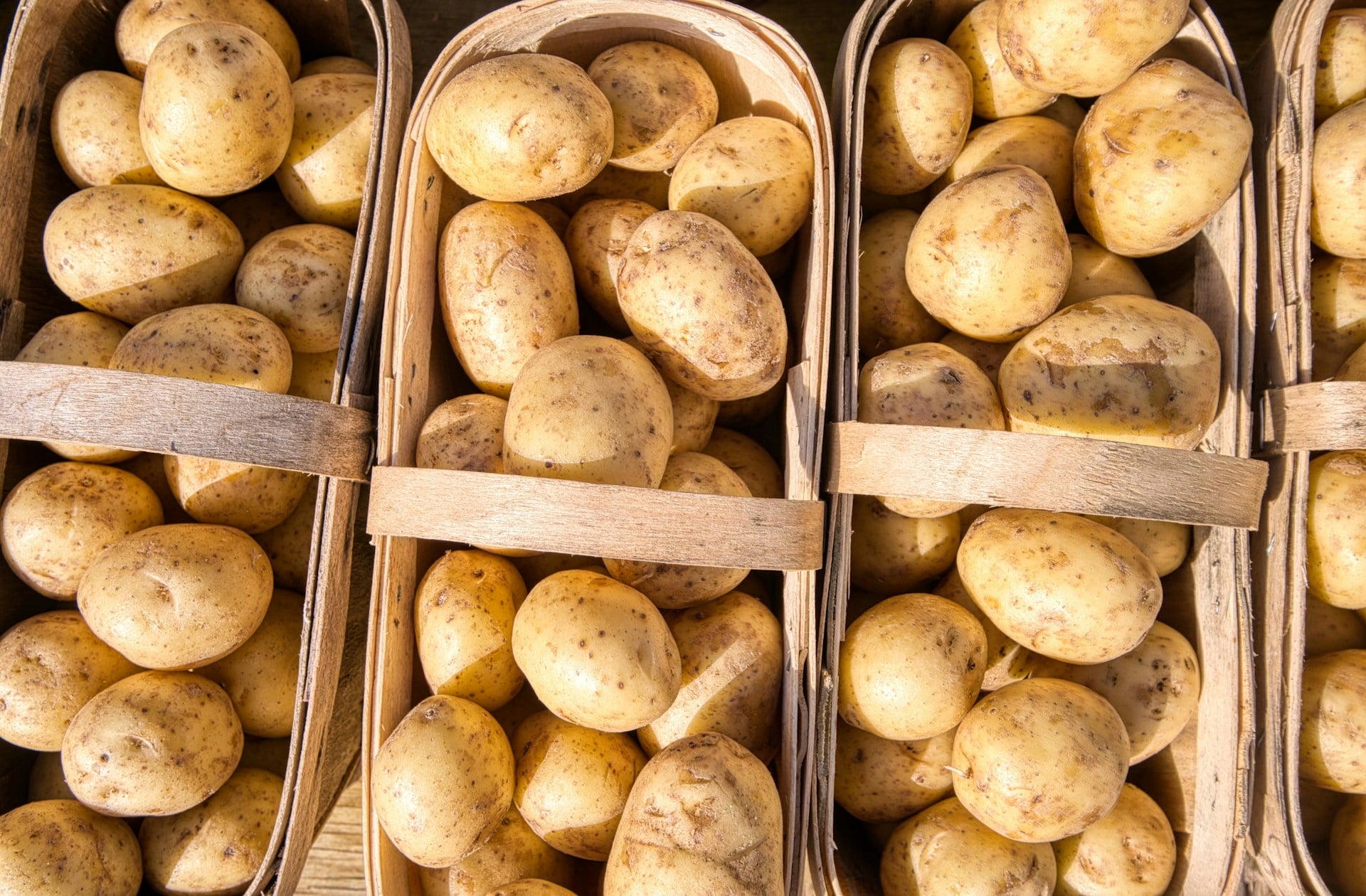
Some old hair color mixes from the 1800s used potato skin juice to make hair darker. Tannins found in those peels could mask gray strands once mixed with other herbal stuff.
How well it worked changed a lot depended on your hair texture or how you made the mix. Still, folks who wanted to look younger would test just about any trick back then.
These days, pros say skip that method ’cause we’ve got better options now.
Odd tasks led straight to meals on tables
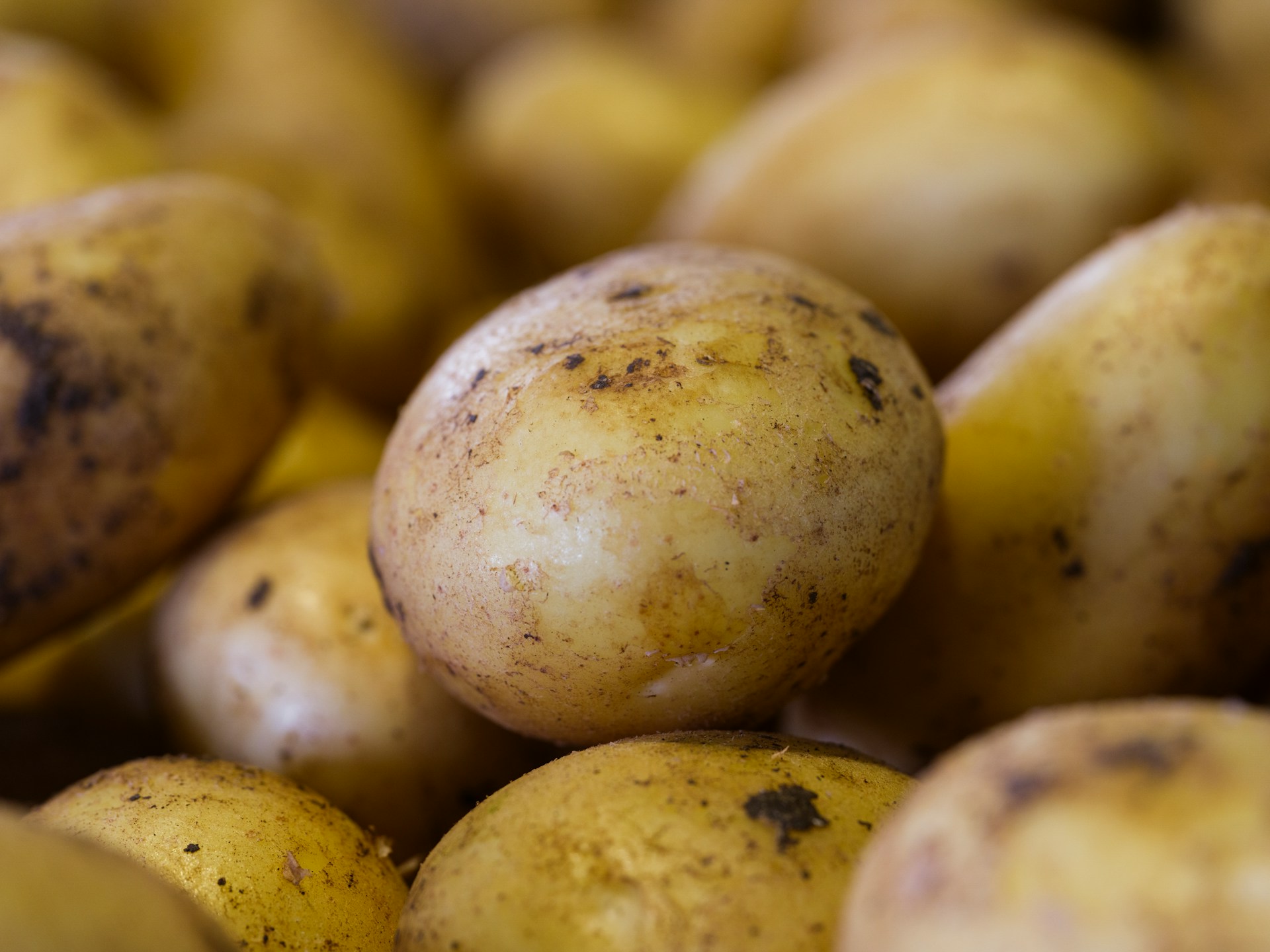
The potato’s shift from odd tool to kitchen favorite proves hard times spark creativity. When life got rough, folks used what was handy potatoes fit the bill for loads of jobs beyond eating.
Now those quirky roles feel silly since we’ve got gadgets for everything. Still, it’s proof that basic stuff around us can do surprising things.
Next time you pick up a spud at supper, remember it once ran clocks, scrubbed grime, and warmed troops in icy ditches.
More from Go2Tutors!

- The Romanov Crown Jewels and Their Tragic Fate
- 13 Historical Mysteries That Science Still Can’t Solve
- Famous Hoaxes That Fooled the World for Years
- 15 Child Stars with Tragic Adult Lives
- 16 Famous Jewelry Pieces in History
Like Go2Tutors’s content? Follow us on MSN.