Iconic Foods On Sticks from Around the World
There’s something universally appealing about food on a stick. It’s portable, it’s shareable, and it turns almost anything into a street snack.
From temple festivals in Japan to night markets in Thailand to county fairs in the American Midwest, cultures around the world have been threading food onto sticks for centuries — and every region has its own version worth knowing about.
Yakitori — Japan

Yakitori is grilled chicken on bamboo skewers, and in Japan it’s practically an art form. Different parts of the bird — thigh, skin, liver, cartilage — are threaded separately and grilled over charcoal with either a salty tare glaze or just salt.
The simplicity is the point. A good yakitori stand produces skewers that are crisp on the outside, juicy inside, and slightly smoky from the binchotan charcoal underneath.
You’ll find them at izakayas, festivals, and tiny street stalls barely big enough to hold three people.
Corn Dog — United States

The corn dog is a hot dog coated in cornmeal batter and deep-fried on a wooden stick, and it has been a staple of American state fairs and carnivals since the 1940s. There’s real debate over who invented it — multiple vendors and diners have claimed credit — but wherever it started, it spread fast.
The contrast between the slightly sweet cornbread exterior and the salty frankfurter inside is exactly what makes it work. State fair versions tend to be larger and more aggressively fried than the ones sold at convenience stores.
Satay — Southeast Asia
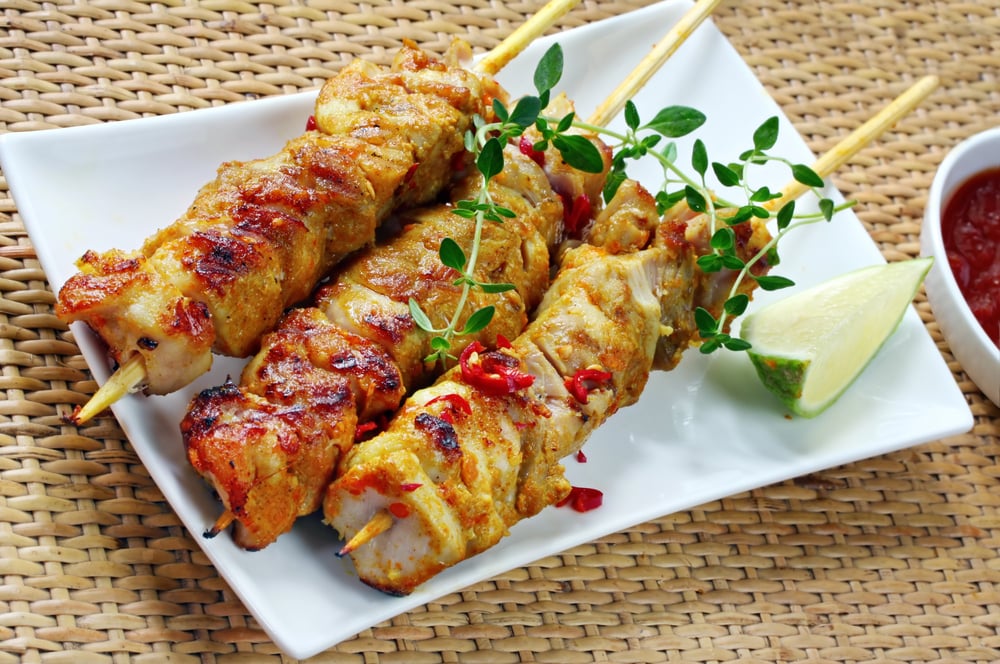
Satay appears in various forms across Indonesia, Malaysia, Thailand, and Singapore, but the basic idea is consistent: thin strips of marinated meat threaded onto thin bamboo skewers and grilled over an open flame. The meat — chicken, beef, lamb, or pork depending on the region — gets a char that carries the spice marinade beautifully.
It’s almost always served with peanut sauce for dipping, along with compressed rice and cucumber. Indonesian satay and Malaysian satay differ enough in seasoning and preparation that regulars will tell you they’re genuinely distinct dishes.
Chuan — China
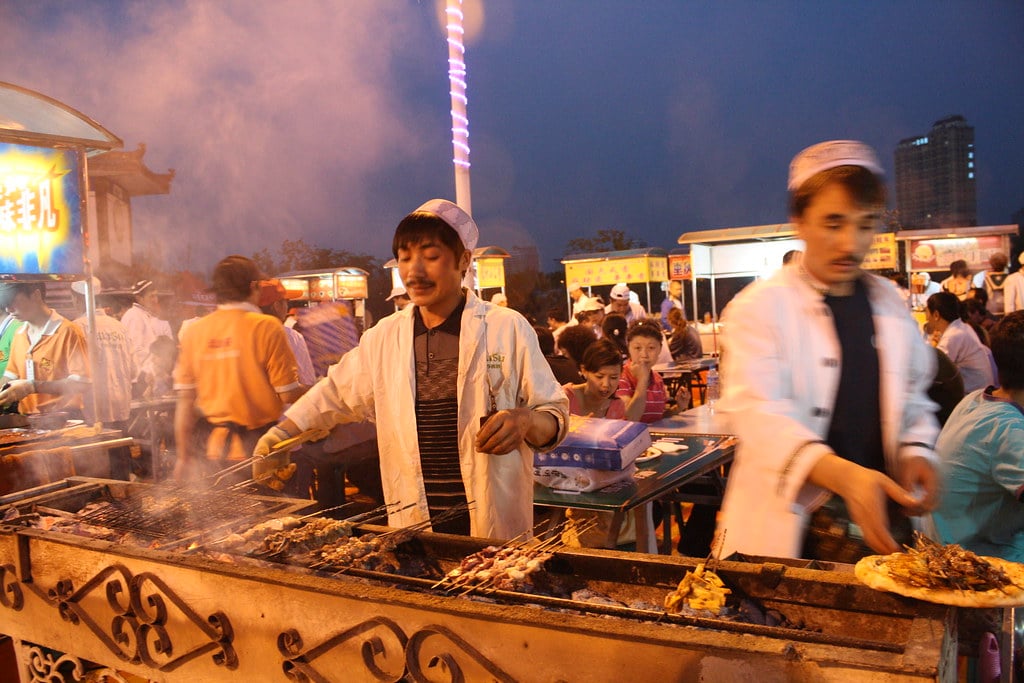
Chuan, also called chuanr or Chinese skewers, are one of the most popular street foods in China, particularly in Beijing and across the northwest. Lamb is the most traditional protein, seasoned heavily with cumin, dried chili flakes, and salt, then grilled quickly over coals.
The spice profile has roots in the Xinjiang region and reflects Central Asian culinary influence. These days you’ll find chuan made with nearly everything — chicken hearts, tofu, mushrooms, squid — sold from carts and skewer restaurants that stay open well past midnight.
Espetada — Madeira, Portugal
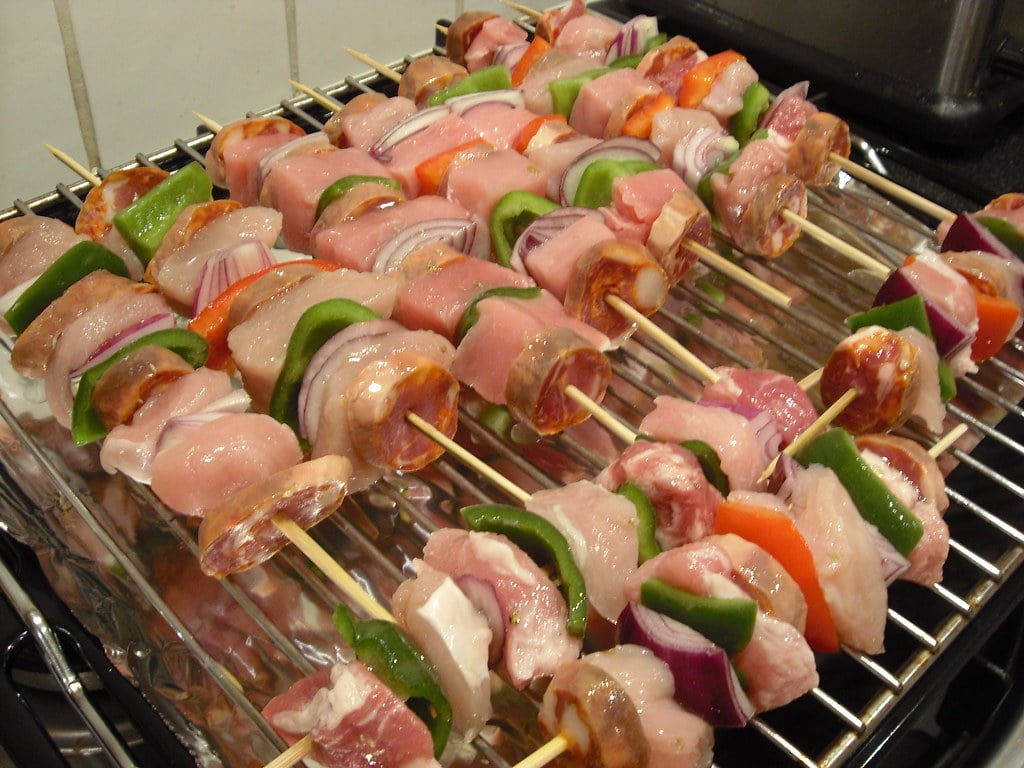
Espetada is beef skewered on a bay laurel branch and grilled over wood embers. The laurel branch isn’t just a practical choice — it infuses the meat with a subtle herbal flavor as it cooks.
Traditional espetada is made with large chunks of beef rubbed with garlic and sea salt, and in Madeira it’s often hung vertically from a special hook at the table so the juices drip down as you eat. It’s a dish tied deeply to the island’s culture and is one of the first things locals will point you toward if you ask what to eat.
Oden — Japan
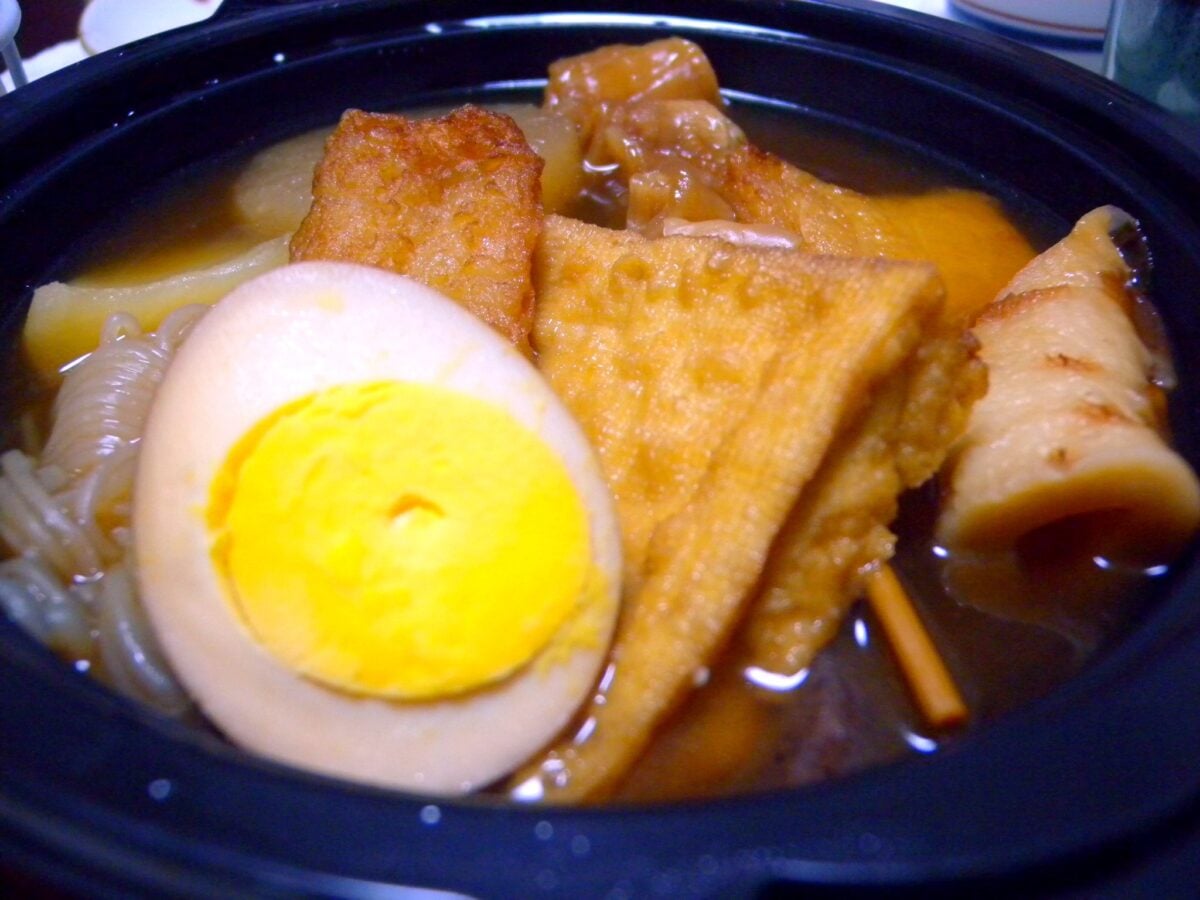
Oden is a winter hot pot dish where various ingredients — fish cakes, tofu, boiled eggs, daikon radish, konjac — are simmered for hours in a light soy-based broth. The stick version appears at convenience stores and street stalls, where individual items are served skewered so you can eat them on the go.
7-Eleven in Japan sells oden from heated tanks near the register from autumn through early spring, and it’s one of those humble, warming foods that becomes deeply nostalgic for anyone who spent time in Japan during colder months.
Anticucho — Peru
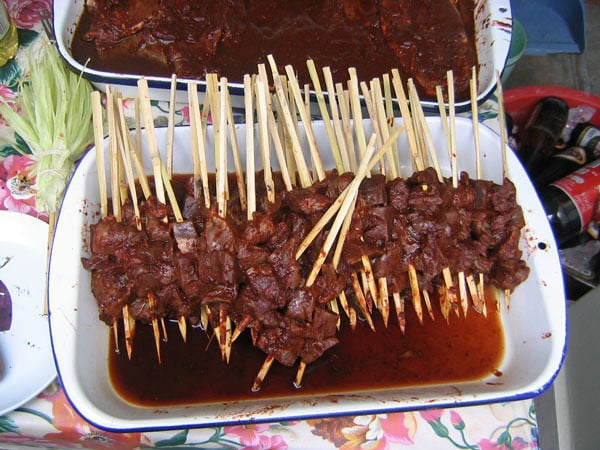
Anticuchos are skewers of grilled beef heart, and they’re one of Peru’s most beloved street foods. The meat is marinated in a mixture of vinegar, cumin, garlic, and aji panca — a mild, fruity dried chili — then grilled at high heat. The char is essential.
Anticuchos have been eaten in Peru since pre-Columbian times, and Spanish colonizers adopted and adapted the preparation. Today they’re sold from street carts in the evenings, often alongside boiled potatoes and a spicy peanut sauce.
People who are hesitant about organ meat tend to come around quickly.
Souvlaki — Greece
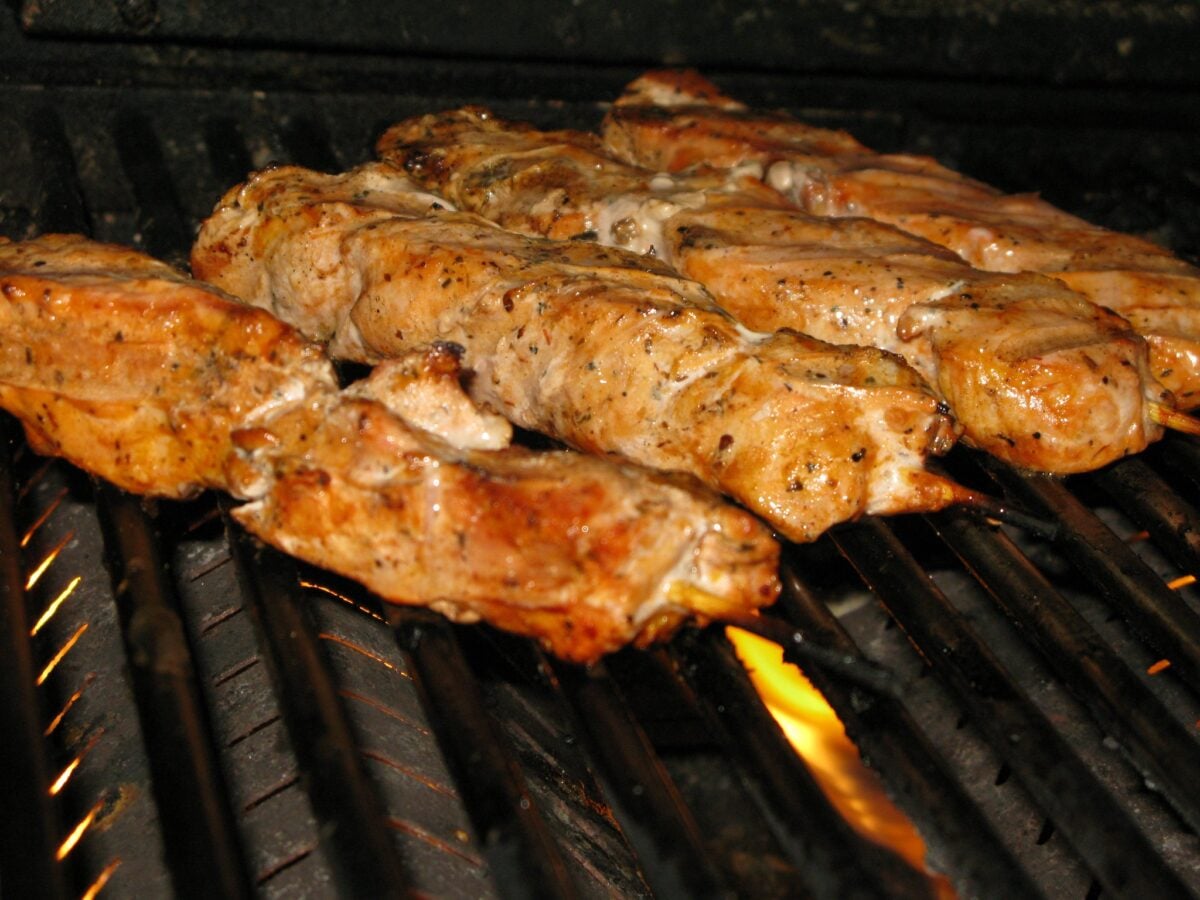
Souvlaki is grilled meat on a skewer, and it’s one of the defining foods of Greek street culture. Pork is the most common choice, though chicken and lamb appear regularly.
The meat is cut into small cubes, marinated in olive oil, lemon, and oregano, then threaded onto metal skewers and cooked over charcoal. It’s served either straight from the skewer or wrapped in pita with tomato, onion, and tzatziki.
The pita wrap version is technically called souvlaki pita, but most people just call it souvlaki and nobody corrects them.
Lok Lok — Malaysia
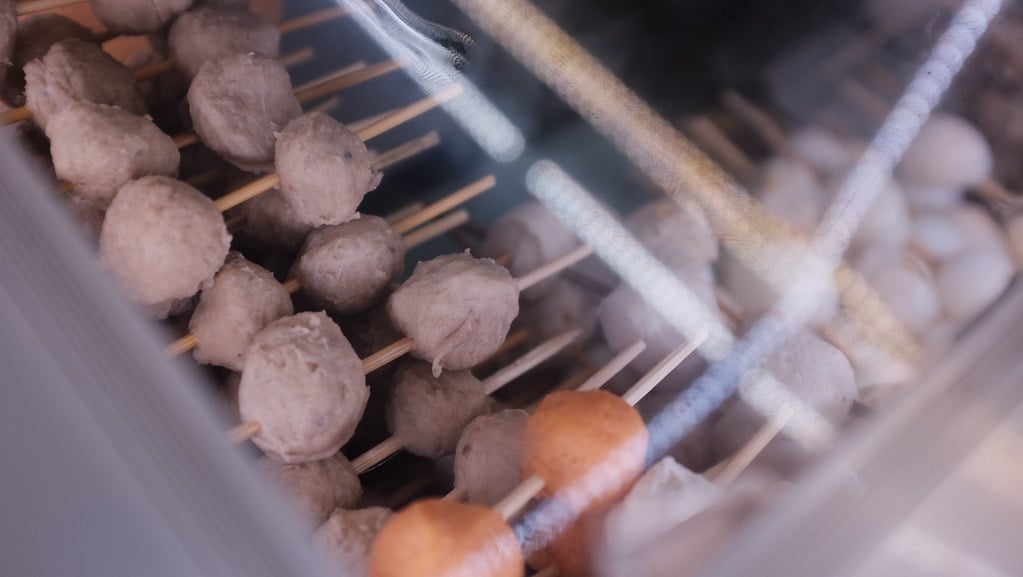
Lok lok is a steamboat street food experience where skewered ingredients — fish rounds, tofu, shellfish, vegetables, meat — are dunked into simmering broth at your table or from a cart. You pick what you want, cook it yourself, and dip it in various sauces.
The name comes from the Cantonese word for “dip dip.” It’s especially popular in Penang, where vendors push carts through neighborhoods in the evenings and regulars gather around to eat and talk for hours.
The beauty of lok lok is that the social element is built into the format.
Mtori and Mishkaki — East Africa
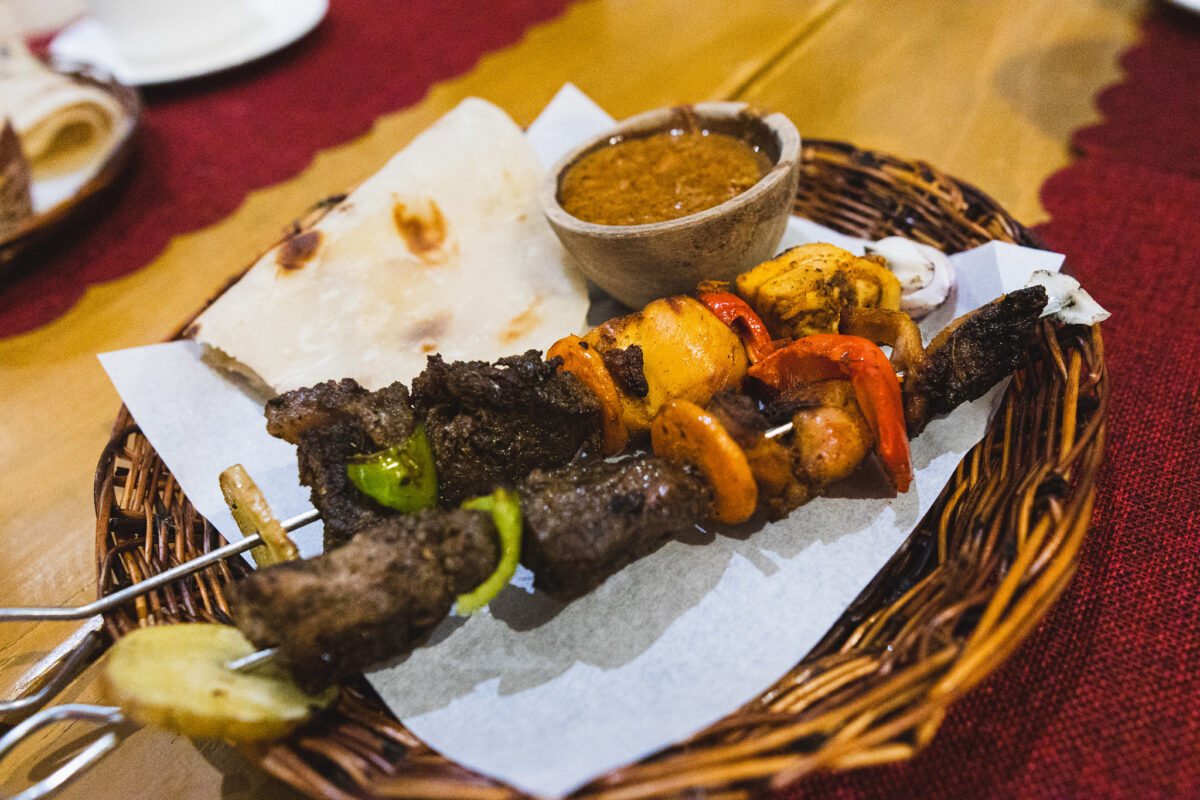
Mishkaki are East African beef skewers marinated in spices and grilled over open coals, common at roadside stalls across Tanzania, Kenya, and Uganda. The marinades vary by region and vendor but typically include garlic, ginger, cumin, and chili.
They’re sold cheaply and quickly, eaten standing up, often with a piece of flatbread and a hot sauce on the side. The char and the spice together create something that’s difficult to replicate indoors.
These are essentially the equivalent of what chuan is to Beijing — the thing you eat late at night from a stall while the coals are still glowing.
Tteok-kkochi — South Korea
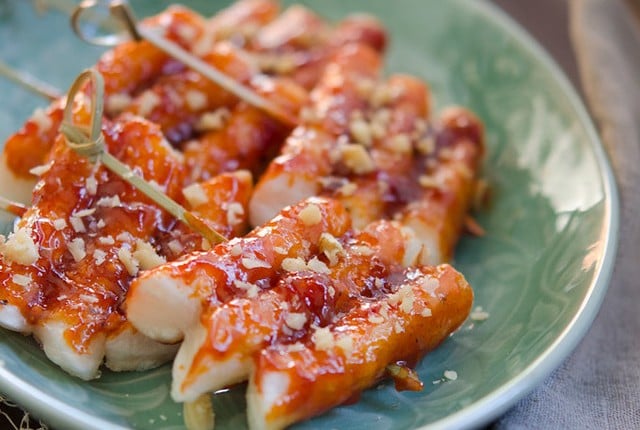
Tteok-kkochi are rice cake skewers coated in a sweet and spicy gochujang sauce, sold from street carts all over South Korea. The rice cakes are chewy and dense, and the sauce gets slightly caramelized from the heat, which gives the surface a glossy, sticky finish.
They’re inexpensive, filling, and one of the most recognizable items in Korean street food culture alongside tteokbokki. The texture is polarizing for first-timers — sticky and chewy in a way that Western snacks usually aren’t — but converts tend to become devoted ones.
Churro — Spain and Latin America

The churro’s origins are debated — Spain claims it, as does Portugal with a similar pastry, and some food historians trace a version of it to China via Portuguese traders — but wherever it started, it belongs to the world now. A churro is a fried dough stick, rolled in cinnamon sugar and served with thick hot chocolate for dipping in Spain, or with cajeta and chocolate sauce in Mexico.
The stick shape is part of the appeal: it’s designed to be held and dipped, eaten warm straight from the fryer. Theme parks and street fairs have made the churro globally recognizable, but the original Spanish version, eaten for breakfast with coffee, is something else entirely.
Arrosticini — Abruzzo, Italy

Tiny chunks of lamb on sticks define a ritual in central Italy. From Abruzzo, these morsels trace back to shepherds using every bit of the animal they could.
A narrow grill, glowing with coals, sears each piece fast. Standing around the fire, people chew through dozens at once.
Not much room here for extras – salt may land on the meat, maybe a sprig of rosemary burns nearby. Each bite shows how heat can crisp edges yet leave centers soft.
Size matters: one stick holds just a few cubes, meant to be multiplied many times over. Serious talk breaks out when someone mentions cooking time or cut choice.
This isn’t dinner – it’s identity threaded onto metal.
The Stick Is the Point
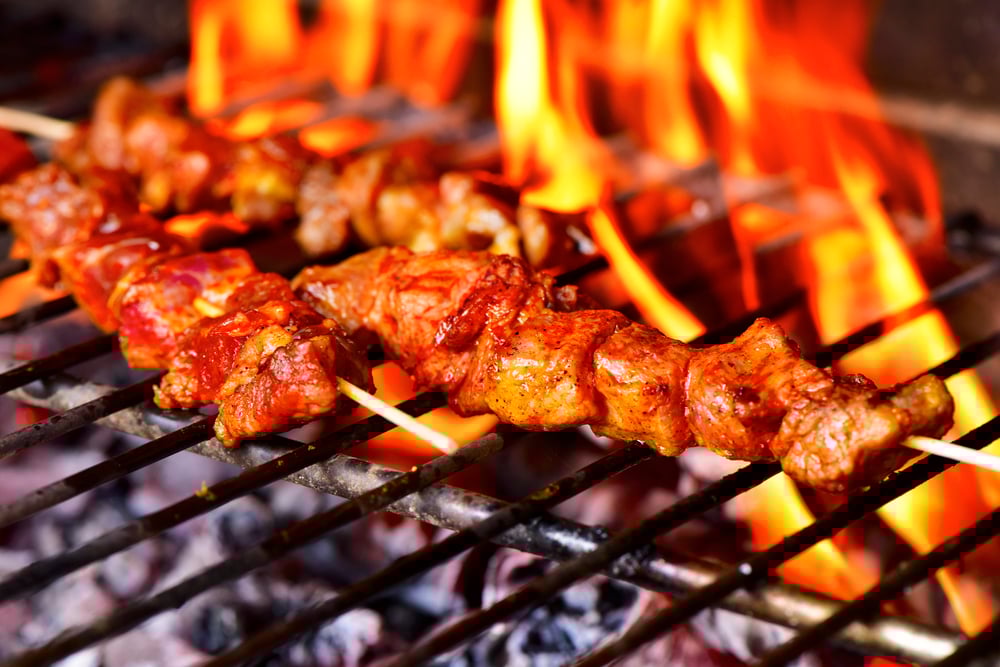
Out in the open, someone once stuck meat on a twig above flames – probably long before pots were even imagined. That basic act somehow spun off into countless versions across continents, each one unique yet rooted in the same gesture.
Not merely a tool, the skewer hints at something immediate: eat while warm, share while moving. Though spices shift from place to place, the message stays unchanged wherever you go.
More from Go2Tutors!

- The Romanov Crown Jewels and Their Tragic Fate
- 13 Historical Mysteries That Science Still Can’t Solve
- Famous Hoaxes That Fooled the World for Years
- 15 Child Stars with Tragic Adult Lives
- 16 Famous Jewelry Pieces in History
Like Go2Tutors’s content? Follow us on MSN.



