Early Engineering Feats That Challenged Limitations
Long before computers, satellites, or modern machinery, people found ways to move mountains, cross oceans, and build structures that still leave us amazed today. These early engineers worked with basic tools, strong backs, and brilliant minds to create things that seemed impossible at the time.
They didn’t have blueprints from the internet or cranes operated by remote control, just determination and clever problem-solving that pushed past every barrier in their way. Let’s look at some of the most impressive achievements that prove human creativity has always been unstoppable.
The Great Pyramid of Giza
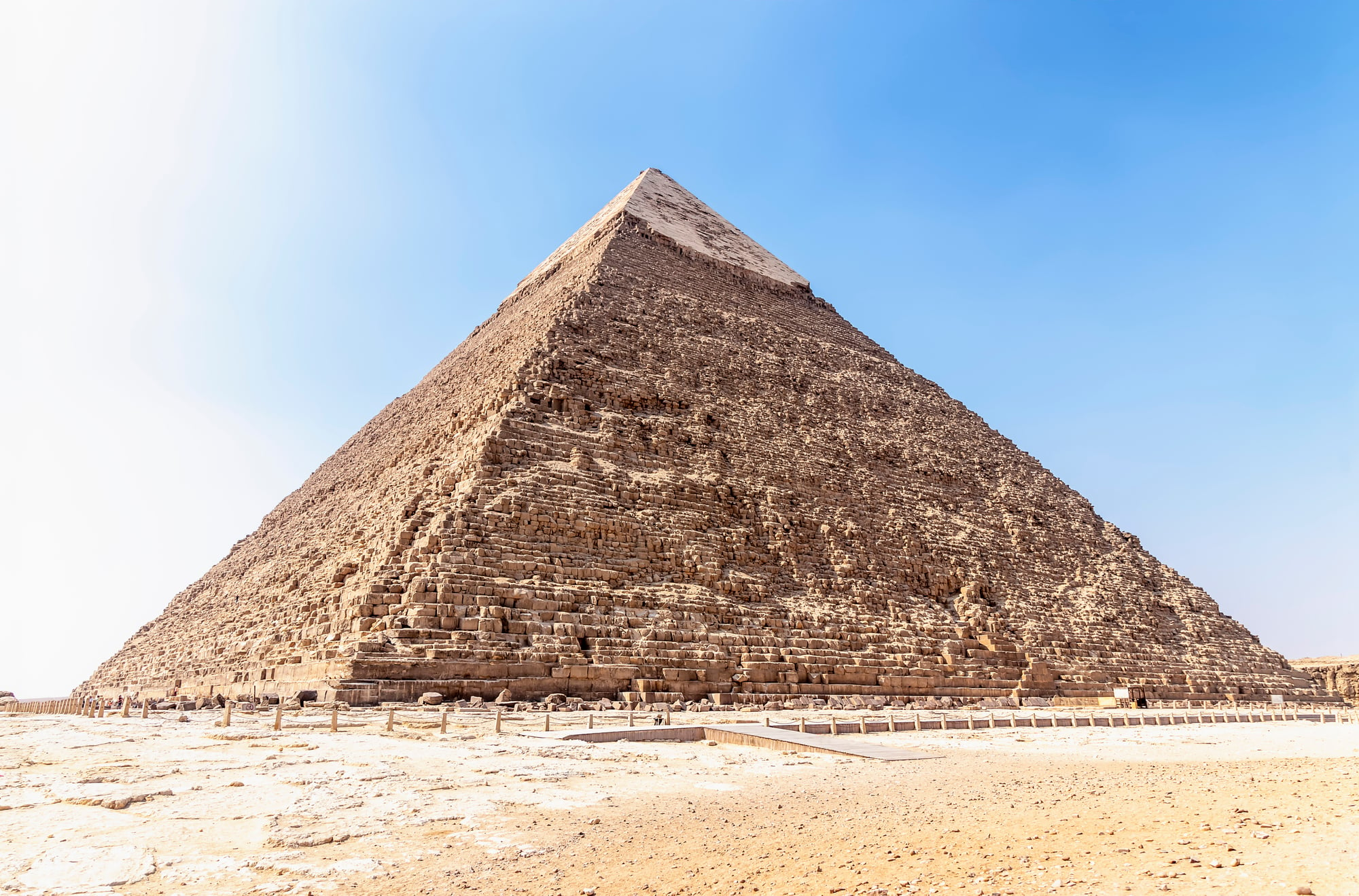
The ancient Egyptians built the Great Pyramid around 4,500 years ago without wheels, pulleys, or iron tools. Workers moved more than 2 million stone blocks, each weighing about 2.5 tons, across the desert and stacked them into a structure that stood 481 feet tall.
They achieved accuracy so precise that the base is level to within just an inch, and the sides align almost perfectly with true north. For thousands of years, this pyramid remained the tallest human-made structure on Earth, proving that limitations often exist only in our minds.
Roman aqueducts
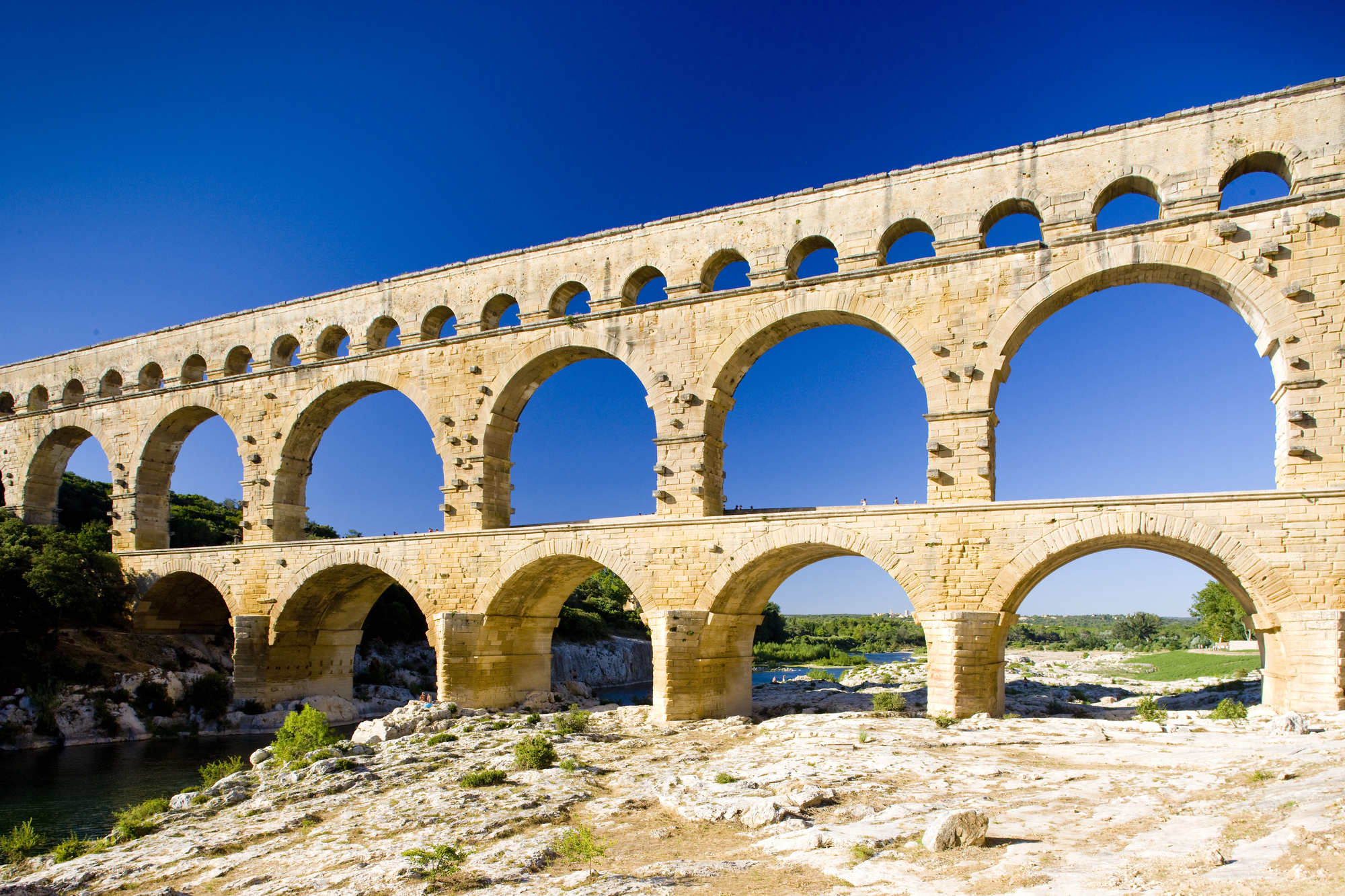
Romans needed to bring fresh water from mountain springs to their growing cities, sometimes across distances of over 50 miles. They designed aqueducts that used gravity alone to move millions of gallons daily, calculating slopes so gentle that water flowed steadily without pumps or power.
The Pont du Gard in France still stands today, with stone arches stacked three levels high and not a drop of mortar holding them together. These structures supplied entire cities with clean water, creating public health standards that wouldn’t be matched again for over a thousand years.
The Colosseum
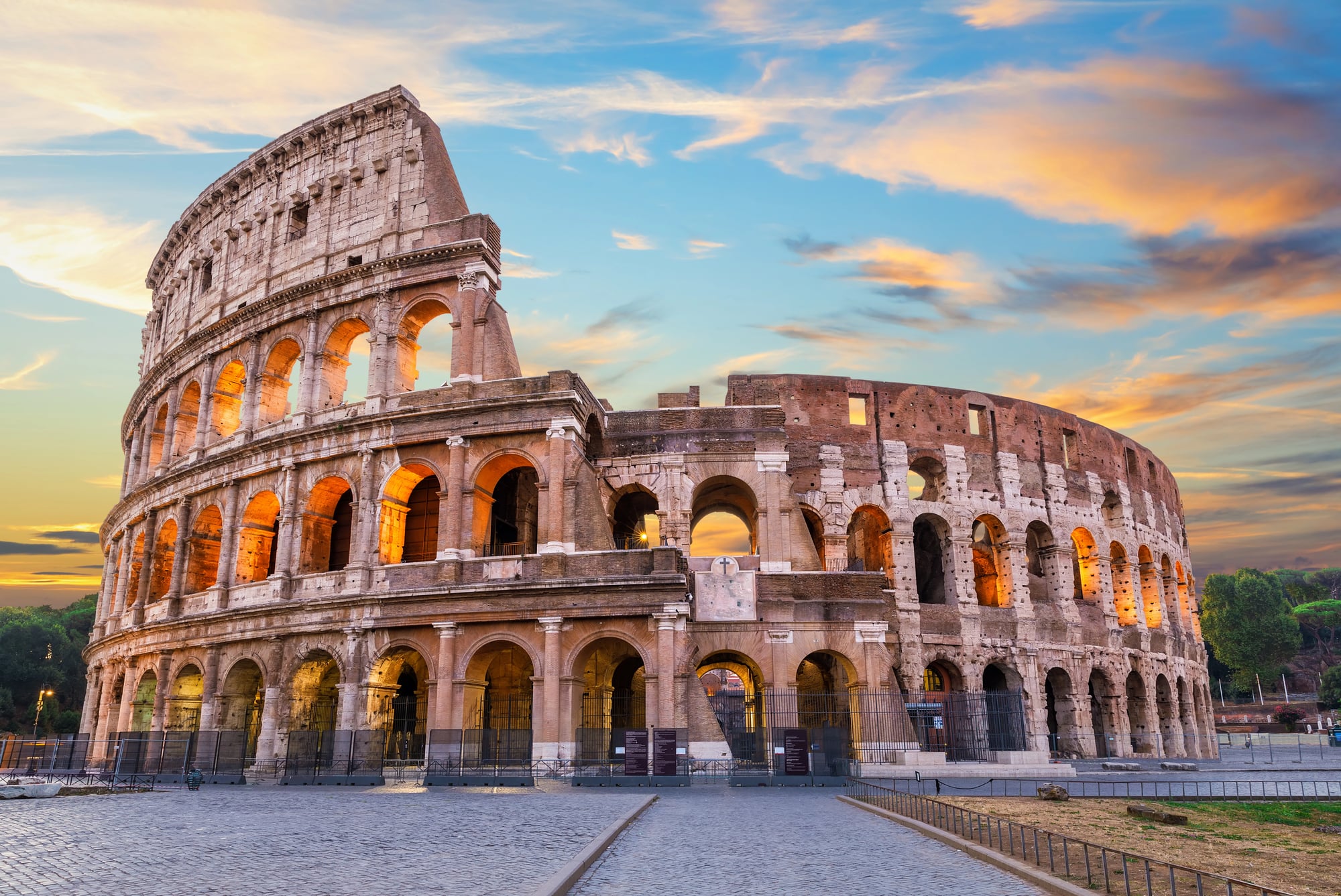
Built in just eight years starting in 72 AD, the Colosseum could hold 50,000 spectators and featured a complex system of underground tunnels, trap doors, and elevators powered by human labor. Roman engineers designed 80 entrance arches that allowed the massive crowd to fill or empty the venue in just 15 minutes, solving crowd control problems that modern stadiums still struggle with.
The building used concrete made from volcanic ash, which actually grows stronger over time when exposed to seawater, a formula that modern scientists only recently figured out. Despite earthquakes and stone robbers over two millennia, about two-thirds of the original structure remains standing.
The Grand Canal of China
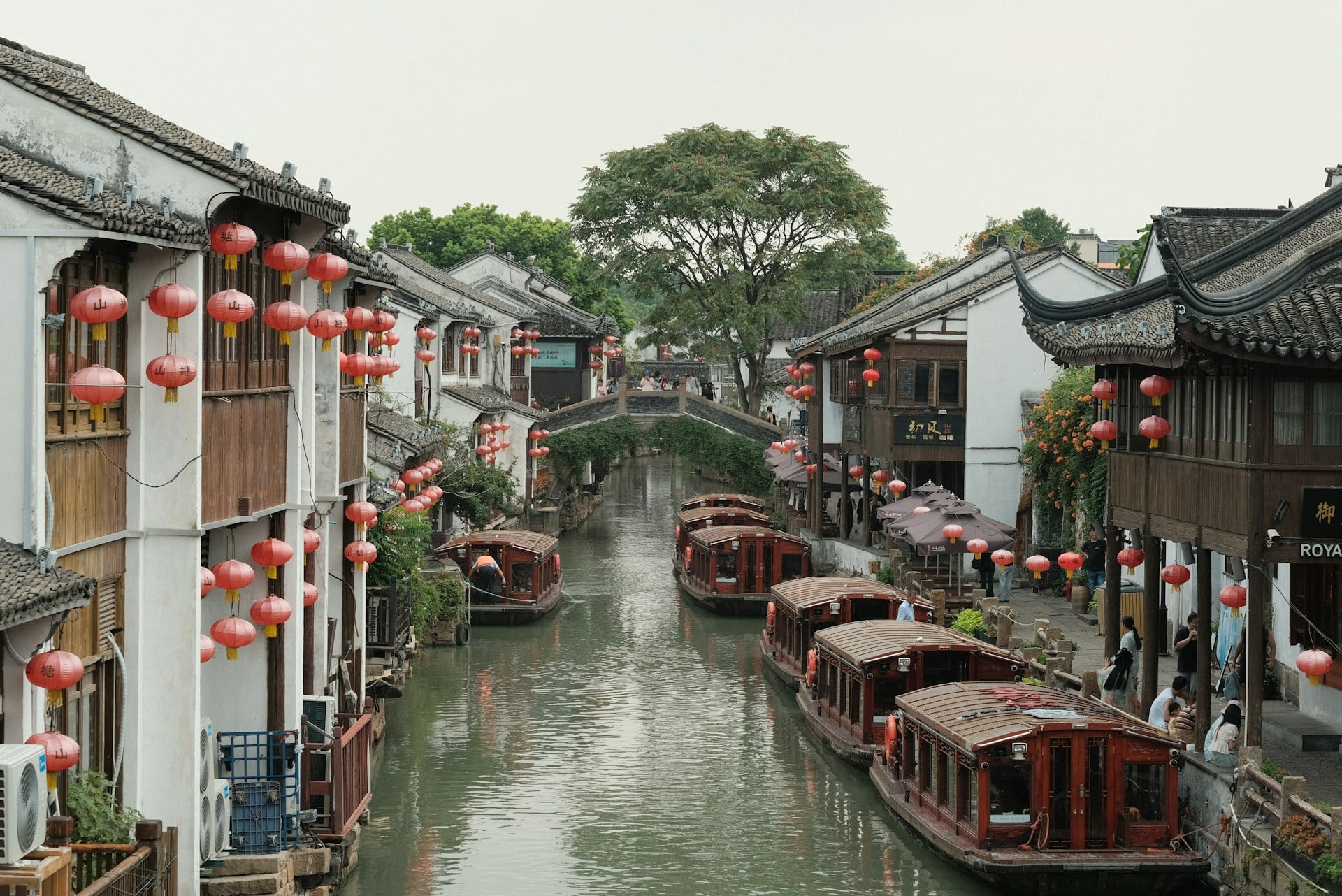
Chinese engineers started building the Grand Canal over 2,500 years ago, eventually creating a waterway stretching more than 1,100 miles from Beijing to Hangzhou. They connected existing rivers, lakes, and streams while carving new channels through mountains and across plains using only hand tools and endless determination.
The canal had to cross vastly different elevations, so workers developed a system of locks and gates to raise and lower boats, inventing technology that wouldn’t appear in Europe for another 700 years. This incredible project employed millions of workers over many dynasties and remains the longest canal system ever built.
Angkor Wat

Khmer engineers in the 12th century constructed Angkor Wat in Cambodia, a temple complex that required moving and precisely placing over 5 million tons of sandstone. They built an elaborate system of reservoirs, canals, and moats that not only surrounded the temple for symbolic reasons but also managed water during monsoon seasons and supplied the entire city year-round.
The temple’s five towers align with celestial patterns, and the walls feature carvings stretching nearly half a mile in length. Workers transported the massive stones from quarries over 25 miles away, floating them down rivers on rafts during flood season.
Machu Picchu
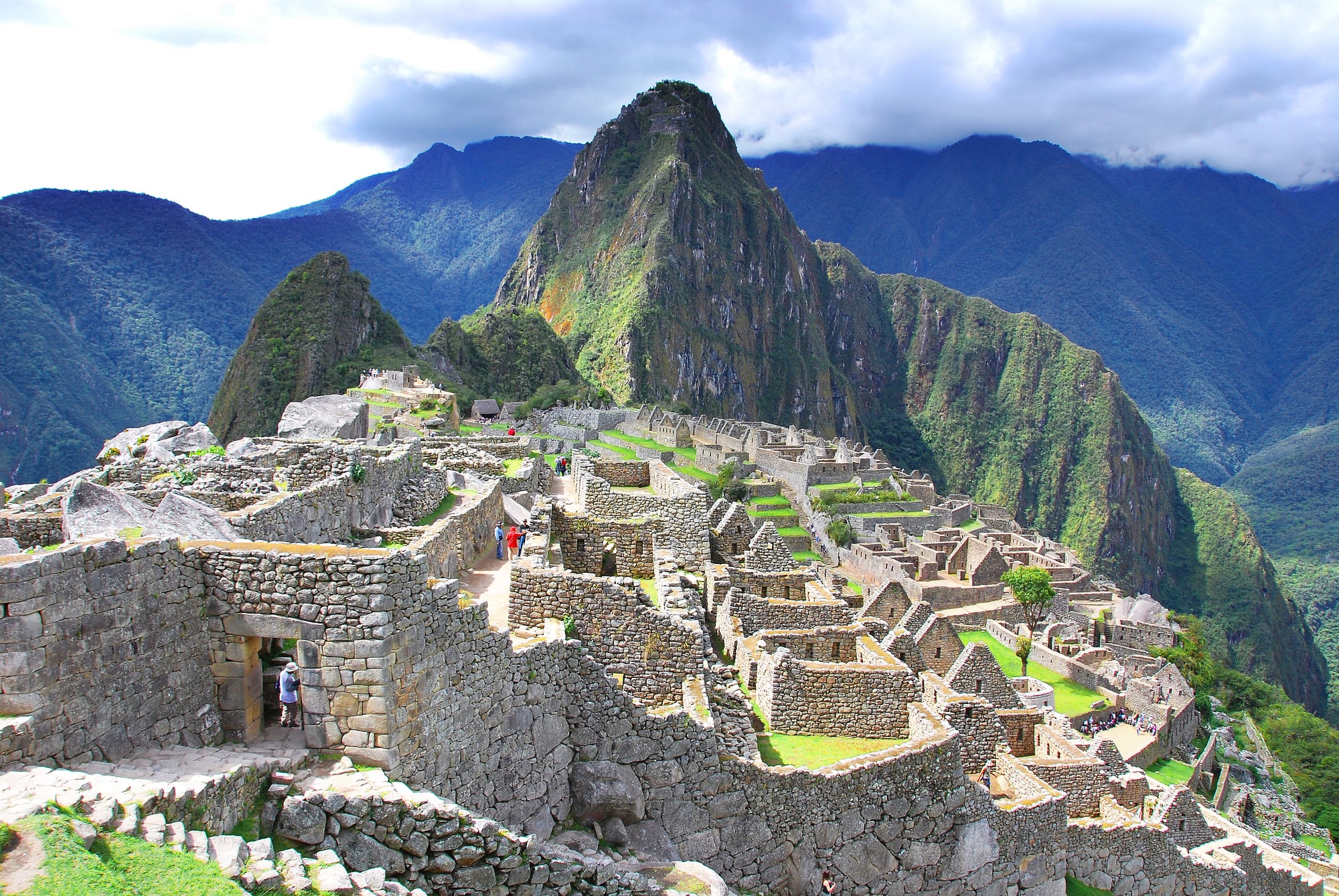
The Inca built this mountain city around 1450 AD at an elevation of nearly 8,000 feet, cutting and fitting massive granite blocks so tightly together that a knife blade can’t slip between them. They achieved this without wheels, iron tools, or written language, using only bronze chisels, stone hammers, and an understanding of rock fractures that modern masons still admire.
The site includes over 600 terraces that prevent erosion on the steep slopes, along with a sophisticated drainage system that has kept the city from washing away during five centuries of heavy rain. Inca engineers shaped the buildings to withstand earthquakes by making walls that can move slightly and then resettle, a technique called ashlar masonry that works better than many modern methods.
The Parthenon
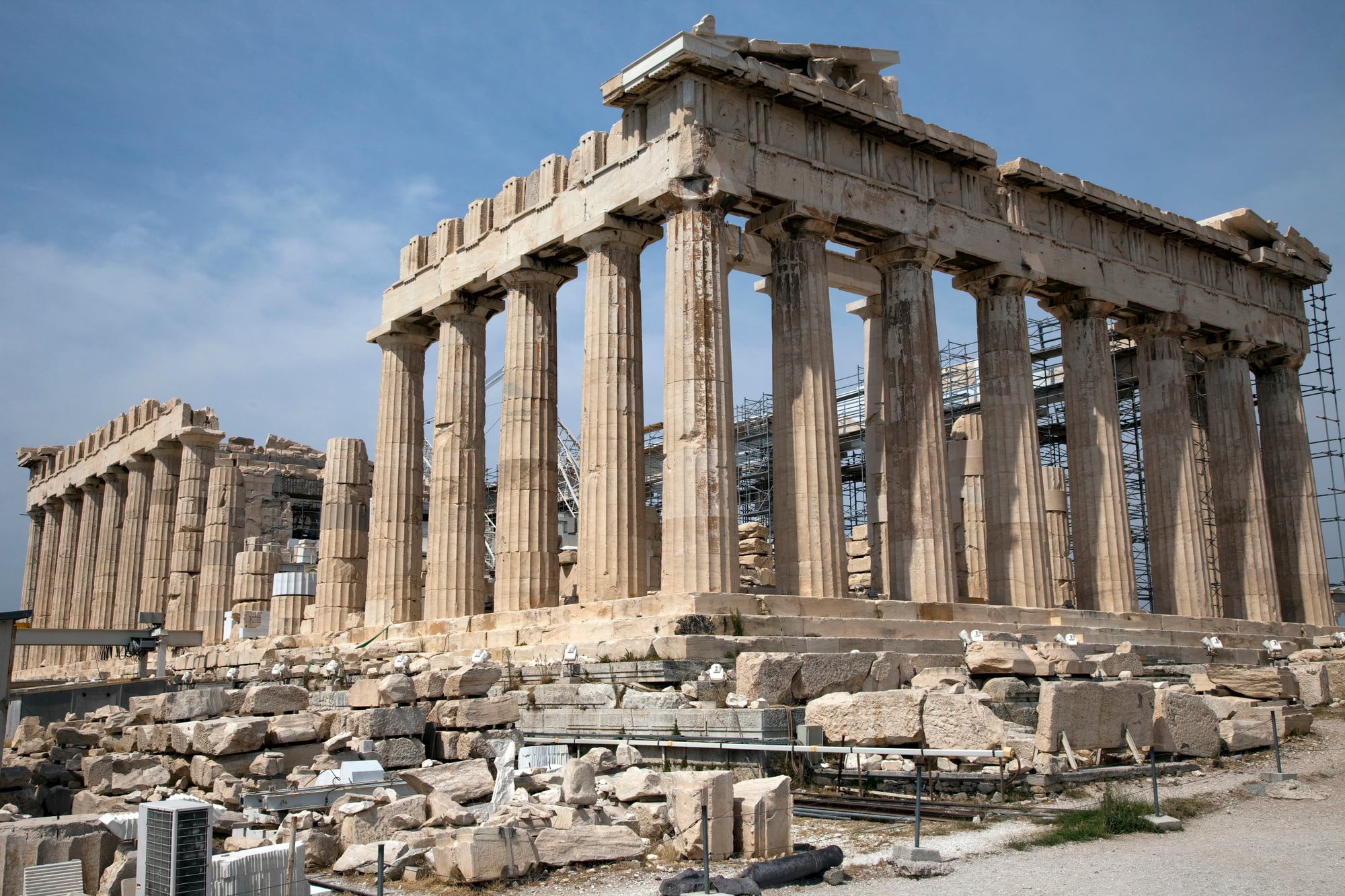
Greek architects in 447 BC created a temple that looks perfectly straight and level but actually contains no straight lines at all. They built subtle curves into every surface, making columns slightly thicker in the middle and tilting them inward by mere inches, all to counteract optical illusions that would otherwise make the building look warped.
Workers lifted marble blocks weighing up to 10 tons using only ropes, wooden cranes, and pulley systems, placing them with such precision that the ancient building still influences architecture today. The Parthenon’s designers even calculated how sunlight would hit the structure at different times of year, positioning everything to create specific shadows and highlights.
Pont du Gard
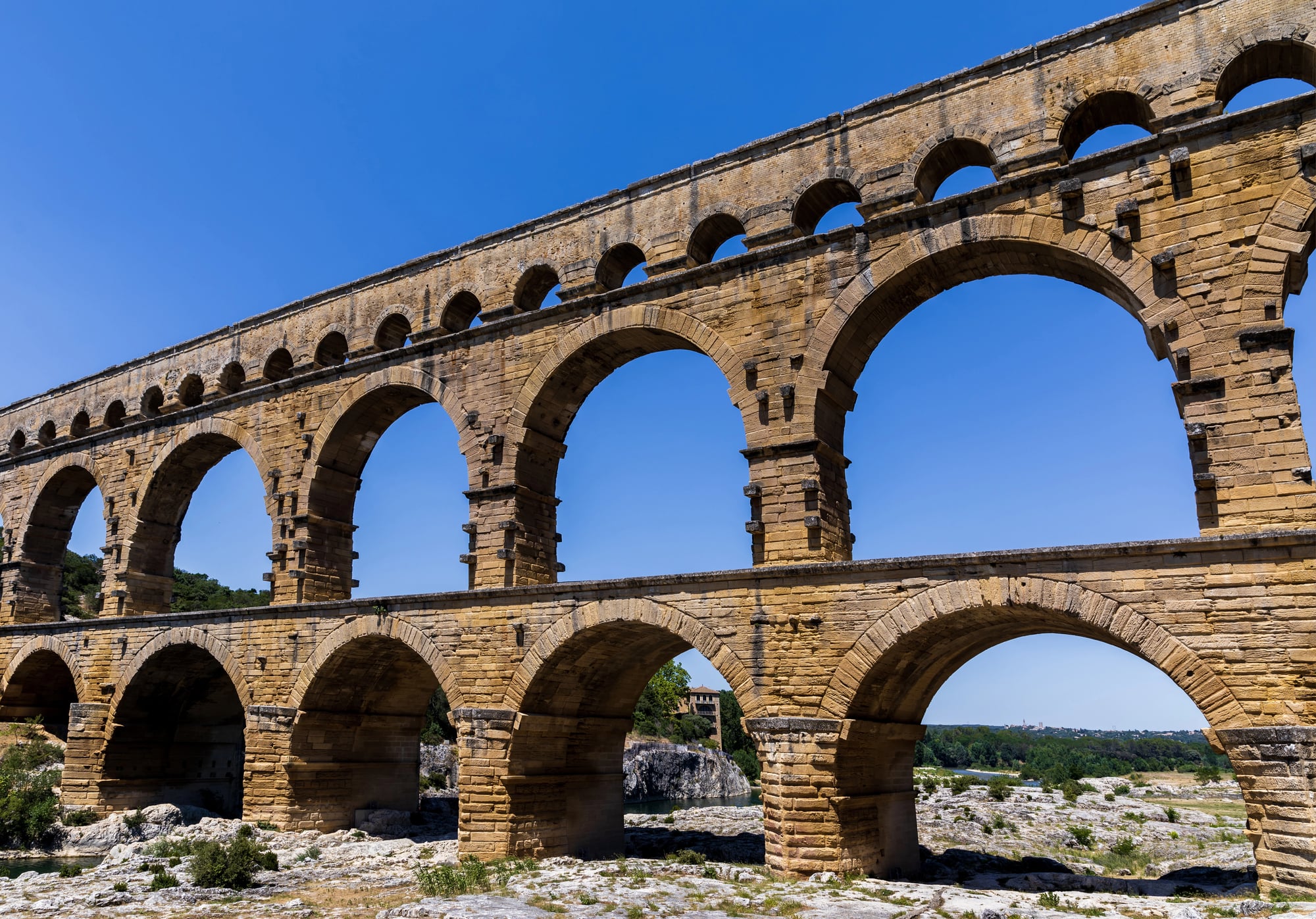
This Roman aqueduct in southern France stands 160 feet tall and spans 900 feet across the Gardon River, all without any mortar holding the stones together. Engineers cut limestone blocks weighing up to 6 tons and shaped them so precisely that friction and gravity alone keep the entire structure stable.
The top tier carried water with a gradient of just one inch per 300 feet, requiring mathematical precision that would challenge modern surveyors. After 2,000 years of floods, wars, and weathering, the bridge still stands as sturdy as the day it was finished.
Mohenjo-daro drainage system
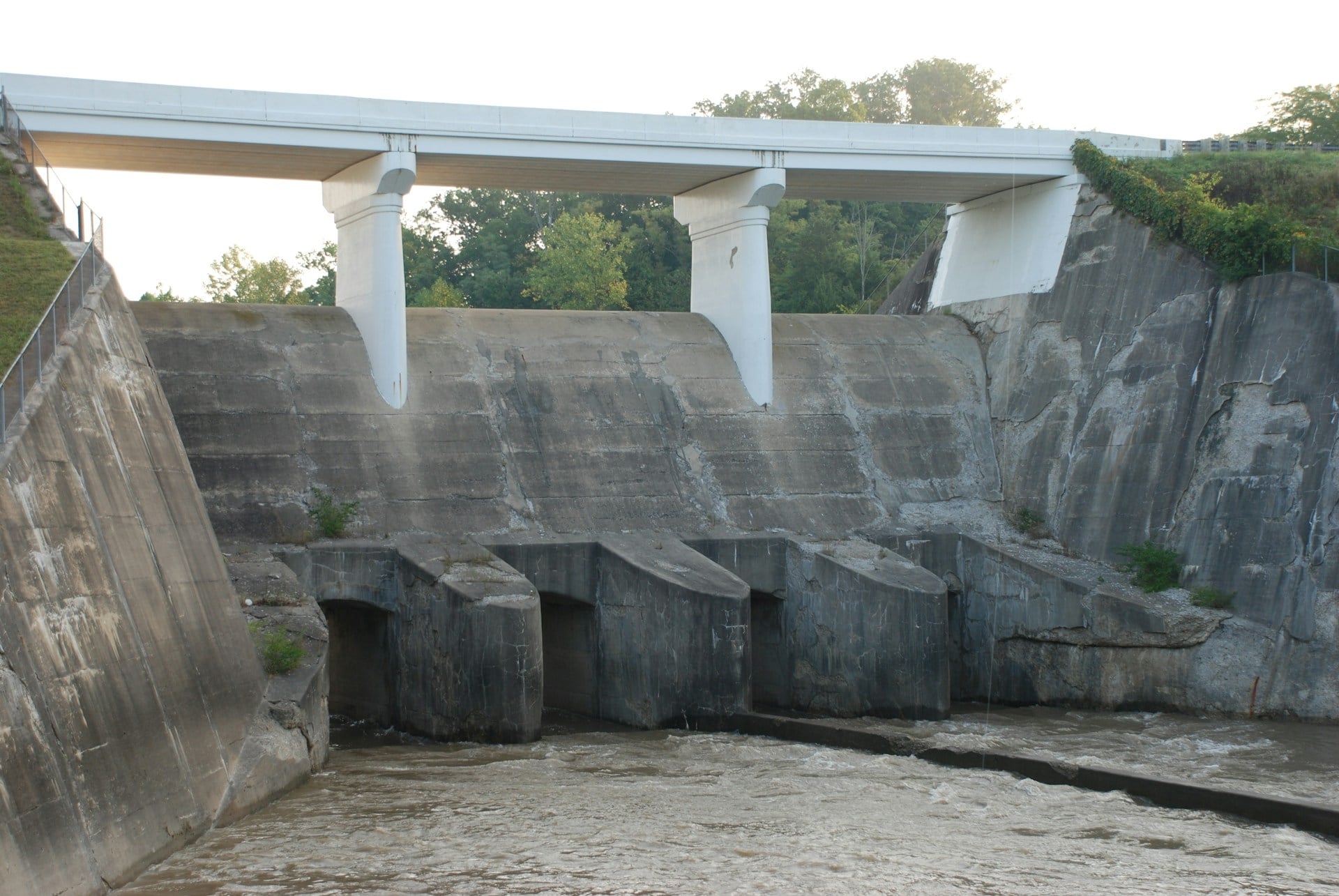
Around 2500 BC, engineers in the Indus Valley created one of the world’s first urban sanitation systems in the city of Mohenjo-daro. They built covered drains along every street, with inspections for maintenance and connections to almost every house in the city.
The drains used precisely angled slopes to carry waste away from homes, and they included settling chambers that trapped solid material before water flowed into larger channels. This level of urban planning wouldn’t appear again until the Roman Empire, and many cities didn’t match it until the 19th century.
Jetavanaramaya stupa
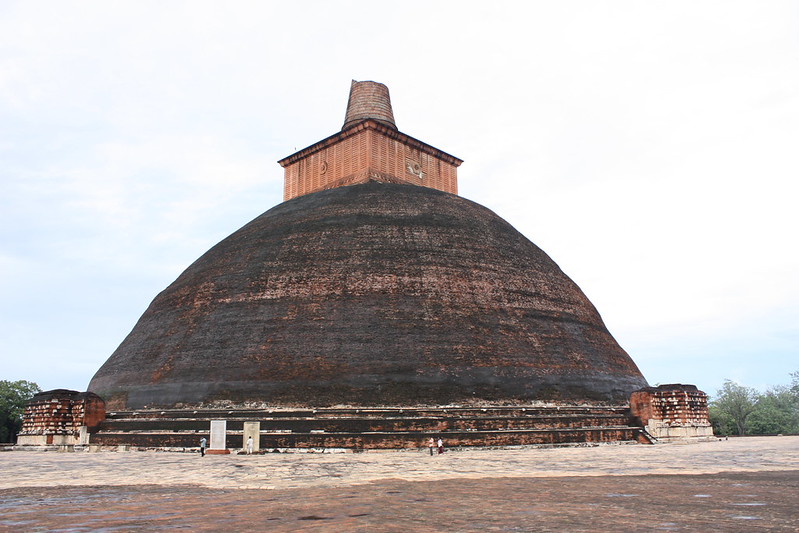
Buddhist engineers in Sri Lanka built this massive dome-shaped structure in the 3rd century AD, using an estimated 93 million baked bricks. The foundation alone required workers to dig down to bedrock and then build up layers of stone and brick to create a base that could support the enormous weight without sinking into the soft tropical soil.
The dome rises 400 feet high, making it taller than many modern buildings, and it remained one of the tallest structures in the ancient world. Workers developed a special technique for making waterproof bricks and used a lime mortar so strong that the structure has survived monsoons and earthquakes for over 1,700 years.
The Lighthouse of Alexandria
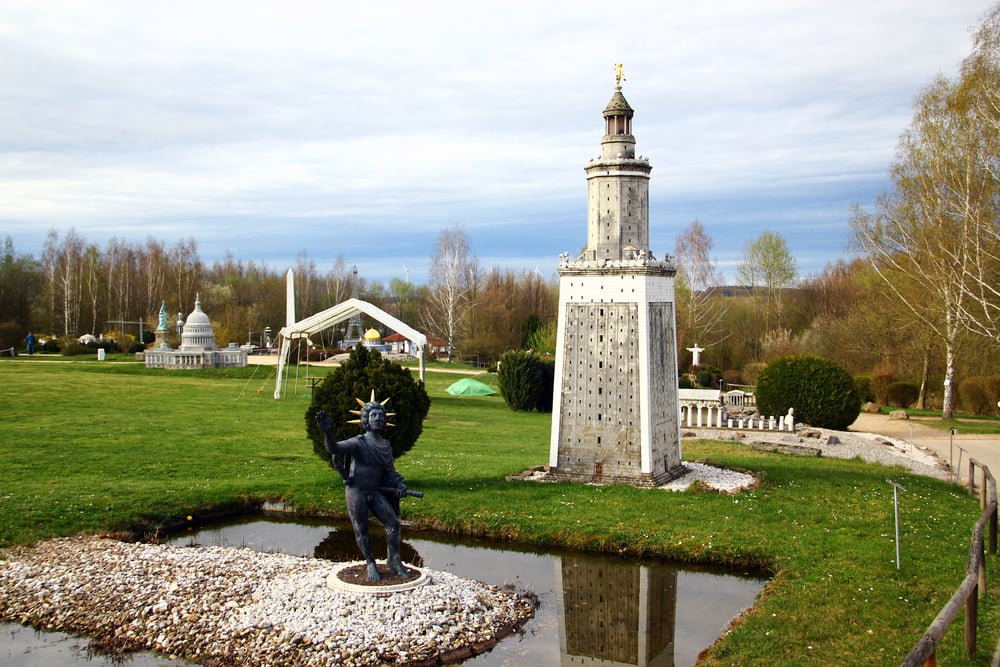
Built around 280 BC on an island in Egypt’s harbor, this lighthouse stood somewhere between 330 and 450 feet tall, making it one of the tallest structures of the ancient world. Engineers designed a three-tiered tower with a mirror system at the top that reflected sunlight during the day and fire at night, with some accounts claiming ships could see the light from 30 miles away.
The foundation had to withstand constant waves and storms, so builders used enormous blocks of limestone held together with molten lead poured into the joints. This remarkable structure guided ships safely into port for over 1,000 years before earthquakes finally brought it down.
Derinkuyu underground city
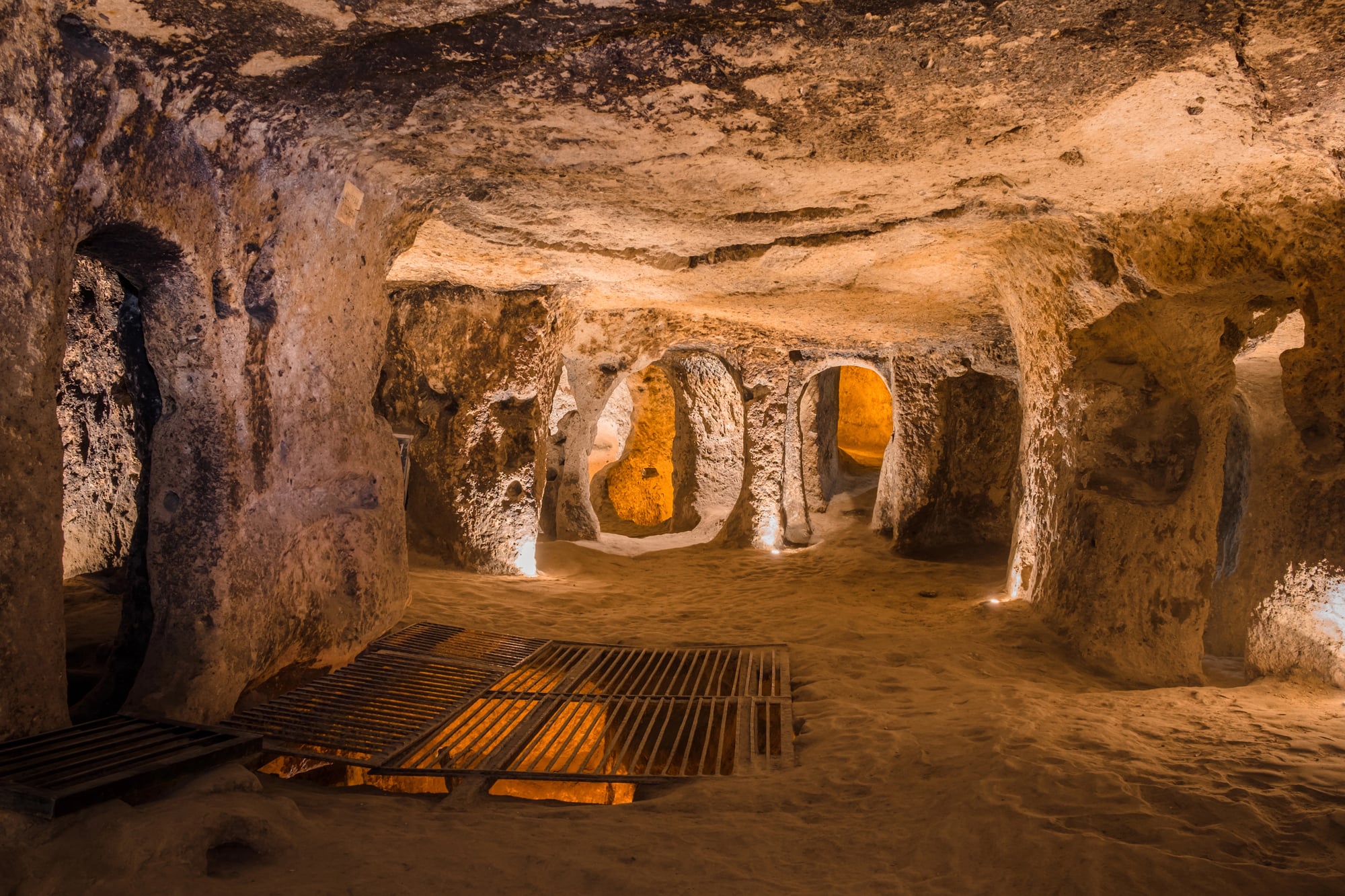
Ancient engineers in Turkey carved an entire city deep into soft volcanic rock, creating 18 levels that descended more than 250 feet underground. They chiseled out living spaces, stables, churches, storage rooms, and even a school, all connected by narrow tunnels that included rolling stone doors for protection.
The city could house up to 20,000 people and featured a ventilation system with 52 shafts that brought fresh air to every level, a remarkable achievement in underground engineering. Workers removed thousands of tons of rock using only hand tools, creating spaces so well designed that parts of the city stayed inhabited until the 1920s.
The Hagia Sophia

Byzantine engineers in 537 AD built a dome that seemed to float in the air, spanning 102 feet across and rising 180 feet above the floor with no visible means of support. They used progressively lighter materials as they built higher, with dense stone at the base and special lightweight bricks made from volcanic pumice near the top.
The architects designed 40 windows around the base of the dome, which not only flooded the interior with light but also reduced the weight and stress on the supporting walls. The building has survived numerous earthquakes over 1,500 years, with the dome swaying and cracking but never completely collapsing, testament to the flexibility built into its design.
The Cloaca Maxima
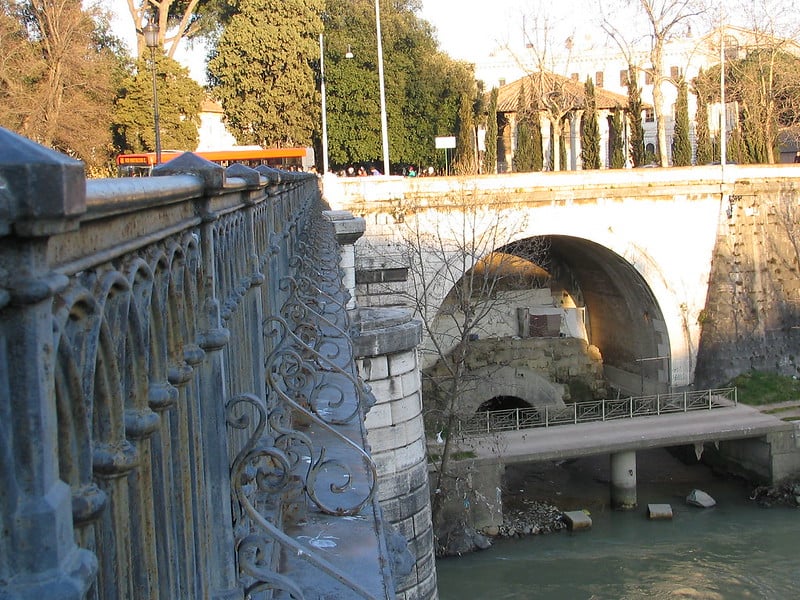
Romans built this massive sewer starting in the 6th century BC, creating an underground channel large enough to drive a cart through. The system drained the marshy valleys between Rome’s seven hills, making the land suitable for building and preventing the flooding that had plagued earlier settlements.
Engineers constructed the main tunnel using stone arches that distributed weight efficiently, and they designed the slope carefully enough that water would flow steadily and carry waste away without backing up. Parts of this ancient sewer system still function today, nearly 2,600 years after construction began.
Easter Island moai
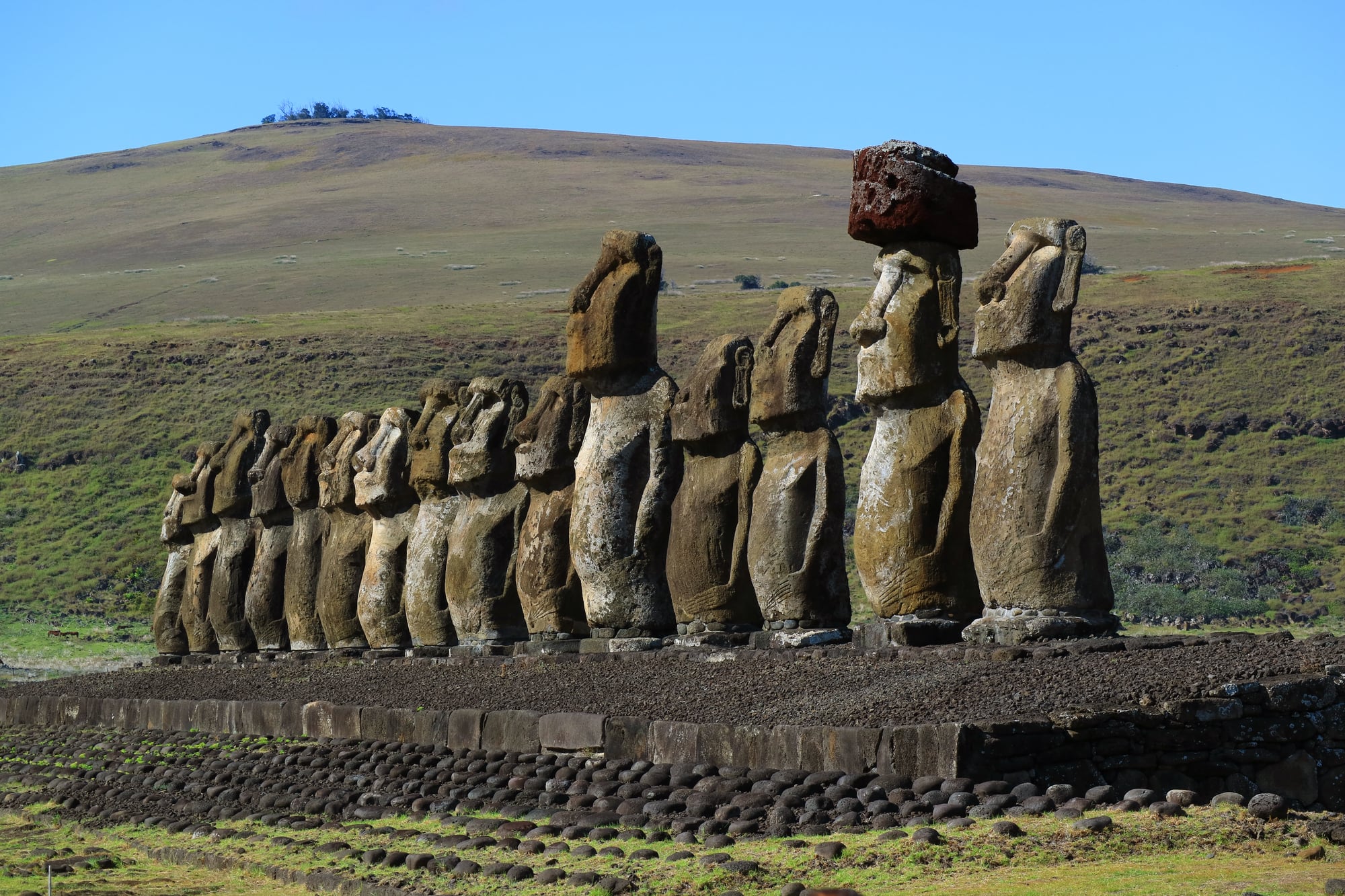
Polynesian engineers on Easter Island carved and moved nearly 900 giant stone statues, some weighing over 80 tons and standing 30 feet tall. They quarried the statues from volcanic rock using only stone hand picks, creating the figures while they were still attached to the bedrock, then somehow detaching and moving them across the island.
Recent research suggests they ‘walked’ the statues upright using ropes in a rocking motion, a technique that required precise balance and coordination but no wheels or animals. The islanders then lifted these massive figures onto stone platforms and topped some with separate red stone ‘hats’ weighing 12 tons each.
The Antikythera mechanism
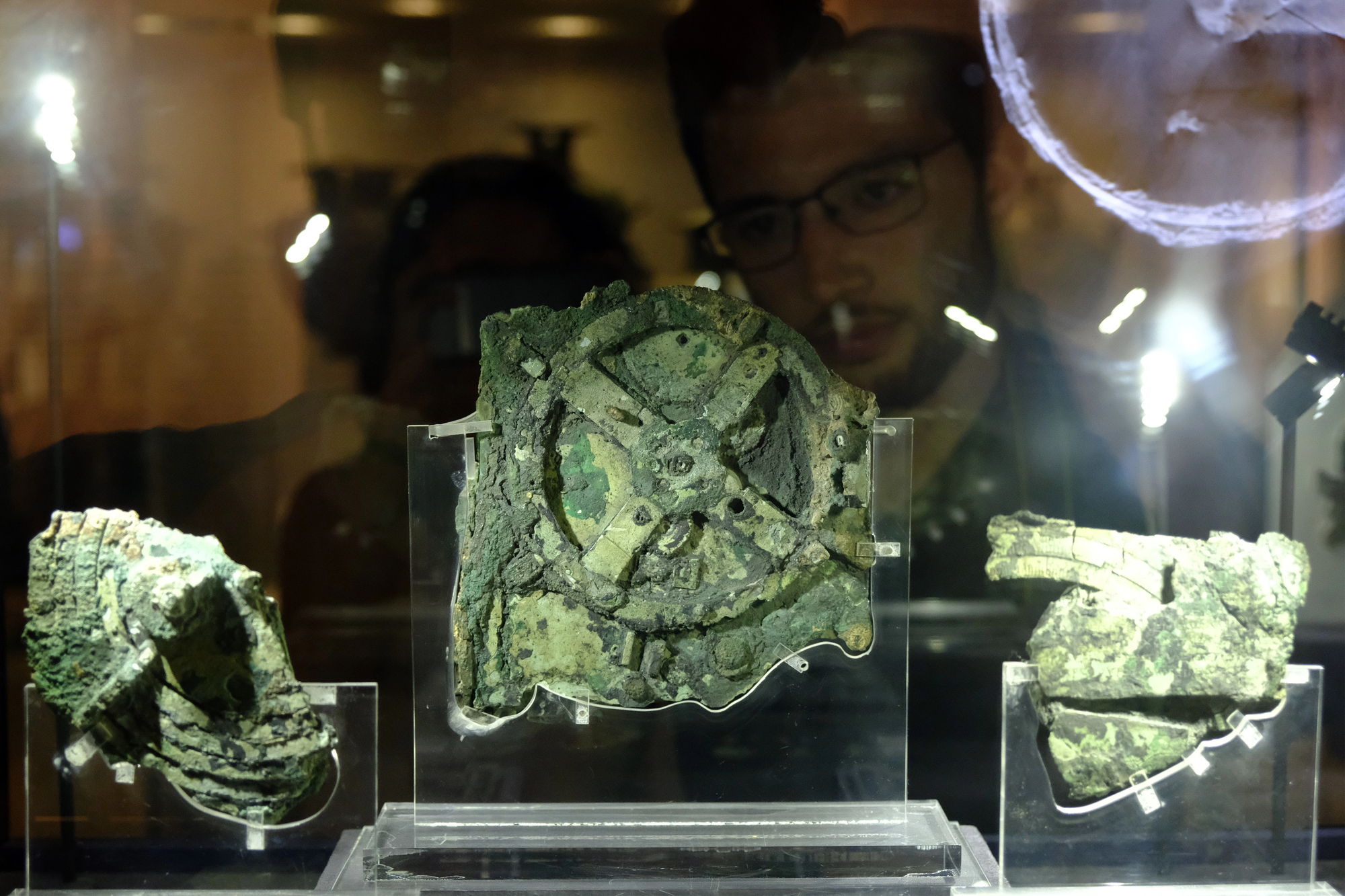
Greek builders back in 100 BC made a small brass machine – packed with over thirty exact gears – to forecast planet motion and dark moons way ahead. Yet this old-time calculator had shifting cogs, an idea missing till the 1500s, along with written directions carved into its frame.
Instead of guessing, it followed solar, lunar, planetary paths through gear combos that mirrored sky rhythms almost perfectly. Though found in a sunken ship in 1901, experts struggled to accept such smart tech from two millennia past; meanwhile, scholars keep uncovering fresh tricks hidden in its rusty pieces.
Newgrange passage tomb
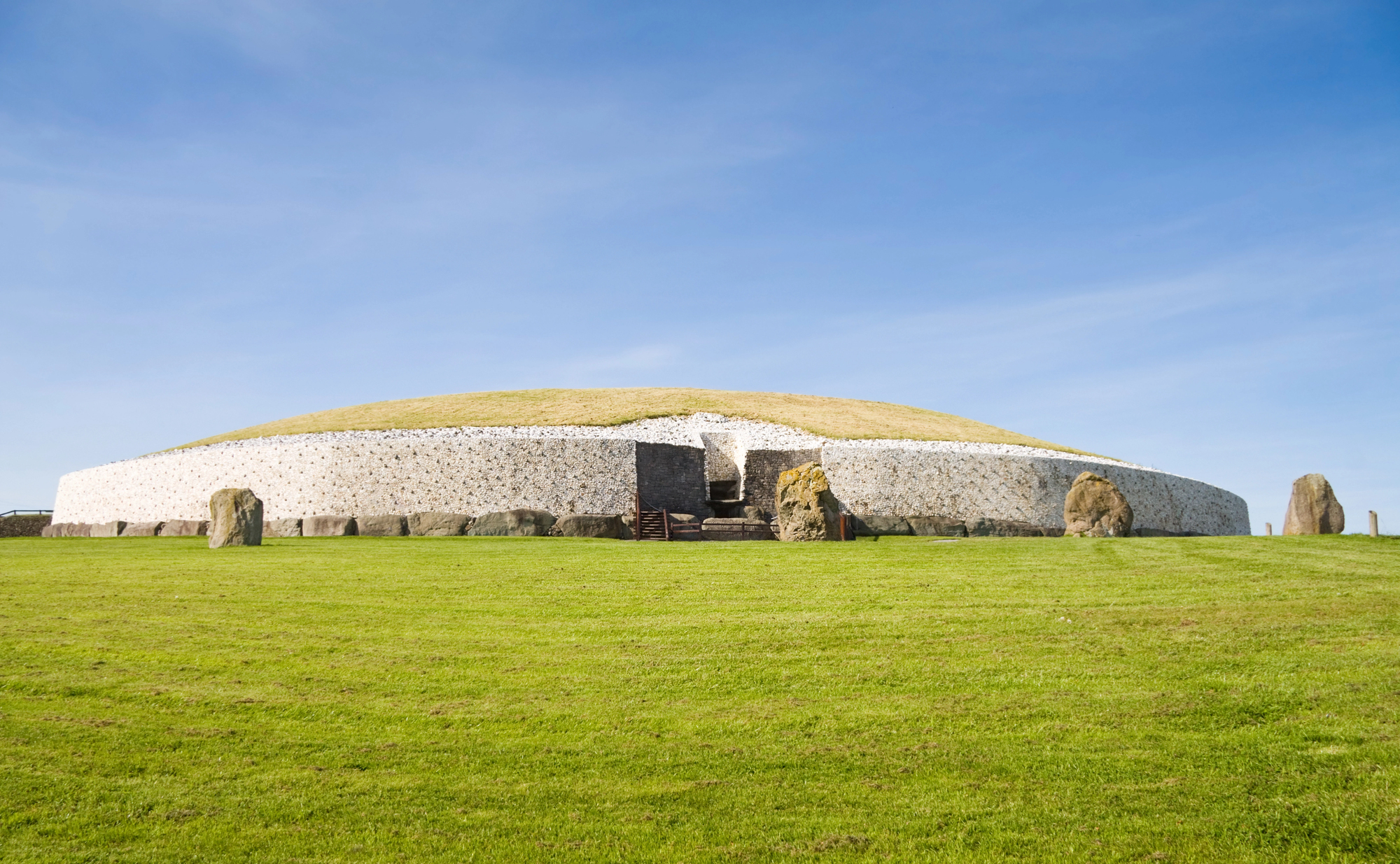
People from Ireland put this place together about 3200 BC – older than Stonehenge or the pyramids – with a cover that somehow stays watertight after five millennia. A 60-foot hallway runs into a middle room, but here’s the kicker: light hits the back wall just once a year, right at sunrise during winter’s shortest day.
Moving nearly a quarter-million tons of rock and dirt took serious effort; workers used shiny quartz and smooth granite blocks to form an outer ring, fitting them tight without glue. Overhead, slabs overlap like shingles, guiding rain off the sides – the method works so well the inside hasn’t gotten damp since it was built.
Still standing strong
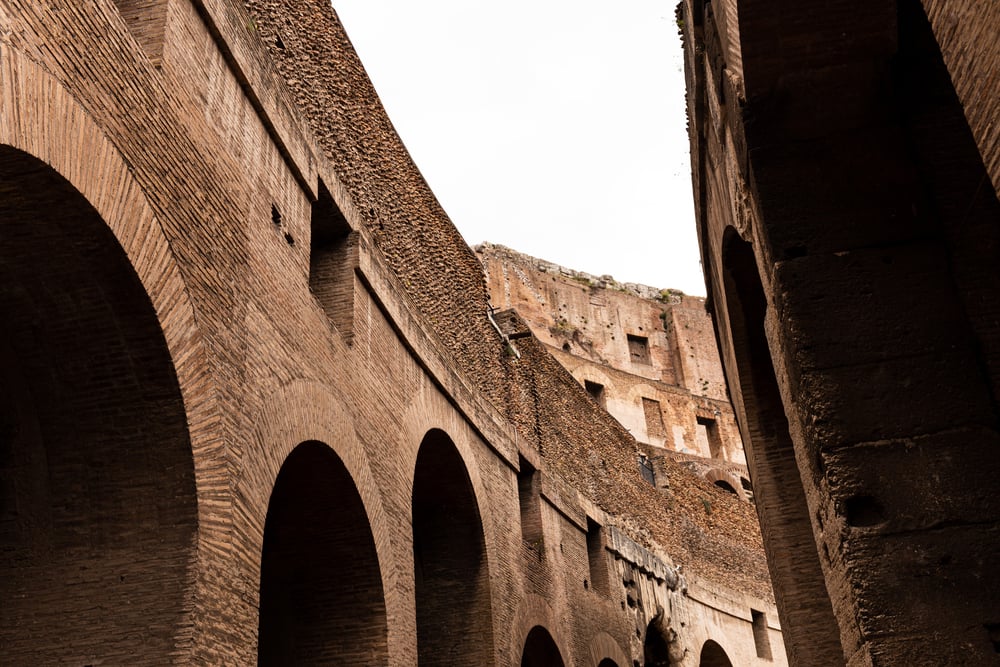
Those old-time builders weren’t merely putting up big stuff back then – instead, they built things that stump today’s experts, making us rethink what hard work and smart ideas can pull off. Right now, engineers check out those age-old spots to figure out building tricks that occasionally beat current tech.
What matters most isn’t only how much was done with basic gear, yet it’s how tight limits pushed creativity further than endless supplies ever might. Staring at these historic marvels shows something deeper – that smarts have always been humanity’s strongest weapon.
More from Go2Tutors!

- The Romanov Crown Jewels and Their Tragic Fate
- 13 Historical Mysteries That Science Still Can’t Solve
- Famous Hoaxes That Fooled the World for Years
- 15 Child Stars with Tragic Adult Lives
- 16 Famous Jewelry Pieces in History
Like Go2Tutors’s content? Follow us on MSN.