15 Little-Known Facts About Electric Cars
Electric cars are everywhere now. You see them in driveways, at charging stations, and in the news.
But for all the attention they get, most people still only know the surface-level stuff — battery range, charging time, lower fuel costs. Dig a little deeper and things get genuinely interesting.
They’ve Been Around Longer Than You Think

Most people assume electric cars are a product of the 21st century. They’re not.
The first practical electric vehicle was built in the 1880s, predating the gasoline-powered car. By the early 1900s, electric vehicles actually outsold petrol cars in the United States.
It was only after oil became cheap and highways expanded that gasoline took over for the next century.
The Starter Motor Killed the First EV Boom

Early petrol cars required drivers to hand-crank the engine to start them — which was exhausting and sometimes dangerous. Electric cars didn’t have this problem.
But once Charles Kettering invented the electric starter motor for gasoline engines in 1912, one of EVs’ biggest advantages disappeared overnight. Sales dropped, and gasoline cars dominated for decades.
Regenerative Braking Is Basically Free Energy

When you brake in an electric car, the motor runs in reverse to slow the vehicle down. This process converts kinetic energy back into electricity, which feeds back into the battery.
You’re essentially charging the car every time you slow down. In stop-and-go city driving, this can recover a significant portion of the energy that would otherwise be lost as heat in traditional brake pads.
Their Batteries Are Surprisingly Heavy

A Tesla Model S battery pack weighs around 540 kg — roughly the same as a full-grown horse. This is one reason electric cars tend to be heavier than their petrol counterparts, despite having far fewer mechanical components.
Engineers compensate for this by using lightweight materials elsewhere in the vehicle frame, but the weight is still a real engineering challenge.
Electric Motors Have Almost No Moving Parts
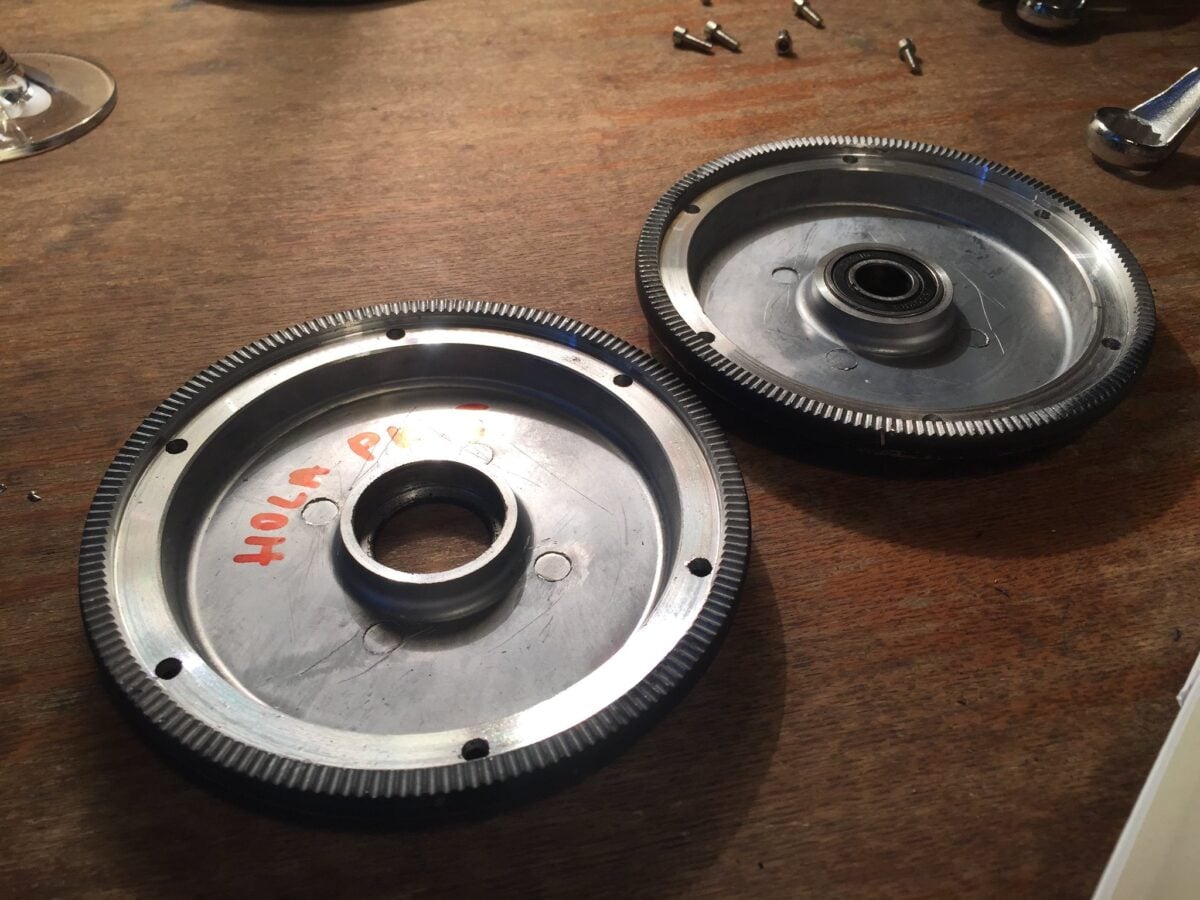
A traditional internal combustion engine has hundreds of moving parts: pistons, valves, camshafts, a crankshaft, timing chains, and more. An electric motor has essentially one — the rotor that spins inside the stator.
This is a big reason EVs need so much less maintenance. There’s no oil to change, no timing belt to replace, and no exhaust system to service.
The Fastest Production Cars in the World Are Electric

For a long time, electric cars had a reputation for being slow and practical. That narrative is long gone.
The Tesla Model S Plaid can go from 0 to 100 km/h in under two seconds. Electric motors deliver maximum torque instantly, from a standstill, which is something combustion engines physically cannot do.
This is why even budget electric cars often feel surprisingly quick off the line.
Charging at Home Is How Most Owners Refuel

Public fast-charging stations get a lot of press, but most EV owners charge their cars overnight at home. A standard home outlet charges slowly, but a dedicated home charger (called a Level 2 charger) can fully charge most EVs in four to eight hours — overnight while you sleep.
For daily commutes, most people never visit a public charging station at all.
Cold Weather Shrinks the Range

Lithium-ion batteries don’t perform as well in cold temperatures. The chemical reactions that produce electricity slow down when it’s cold, which means an EV’s range in winter can drop by 20 to 40 percent depending on conditions.
Running the cabin heater makes this worse, since it draws power from the same battery. Some newer EVs use heat pumps instead of resistive heating to reduce this drain.
They’re Quieter Than Most People Expect

Driving an electric car at low speeds is almost eerily silent. There’s no engine rumble, no exhaust noise — just the soft hum of the motor and the sound of the tires on the road.
This creates a genuinely different driving experience. It also led to a regulation in many countries requiring EVs to emit an artificial sound below 20 km/h to alert pedestrians who might not hear them approaching.
The Powertrain Can Fit Almost Anywhere

Because electric motors are compact, automakers have a lot more flexibility in how they design vehicles. Some EVs use a motor on each axle for all-wheel drive.
Others have a motor at each individual wheel. This opens up space in the front of the car — what’s sometimes called a “frunk” or front trunk — since there’s no traditional engine block sitting there.
Battery Degradation Is Slower Than the Headlines Suggest

There’s a popular fear that EV batteries degrade rapidly and become expensive to replace after a few years. Real-world data tells a different story.
Most EV batteries retain around 80 to 90 percent of their original capacity after 160,000 km. Tesla’s data shows that many of its batteries are still performing well past 300,000 km.
Battery replacement is rare, and the cost has dropped dramatically as the technology matures.
Second-Life Batteries Have a Whole Industry Around Them
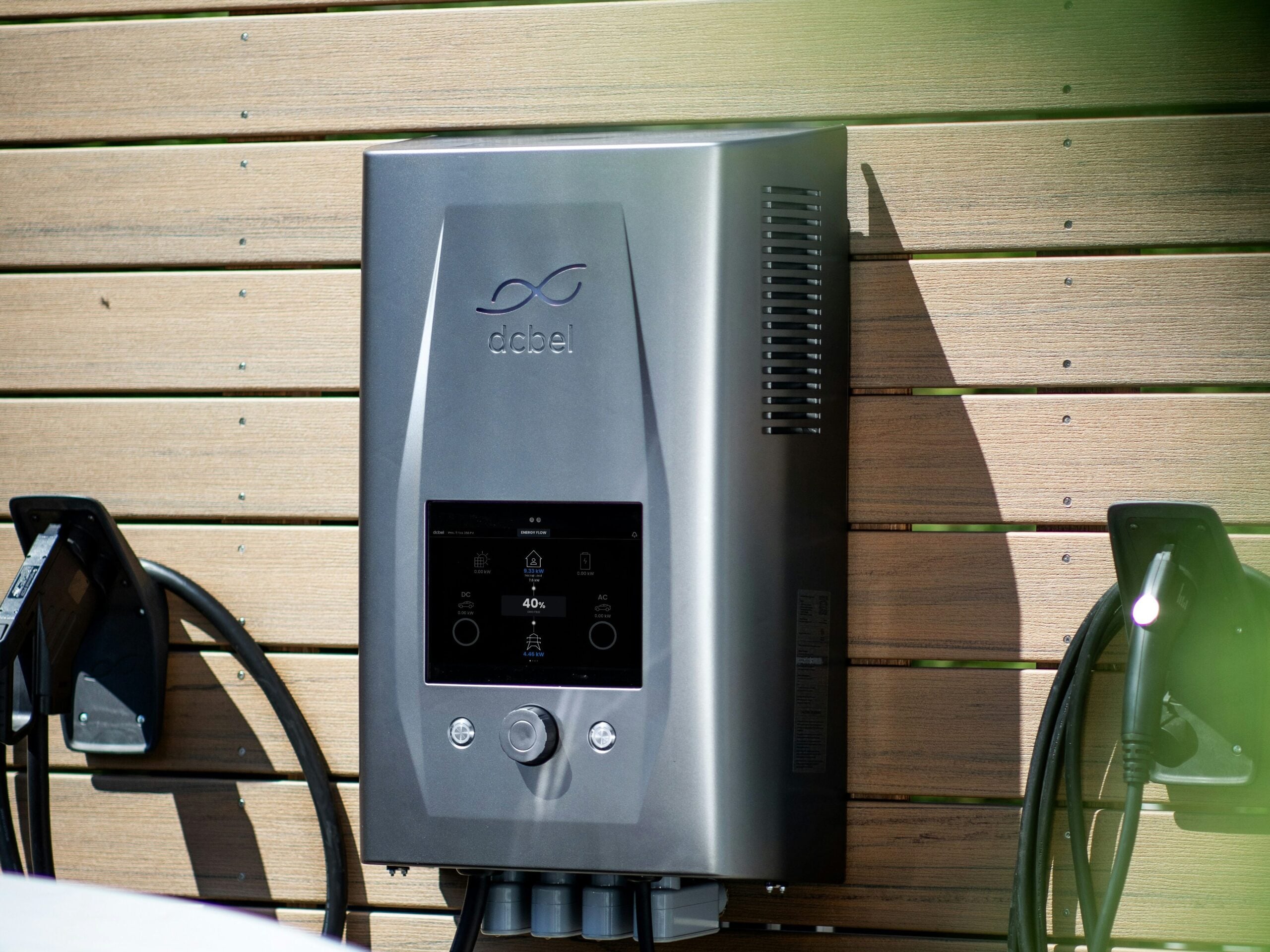
Once an electric vehicle battery loses too much strength for driving – usually when it drops under 70 to 80 percent – it can still handle steady jobs like storing electricity. Instead of tossing them out, these worn-out batteries now find new life holding power for large networks, keeping lights on during blackouts, or running remote setups without connection to main lines.
Take Nissan, they give old Leaf units second duties lighting up roads and supporting emergency supply at sports arenas.
China Leads Global EV Production by Significant Amount
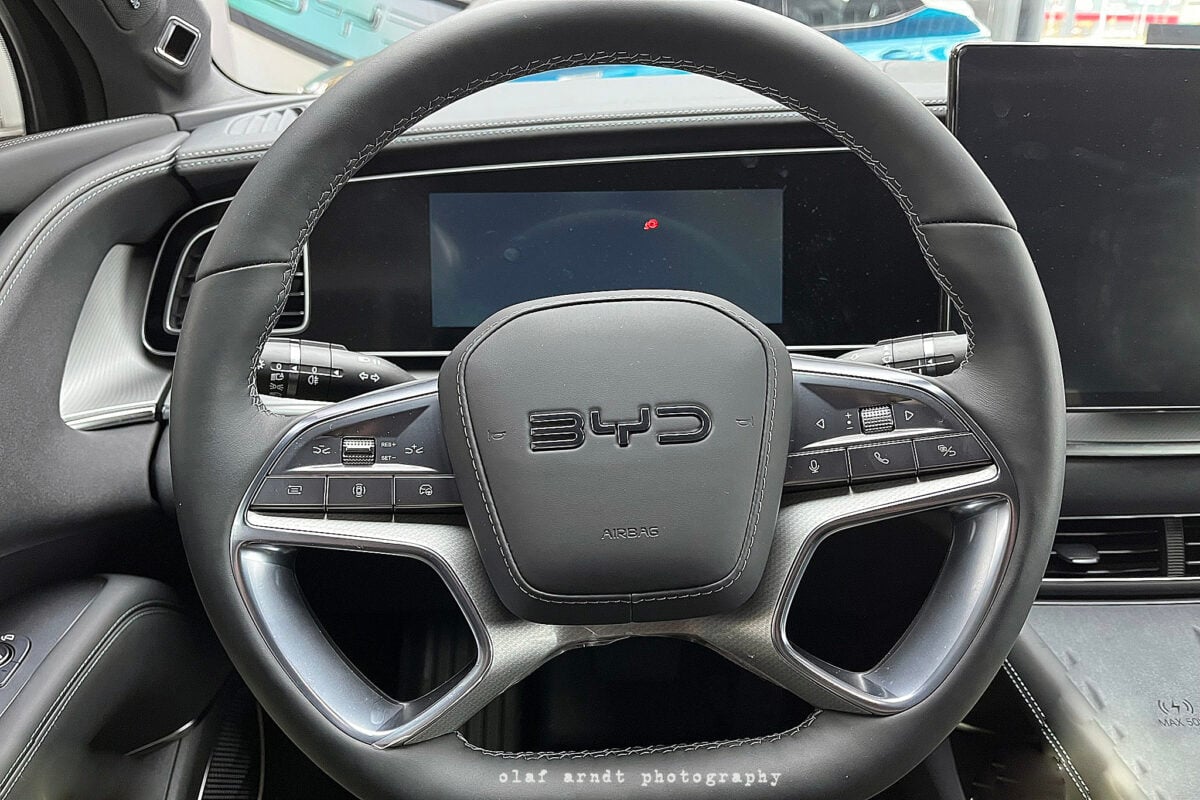
Out on the road, thoughts often drift to Tesla when electric cars come up. Yet China moves more EVs than every other nation put together.
Firms such as BYD, SAIC, and NIO roll out millions yearly. By 2023, global EV sales saw BYD pull ahead of Tesla.
Batteries? They’re mostly built in China too.
Formula E Accelerates Electric Vehicle Technology Beyond Predictions
Back in 2014, when electric race cars first roared onto tracks, most folks saw it as just a flashy experiment. Racing at such intensity pushed limits – batteries got smarter, heat stayed under control, power reuse improved – all without much fanfare.
These track-born fixes? They’ve slipped into everyday cars you can buy.
Car companies now feed what they learn on circuit bends straight into models parked in driveways.
Early Adopters Report Lower Range Anxiety

Starting a new day usually means plugging in the night before – so mornings begin ready. Worrying about power fading on the road hits hard at first.
Yet folks who’ve made the switch say those jitters vanish once they’re behind the wheel themselves. Long trips?
Rare. Most travel adds up to much shorter stretches than expected.
That nervous feeling lingers mostly in minds still shopping – not in ones already driving. What feels risky ahead of time often dissolves once routine takes over.
What the Numbers Leave Out
What you feel behind the wheel tells a story numbers can’t capture. Driving shifts quietly – less routine, less sound, more glide.
Refilling never means stops at a pump again. Silence settles where engines once roared.
Most stay changed after trying it, pulled by sensation rather than savings alone. Specs miss the hush, the smooth pull forward, the way habits reshape without notice.
More from Go2Tutors!

- The Romanov Crown Jewels and Their Tragic Fate
- 13 Historical Mysteries That Science Still Can’t Solve
- Famous Hoaxes That Fooled the World for Years
- 15 Child Stars with Tragic Adult Lives
- 16 Famous Jewelry Pieces in History
Like Go2Tutors’s content? Follow us on MSN.