15 Teens Who Made Scientific Advances
Science has long been considered the domain of seasoned researchers with advanced degrees and decades of experience. Yet throughout history, brilliant young minds have upended this assumption, making discoveries that have changed our understanding of the world and improved countless lives.
Here is a list of 15 remarkable teens whose scientific breakthroughs have left lasting impacts on our world.
Jack Andraka
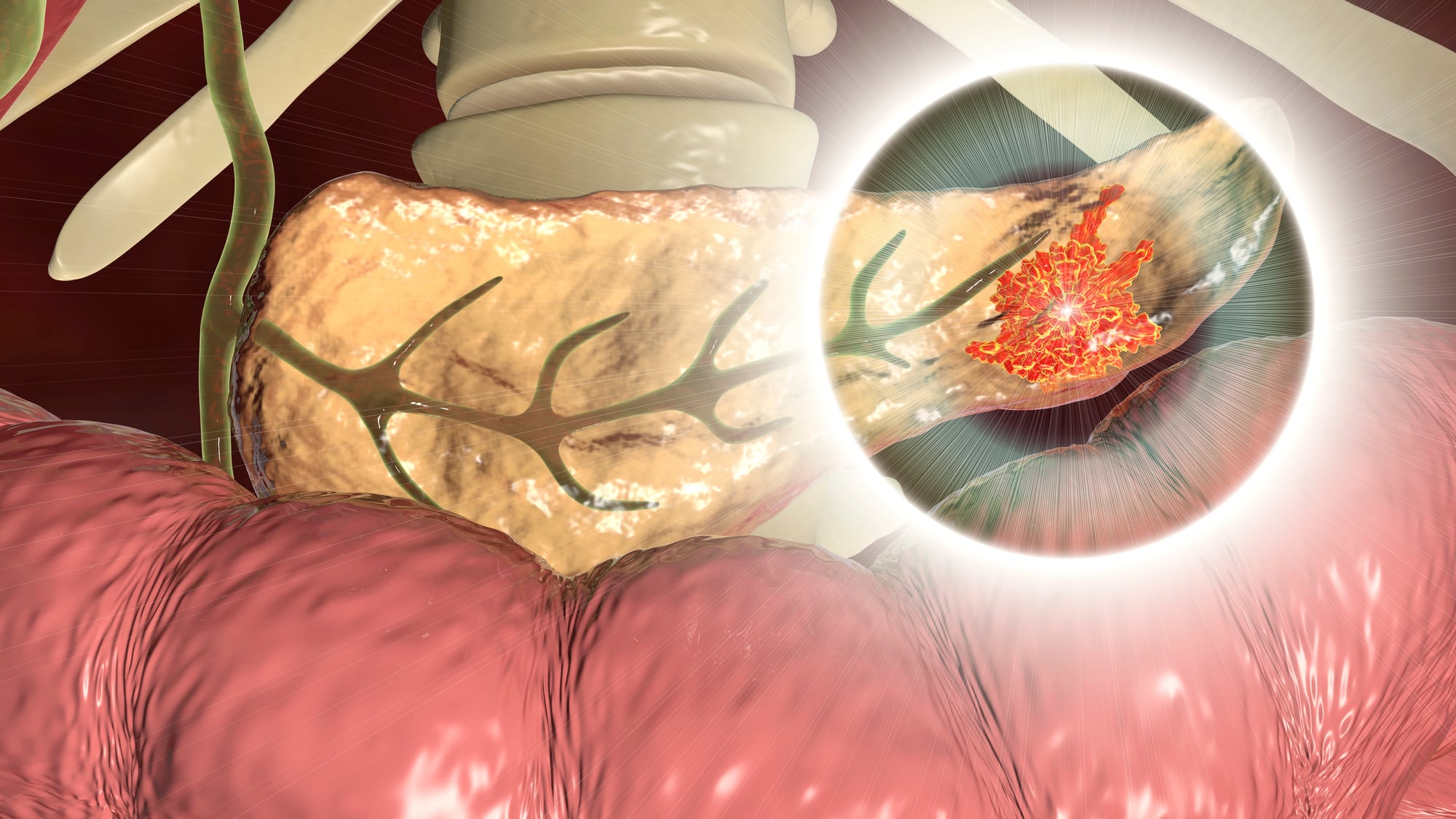
At age 15, Jack Andraka developed a new test for pancreatic cancer that was 28 times faster, 26,000 times less expensive, and 100 times more sensitive than existing tests. His innovation, created after losing a family friend to the disease, uses paper sensors to detect specific proteins in the bloodstream.
The test costs just three cents and takes five minutes to run.
Gitanjali Rao
DepositPhotos
Troubled by the Flint water crisis, 12-year-old Gitanjali Rao invented Tethys, a portable device that detects lead in drinking water. The device uses carbon nanotubes that respond to changes in electrical flow caused by lead contamination.
Time Magazine named her their first ‘Kid of the Year’ in 2020 for this and other innovations.
Like Go2Tutors’s content? Follow us on MSN.
Taylor Wilson
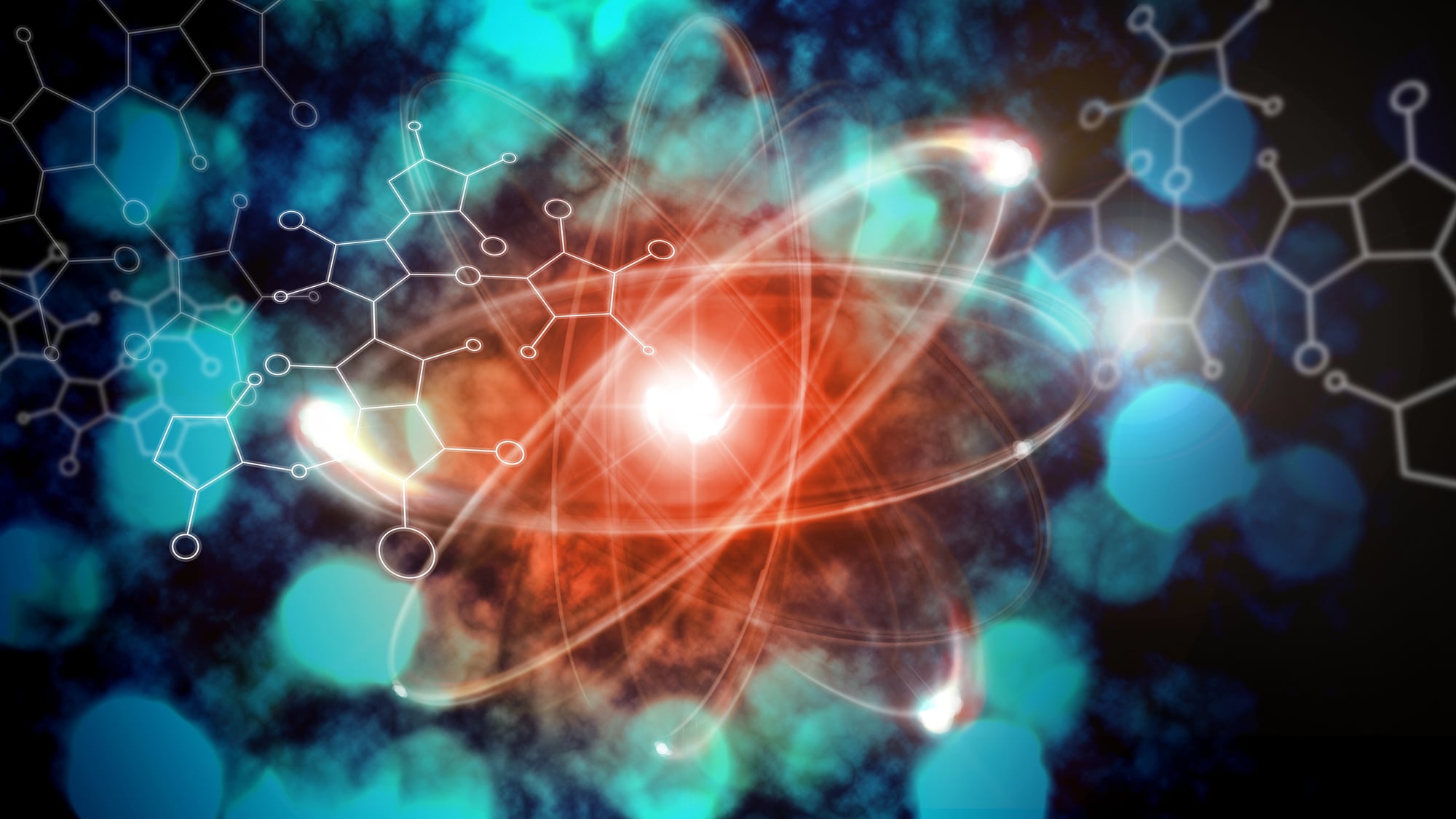
Taylor Wilson became the youngest person to achieve nuclear fusion at age 14, building a working fusion reactor in his parents’ garage. His homemade nuclear reactor, which fused hydrogen atoms into helium, earned him international recognition and a Thiel Fellowship.
Wilson later developed radiation detection systems for national security applications.
Louis Braille
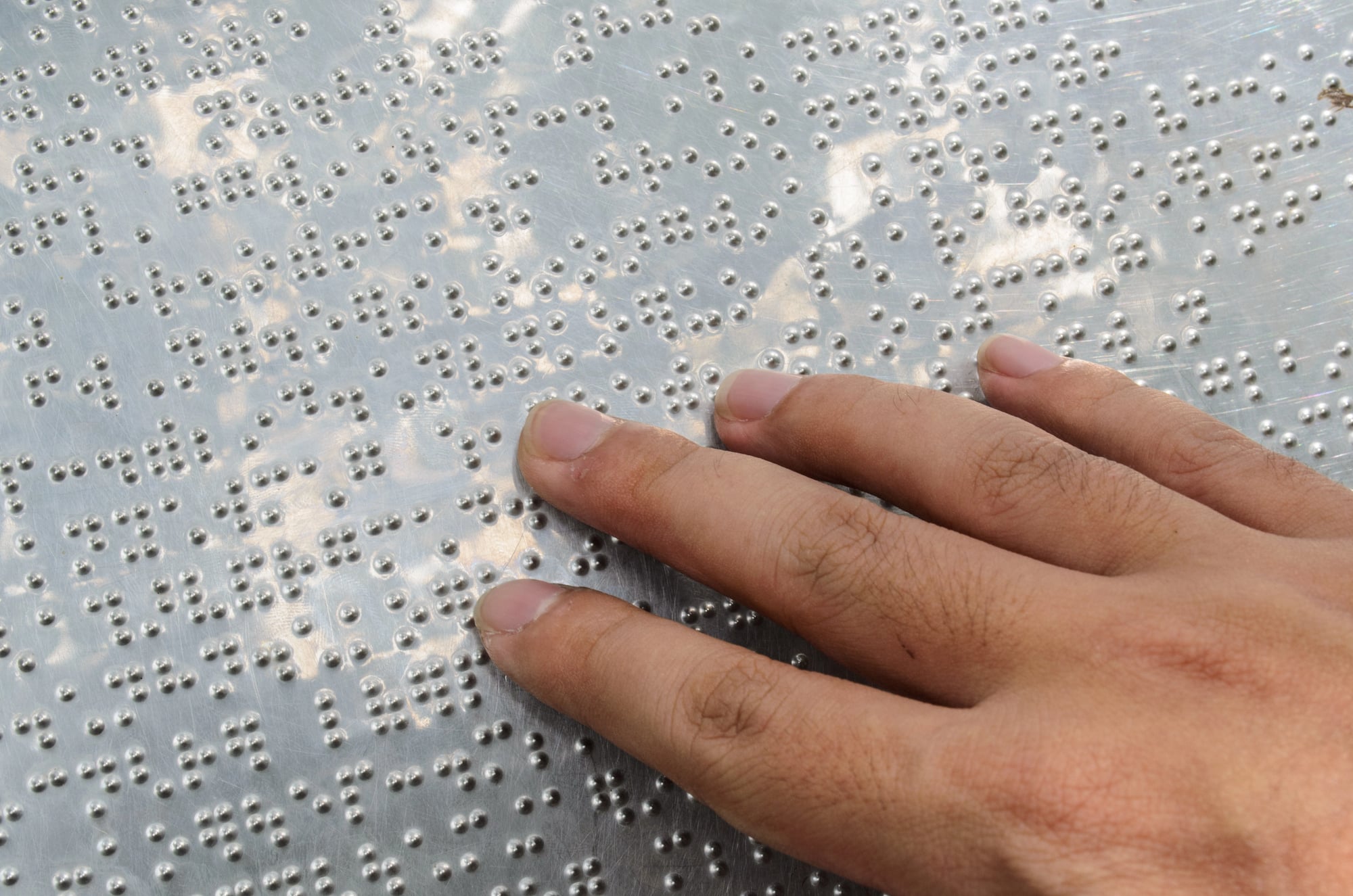
After losing his sight in a childhood accident, Louis Braille invented the Braille reading and writing system at age 15. His system used raised dots that blind people could feel with their fingertips, revolutionizing literacy for the visually impaired.
Nearly two centuries later, his elegant solution remains essentially unchanged and is used worldwide.
Param Jaggi
At 17, Param Jaggi invented an algae-filled device that fits into a car’s exhaust pipe and transforms carbon dioxide into oxygen. His Algae Mobile device reduced carbon emissions by 30% in testing.
The invention earned him a place on Forbes’ ’30 Under 30′ list and demonstrated how simple biological solutions can address complex environmental problems.
Like Go2Tutors’s content? Follow us on MSN.
Ann Makosinski

Ann Makosinski invented the Hollow Flashlight at age 15, which runs entirely on body heat without batteries or external charging. The device uses Peltier tiles to convert temperature differences between body heat and ambient air into electricity.
Her invention helps students in developing countries without reliable electricity to study after dark.
Deepika Kurup

Concerned about global water quality, 14-year-old Deepika Kurup developed a solar-powered water purification system. Her photocatalytic composite material uses sunlight to kill bacteria in contaminated water at a fraction of the cost of traditional methods.
The invention earned her the title of ‘America’s Top Young Scientist’ and addresses one of humanity’s most pressing needs.
Ryan Patterson

At 17, Ryan Patterson invented a sign language translator glove that converts hand movements into text displayed on a portable screen. The glove uses sensors to detect finger positions and transmits the data wirelessly to a computer.
Patterson developed the device after noticing the communication challenges faced by deaf customers at a fast-food restaurant.
Like Go2Tutors’s content? Follow us on MSN.
Krtin Nithiyanandam

Krtin Nithiyanandam developed a test to detect early-stage Alzheimer’s disease when he was just 15. His antibody-based test identifies proteins associated with the disease before symptoms appear, potentially enabling earlier treatment.
The breakthrough could transform treatment timelines for a disease that affects millions worldwide.
Eesha Khare
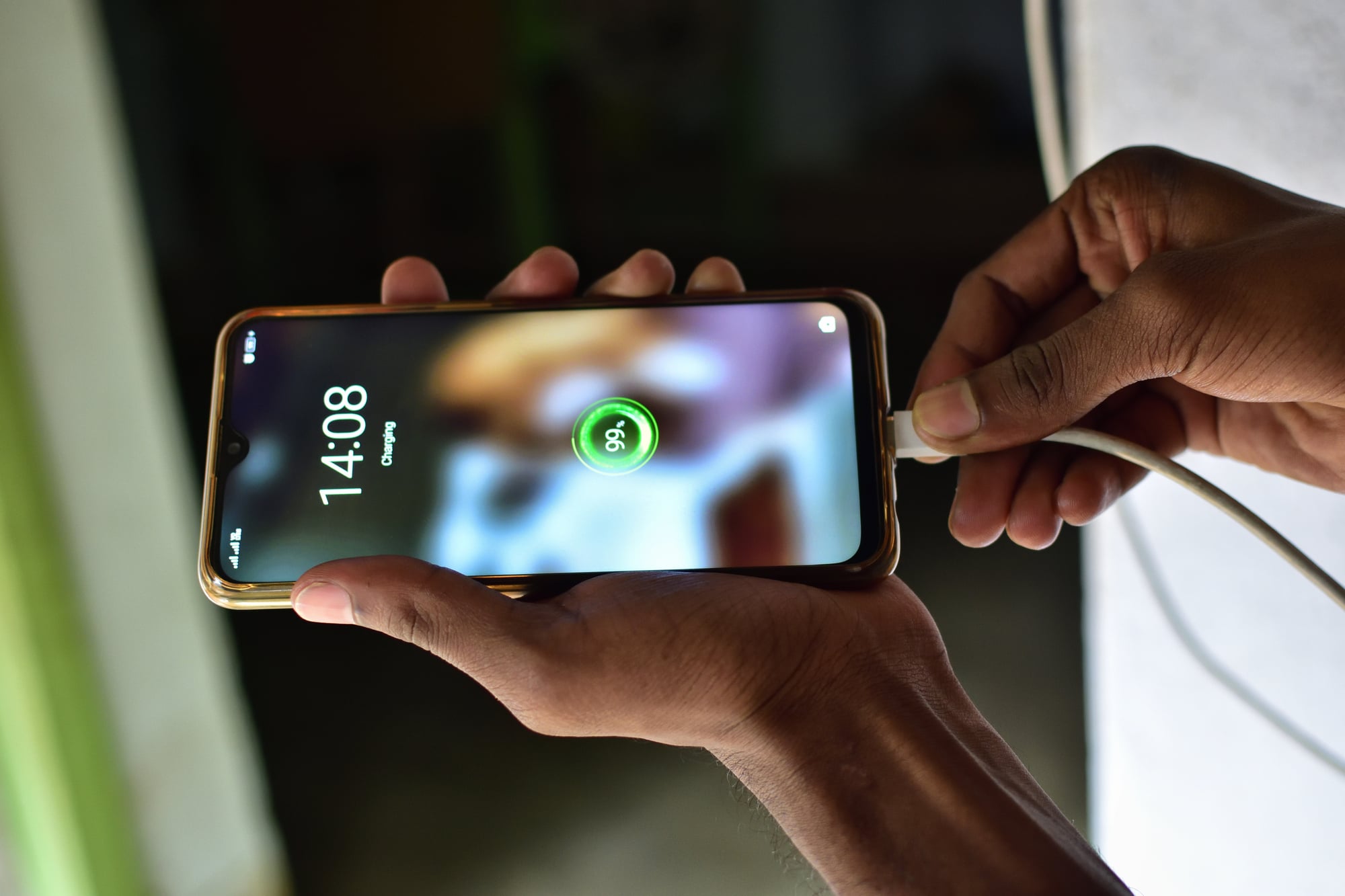
At 18, Eesha Khare invented a supercapacitor energy storage device that can charge a mobile phone in 20-30 seconds. Her tiny device can last for 10,000 charging cycles, far outlasting conventional batteries.
The invention won the Intel Foundation Young Scientist Award and could revolutionize energy storage technology.
Chester Greenwood

Frostbitten ears led 15-year-old Chester Greenwood to invent earmuffs in 1873. His simple yet effective design featured beaver fur, black velvet, and a wire frame that could be adjusted to fit any head size.
The invention launched a manufacturing business that produced more than 400,000 earmuffs annually during World War I.
Like Go2Tutors’s content? Follow us on MSN.
Alaina Gassler
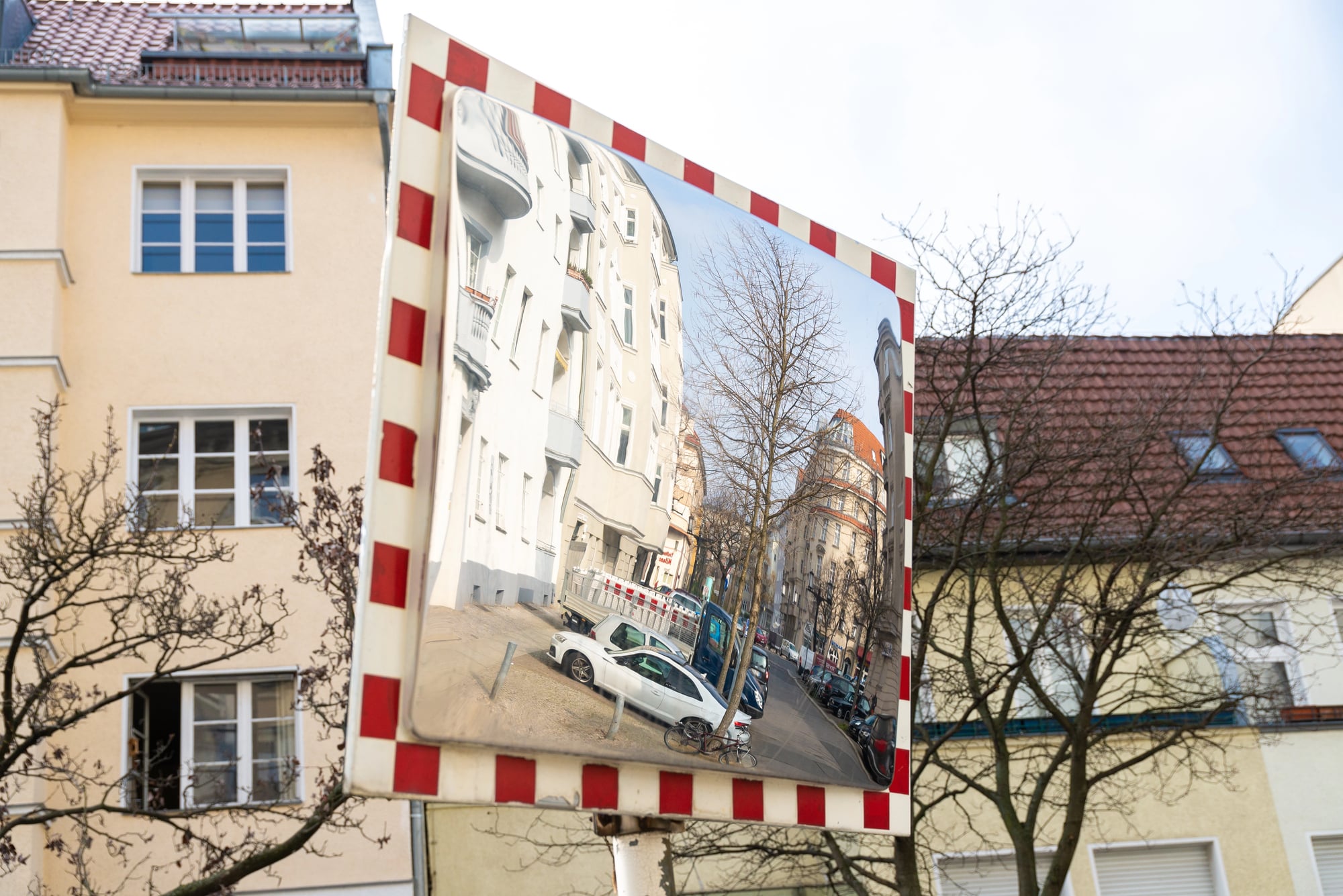
At 14, Alaina Gassler created a system that eliminates blind spots in cars using a webcam, projector, and 3D-printed materials. Her invention projects a live feed of obscured areas onto the vehicle’s A-pillars, effectively making them ‘transparent’ to drivers.
The breakthrough earned her the top prize at the Broadcom MASTERS science competition.
Ionut Budisteanu
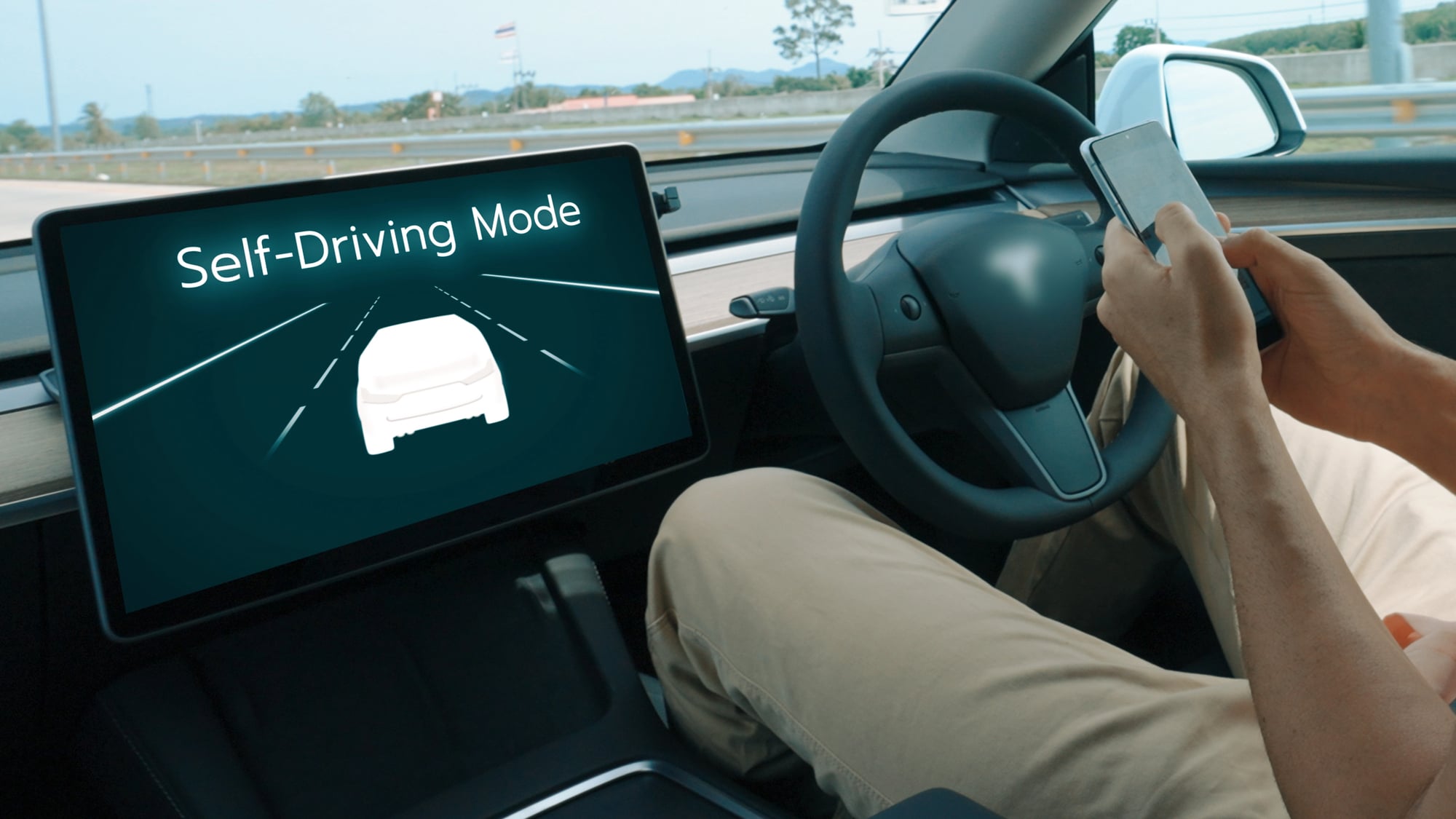
Romanian teen Ionut Budisteanu developed a self-driving car system at 19 that costs just $4,000—a fraction of comparable systems. His artificial intelligence software uses low-cost webcams and 3D radar to identify traffic patterns and obstacles.
The innovation earned him the top prize at the Intel International Science and Engineering Fair.
Hannah Herbst
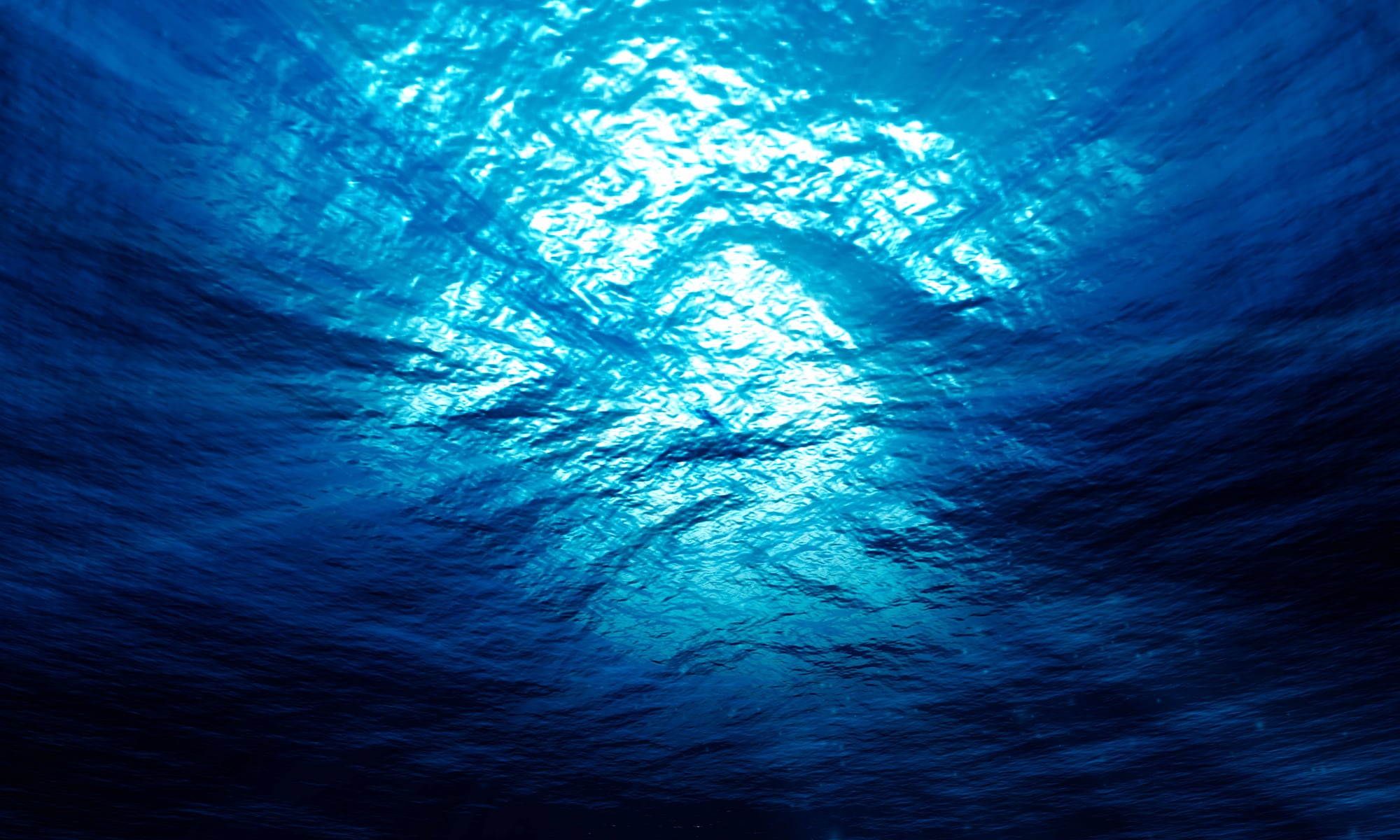
Inspired by her Ethiopian pen pal living without reliable electricity, 15-year-old Hannah Herbst created BEACON, an ocean energy probe that harvests energy from ocean currents. The device costs just $12 to build and generates enough power to operate small desalination pumps or run LED lights.
Her invention demonstrates how accessible technology can address global energy poverty.
Like Go2Tutors’s content? Follow us on MSN.
Alexandra Stieber
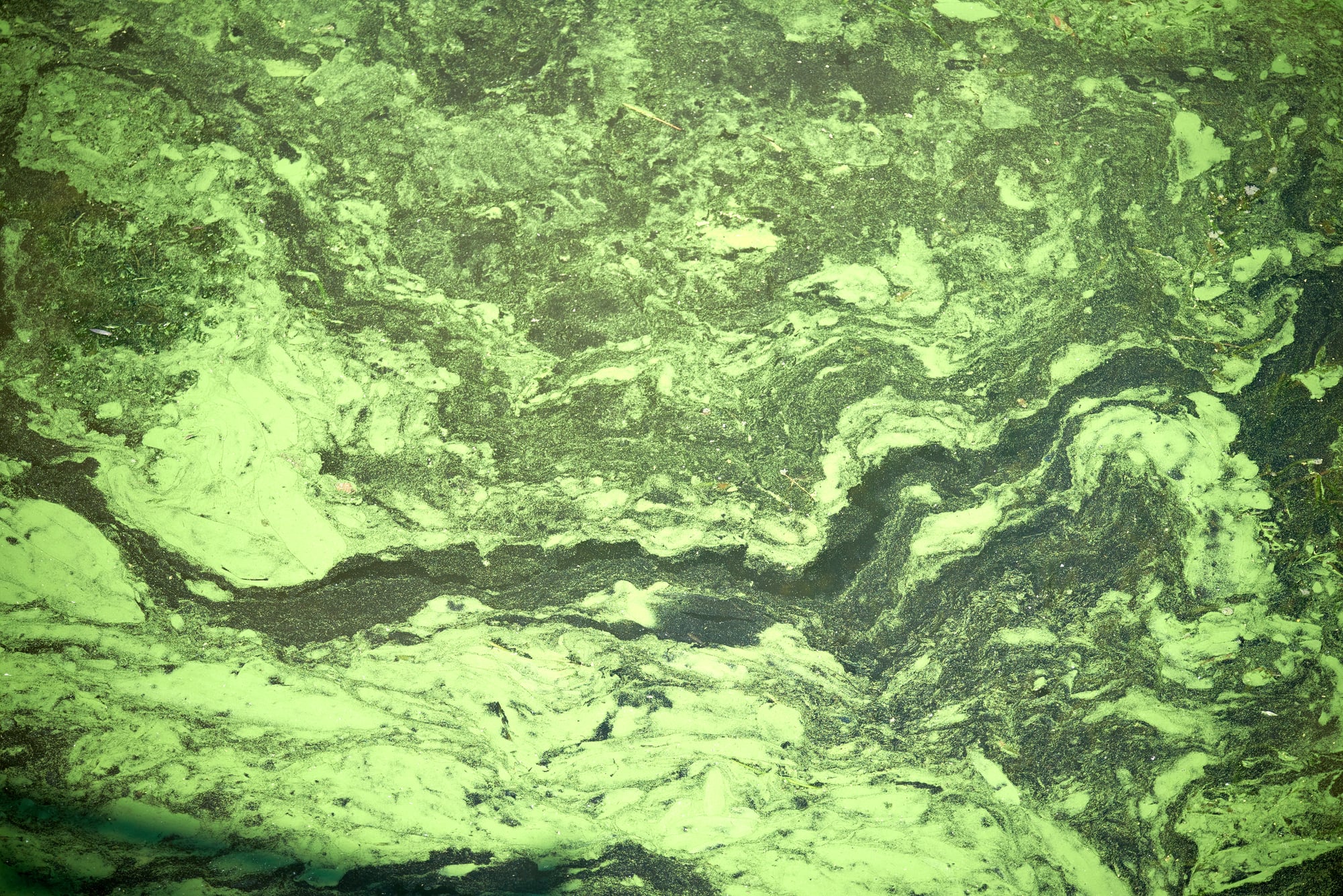
At 16, Alexandra Stieber developed a new method for identifying harmful algal blooms using satellite imagery and artificial intelligence. Her algorithm can detect dangerous algae concentrations weeks before traditional methods, potentially preventing seafood contamination and ecosystem damage.
The system can be implemented using existing satellite infrastructure, making it immediately applicable worldwide.
The Innovation Generation

These young scientists remind us that breakthrough thinking isn’t limited by age or formal credentials. Their achievements demonstrate how curiosity, persistence, and fresh perspectives can lead to solutions that elude established researchers.
As scientific tools become more accessible and global collaboration easier, today’s teens are increasingly positioned to solve the world’s most pressing problems. These young innovators show us that the future of scientific discovery is already here—and wearing sneakers.
More from Go2Tutors!

- 18 Unexpectedly Valuable Collectibles You Might Have Lying Around
- 15 Things Every Teenager in the ’70s Did That Teens Today Wouldn’t Understand
- 15 Strange Things People Have Tried to Ban (And Failed)
- 15 Inventions That Were Immediately Banned After Being Created
- 20 Actors Who Were Almost Cast in Iconic Roles
Like Go2Tutors’s content? Follow us on MSN.