Ancient Uses for Salt in History
Salt sits on every dinner table today, but thousands of years ago, it was worth more than gold in some places. This mineral shaped economies, sparked wars, and kept entire civilizations alive.
People didn’t just sprinkle it on food. They used it to preserve bodies, heal wounds, pay workers, and even make friends with their gods.
Let’s look at how this common kitchen ingredient played some pretty impressive roles throughout history.
Preserving meat and fish

Long before refrigerators existed, salt was the only way to keep meat and fish from rotting. People packed fish in layers of salt or soaked meat in salty water called brine.
This process pulled moisture out of the food, which stopped bacteria from growing. Fishermen could catch tons of fish during good seasons and keep them edible for months.
Without salt, armies couldn’t march far from home, and sailors couldn’t survive long ocean voyages.
Mummifying the dead in Egypt
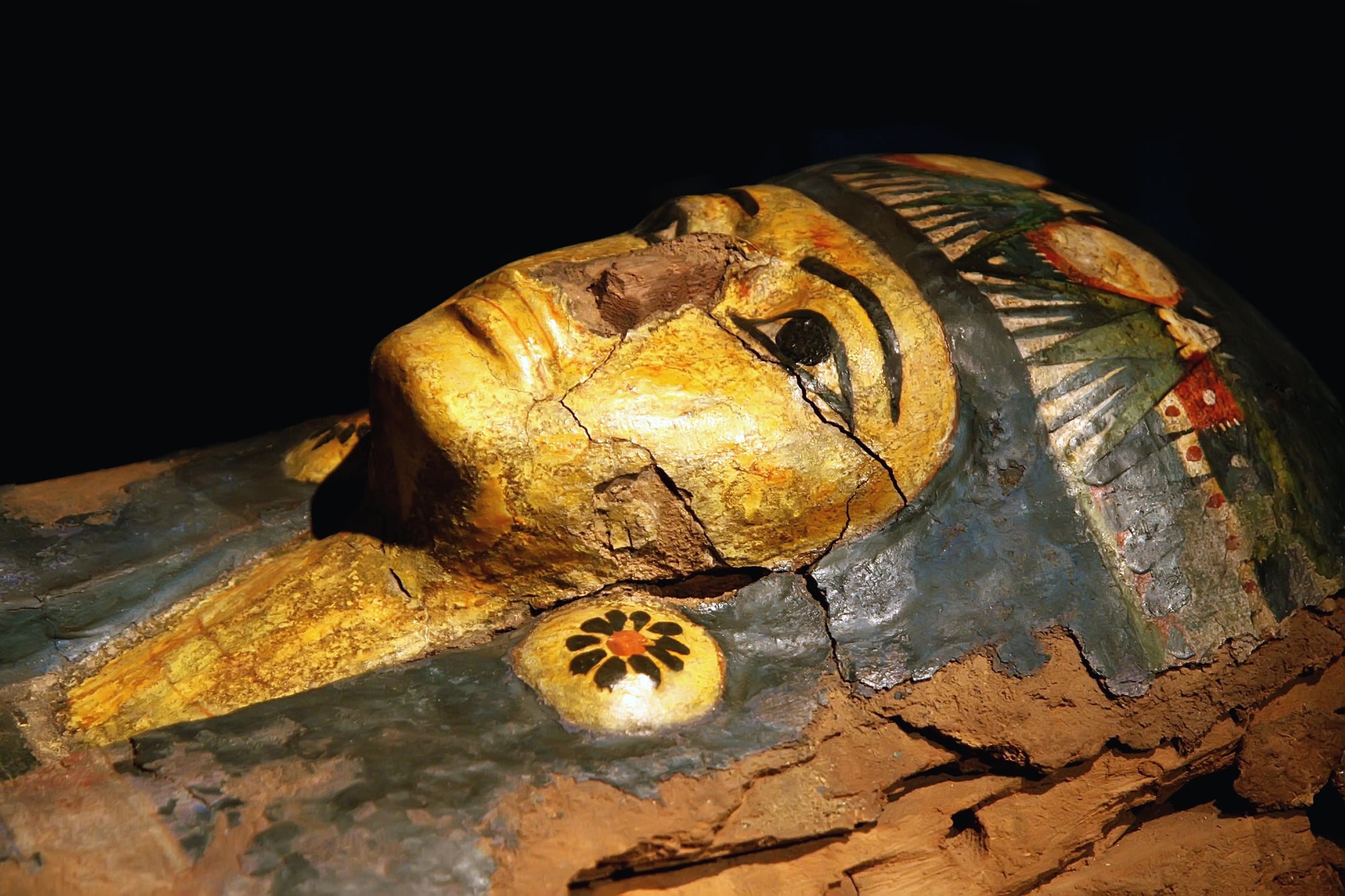
Ancient Egyptians used a special salt called natron to preserve bodies for the afterlife. They covered corpses in this natural mixture of sodium compounds and left them to dry for about 40 days.
The salt sucked out all the moisture and stopped decomposition completely. Some mummies still exist today, thousands of years later, because natron did its job so well.
Paying Roman soldiers their wages

The word ‘salary’ actually comes from salt. Roman soldiers received part of their pay in salt or money to buy salt, called ‘salarium.’
Salt was so valuable that it worked just like cash. Soldiers needed it to preserve their food rations during long campaigns.
When someone wasn’t doing their job well, Romans would say they weren’t ‘worth their salt,’ and people still use that phrase today.
Trading across the Sahara Desert

African kingdoms built massive wealth by controlling salt trade routes across the Sahara. Merchants loaded camels with slabs of salt and traveled for weeks through scorching deserts.
In some West African markets, people traded salt for gold at equal weights. The city of Timbuktu became rich and powerful mainly because it sat at the crossroads of major salt trading paths.
Purifying and disinfecting wounds

Healers in many ancient cultures packed wounds with salt to prevent infection. It hurt like crazy, but it worked.
Salt creates an environment where harmful bacteria struggle to survive. Greek and Roman doctors wrote about using salt water to clean injuries.
Armies kept salt on hand specifically for treating wounded soldiers on battlefields.
Tanning leather for clothing and tools

Tanners soaked animal hides in salt to preserve them before turning them into leather. Fresh hides rot quickly, but salt stops that process and makes the skin workable.
Ancient craftsmen rubbed salt into the flesh side of hides and left them to cure. This made leather last for years and turned it into everything from sandals to water containers.
Making offerings to gods and spirits
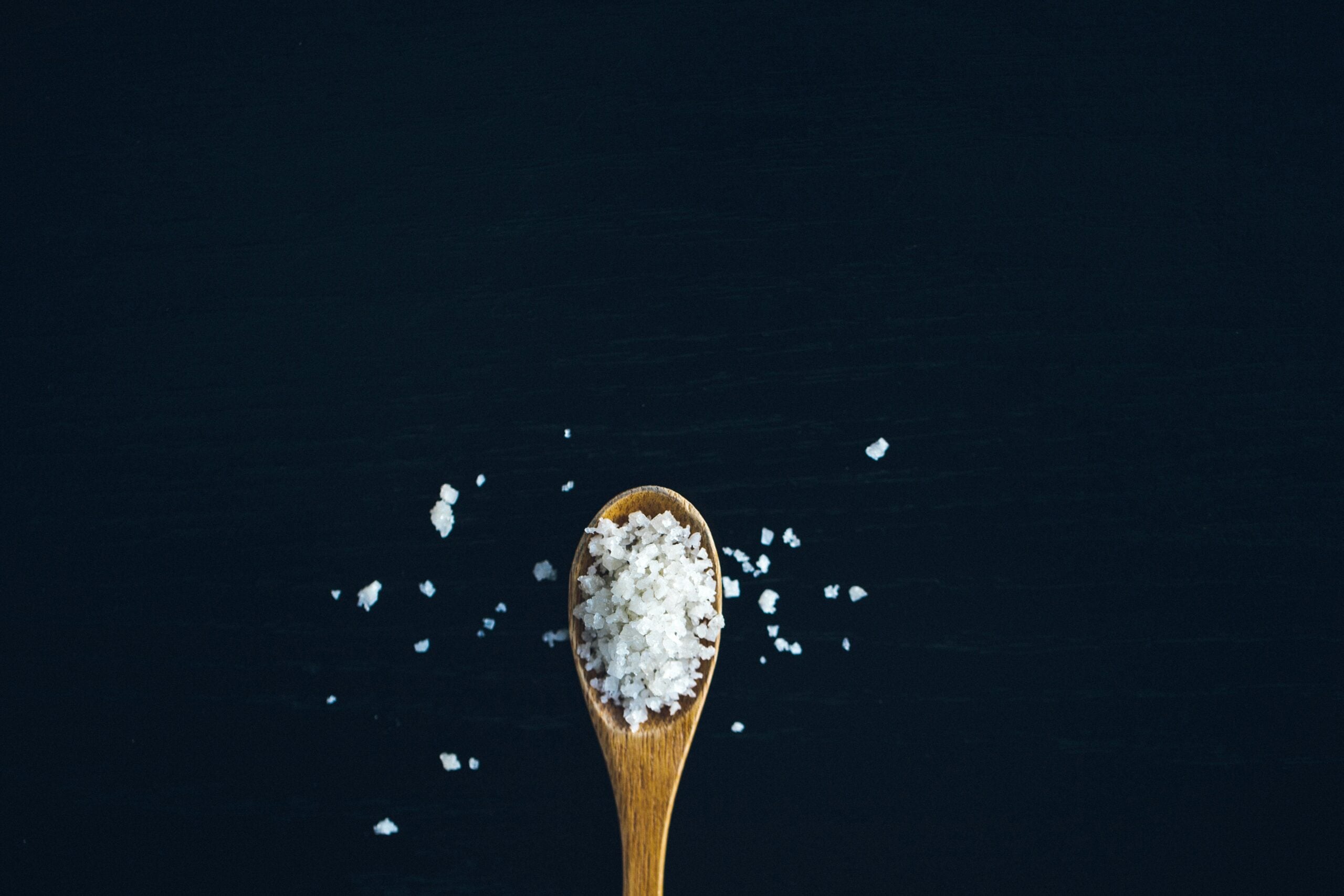
Many ancient religions considered salt sacred and pure. Greeks and Romans threw pinches of salt into sacrificial fires to honor their gods.
Jewish priests used salt in temple offerings as commanded in their sacred texts. Spilling salt was considered bad luck in some cultures because wasting something so valuable might anger supernatural forces.
Creating chemical reactions for metalwork

Ancient metalworkers used salt in various stages of metal production and treatment. They added it to furnaces to help separate silver from lead ore.
Salt also helped in processes that hardened iron and steel. Without understanding the chemistry, these craftspeople knew salt made certain reactions happen that improved their metalwork.
Dyeing fabrics bright colors

Salt helped ancient dyers fix colors into cloth so they wouldn’t wash out. They added salt to dye baths with plant-based colors.
The salt acted as a mordant, helping the dye molecules bond with fabric fibers. Egyptian linens, Roman togas, and Chinese silks all got their lasting colors partly thanks to salt.
Treating livestock and farm animals

Farmers gave their animals salt blocks or added salt to feed. Animals need sodium to survive, just like humans do.
Herders noticed that livestock grew healthier and produced more milk when they had access to salt. In some places, farmers traded crops for salt specifically to feed their animals.
Preserving vegetables through pickling
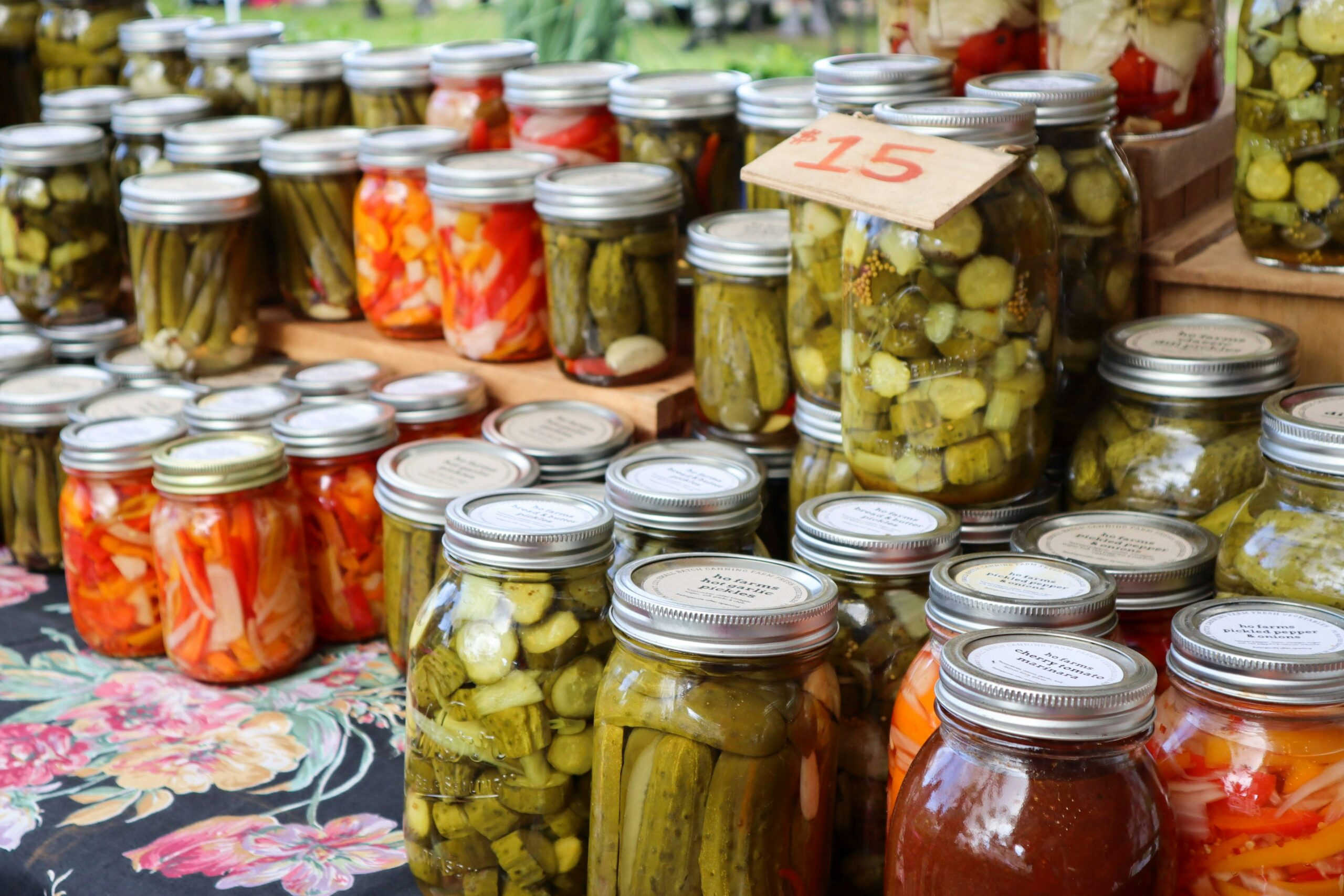
Ancient people discovered they could keep vegetables edible for winter by soaking them in salty brine. Cucumbers, cabbage, olives, and other produce stayed crunchy and tasty in salt solutions.
This technique started in Mesopotamia over 4,000 years ago. Korean kimchi and German sauerkraut both trace their roots back to these ancient pickling methods.
Cleaning and scrubbing surfaces
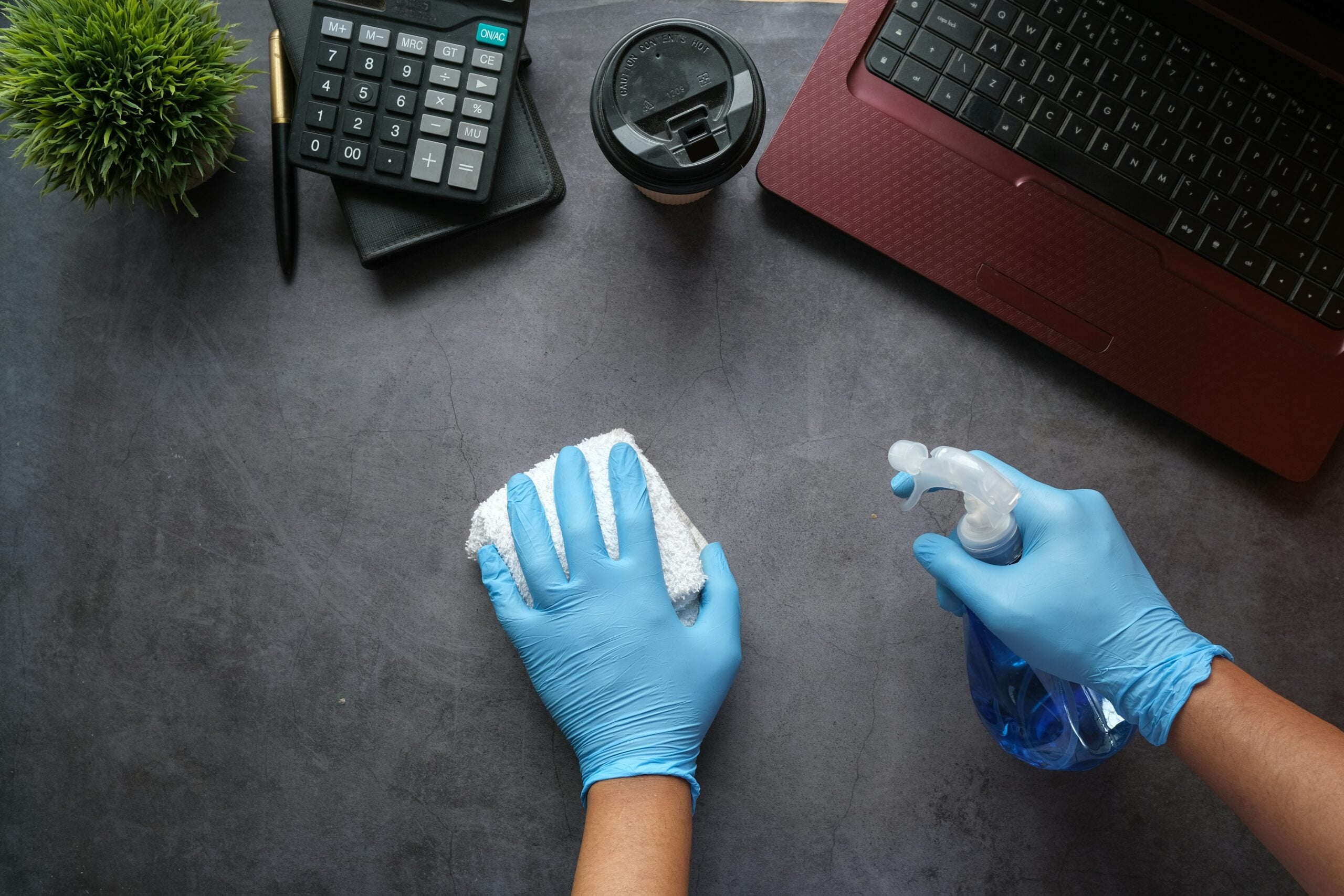
Salt worked as an abrasive cleaner long before modern soaps existed. People scrubbed pots, pans, and cooking surfaces with handfuls of coarse salt.
It scoured away stuck food and grease effectively. Mixed with a little water or oil, salt became a paste that cleaned almost anything.
Building roads in cold regions

Romans discovered that salt helped melt ice on roads during winter. They spread it on important pathways to keep them passable.
The technique didn’t become common everywhere because salt was too expensive to waste on roads in most places. But in areas where salt was plentiful, this practice gave Romans an advantage in moving troops and supplies year-round.
Sealing covenants and agreements
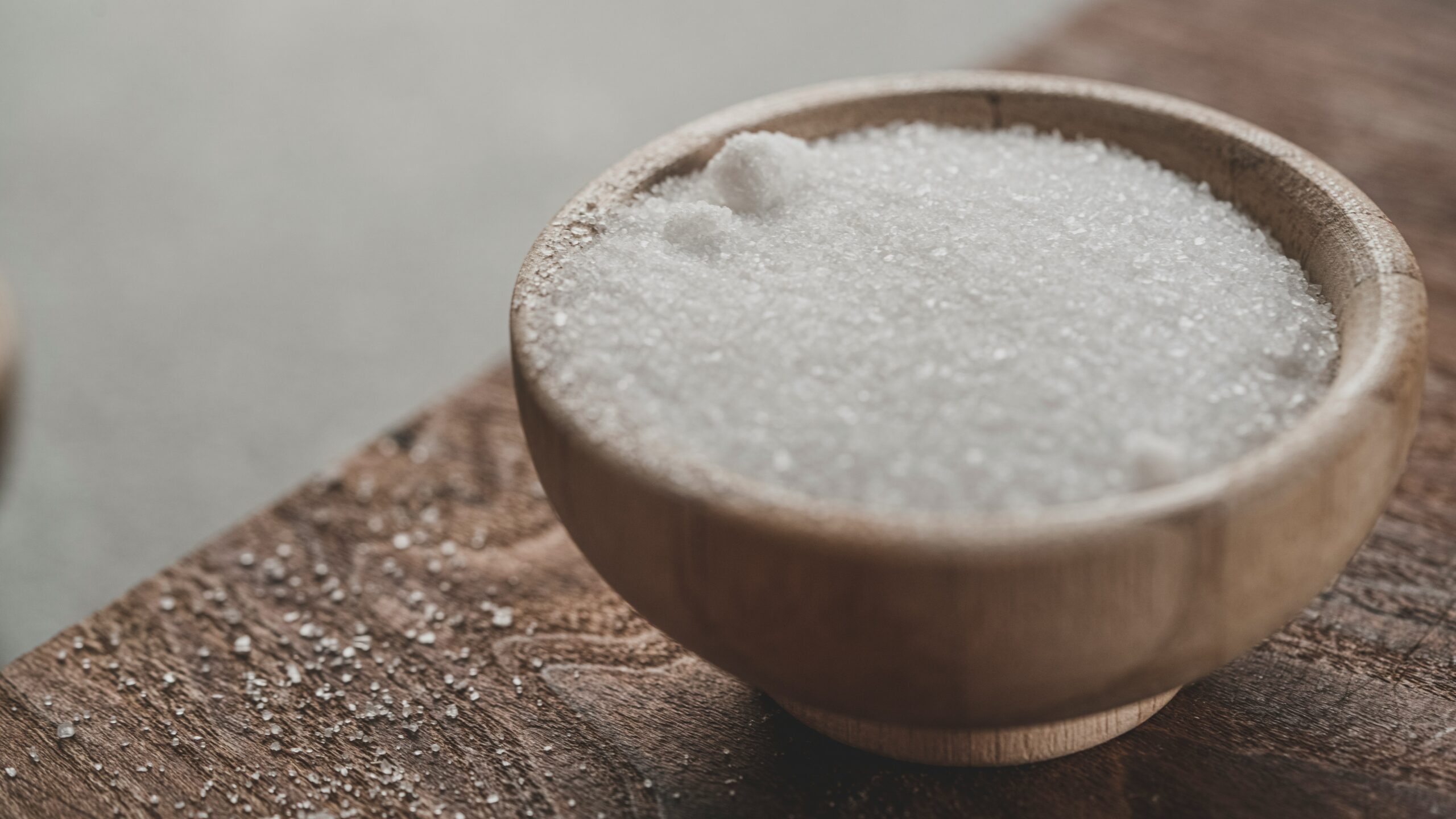
Sharing salt with someone symbolized friendship and loyalty in many ancient cultures. Arabs had a saying that once you ate salt with someone, you couldn’t betray them.
Persian kings sealed treaties by sharing salt with other rulers. This tradition created the expression ‘salt covenant,’ meaning an unbreakable agreement.
Treating dental problems

Ancient dentists used salt to fight tooth decay and gum disease. People rinsed their mouths with salt water to reduce swelling and kill bacteria.
Some cultures mixed salt with other ingredients to make primitive toothpastes. Egyptian medical papyri from 1500 BCE mention using salt for various mouth ailments.
Controlling humidity in storage areas

Clever ancient builders put salt in storage rooms to absorb moisture from the air. This kept grains, papers, and valuable items dry.
Salt naturally pulls water out of its surroundings. Chinese and Middle Eastern civilizations used this property to protect important documents and food supplies from humidity damage.
Making soap or detergents
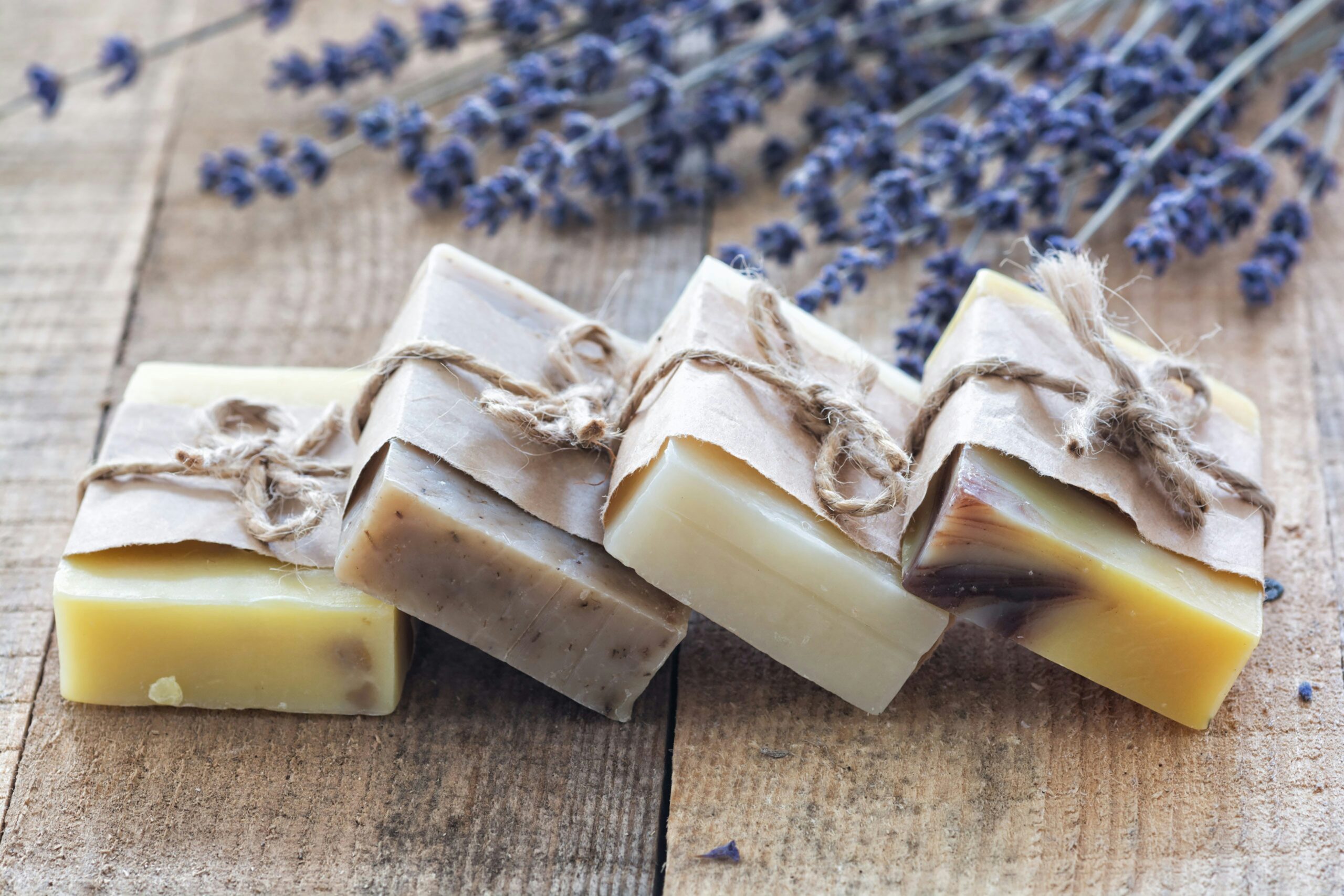
Ancient soap creators mixed salt, fat, and ash to make cleansing blocks. Because of salt, the soap split off easier when being cooked up.
Plus, it gave the bar a firmer feel that lasted way longer. The Phoenicians? They stood out – using salty mixes – and hauled their soapy goods across Med ports.
Testing soil for farming
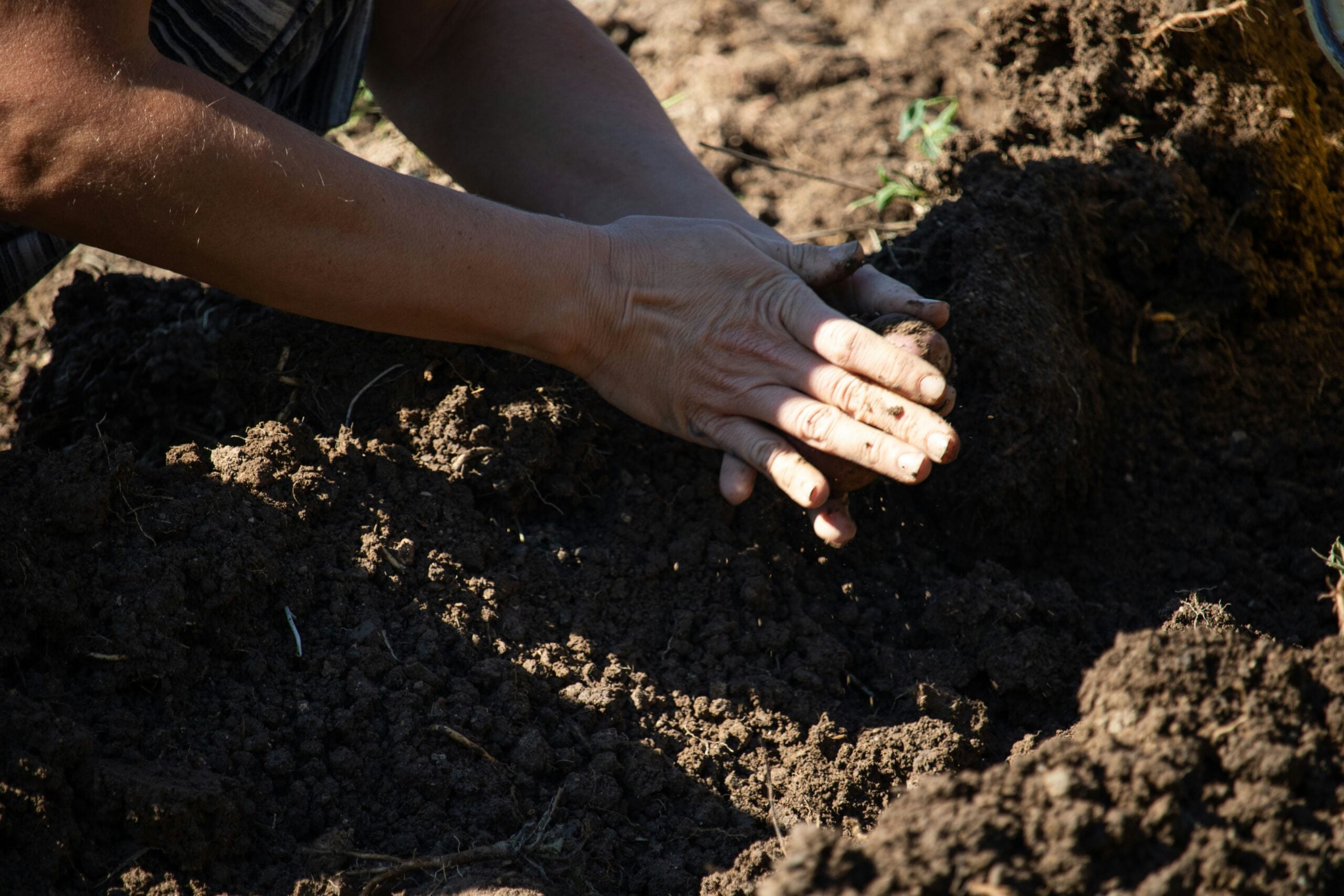
Some old-time growers chewed dirt or used salty water to check how good it was. Because they figured out that fields with just enough salt gave stronger harvests.
When there’s way too much salt, crops failed – like what went down in early Mesopotamian zones. Over time, those working the land picked up tricks using watering systems along with switching plants each season.
Where salt led us
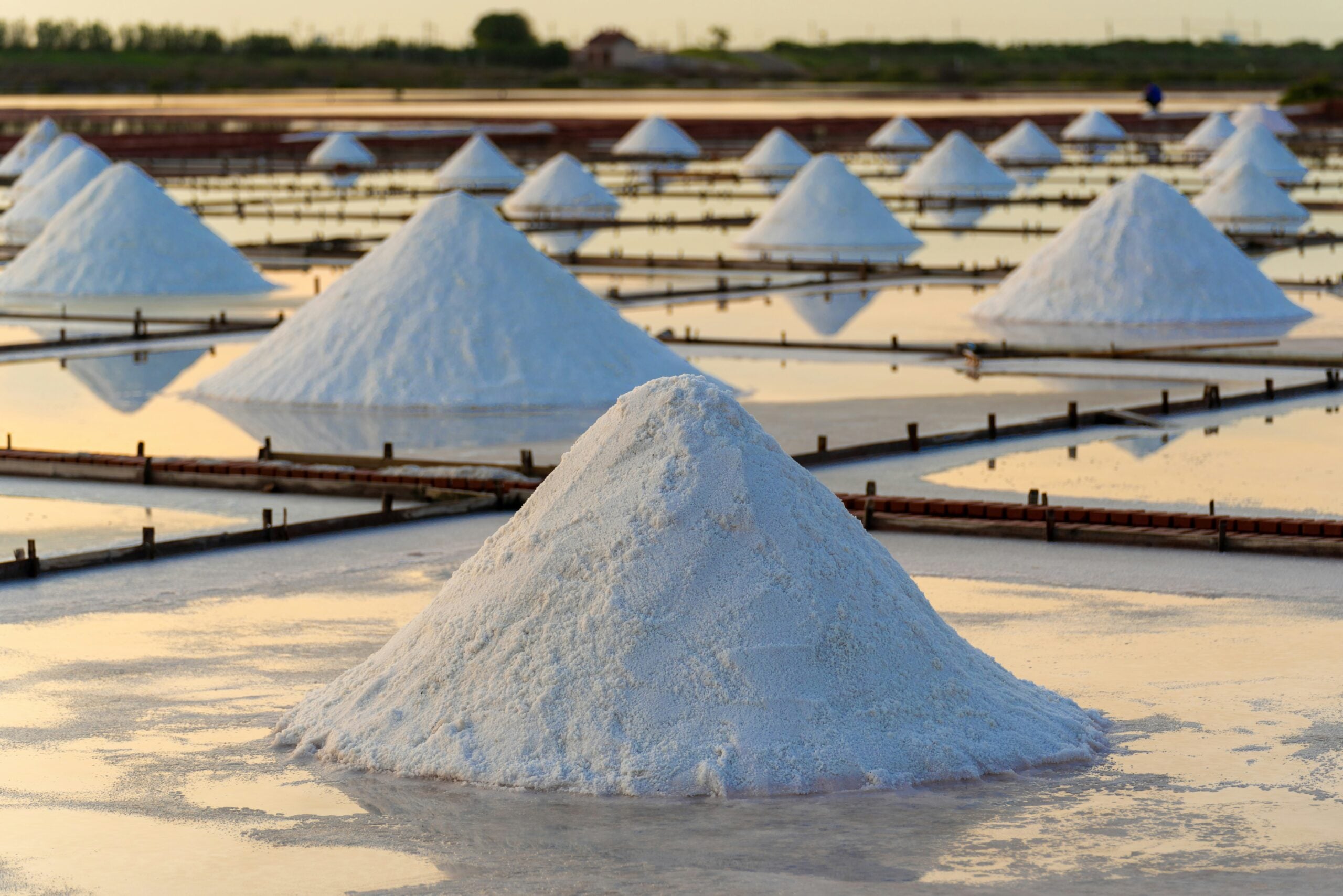
Salt ties old times to today’s world in ways folks rarely notice. Under Europe’s busy roads, you’ll find paths Romans made just to move salt.
Many words across languages come from how salt was traded or made. This basic stuff in your kitchen has sparked fights, shaped nations, and fed humans for ages.
Each pinch added to a meal is part of the very thing that pushed society forward.
More from Go2Tutors!

- The Romanov Crown Jewels and Their Tragic Fate
- 13 Historical Mysteries That Science Still Can’t Solve
- Famous Hoaxes That Fooled the World for Years
- 15 Child Stars with Tragic Adult Lives
- 16 Famous Jewelry Pieces in History
Like Go2Tutors’s content? Follow us on MSN.