Everyday Words You Are Completely Misusing
Over time, how we talk shifts slowly. Words tend to wander off from where they started, thanks to chats with pals or things seen online and on screens.
Many repeat expressions without pausing to check their roots. That leaves common terms used backwards more often than anyone notices.
Mistakes slip through because nobody stops to question them. Funny how often we swap words without noticing – mistakes start sounding normal after a while.
Take a look at pairs folks confuse every single day.
Literally
This word gets tossed around like an orb at a party, yet nearly every time, folks are saying the reverse of what it stands for. A person claims ‘I literally died laughing’ – no actual death occurred.
Instead, they felt humor hit hard, in a made-up way. Literally points to real events, not stretched truths.
Slipping into casual speech so deeply, some books now accept its loose form. Still, those who love proper grammar find it grating.
Ironic
Out of nowhere, someone says “ironic” every time life gets messy. Yet true irony shows up when things flip exactly wrong – like a joke written by fate.
Picture rain falling during a wedding; sad, sure, but only sarcastically sharp if the bride’s a weather expert who swore skies would clear. Now imagine flames swallowing the fire department itself.
That hits different. The shelter meant to beat back blazes ends up crumbling under them.
Nauseous

Feeling queasy? Most folks claim they’re nauseous then, though that misses the mark.
Actually, something foul or rotten makes you nauseous – it spreads discomfort. To describe your own sickness, nauseated fits better.
Strictly speaking, calling yourself nauseous implies you’re infecting others with unease. Still, the slip happens so often that reference books now shrug and allow both.
Peruse
Watch out fast readers: that term isn’t what it seems. Often folks toss around peruse when flipping pages lightly, say scanning a diner list.
Truth? It points to slow reading, eyes tracing each line closely.
When handed paperwork to peruse, expect deep study – no rushing allowed.
Bemused

Bemused often mixes up with amused – maybe it’s the rhyme that trips people. Yet here’s the thing: bemused does not mean giggling or enjoying a moment.
It means standing still, caught in confusion, like facing a puzzle with missing pieces. Think of eyes fixed on a tangled set of directions, unsure where to start.
Laughter? That’s amusement stepping in. A baffled look belongs to bewilderment.
Nonplussed
Surprise often trips folks up when they hear this term. Confusion hits hard enough that standing frozen feels like the only option.
Speechless. That is what it truly captures – being stuck without a response.
Yet plenty assume it signals calm detachment instead. Opposite territory entirely.
Blame likely lands on that little “non” start, whispering indifference when really it shouts bewilderment. Meaning gets twisted quietly, over time.
Enormity
Big isn’t quite what this term points to, though many assume it does. What lies behind it is less scale, more horror.
Terrible deeds wear this label best – acts so wrong they shock the mind. Scale might be part of it, yet wickedness shapes its true weight.
When size alone shows up, better words wait nearby: one speaks of vast stretch, another of endless reach.
Compelled

People often say they feel compelled to do something when they’re really just motivated or interested. True compulsion involves being forced to do something, either by external pressure or an internal drive you can’t resist.
You might feel inspired to donate to charity, but you’re compelled to pay your taxes. The difference is choice versus obligation.
Decimate

Action movies and sports commentators love this word, but they usually get it wrong. Decimate doesn’t mean total destruction or wiping something out completely.
It originally meant killing one in every ten, coming from Roman military punishment. Today, it means destroying a significant portion, roughly ten percent, but not everything.
Saying a team was decimated when they lost every single player goes way beyond the word’s actual meaning.
Travesty
This word gets mixed up with tragedy all the time, but they’re quite different. A travesty is a ridiculous imitation or distortion of something, making a mockery of it.
It’s about something being done so badly that it becomes absurd or offensive. A tragedy is genuinely sad and serious.
A terrible movie adaptation of a beloved book is a travesty, while the plot of that book might involve tragedy.
Fortuitous
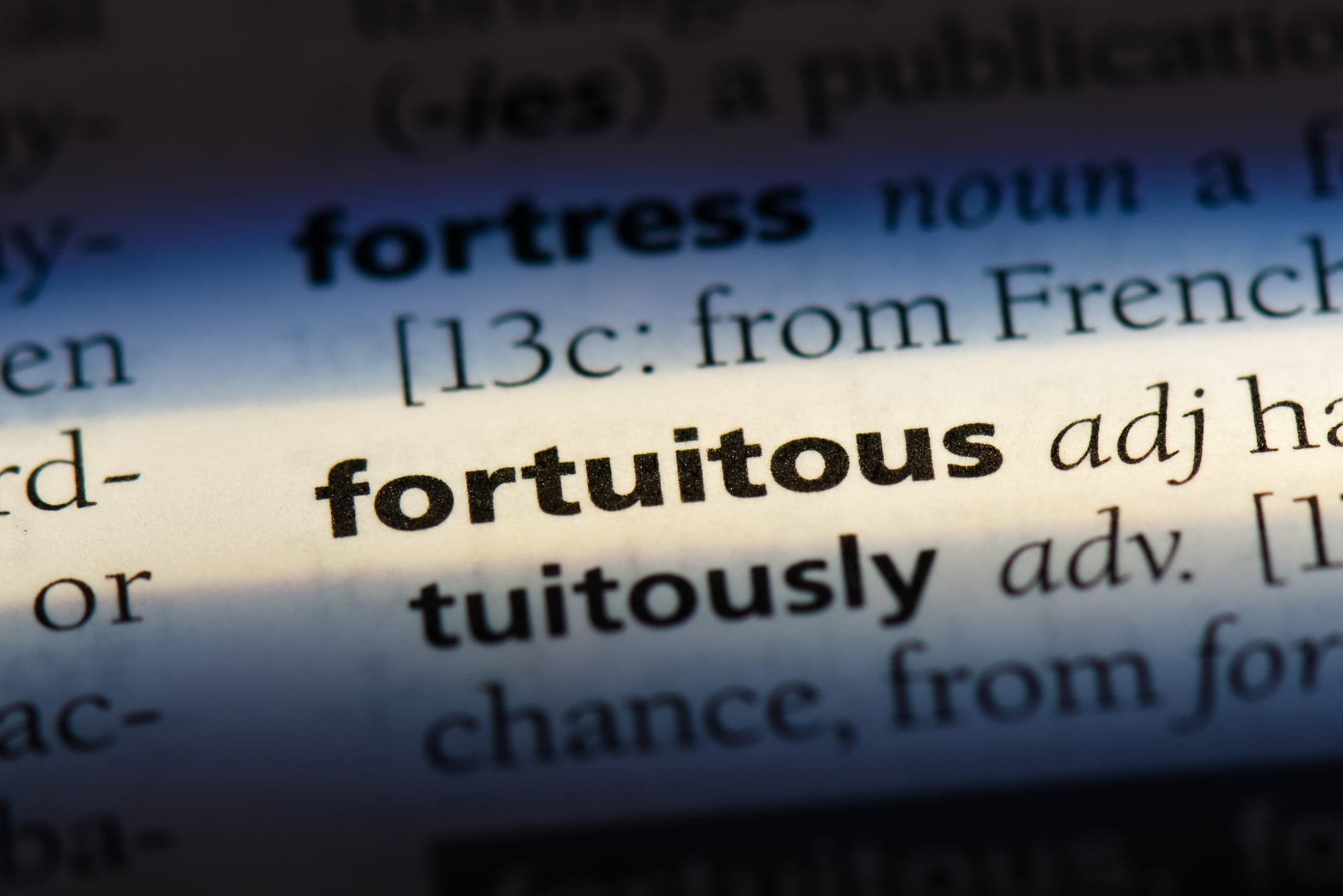
Lucky penny believers, this one’s for you. Fortuitous doesn’t mean lucky or fortunate, even though it sounds like it should.
It simply means happening by chance or accident, without any judgment about whether the outcome was good or bad. A fortuitous meeting with an old friend could lead to anything.
The word you want for good luck is fortunate, which is just one letter away but means something different.
Momentarily
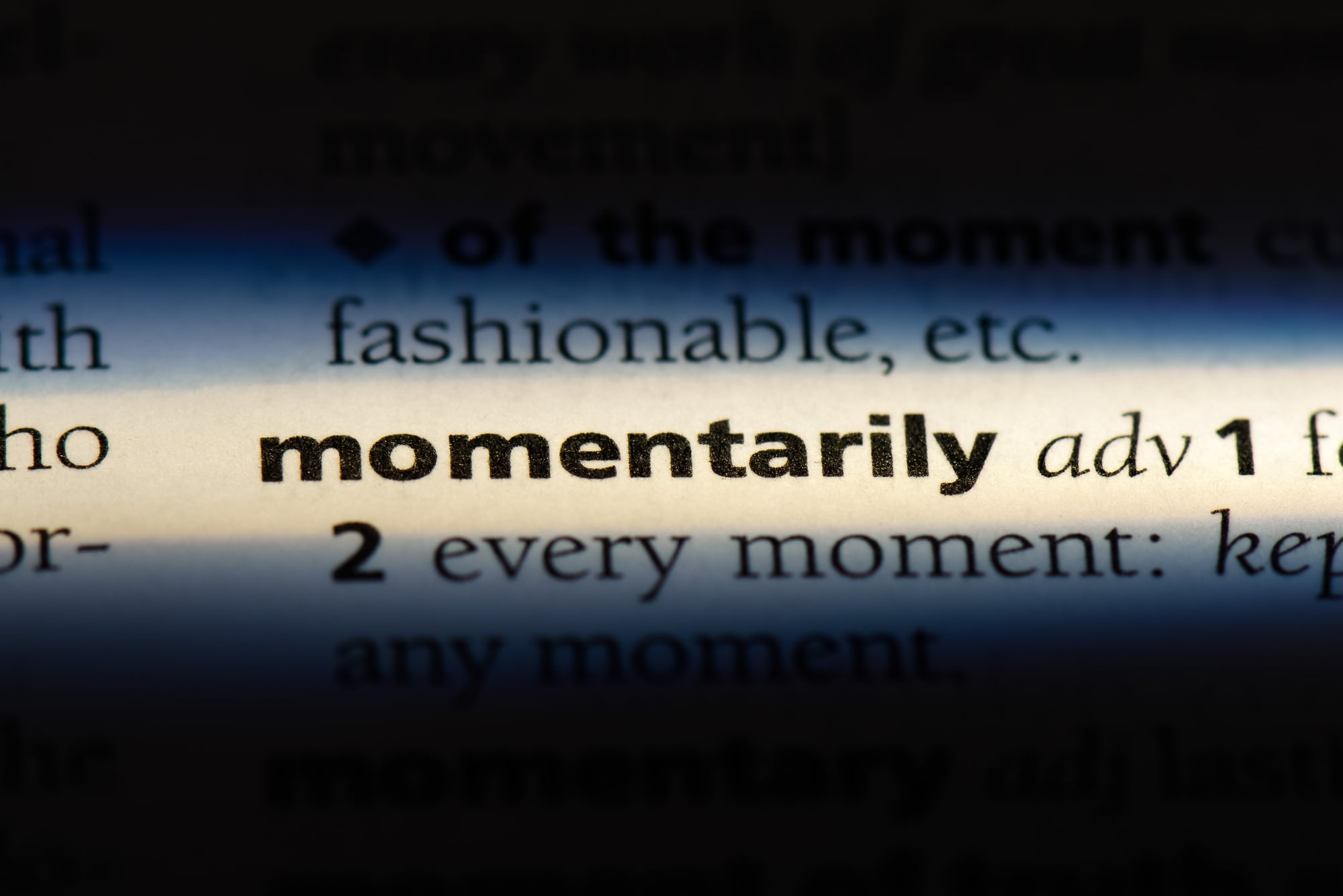
Airport announcements get this wrong constantly. When they say ‘we’ll be landing momentarily’, they’re technically saying the landing will last only a moment.
What they mean is ‘in a moment’ or soon. Momentarily describes something that lasts for just a brief moment, not something that will happen shortly.
The confusion makes sense because the word has that future-sounding feel to it.
Jealous
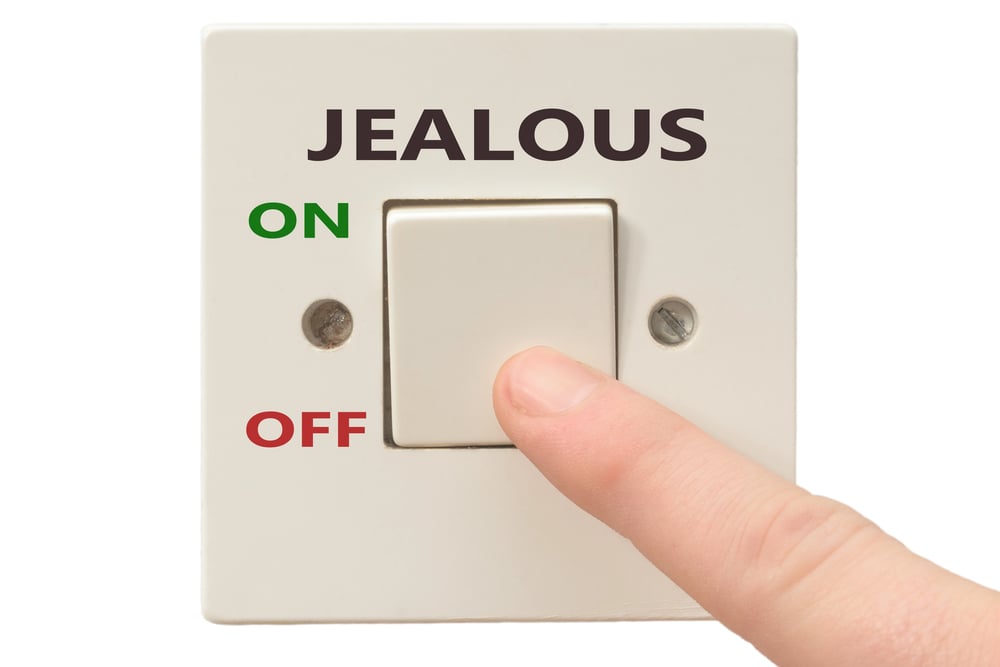
People use jealous and envious as if they’re the same thing, but there’s a real difference. Jealousy involves three parties and the fear of losing something you have to someone else.
Envy is simpler, it’s wanting something someone else has. You’re jealous when you worry your friend might steal your romantic partner’s attention.
You’re envious when you want your neighbor’s new car.
Anxious
This word has softened over time, and most people now use it to mean excited or eager. The original meaning, and still the primary one, involves worry and unease about something.
Being anxious about a vacation doesn’t mean you can’t wait to go, it means you’re nervous about the flight, the planning, or something going wrong. The word eager fits better for positive anticipation.
Plethora
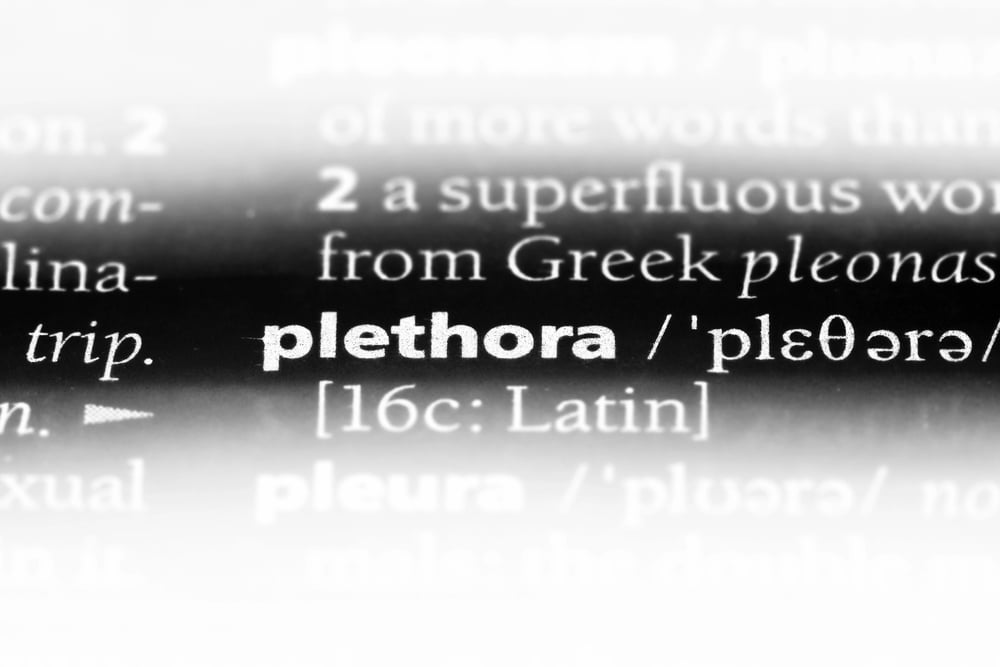
Plenty of people think plethora is just a fancy word for ‘a lot’, but it carries more weight than that. A plethora specifically means an excessive amount, more than you need or want.
It’s not just abundance, it’s overabundance to the point of being too much. Having a plethora of choices isn’t necessarily good because it implies you’re overwhelmed by too many options.
Words Evolve, But Meanings Matter
The English language has always been a living thing, shifting and adapting with each generation that uses it. These misused words show how easily meanings can drift when enough people get them wrong together.
Some linguists argue that if everyone uses a word a certain way, that becomes the correct usage. Others insist that preserving original meanings keeps communication clear and prevents confusion.
Either way, knowing the actual definitions helps anyone communicate more precisely and avoid awkward misunderstandings when talking to someone who knows the difference.
More from Go2Tutors!

- The Romanov Crown Jewels and Their Tragic Fate
- 13 Historical Mysteries That Science Still Can’t Solve
- Famous Hoaxes That Fooled the World for Years
- 15 Child Stars with Tragic Adult Lives
- 16 Famous Jewelry Pieces in History
Like Go2Tutors’s content? Follow us on MSN.