Forgotten Slang Words from Past Centuries
Language changes faster than most people realize. Every generation creates its own way of talking, its own slang, its own secret codes that separate insiders from outsiders.
But what happened to all those colorful expressions people used a hundred or two hundred years ago? They vanished, replaced by newer terms that felt fresher and more relevant to the times. Let’s take a look at some of these old-fashioned slang terms that once filled everyday conversations.
You’ll be surprised at how creative people were with their words back then.
Hornswoggle
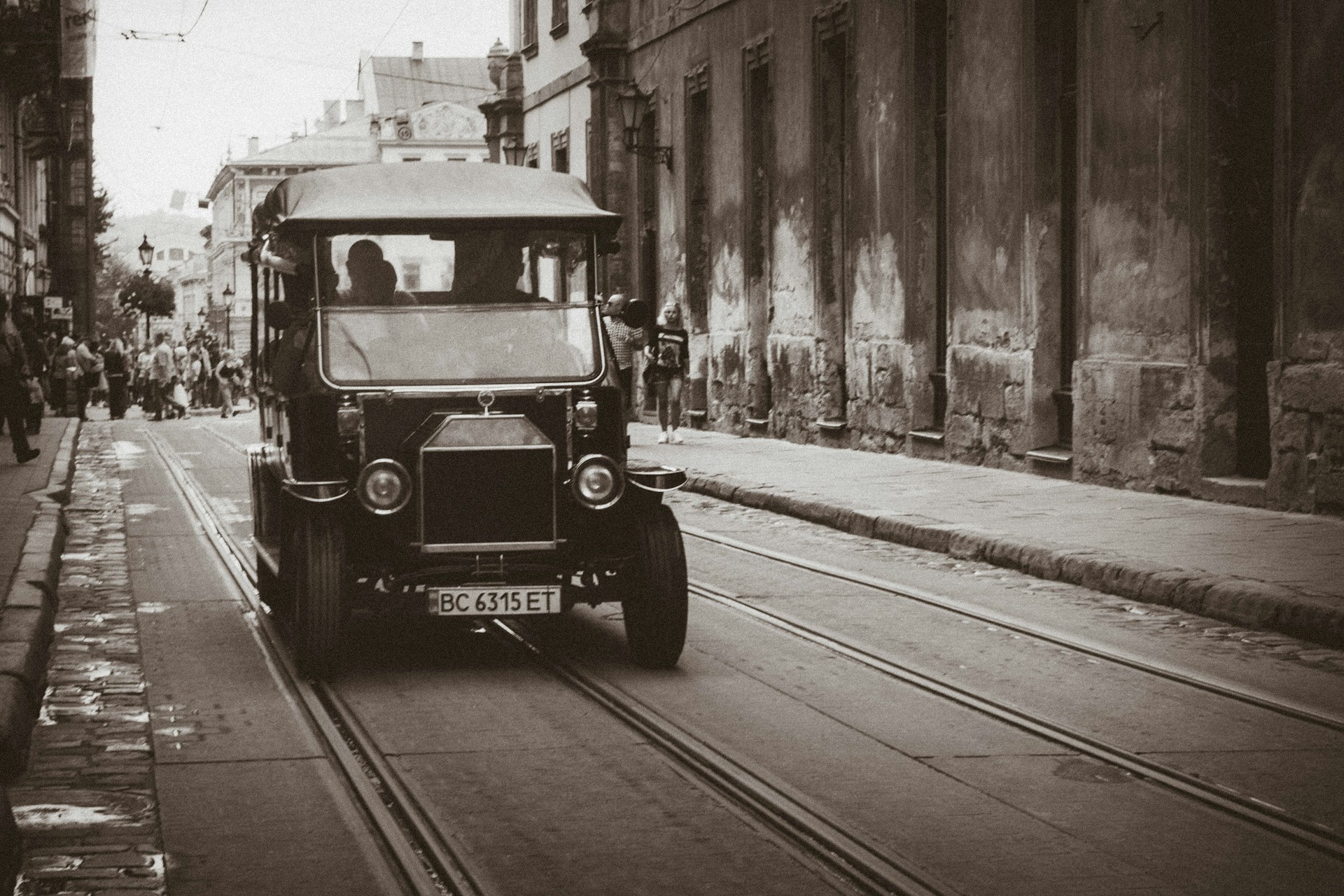
People in the 1800s loved this word, and it meant exactly what it sounds like: to trick or deceive someone. If a con artist sold you a fake gold watch, you’d been hornswoggled.
The word has such a playful sound that it almost makes being cheated seem less terrible. Newspapers from the Wild West era used it all the time, and it appeared in everything from cowboy stories to political debates.
Gigglemug

This term described someone who always had a smile on their face. A gigglemug was that person who couldn’t stop grinning, even in serious situations.
Victorian-era folks used it both as a compliment and an insult, depending on whether they found the constant cheerfulness charming or annoying. The word paints such a clear picture that you can practically see the person it describes.
Mumblecrust
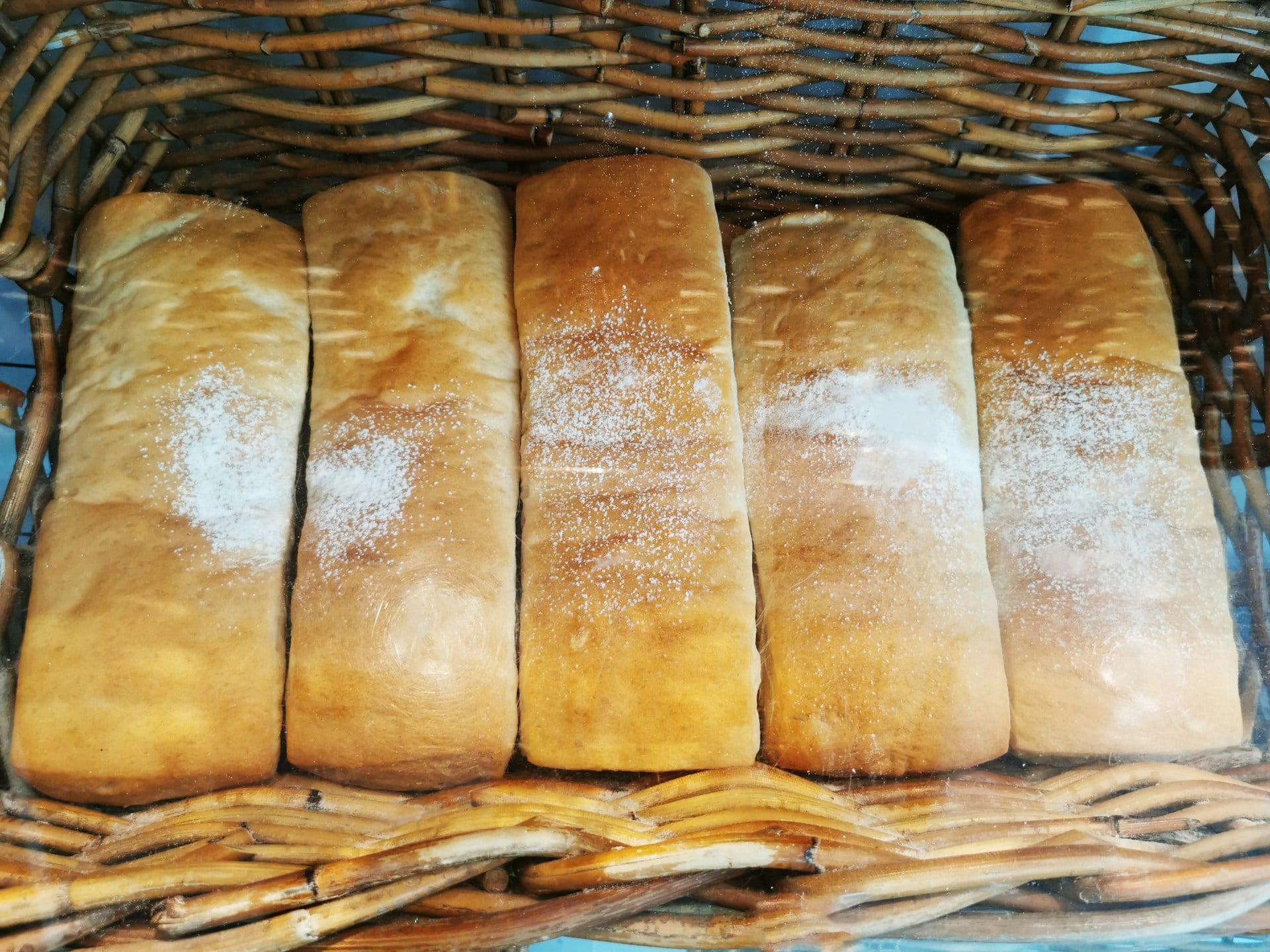
Old people got called mumblecrusts back in the 1600s and 1700s. The term suggested someone who grumbled and complained while chewing on hard bread with no teeth.
It wasn’t particularly kind, but it stuck around for quite a while. Young people back then probably whispered it behind their elders’ backs the same way kids today use their own terms for older generations.
Butter upon bacon

When something was too much or over the top, people called it butter upon bacon. The phrase came from the idea that adding butter to already fatty bacon was unnecessary and excessive.
Someone wearing too much jewelry or telling an overly decorated story might hear this expression. It’s much more creative than just saying ‘too much’ or ‘overkill.’
Gas-pipes

Tight pants earned this nickname in the 1800s. When men started wearing trousers that actually fit their legs instead of loose breeches, the style shocked some people.
The comparison to gas pipes, which were new technology at the time, made perfect sense. Fashion critics used the term to mock what they saw as a ridiculous trend, but the style obviously won out in the end.
Benjo
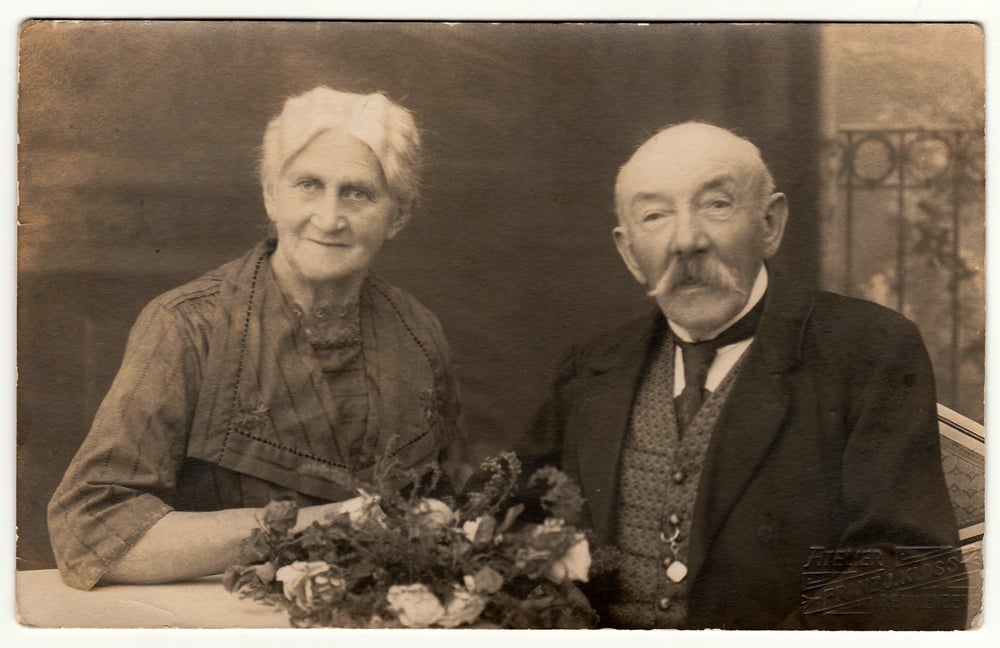
This Australian slang from the 1800s meant an overcoat or jacket. Working-class people especially used it, and the term probably came from the French word ‘benjoin,’ though no one knows for certain.
It’s one of those words that sounds completely made up but was perfectly normal vocabulary for regular folks. Australians have always had a gift for creating casual, friendly-sounding slang terms.
Sauce-box

Calling someone a sauce-box meant they talked too much or spoke rudely. The term dates back to the 1700s and early 1800s.
Parents probably told their kids to shut their sauce-boxes when they got too mouthy at the dinner table. The word suggests someone whose mouth runs like sauce pouring from a container, never stopping when it should.
Abbess

In the 1700s, this word had a secret second meaning beyond its religious definition. It referred to a woman who ran a brothel.
The term provided a coded way to talk about something society didn’t discuss openly. Criminal records and court documents from the period often used this language to describe certain business owners without stating things too plainly.
Whooperups

When people in the 1800s wanted to describe something second-rate or poor quality, they called it whooperups. A cheap product, a bad performance, or a poorly made item all qualified.
The word has such a fun sound that it seems almost too playful for an insult. Street vendors selling low-quality goods probably heard this word shouted at them regularly.
Nanty narking

This phrase meant ‘no fooling’ or ‘I’m serious’ in Victorian England. Working-class communities, especially in London, used it as a way to emphasize honesty.
The words come from a thieves’ cant, a special language that criminals and street people developed to communicate without outsiders understanding. It eventually spread to regular speech before disappearing entirely.
Podsnappery

Charles Dickens actually invented this word in his novel ‘Our Mutual Friend.’ It described a narrow-minded, self-satisfied attitude where someone refused to acknowledge anything unpleasant or uncomfortable.
The character Mr. Podsnap embodied this perfectly, sweeping away difficult topics with a wave of his hand. People adopted the term in real life to criticize others who acted similarly pompous and dismissive.
Enthuzimuzzy

When someone got too excited or carried away with enthusiasm, others accused them of being enthuzimuzzy. The term appeared in the early 1800s as a playful way to mock excessive passion about something.
Religious fervor especially earned this label, as did political zealots who couldn’t stop talking about their causes. The made-up sound of the word itself poked fun at how silly extreme enthusiasm could seem.
Bags o’ mystery

British people called sausages by this name in the 1800s, and for good reason. Nobody really knew what went into sausages back then, and the mystery meat inside the casings could contain just about anything.
The term reflected both humor and genuine concern about food quality. Street vendors selling hot sausages probably didn’t appreciate customers using this phrase, but it stuck around anyway.
Daddles

Your hands were your daddles in the 1800s. The term was common among working people and appeared in plenty of written records from the period.
Someone might ask you to lend a daddle with moving furniture or complain about hurting their daddles after a long day of labor. It’s one of those words that sounds childish but adults used it completely seriously.
Bitch the pot

This phrase meant to pour tea at a social gathering in the 1700s. Despite how it sounds to modern ears, it was perfectly polite language for the time.
The hostess would bitch the pot for her guests during afternoon tea, and no one thought twice about it. Language shifts like this show how words that once sounded normal can become completely unacceptable in different eras.
Gollumpus

A big, awkward fellow was dubbed gollumpus back in the 1800s. This term hints at someone stomping about, bumping into stuff, filling rooms with their presence.
Not exactly harsh, though surely no praise. Likely what parents yelled when kids tore through halls, wrecking everything in sight.
Quockerwodger
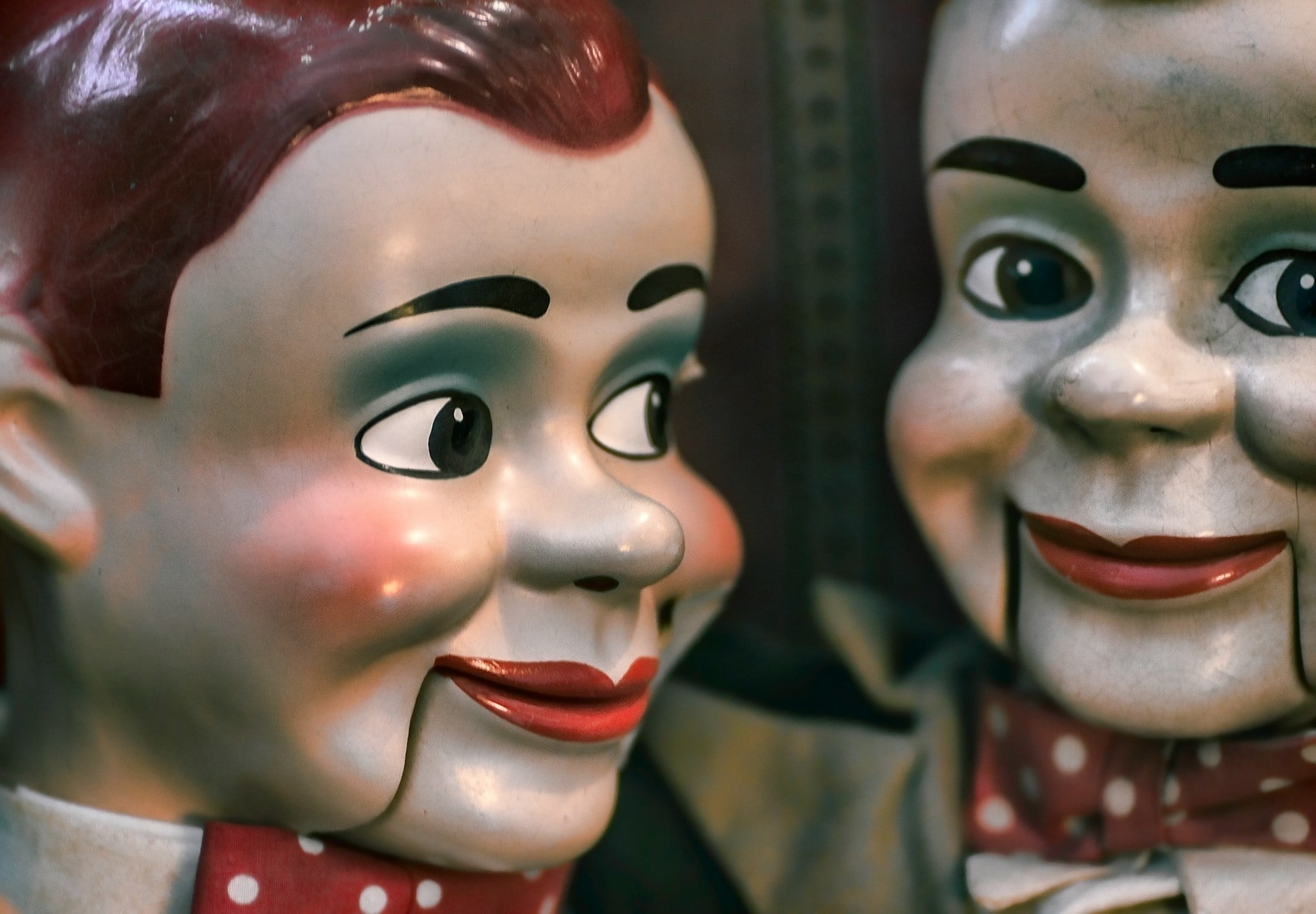
This odd word once meant a carved doll, yet leaders were dubbed quockerwodgers if folks believed they acted without real choice. It showed up back in the 1800s, hinting at persons controlled by hidden forces tugging invisible lines.
Cartoons plus editorials tossed it around to mock officials acting like puppets. Despite how strange and narrow it sounds, it’s surprising the label stuck at all.
Umble-cum-stumble

Someone who hesitated or seemed unsure was called umble-cum-stumble. This term showed that shaky moment when you’re stuck, not sure how to act.
It started in northern England’s speech but didn’t catch on elsewhere. The repeating syllables echo the jumbled thoughts it stands for – so the sound of the phrase matches its sense.
Words stuck in old pages

Those lost words hide in dusty books, faded papers, or dog-eared stories – just needing a nosy reader to dig them up. Each generation bets their talk will last forever, yet change always sneaks in anyway.
What teens say on street corners now’ll seem odd and ancient by 2125. Words march ahead like tide, dragging quirky, meaningful expressions into silence.
More from Go2Tutors!

- The Romanov Crown Jewels and Their Tragic Fate
- 13 Historical Mysteries That Science Still Can’t Solve
- Famous Hoaxes That Fooled the World for Years
- 15 Child Stars with Tragic Adult Lives
- 16 Famous Jewelry Pieces in History
Like Go2Tutors’s content? Follow us on MSN.