Unique Facts About the History of Perfume
From simple burning incense to intricate chemical formulas valued at millions of dollars, perfume has captivated people for thousands of years. Fragrances have a long history that is entwined with science, religion, royalty, and even war.
While contemporary perfumers create scents that evoke memories and emotions, ancient civilizations thought that scents could help them connect with the divine. The history of perfume shows how profoundly scent affects human culture and behavior, from the earliest known perfume maker to the development of innovative synthetic compounds.
Today’s wrist sprays have millennia-old origins, and their backstories are as varied as their fragrances. These are 14 interesting facts about the origins of perfume.
The First Recorded Perfume Maker Was a Woman
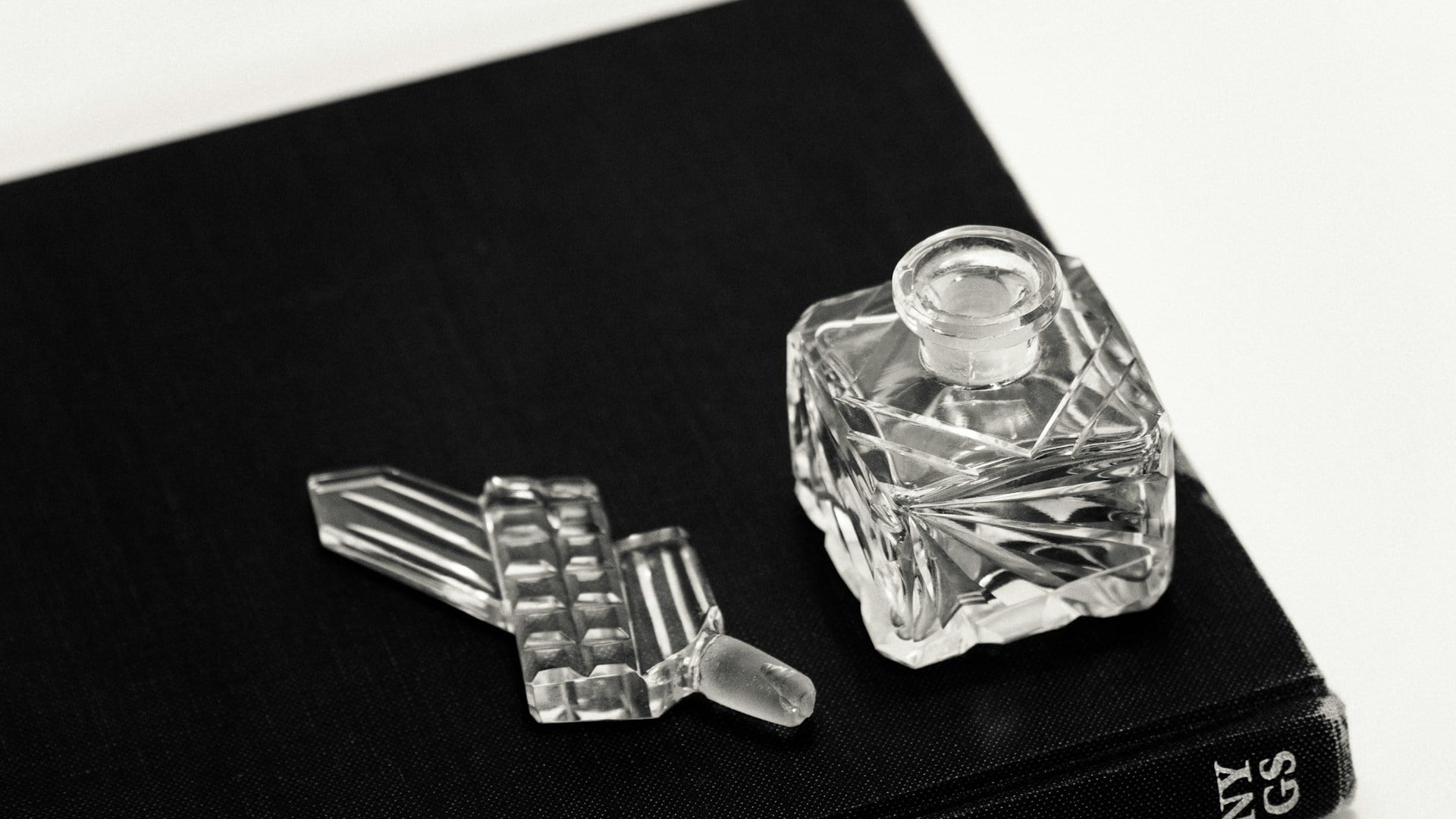
Tapputi-Belatekallim, a chemist from Babylonian Mesopotamia, is the world’s first recorded perfume maker. Her existence was documented on a cuneiform tablet dating to around 1200 BCE, where she’s described as the earliest named chemist and perfumer.
She held a powerful position as overseer of the Mesopotamian Royal Palace, combining religious and governmental roles. Her association with early distillation and scent extraction techniques helped establish processes that would influence perfumery for millennia.
The Word Perfume Means Through Smoke

The term perfume derives from the Latin phrase ‘per fumum,’ which literally translates to ‘through smoke.’ This etymology reflects the earliest form of fragrance, which involved burning aromatic resins and woods to produce pleasant smells.
Ancient Mesopotamians created incense about 4,000 years ago, and this practice spread across civilizations as a way to honor deities and purify spaces. The word evolved through French as ‘parfum’ and entered English usage while maintaining its connection to those ancient rituals.
Ancient Egyptians Considered Perfume Divine
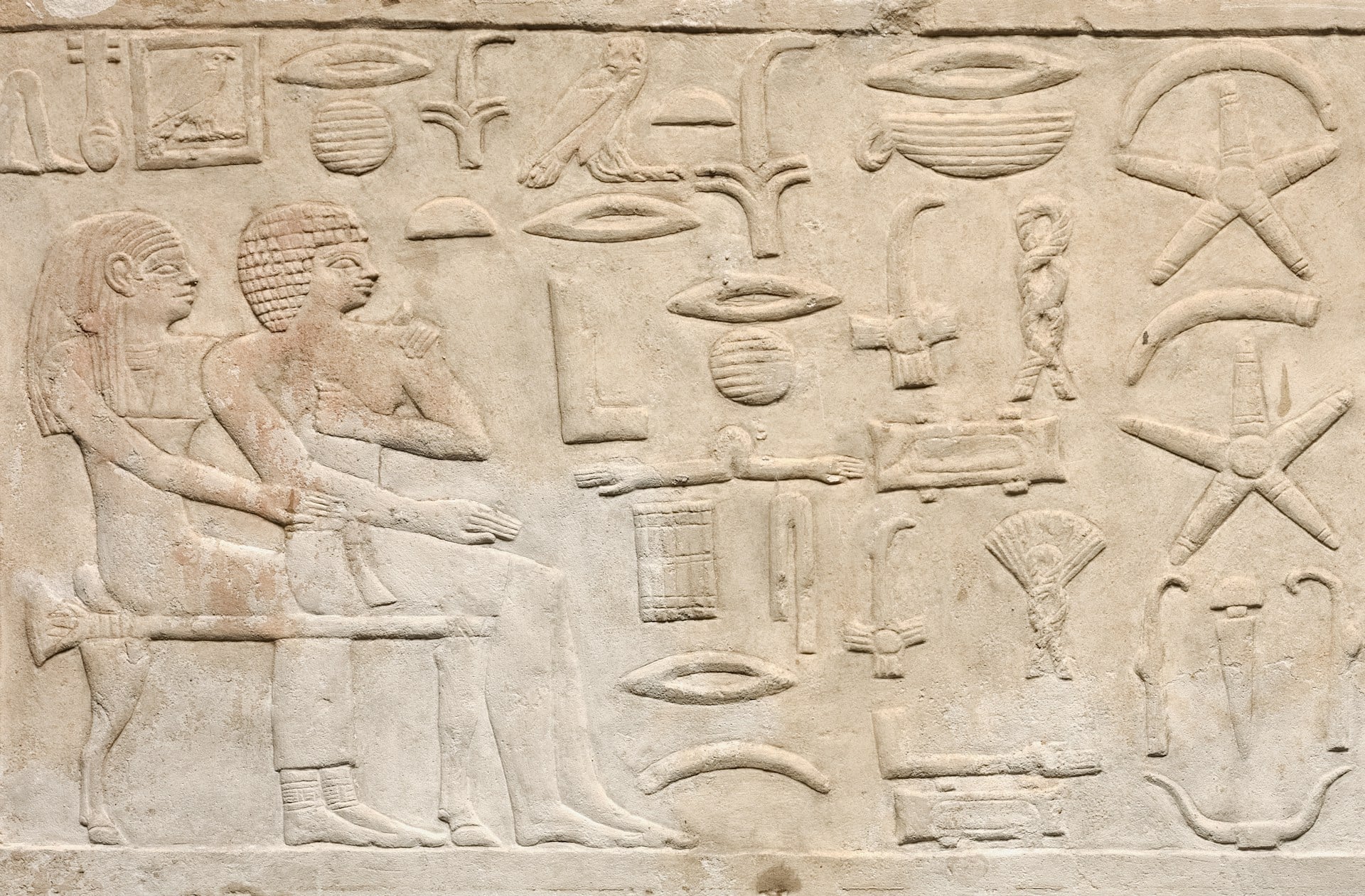
Egyptians associated perfumes with the divine, treating fragrances as sacred rather than merely pleasant. They used scent extensively in religious ceremonies, burial preparations, and daily life as symbols of status and cleanliness.
The god Nefertem was specifically designated as the lord of perfume and often depicted carrying water lilies, a common ingredient. Perfumes were entombed with pharaohs to fulfill their needs in the afterlife, demonstrating how deeply fragrance was woven into Egyptian spiritual beliefs.
The World’s Oldest Perfume Factory Was Substantial

Archaeologists discovered a perfume factory at Pyrgos on the island of Cyprus dating back to around 1850 BCE, covering approximately 4,000 square meters. This substantial operation produced fragrances including scents made from coriander, laurel, myrtle, lavender, and rosemary.
The discovery of jugs, containers, and manufacturing equipment proved that perfume was already in high demand during the ancient world. This site represents one of the earliest examples of organized, commercial fragrance production.
Ancient Greeks Perfumed Their Wine
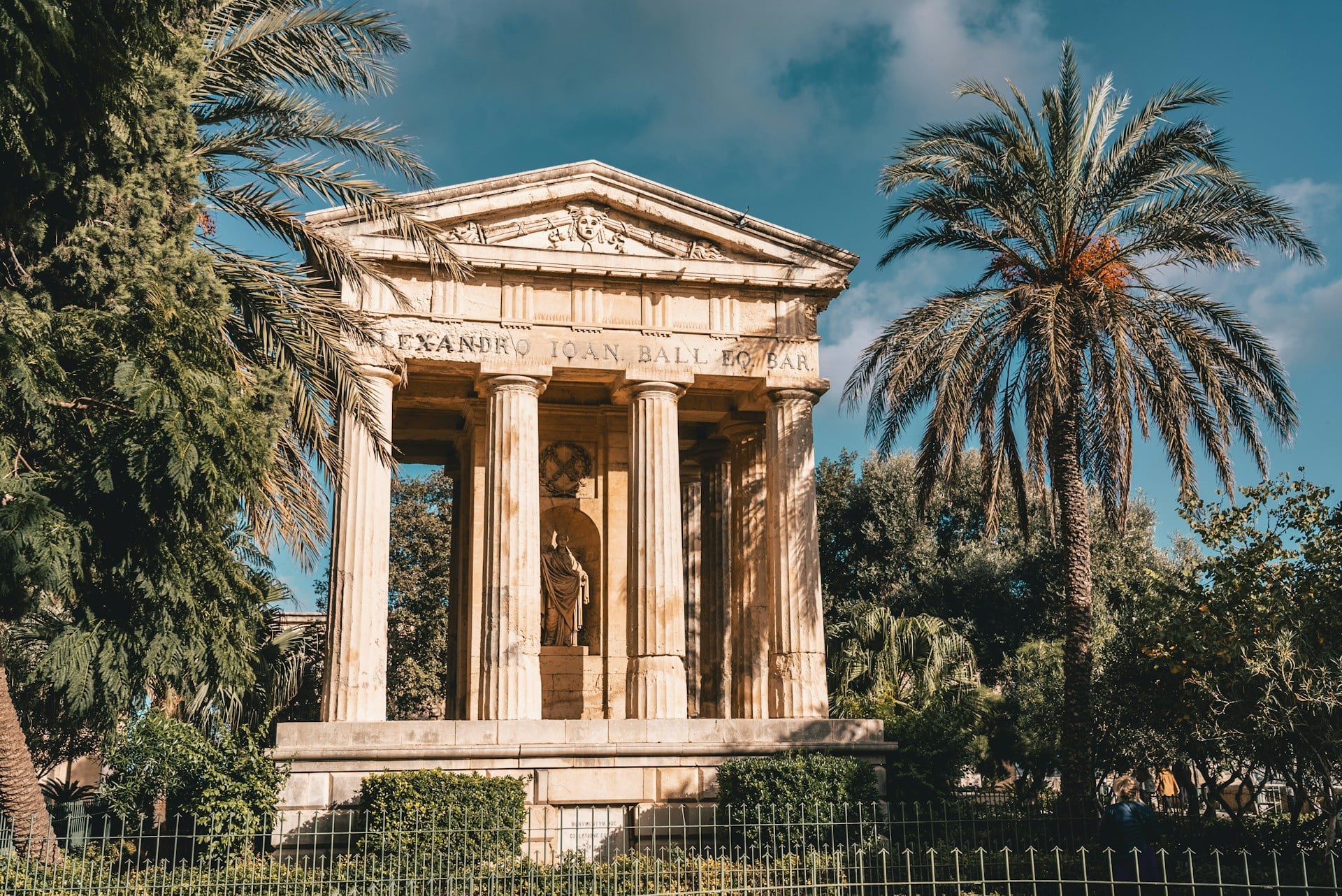
While Greeks applied perfume to their skin like modern users, they also incorporated fragrances into their beverages. Elite Greeks would add perfumed oils to wine as flavoring, creating aromatized drinks infused with myrrh and other scents.
This practice was reserved for wine and avoided in other foods since fragrance typically caused spoilage and bitterness. The Greeks also discovered that fragrances linger longer when applied to pulse points like inner wrists, though they never understood why until modern science explained the role of body heat.
Persians Pioneered Advanced Distillation
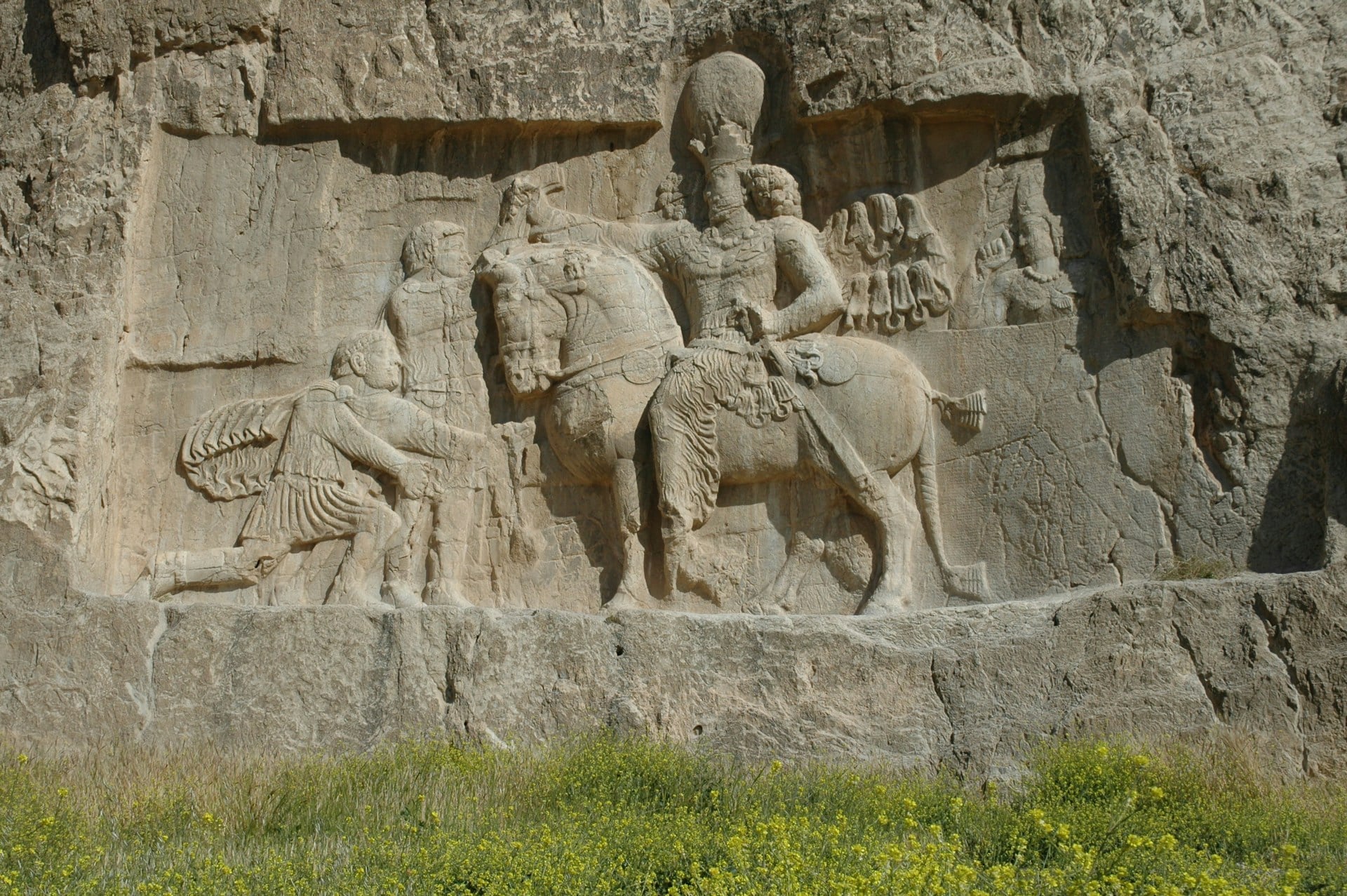
Ancient Persians became pioneers in refining perfume-making techniques, particularly advancing steam distillation methods during the medieval Islamic period. The renowned physician and philosopher Avicenna made significant contributions to distillation, especially in creating rose water.
Persian rulers maintained exclusive fragrances that only they were allowed to wear, with King Darius of Persepolis frequently depicted holding bottles of perfume or incense. They established workshops where perfumers experimented with different distillation processes and scent combinations.
Chinese Elites Perfumed Their Stationery

Ancient Chinese literati and elite classes took a unique approach to fragrance by perfuming everyday items used in scholarly pursuits. They scented the ink they wrote with and the paper they wrote on, creating a sensory experience around written communication.
Chinese society also used perfume in living spaces and places of worship, believing fragrance could purify rooms and ward off disease. During the Tang dynasty and later periods, these scented papers and inks became markers of refinement and culture.
Medieval Europeans Shifted Away From Perfume
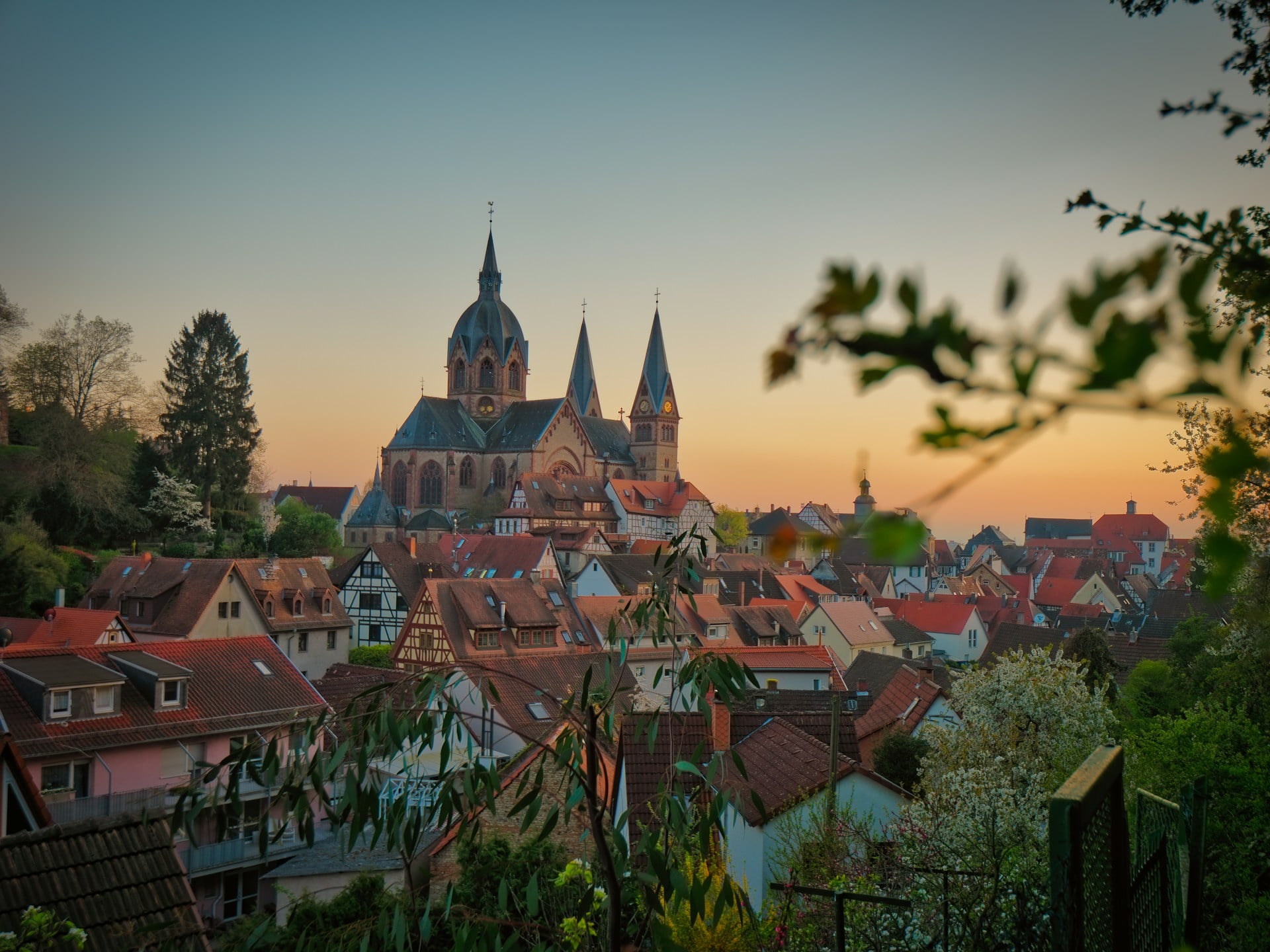
During the Middle Ages, European perfume use declined and shifted significantly, influenced by changing Christian attitudes and miasma theories about disease transmission. However, fragrance didn’t disappear entirely—incense, pomanders, and scented waters continued to be used, particularly among the wealthy and in religious contexts.
Meanwhile, perfume remained central to Indian Tantric rituals and continued flourishing in Middle Eastern and Asian cultures. Europe wouldn’t fully embrace perfume again until the Renaissance reopened trade routes to exotic ingredients.
Eau de Cologne Started With Italian Innovation

Italian perfumer Johann Maria Farina created eau de cologne in the German city of Cologne in 1709. His original formula became tremendously popular and established a new category of lighter, refreshing fragrances.
The later perfume house 4711, named after its address in Cologne, became another famous eau de cologne producer but was separate from Farina’s original creation. Napoleon reportedly praised these fresh citrus-based scents, helping to popularize the style across Europe.
Hungary Water Pioneered Alcohol-Based Perfumes

The fragrance known as Hungary Water, legendarily associated with Queen Elizabeth of Hungary around 1370, represents one of the first alcohol-based European perfumes. While the exact date and royal attribution remain uncertain, the formula primarily contained rosemary and thyme.
This innovation introduced a lighter, more volatile fragrance option compared to heavy oil-based perfumes. Hungary Water influenced how perfumes would later be categorized by concentration and strength.
Grasse Became the Perfume Capital

The French city of Grasse emerged as the European center of perfume production and is now called the world capital of perfume. The region’s ideal climate for growing fragrant flowers like jasmine and rose made it perfect for perfume ingredient cultivation.
French perfumery, particularly in Grasse, developed techniques and standards that defined modern perfumery. In 2018, the skills related to perfume in Pays de Grasse were inscribed on UNESCO’s Intangible Cultural Heritage list, recognizing their cultural significance.
Chanel No 5 Revolutionized Perfumery

Launched in 1921, Chanel No 5 was the first perfume to prominently feature synthetic aldehydes, creating a scent that couldn’t be found in nature. Coco Chanel worked with perfumer Ernest Beaux, who presented her with numbered samples, and she chose the fifth option.
The perfume contained over 80 natural and synthetic ingredients, breaking away from the single-flower fragrances popular at the time. Its simple, geometric bottle design contrasted sharply with the ornate, fussy crystal containers that were fashionable in the 1920s.
Marilyn Monroe Made Perfume Legendary
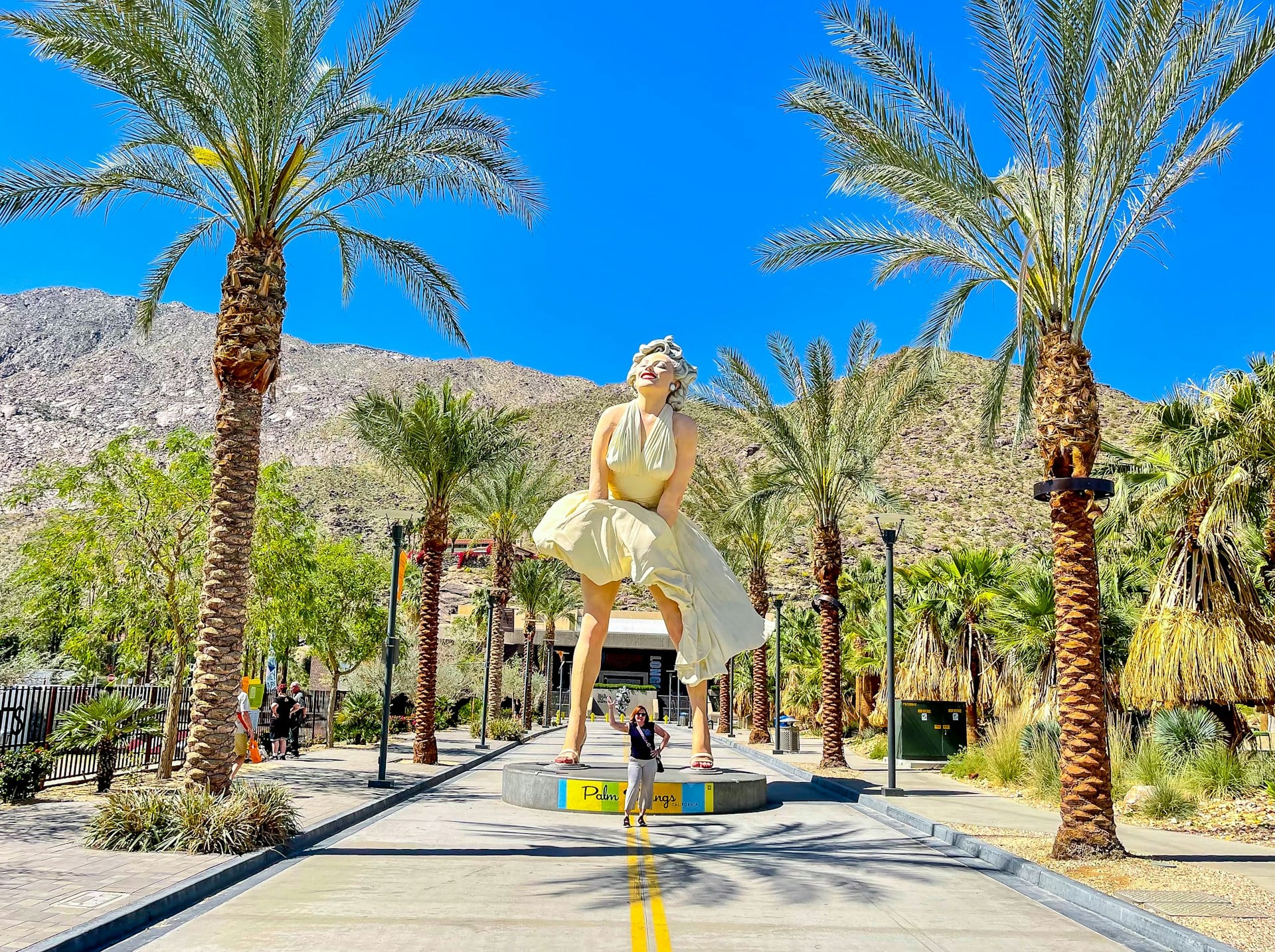
In an interview recorded in LIFE magazine on April 7, 1952, actress Marilyn Monroe gave an answer that became perfume marketing gold. When asked what she wore to bed, she famously replied that she wore nothing but Chanel No 5.
This single quote instantly cemented the fragrance’s association with glamour and sensuality, providing more publicity than any advertising campaign could have achieved. Monroe’s endorsement elevated perfume from a beauty product to an essential element of feminine mystique and allure.
Smell Connects Directly to Memory
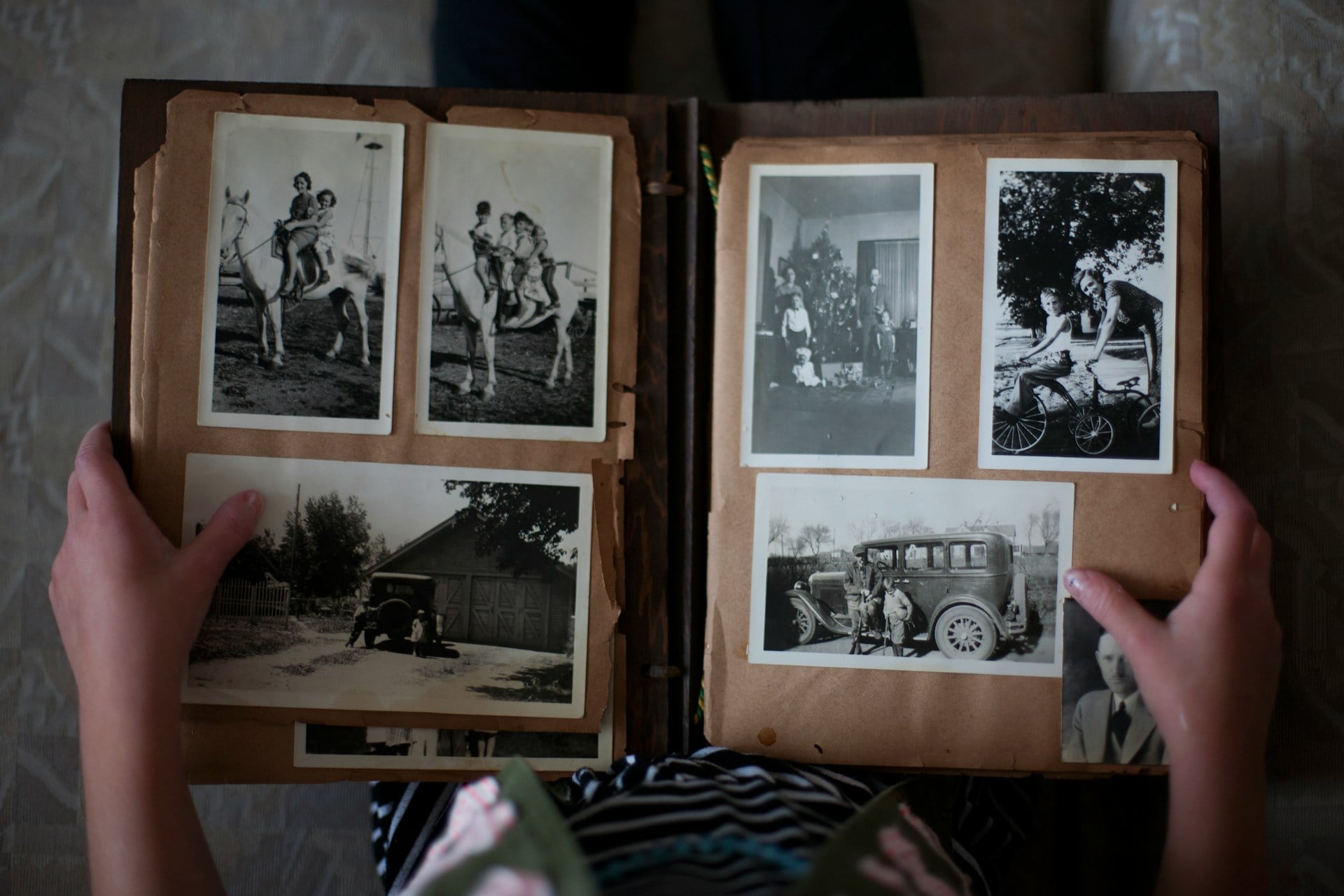
The sense of smell has a unique neurological pathway that differs from other senses. Olfactory input projects directly from the olfactory bulb to limbic structures involved in emotion and memory, including the amygdala and hippocampal areas.
This direct connection explains why certain scents can instantly transport people back to specific moments in their lives with remarkable vividness. Studies have even shown that students exposed to specific smells while studying demonstrate better recall during exams when the same scent is present, proving that fragrance genuinely influences memory formation and retrieval.
Scent Through the Ages

From religious offerings to self-expression, the development of perfume reflects the evolution of human civilization. Burning resins to appease ancient gods gave rise to a multibillion dollar industry based on psychology, art, and chemistry.
While pushing the envelope with novel synthetic compounds and environmentally friendly methods, contemporary perfumers continue to respect traditional methods. Perfume is still one of the most personal and potent ways that people express themselves, whether it is sprayed from a high-end bottle or taken from rare flowers.
More from Go2Tutors!

- The Romanov Crown Jewels and Their Tragic Fate
- 17 Halloween Costumes Once Considered Taboo
- Famous Hoaxes That Fooled the World for Years
- 15 Child Stars with Tragic Adult Lives
- 16 Famous Jewelry Pieces in History
Like Go2Tutors’s content? Follow us on MSN.