World’s Top Car Museums
Car museums aren’t just garages filled with old vehicles. They’re time capsules that capture the evolution of human ingenuity, design brilliance, and our collective obsession with speed and style.
From the glittering showrooms of Stuttgart to the historic streets of Reno, these institutions preserve automotive history while celebrating the machines that changed how we live, work, and play. Here is a list of world-class car museums that every enthusiast should experience at least once.
Each offers something unique, whether it’s the largest Bugatti collection on earth or race cars driven by legends like Ayrton Senna.
Petersen Automotive Museum
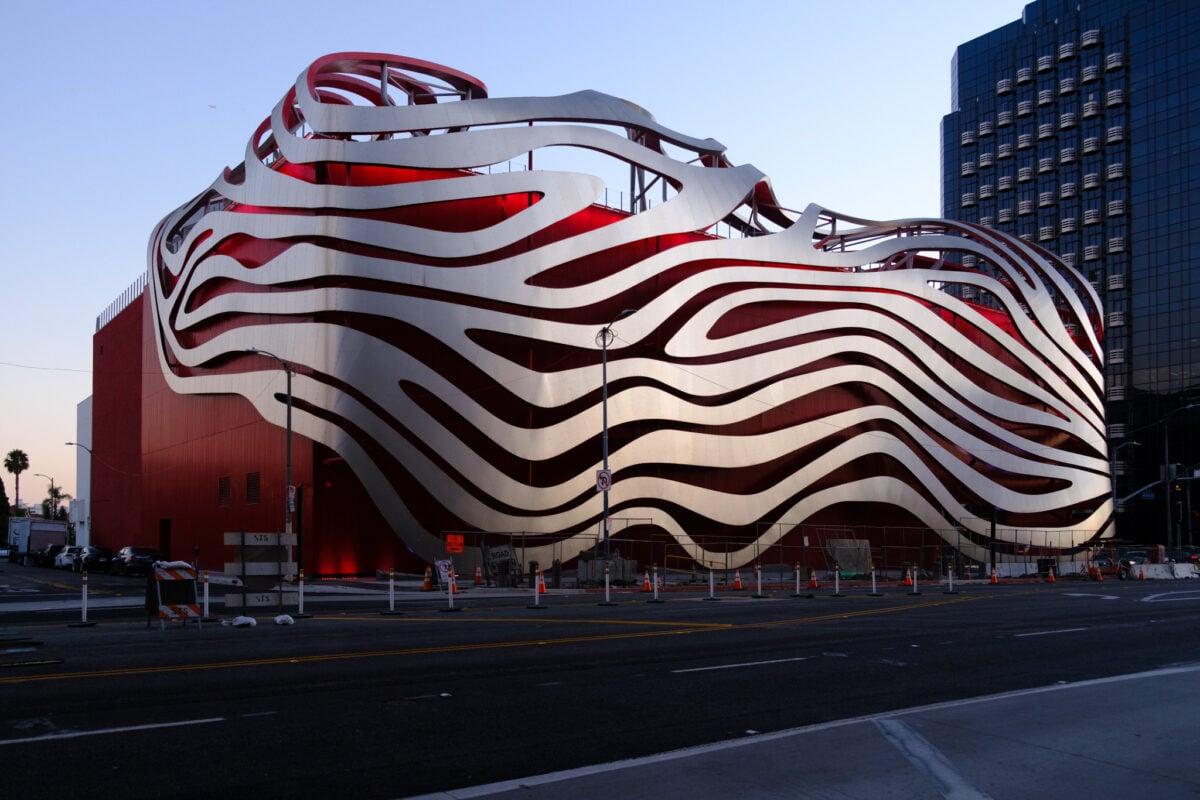
Located on Los Angeles’ famous Wilshire Boulevard, the Petersen stands as one of the most recognizable car museums in the world thanks to its striking red exterior designed to capture the essence of movement. Inside, nearly 95,000 square feet of space houses everything from Steve McQueen’s 1956 Jaguar XKSS to the Ferrari 308 GTS from Magnum P.I.
The museum’s three floors contain 28 galleries devoted to automotive history, industry, and art, with special access available to The Vault where an additional 250 vehicles await those willing to pay for the premium tour.
Mercedes-Benz Museum

Stuttgart’s Mercedes-Benz Museum cost a staggering $192 million to build and opened in 2006 as the world’s largest corporate museum. The building’s architecture mimics a double helix, with its curved structure allowing 16,500 square feet of exhibition space across nine levels.
Over 160 vehicles tell the story from Carl Benz’s 1886 invention of the automobile right through to modern electric vehicles, all maintained in pristine condition by the Mercedes-Benz Classic Center. The museum attracts over 800,000 visitors annually who come to see everything from the oldest surviving Mercedes to papal vehicles and historic race cars.
Porsche Museum

Also in Stuttgart, the Porsche Museum makes an immediate impression with its striking three-column design that used more steel than the Eiffel Tower. Around 80 vehicles are beautifully displayed against crisp, minimalist backdrops that let the cars themselves shine.
The museum offers interactive exhibits including virtual racing simulators where visitors can experience what it’s like to drive these legendary machines at speed. It’s a bit more family-friendly than the Mercedes museum, making it easier to navigate in a shorter timeframe while still capturing the essence of Porsche’s racing heritage.
Musée National de l’Automobile
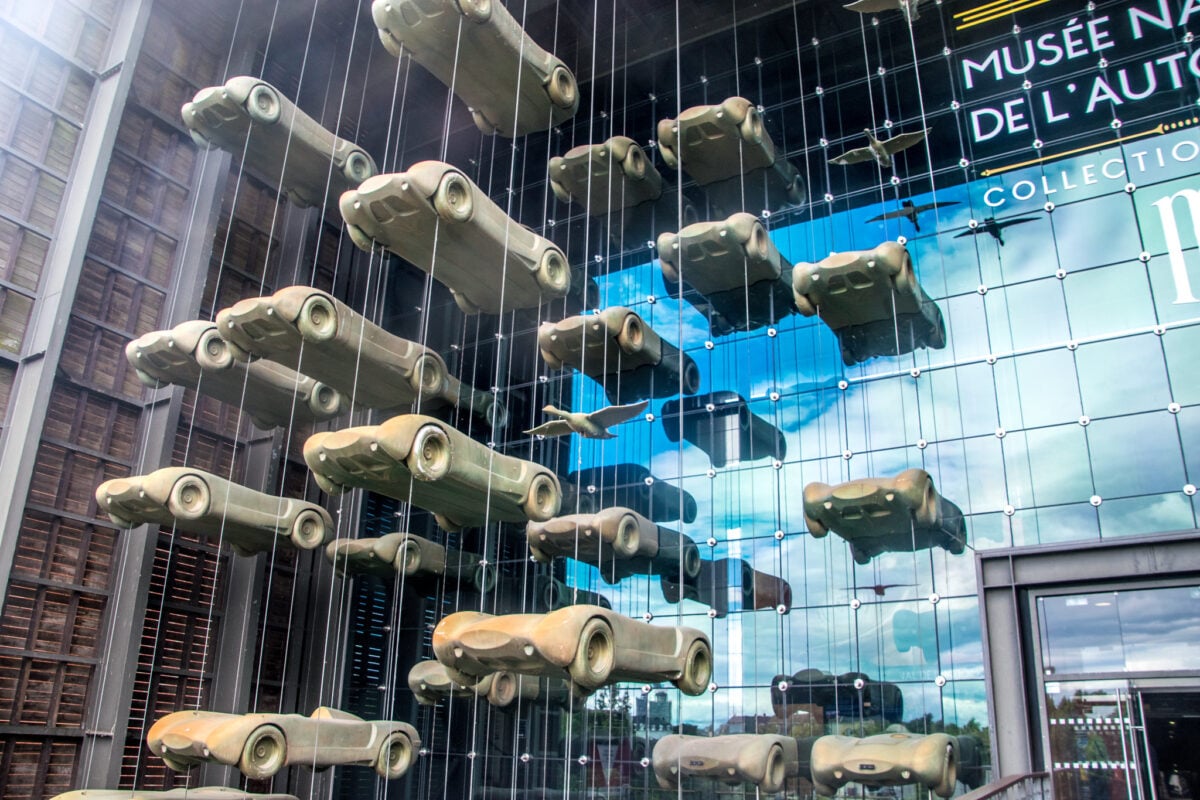
France’s crown jewel of automotive museums in Mulhouse boasts 520 cars from 98 different brands. The real showstopper here is the Schlumpf Collection, which contains 123 Bugattis—the largest collection in the world.
French brands like Citroën and Peugeot get their due alongside iconic European marques, with an emphasis on the artistry and engineering innovations that influenced global car culture. Visitors occasionally get treated to seeing these rare automobiles taken out for drives on public roads during special events.
LeMay – America’s Car Museum

Situated about 30 miles south of Seattle in Tacoma, this massive 165,000-square-foot facility displays over 300 vehicles from the legendary LeMay collection, which once contained a mind-boggling 3,000 cars. The museum showcases incredible diversity, from a Citroën 2CV that competed in the Peking-to-Paris rally to classic American station wagons that defined family road trips.
For just three extra bucks, visitors can indulge in the grand American tradition of slot-car racing on site.
Ferrari Museums
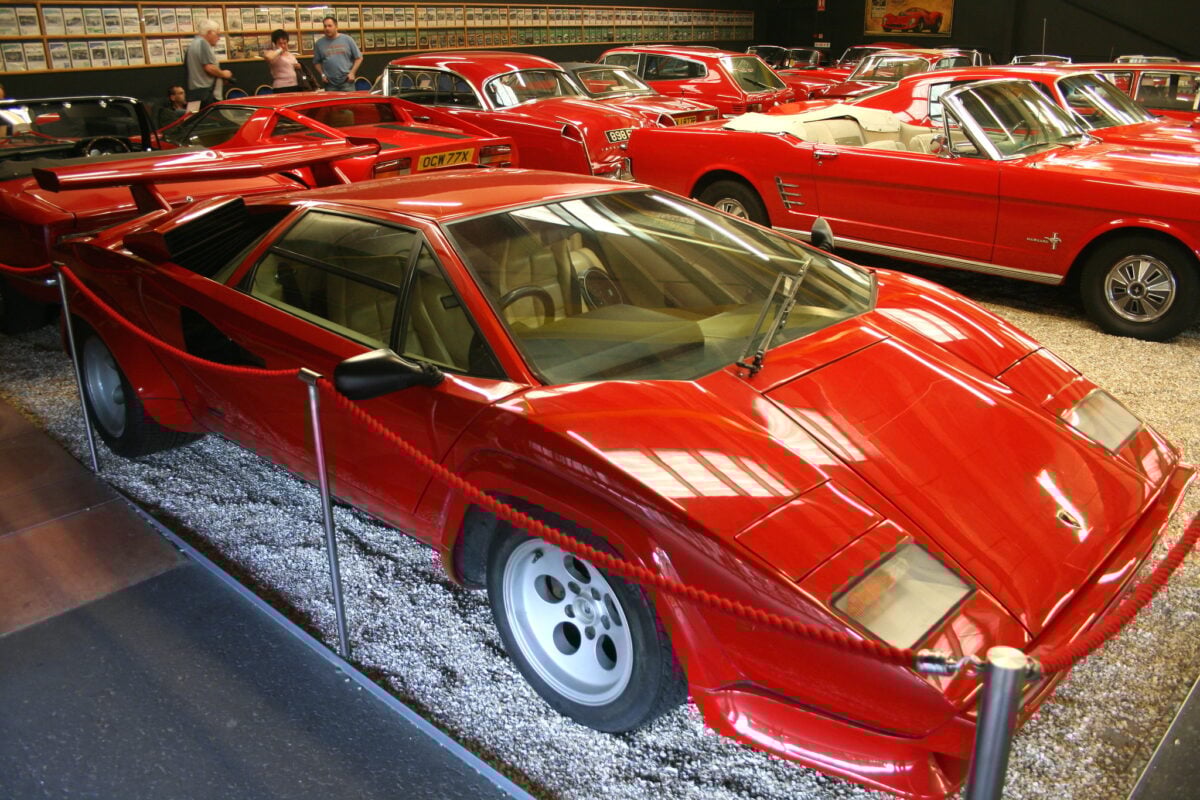
Ferrari operates two museums in Italy—one in Maranello next to the factory where these legendary machines are born, and another in Modena at Enzo Ferrari’s birthplace. The Maranello location features rotating displays of road and race cars that capture the full scope of Ferrari’s dominance in motorsports, while the Modena museum sits under a distinctive yellow roof that’s become an iconic landmark.
Together, they tell the complete story of how one man’s vision created the most lusted-after cars in automotive history, with shuttle buses offering tours to the Fiorano test track for the ultimate fan experience.
Louwman Museum

The Netherlands’ premier automotive destination in The Hague holds one of the oldest private car collections in the world. The museum building, designed by American architect Michael Graves, is delightfully quirky and opened in 2010.
What really sets this place apart is its extensive microcar collection—if you have a soft spot for the weird and wonderful smaller vehicles of automotive history, this is your paradise. The panoramic racing heritage collection also attracts serious motorsport enthusiasts with its array of historic race cars.
BMW Museum

Munich’s BMW Museum forms part of the impressive BMW Welt campus that opened in 2008. The facility contains far more than just cars—engines, airplanes, motorcycles, and artifacts from a century of engineering excellence fill the exhibition halls.
Interactive displays help visitors understand BMW’s technological innovations, while the proximity to the factory allows for fascinating behind-the-scenes tours. The museum includes the BMW 328, which revolutionized sports car design in the 1930s, alongside cutting-edge concept vehicles that preview the future.
Museo Lamborghini
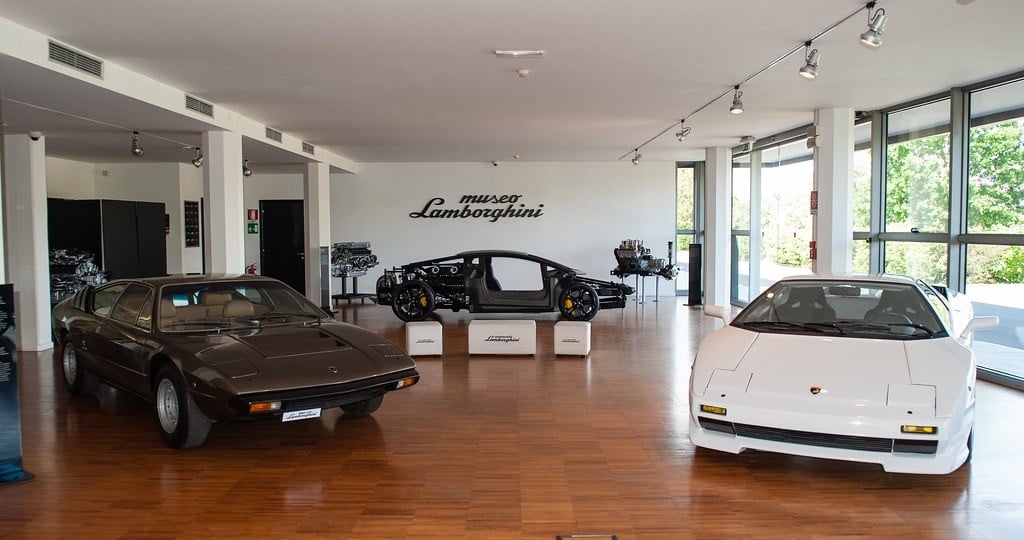
In the small Italian town of Sant’Agata Bolognese, Lamborghini’s museum takes visitors on a chronological journey through the evolution of these iconic supercars. From vintage classics like the Miura to modern masterpieces like the Aventador, each vehicle represents a unique chapter in Lamborghini’s rivalry with Ferrari.
The museum was completely renovated in 2016 and now illustrates both the brand’s storied past and ambitious future projects. Getting up close to these machines, with their striking lines and the knowledge of their roaring engines, is an experience that transcends typical museum visits.
Toyota Automobile Museum
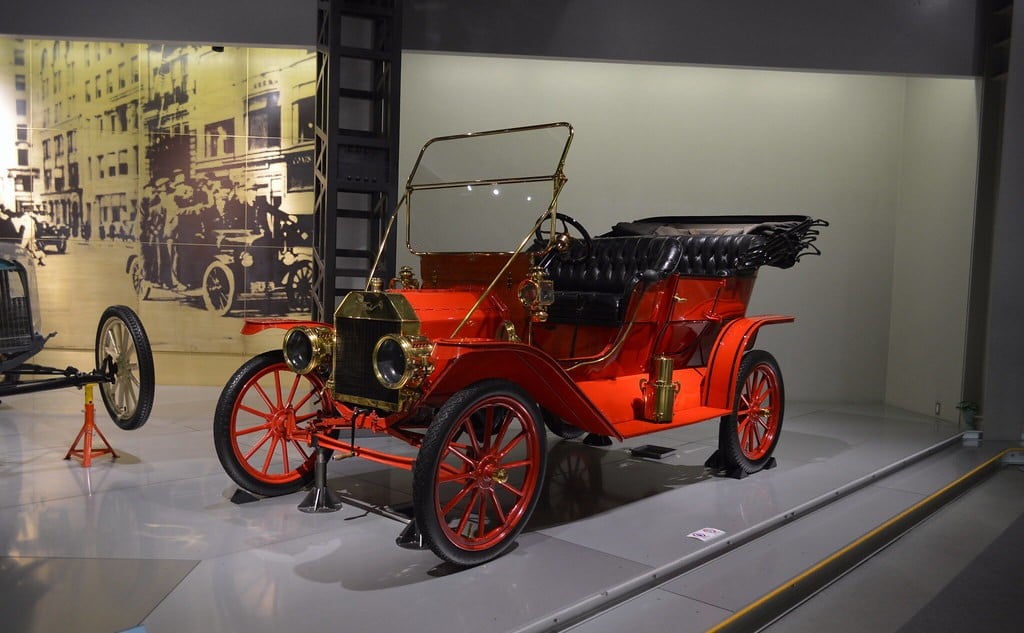
Located in Nagoya, Japan, this museum celebrates far more than just Toyota’s achievements. The collection extends beyond the parent company to showcase vehicles from diverse manufacturers, demonstrating how Japanese engineering revolutionized the automotive world.
What makes this place unique is its emphasis on how cars transformed societies globally, affecting family life, leisure activities, and work patterns. The museum pays special attention to hybrid technology and sustainable innovations that Toyota pioneered, giving visitors insight into where the industry is headed.
Henry Ford Museum

This Dearborn, Michigan institution isn’t limited to automobiles—it preserves Ford’s entire legacy including his revolutionary assembly line that reshaped global manufacturing. The museum houses some profoundly significant vehicles beyond just classic Fords, including the bus where Rosa Parks took her stand against racism and the 1961 Lincoln Continental that carried President Kennedy.
It’s family-friendly with seasonal events and interactive engineering exhibitions that make automotive history accessible to all ages.
National Automobile Museum

Reno’s National Automobile Museum evolved from casino magnate William Harrah’s personal collection of roughly 1,450 automobiles. When Harrah died in 1978, Holiday Inn acquired his empire and eventually donated 175 vehicles to form the museum’s core, with private collectors adding another 60 cars.
Over 200 vehicles now span four galleries representing different eras, connected by themed streets with faux storefronts that recreate the atmosphere of their respective periods. Notable holdings include John Wayne’s 1953 Corvette, JFK’s 1962 Lincoln Continental, and the 1908 Thomas Flyer that won the New York to Paris race.
Auburn Cord Duesenberg Automobile Museum
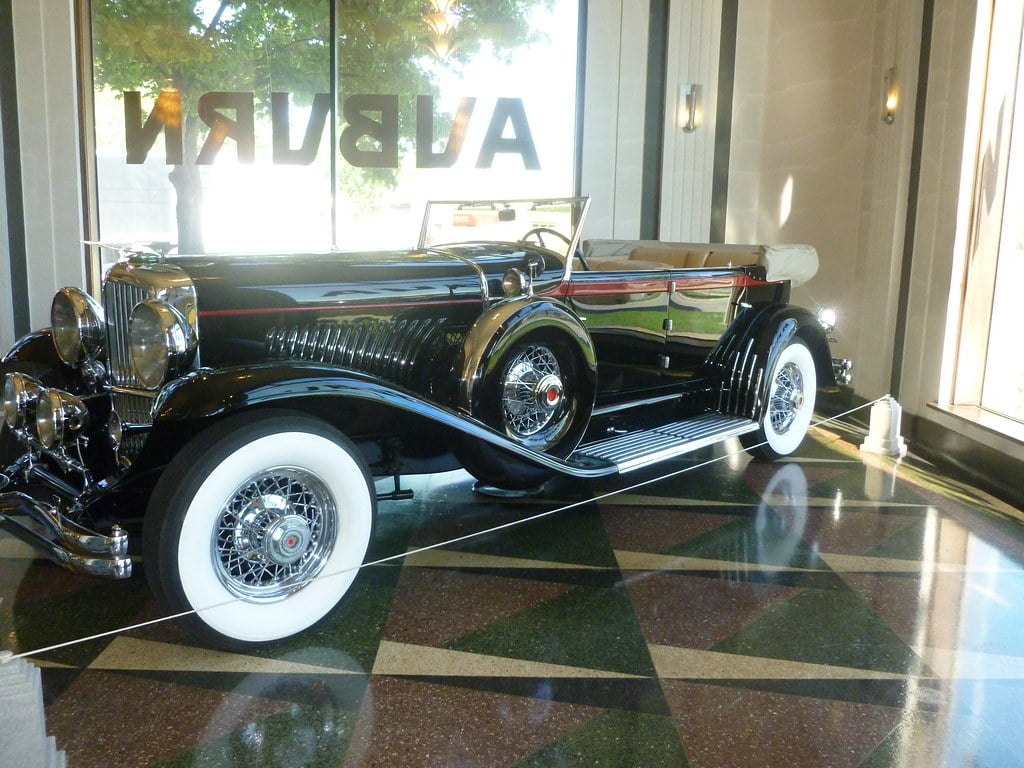
This Indiana museum occupies the original 1930s national headquarters of the Auburn Automobile Company, a National Historic Landmark that perfectly captures the Art Deco elegance of its era. Over 120 classic, antique, and vintage cars spread across three floors celebrate the golden age of American automotive manufacturing.
The building itself is as much a part of the experience as the vehicles, with restored architectural details that transport visitors back to when Auburn, Cord, and Duesenberg represented the pinnacle of American automotive achievement.
Mullin Automotive Museum
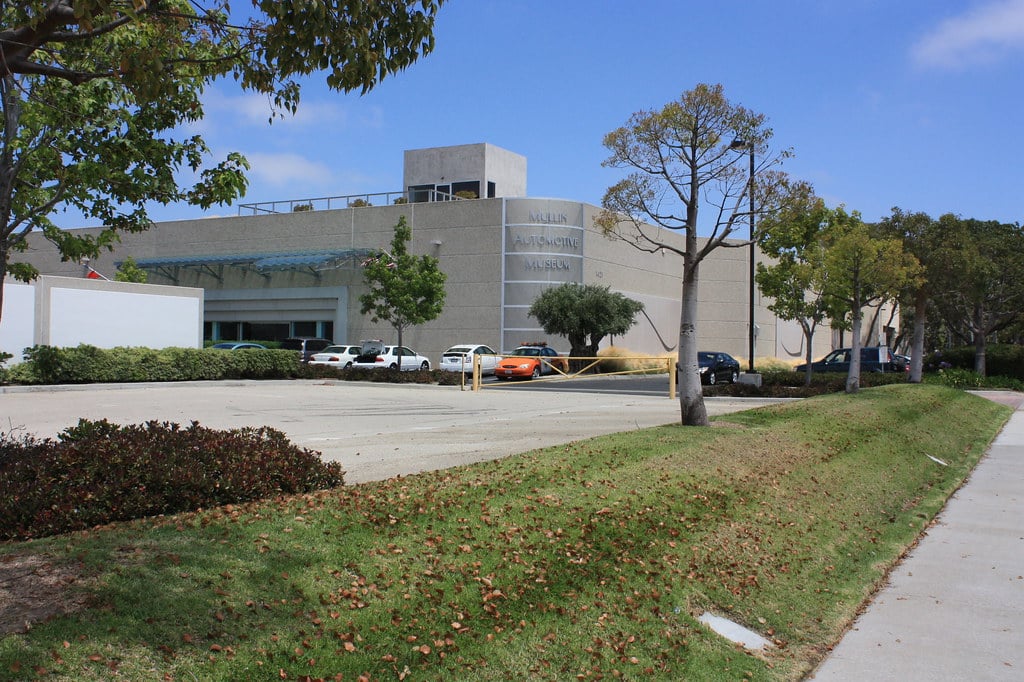
Peter Mullin’s private museum in Oxnard, California houses his personal passion—French Art Deco automobiles from the 1920s and 1930s. The collection contains over 140 pieces of automotive art from forgotten French coachbuilders who created masterpieces for Bugatti, Delage, Delahaye, and Hispano-Suiza.
Among the treasures is a 1936 Bugatti Type 57C Atlantic valued at $40 million, one of the most expensive cars in existence. Mullin believes these French automobiles represent the absolute pinnacle of twentieth-century art and design, and after seeing them, it’s hard to argue.
Museo Storico Alfa Romeo

Located in Arese, Italy, this museum underwent major renovations before showcasing six floors of stunning automotive art that celebrate the famed Italian marque. Alfa Romeo has often been overshadowed by Ferrari and Maserati in popular culture, but anyone who visits this museum leaves suitably impressed by the brand’s rich heritage.
The collection demonstrates why Alfa Romeo’s combination of racing prowess and elegant design has earned such devoted followers worldwide.
Simeone Foundation Automotive Museum

Philadelphia’s Simeone Foundation houses an incredible collection that includes everything from a 1913 Mercer Raceabout to the only unrestored Shelby Cobra Daytona Coupe left in the world. The museum distinguishes itself by actually running these historic machines on demonstration days rather than keeping them as static displays.
This philosophy that cars should be seen in motion, not just admired as statuary, gives Simeone a unique energy that sets it apart from more traditional automotive museums.
Nethercutt Collection

Tucked away in the Sylmar neighborhood of Los Angeles, the Nethercutt Collection features over 250 rare, antique, and collectible cars alongside fascinating automotive memorabilia. Split between two buildings with an outdoor exhibit that even includes two early 1900s locomotives, the museum maintains every vehicle in like-new condition.
Founder J.B. Nethercutt logged a record six wins at the Pebble Beach Concours d’Elegance, and that commitment to perfection is evident throughout the collection.
Museo Enzo Ferrari
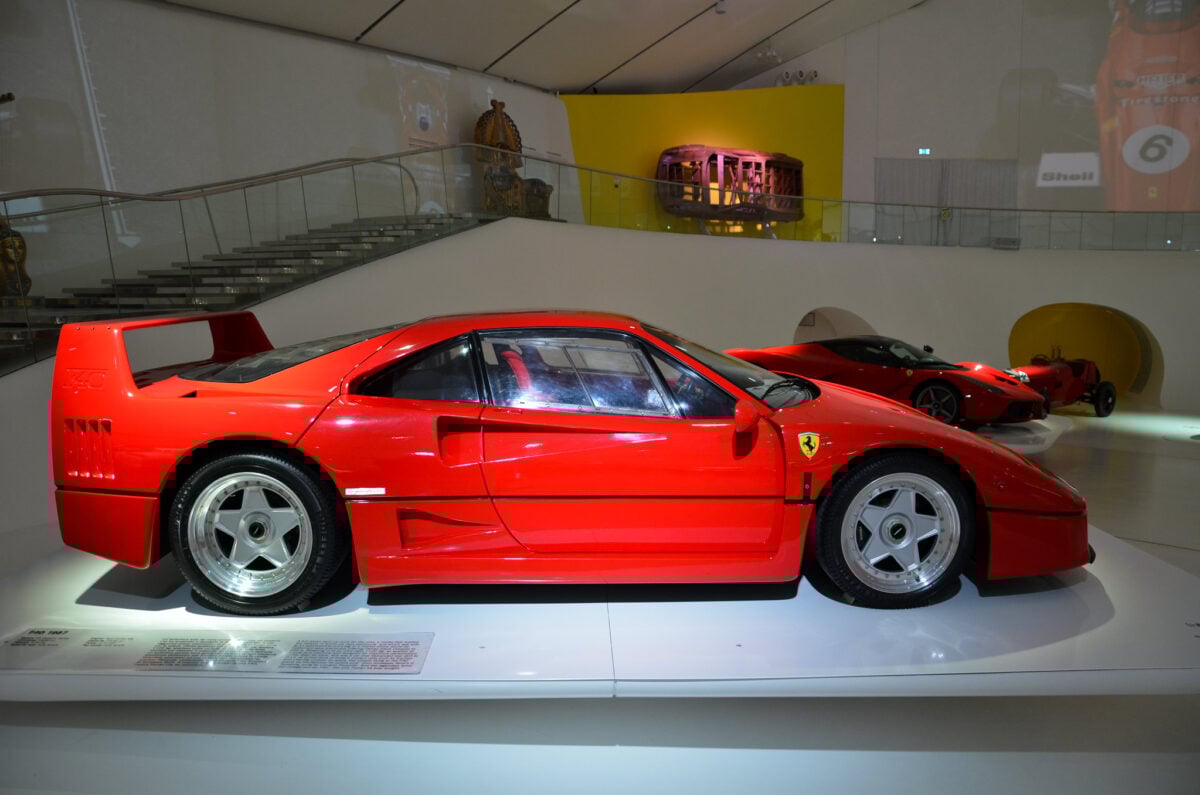
This Modena museum transformed Enzo Ferrari’s actual birthplace into an exhibition space that honors the man behind the legend. The distinctive yellow roof has become an architectural landmark, sheltering rotating displays of Ferrari road and race cars alongside rare memorabilia and many of Enzo’s personal possessions.
It offers a more intimate perspective on Ferrari’s story compared to the larger Maranello facility, focusing on the human side of the company’s founder and the early days when he was building his dream.
From Factory Floors to Global Icons

The world’s premier car museums preserve more than just vehicles—they safeguard the stories of innovation, competition, and cultural transformation that defined the twentieth century. These institutions have evolved from manufacturer afterthoughts into essential cultural destinations where architecture, art, and engineering excellence converge.
Whether you’re drawn to Art Deco French masterpieces or Japanese innovations in sustainable technology, these museums offer windows into how automobiles reshaped human civilization. The machines that once rolled off assembly lines now inspire new generations of engineers, designers, and dreamers who’ll create tomorrow’s automotive legends.
More from Go2Tutors!

- The Romanov Crown Jewels and Their Tragic Fate
- 13 Historical Mysteries That Science Still Can’t Solve
- Famous Hoaxes That Fooled the World for Years
- 15 Child Stars with Tragic Adult Lives
- 16 Famous Jewelry Pieces in History
Like Go2Tutors’s content? Follow us on MSN.



