Historic Treaties That Reshaped Continents
Throughout history, diplomats and leaders have gathered around tables to sign documents that changed the world forever. These agreements moved borders, created new nations, ended wars, and sometimes planted the seeds for future conflicts.
Some treaties brought peace after devastating wars, while others carved up territories like a pie at a dinner party. The deals made in quiet rooms and grand palaces didn’t just affect the people living at that time—they created ripples that still shape our world today.
Let’s look at the treaties that literally redrew the map and changed life for millions of people across entire continents.
The Treaty of Tordesillas
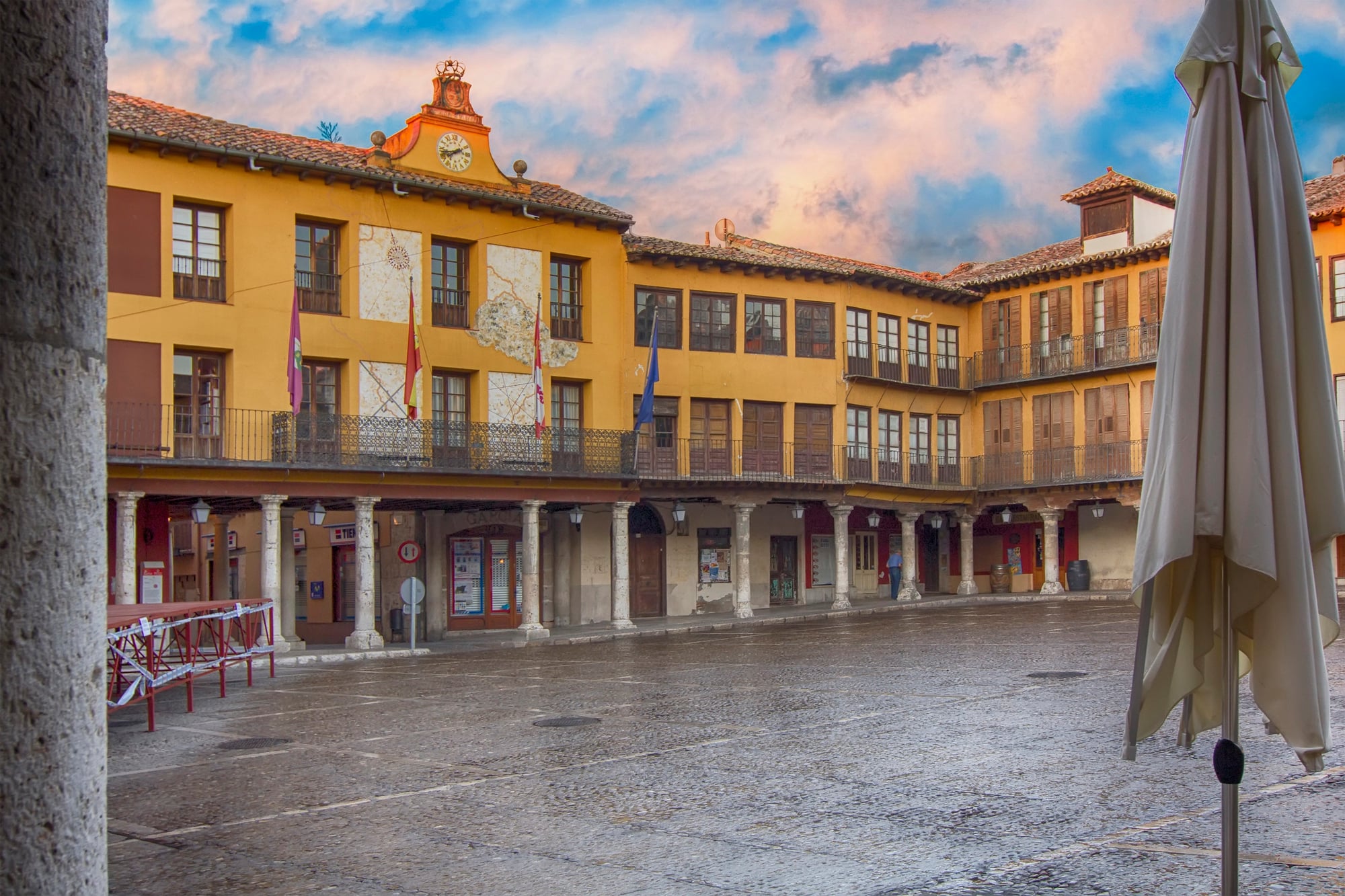
Pope Alexander VI had a wild idea in 1494—he’d split the entire unknown world between Spain and Portugal with a single line. The Treaty of Tordesillas drew an imaginary line down the Atlantic Ocean, roughly 1,100 miles west of the Cape Verde islands.
Everything to the west belonged to Spain, and everything to the east went to Portugal. This is why Brazil speaks Portuguese today while the rest of South America speaks Spanish.
The two Catholic powers actually agreed to this arrangement, believing they had the right to divide lands where millions of people already lived. Other European nations like England and France completely ignored this treaty and colonized wherever they wanted anyway.
The Peace of Westphalia
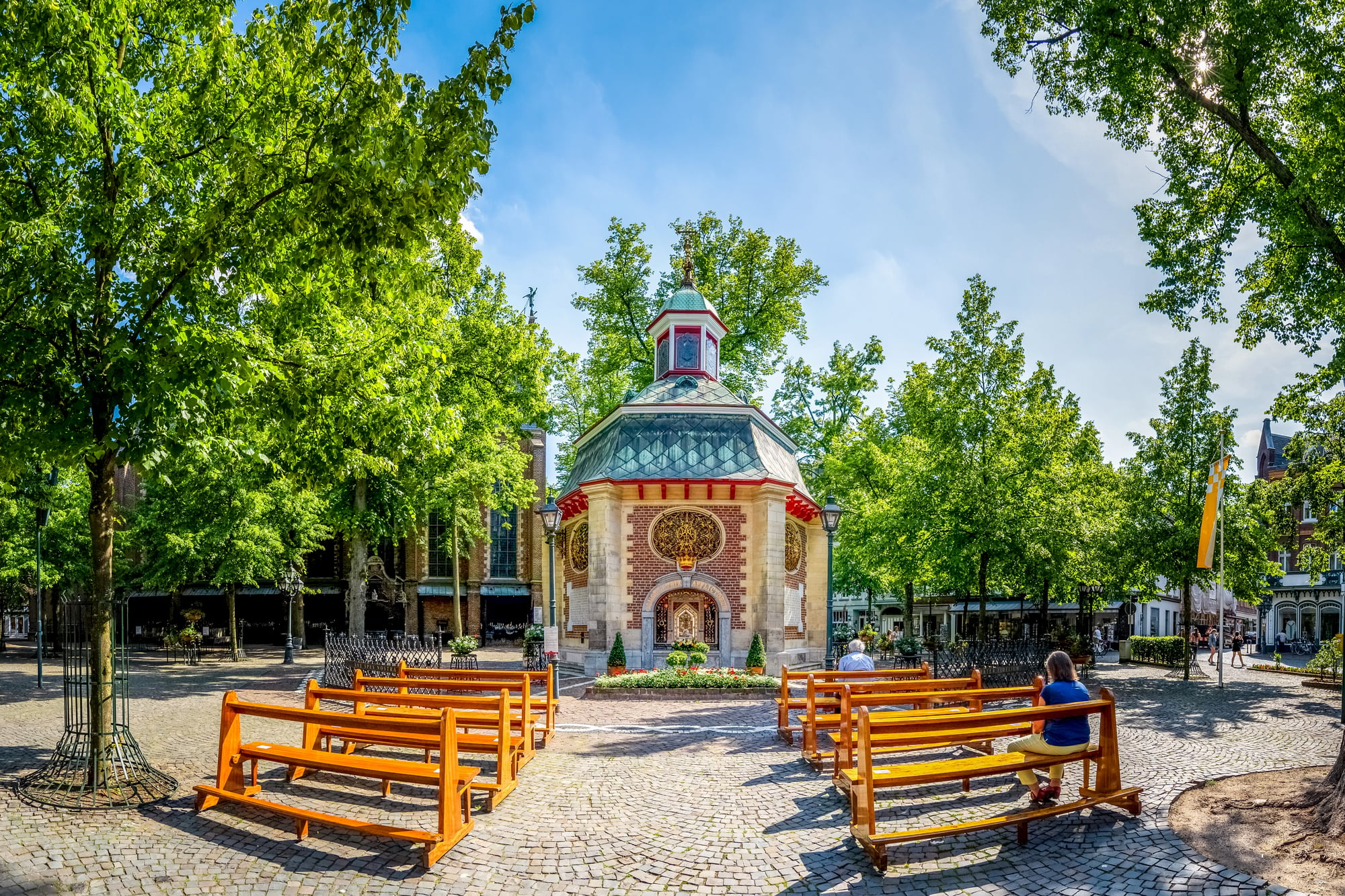
The Thirty Years’ War turned Europe into a bloodbath from 1618 to 1648, killing millions through battle, disease, and famine. The Peace of Westphalia in 1648 didn’t just end this nightmare—it created the modern concept of the nation-state.
Before this treaty, emperors and popes claimed authority over vast territories, but Westphalia said each country gets to control its own affairs without outside interference. The agreement recognized over 300 German states within the Holy Roman Empire and gave them real independence.
Switzerland and the Netherlands gained official recognition as independent countries. This treaty basically invented international relations as we know them today.
The Treaty of Paris (1763)
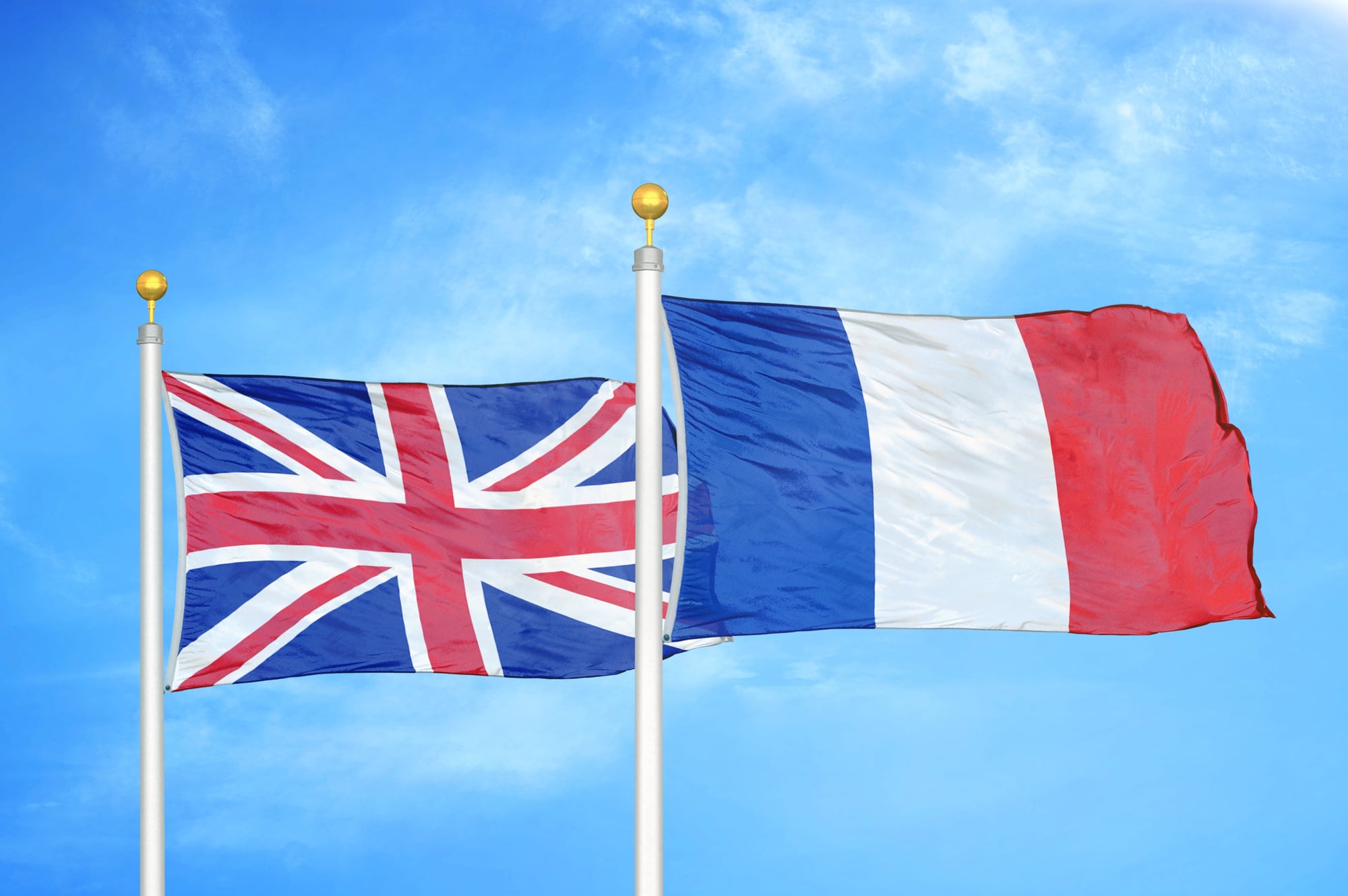
Britain and France spent years fighting over who would control North America, and the Treaty of Paris in 1763 settled the score. France lost almost everything—they handed over Canada and all their lands east of the Mississippi River to Britain.
Spain got Louisiana from France as compensation for losing Florida to Britain. The French empire in North America basically vanished overnight.
Native American tribes who had allied with France suddenly found themselves dealing with British rule, which changed everything for them. This treaty made Britain the dominant colonial power and set the stage for the American Revolution just a decade later.
The Treaty of Paris (1783)

The American colonies shocked the world by defeating Britain, and the 1783 Treaty of Paris made it official. Britain recognized the United States as an independent nation with borders stretching from the Atlantic Ocean to the Mississippi River.
The new country gained fishing rights off Canadian coasts and agreed to recommend that states restore property taken from British loyalists. Britain also returned Florida to Spain in a separate agreement.
This treaty created the first major colony to successfully break away from a European power, inspiring independence movements worldwide. The borders established weren’t perfect and led to disputes that took decades to resolve.
The Congress of Vienna

Napoleon Bonaparte terrorized Europe for years, and after his defeat in 1815, the Congress of Vienna tried to put things back together. The major powers—Britain, Russia, Austria, and Prussia—redrew European borders to create a balance of power that would prevent another Napoleon.
They restored monarchies that the French Revolution had toppled and created the German Confederation from dozens of small states. Poland got divided again between Russia, Prussia, and Austria.
The Netherlands and Belgium were combined into one kingdom, though Belgium would break away in 1830. This treaty kept major wars out of Europe for almost a century, though it ignored the wishes of regular people entirely.
The Treaty of Guadalupe Hidalgo
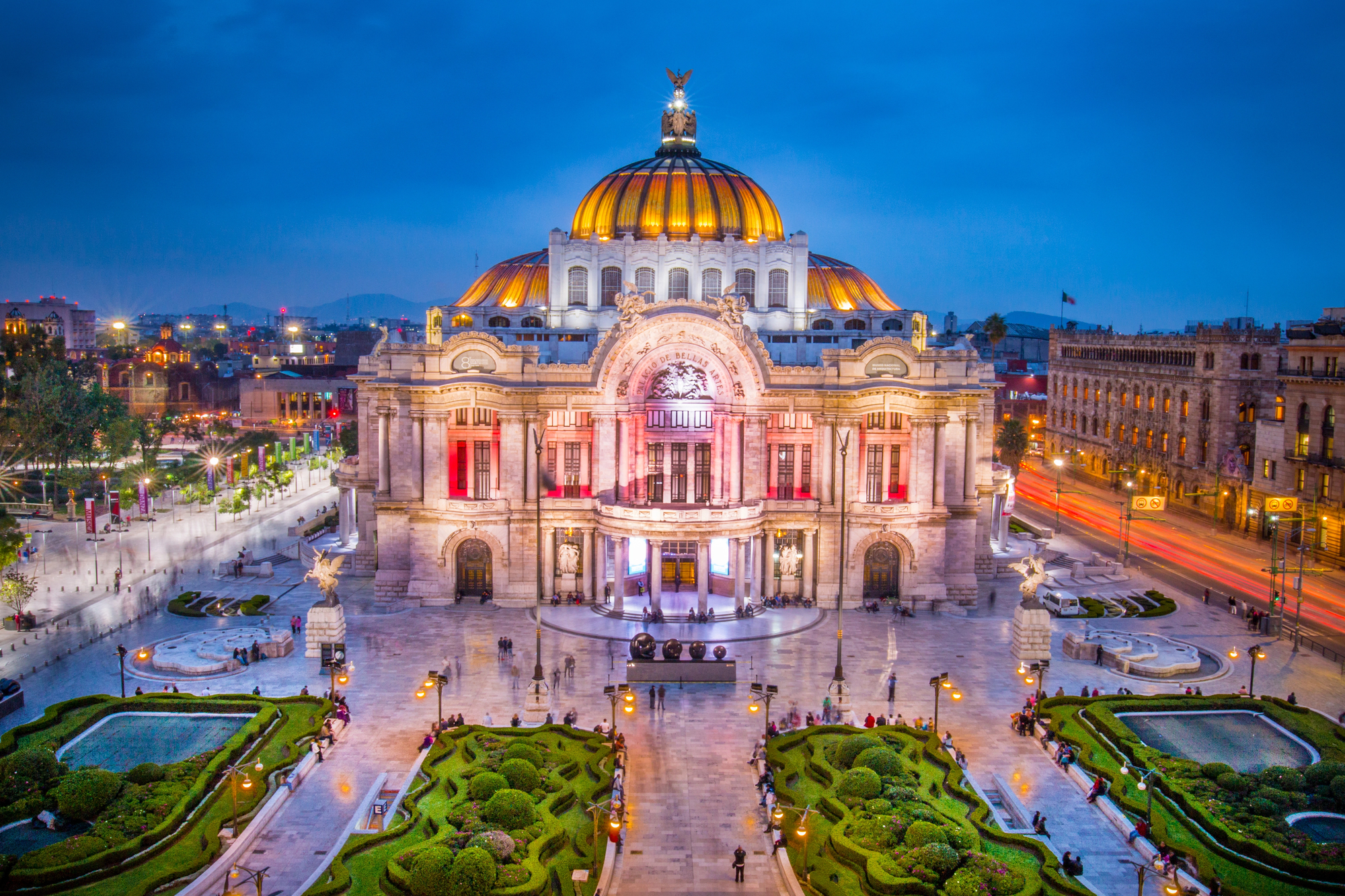
Mexico lost almost half its territory to the United States through the Treaty of Guadalupe Hidalgo in 1848. The U.S. gained what would become California, Nevada, Utah, Arizona, New Mexico, and parts of Colorado and Wyoming—roughly 525,000 square miles of land.
Mexico received $15 million and the U.S. assumed $3.25 million in debts Mexico owed to American citizens. About 80,000 Mexicans living in these territories suddenly became American residents, though many faced discrimination despite promises of equal treatment.
The discovery of gold in California the same year made this deal look even worse for Mexico. This treaty fundamentally changed the shape and future of both nations.
The Treaty of Waitangi

British colonizers and Maori chiefs signed the Treaty of Waitangi in 1840, which made New Zealand a British colony. The problem was that the English and Maori versions said different things—the English text claimed Britain gained complete sovereignty, while the Maori version suggested they kept authority over their lands.
This confusion led to wars and land disputes that continue today. The treaty promised Maori people the same rights as British subjects and guaranteed their ownership of lands, forests, and fisheries.
Reality didn’t match these promises, as European settlers took Maori lands through questionable purchases and outright seizures. New Zealand still wrestles with honoring this treaty and addressing historical injustices.
The Treaty of Nanking
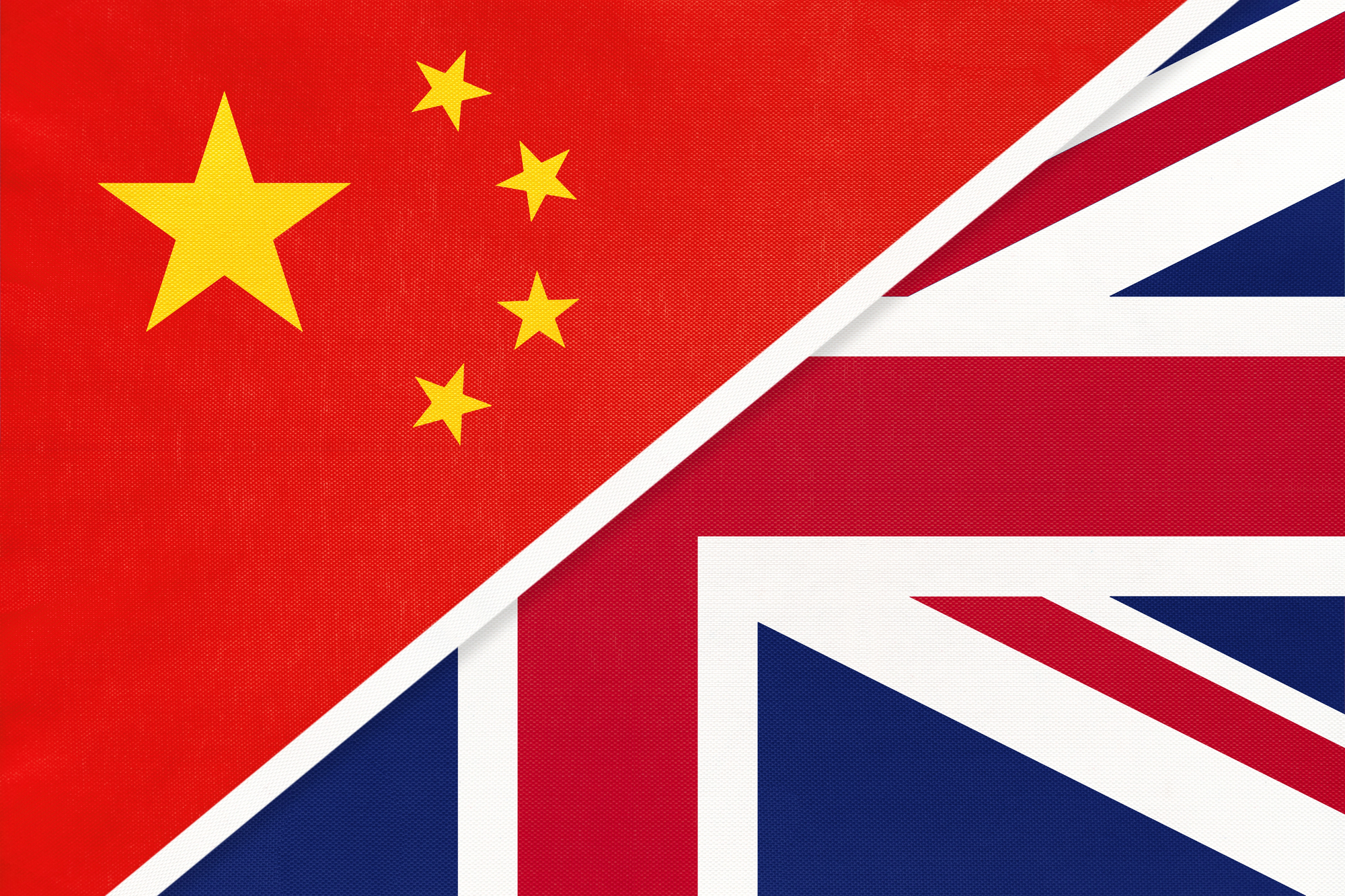
Britain forced China to sign the Treaty of Nanking in 1842 after winning the First Opium War. China had to give Hong Kong Island to Britain, open five ports to British trade, and pay a huge sum of money.
The treaty also set low tariffs that hurt Chinese merchants and gave British citizens special legal protections on Chinese soil. This marked the beginning of what China calls the ‘century of humiliation,’ where foreign powers carved out pieces of Chinese territory and influence.
Other Western nations and Japan soon demanded similar treaties with special privileges. Hong Kong remained under British control until 1997, and the effects of these unequal treaties still influence Chinese foreign policy today.
The Treaty of Versailles
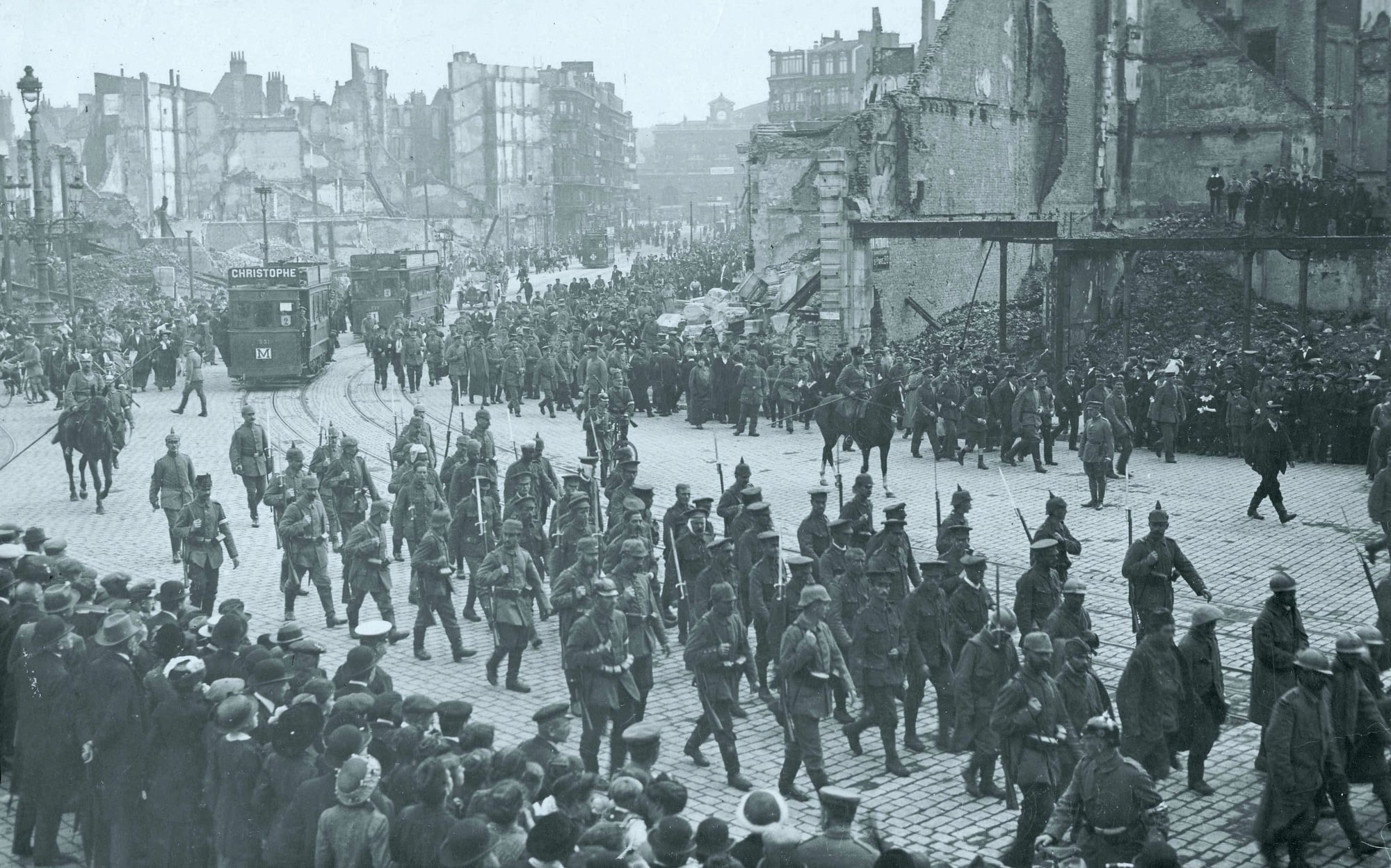
World War I killed millions and destroyed empires, and the Treaty of Versailles in 1919 tried to build a new order from the ashes. Germany lost territory to France, Poland, Belgium, and Denmark, while being forced to accept total blame for the war.
The treaty demanded crushing financial payments from Germany and limited their military to a tiny defensive force. Austria-Hungary got broken into separate nations, creating Yugoslavia, Czechoslovakia, and restoring Poland after more than a century.
The harsh terms humiliated Germany and crippled their economy, creating resentment that Adolf Hitler later exploited. Many historians argue this treaty helped cause World War II by being too punitive.
The Sykes-Picot Agreement
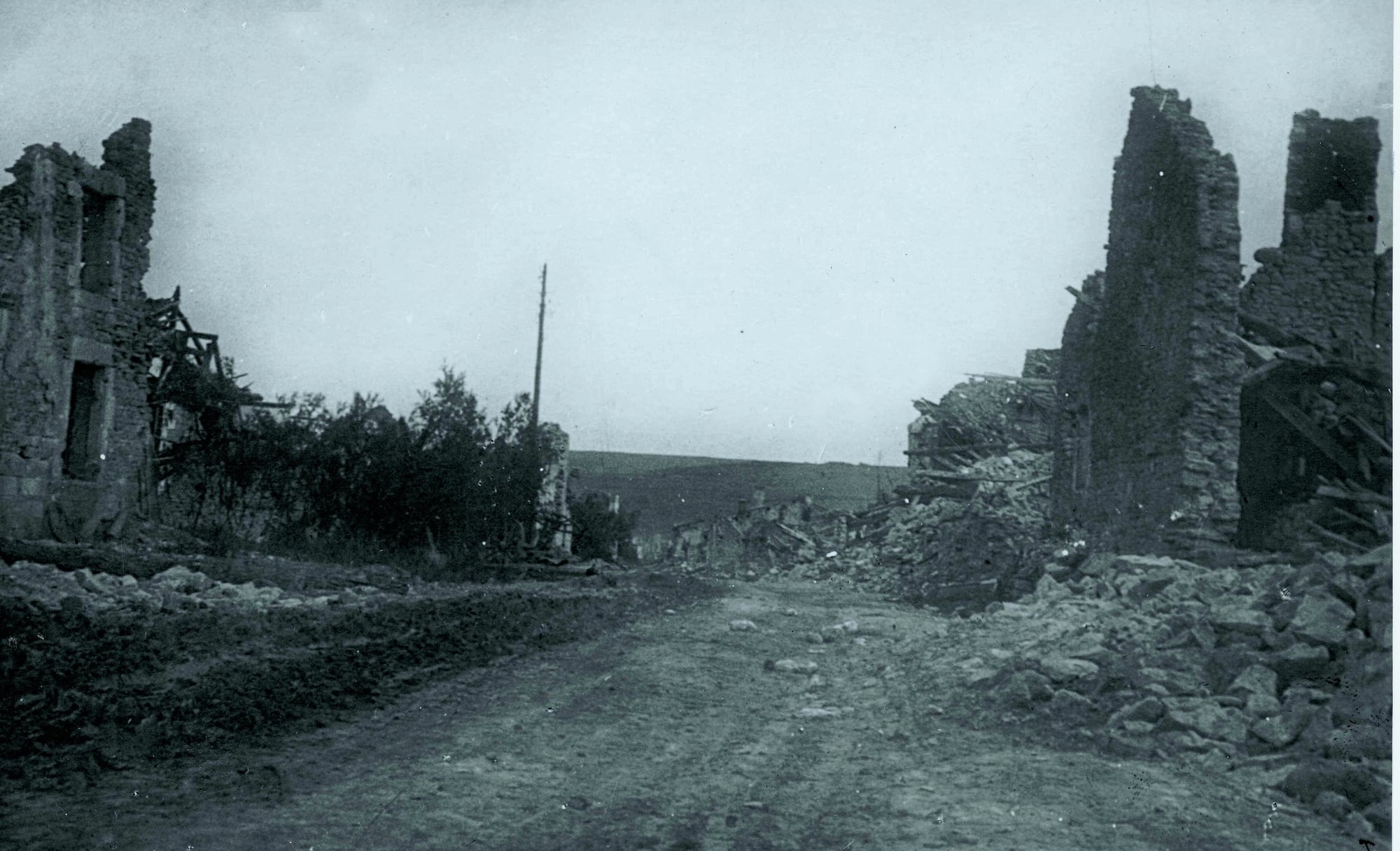
Britain and France secretly carved up the Ottoman Empire in 1916 while World War I still raged. The Sykes-Picot Agreement drew straight lines across the Middle East, creating artificial borders that ignored ethnic and religious groups.
France got control over Syria and Lebanon, while Britain took Iraq, Jordan, and Palestine. These boundaries grouped people together who didn’t want to live together and split communities that had existed for centuries.
The agreement contradicted promises Britain had made to Arab leaders about independence after the war. The Middle East still deals with conflicts rooted in these arbitrary borders drawn by colonial powers.
The Treaty of Trianon
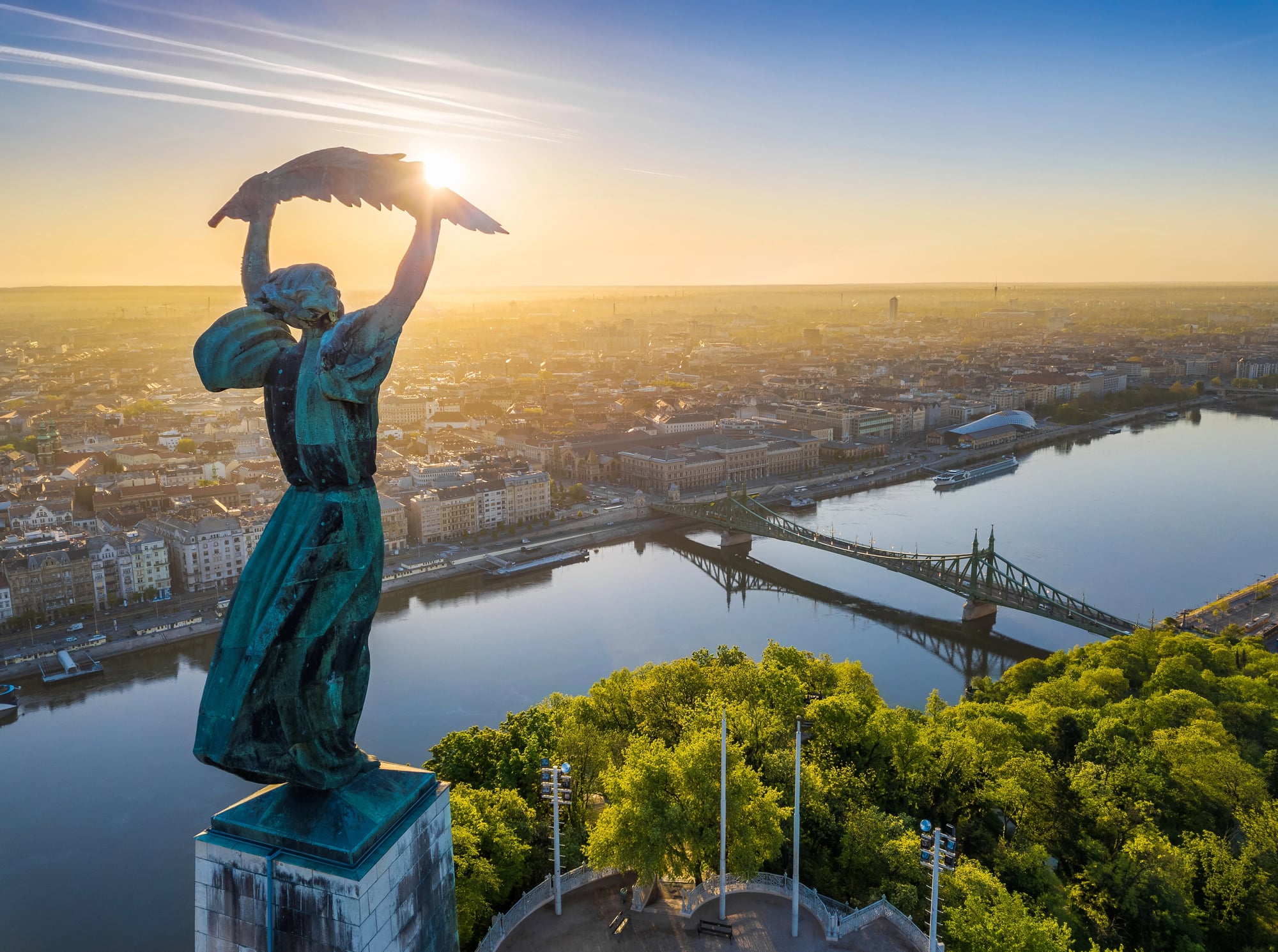
Hungary lost roughly two-thirds of its territory through the Treaty of Trianon in 1920, one of the most severe territorial losses any nation has suffered. Romania, Czechoslovakia, Yugoslavia, and Austria all gained Hungarian lands, leaving millions of ethnic Hungarians living outside their homeland.
The treaty reduced Hungary’s population from 20 million to 7.6 million almost overnight. Hungarians still consider this treaty one of the greatest injustices in their history.
The loss included important agricultural and industrial regions, crippling the Hungarian economy. This resentment led Hungary to ally with Nazi Germany in World War II, hoping to regain lost territories.
The Munich Agreement
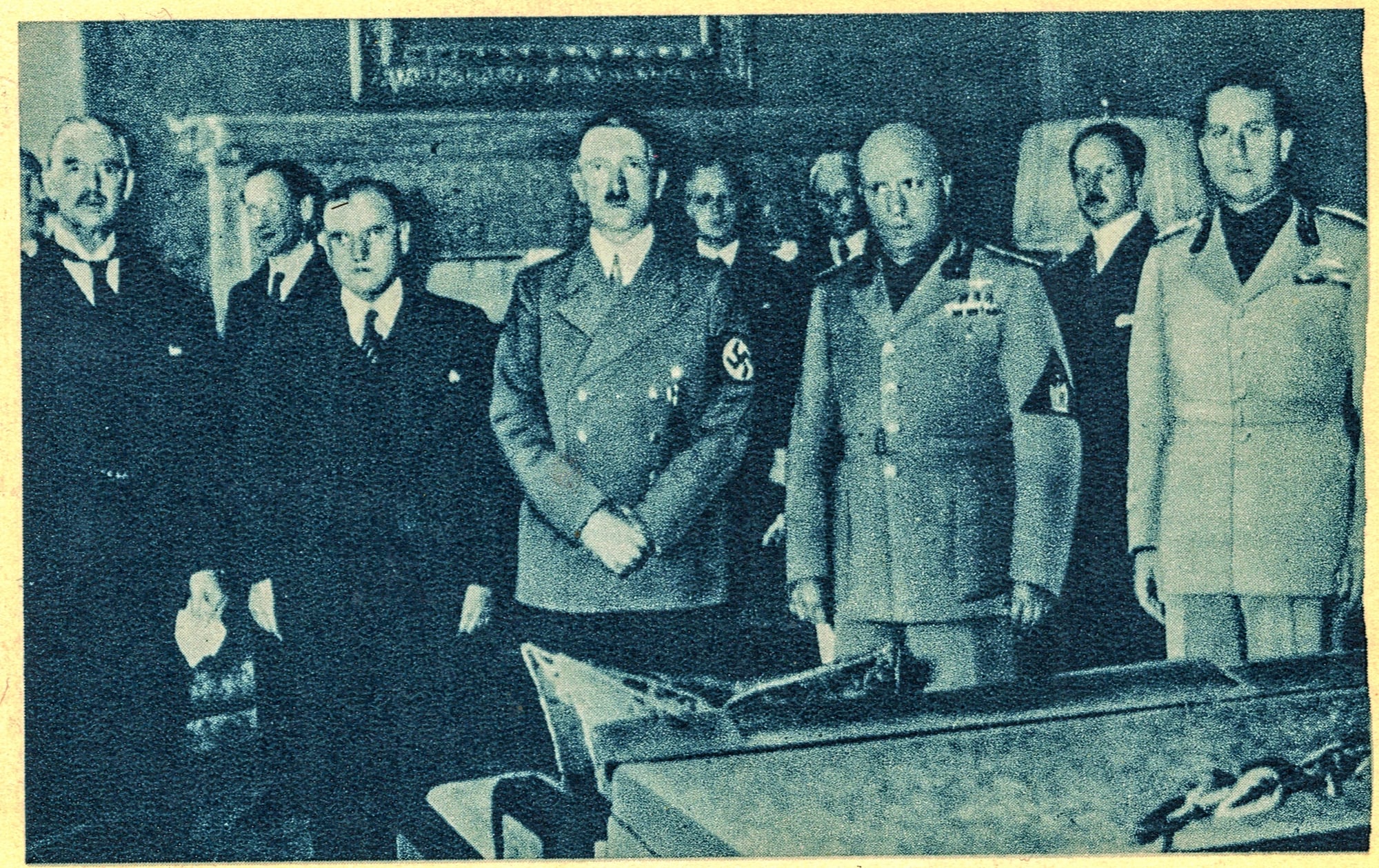
European leaders tried to prevent war in 1938 by letting Hitler take parts of Czechoslovakia through the Munich Agreement. Britain and France hoped appeasing Germany would satisfy Hitler’s ambitions and maintain peace.
Czechoslovakia wasn’t even invited to the meeting where its territory was given away. The Sudetenland region, home to three million people, went to Germany without a fight.
This agreement didn’t prevent war—it just convinced Hitler that Western powers were weak and wouldn’t stop his expansion. Within months, Germany took the rest of Czechoslovakia, and World War II began less than a year later.
The Yalta Agreement
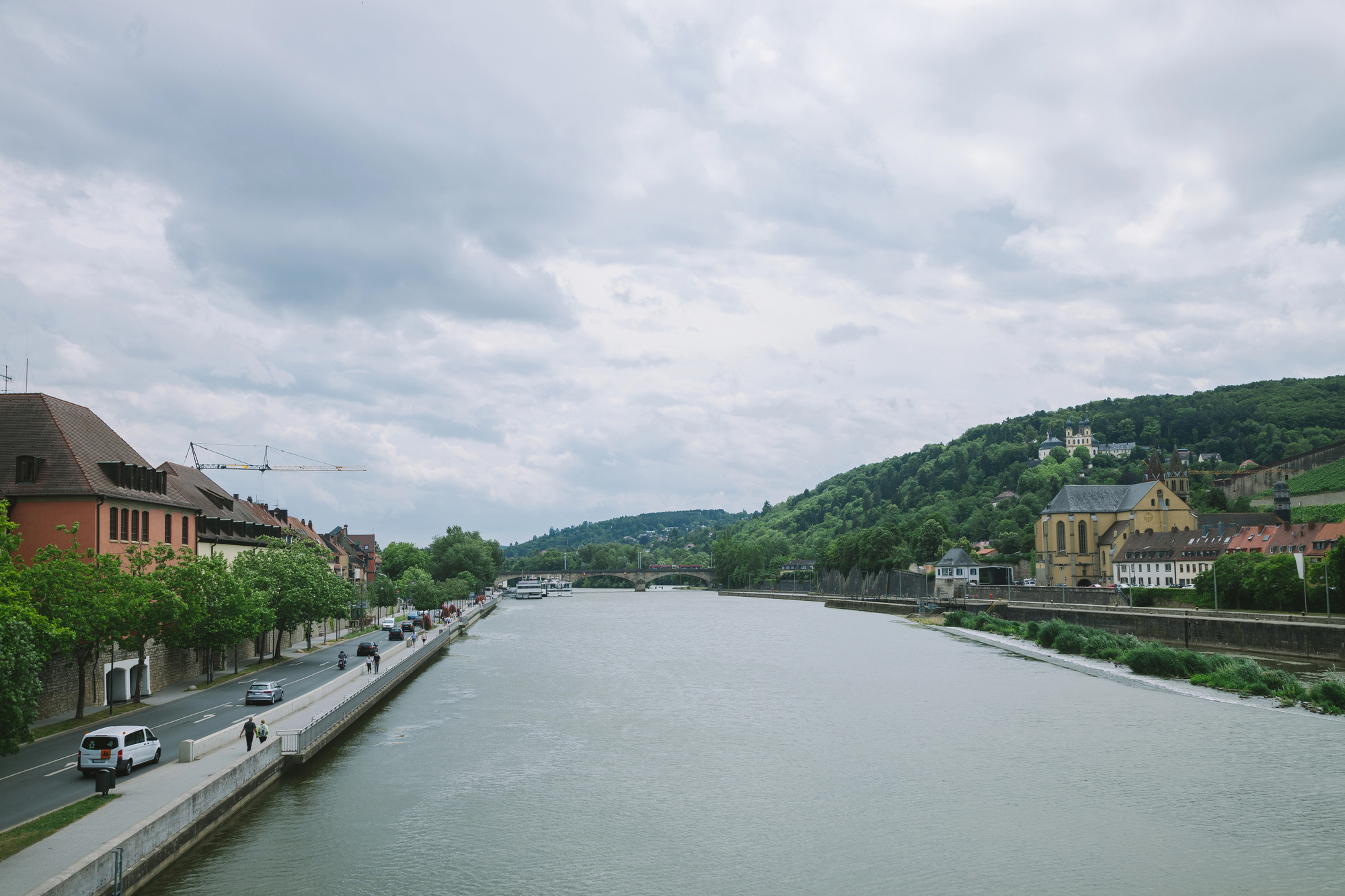
The big three Allied leaders—Roosevelt, Churchill, and Stalin—met at Yalta in 1945 to decide Europe’s fate as World War II ended. They agreed to divide Germany into occupation zones and let the Soviet Union control Eastern Europe.
Stalin promised free elections in Poland and other Eastern European countries, a promise he never intended to keep. The agreement effectively created the Iron Curtain and set up the Cold War that would dominate global politics for decades.
Critics argue that Roosevelt and Churchill gave Stalin too much, while defenders say they had little choice given Soviet military power. Eastern Europeans lived under communist rule for the next 45 years because of decisions made at this conference.
The Treaty of Rome
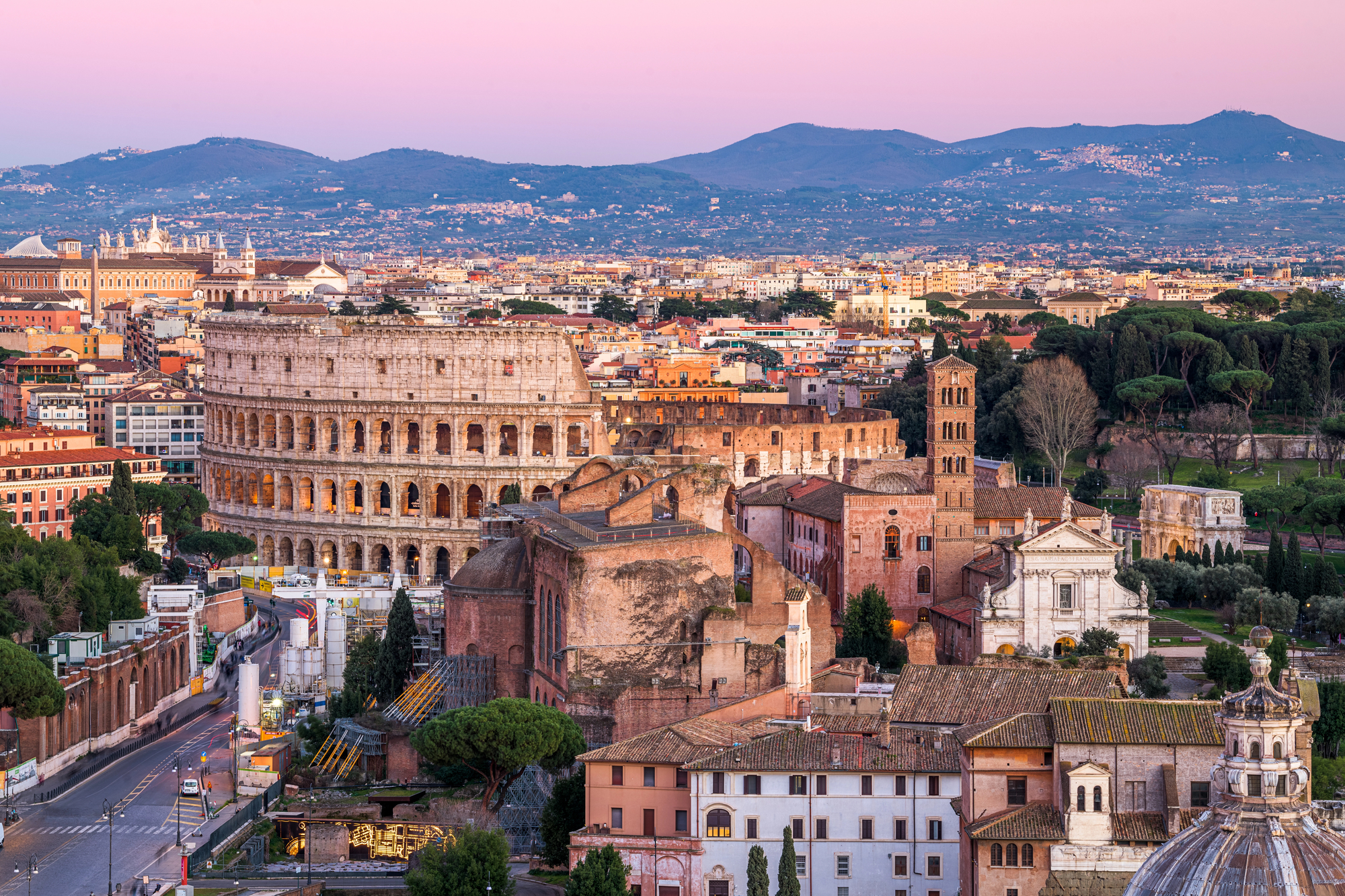
Six European nations decided to tie their economies together through the Treaty of Rome in 1957, creating what became the European Union. Belgium, France, Italy, Luxembourg, the Netherlands, and West Germany formed the European Economic Community to prevent another war.
The treaty removed trade barriers and allowed people, goods, and money to move freely between member countries. This economic union gradually expanded to include political cooperation and eventually a common currency.
Today’s European Union, with 27 member nations, traces its roots directly to this treaty. The agreement proved that former enemies could become partners, though recent tensions show the project remains a work in progress.
The Antarctic Treaty

Twelve countries came together in 1959 to sign the Antarctic Treaty, making the whole continent a place for calm science work. It put territorial demands on hold while outlawing weapons use and atomic tests down there.
Nations promised to swap findings and check one another’s bases so everyone followed the rules. Thanks to this deal, Antarctica stayed clear of conflict during heated Cold War times.
More than fifty countries are part of the deal now, so it’s seen as a big win worldwide. Still, Antarctica stands alone – no one lives there for good, and no country fights over land.
The Camp David Accords
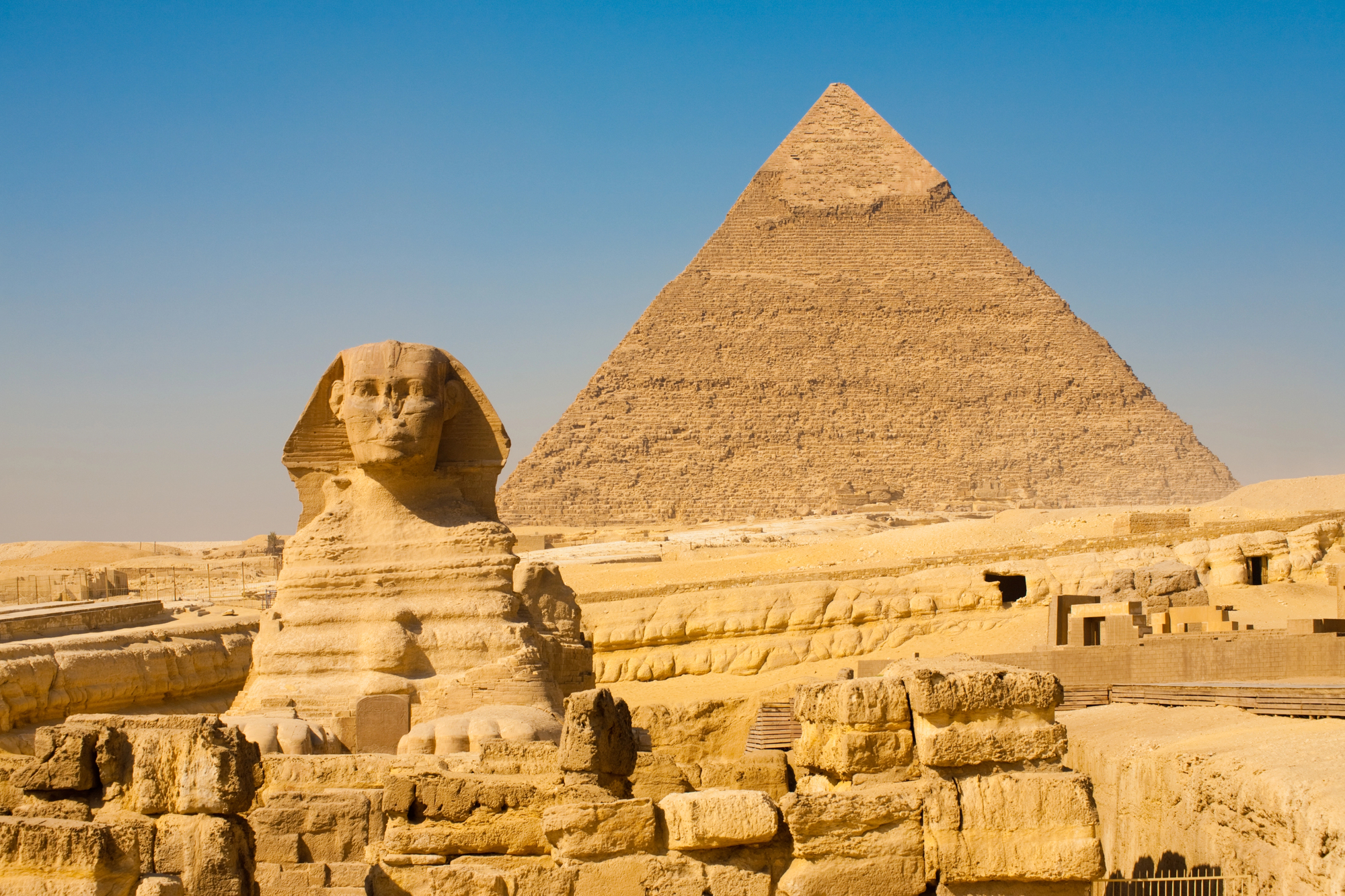
Egypt’s leader Anwar Sadat met Israel’s PM Menachem Begin at Camp David back in ’78 – putting a stop to three decades of conflict. Instead of fighting, Egypt chose to acknowledge Israel as a real country; meanwhile, Israel gave up control of the Sinai land it took during battles.
Because of this deal, both nations started talking like allies and let people cross their shared border. Even though hardliners killed Sadat just a few years after for making peace, the agreement didn’t fall apart.
This leap forward didn’t fix the wider clash between Israelis and Palestinians, but it did take away the risk of fighting between Israel and its strongest Arab neighbor. Peace has held strong through more than four decades – even with chaos flaring up nearby.
The Maastricht Treaty
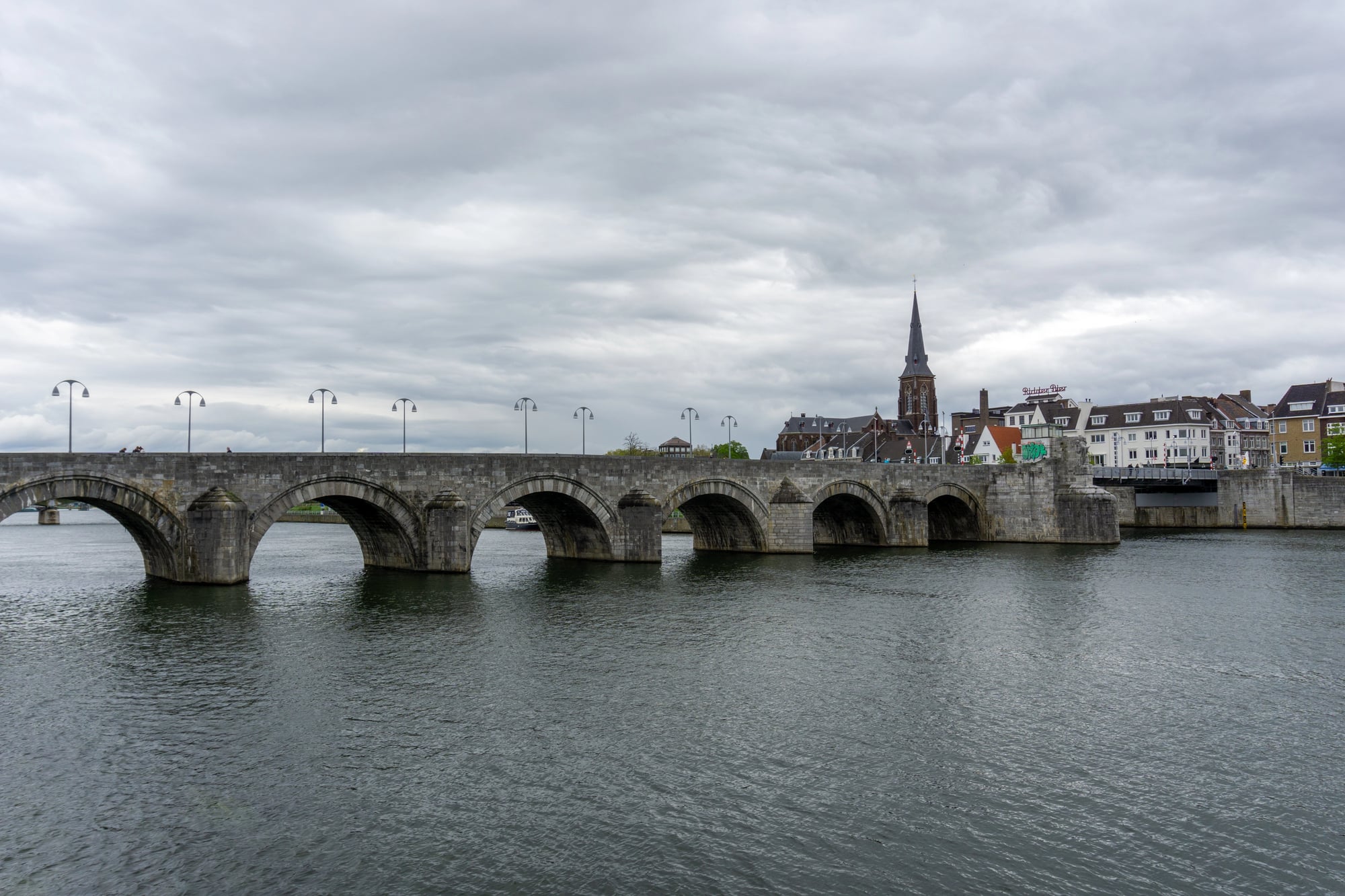
The Maastricht Treaty back in ’92 turned the European Economic Community into the EU – also introducing the euro. Instead of acting alone, European countries chose to align their foreign policies, legal frameworks, or immigration guidelines without giving up national control.
To join the eurozone, each nation had to meet tight financial conditions. People from member states could now settle, find jobs, or pursue education across any EU country.
This deal pushed Europe closer together than ever before – yet the UK, Denmark, and Sweden stayed away from sharing one cash. The euro kicked off in ’99; now more than 340 million folks rely on it daily.
The Dayton Agreement
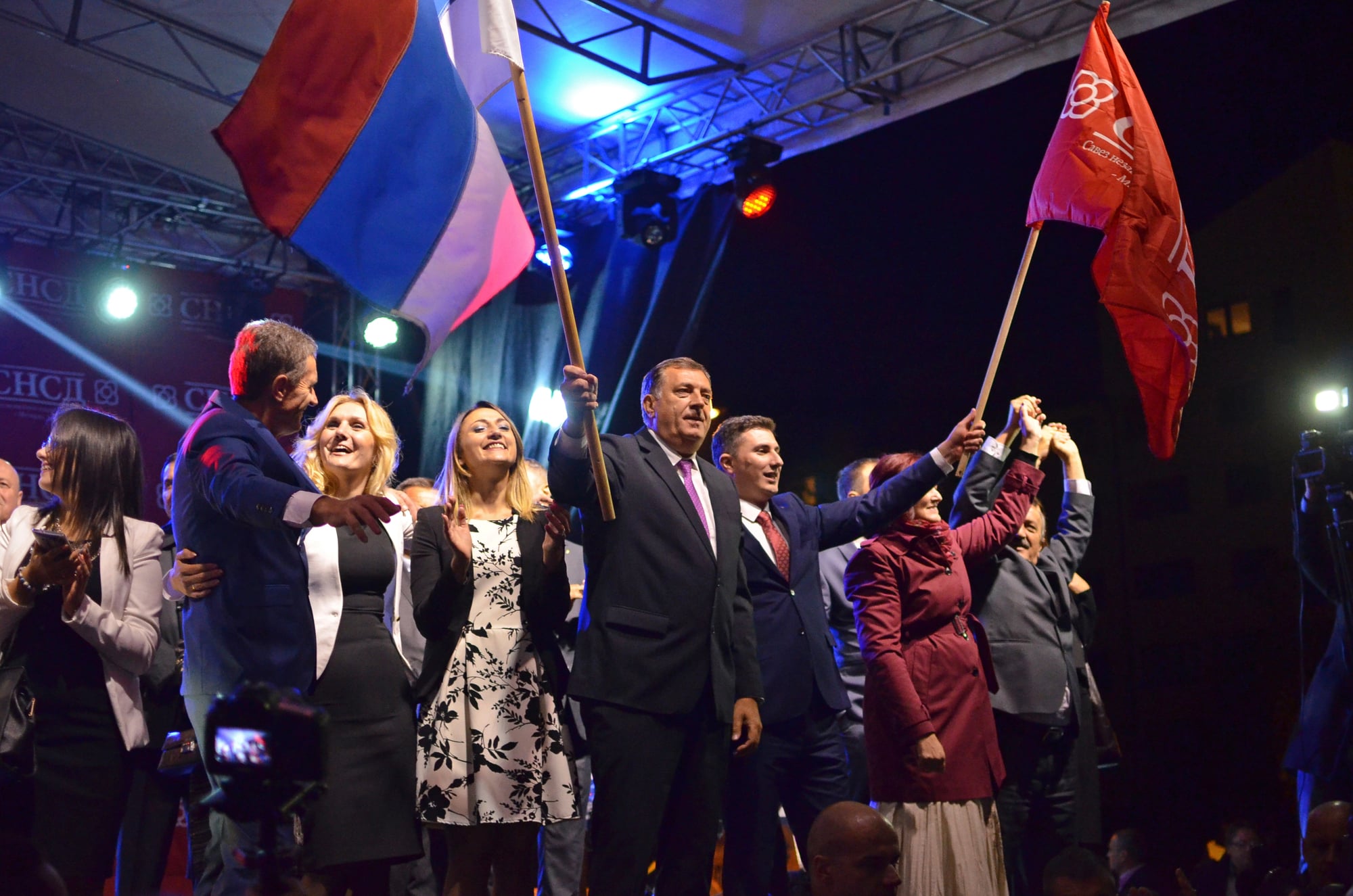
Bosnia ripped itself to pieces because of fighting between ethnic groups; back in 1995, the Dayton deal brought an end to the bloodshed. That pact carved up Bosnia and Herzegovina into two parts – one called the Federation of Bosnia and Herzegovina, the other named Republika Srpska.
Foreign troops showed up to make sure everyone followed the rules instead of picking up weapons again. People accused of war crimes got taken to court overseas after being charged with brutal acts from the war.
The deal set up a complex setup meant to share authority among Bosniaks, Serbs, and Croats. Even now, divisions follow ethnic borders – yet the accord stopped fighting that had claimed more than 100,000 lives and forced countless others from their homes.
Ink that changed the world

Those deals didn’t only stop fights or move boundaries – they shaped the globe we see on walls in schools now. A few led to real calm and teamwork; meanwhile, some sparked tensions that keep hurting people today.
Officials gathering in grand buildings seldom thought about how their choices impacted villagers, merchants, or regular folks wanting a quiet life. Borders sketched on paper decided which tongue kids learned, what rules applied to them, even if they’d survive at all.
Knowing these deals shows how nations ended up friends or foes, reveals border lines on maps, and also explains unrest in specific areas. History sticks around – old agreements made ages back still affect lives today, even if most folks don’t notice them.
More from Go2Tutors!

- The Romanov Crown Jewels and Their Tragic Fate
- 13 Historical Mysteries That Science Still Can’t Solve
- Famous Hoaxes That Fooled the World for Years
- 15 Child Stars with Tragic Adult Lives
- 16 Famous Jewelry Pieces in History
Like Go2Tutors’s content? Follow us on MSN.



