Car Features That Became Illegal Later
Cars used to be simpler. You could modify them however you wanted, add whatever accessories seemed cool, and drive around without much concern for regulations.
Then accidents happened, studies emerged, and lawmakers started paying attention. Features that once seemed normal or even desirable gradually got banned as people realized they caused more problems than they solved.
These automotive elements worked fine until someone noticed they didn’t.
Pop-Up Headlights Failed Pedestrian Safety Tests
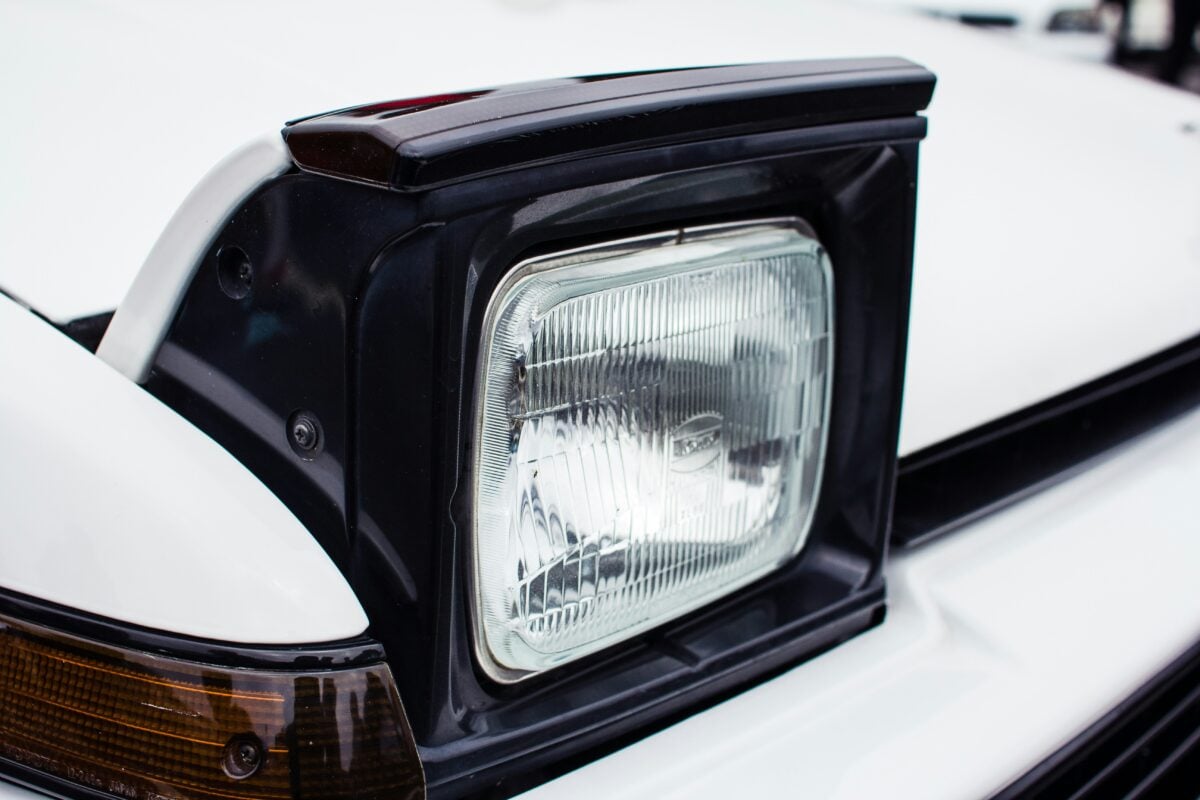
Those flip-up headlights that made sports cars look sleek in the 1980s and 1990s disappeared for a reason. When closed, they kept the car aerodynamic. When open, they provided adequate lighting.
The problem surfaced during pedestrian impact testing. If a car hit someone, those raised headlight assemblies acted like blunt weapons, causing severe leg and hip injuries.
European safety regulations essentially banned them in the early 2000s, and U.S. manufacturers followed suit since designing separate models for different markets costs too much. The last production car with pop-up headlights was the 2004 Chevrolet Corvette C5.
Designers mourned the loss, but broken femurs matter more than aesthetics.
Metal Dashboard Designs Became Head Injury Machines
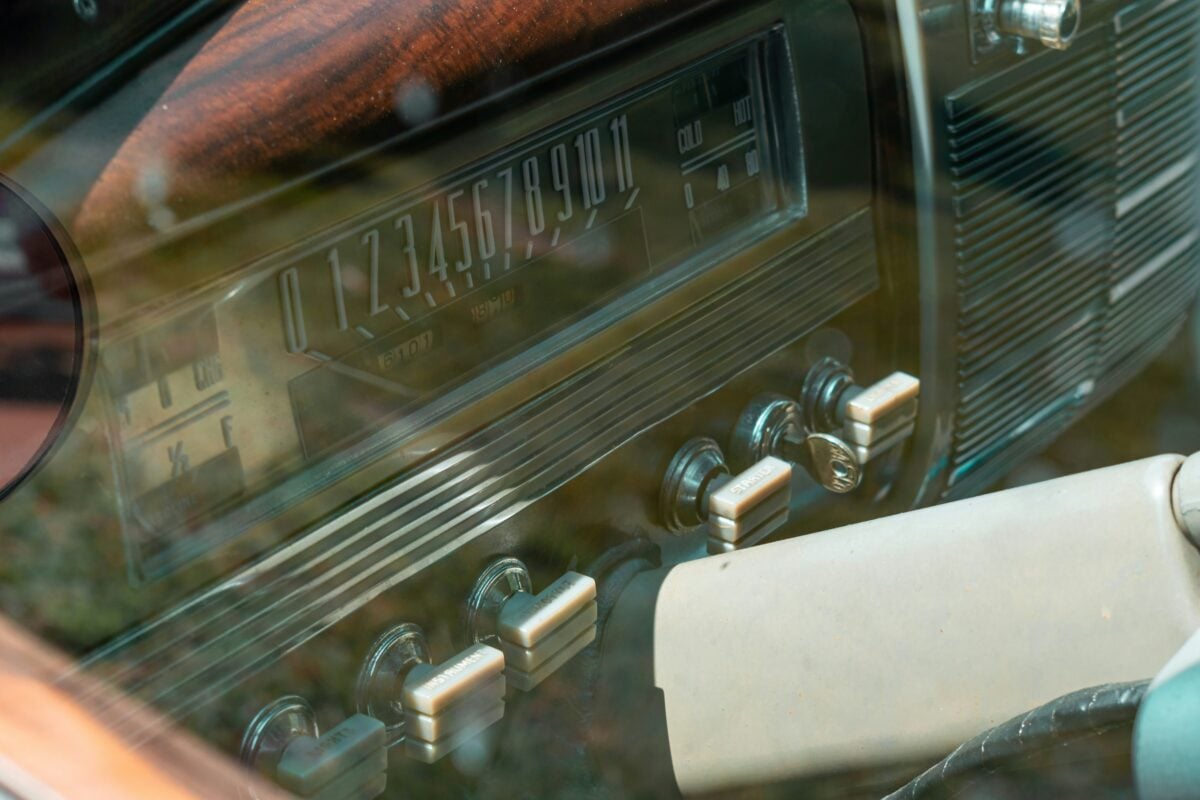
Early cars featured metal dashboards because that’s what made sense for durability. Chrome, steel, and brushed aluminum—all looked great and lasted forever.
Then crash testing revealed what happens when your face hits solid metal at 30 miles per hour. Skull fractures, brain injuries, and deaths piled up in accident reports.
Regulations in the 1960s required padded dashboards and recessed controls to reduce injury severity. The metal dash went from standard equipment to illegal practically overnight.
Modern dashboards use foam, plastic, and collapsible structures designed to absorb impact rather than reflect it back into your skull.
Bench Front Seats Eliminated Seatbelt Effectiveness
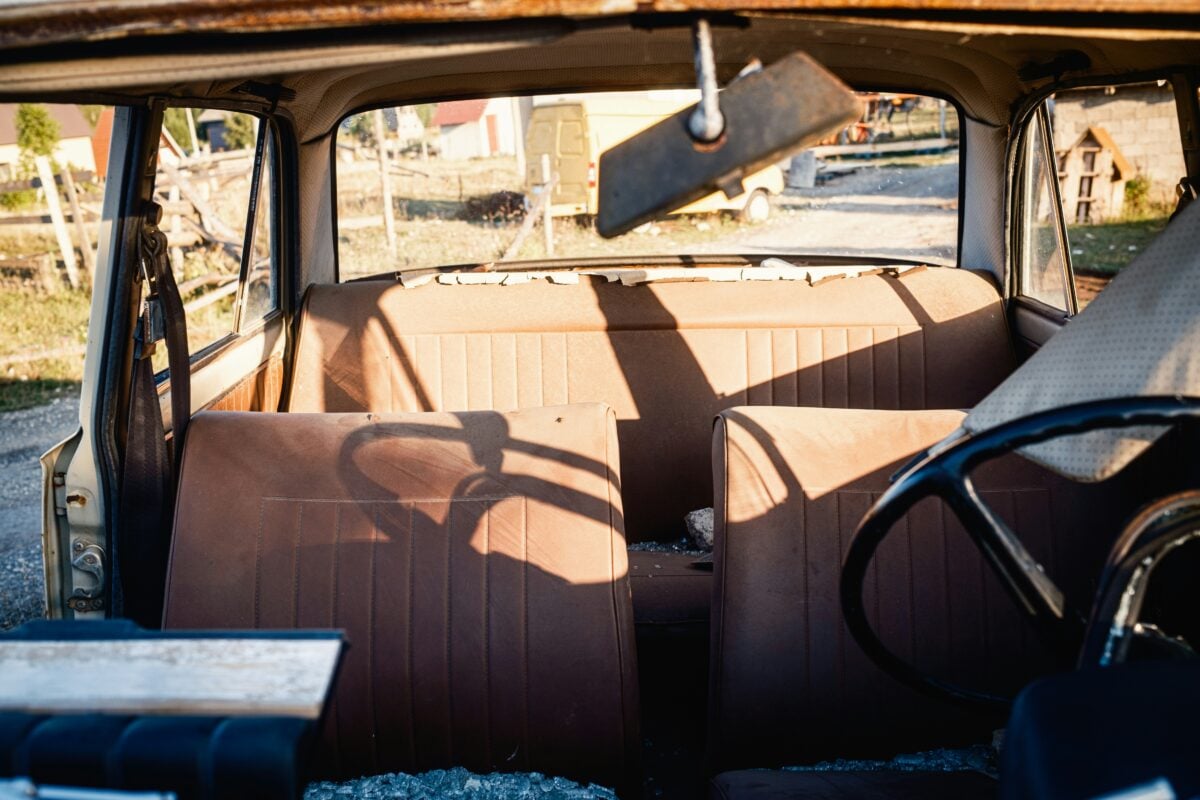
Three people sitting across the front seat was normal for decades. The middle position had no seatbelt or had a lap belt at best, which did almost nothing in crashes.
As seatbelt laws became universal and safety standards increased, the bench seat became impossible to make compliant. You can’t install three proper seatbelts with shoulder harnesses in a bench configuration without serious compromises.
Regulations requiring advanced restraint systems, airbags, and center consoles made the traditional bench seat extinct in new cars. You can still find them in some trucks, but passenger cars abandoned them entirely by the early 2000s.
Leaded Gasoline Poisoned Everyone

Tetraethyl lead was added to gasoline starting in the 1920s to prevent engine knock and boost octane ratings. For decades, this seemed like a pure benefit—better engine performance, fewer mechanical problems, cheaper fuel production.
Then scientists discovered lead particles from exhaust were accumulating in the environment and in people’s bodies. Children showed elevated blood lead levels, which caused cognitive impairment and behavioral problems.
The EPA began phasing out leaded gasoline in 1973, and it was banned entirely for on-road vehicles in 1996. Classic car owners can still get it for vintage engines, but pumping lead into the atmosphere is no longer considered acceptable automotive practice.
Decorative Hood Ornaments Became Impalement Risks
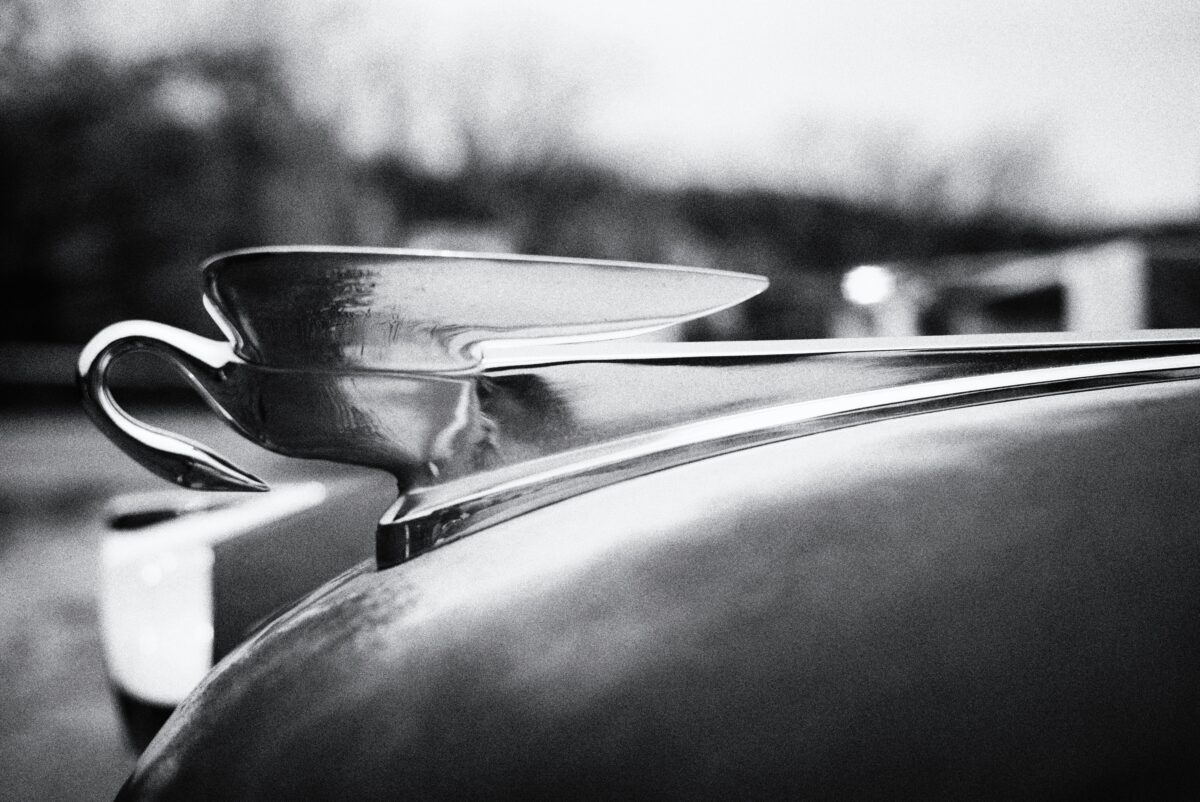
Mercedes-Benz had its three-pointed star. Jaguar had their leaping cat. Cadillac had various elegant sculptures. These hood ornaments defined luxury and brand identity for generations.
They also impaled pedestrians during accidents. Safety regulations in Europe and eventually the U.S. required that anything protruding from the front of a car either be flexible, retractable, or not exist.
Mercedes solved this by making their star retract on impact. Others went to flush-mounted badges. Some brands just gave up on the concept entirely.
The era of chrome animals and corporate symbols standing proudly at the front of cars ended because physics doesn’t care about tradition.
Whitewall Tires on Police Cars Reduced Visibility

This one’s more about policy than law, but it spread nationwide fast enough to count. Police departments loved whitewall tires for decades because they looked sharp and professional. ]
Then someone did a study and discovered that whitewall tires make vehicles more visible to criminals, giving them advance warning that police were approaching. Departments across the country switched to black tires to maintain tactical advantage.
Some jurisdictions actually wrote the change into official procurement requirements, making whitewalls on patrol cars effectively illegal. The change happened in the 1960s and 1970s, and you rarely see whitewalls on law enforcement vehicles anymore.
Sealed Beam Headlights Limited Innovation
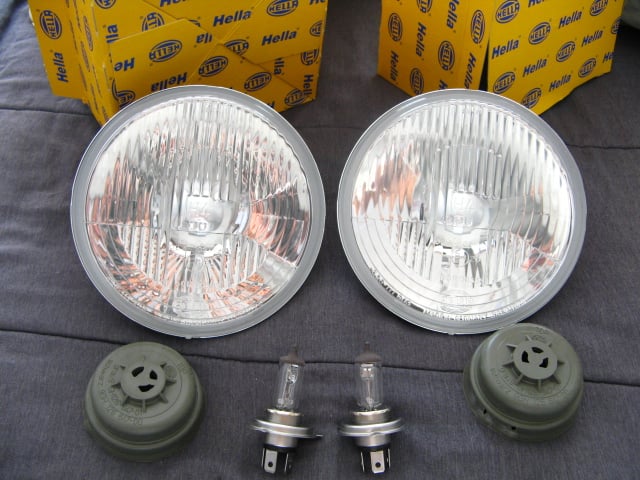
Federal regulations from 1940 to 1983 required all cars sold in the U.S. to use standardized sealed beam headlights. You couldn’t improve them, modify them, or design better ones because the law mandated specific shapes and configurations.
Meanwhile, European cars advanced to halogen bulbs and better reflector designs that provided superior illumination. American drivers were stuck with inferior lighting because regulations lagged behind technology.
When the laws finally changed in 1984, manufacturers rushed to adopt the better systems that had been illegal for decades. The sealed beam requirement didn’t become illegal—it just stopped being mandatory—but it serves as an example of how regulations can ban better technology by requiring outdated standards.
Certain Window Tints Became Too Dark
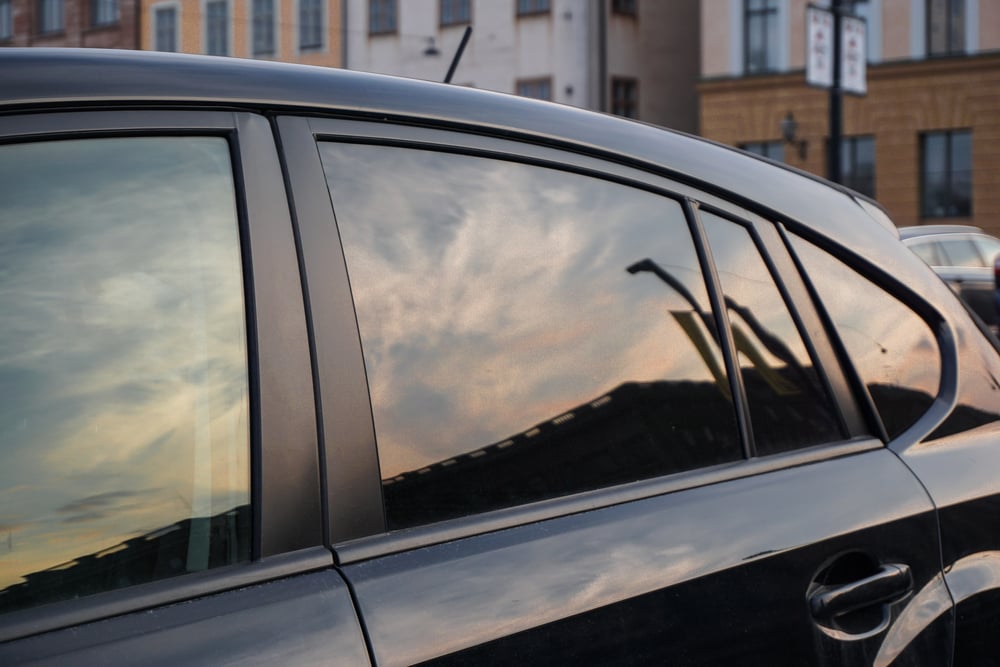
Window tinting seems like a personal choice, but every state has laws about how dark you can go. The regulations emerged after police officers couldn’t see into cars during traffic stops, which created officer safety concerns.
Extremely dark tints also reduce driver visibility at night and during bad weather. Legal limits vary by state, measured in percentages of light transmission.
What’s legal in Nevada gets you ticketed in New York. The regulations developed gradually through the 1990s and 2000s as aftermarket tinting became popular.
Some states ban reflective or mirror tints entirely. The specific numbers vary, but the principle stays consistent—you can’t make your windows so dark that nobody can see inside.
Studded Snow Tires Destroyed Road Surfaces

Metal studs embedded in tire treads provided excellent traction on ice and hard-packed snow. They also chewed up asphalt and concrete, creating ruts and reducing pavement lifespan by years.
Several states banned them outright, while others restrict their use to winter months only. The bans started in the 1970s and spread as highway departments calculated the millions spent repairing stud damage.
Modern winter tires with advanced rubber compounds perform nearly as well without destroying infrastructure. Some northern states still allow studded tires because road damage matters less than winter safety, but many jurisdictions decided the tradeoff wasn’t worth it.
Certain Underglow Lights Confused Other Drivers
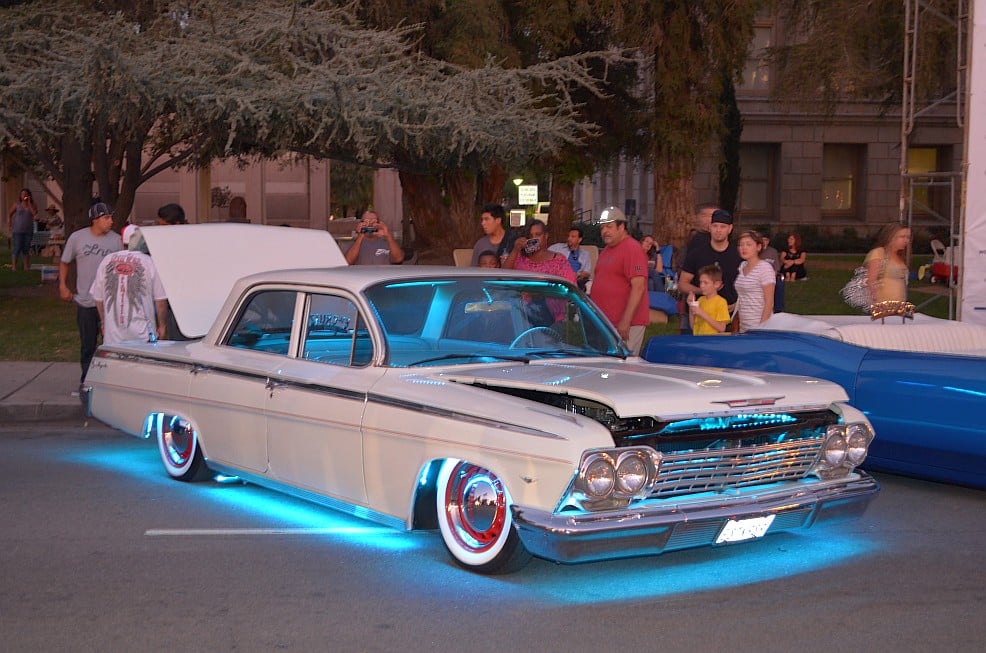
Neon lights under cars looked fantastic in the early 2000s tuner scene. Then police departments noticed they resembled emergency vehicle lights, especially red and blue underglow.
States started banning specific colors or underglow entirely while driving. Some jurisdictions allow them only while parked.
Others permit certain colors like white or amber but prohibit anything that could be mistaken for emergency lighting. The regulations vary wildly by location, making it nearly impossible to know what’s legal without checking local laws.
What started as aesthetic modification turned into a legal minefield of color restrictions and usage limitations.
Manual Window Cranks Fell to Safety Regulations
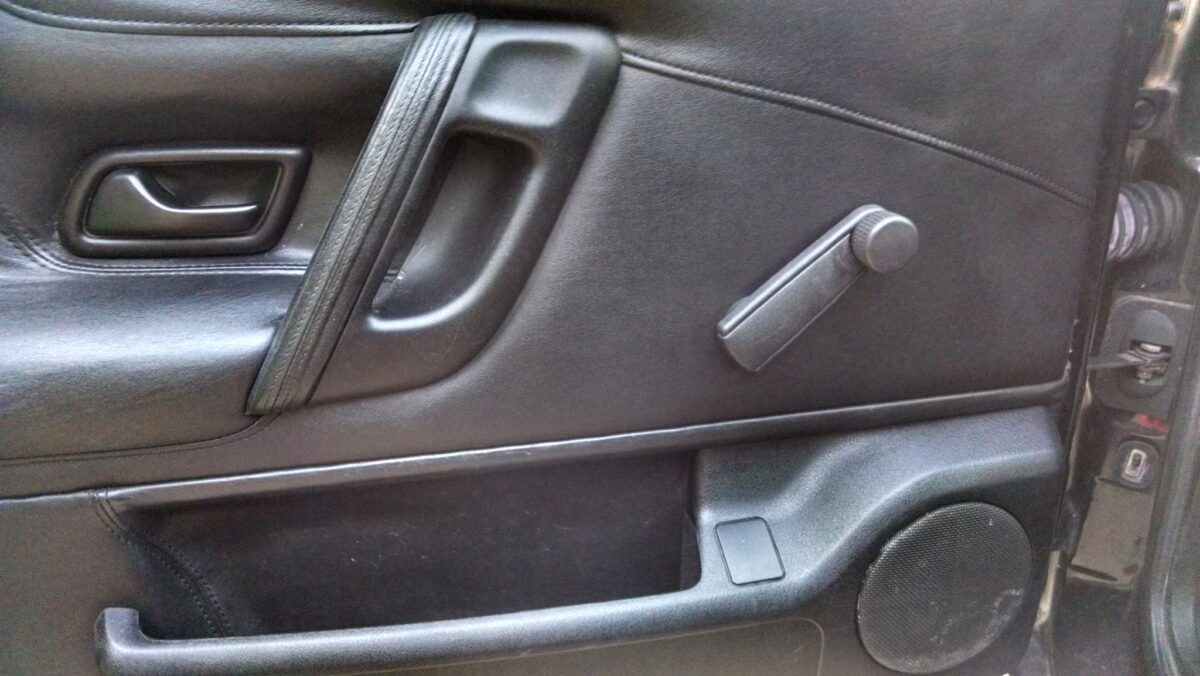
This one snuck up quietly. Manual window cranks weren’t explicitly banned, but safety regulations requiring power windows in combination with other mandated features made them impractical.
Federal standards now require cars to have power windows with automatic reversal if they detect an obstruction, preventing child entrapment. Meeting these requirements with manual cranks is technically possible but economically absurd.
The last mass-market car with manual windows in all trim levels was probably the 2004 Toyota Corolla. You can still find them in the cheapest versions of some vehicles, but regulations pushed them toward extinction by making power windows the only practical option.
Certain Suspension Modifications Changed Vehicle Classification
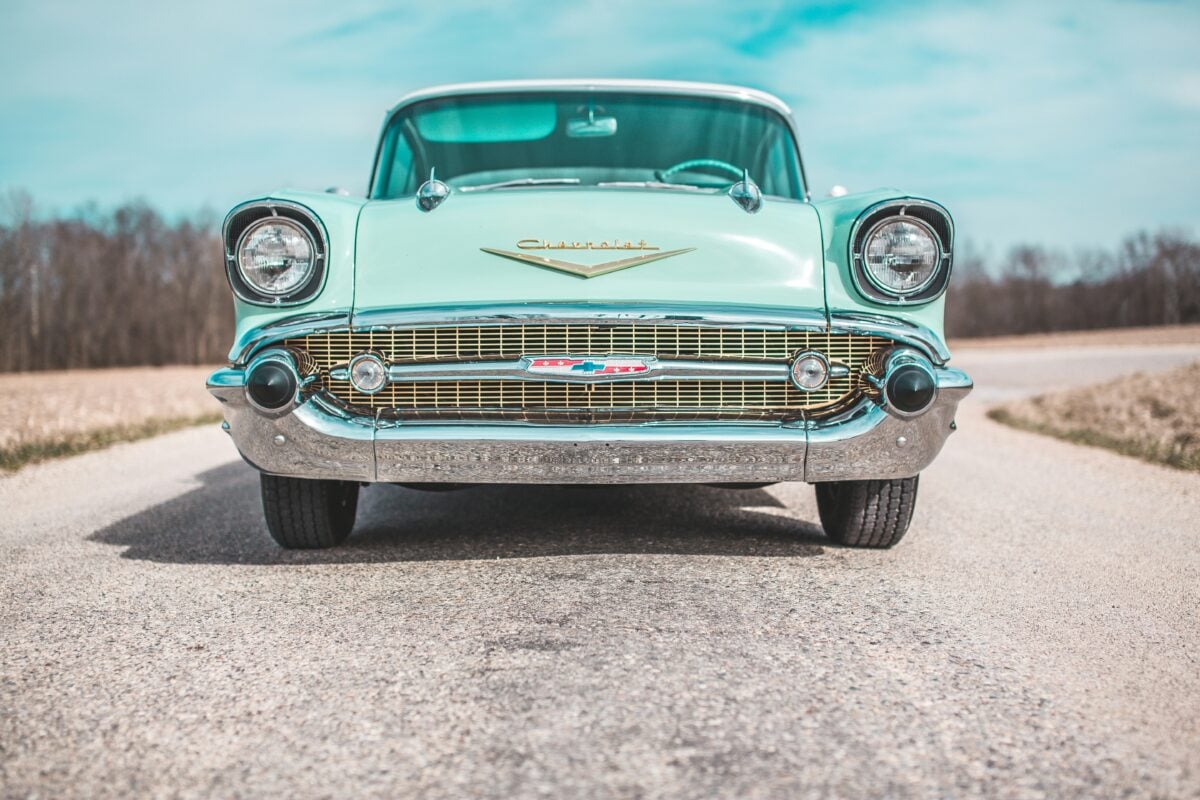
Lifting trucks became hugely popular in the 1970s and continues today. But lift your vehicle too high, and you violate bumper height regulations designed to prevent cars from sliding under trucks during collisions.
Most states have laws limiting how high your bumpers can sit above the ground, typically 22-30 inches for the front bumper depending on vehicle class. Exceed these limits, and your truck becomes illegal for street use.
The regulations came after numerous accidents where cars went underneath raised trucks, decapitating drivers or causing catastrophic damage. Lift kits aren’t banned, but specific configurations that put bumpers above legal height are prohibited in most places.
Radar Detectors Got Banned Federally for Commercial Vehicles
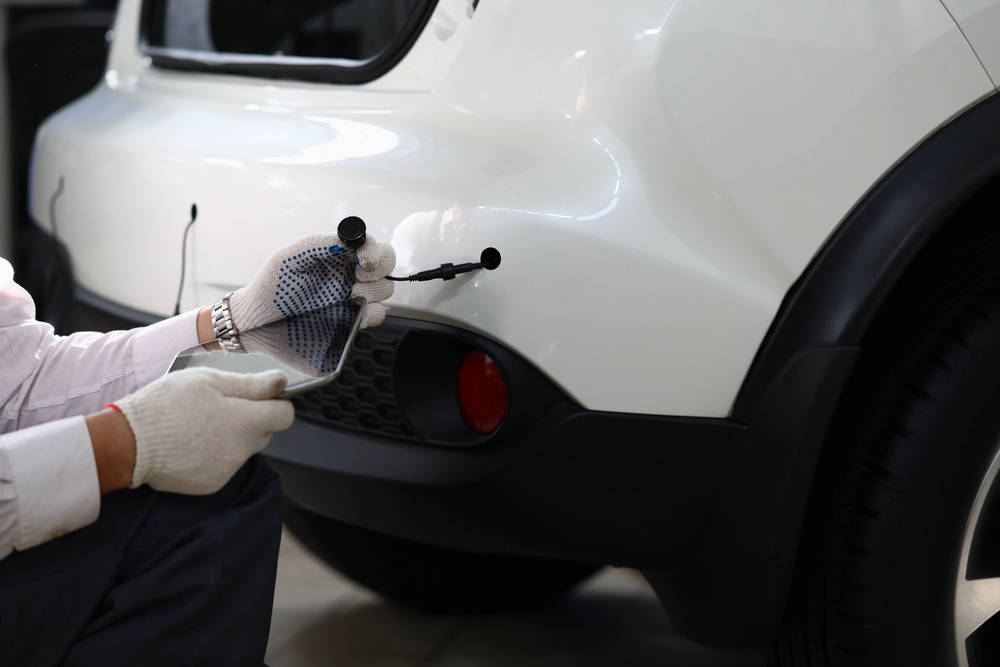
Private car owners can use radar detectors in most states, but commercial vehicle operators cannot. Federal law prohibits radar detectors in any commercial vehicle over 10,000 pounds or any vehicle carrying hazardous materials.
Virginia and Washington, D.C. ban them entirely for everyone. The commercial vehicle ban came because trucking companies wanted drivers to obey speed limits rather than rely on technology to avoid tickets.
The devices themselves aren’t inherently dangerous, but federal regulators decided commercial drivers shouldn’t have tools specifically designed to detect speed enforcement. Private citizens get a pass, but professionals cannot use them legally.
Loud Exhaust Systems Exceeded Noise Ordinances
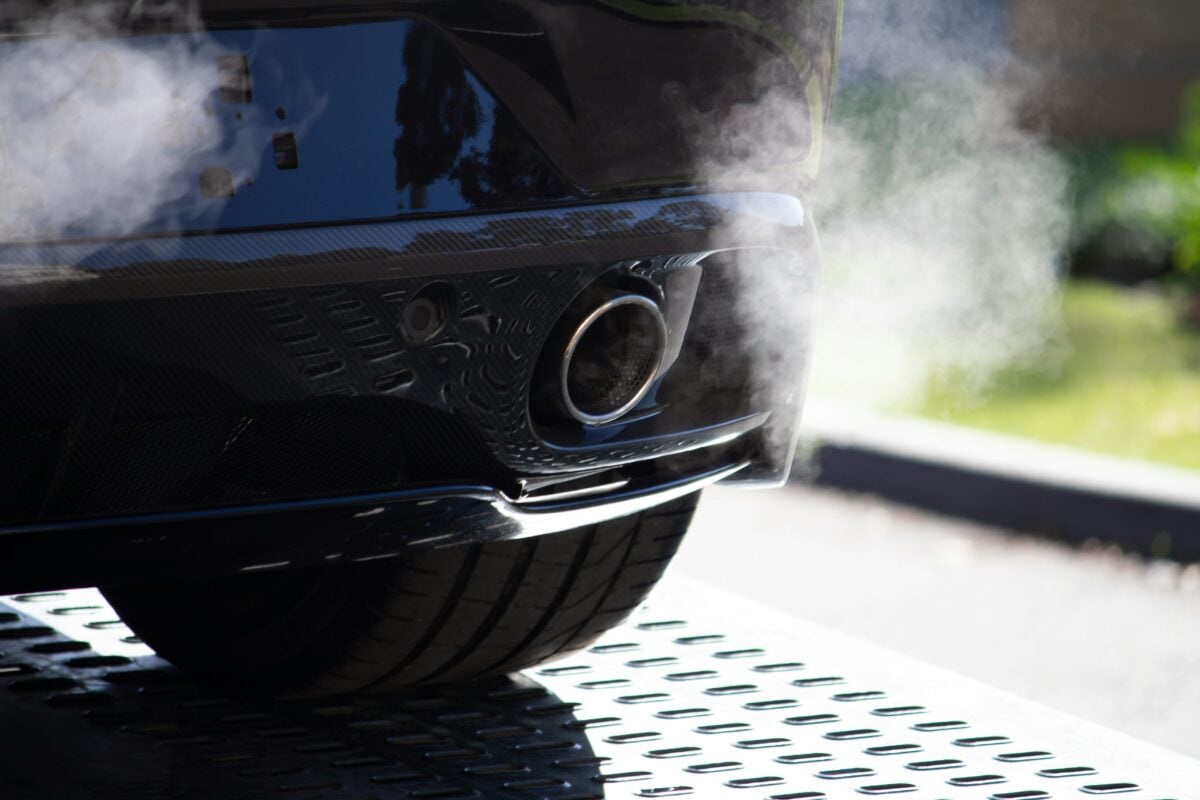
Straight pipes, cherry bombs, and modified mufflers made cars sound aggressive and powerful. They also violated noise pollution regulations that existed for decades but rarely got enforced.
Cities and states started cracking down in the 2000s as complaints increased. California led the way with strict decibel limits and requirements that exhaust systems bear EPA stamps.
Other states followed with varying strictness. Modified exhaust isn’t universally illegal, but systems exceeding specific decibel levels at certain distances violate noise ordinances in most jurisdictions.
Police now carry sound meters, and tickets get expensive fast. The modification culture that valued volume over compliance ran straight into regulations that always existed but suddenly got enforced.
Certain Headlight Colors Became Restricted
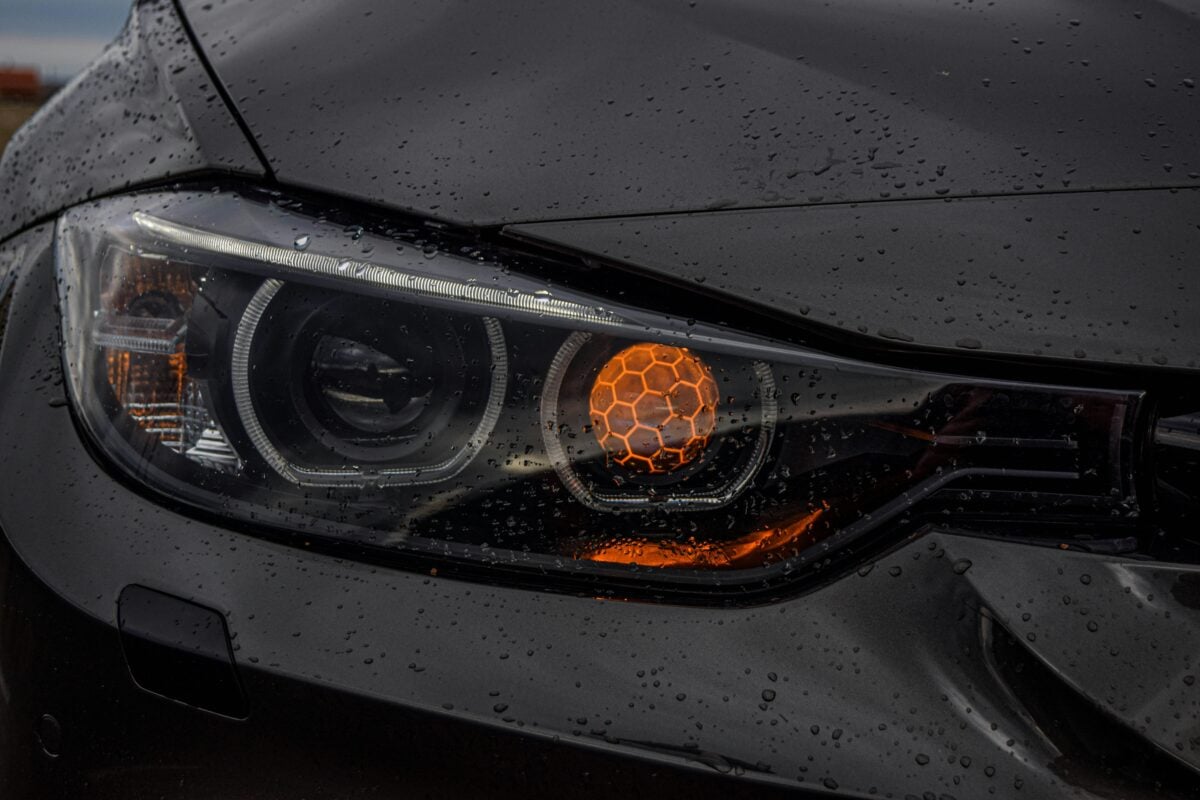
HID and LED headlight conversions in colors beyond white and slight yellow became popular in the early 2000s. Blue-tinted lights, purple lights, and other colors violated federal standards requiring white or amber forward-facing lights.
Red lights of any kind on the front of vehicles are prohibited since they indicate reverse or brake lights. The regulations existed long before aftermarket modifications became common, but enforcement increased as colored lights became trendy.
What people thought was legal because they bought it at auto parts stores turned out to violate decades-old laws about light color restrictions.
The Line Between Style and Safety
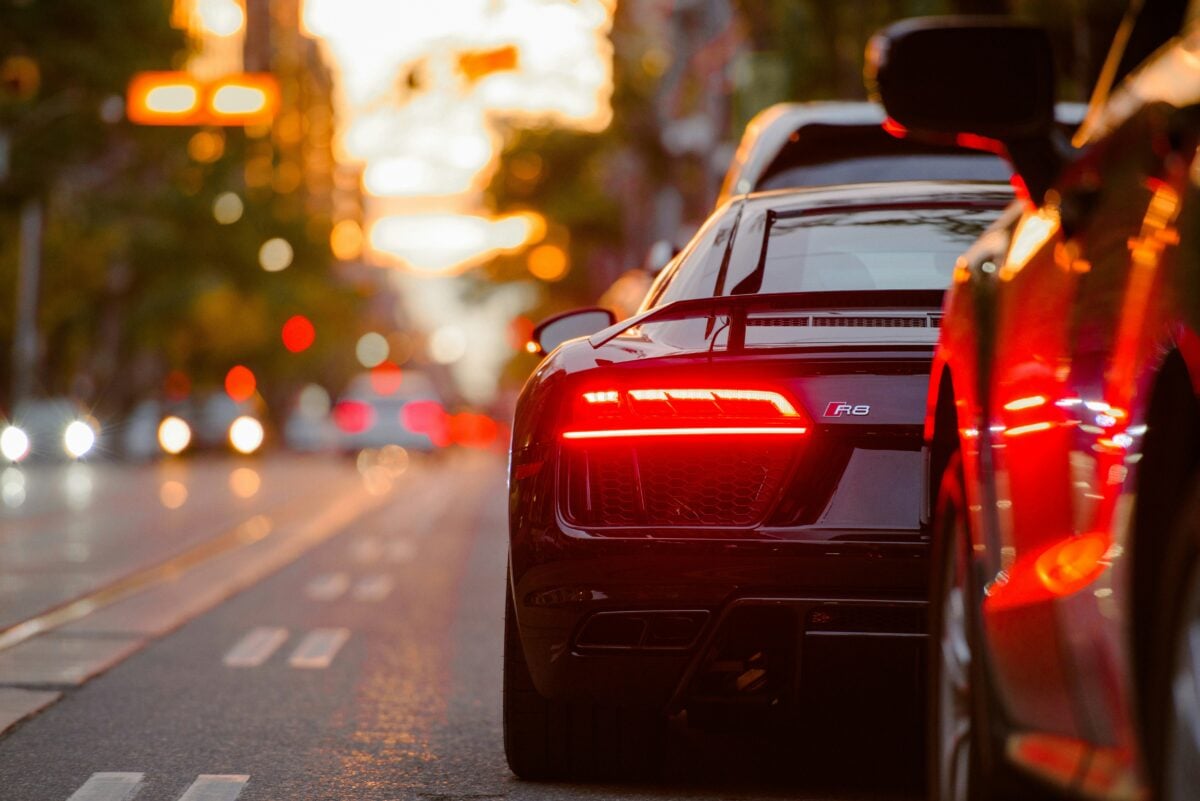
Most outlawed car parts have one thing in common – they felt okay till people checked what actually happened. Pop-up lights? Super cool – until hit-and-run cases exposed how risky they were.
Noisy mufflers gave a thrill – but then whole towns started pushing back. Lead in fuel made engines run better, yet kids’ test results told a different story.
The car rules keep changing all the time. One day something’s allowed, next day it’s not – depends on fresh info or what’s now a bigger concern.
The real question? Whether these laws actually boost safety – or just add red tape. A few restrictions clearly help.
Some rules seem random or old-fashioned. Telling apart those who keep folks safe from those who restrict freedom is tough.
Car lovers often resist limits, yet this clash can lead to smarter ideas now and then. At other moments, it only sparks debates on whether metal bumpers beat plastic ones.
More from Go2Tutors!

- 16 Historical Figures Who Were Nothing Like You Think
- 12 Things Sold in the 80s That Are Now Illegal
- 15 VHS Tapes That Could Be Worth Thousands
- 17 Historical “What Ifs” That Would Have Changed Everything
- 18 TV Shows That Vanished Without a Finale
Like Go2Tutors’s content? Follow us on MSN.


