13 Construction Sites Where Workers Discovered Something Horrifying
Construction workers expect to uncover rocks, old pipes, and maybe some forgotten trash when they break ground on a new project. What they don’t expect is to stumble upon evidence of ancient plagues, mass graves, or crime scenes that have been buried for decades. Yet these discoveries happen more often than you might think, turning routine excavation into something straight out of a horror movie.
These finds don’t just halt construction—they rewrite history books, solve cold cases, and sometimes reveal dark chapters that communities would rather forget. From medieval plague pits to modern-day murder scenes, construction sites have become accidental archaeological digs that uncover humanity’s most disturbing secrets.
Here is a list of 13 construction sites where workers discovered something horrifying.
London’s Crossrail Plague Pit
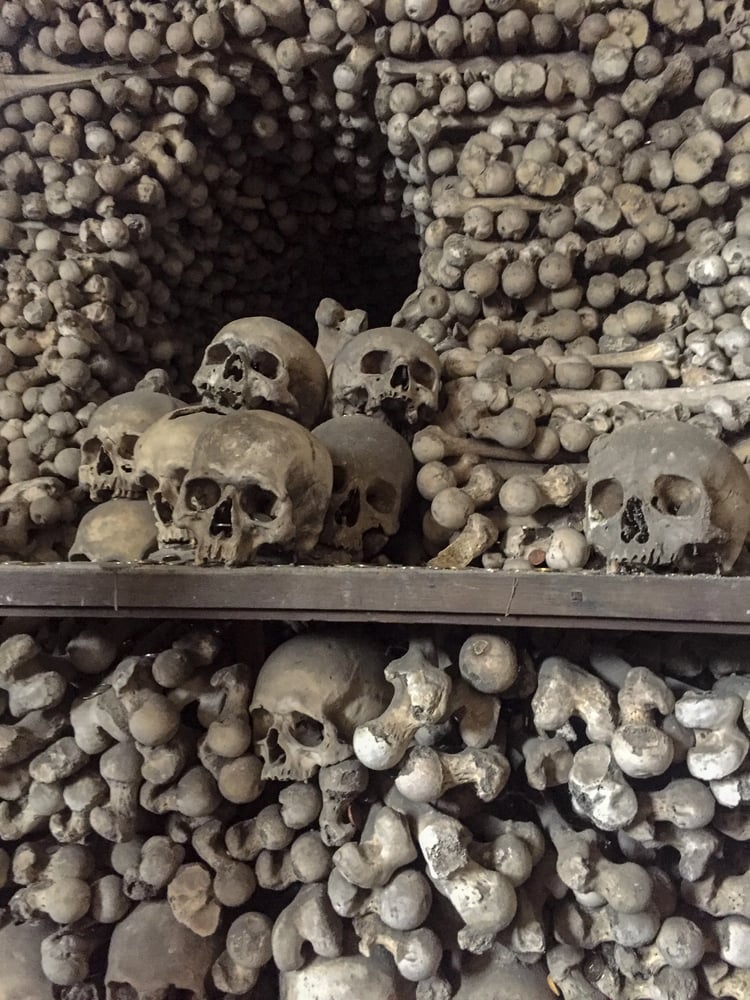
In 2013, workers building London’s new railway line uncovered a mass grave containing over 3,000 skeletons from the Great Plague of 1665. The bodies had been hastily dumped in layers, many still wearing their burial shrouds. DNA analysis confirmed that many victims still carried traces of the plague bacteria, forcing workers to wear protective gear while relocating the remains.
Philadelphia’s Duffy’s Cut Massacre

Railroad construction in 2009 revealed the remains of 57 Irish laborers who had died building the original railroad line in 1832. Initial reports claimed cholera killed the men, but forensic analysis revealed blunt force trauma to skulls and evidence of anti-Irish violence. The discovery confirmed local legends about a massacre where Irish workers were murdered by vigilantes who feared they would spread disease.
Sacramento’s Forgotten Cemetery
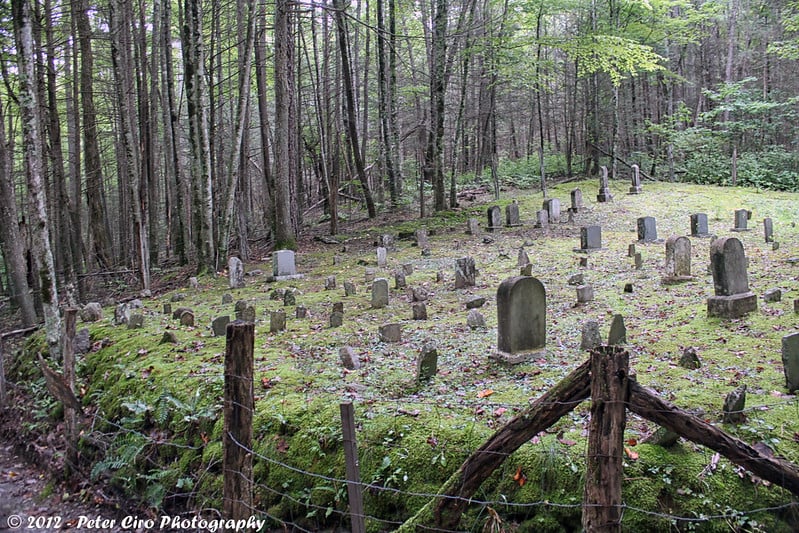
Construction of a new courthouse in 2016 turned into an archaeological nightmare when workers discovered they were building on top of a 19th-century cemetery. The site contained over 5,000 graves, including many Chinese immigrants who had been buried in wooden boxes. What made the discovery particularly disturbing was evidence that the cemetery had been deliberately covered up and forgotten, with no records indicating its location.
New York’s African Burial Ground
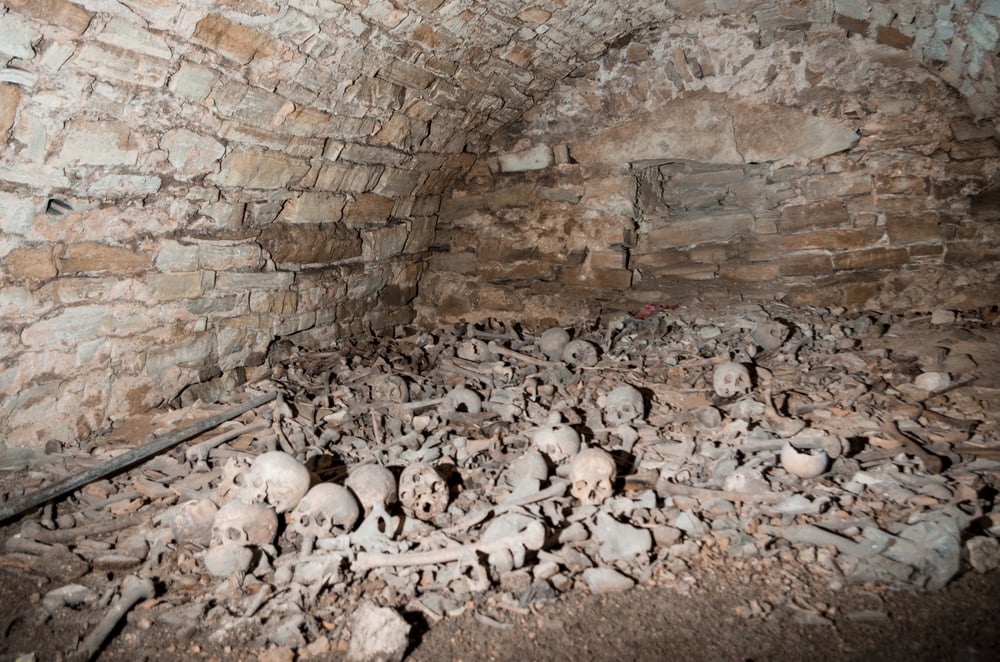
In 1991, construction workers in lower Manhattan uncovered a colonial-era cemetery where over 15,000 enslaved and free Africans had been buried between 1690 and 1794. Many skeletons showed evidence of brutal working conditions, malnutrition, and violence. The discovery forced a complete redesign of the planned federal building and led to the creation of a national monument honoring the victims.
London’s Bedlam Hospital Graveyard

Workers excavating for a new rail station in 2015 discovered the cemetery of the infamous Bethlem Royal Hospital, better known as Bedlam. The mass grave contained over 3,000 patients who had died in the asylum between 1569 and 1853. Many skeletons showed signs of restraints and medical procedures that would be considered torture by today’s standards.
Chicago’s Graceland Cemetery Overflow

A routine parking garage excavation in 2016 revealed that Chicago’s prestigious Graceland Cemetery had been secretly burying bodies beyond its official boundaries for decades. Workers found over 1,000 unmarked graves extending well past the cemetery’s mapped limits. Many graves contained multiple bodies stacked on top of each other, evidence of hasty burial during disease outbreaks.
San Francisco’s Earthquake Victims

Construction of a new residential complex in 2014 uncovered a mass grave containing 47 victims from the 1906 San Francisco earthquake. What made the discovery particularly haunting was that many bodies showed evidence of being burned alive rather than killed by falling debris. City records had no mention of the burial site, suggesting authorities had tried to minimize the earthquake’s true death toll.
Berlin’s Nazi Bunker Remains

Excavation for a new shopping center in 2005 revealed a previously unknown bunker complex where Nazi doctors had conducted medical experiments on prisoners. The site contained surgical instruments, medical records, and human remains that provided evidence of war crimes. Many of the victims appeared to be children, based on the size of the skeletons found at the scene.
Boston’s Industrial School Horror
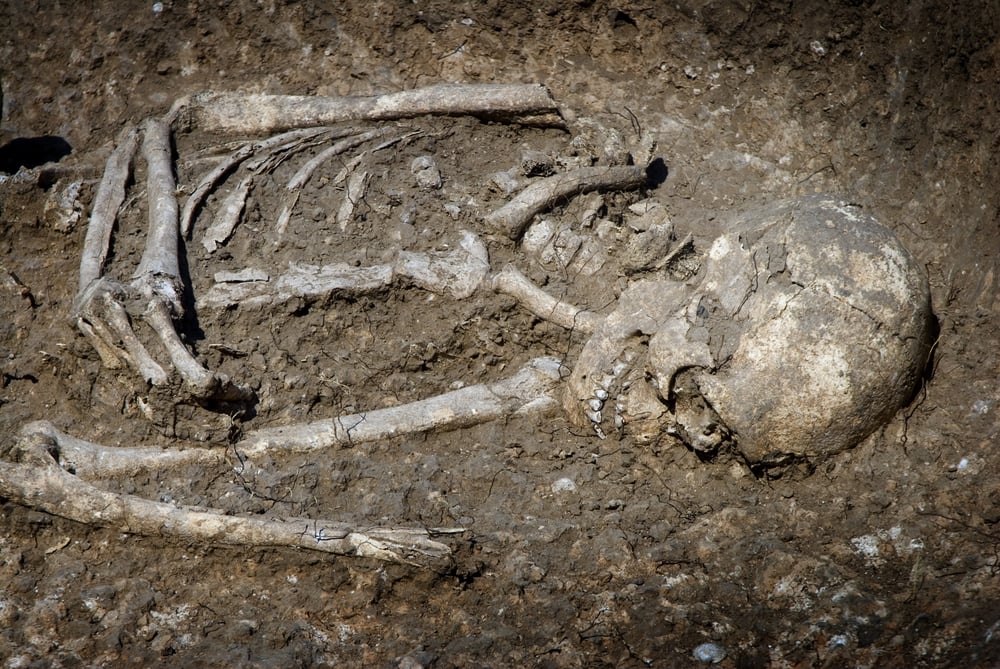
Construction workers in 2009 discovered unmarked graves containing over 280 residents of the former Fernald Developmental Center. Many remains showed evidence of malnutrition and medical experimentation, including radioactive tracer studies conducted without consent. The discovery led to investigations into other state institutions and compensation for surviving victims.
New Orleans’ Yellow Fever Cemetery

Hurricane Katrina reconstruction efforts in 2007 uncovered a mass burial site containing over 1,800 victims of the 1853 yellow fever epidemic. The bodies had been lime-treated and buried in multiple layers to prevent disease spread. What made the discovery particularly disturbing was evidence that some victims had been buried while still alive, based on scratch marks inside wooden coffins.
Montreal’s Smallpox Quarantine Station
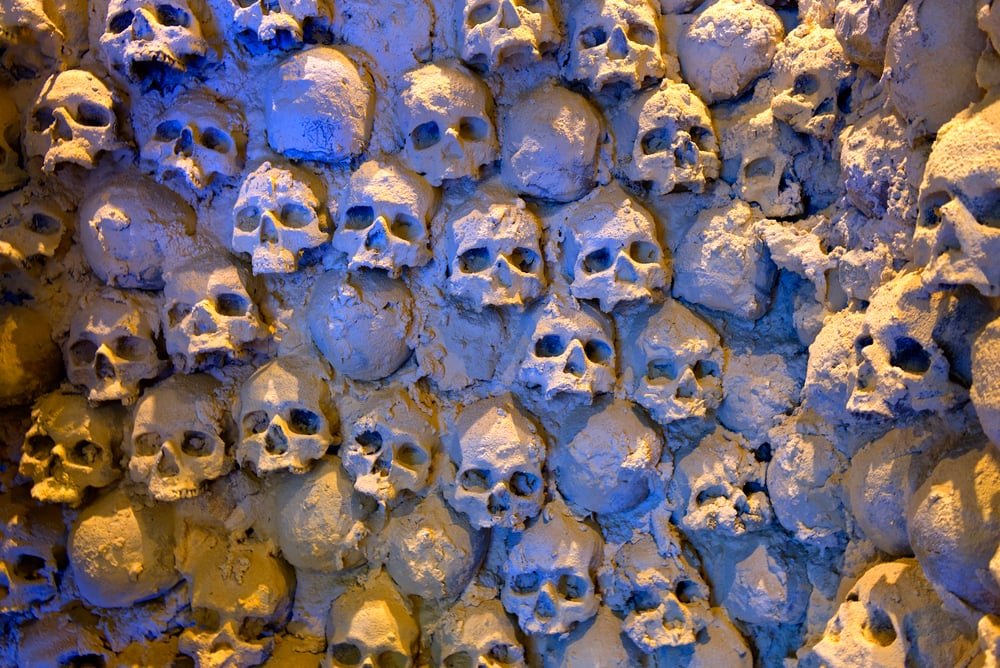
— Photo by savo74
Construction of a new hospital wing in 2012 revealed the remains of a smallpox quarantine facility where over 500 patients had been isolated and left to die. The site contained medical equipment, patient records, and mass graves that documented systematic neglect of immigrant patients. Many skeletons showed evidence of restraints, suggesting patients had been forcibly confined until death.
Edinburgh’s Body Snatching Operation

Renovation of Edinburgh’s old medical district in 2010 uncovered evidence of the city’s notorious body snatching trade. Workers found a network of tunnels connecting medical schools to nearby cemeteries, along with human remains that had been used for illegal anatomy lessons. Some remains showed evidence of being dissected while the person was still alive, based on defensive wounds and bone markings.
Detroit’s Underground Railroad Tunnel

Construction workers renovating a downtown Detroit building in 2018 broke through a basement wall and discovered a hidden tunnel system used by the Underground Railroad. The narrow passages contained personal belongings, shackles, and carved messages from enslaved people seeking freedom in Canada. Most disturbing were the remains of seven individuals who had apparently died while hiding in the tunnels, their bodies never recovered by families who likely assumed they had made it to safety.
When the Past Refuses to Stay Buried

These findings serve as a reminder that every plot of land has a backstory, sometimes one we’d prefer to ignore. Construction sites have turned into unintentional time machines that make us face hard realities about how societies have historically treated their weakest members. These discoveries cause financial losses and project delays, but they also offer vital proof of how people behave in emergency situations. The true horror lies not only in what happened to these victims, but also in how quickly their stories were forgotten until they were revived by a bulldozer.
More from Go2Tutors!

- 16 Historical Figures Who Were Nothing Like You Think
- 12 Things Sold in the 80s That Are Now Illegal
- 15 VHS Tapes That Could Be Worth Thousands
- 17 Historical “What Ifs” That Would Have Changed Everything
- 18 TV Shows That Vanished Without a Finale
Like Go2Tutors’s content? Follow us on MSN.