Craft Techniques Through Centuries
Human hands have shaped the world around us for thousands of years. Every object you touch today carries echoes of techniques developed by craftspeople who lived centuries or even millennia ago.
The mug on your desk, the chair beneath you, the fabric of your clothing—all of them trace their lineage back through generations of makers who refined their methods one careful motion at a time.
Pottery: The First Revolution in Clay
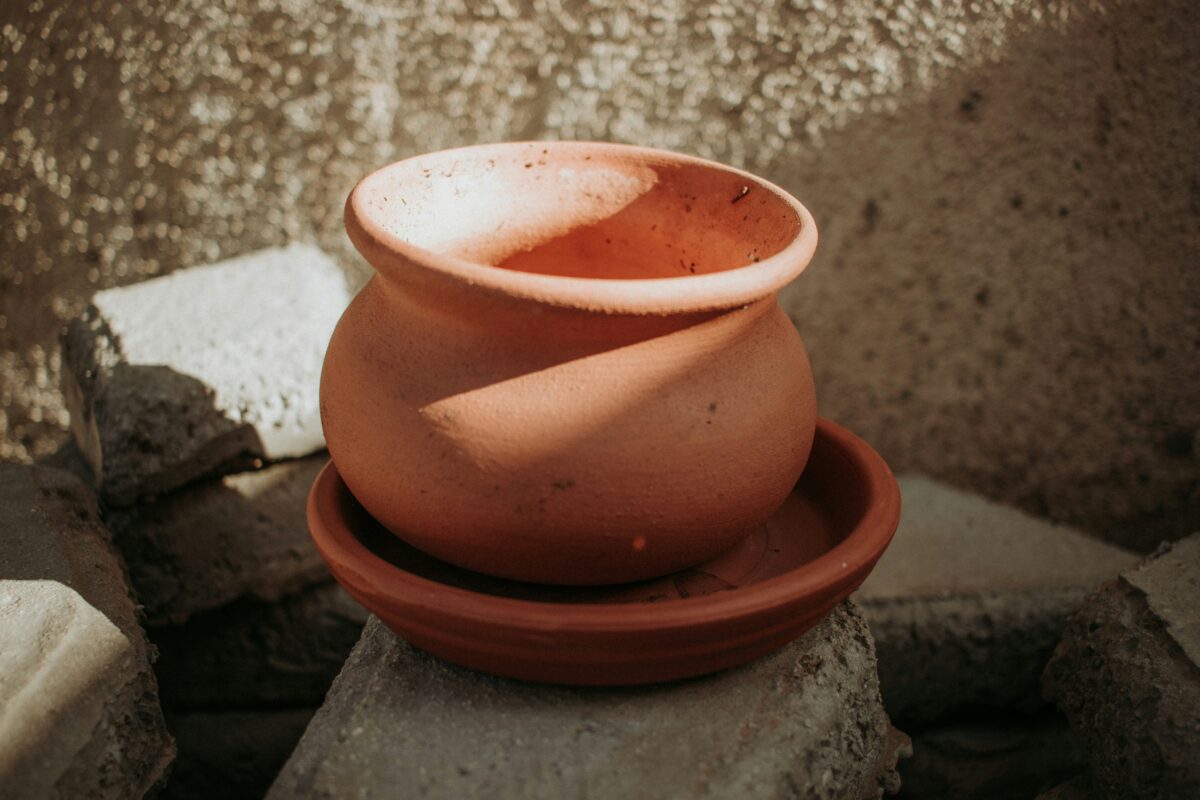
Pottery changed everything when humans figured out that mud could become stone. Early potters in ancient Mesopotamia and China discovered that heat transformed soft clay into something permanent.
They worked without wheels at first, coiling long ropes of clay and smoothing them with their hands and simple tools. The pottery wheel appeared around 3000 BCE and turned a slow process into something faster and more precise.
Potters could center a lump of clay and pull it upward into symmetrical forms that would have taken hours to build by hand. The wheel didn’t replace hand-building entirely—it just gave craftspeople another option, another way to work.
Metalworking: Taming Fire and Ore
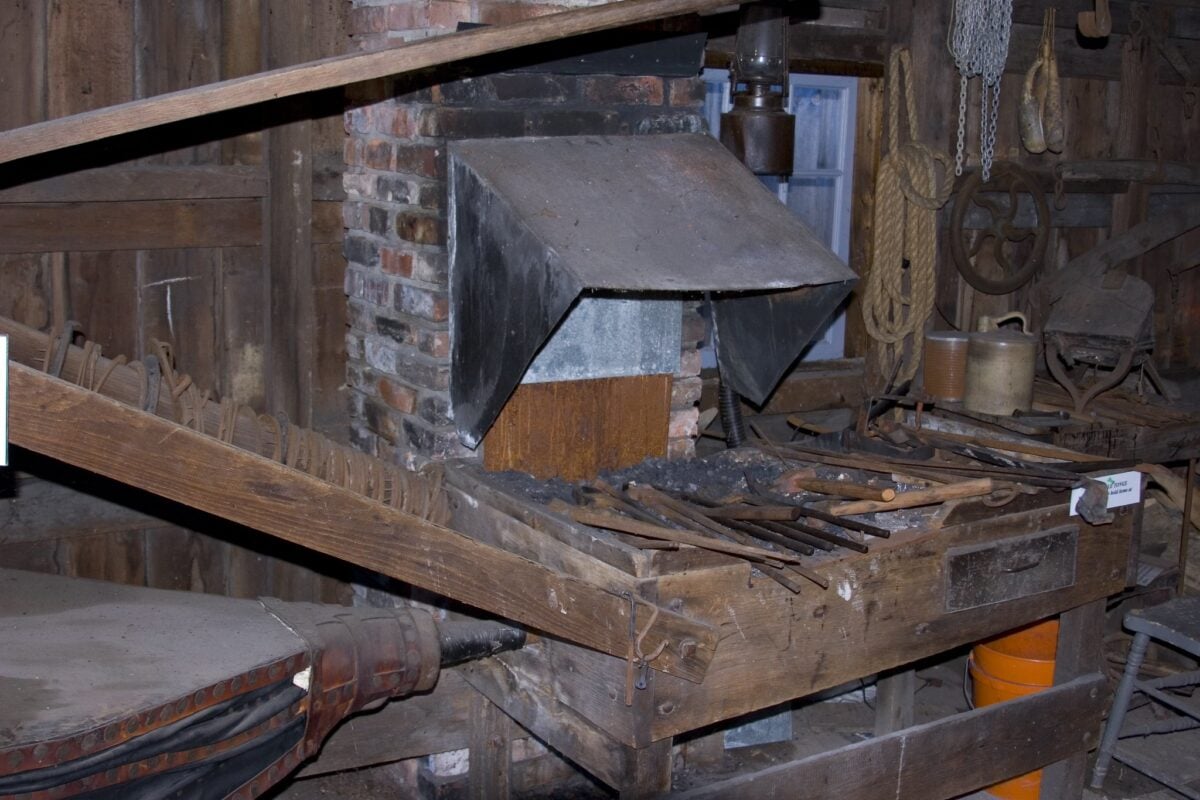
Bronze changed warfare, agriculture, and daily life when metalworkers learned to combine copper and tin. The process demanded precise temperature control and an understanding of how different metals behaved when heated.
You couldn’t just throw ore into a fire and hope for the best. Iron came later and proved more challenging.
Higher temperatures were needed, and the metal had to be hammered while hot to remove impurities. Blacksmiths in medieval Europe became essential members of every community, producing everything from horseshoes to swords.
Their techniques involved reading the color of heated metal—cherry red, orange, yellow, white—each shade indicating a different temperature and workability.
Weaving: Threads That Held Civilizations Together
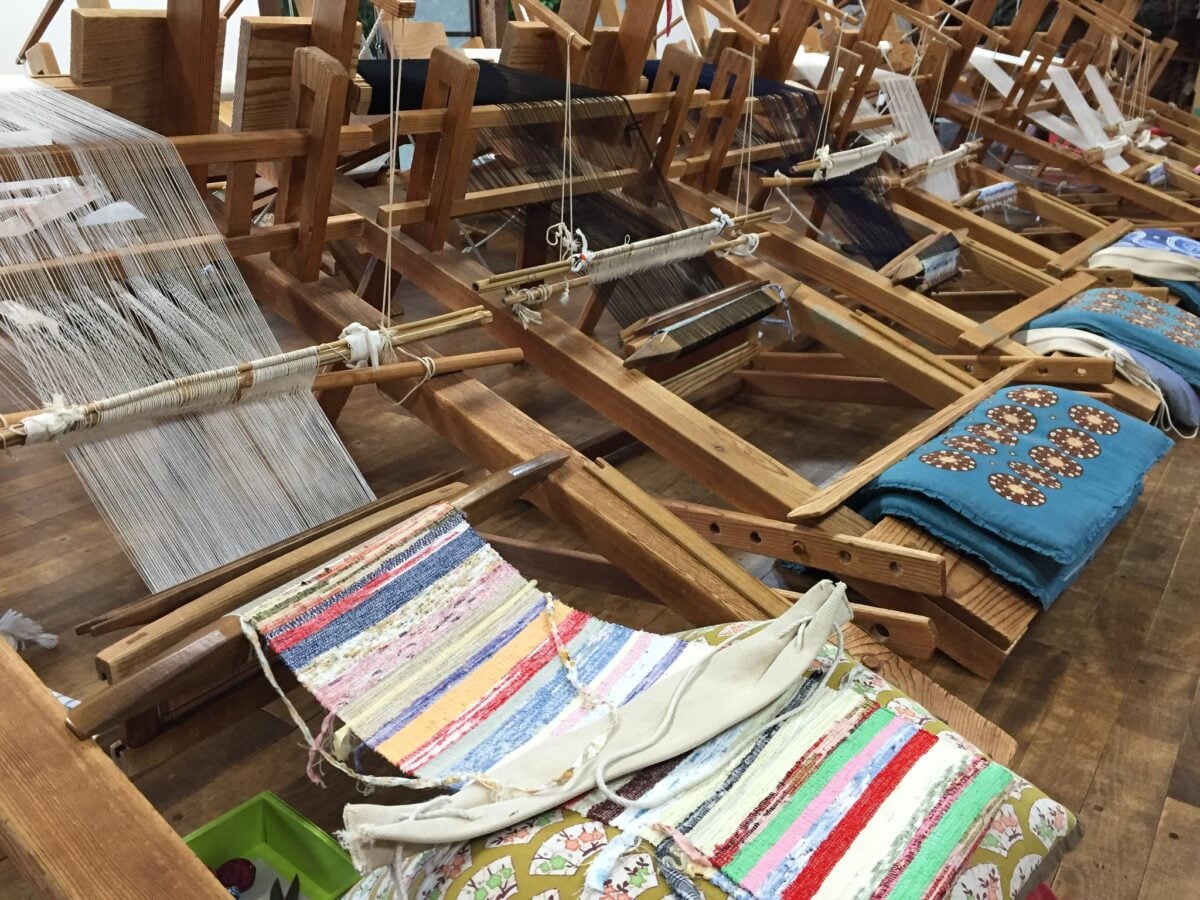
The loom existed long before written records. Early weavers created fabric by interlacing vertical threads (the warp) with horizontal threads (the weft).
Simple back-strap looms could be set up anywhere, while larger frame looms allowed for wider pieces and more complex patterns.
Patterns emerged from the order in which threads were lifted and lowered. Skilled weavers could read these patterns like music, their hands moving in rhythms they’d practiced since childhood.
Each culture developed distinctive styles—Celtic tartans, Andean textiles, Japanese silk weaving—all built on the same fundamental principle of threads crossing at right angles.
Glassblowing: Capturing Light in Molten Sand
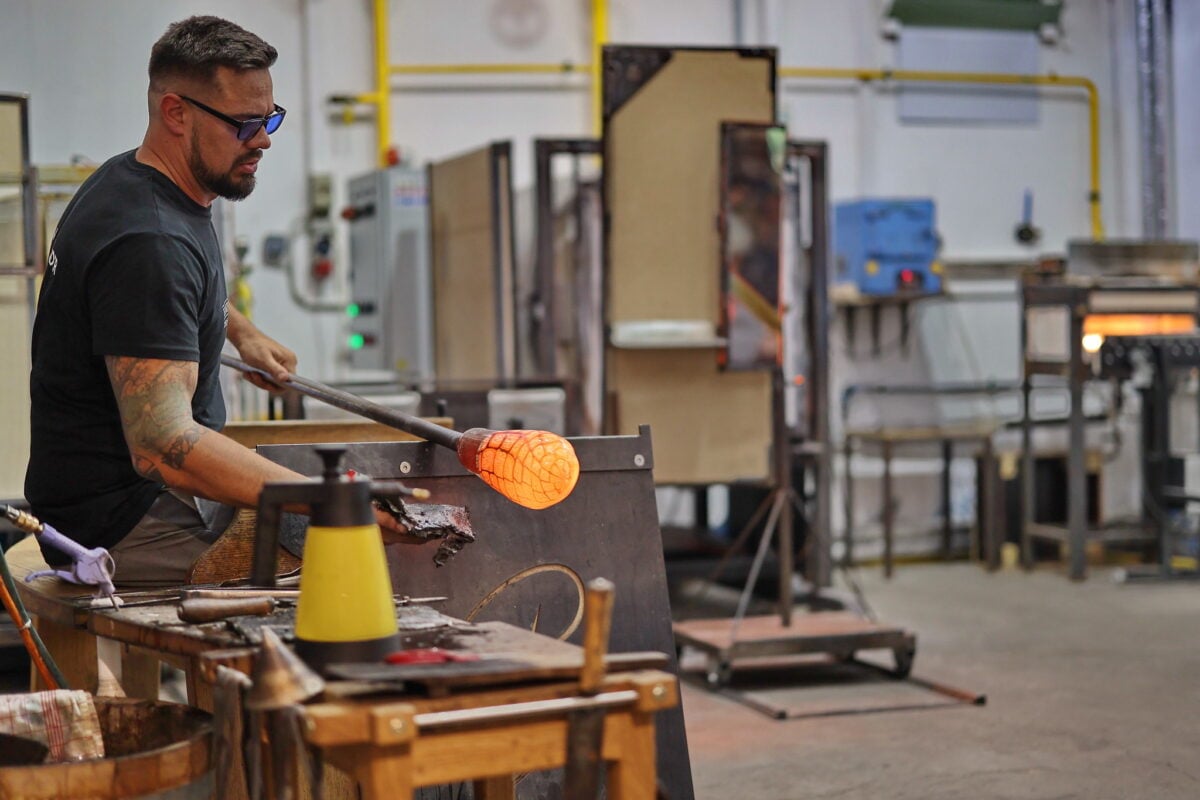
Roman craftspeople discovered glassblowing in the first century BCE, and it remains one of the most dramatic craft techniques. The process begins with gathering molten glass on the end of a hollow pipe, then blowing air through the pipe while rotating it constantly.
Gravity, centrifugal force, and the glassblower’s tools shape the material as it cools. Timing matters more than almost anything else.
Glass moves from liquid to solid quickly, and you have to work within that narrow window. Venetian glassmakers on Murano refined these techniques to create impossibly thin vessels and intricate decorations.
Their methods were trade secrets, guarded so carefully that glassmakers who left the island risked punishment.
Woodworking: Reading the Grain
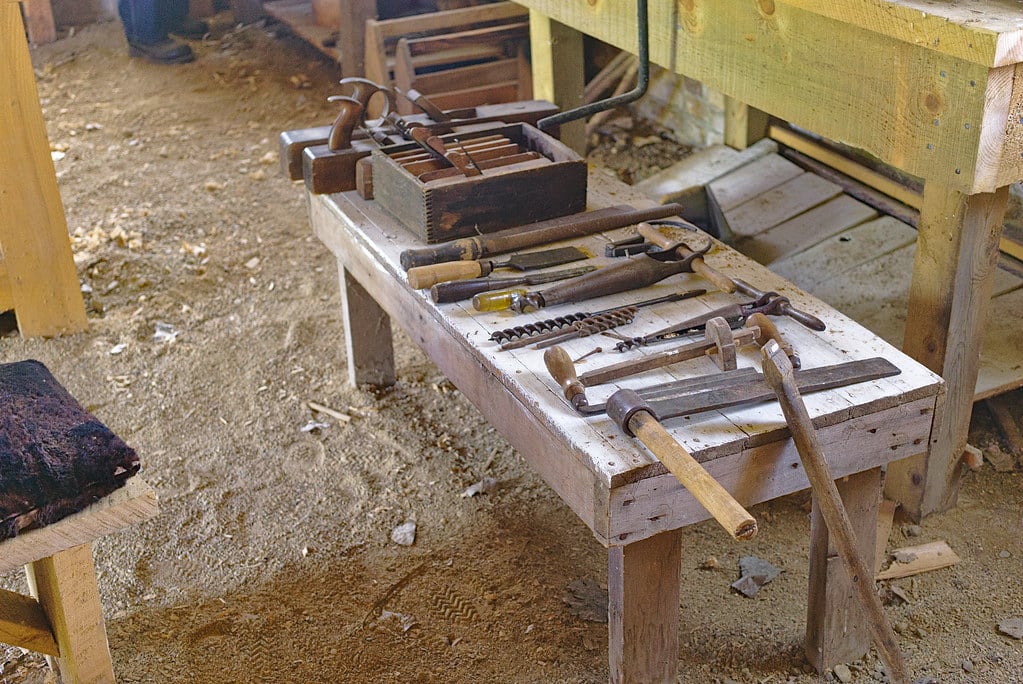
Wood talks to those who know how to listen. The grain tells you which way the wood will split, where it will resist the saw, how it will move as moisture levels change.
Traditional woodworkers developed joinery techniques that held pieces together without nails or screws—mortise and tenon, dovetails, lap joints—each designed for specific applications and wood types. Japanese carpentry took these techniques further than most cultures.
Their temples used joints so precise that no fasteners were needed, and the wood could expand and contract with seasonal changes without the structure failing. A single joint could involve dozens of cuts, each one made with hand saws and chisels sharp enough to shave with.
Embroidery: Painting With Thread
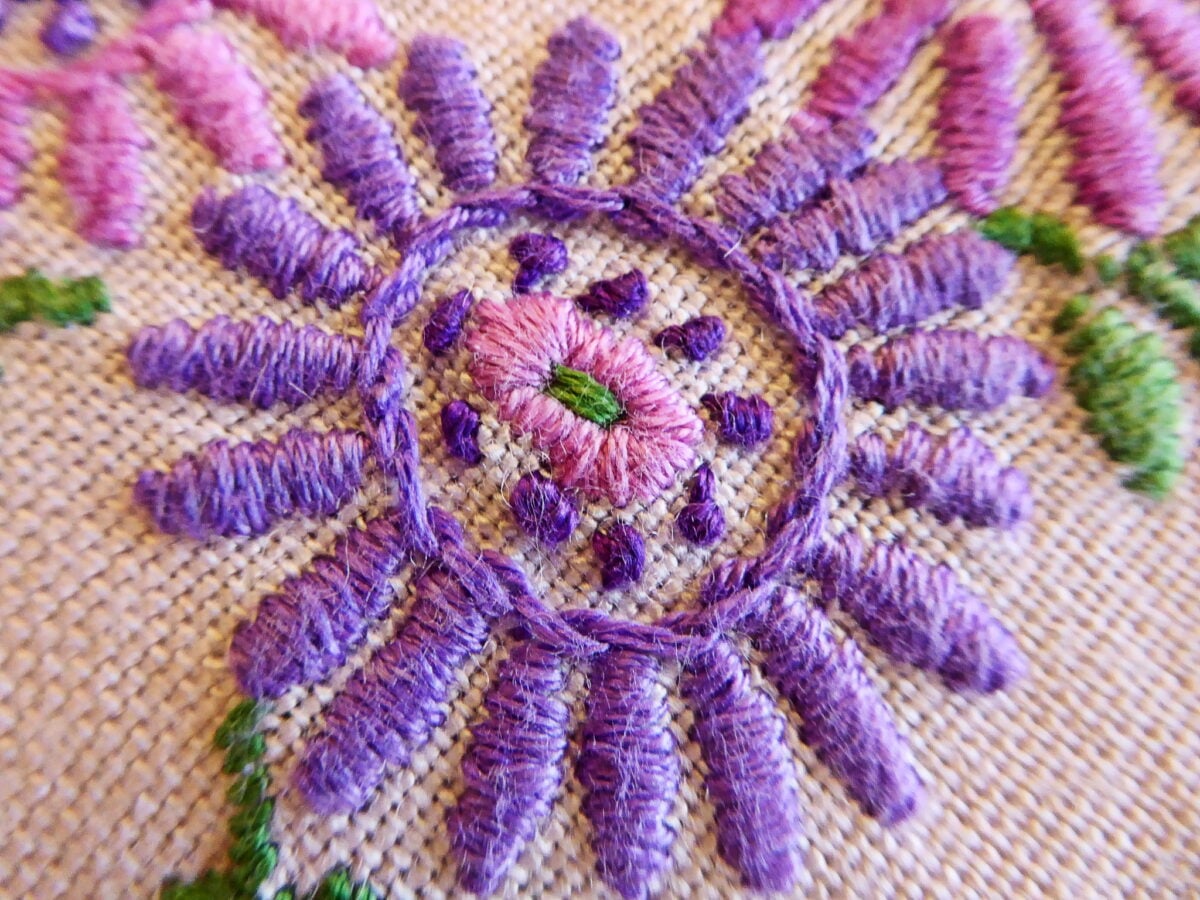
Embroidery turns plain fabric into something worth displaying. The basic technique—pulling colored thread through cloth—hasn’t changed since ancient times, but the variety of stitches and applications seems endless.
Different stitches create different textures and effects. A satin stitch makes smooth, solid areas.
A French knot adds dimension. Chain stitches form flowing lines.
Chinese embroiderers developed techniques for creating images so detailed they rivaled paintings. Gold thread work in medieval Europe decorated religious vestments and royal clothing.
Each culture added its own aesthetic to the basic method, but they all shared the same fundamental requirement: patience.
Stone Carving: Subtracting to Create

Stone carving requires you to think backward. The finished piece already exists inside the block—you just have to remove everything that isn’t part of it.
Ancient sculptors used bronze and iron tools to chip away marble, granite, or limestone, working from rough forms to fine details. The tools determined what was possible.
Hard stones required harder tools and more time. Sandstone was carved easily but weathered quickly.
Marble held fine detail but could shatter if struck wrong. Roman sculptors developed techniques for creating realistic fabric folds and facial expressions in stone, skills that seemed lost for centuries after the empire fell, then rediscovered during the Renaissance.
Leatherworking: Tanning and Tooling
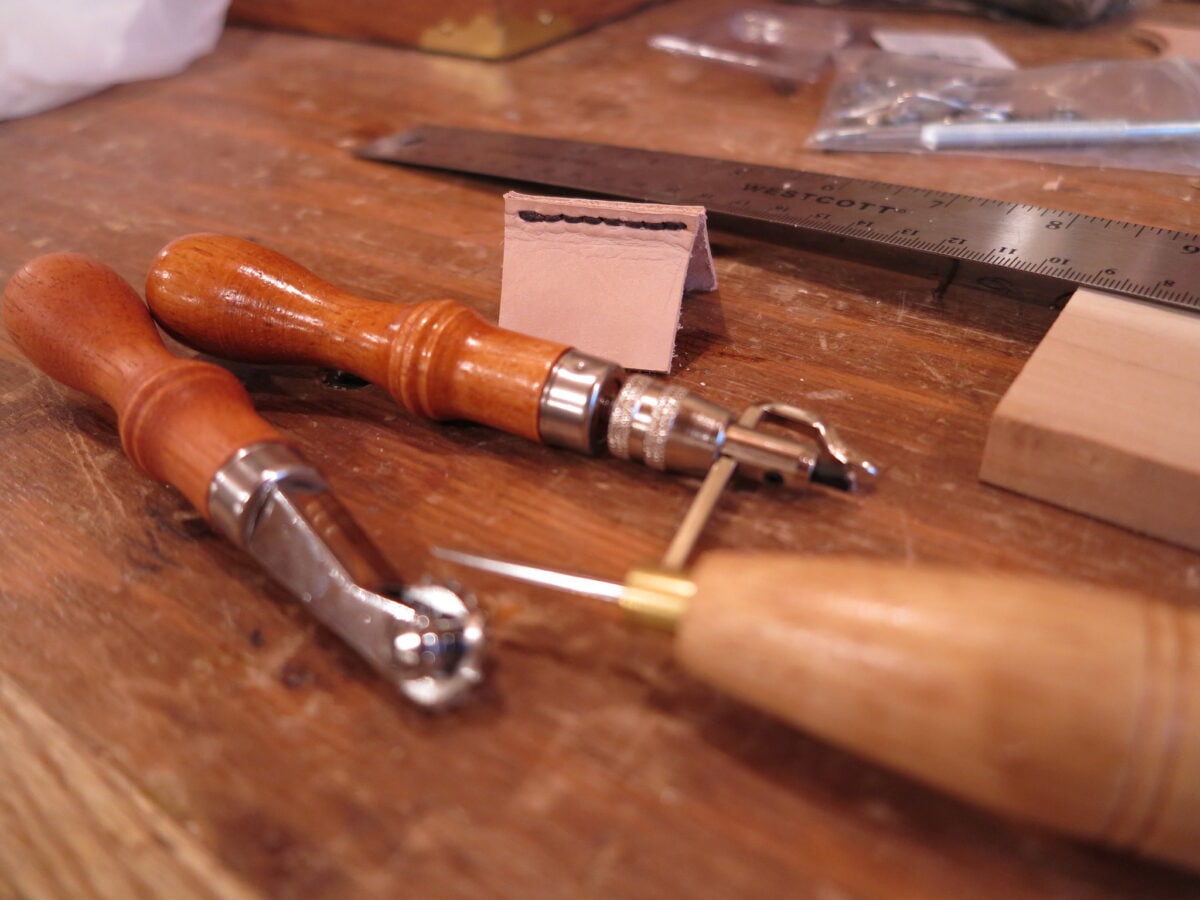
Raw hide rots or turns stiff and brittle. Tanning transforms it into leather that lasts for decades.
Traditional tanners used tree bark, which contained tannins that bonded with collagen fibers in the hide. The process took months and required careful monitoring of pH levels and temperature.
Once tanned, leather could be tooled—carved, stamped, and molded into patterns. Saddlemakers and bookbinders developed specialized techniques for their crafts.
The leather had to be dampened to just the right moisture level, then worked quickly before it dried. Too wet and it would stretch out of shape.
Too dry and the tools would tear rather than compress the fibers.
Papermaking: From Rags to Pages
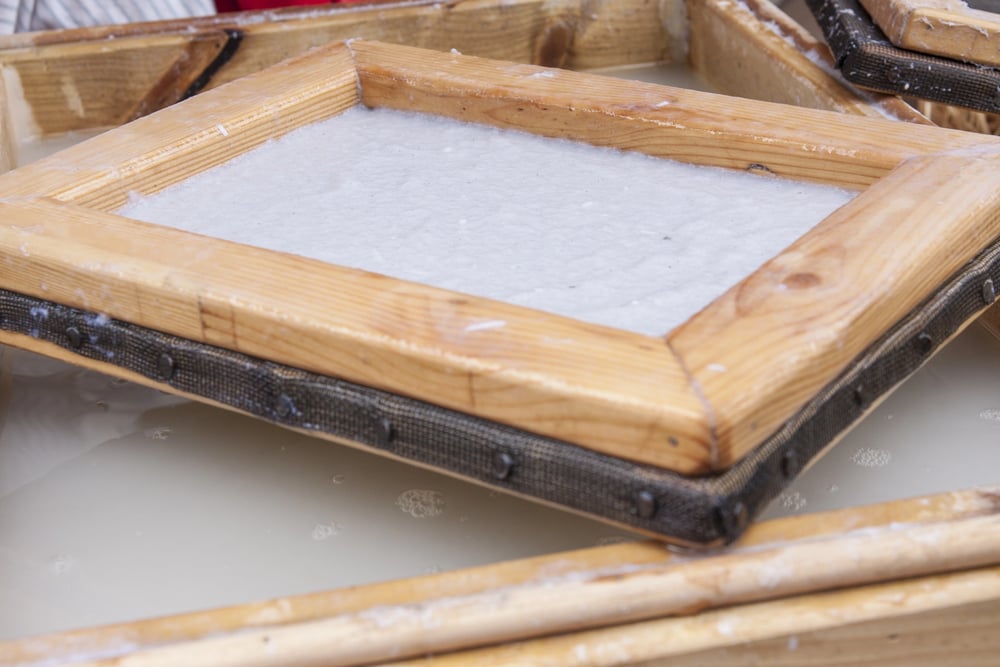
Papermaking began in China when someone figured out that plant fibers could be beaten into pulp, spread into thin sheets, and dried. The technique spread slowly westward, reaching Europe by the 12th century. Early paper came from cotton and linen rags, which papermakers sorted, cleaned, and beat into a smooth pulp.
The process required clean water and consistent technique. Papermakers dipped a frame with a fine screen into a vat of pulp, lifted it carefully to let water drain, then pressed and dried the resulting sheet.
The screen left a pattern of chain lines visible when you held the paper to light—a signature that helped identify the paper’s origin.
Basketry: The Oldest Container
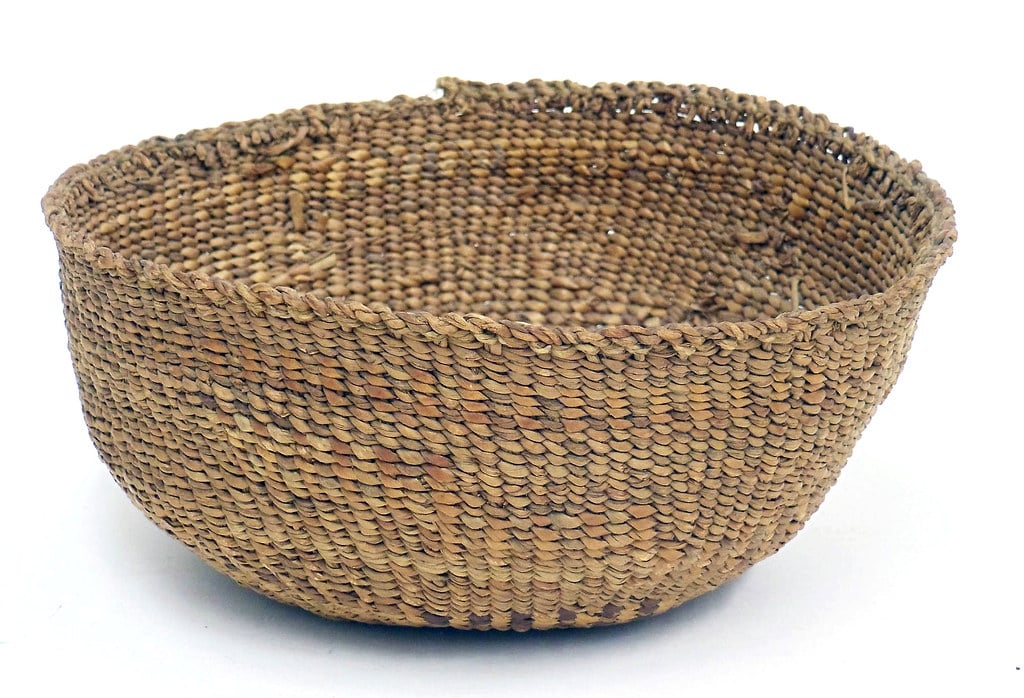
Baskets predate pottery by thousands of years. They required no fire, no wheel, no elaborate tools—just plant materials and knowledge of how to weave them together.
Different cultures used whatever grew nearby: willow, reeds, split oak, pine needles, grass. The basic techniques—coiling, plaiting, and twining—produced vessels that were lightweight and surprisingly strong.
Some baskets held water after being coated with pitch or resin. Others were woven tight enough to winnow grain or catch fish.
The techniques varied by region, but the underlying principle stayed the same: flexible materials become rigid structures when woven properly.
Jewelry Making: Precious Skills for Precious Materials
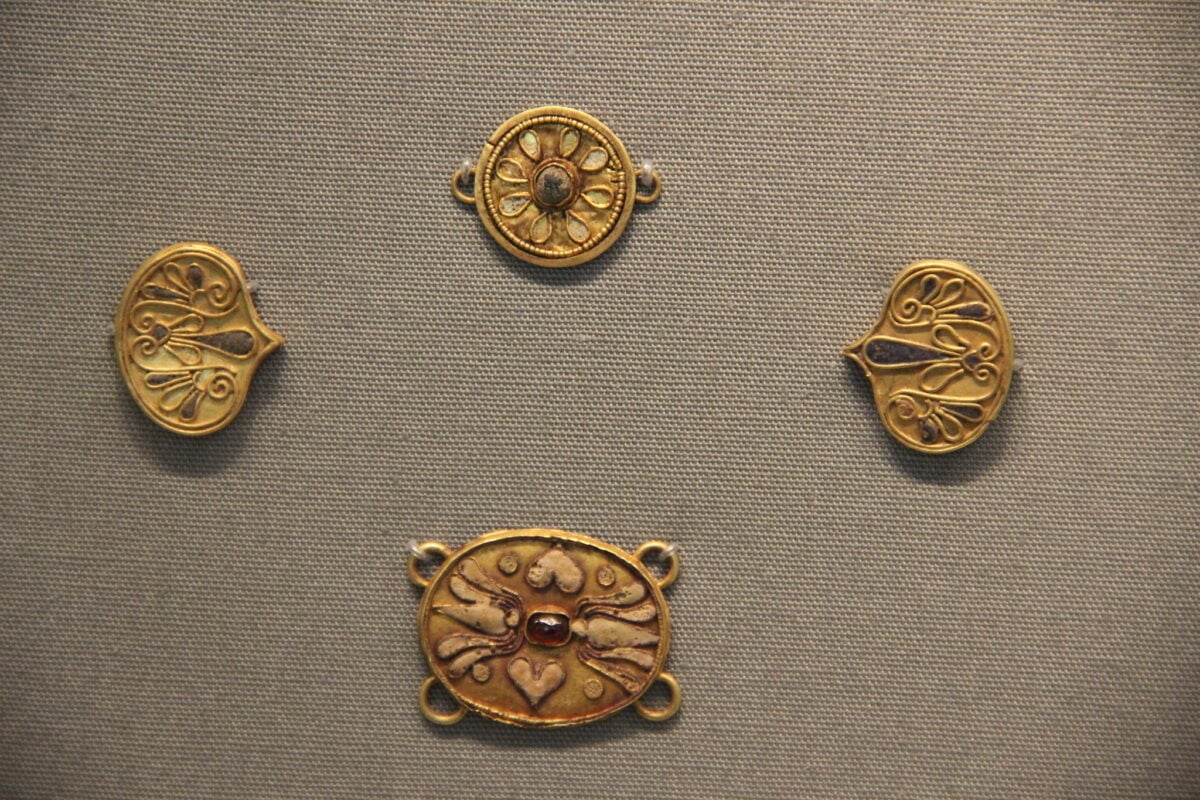
Working with gold and silver demanded precision that other crafts didn’t require. These metals were expensive, and mistakes couldn’t be easily hidden.
Ancient jewelers learned to cast, solder, and form precious metals using techniques that remained largely unchanged for millennia. Granulation—decorating metal surfaces with tiny spheres of gold—baffled modern jewelers for years.
Ancient Etruscan pieces showed this technique perfected, but the method had been lost. Modern craftspeople eventually rediscovered that the spheres could be fused to the base metal using copper salts and careful heat control, but it took extensive experimentation to match the quality of ancient work.
Bookbinding: Protecting Knowledge

Books needed protection, and bookbinders developed methods that balanced durability with beauty. Medieval binders sewed sections of pages together, attached them to wooden boards, and covered everything with leather.
The leather was often toiled with decorative patterns, and valuable books received metal clasps, corner pieces, and sometimes jeweled covers. The sewing patterns alone represented specialized knowledge.
Different binding styles served different purposes. Coptic binding, developed in early Christian Egypt, allowed books to open flat.
Later European bindings focused on protecting edges and spines. Each style responded to how books were stored and used in that culture.
Calligraphy: The Disciplined Hand
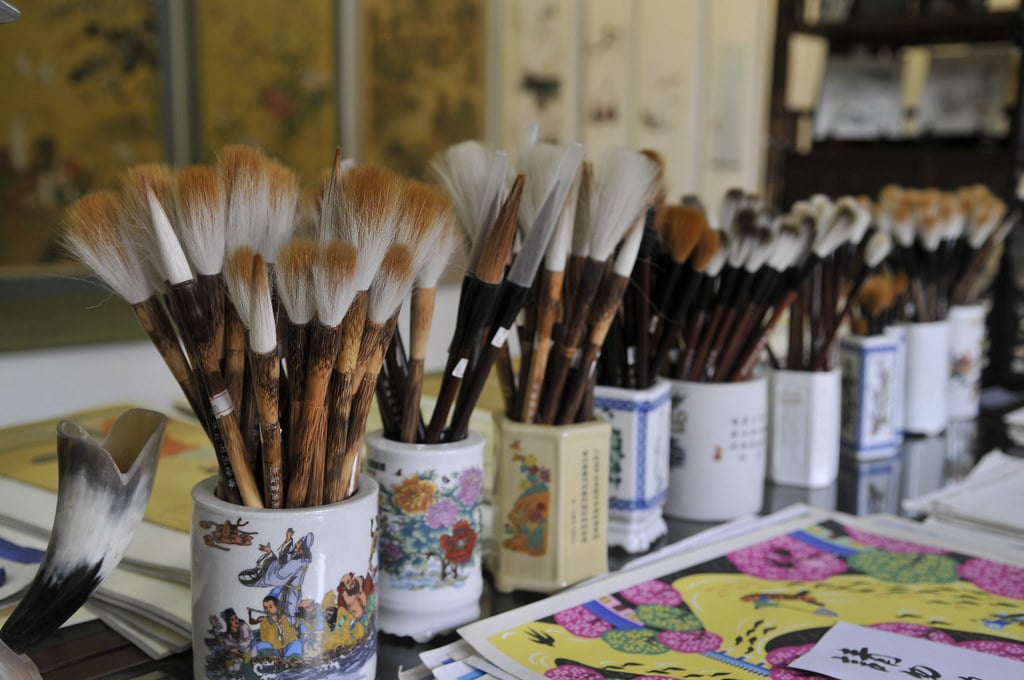
Writing became art when scribes learned to control the relationship between speed, pressure, and angle. Islamic calligraphers developed styles that turned text into abstract patterns while keeping it readable.
Chinese and Japanese calligraphers practiced for years to master the correct pressure and stroke order for each character. The tools mattered tremendously.
Reed pens, quills, and brushes each produced different marks. The ink had to flow consistently without draining.
The surface needed the right amount of tooth—too smooth and the ink wouldn’t stick, too rough and the pen would catch. Calligraphers prepared their own materials and tested them before working on final pieces.
Tapestry Weaving: Pictures in Thread
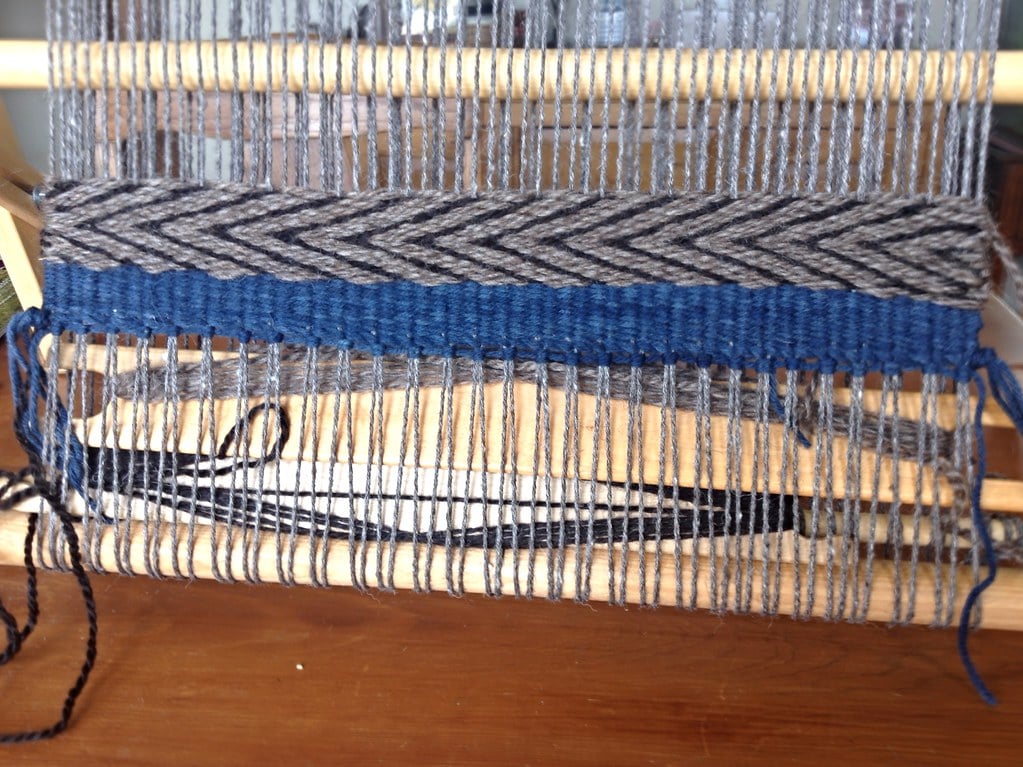
Tapestries turned weaving from basic cloth into storytelling pictures. Using this method meant threading colors over, then under vertical strands to form designs.
Big pieces needed several people weaving at once – sometimes taking many months or even longer. Old European cloth pictures displayed detailed images, with smooth shade shifts made by mixing various thread colors.
Craftsmen built them from the reverse side, peeking through mirrors to follow along. The artwork stayed hidden till they freed it from the frame – each strand needed perfect placement right away.
When Tradition Meets Tomorrow
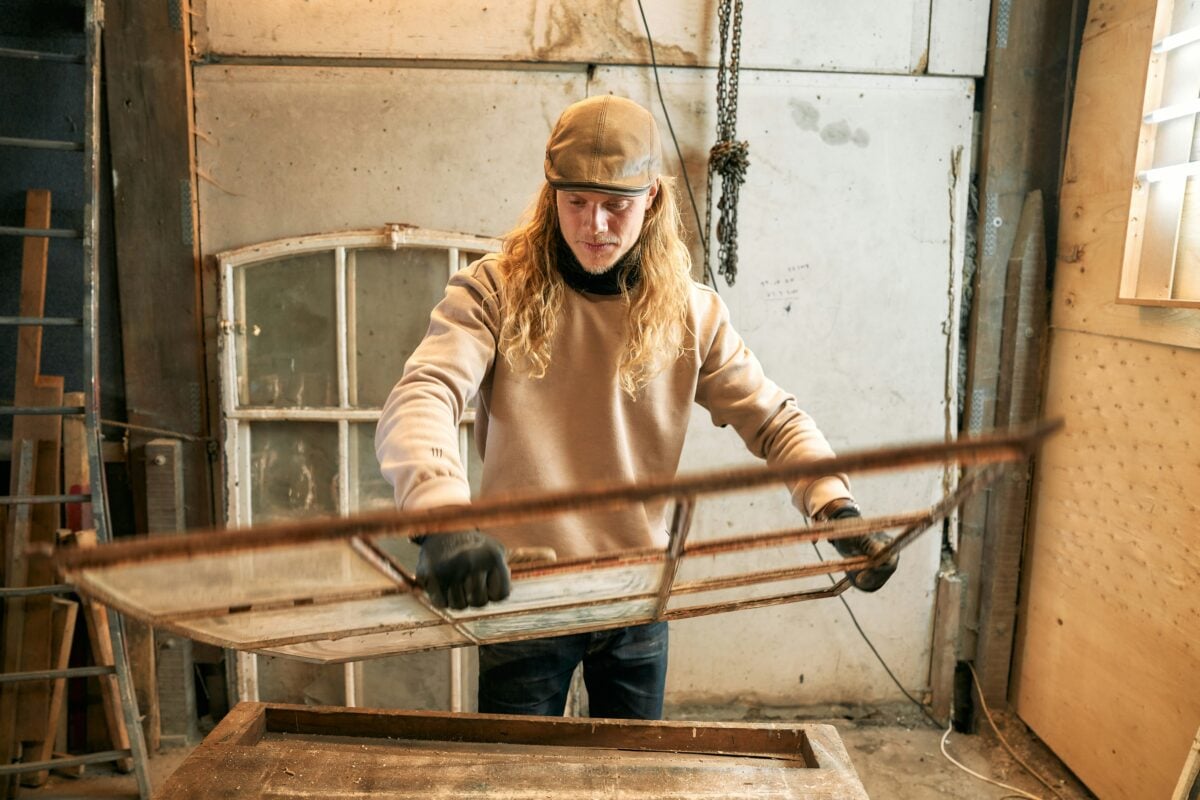
These methods stick around since they get the job done. Today’s makers pick them up – not for old times’ sake – but ‘cause they beat what tech can do.
When spinning clay, only hands sense how it settles on the wheel. A laser lacks the touch to follow wood’s natural lines.
Unlike a person weaving, no machine loom tweaks tension on instinct. Every age brings tweaks without changing the basics.
Though electric wheels spin clay faster, shaping by hand follows old rules. Machines slice timber fast – yet pieces must still match tight.
Old ways talk to new ones, linked through making things with care across time.
More from Go2Tutors!

- The Romanov Crown Jewels and Their Tragic Fate
- 13 Historical Mysteries That Science Still Can’t Solve
- Famous Hoaxes That Fooled the World for Years
- 15 Child Stars with Tragic Adult Lives
- 16 Famous Jewelry Pieces in History
Like Go2Tutors’s content? Follow us on MSN.



