Ancient Gardens Still Open to Visitors
Walking through a garden that existed centuries before you were born changes something in how you see the world. These aren’t museum pieces behind glass.
You can stand where emperors stood, breathe the same air that moved through courtyards when the world operated by completely different rules. The plants have been replanted, the paths repaired, but the bones of these places remain, and they’re still open for anyone to visit.
Villa d’Este in Tivoli
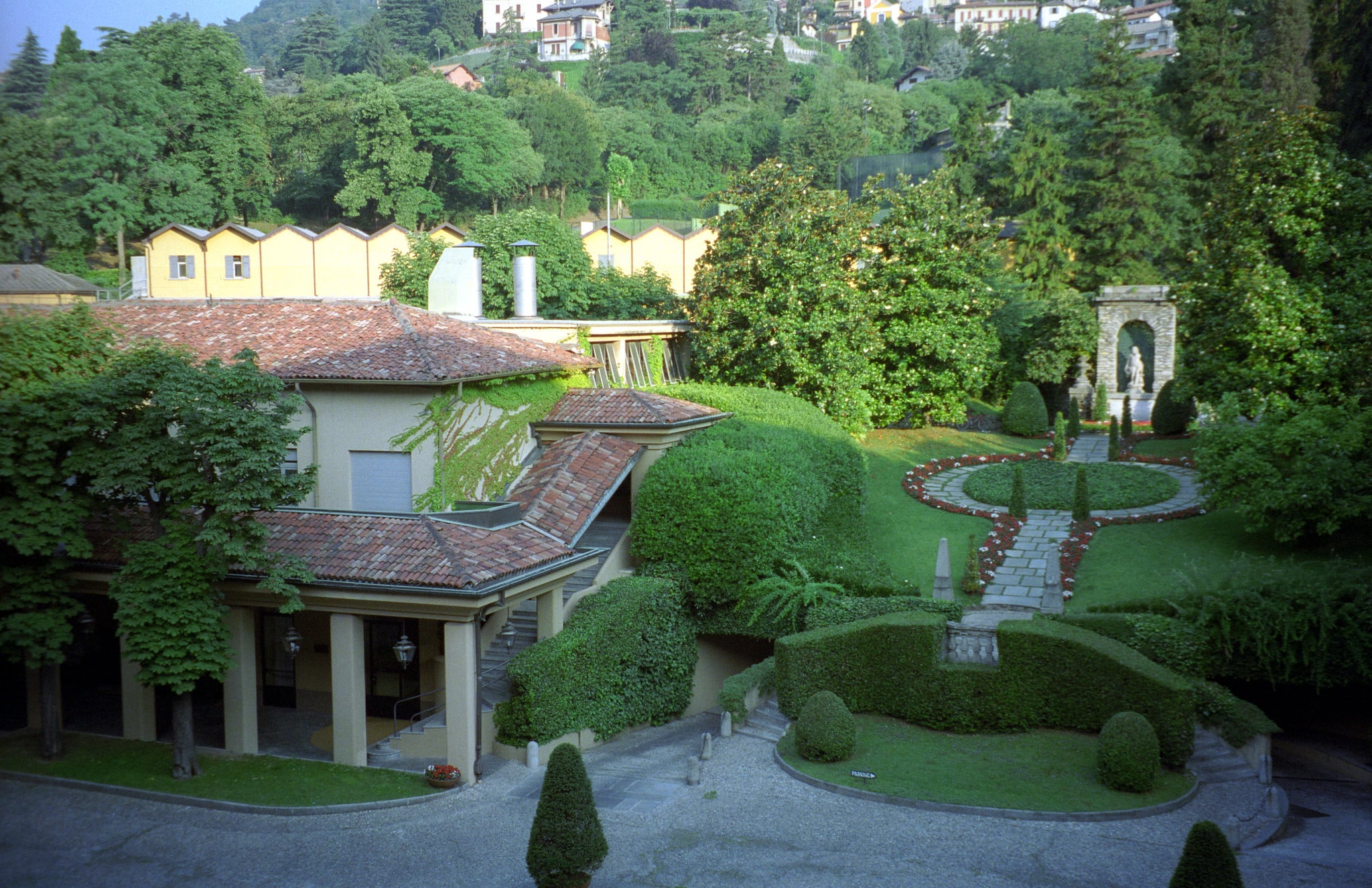
The fountains here run on gravity alone. No pumps, no modern machinery.
When Cardinal Ippolito II d’Este commissioned this garden in 1550, his engineers designed a system that still works today. The Organ Fountain actually plays music using water pressure to push air through bronze pipes.
You’ll walk down terraces that drop sharply down the hillside. Each level reveals new fountains, new perspectives.
The Hundred Fountains line an entire terrace—small spouts arranged in rows, each one different. Some spray straight up, others arc across the path.
The sound surrounds you.
The Alhambra’s Generalife
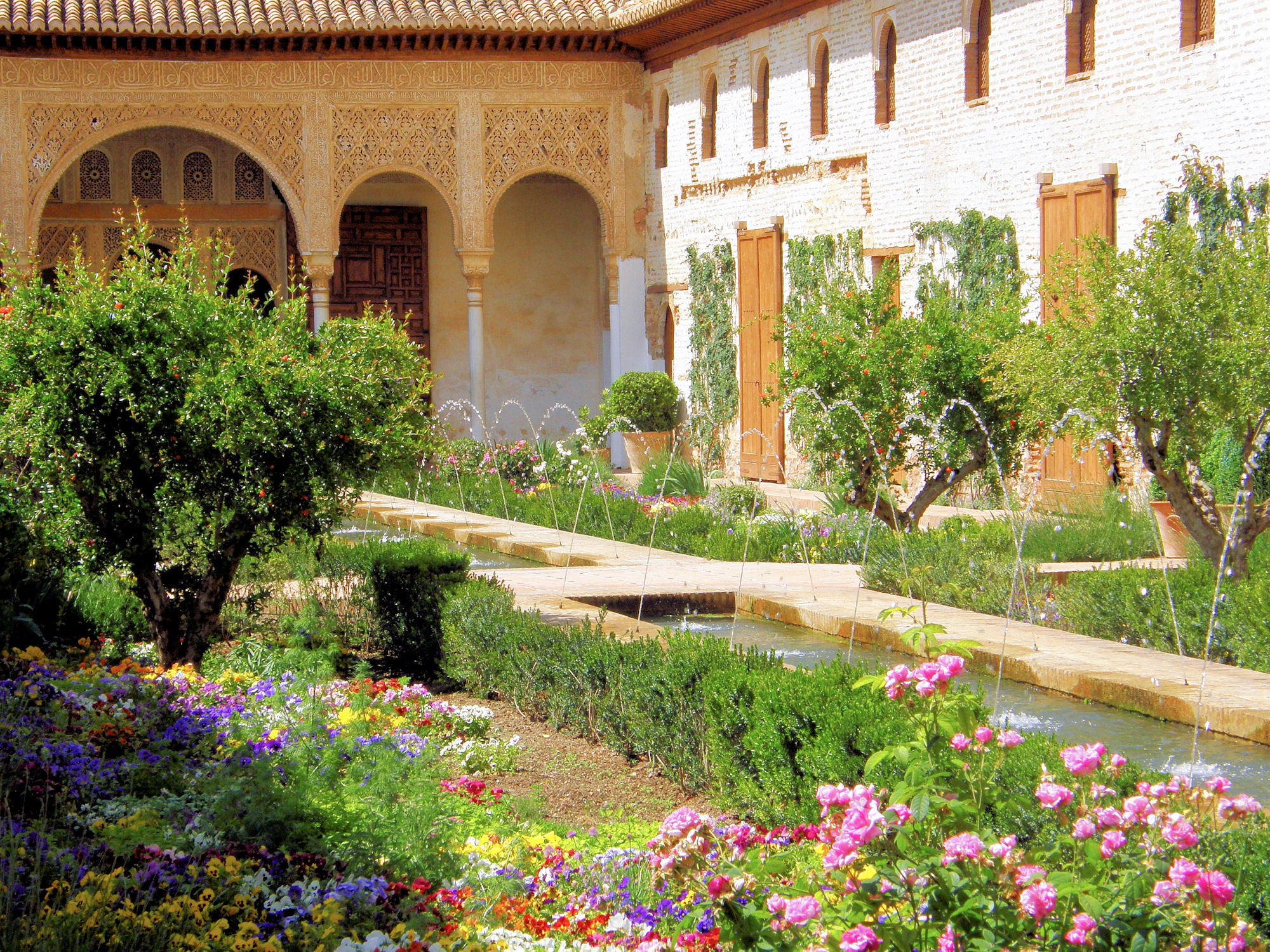
This was the summer palace for Granada’s sultans, built in the early 14th century as an escape from the formal court. The gardens stretch across the hillside facing the main palace complex.
Water runs everywhere—in narrow channels along pathways, in pools that reflect the sky, in fountains that were designed to cool the air during Spanish summers. The Patio de la Acequia centers around a long pool lined with water jets.
They arch over the water in crossing patterns. Cypress trees tower above the walls, planted so long ago that they’ve become part of the structure itself.
Suzhou’s Classical Gardens
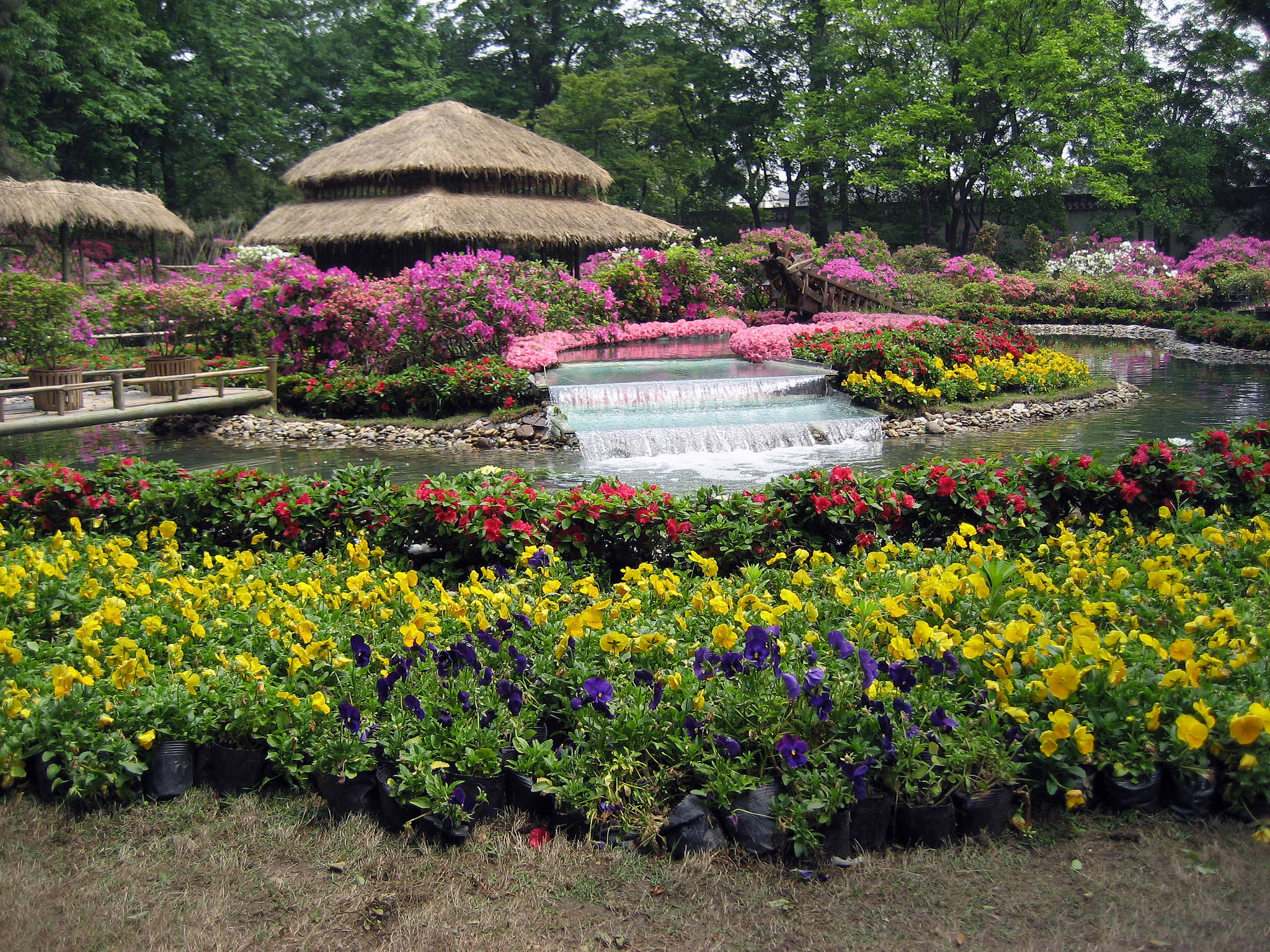
These gardens were built by scholars and wealthy merchants during the Ming and Qing dynasties. Suzhou has nine of them still intact and open.
Each one creates a miniature landscape—a world within walls. Rocks represent mountains.
Ponds become lakes. The scale shifts your perception.
The Humble Administrator’s Garden covers about 13 acres, mostly water. You walk through covered corridors, past pavilions positioned to frame specific views.
Every window acts as a painting. The builders understood exactly what they wanted you to see from each angle.
The Master of Nets Garden fits into a much smaller space but feels vast. Courtyards connect through moon gates and doorways.
Borrowed scenery brings the outside in. You turn a corner and everything changes.
Kenrokuen in Kanazawa
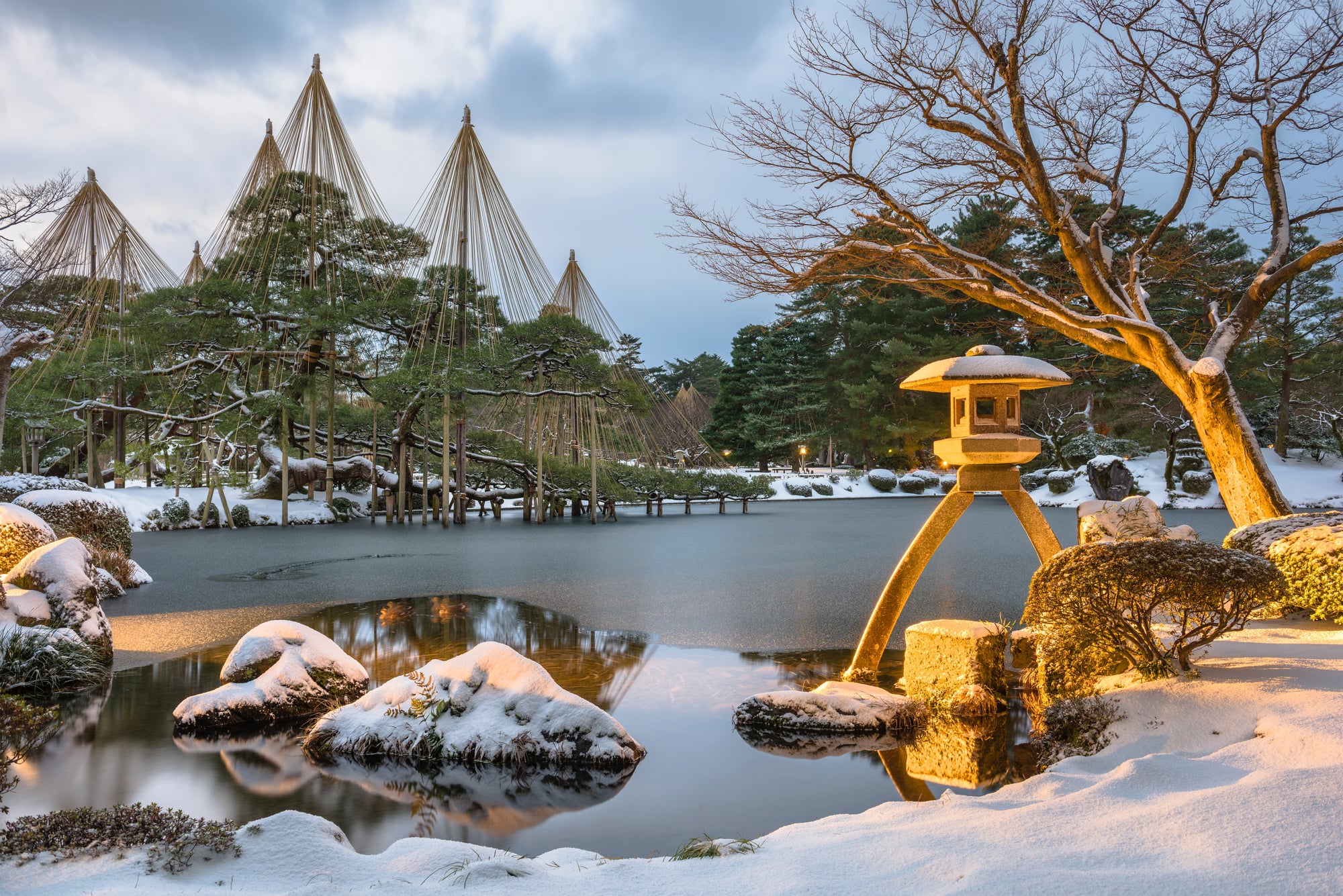
The name means “Garden of Six Sublimities,” referring to six attributes that were considered essential: spaciousness, seclusion, artifice, antiquity, water, and panoramic views. Work began in the 1620s under the Maeda clan, who ruled the region.
The garden spreads across 25 acres beside Kanazawa Castle. Kasumigaike Pond anchors the design.
An island in the pond supports a stone lantern that has become the garden’s symbol. Pine trees throughout the grounds are supported by rope structures during winter—a practical solution that became a visual tradition.
Streams wind through the landscape. Some run fast over rocks, others move slowly through flat areas.
The sound changes as you walk. Different seasons transform everything.
Cherry blossoms in spring, irises in summer, maple leaves in fall, snow weighing down the pine branches in winter.
Versailles
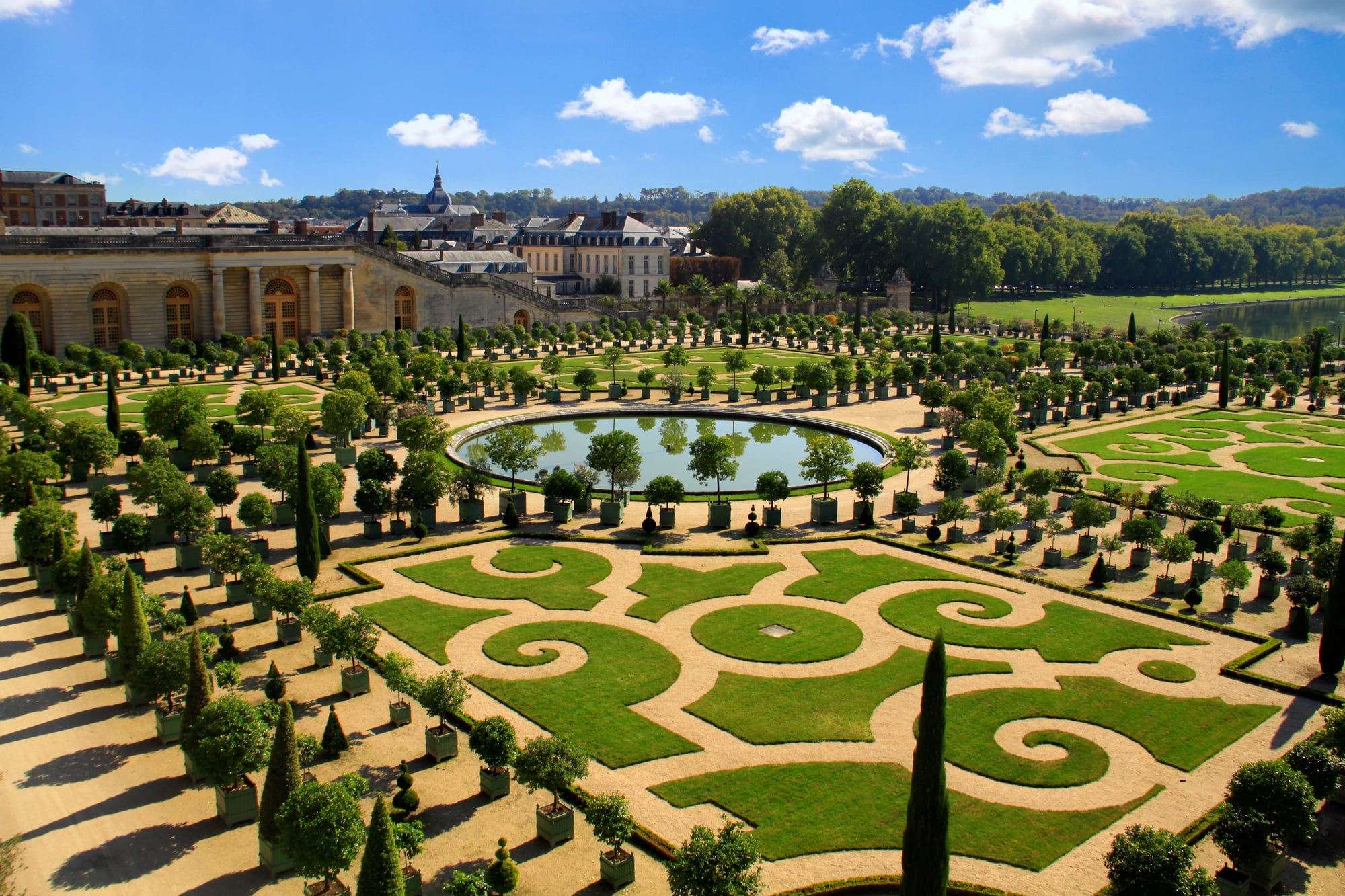
Everyone knows the palace, but the gardens are where Louis XIV actually spent his time. He wrote a guide himself, describing the exact route visitors should take.
The document still exists. The Grand Canal stretches more than a mile.
Louis kept a fleet of boats there, including a Venetian gondola. The parterres spread out in geometric patterns that you can only fully appreciate from the palace windows above.
André Le Nôtre designed it all, creating what became the model for formal gardens across Europe. The groves hide behind walls of hedges.
Each one has its own character. The Ballroom Grove has a central island where musicians played for dancers.
The Colonnade Grove surrounds a circular space with 32 marble columns. Apollo’s Baths features sculptures emerging from artificial rocks, with water cascading around them.
Boboli Gardens Behind Pitti Palace
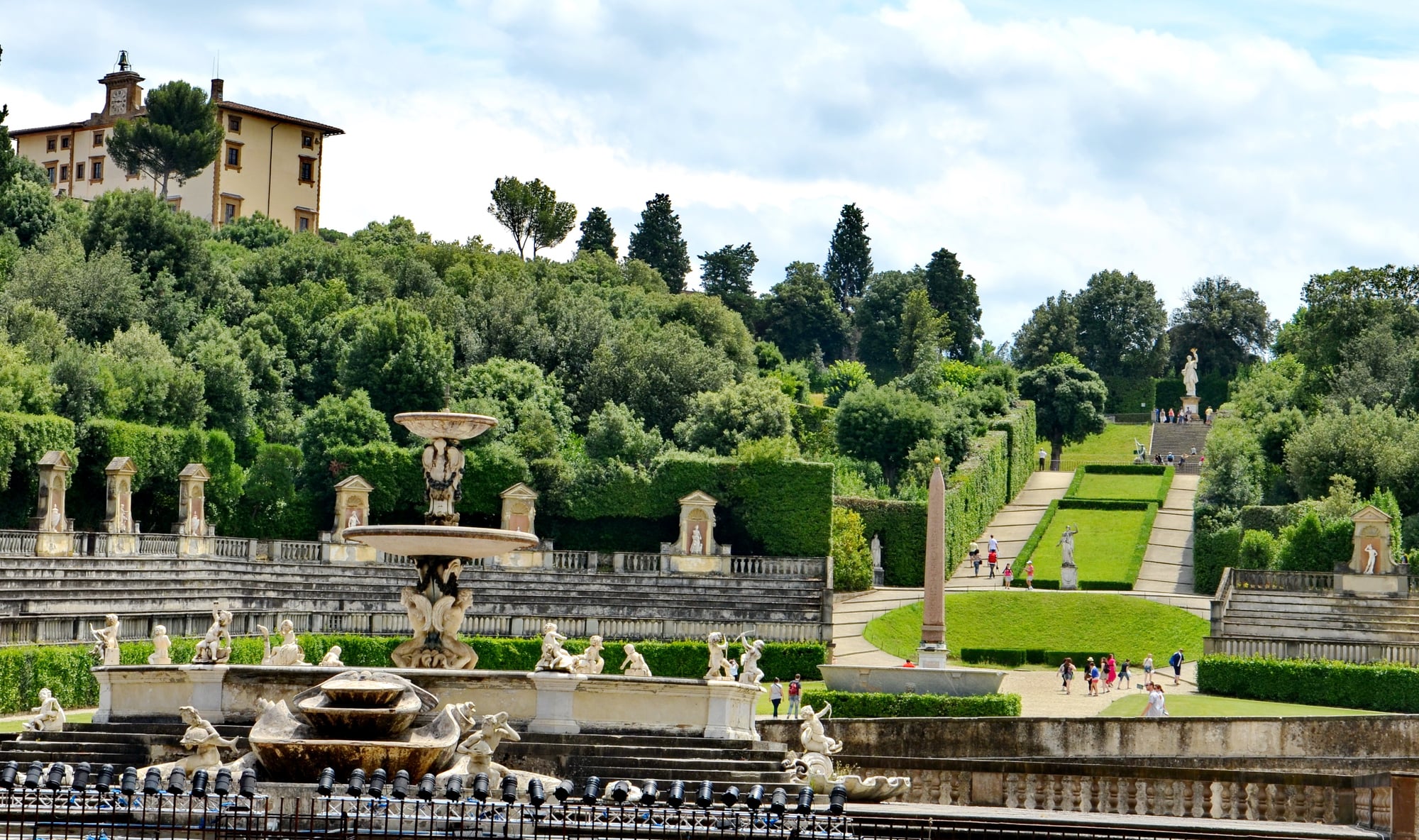
The Medici family started building these gardens in the 1540s after buying the palace. Generations added to them.
The result sprawls across 111 acres of hillside behind the palace. The amphitheater sits in a natural hollow.
Stone seats rise in tiers around a space where performances were held. An Egyptian obelisk marks the center.
The original comes from Luxor, brought to Rome, then moved here in 1789. You climb higher through the gardens, passing grottos built into the hillside.
The Grotto Grande has three chambers decorated with sculptures and shells. Water drips from the ceiling.
False stalactites hang overhead. It’s designed to feel like a natural cave, though every detail was crafted.
Stourhead in Wiltshire
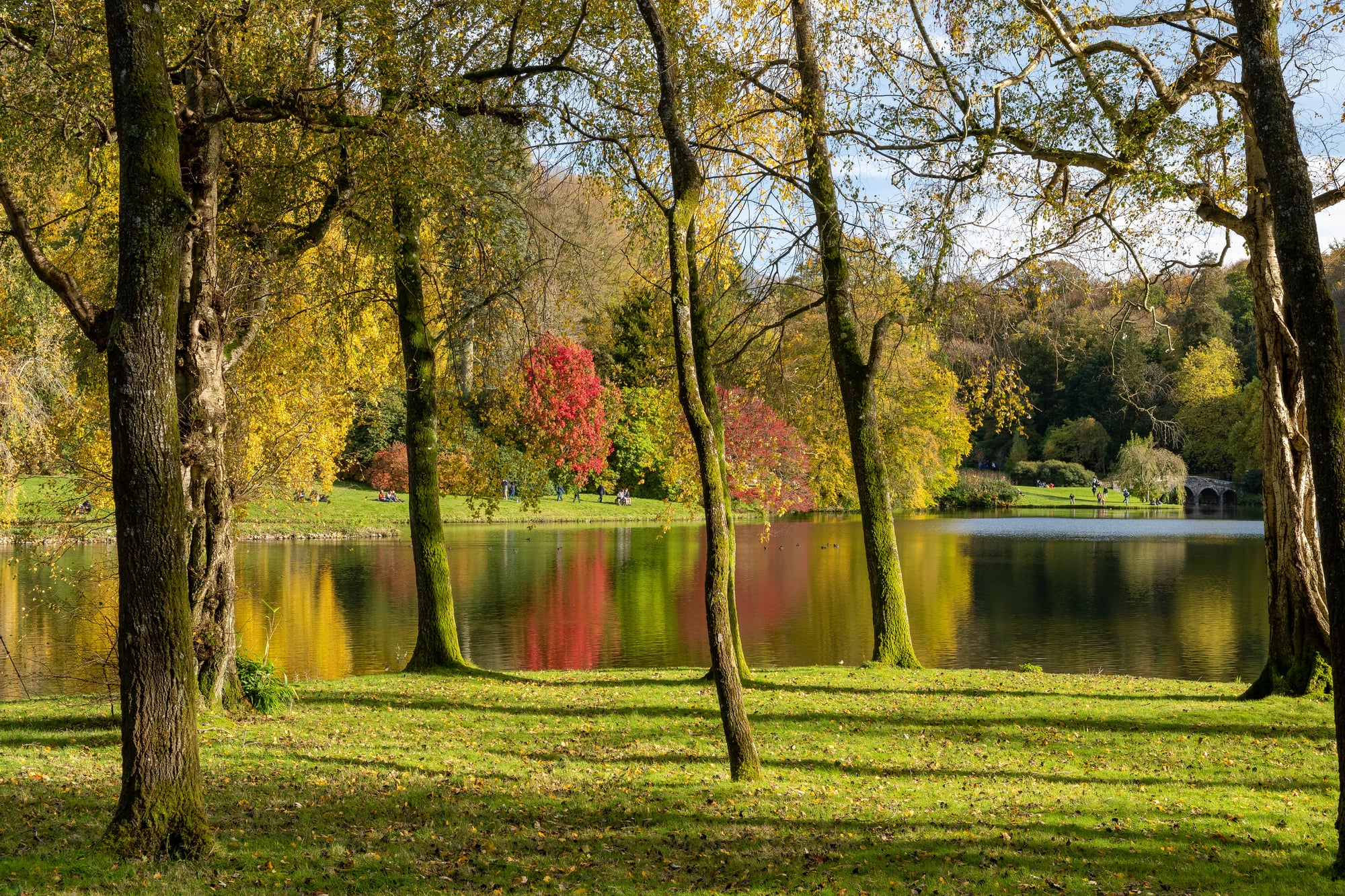
Henry Hoare II designed this garden in the 1740s, inspired by the paintings he saw during his Grand Tour of Italy. He wanted to create a walking tour through an idealized landscape.
The path around the lake takes you past temples, grottos, and carefully positioned monuments. The Pantheon stands on one side of the water.
The Temple of Apollo crowns the hill above. A grotto built into the hillside contains a spring—the source of the River Stour, which gives the estate its name.
The path leads you through the scene like chapters in a story. Trees were planted to frame specific views.
Rhododendrons bloom along the lakeside in late spring. The whole design works with the natural landscape, enhancing it rather than fighting it.
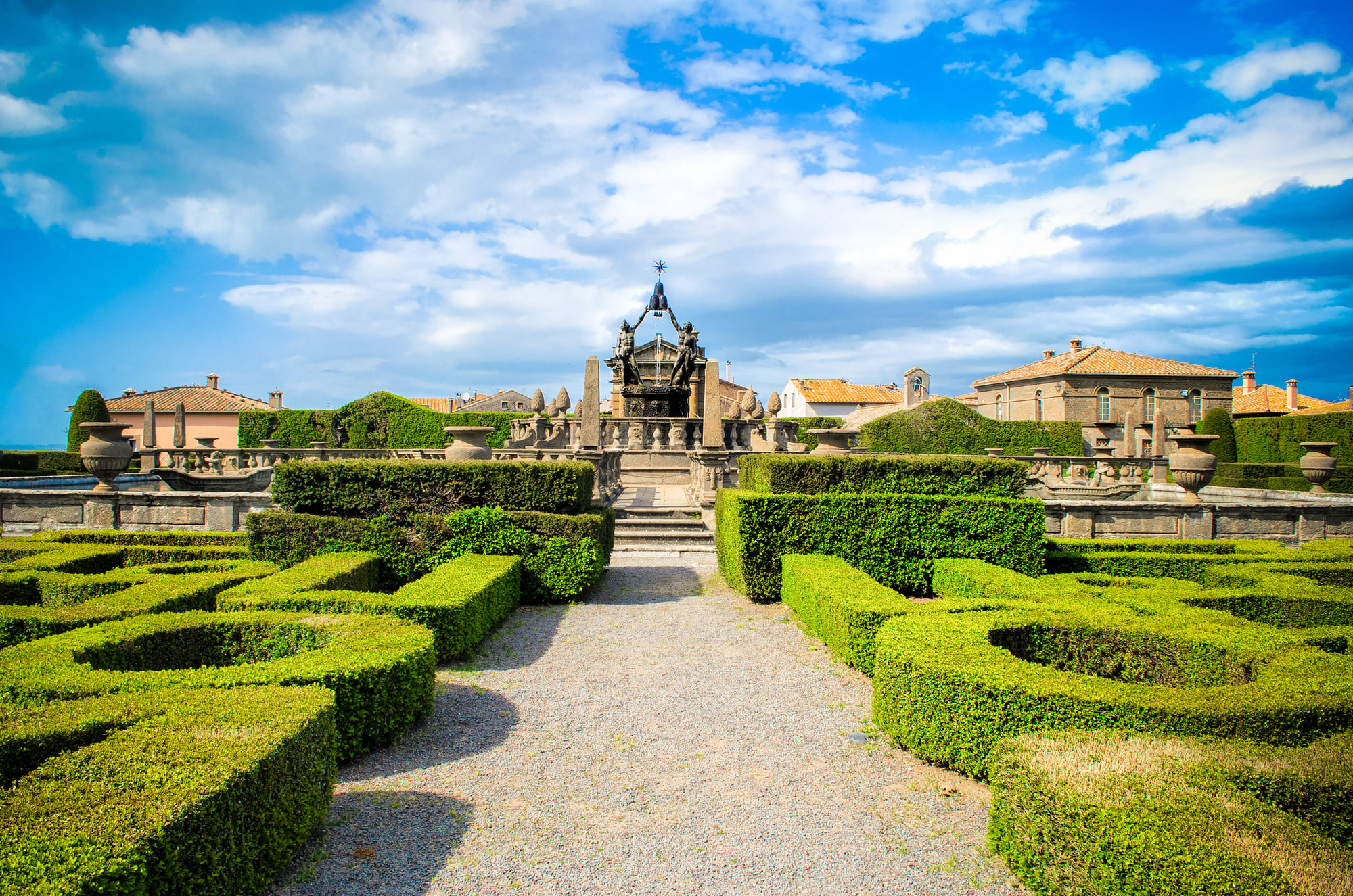
Villa Lante Near Viterbo
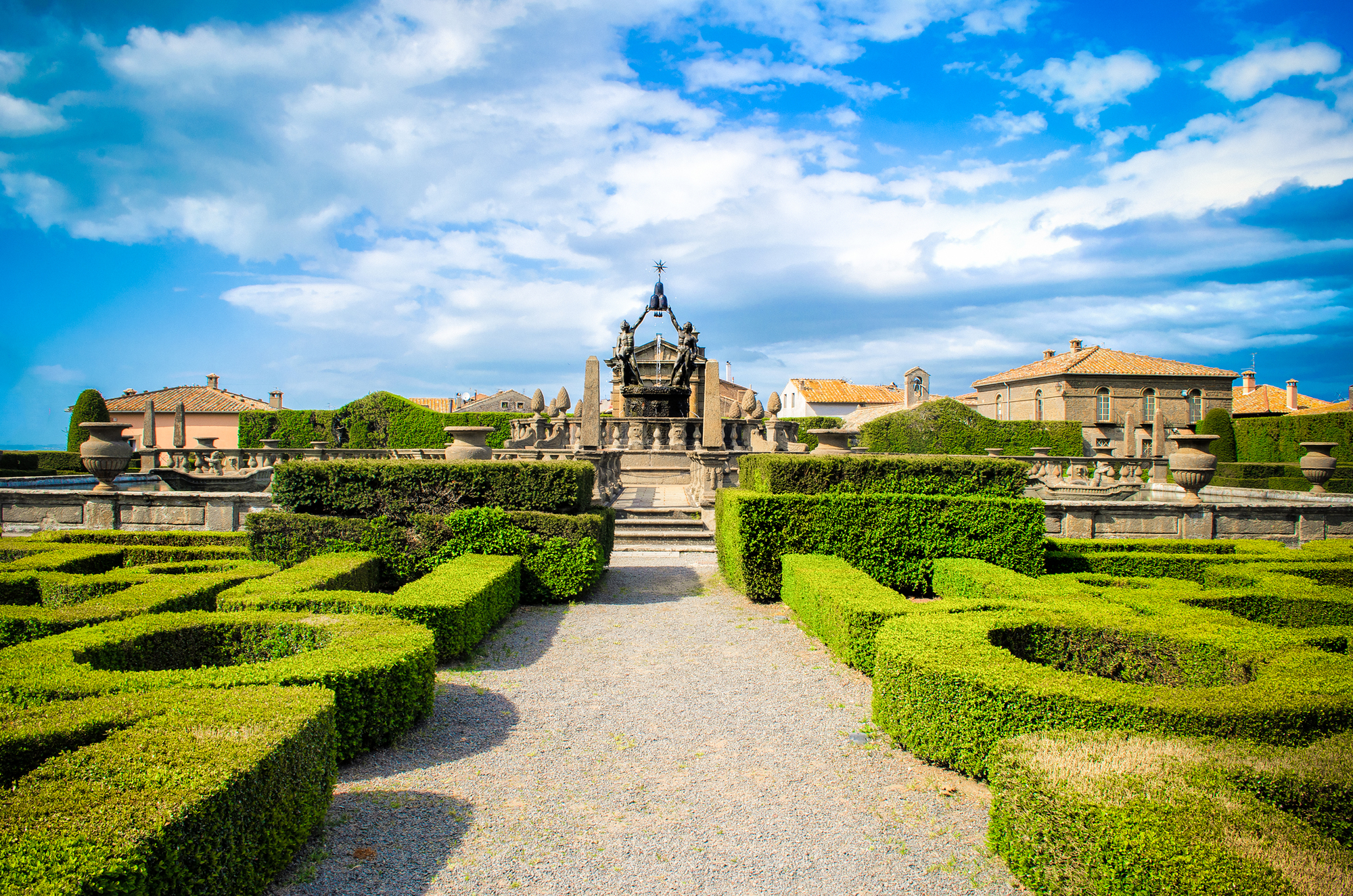
Cardinal Gianfrancesco Gambara commissioned this garden in the 1560s. Unlike other Renaissance villas, the buildings here serve the garden instead of the other way around.
Two identical casinos sit on either side of the space, small and symmetrical. The garden is what matters.
Water flows down the hillside through a series of fountains and channels. The Fountain of the Dolphins sits at the bottom.
The Fountain of the Lights creates an elaborate cascade. The Table Fountain runs down the center of a stone dining table—guests could cool their wine in the channel while eating outdoors.
The parterre spreads out in geometric patterns. Box hedges form intricate designs.
Everything connects through the water system, gravity pulling it all downhill.
Topkapi Palace Gardens
The Ottoman sultans ruled from here for four centuries. The palace complex sits on a point of land overlooking the Bosphorus.
Gardens filled every courtyard and terrace. The Fourth Courtyard gardens spread across multiple levels.
Pavilions dot the landscape—the Baghdad Kiosk, the Revan Kiosk, the Circumcision Room. Each one was built for a specific purpose, positioned to capture views of the water.
Tulips grew everywhere during the Ottoman period. The palace gardens became famous for them long before tulips became associated with Holland.
The Tulip Festival in Istanbul each spring traces back to this tradition.
Villa Borghese in Rome
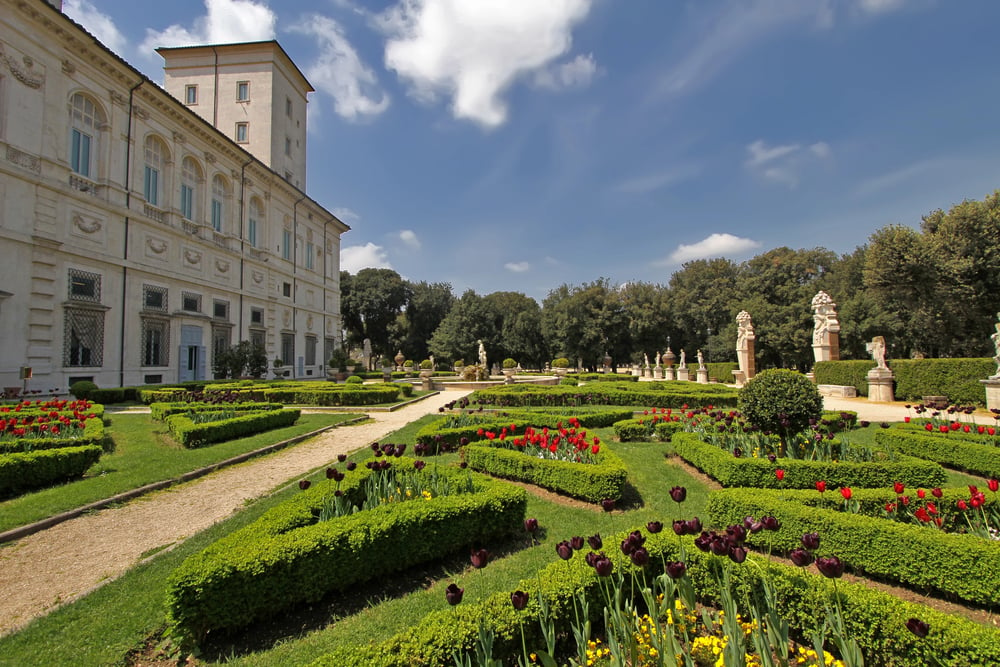
Cardinal Scipione Borghese built this as a party villa in the early 1600s. The gardens stretched across what was then countryside outside Rome’s walls.
Now the city surrounds it, making the 200 acres inside feel like an escape. The gardens were designed for entertainment.
Hidden water tricks would spray unsuspecting guests. Aviaries housed exotic birds.
The cardinal’s collection of ancient sculptures filled the grounds before he moved them inside the villa to protect them. The landscaping has changed over the centuries.
What started as a formal Italian garden was redesigned in the English landscape style in the 1800s. Winding paths replaced geometric patterns.
The lake was added. But the essential character remains—a place designed for pleasure and leisure.
Kew Gardens
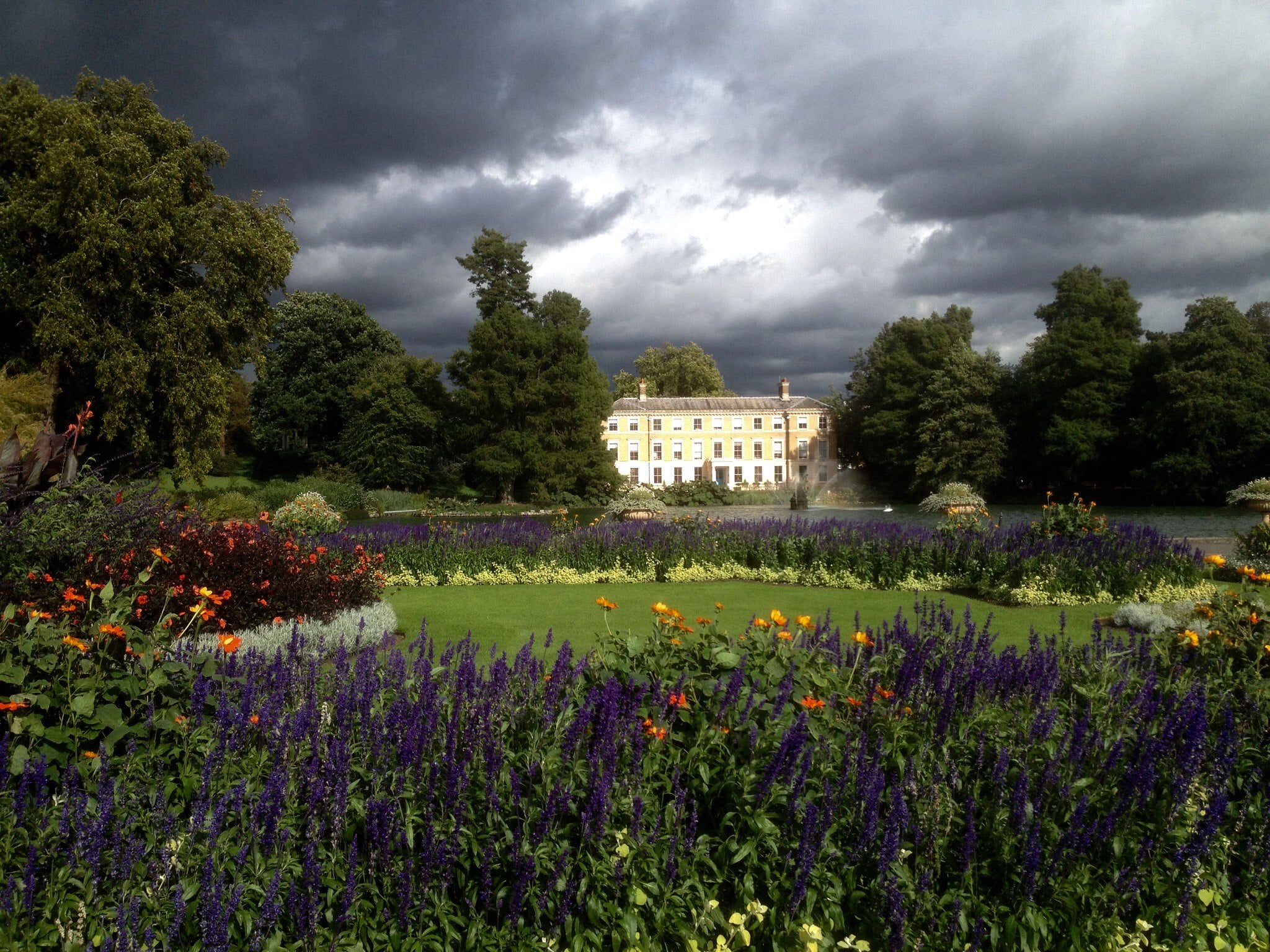
In 1759, Princess Augusta used the Royal Botanic Gardens at Kew as an exotic garden. George III, her son, enlarged it.
Kew had developed into a hub for botanical research by the Victorian era, gathering plants from every British colony. The Palm House was built decades before contemporary greenhouses.
Constructed in 1844, it uses glass and cast iron to create a microclimate for tropical plants. In the middle of London, you stroll through a rainforest.
The Pagoda rises 163 feet, built in 1762 when Chinese architecture fascinated European designers. The Temperate House is even larger than the Palm House—the biggest Victorian glasshouse still standing.
Beyond the buildings, the gardens spread across 300 acres. The oldest specimens date back to the 1700s.
Trees planted by George III still grow here.
Gardens of Ninfa
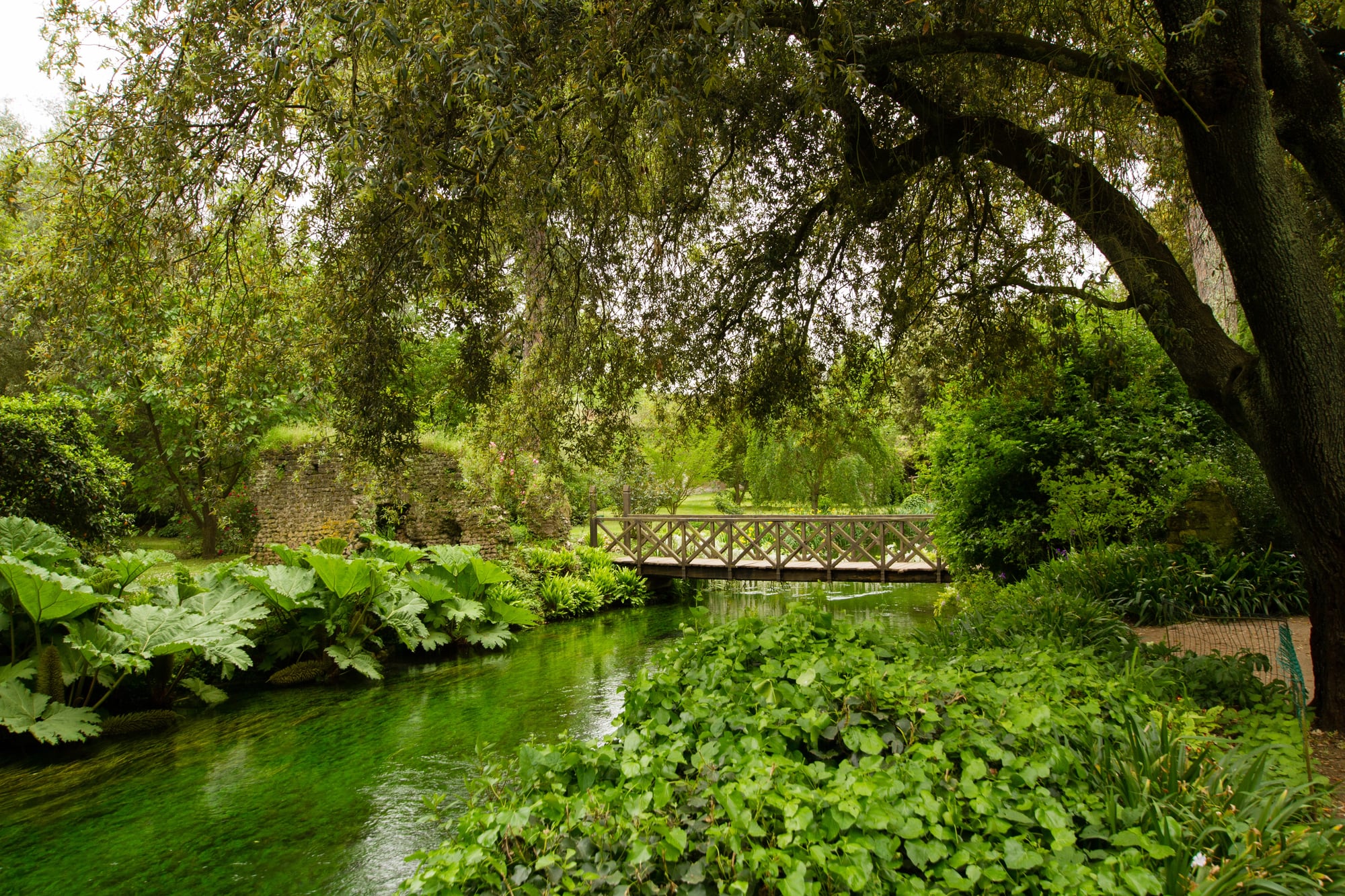
This garden grows inside medieval ruins. The town of Ninfa thrived in the Middle Ages, then declined and was abandoned by the 1600s.
The Caetani family bought the property in the late 1800s and started planting. The buildings were not restored.
They planted around them after allowing them to fall apart. Roses ascend the walls of towers.
Windows are covered in wisteria. Natural water features among the ruins are created by a river that flows through the site.
To preserve it, the garden is only accessible on specific days of the year. When you visit, you pass through an area where human history and nature have completely blended together.
Despite the fact that each plant was carefully selected and positioned, it feels old and untamed.
Butchart Gardens in British Columbia
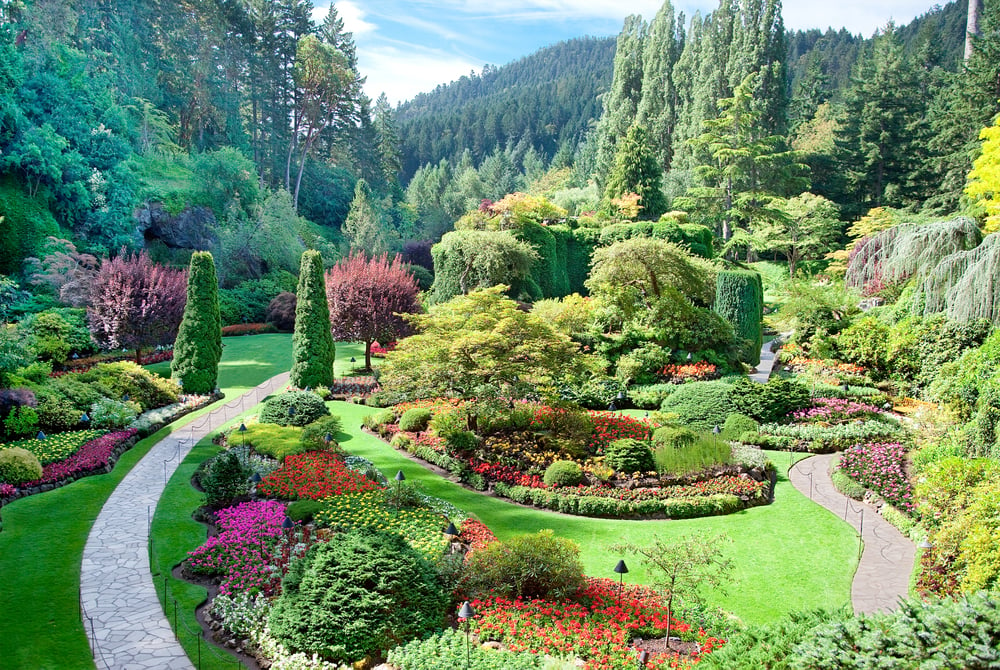
These gardens grew from an exhausted quarry. Robert Butchart made his fortune in cement, using limestone from a quarry on his property.
When the limestone ran out in 1909, his wife Jennie decided to transform the scar into a garden. The Sunken Garden fills the old quarry pit.
Paths wind down into the crater among trees and flowering plants. The scale is remarkable—where rock once was, gardens now flourish.
Other sections were added over the years. The Rose Garden, the Japanese Garden, the Italian Garden.
Each section has its own character, but they all connect into a continuous experience. Over a century later, the gardens now cover 55 acres.
They’re still run by the Butchart family. The plants change with the seasons, but the transformation from industrial site to living garden remains the central story.
Time Layered on Itself
These gardens exist in a strange space between preservation and growth. You can’t freeze a garden the way you can a building.
Plants die and need replacing. Paths wear down and require repair.
The layouts remain, but the living material constantly renews itself. What you experience when you visit is both the original vision and centuries of change layered on top of it.
The bones persist. The spirit remains.
You walk through time made tangible—not as memory, but as a place that continues to exist in the present moment.
More from Go2Tutors!

- The Romanov Crown Jewels and Their Tragic Fate
- 13 Historical Mysteries That Science Still Can’t Solve
- Famous Hoaxes That Fooled the World for Years
- 15 Child Stars with Tragic Adult Lives
- 16 Famous Jewelry Pieces in History
Like Go2Tutors’s content? Follow us on MSN.