18 Classic Tools That Have Stood the Test of Time
In an age of planned obsolescence where electronic devices become outdated almost immediately after purchase, there’s something profoundly reassuring about tools that have remained essentially unchanged for generations. These implements have persisted not because of clever marketing or technological lock-in, but simply because they work exceptionally well at what they’re designed to do. Their longevity speaks to the brilliance of their original design and the universal needs they continue to address in our daily lives.
Here is a list of 18 classic tools that have withstood decades—and in some cases, centuries—of use while remaining largely unchanged in their fundamental design.
Hammer
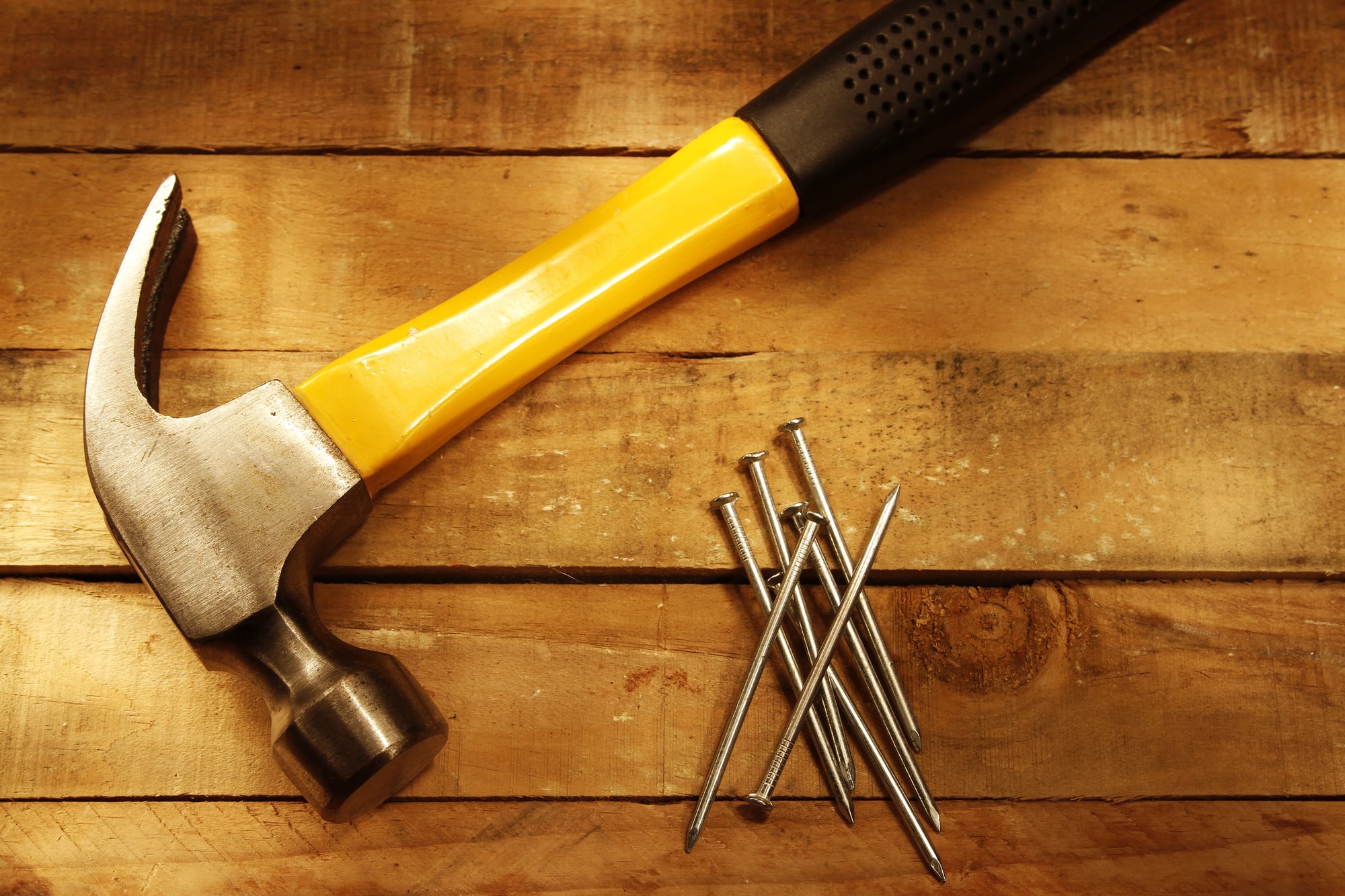
Few tools are as instantly recognizable as the hammer. With archaeological evidence dating back over 30,000 years, the basic design—a weighted head attached to a handle—has remained remarkably consistent.
Modern refinements like curved claws for nail removal and ergonomic handles haven’t altered its essential function of delivering focused force. A well-made hammer purchased today could likely be used by your grandchildren.
Screwdriver
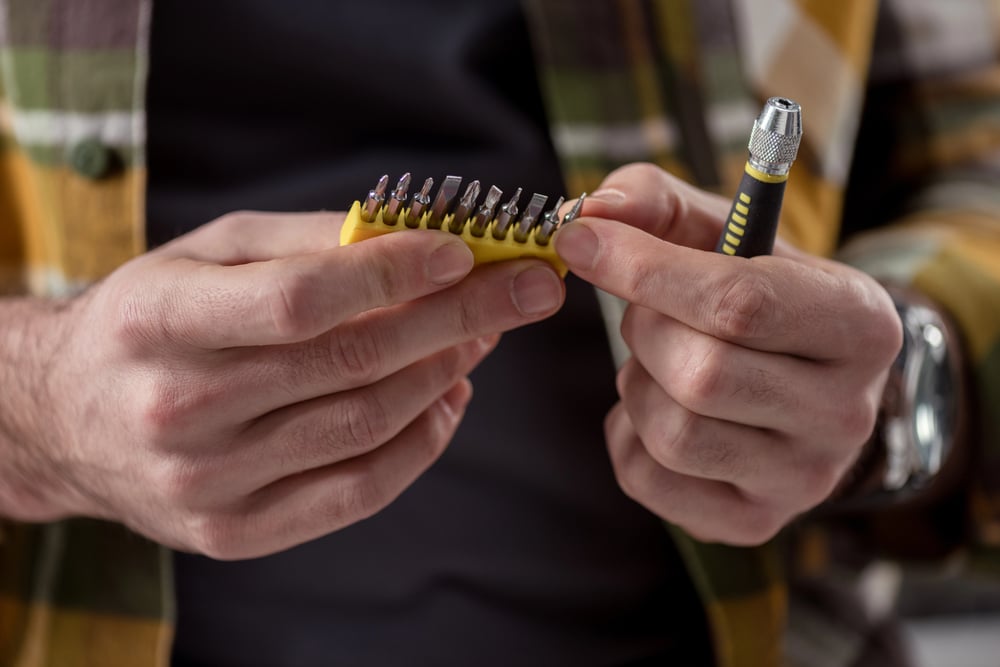
The screwdriver’s simple brilliance is in its capacity to convert rotating force into linear benefit. Dating back to the 15th century, screwdrivers developed in tandem with screws themselves; the Phillips head version was added in the 1930s to stop slippage during industrial assembly.
Though powered substitutes were developed, the hand-operated screwdriver is still absolutely necessary for its accuracy, dependability, and capacity to operate without batteries or power.
Wrench

Dating back to the mid-1800s, adjustable wrenches include the famous Crescent wrench from 1907. The beauty of this design is its flexibility—one tool can take the place of a whole collection of fixed-size wrenches.
Its adaptability made it necessary during both World Wars and now makes it a standard item in toolboxes all over. Neither the physics of leverage that powers wrenches nor our need for them has altered.
Handsaw
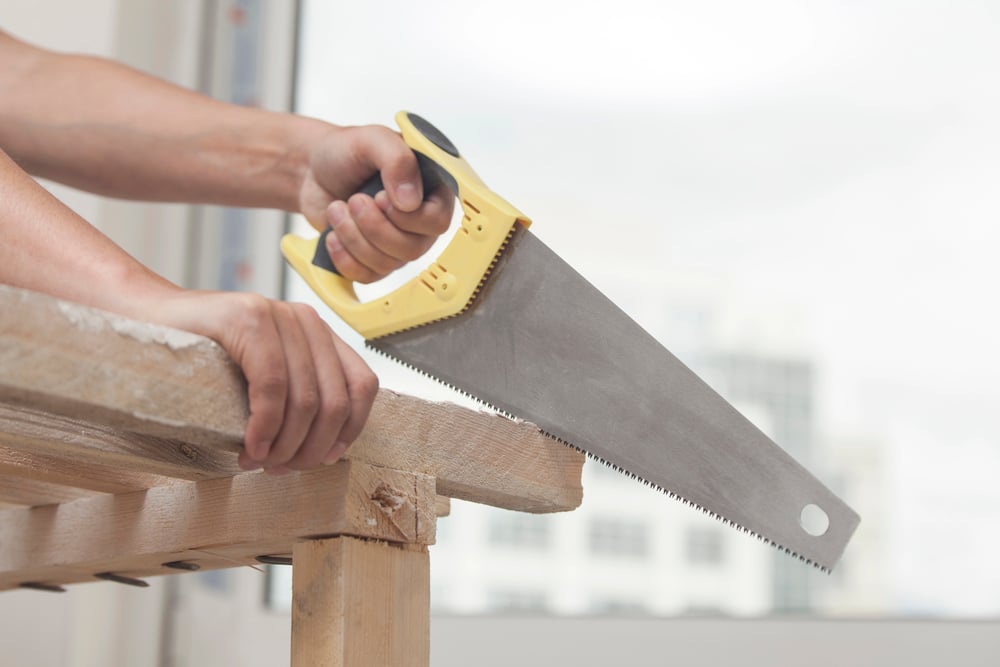
Long before power tools dominated construction sites, the humble hand saw was essential for all woodworking tasks. The basic design—a toothed metal blade with a comfortable handle—has existed since ancient times, with refinements in metallurgy improving durability and cutting efficiency.
Modern handsaws still follow patterns established centuries ago, offering quieter operation, greater precision, and the satisfaction of skilled manual work that power tools can’t match.
Chisel

Dating back to ancient Egypt, chisels have been shaping wood, stone, and metal for thousands of years. The fundamental design remains unchanged—a sharp, beveled cutting edge attached to a handle that can withstand repeated strikes.
Skilled craftspeople still reach for hand chisels when precision is paramount, especially in fine woodworking where the sound of mallet on chisel represents craftsmanship that has stood the test of time.
Pliers
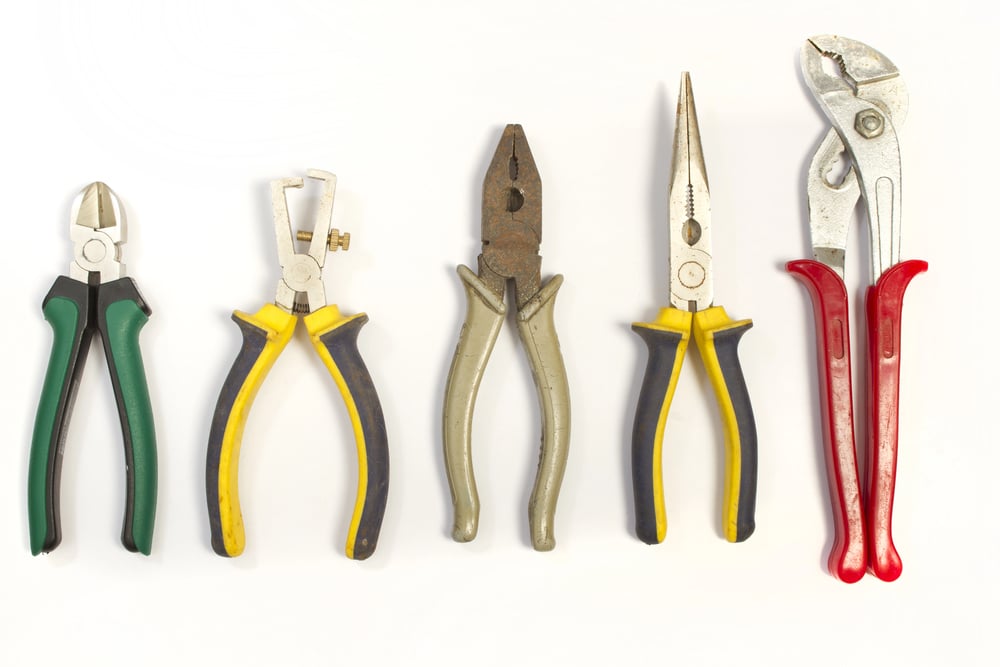
The basic design of pliers—two levers joined at a fulcrum—creates a tool that amplifies grip strength through mechanical advantage. First appearing in Europe around 2000 BCE, pliers have diversified into specialized forms for various tasks while maintaining their essential function.
From jewelry making to electrical work, modern pliers would be instantly recognizable to craftspeople from centuries past, proving their enduring utility.
Level
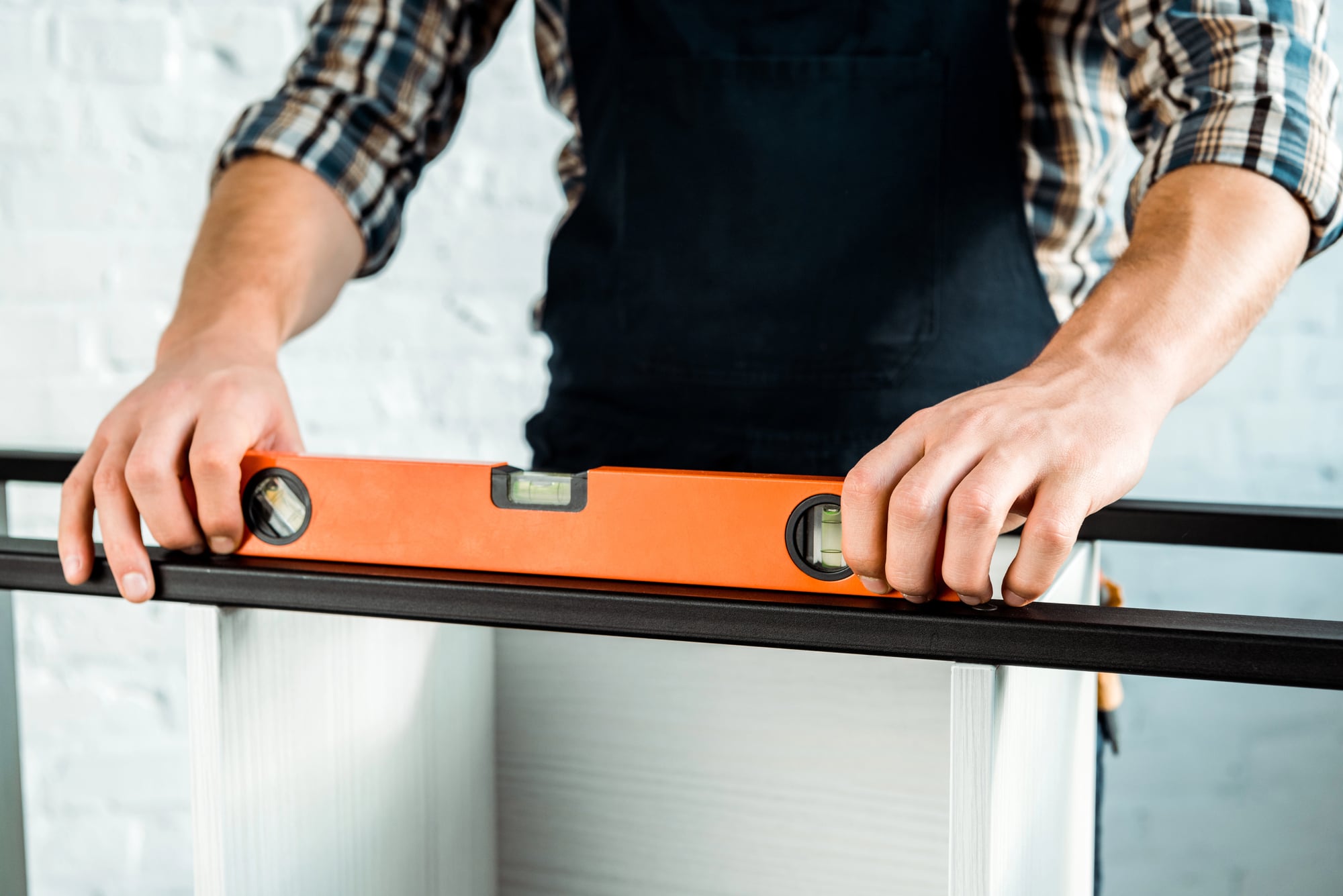
The bubble level, patented in the 1660s, revolutionized construction by providing a simple visual reference for horizontal and vertical alignment. The trapped air bubble in the liquid seeks the highest point, creating an accurate indicator that requires no power or calibration.
Modern levels may incorporate digital displays or laser projection, but the traditional bubble level remains reliable, accurate, and impervious to battery failure.
Hand Plane

Woodworkers have been using hand planes to smooth and shape wood since Roman times. The basic design—a sharp blade held at a specific angle to the work surface—creates thin, consistent shavings that leave behind beautifully smooth surfaces.
Though power planers and sanders have their place in modern workshops, the control and surface quality achieved with a well-tuned hand plane remains unmatched for fine woodworking.
Measuring Tape

Spring-loaded retractable measuring tapes were patented in 1868, combining precision measurement with convenient storage. The familiar yellow tape with black markings provides quick, accurate measurements in a pocket-sized package.
Despite the availability of laser measuring devices, the traditional tape measure remains essential on construction sites and in home workshops for its simplicity, reliability, and tactile feedback.
Ax
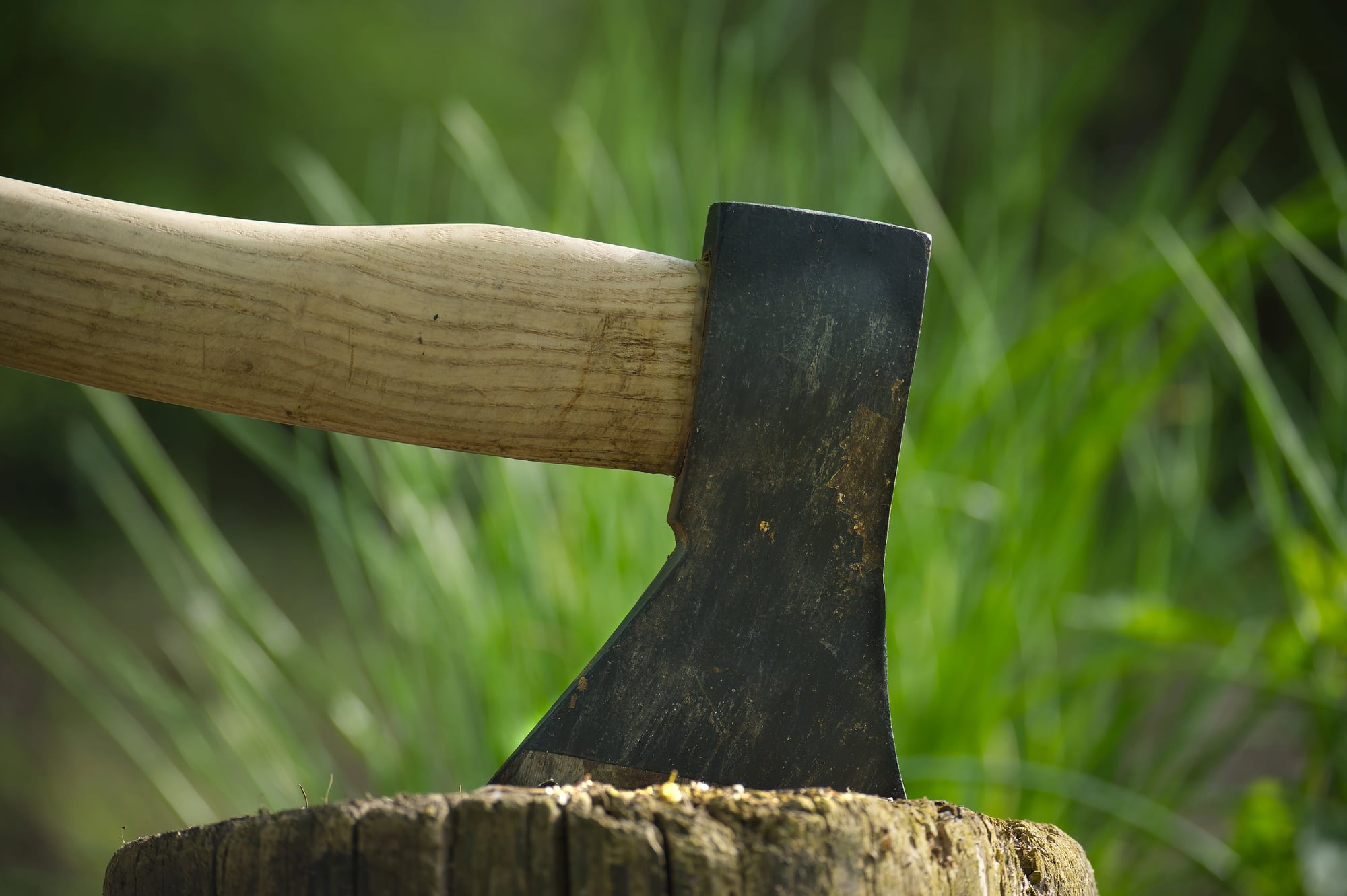
The ax represents one of humanity’s earliest compound tools—combining a cutting edge with the leverage of a handle. Archaeological evidence shows axes were used over 1.5 million years ago, with metal versions appearing around 6000 BCE.
Modern axes would be immediately familiar to our ancestors, with refinements in metallurgy and handle design improving durability without changing the fundamental physics that makes this tool so effective.
Vise

The ability to firmly hold a workpiece while leaving both hands free revolutionized craftsmanship centuries ago. The screw-operated vise, which translates rotational force into clamping pressure, became widespread during the Industrial Revolution.
Modern vises follow the same mechanical principles established generations ago, providing the solid foundation necessary for precision work from gunsmithing to woodworking.
Crowbar
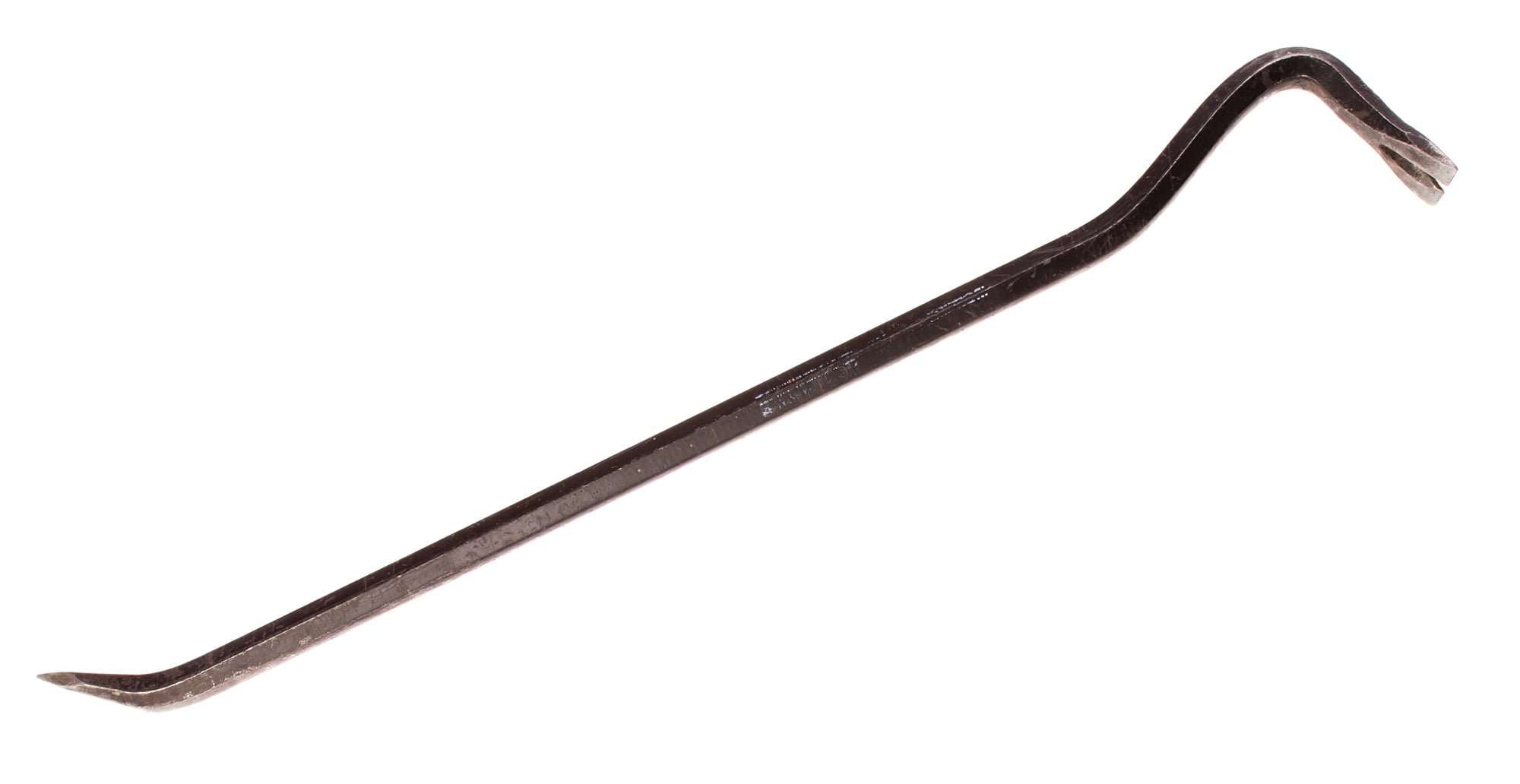
The simple physics of the lever, identified by Archimedes over 2,000 years ago, finds perfect expression in the crowbar. This elegantly simple tool multiplies force through leverage, allowing users to move objects many times their own strength.
The basic design—a curved metal bar with a flattened end—has remained essentially unchanged for centuries, proving that some mechanical principles simply cannot be improved upon.
Hand Drill
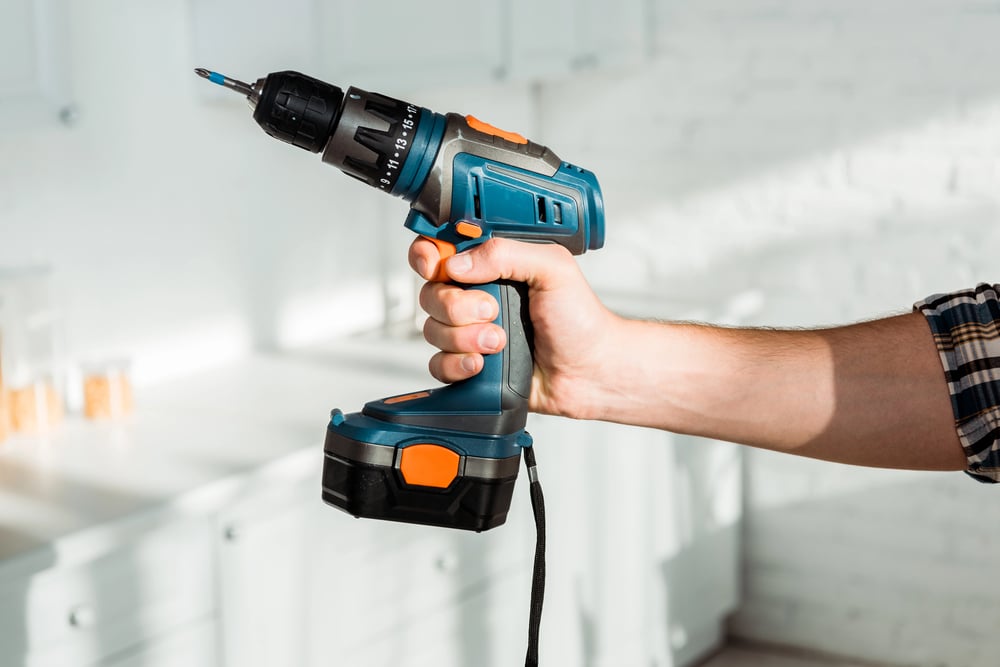
Before the advent of power tools, the hand drill provided a means of creating precise holes in wood, metal, and other materials. The egg-beater style hand drill, which converts rotational motion through gears to achieve higher speeds, dates to the 1800s.
Modern versions remain virtually identical, prized by traditional craftspeople for their quiet operation, precise control, and independence from power sources.
Clamps
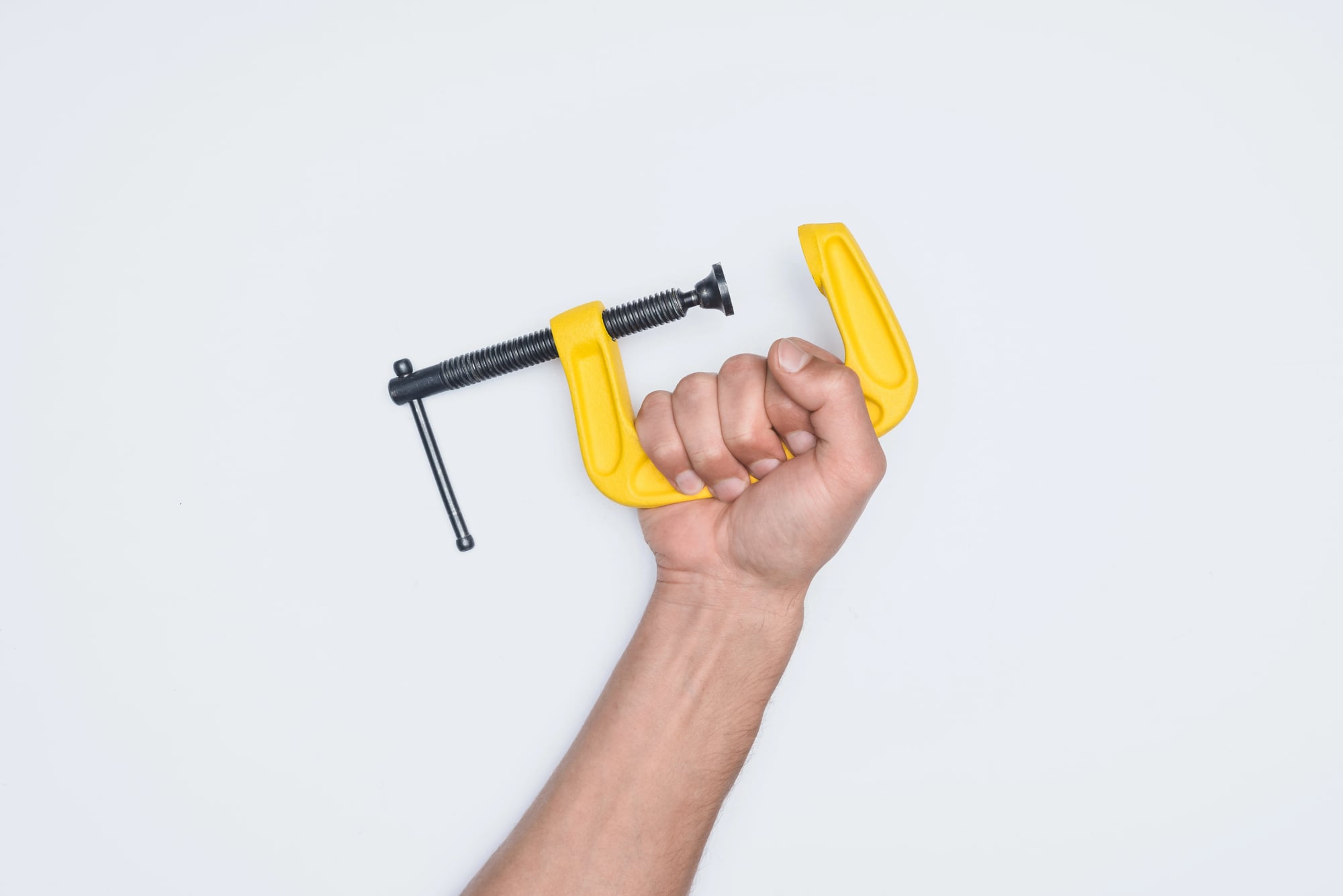
The humble woodworking clamp—whether bar, C-shaped, or spring-loaded—remains essentially unchanged from versions used centuries ago. These simple devices create temporary bonds that hold workpieces in position during gluing, cutting, or assembly.
Despite their simplicity, or perhaps because of it, clamps remain indispensable in workshops worldwide. Their reliability and straightforward functionality ensure their continued use for generations to come.
Shovel
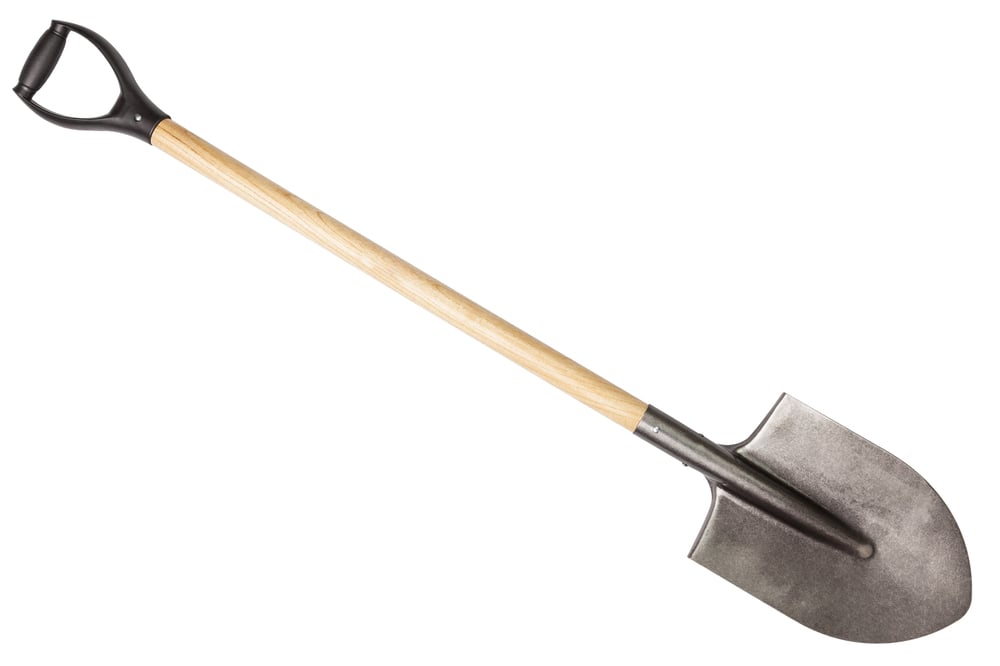
Few tools are as fundamentally necessary as the shovel. Archaeological evidence suggests that shovels have existed for at least 5,000 years, with designs specializing in different soil types and tasks.
The basic form—a broad blade attached to a long handle—creates an efficient machine for moving earth by combining leverage with a shape that holds material. Modern materials have made shovels lighter and stronger, but the design principles remain unchanged.
Trowel

Masonry trowels have been used since the ancient Egyptian pyramids, with designs specialized for applying mortar, finishing concrete, or setting tile. The flat blade attached to an offset handle allows precise control and manipulation of materials.
When archaeologists uncover ancient construction sites, they often find trowels remarkably similar to those used by modern masons, demonstrating the timeless utility of this simple tool.
Awl
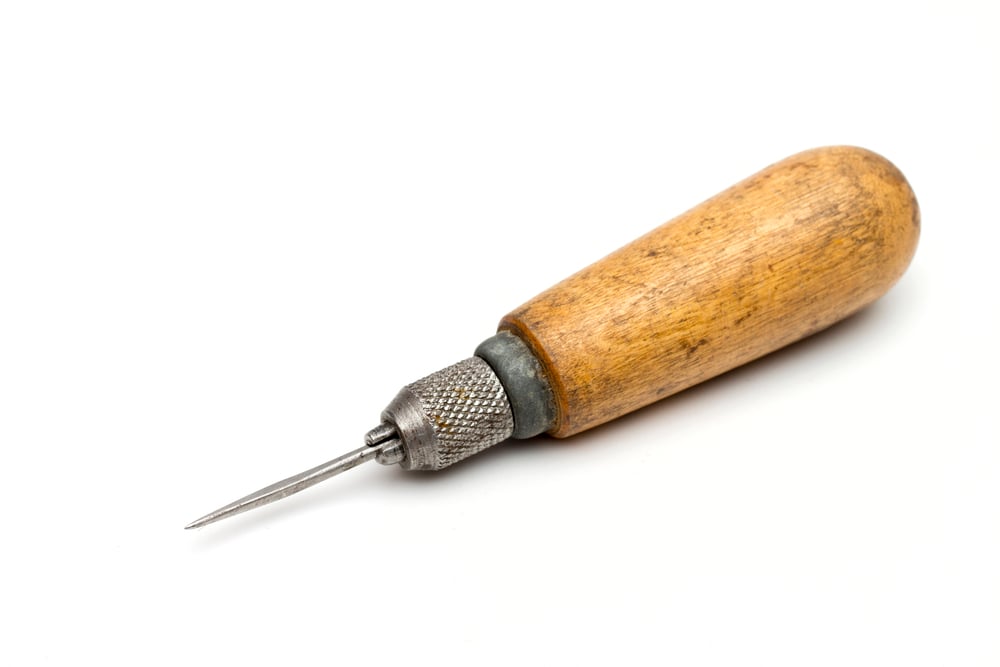
The humble awl—essentially a pointed spike with a handle—predates even needles in human history. This primitive but effective tool creates holes in leather, wood, and other materials, making it essential for everything from bookbinding to leatherworking.
Modern awls would be instantly familiar to craftspeople from thousands of years ago, proving that some tools achieve perfection early and require no further improvement.
Plumb Bob
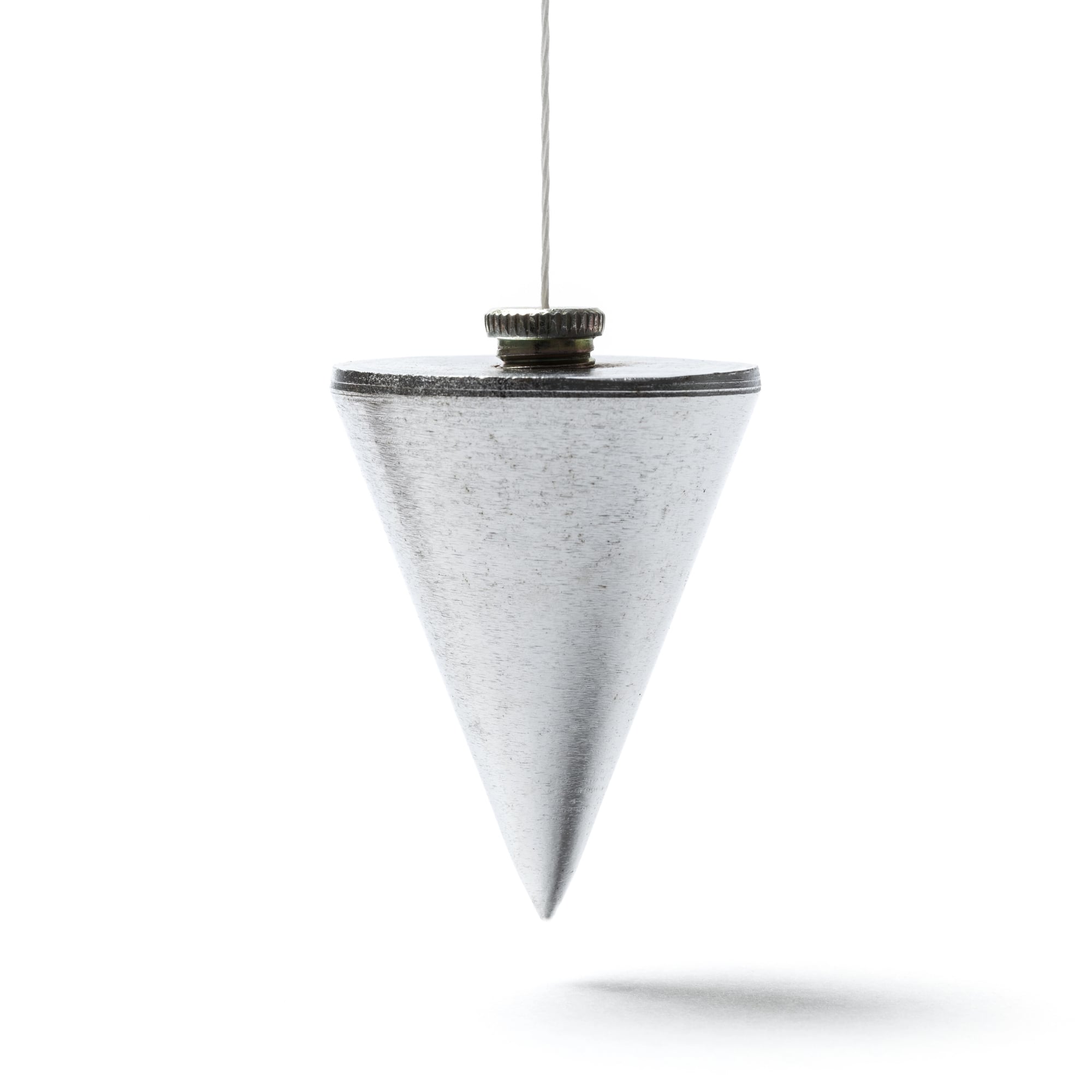
This elegantly simple tool—a pointed weight suspended on a string—has been used since ancient Egypt to establish perfect vertical alignment. Governed by gravity itself, the plumb bob provides an absolutely reliable reference point for construction.
Though laser levels have supplemented this ancient tool on modern construction sites, many traditional builders still rely on the plumb bob for its foolproof accuracy and independence from batteries or calibration.
The Legacy of Manual Craftsmanship
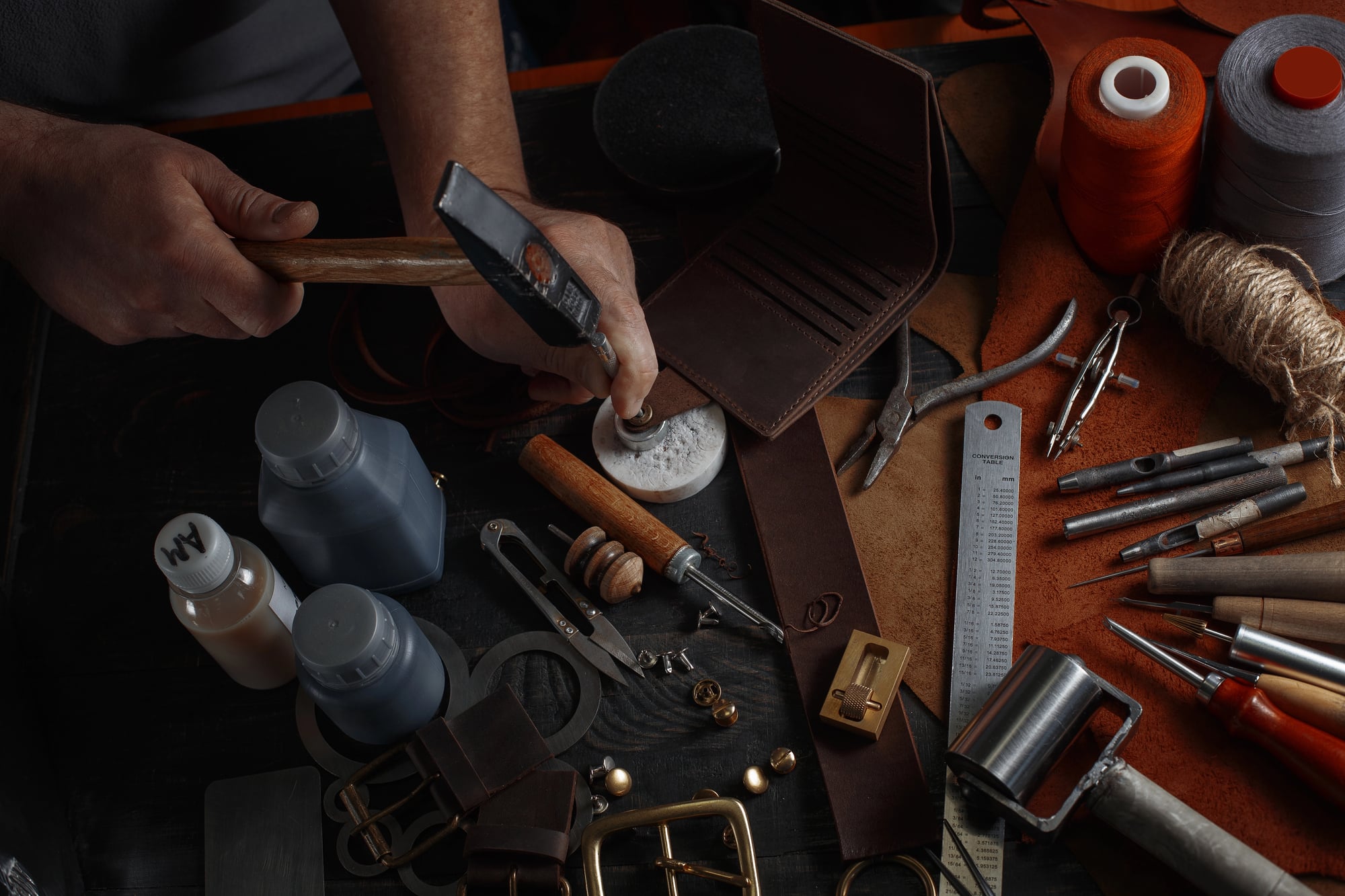
These classic tools represent more than just practical implements—they embody human ingenuity and our connection to generations of craftspeople who came before. In a world increasingly dominated by disposable products, these enduring designs remind us that some solutions are timeless.
Whether hanging in your garage or displayed in a museum, these tools tell the story of human problem-solving at its most elegant and efficient, proving that genuine utility never goes out of style.
More from Go2Tutors!

- The Romanov Crown Jewels and Their Tragic Fate
- 13 Historical Mysteries That Science Still Can’t Solve
- Famous Hoaxes That Fooled the World for Years
- 15 Child Stars with Tragic Adult Lives
- 16 Famous Jewelry Pieces in History
Like Go2Tutors’s content? Follow us on MSN.