15 Things Astronauts Cannot Do in Space
Space travel looks glamorous in movies. Astronauts float gracefully through pristine stations, conducting experiments and gazing at Earth from above.
Reality is far messier and more complicated. The lack of gravity changes everything about daily life, turning simple tasks into complex challenges.
Even basic human activities that you do without thinking become impossible or require elaborate workarounds when you leave Earth’s atmosphere.
Cry Normally
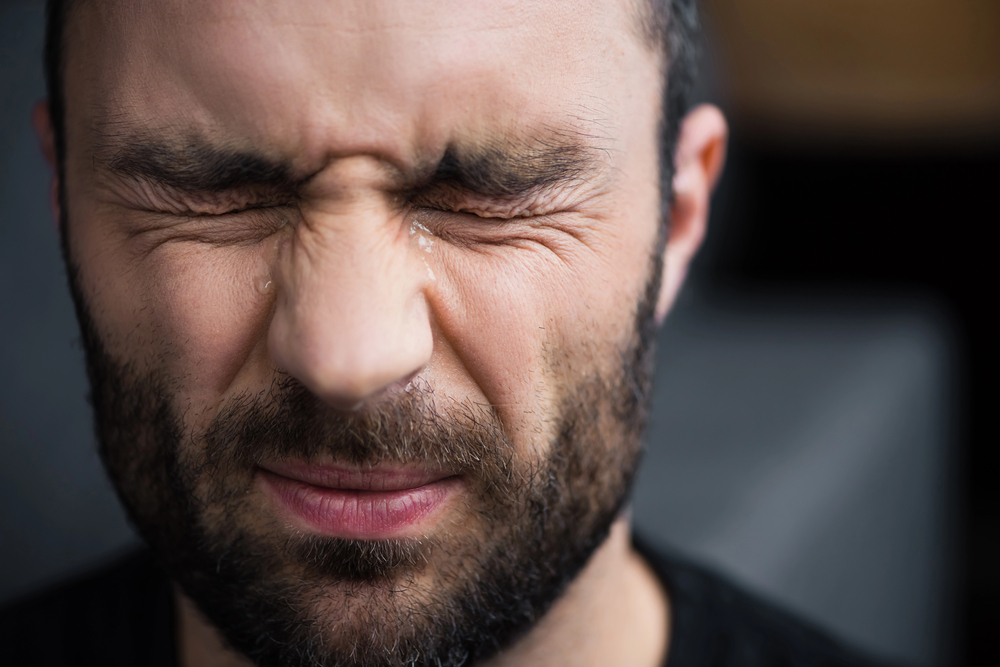
Tears don’t fall in space because there’s no gravity to pull them down your cheeks. When astronauts cry, tears form a liquid bubble around their eyes.
The water just sits there, stinging and blurring their vision until they wipe it away manually. Astronaut Chris Hadfield demonstrated this phenomenon in a video that went viral.
He explained how the surface tension of tears creates a growing pool of liquid on the eyeball rather than streaming down the face. It’s uncomfortable and slightly painful, which adds insult to injury when you’re already upset about something.
The emotional release that comes from a good cry doesn’t quite work the same way when your tears won’t cooperate.
Eat Fresh Bread

Bread is banned on the International Space Station. The crumbs it creates float around the cabin and can get into equipment, eyes, or noses.
Those tiny particles become hazards in microgravity, potentially damaging sensitive electronics or being inhaled by crew members. Astronauts eat tortillas instead.
NASA developed a special long-lasting tortilla that doesn’t create crumbs and stays fresh for months. Tortillas have become the unofficial space sandwich wrap, used for everything from breakfast burritos to improvised pizzas.
Some astronauts say they miss fresh bread more than almost anything else from Earth.
Drink Soda Properly
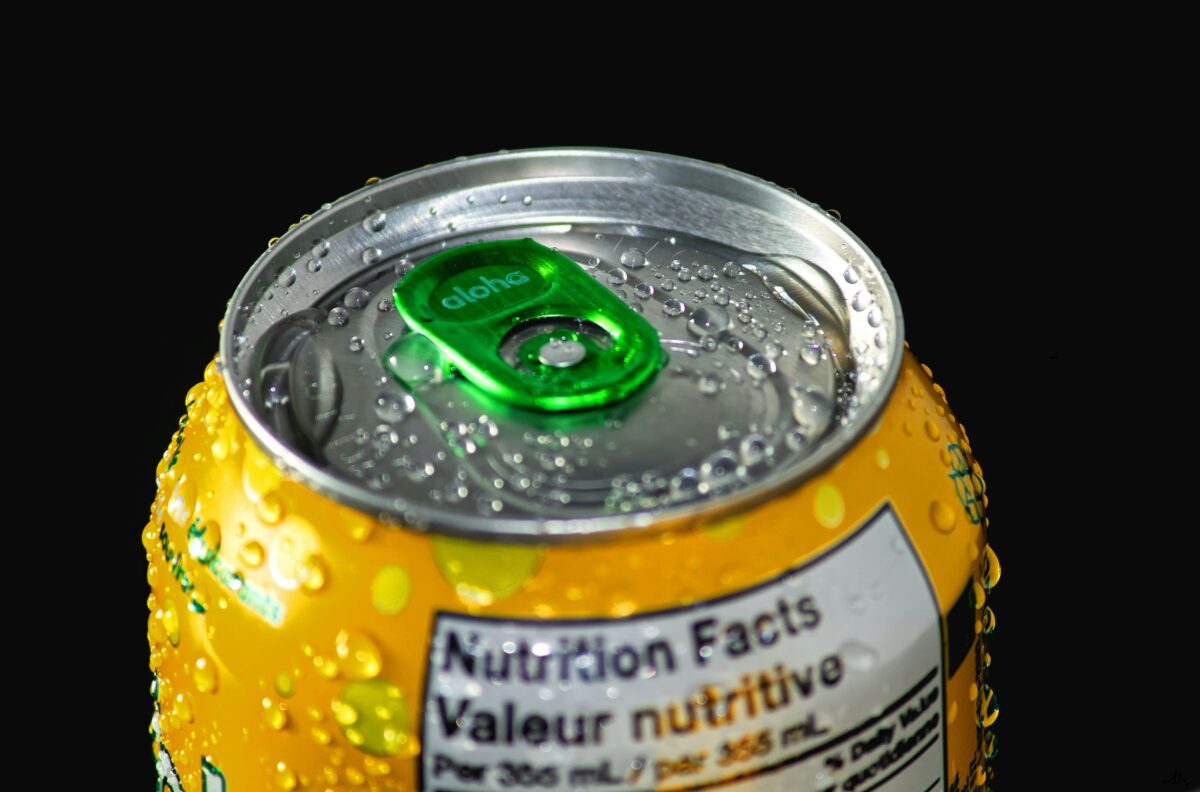
Carbonated beverages behave strangely without gravity. The bubbles don’t rise to the top, so they stay mixed throughout the liquid.
When astronauts drink soda, they end up swallowing a lot more gas than normal, and their stomachs can’t separate the liquid from the gas like they do on Earth. This leads to what astronauts politely call “wet burps”—basically regurgitating liquid when they try to burp.
Coca-Cola and Pepsi both developed special space dispensers in the 1980s, but astronauts didn’t enjoy the experience. Most avoid carbonated drinks entirely while in orbit. The disappointing taste and uncomfortable side effects aren’t worth the novelty.
Take a Hot Shower
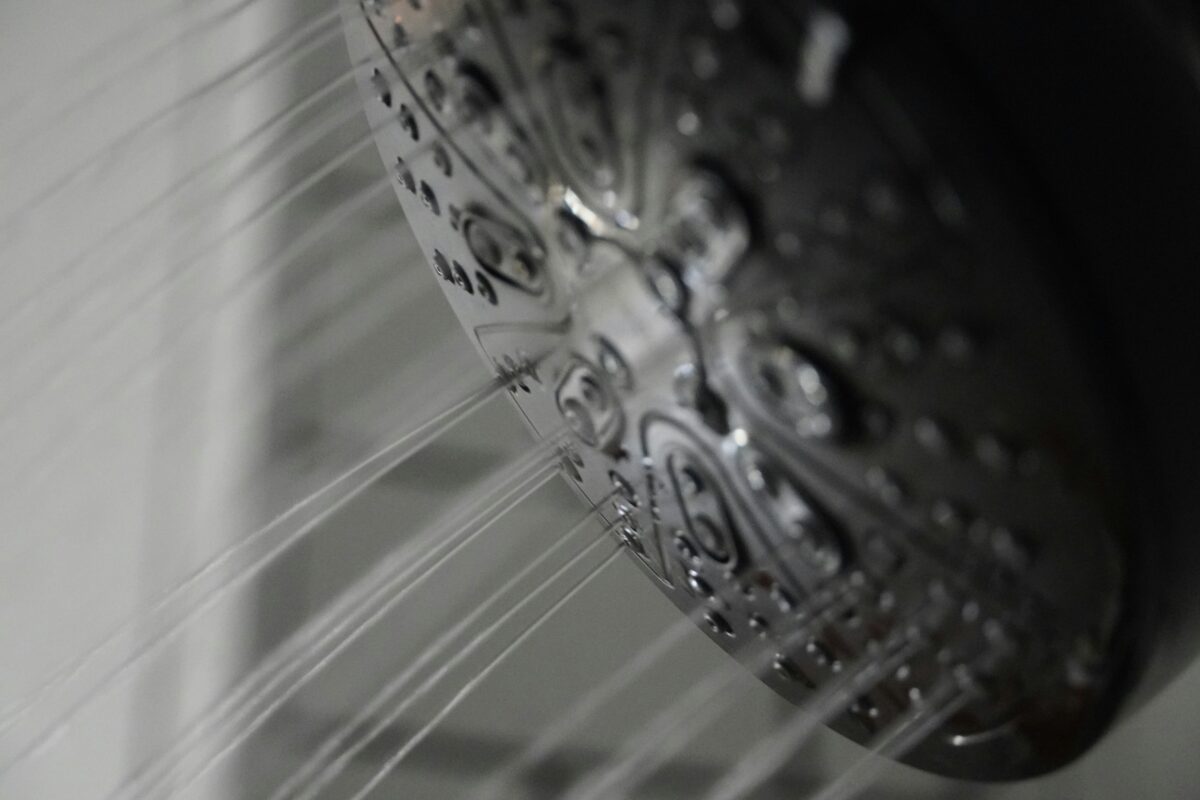
The International Space Station has no shower. Water doesn’t fall in microgravity—it forms floating droplets that go everywhere. Early space stations like Skylab had showers, but they required elaborate enclosed systems with vacuum suction to contain the water.
The setup took so long and used so much water that astronauts eventually gave up on them. Astronauts now clean themselves with damp towels and no-rinse soap.
They wash their hair with rinseless shampoo that doesn’t need water to activate. The process is time-consuming and never feels quite right. Many astronauts say they dream about hot showers during long missions.
Wash Their Clothes
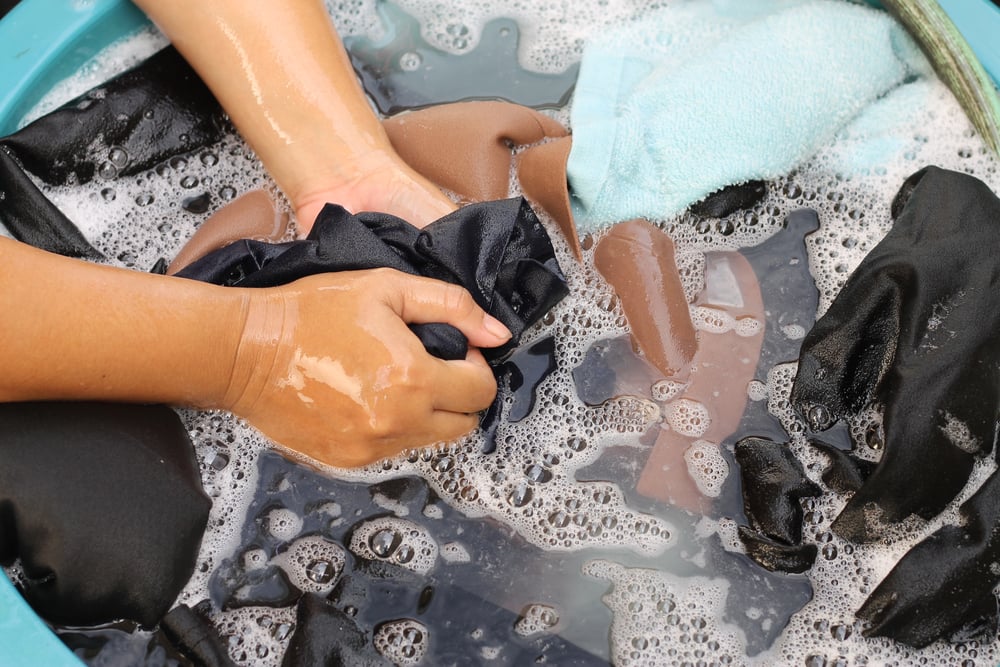
There are no washing machines in space, and there won’t be any in the near future. The amount of water required would be impractical.
Astronauts wear their clothes until they’re too dirty to stand, then throw them in the trash. The garbage eventually burns up in Earth’s atmosphere during disposal.
Underwear and socks get changed more frequently than outer clothes. Shirts might be worn for a week or more before disposal.
The ISS has limited storage space, so NASA carefully calculates exactly how many clothing items each astronaut needs. For longer missions to Mars, solving the laundry problem becomes essential.
Write With a Regular Pen

The famous story about NASA spending millions to develop a space pen while Russians used pencils is mostly a myth, but the underlying problem is real. Regular pens rely on gravity to pull ink toward the tip. In space, they stop working almost immediately.
Pencils seem like an obvious solution, but graphite is conductive and can cause electrical fires or short circuits if the particles get into equipment. The Fisher Space Pen, developed by a private company, uses pressurized ink cartridges that work in any orientation, including underwater and in extreme temperatures.
NASA now uses these pens, and so does Roscosmos, the Russian space agency.
Burp Without Consequences

Your stomach separates gas from liquids using gravity. In space, everything stays mixed together in a bubble inside your stomach.
When you try to burp, you risk bringing up liquid along with the gas. Astronauts learn to suppress the urge to burp because the results are unpredictable.
This makes digestion uncomfortable. The gas needs to go somewhere, but belching is risky.
The intestinal gas still has the usual exit route, which works fine in space, but upper digestive gas becomes problematic. Some astronauts use medications to reduce gas formation during missions.
Light Candles for Birthdays
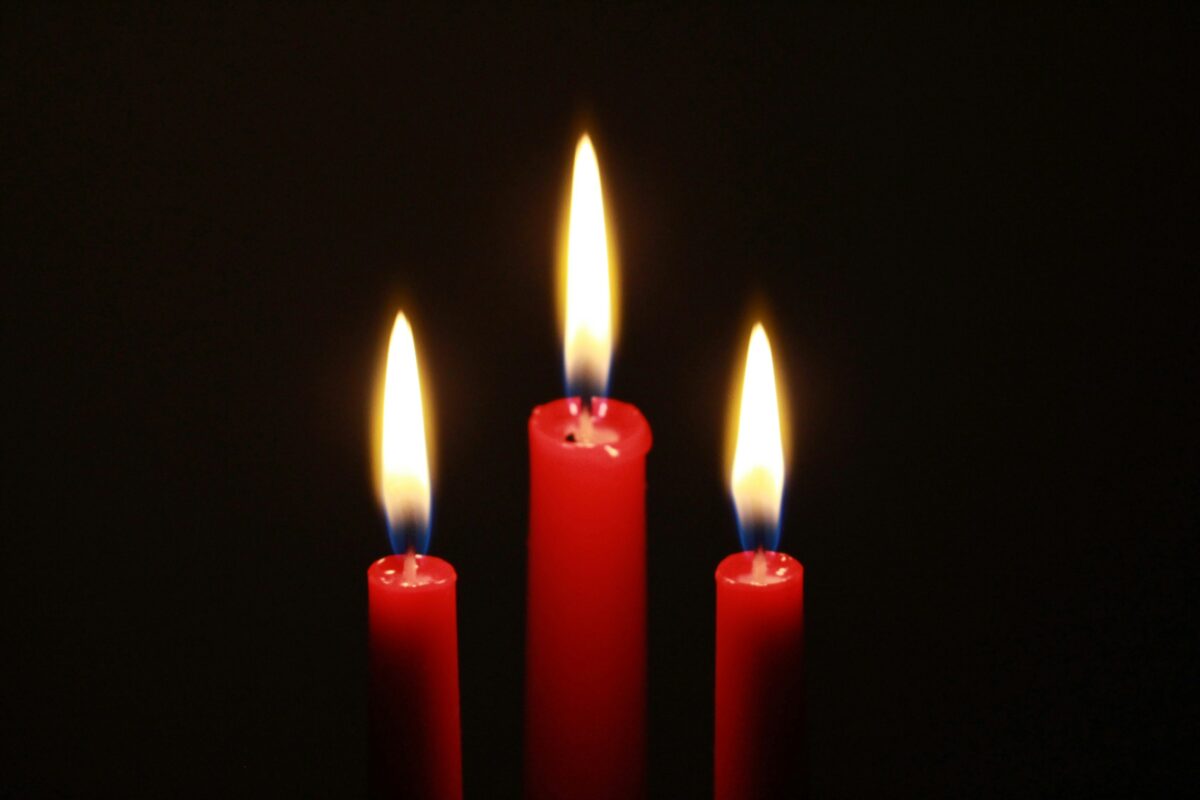
Open flames behave differently without gravity. The heat doesn’t rise, so a candle flame becomes a small blue sphere instead of the familiar teardrop shape.
More importantly, fire is extremely dangerous in the enclosed environment of a spacecraft. The oxygen-rich atmosphere and limited escape routes make even small flames life-threatening.
Birthday celebrations happen in space, but without candles. Astronauts get special food packages sent from home, and crews take photos with cake-shaped food items and hand-drawn flames.
Some missions have featured floating tortilla cakes with pretend candles drawn on them. The spirit of celebration survives even when real flames cannot.
Pour a Glass of Water
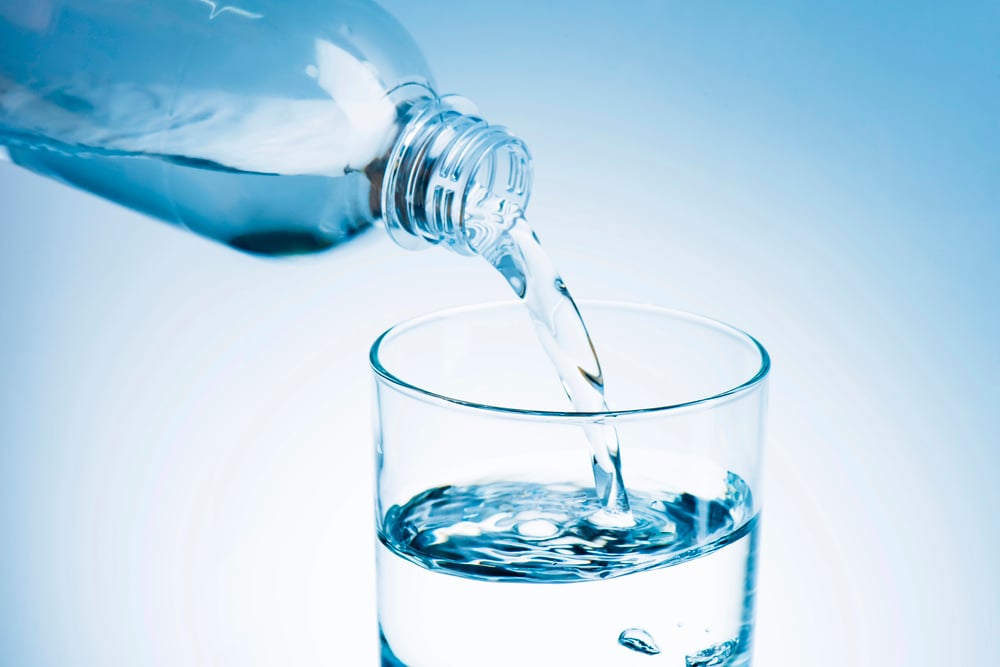
Pouring liquids is impossible in microgravity. Water doesn’t flow from a container into a cup—it forms a wobbly blob that breaks apart into droplets.
Astronauts drink from special pouches with straws, or they form water into floating spheres and catch them in their mouths. Videos of astronauts playing with floating water bubbles make it look fun, and it is for a while.
But it also means you can’t casually pour yourself a drink when you’re thirsty. Every sip requires deliberate planning.
Spilled liquids become major problems, floating around and potentially damaging equipment. Simple acts like drinking coffee become complicated procedures.
Sleep Lying Down
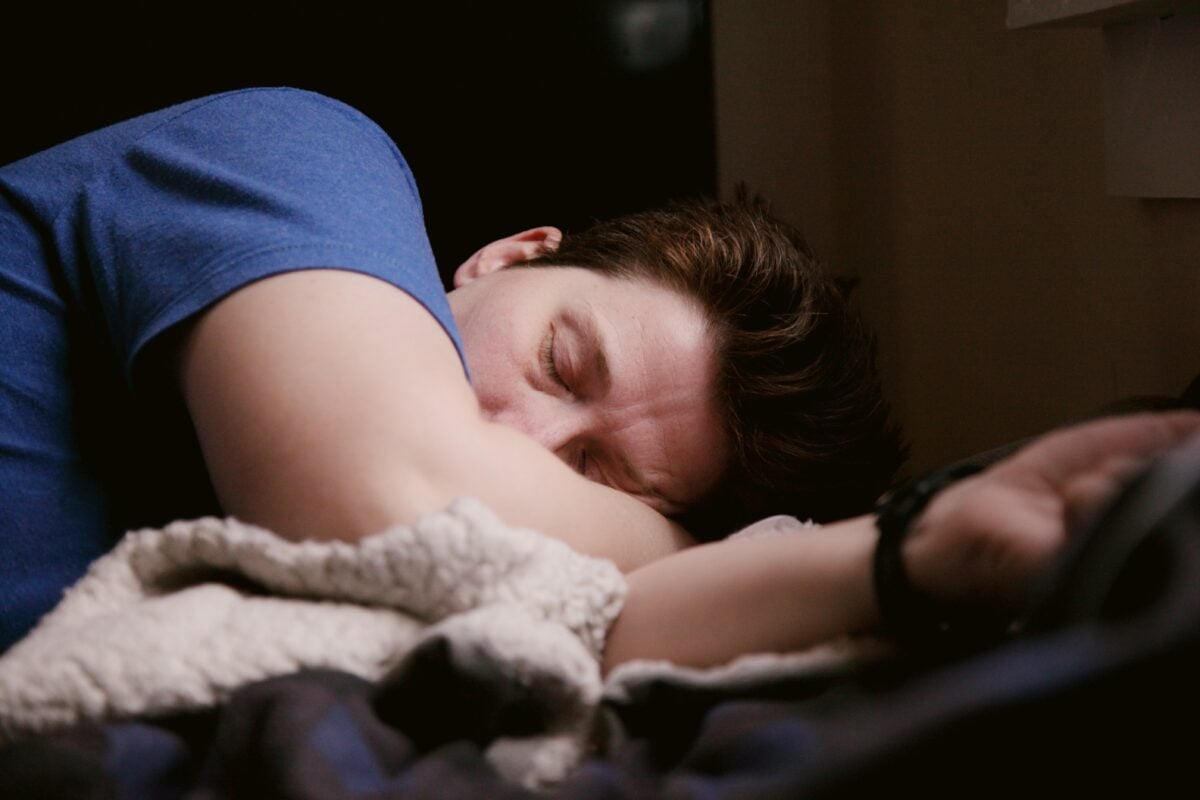
Beds don’t work in space because you’re weightless. Astronauts sleep in sleeping bags attached to walls.
They strap themselves in to avoid floating around and bumping into things. Many sleep with their arms floating in front of them because there’s no mattress to rest them on.
The absence of lying down takes getting used to. Your body doesn’t feel pressure points that normally signal comfort or discomfort.
Some astronauts love the sensation of floating while sleeping. Others find it disorienting and struggle to rest properly.
Your brain keeps expecting to feel the bed beneath you, and that expectation never quite goes away.
Use Regular Salt and Pepper
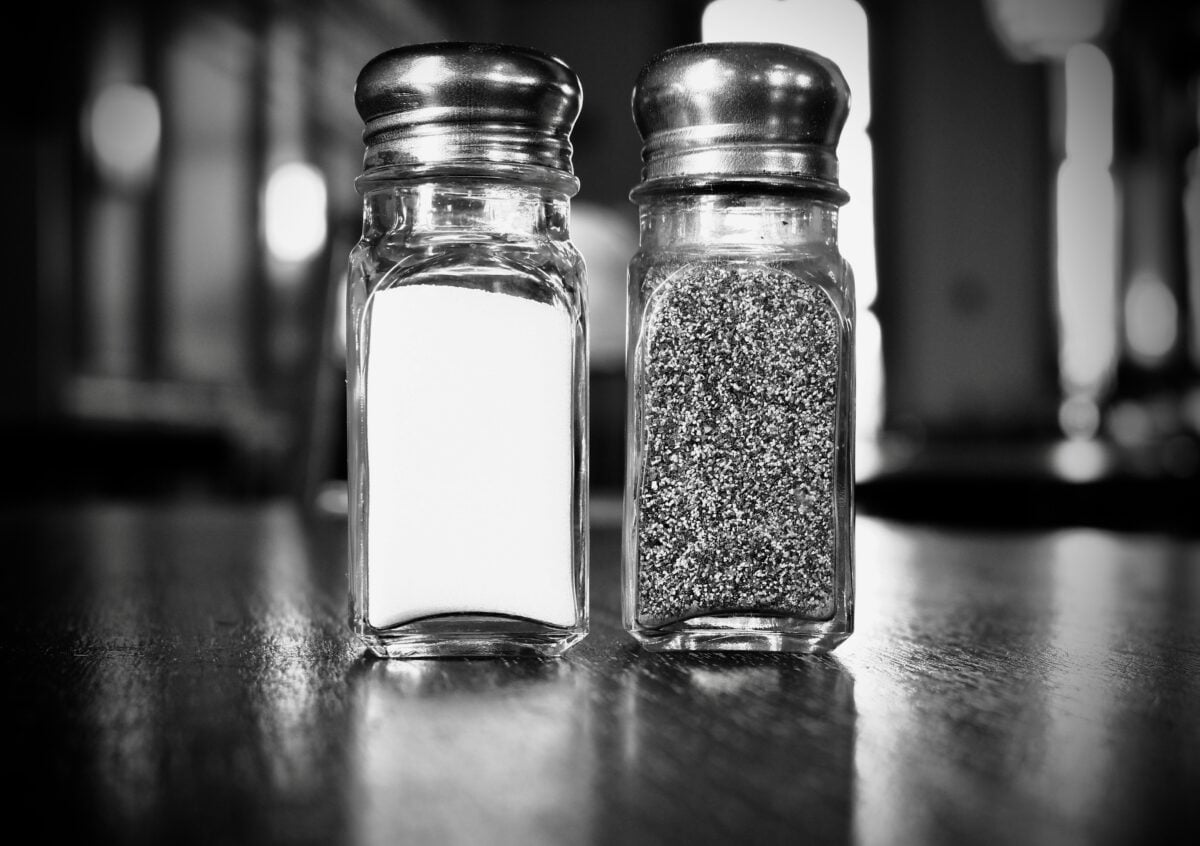
Salt and pepper shakers don’t work in space. The granules would float away and get into everything.
NASA provides salt water and pepper sauce in liquid form so astronauts can add flavor to their food without creating clouds of particles. This changes the taste experience significantly.
Sprinkling salt on food gives a different flavor profile than squirting salt water on it. Astronauts learn to adapt, but many complain about how bland space food tastes even with the liquid seasonings.
The lack of proper spices contributes to the general dissatisfaction with food quality during missions.
Scratch an Itch Inside Their Spacesuit
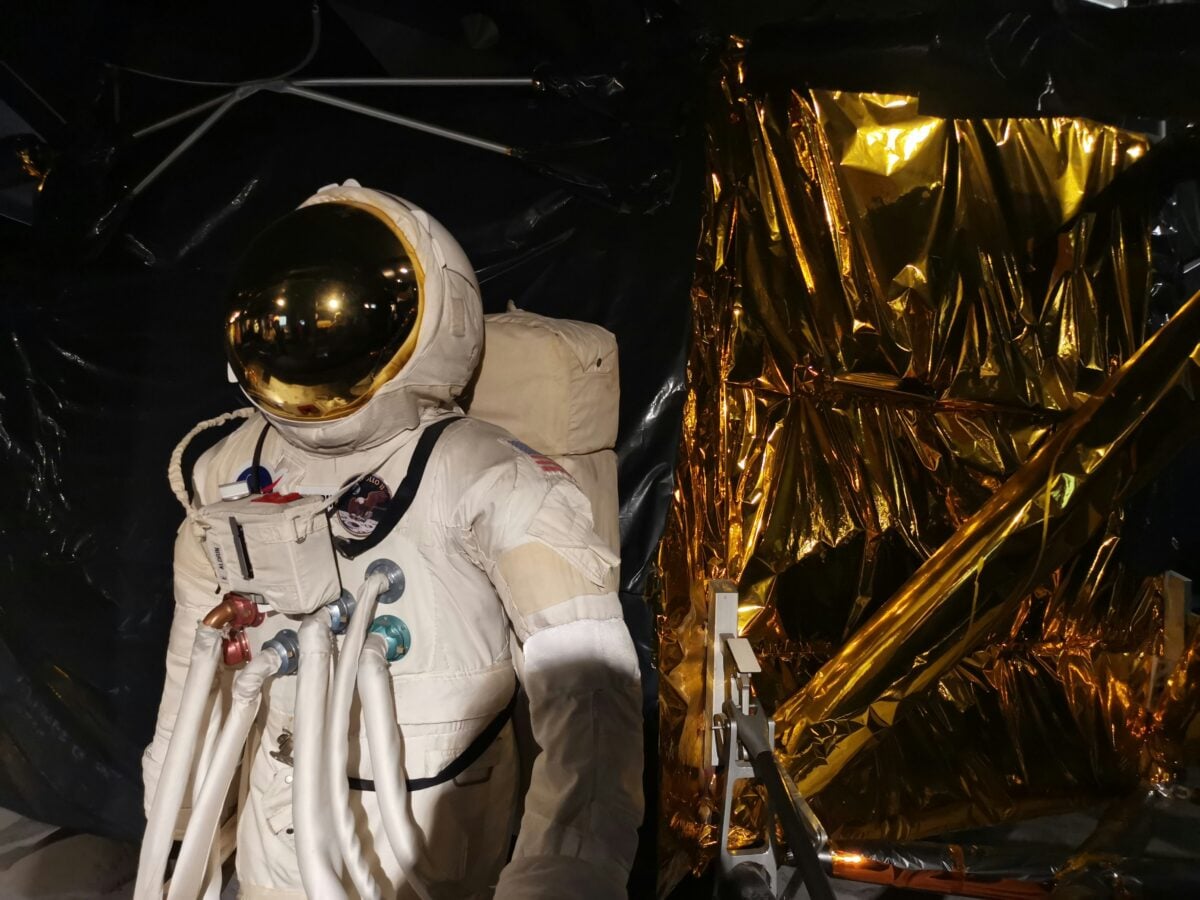
During spacewalks, astronauts wear pressurized suits that they cannot remove for hours. If your nose itches, you cannot scratch it.
If you have an itch on your back, tough luck. The suits have a small foam block near the nose that astronauts can rub their face against, but that’s the only relief available.
Astronauts develop strategies for dealing with this frustration. Some try to shift around inside the suit to scratch against the inner layers.
Others simply endure the discomfort. The inability to scratch an itch for six or seven hours during a spacewalk ranks high on the list of astronaut complaints about the job.
Go Outside on a Whim
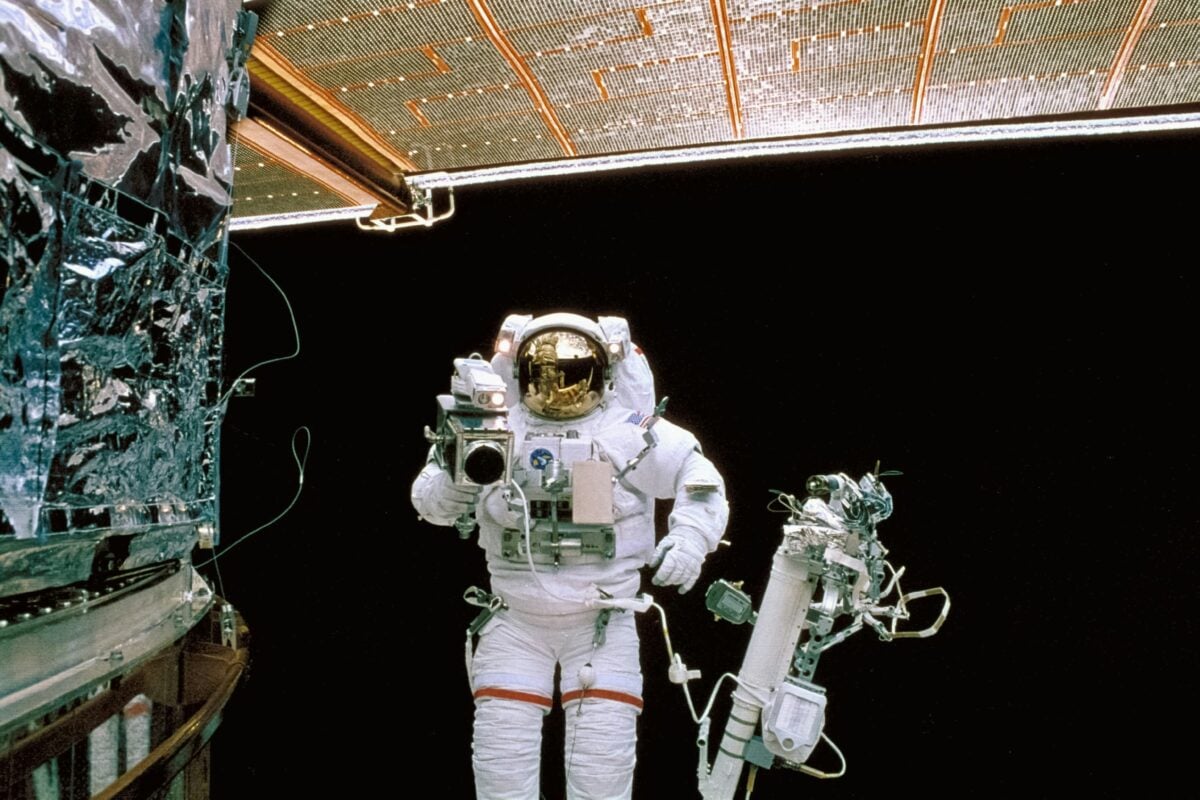
Spacewalks require days of preparation. Astronauts must pre-breathe pure oxygen for hours to purge nitrogen from their bloodstream and prevent decompression sickness.
They check and recheck every piece of equipment. They review procedures repeatedly.
The actual spacewalk might last six hours, but the preparation takes days. This makes impromptu trips outside impossible.
You can’t just open the door to check on something quickly. Every moment spent in a spacesuit outside the station is carefully planned and monitored.
The danger level is so high that nothing happens spontaneously.
Return to Earth Immediately
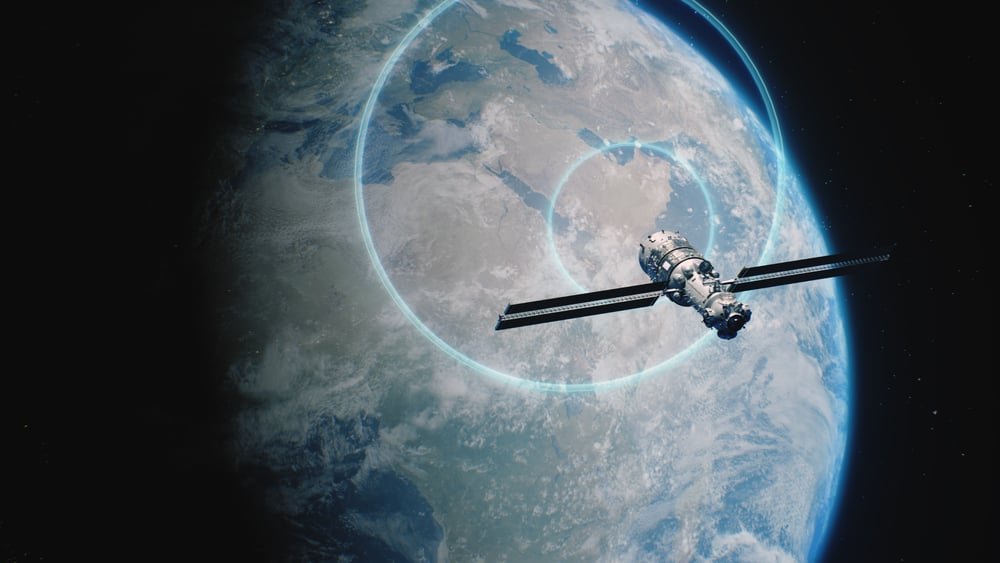
Once you’re in orbit, you’re committed to staying there until the scheduled return. There are no emergency flights home.
If you get sick, injured, or experience a family emergency on Earth, you cannot leave early. The logistics and costs of launching a return mission make it impractical except in the most extreme circumstances.
Astronauts train to handle this psychological burden before launch. They know they’ll miss weddings, funerals, births, and other important events.
The isolation is part of the job. In genuine medical emergencies, evacuation is theoretically possible, but it has rarely happened because of the complications involved.
Ignore Bathroom Procedures
Using the toilet in space involves detailed instructions and careful technique. The toilet uses suction instead of water to pull waste away from your body.
Astronauts must position themselves correctly and use handholds and footholds to stay in place. Solid waste gets sealed in bags and stored.
Urine is recycled into drinking water through an elaborate filtration system. The process is awkward and time-consuming.
NASA provides extensive training on proper toilet use before missions. New astronauts practice repeatedly because mistakes are messy and difficult to clean up.
The bathroom situation is one aspect of space travel that never stops being strange, no matter how long you’re up there.
Living With Limits

The list of things astronauts cannot do goes on beyond these fifteen examples. They can’t walk normally, feel the wind on their face, hear rain, smell fresh air, or eat food that hasn’t been sealed in a package for months.
Every natural experience from Earth becomes impossible or drastically altered in space. These limitations reveal how much we take gravity for granted.
Your body evolved over millions of years to function with Earth’s gravity pulling on every cell. Remove that constant force, and basic activities become puzzles to solve.
Astronauts accept these constraints because the opportunity to work in space outweighs the inconveniences. But the sacrifices are real, and the limitations are constant reminders that humans are visitors in space, not natives.
The simple acts you do every day without thinking become privileges you only appreciate once you cannot do them anymore.
More from Go2Tutors!

- The Romanov Crown Jewels and Their Tragic Fate
- 13 Historical Mysteries That Science Still Can’t Solve
- Famous Hoaxes That Fooled the World for Years
- 15 Child Stars with Tragic Adult Lives
- 16 Famous Jewelry Pieces in History
Like Go2Tutors’s content? Follow us on MSN.