Animals With Unusual Sleep Patterns
Sleep looks different across the animal kingdom. While humans spend roughly a third of their lives asleep, other creatures have developed ways to rest that seem almost impossible. Some animals sleep while flying.
Others keep half their brain awake. A few barely sleep at all.
These adaptations reveal how evolution shapes rest around survival needs. When you learn about these patterns, sleep stops being a simple on-off switch and becomes something far more complex.
Half the Brain Stays Alert
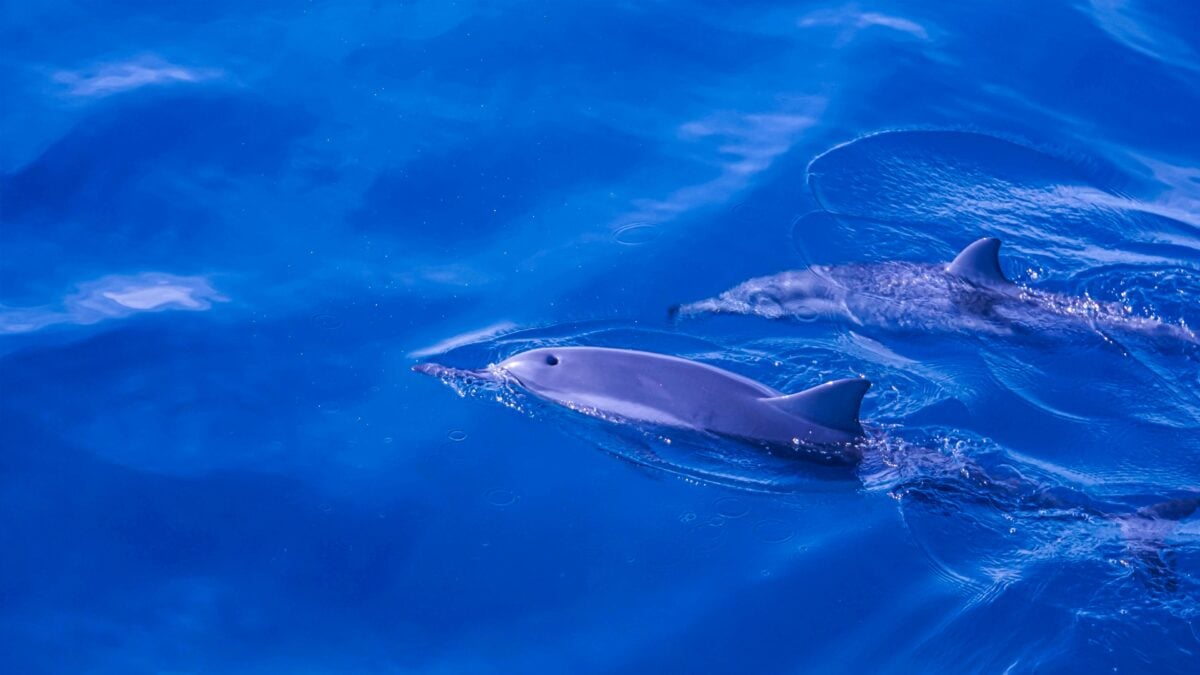
Dolphins perfected a type of rest that sounds like science fiction. They shut down one hemisphere of their brain while the other stays fully awake.
This unihemispheric sleep lets them surface for air without drowning. You can watch them swim continuously while resting, one eye closed at a time.
The awake half monitors for predators and keeps them moving through the water.
Minutes Add Up Over Days
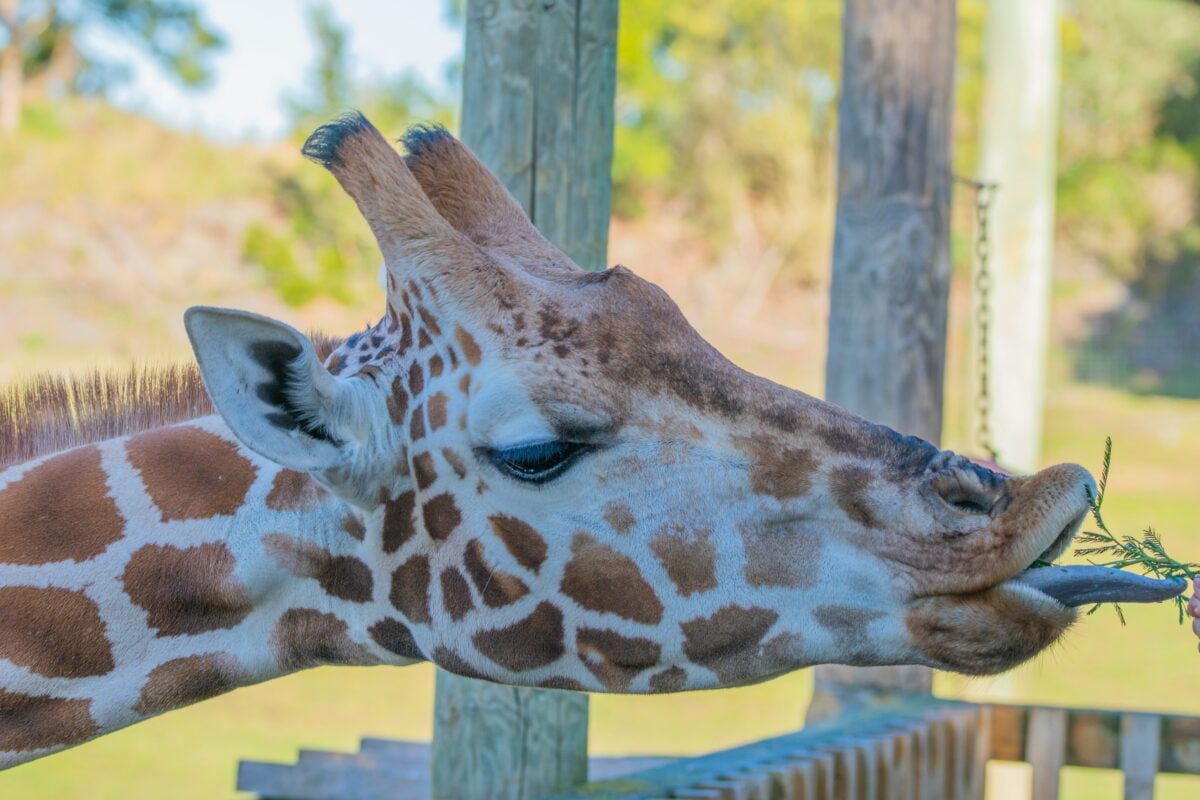
Giraffes operate on surprisingly little rest. They sleep around 30 minutes per day, broken into short naps lasting just a few minutes each.
Their height makes them vulnerable when lying down. Most of their rest happens while standing, though they occasionally fold their legs and curl their necks back.
Even then, they rarely stay down for more than five minutes.
Champions of Long Slumber

Brown bats spend up to 20 hours each day asleep. Their high metabolism burns energy fast when active, so they conserve resources through extended rest periods.
Hanging upside down in dark caves, they enter deep sleep states that last most of the day. This extreme rest pattern works because they face few threats in their roosts and can feed intensively during their brief waking hours.
The Sleep Debate
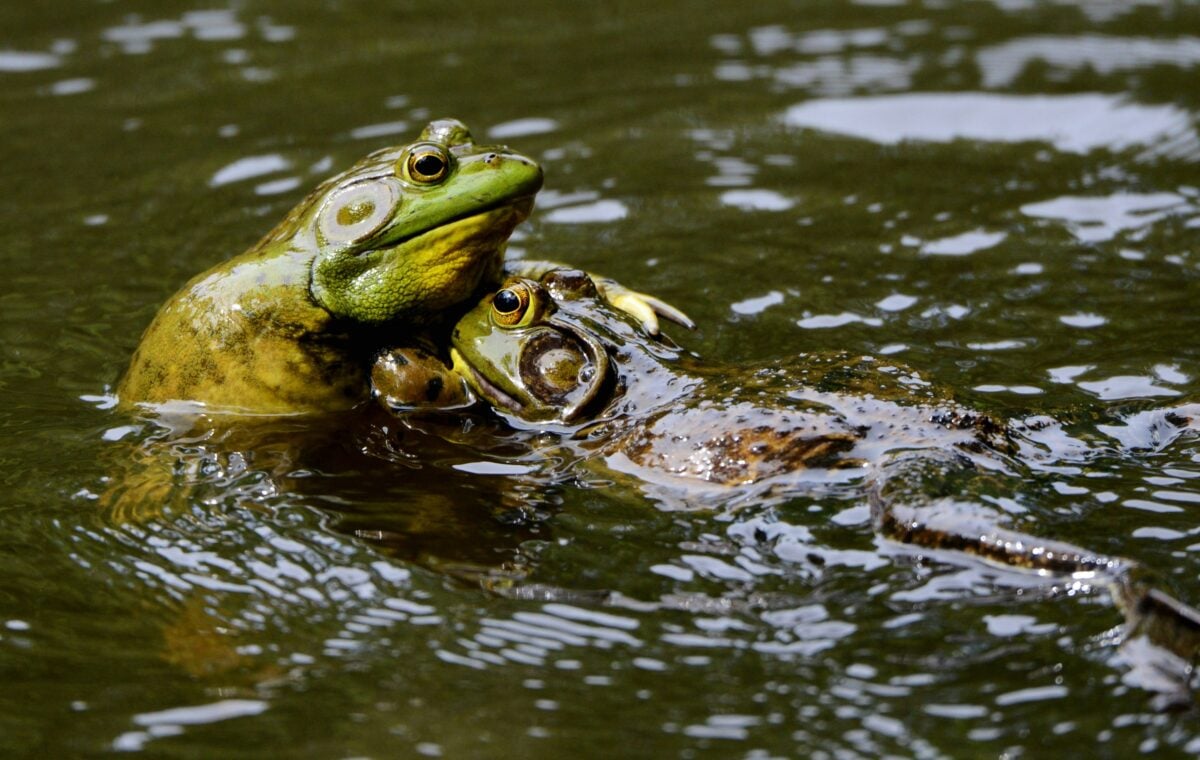
Scientists still argue about whether bullfrogs sleep at all. Studies show they rest with closed eyes but maintain the same level of responsiveness as when awake.
Their brain activity doesn’t shift into patterns associated with true sleep. This challenges basic assumptions about what sleep means.
The frogs stay motionless for hours but react instantly to threats, suggesting rest without unconsciousness.
Resting on the Wing
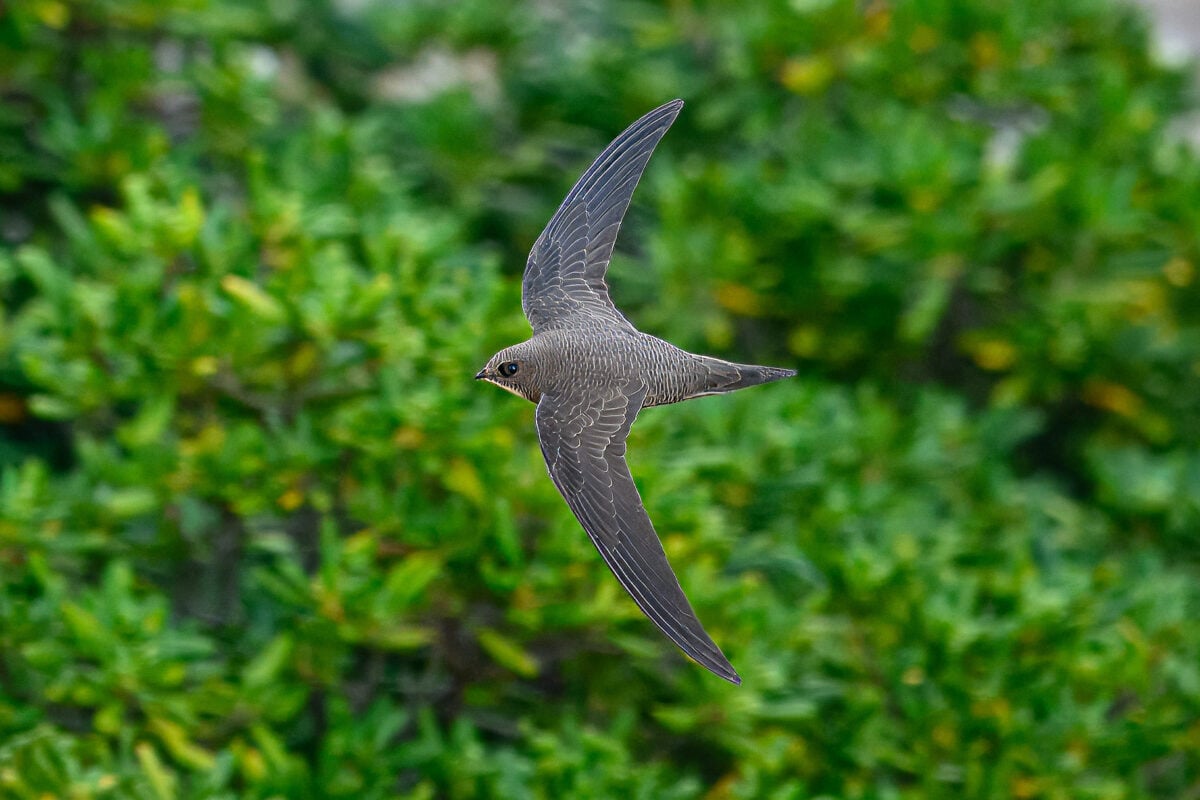
Alpine swifts stay airborne for months without landing. They feed, mate, and even sleep while flying. Research tracking their brain activity confirmed they catch brief moments of rest mid-flight.
These birds don’t get deep sleep during their aerial marathons, but they manage with quick naps lasting just seconds. When they finally return to cliffs, they sleep more deeply to recover.
Staying Awake for Days
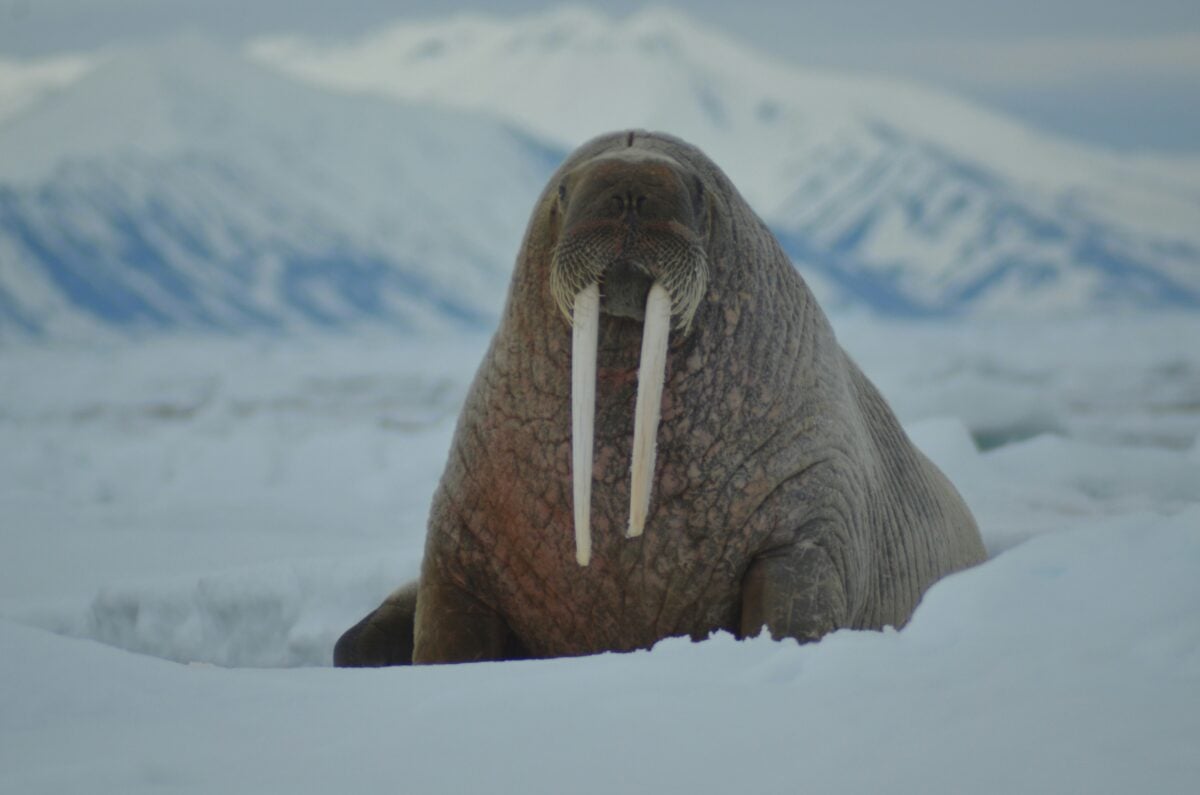
Walruses can remain awake for more than 80 hours straight while swimming through Arctic waters. They make up for this during haul-outs on ice or beaches, where they crash into marathon sleep sessions lasting up to 19 hours.
Their ability to function without rest for days helps them during long migrations. Once they reach safe ground, they recover all at once.
Standing Through the Night
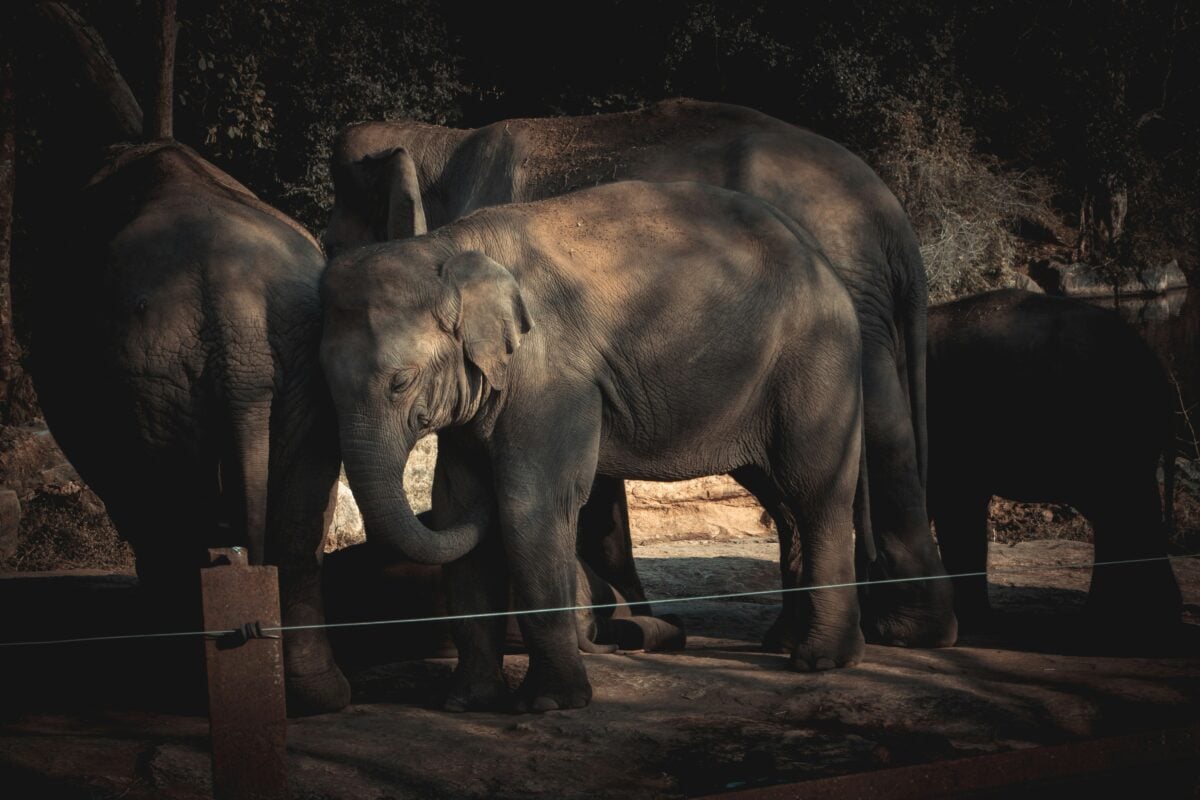
Elephants sleep less than most mammals, averaging around two hours per day in the wild. They often rest standing up, locking their legs to stay upright without effort.
Lying down makes them vulnerable and takes time they can’t always spare. When they do lie down for deeper sleep, it happens in short bursts.
The herd takes turns resting while others keep watch.
Holding Hands While Floating

Sea otters sleep on their backs in kelp beds, wrapping themselves in the plants to avoid drifting. They also hold hands with nearby otters to stay together as a group.
This rafting behavior keeps them safe from predators and prevents them from floating away during rest. Their thick fur traps air bubbles that keep them buoyant, so they float effortlessly while sleeping.
You can spot them bobbing in the waves with their paws tucked on their chests.
Vertical Sleep Sessions
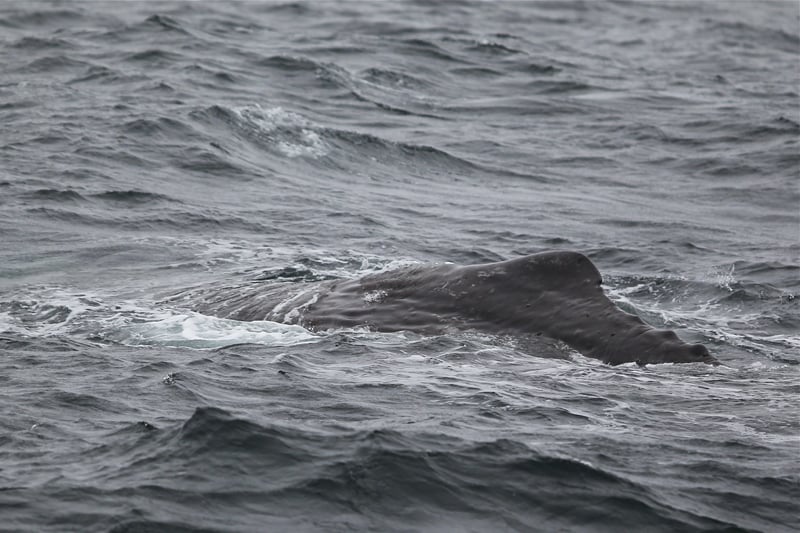
Sperm whales rest in an unusual upright position, hanging vertically in the water with their heads near the surface. They drift this way for short periods, completely motionless.
Scientists only discovered this behavior recently by following tagged whales. These vertical naps last about 10 to 15 minutes at a time, and the whales might sleep for just seven percent of their day.
The position probably helps them surface quickly for air.
Guard Duty Rotation
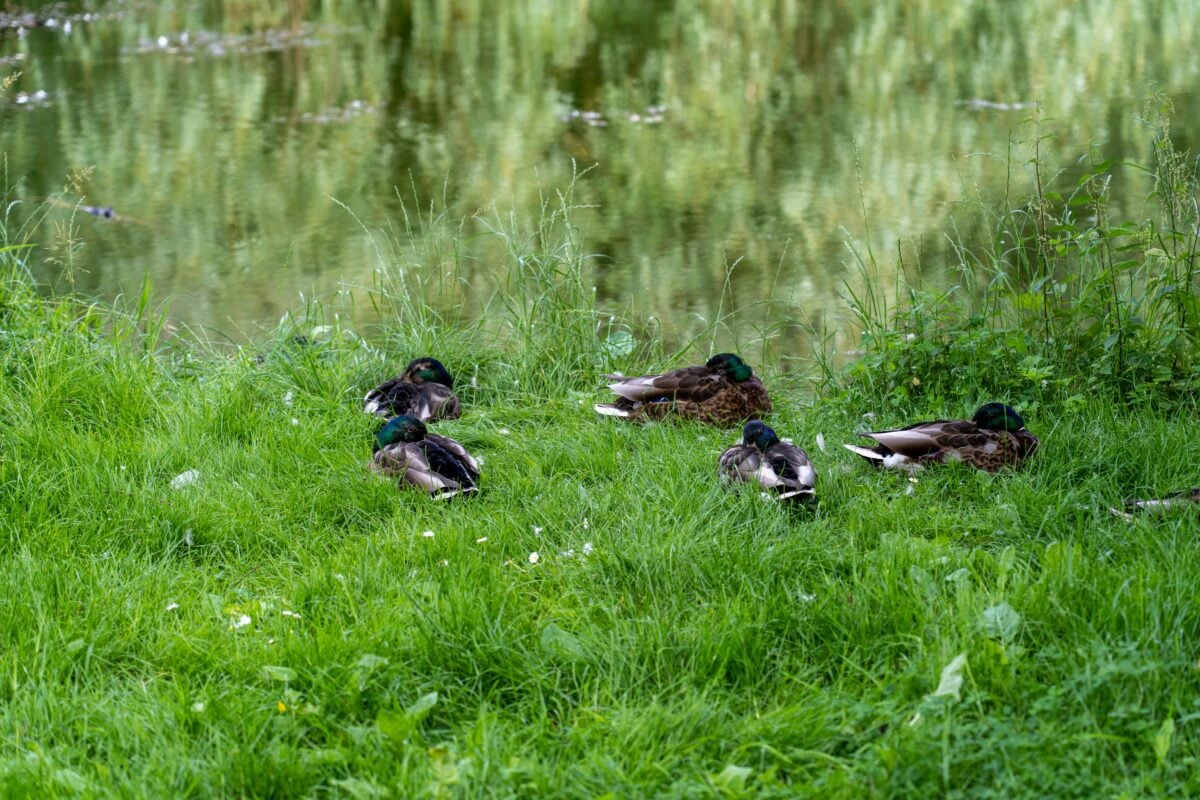
Ducks sleeping in groups position themselves strategically. Birds on the outside of the flock keep one eye open and half their brain awake, watching for danger.
Those in the middle feel safe enough to sleep fully. The guard ducks switch throughout the night, sharing the burden of staying alert.
This cooperative rest pattern reduces everyone’s risk without leaving anyone exhausted.
Napping Above the Clouds
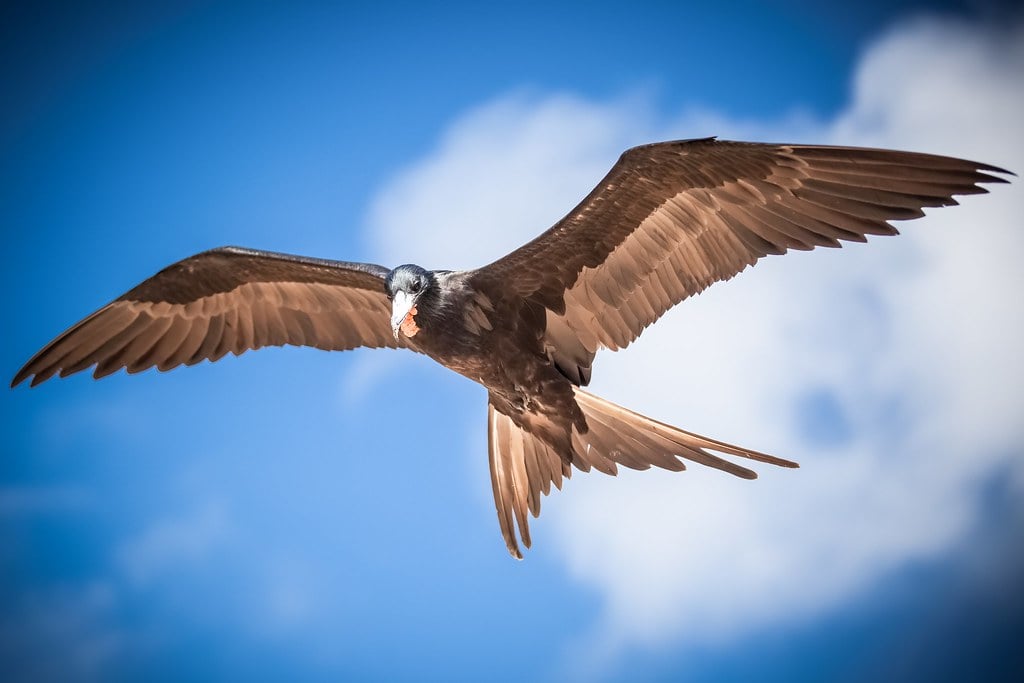
Frigate birds fly over oceans for weeks without landing on water. They steal quick naps while gliding on air currents, sleeping for about 40 minutes per day in total.
Each nap lasts just seconds. They soar to high altitudes where air thermals let them glide without flapping.
During these glides, they shut down briefly before waking to continue their journey.
Quick Naps While Upright
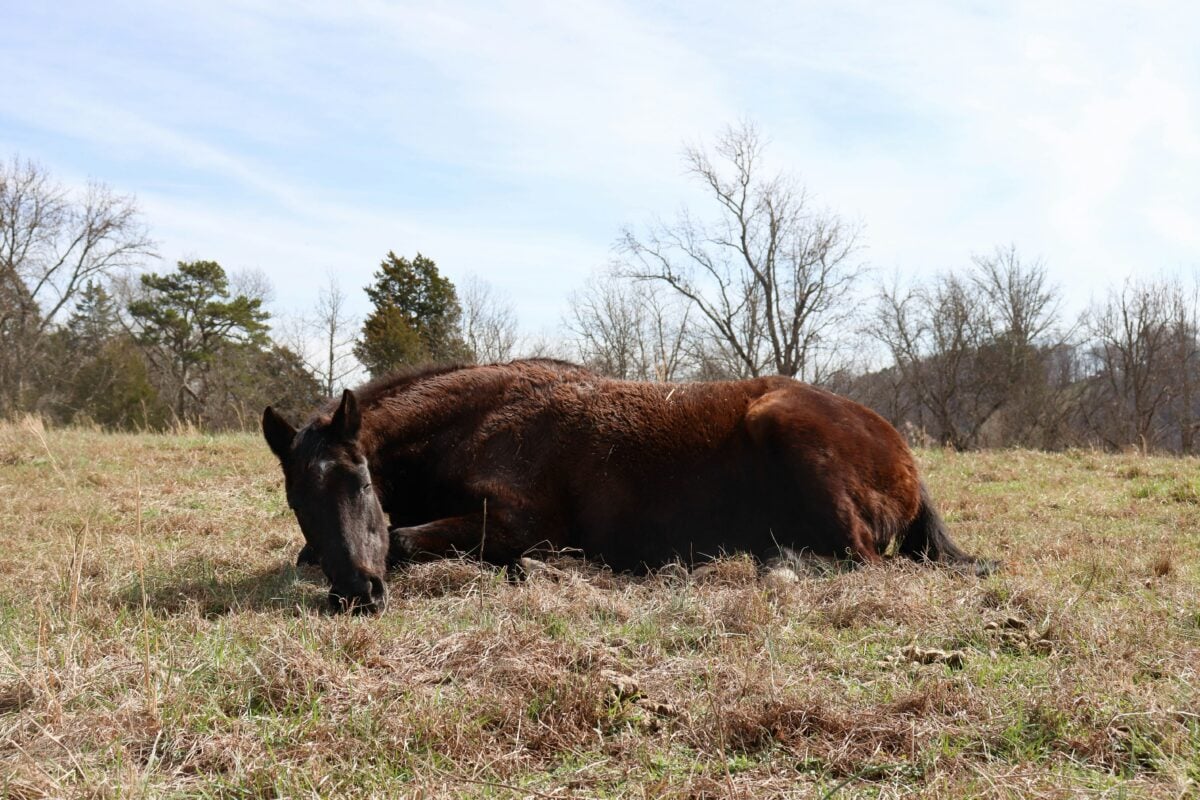
Horses spend most of their rest time standing, thanks to a special leg-locking mechanism. They can doze upright for hours without falling over. But they need to lie down occasionally for deeper REM sleep.
These lying-down sessions last just a few minutes and happen rarely. Horses in the wild take turns resting while others stand guard, minimizing vulnerability.
Moving in Slow Motion

Sloths sleep between 15 to 20 hours per day, though earlier estimates suggested even more. Their slow metabolism and low-energy diet of leaves make extended rest necessary.
They hang from branches motionless for most of the day.
Even when awake, sloths move so slowly that they seem half-asleep. This energy-saving strategy works perfectly for animals that don’t need to rush anywhere.
When Rest Becomes Personal
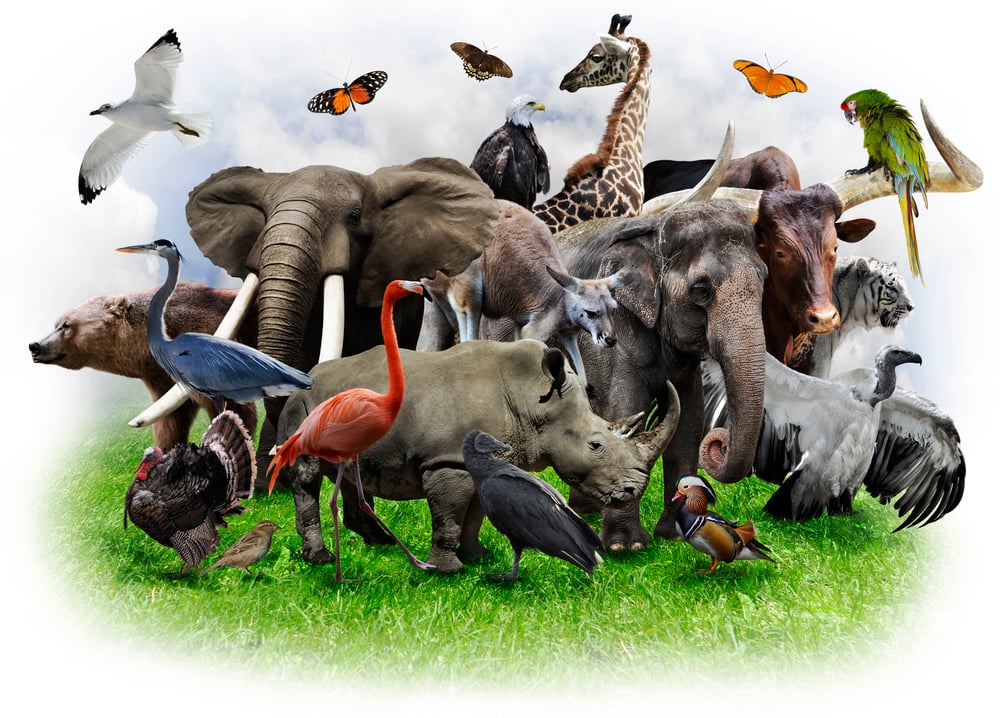
Each animal figures out its own method to handle resting. Their habits reveal how slumber shifts based on surroundings, food, or threats.
One kind’s routine could wreck survival for a different type.You notice things new once it hits you – sleep ain’t the same for everyone.
It bends, twists, fits whatever creature life is shaped over time.
More from Go2Tutors!

- The Romanov Crown Jewels and Their Tragic Fate
- 13 Historical Mysteries That Science Still Can’t Solve
- Famous Hoaxes That Fooled the World for Years
- 15 Child Stars with Tragic Adult Lives
- 16 Famous Jewelry Pieces in History
Like Go2Tutors’s content? Follow us on MSN.