Surprising Facts About Popular Theme Park Rides
Theme parks have been thrilling visitors for well over a century, but behind the screams and excitement lies a treasure trove of fascinating stories most people never hear about. From real skeletons to backward-spelled names, the rides you know and love hide some genuinely wild secrets.
Here is a list of 16 surprising facts about popular theme park rides.
Pirates of the Caribbean Used Real Human Skeletons
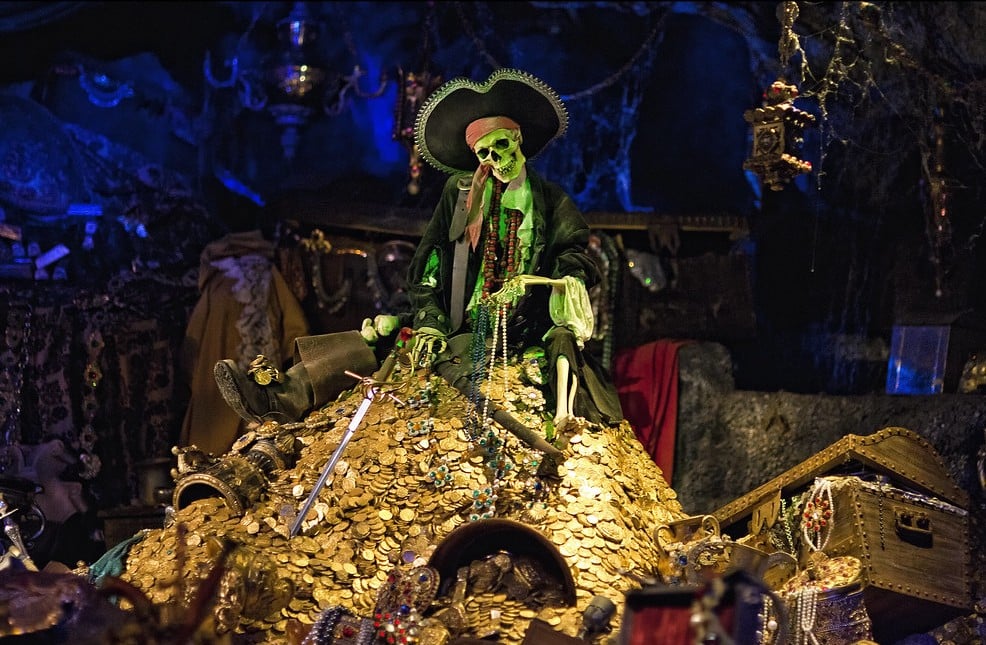
When Pirates of the Caribbean opened at Disneyland in 1967, the Imagineers faced an unexpected problem. The fake skeletons available at the time looked laughably unconvincing, so Disney borrowed actual human skeletons from the UCLA Medical School.
These were real bones from medical research that gave the ride its eerily authentic feel. Most have since been replaced with realistic props, but rumor has it that at least one real skull remains on the headboard above the bed in the treasure room.
The Matterhorn Was the First Steel Roller Coaster
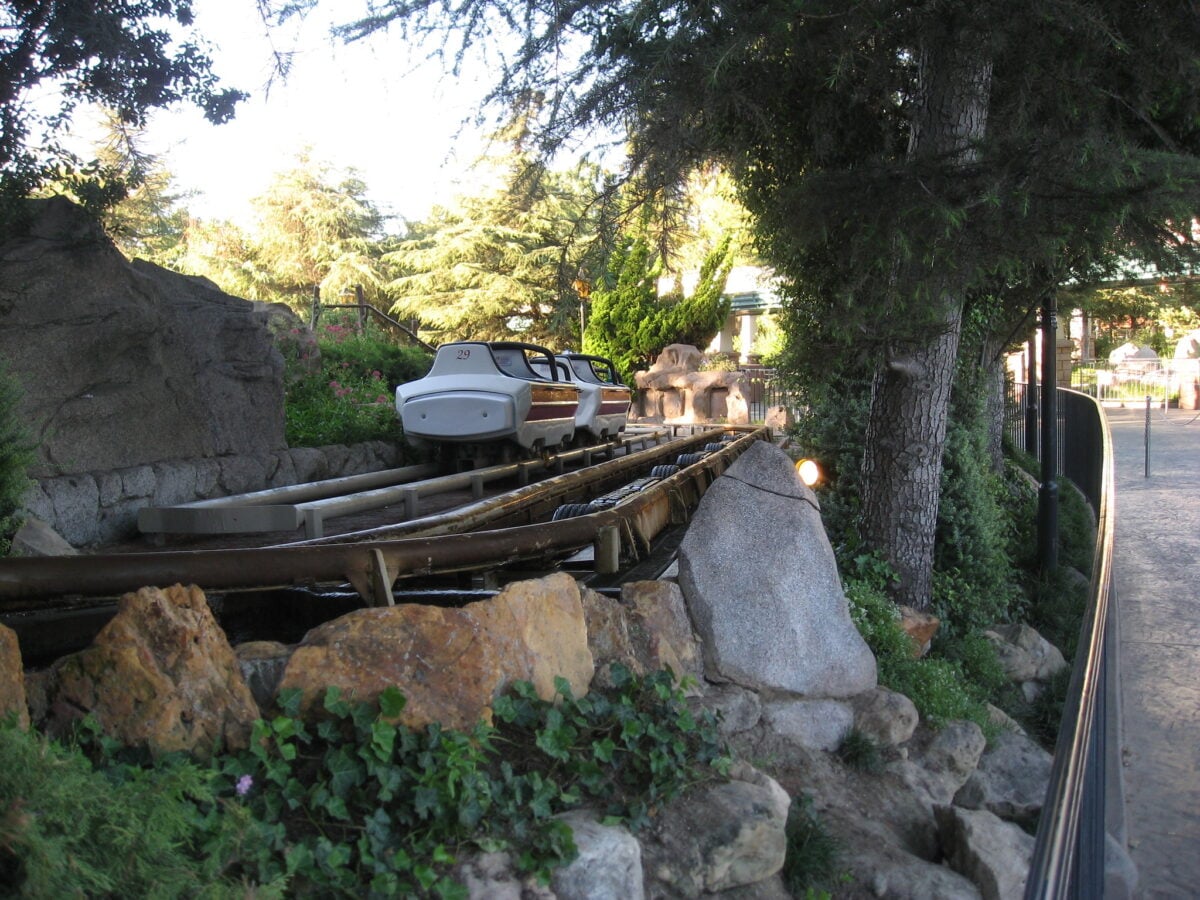
Before 1959, every roller coaster was made of wood, which meant they were loud, rough, and required constant maintenance. Walt Disney changed everything when he opened the Matterhorn Bobsled at Disneyland, the world’s first tubular steel roller coaster.
The smooth, quiet ride revolutionized the industry and paved the way for modern coasters with loops, corkscrews, and inversions that would be impossible with wooden tracks.
Like Go2Tutors’s content? Follow us on MSN.
Space Mountain Made Computer History
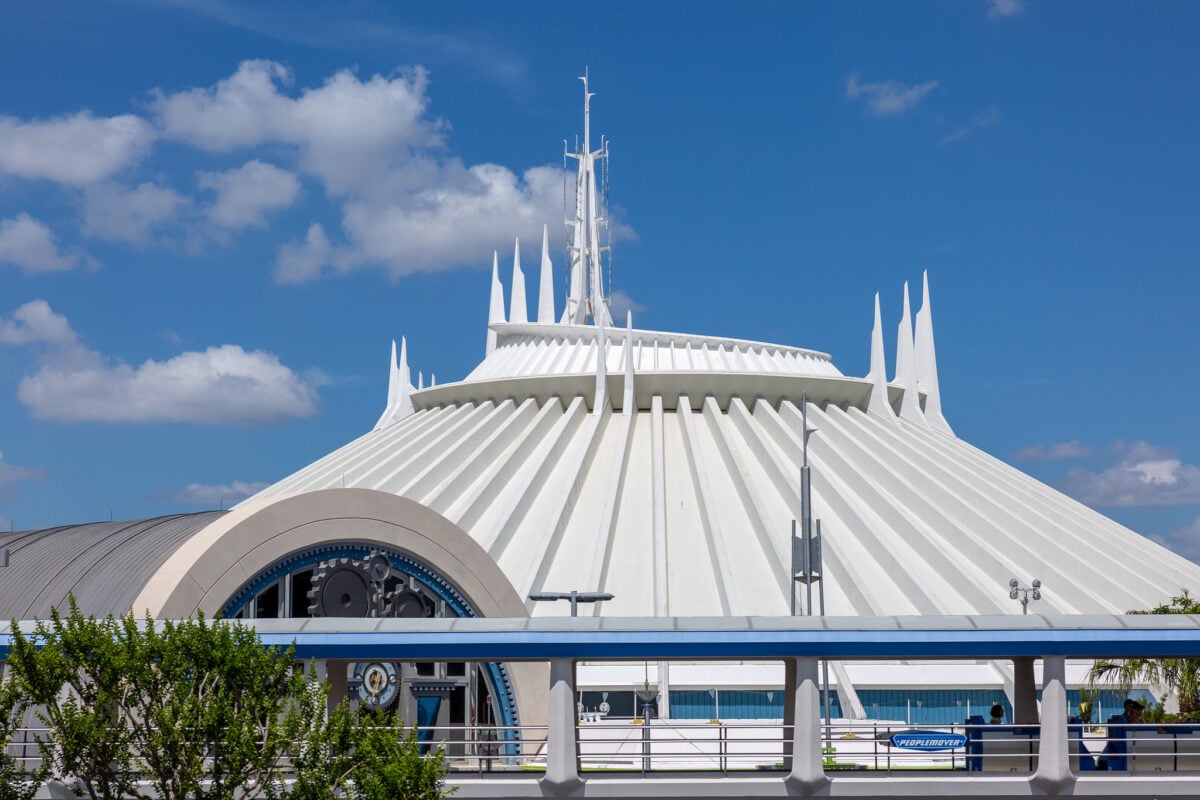
When Space Mountain opened at Magic Kingdom in 1975, it became the first completely computer-controlled roller coaster in the world. The technology allowed for precise control over vehicle spacing, brake zones, and safety systems in complete darkness.
Disneyland’s version arrived two years later, but Florida got the bragging rights for this technological breakthrough that’s now standard across the industry.
Splash Mountain Got Its Name From a Different Movie
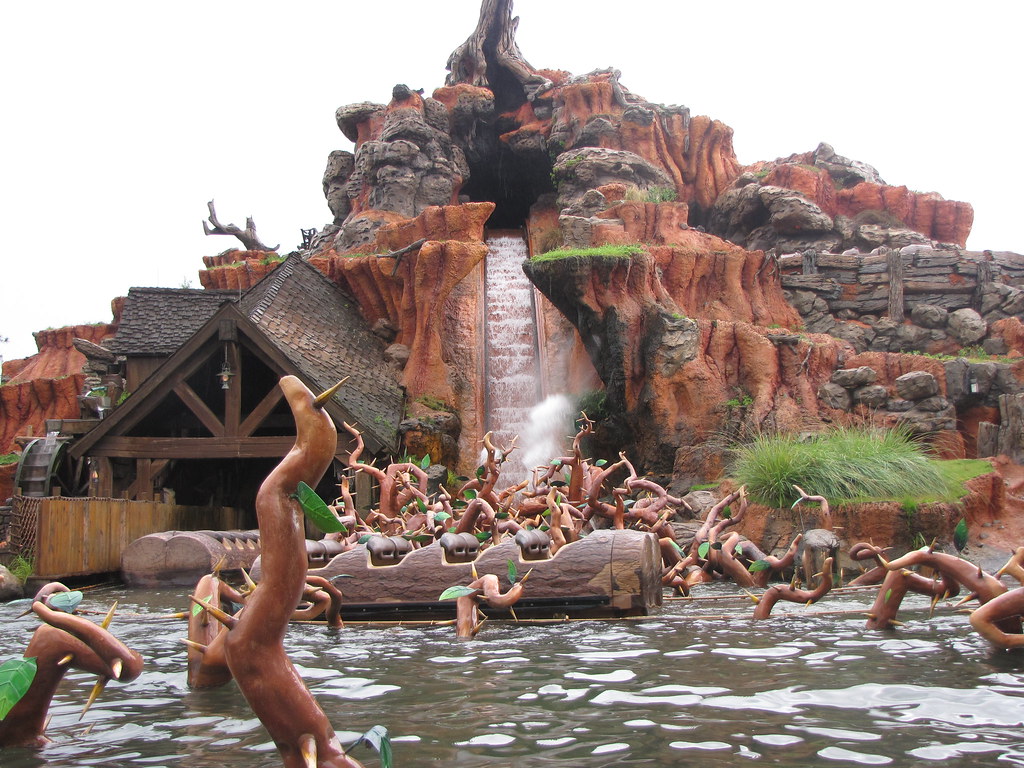
Despite being based on Song of the South, Splash Mountain was nearly called something directly related to the film like Zip-a-Dee River Run. When CEO Michael Eisner saw the plans, he wasn’t impressed with any of the Song of the South–inspired names.
As a big fan of the 1984 movie Splash starring Tom Hanks and Daryl Hannah, Eisner suggested working the word into the attraction name instead. The connection made no thematic sense, but the name stuck anyway.
Ferris Wheels Were America’s Answer to the Eiffel Tower
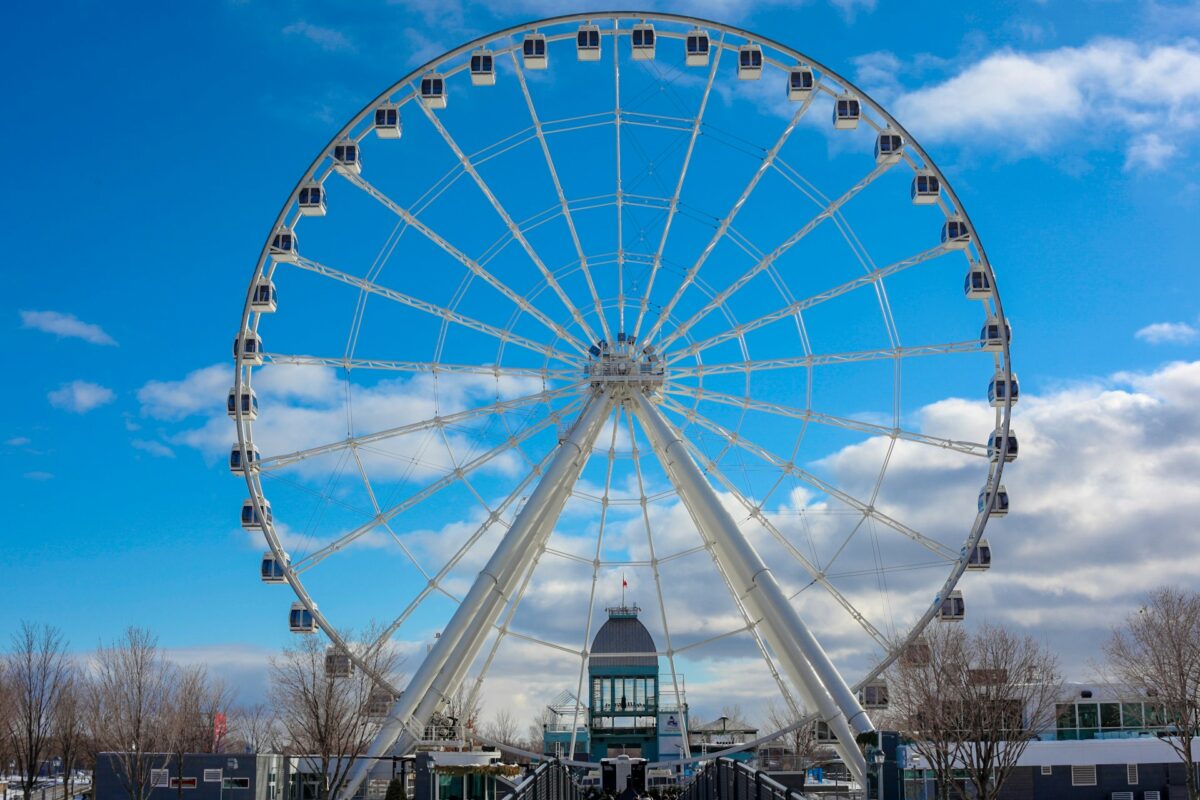
In 1890, architect Daniel Burnham challenged his team to create something for the 1893 World’s Columbian Exposition in Chicago that would outshine the Eiffel Tower, which had opened just a year earlier. George Washington Gale Ferris Jr. delivered with a massive wheel that could hold 2,160 people across 36 cars and reached 264 feet in the air.
The original Ferris Wheel was so sturdy that tornado-force winds couldn’t damage it, and it became the signature attraction that made Ferris a household name.
Like Go2Tutors’s content? Follow us on MSN.
Carousel Horses Were Originally Military Training Tools
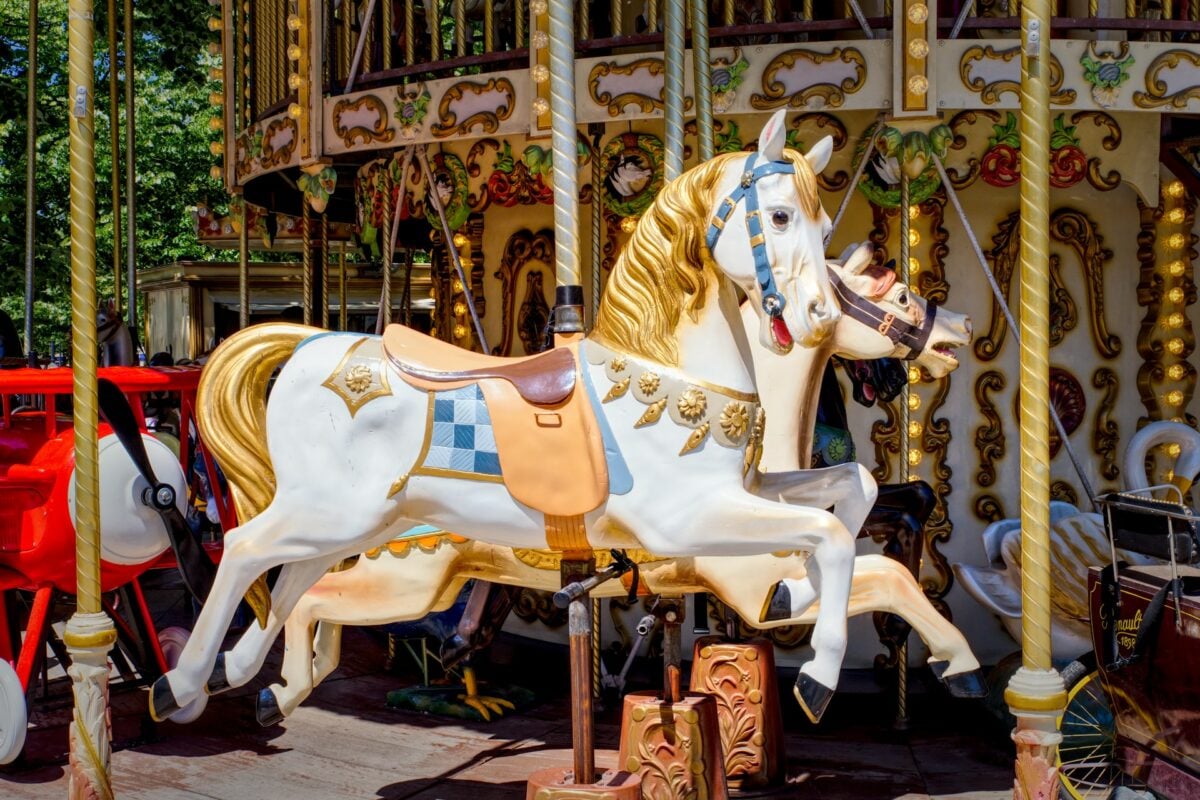
Long before carousels became family entertainment, they served a serious purpose. Turkish and Arabian cavalry used wooden horses mounted on rotating platforms to train soldiers in horseback combat techniques.
When Crusaders returned to Europe, they brought the contraption with them. In 17th century France, riders would try to pierce targets with lances while the carousel spun, turning military practice into competitive sport before it eventually evolved into the gentle rides we know today.
Bumper Cars Arrived in Britain Almost 100 Years Ago
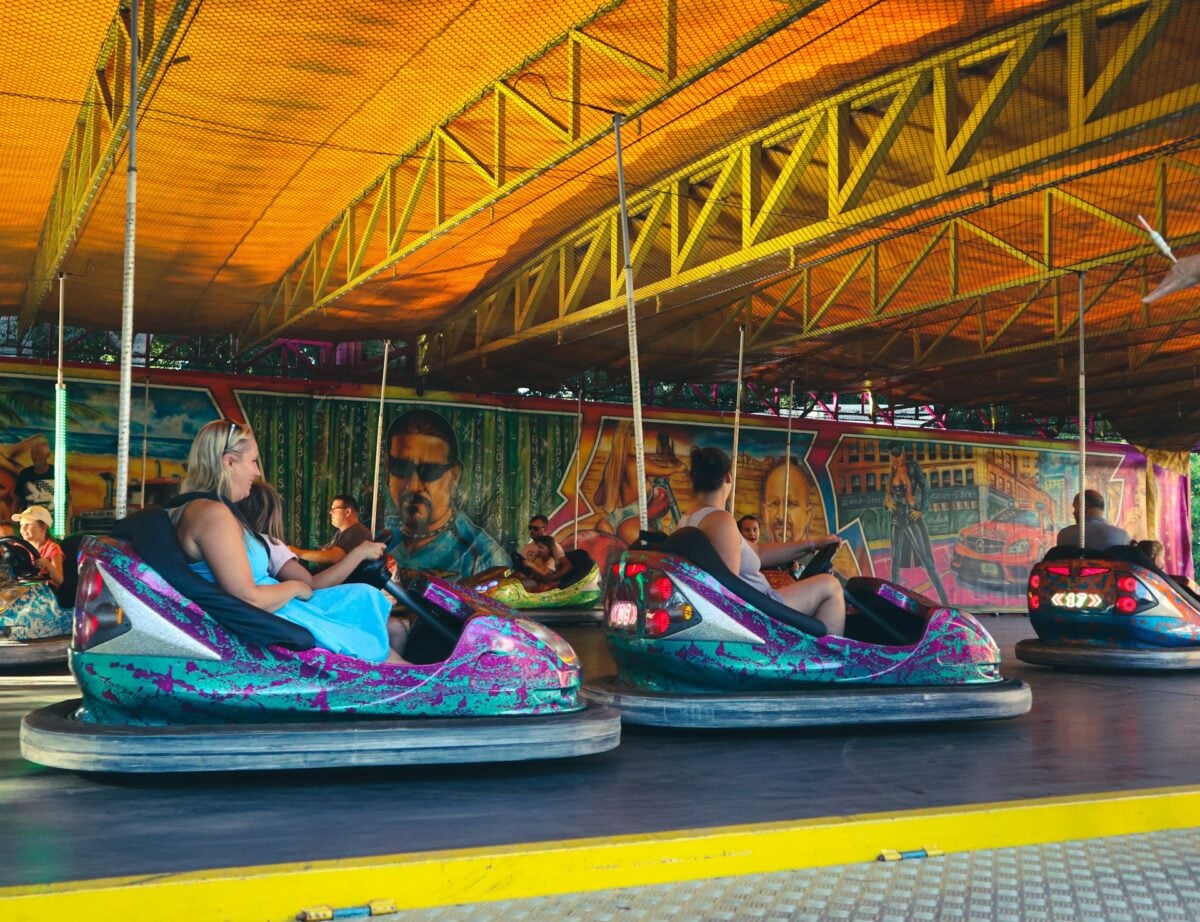
The bumper cars you ram into your friends with today first crossed the Atlantic in 1928, when they were imported to the UK and quickly became a fairground staple. Within a few years, every major amusement park wanted them.
The simple concept of crashing into each other on purpose proved timeless, and bumper cars remain one of the few attractions that’s barely changed in design over nearly a century.
Russian Ice Slides Inspired Modern Roller Coasters
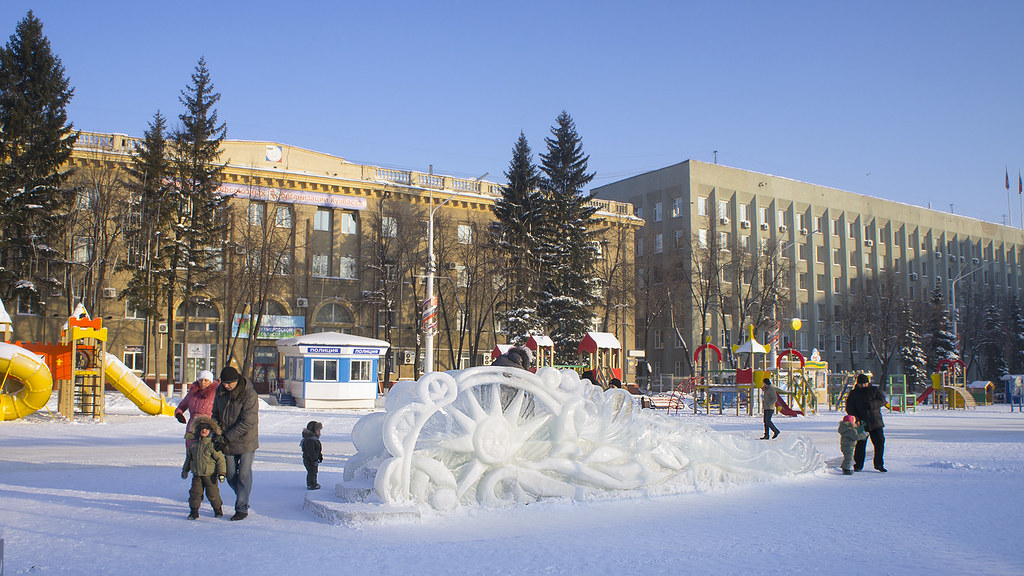
In 17th century Russia, the wealthy built enormous ice slides reaching 70 feet tall. Riders would sit on blocks of wood stuffed with straw and slide down ramps coated with frozen water, sometimes traveling hundreds of feet. When Parisians tried to replicate the fun, they quickly realized ice slides don’t work well in warmer climates.
Their solution in 1817 was to add wheels to the sleds and build a wooden track, essentially inventing the modern roller coaster.
Like Go2Tutors’s content? Follow us on MSN.
Cedar Point’s Prince Charming Carousel Is Over 100 Years Old
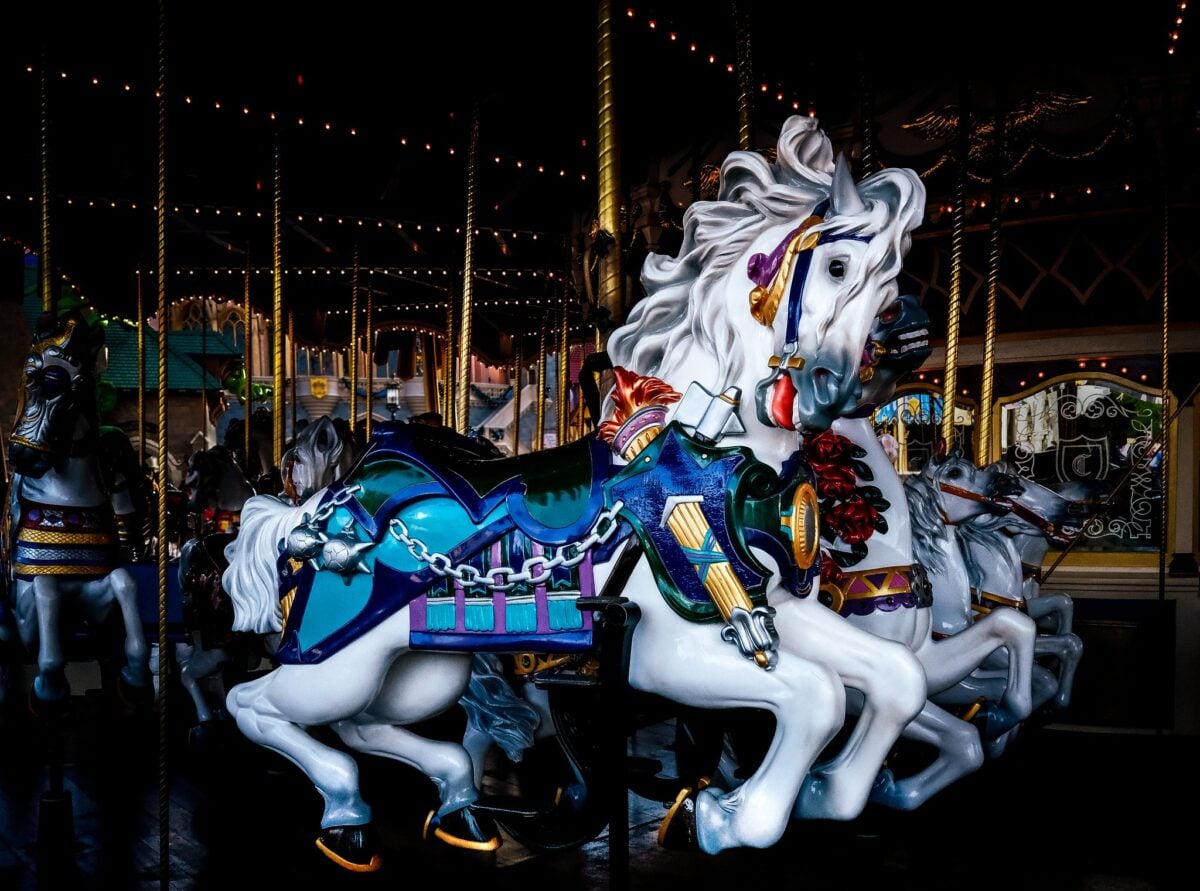
The oldest operating ride at Disney World isn’t from Disney at all. Prince Charming Regal Carrousel was originally built in 1917 for Belle Isle Park in Detroit, then moved to Olympic Park in New Jersey. The Walt Disney Company purchased it in 1967 and installed it at Magic Kingdom when the park opened in 1971.
At more than a century old, it predates every other Disney attraction by decades.
The Designer of Famous Roller Coasters Got Motion Sickness
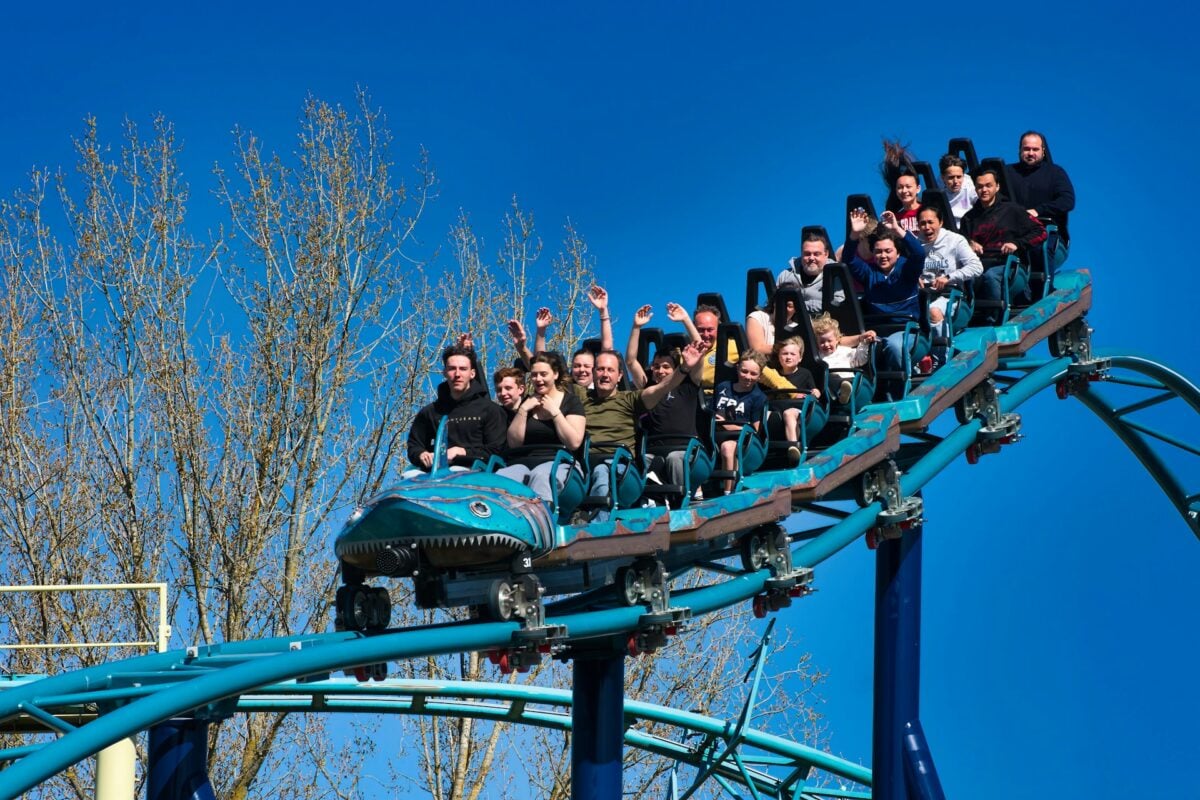
One of America’s most celebrated roller coaster designers couldn’t stomach his own creations. Despite suffering from motion sickness, he forced himself to ride each of his designs at least once or twice to ensure they worked properly.
The experience was reportedly miserable for him every single time, but his dedication to quality control helped create some of the most iconic coasters in the country.
Doritos Were Invented at Disneyland
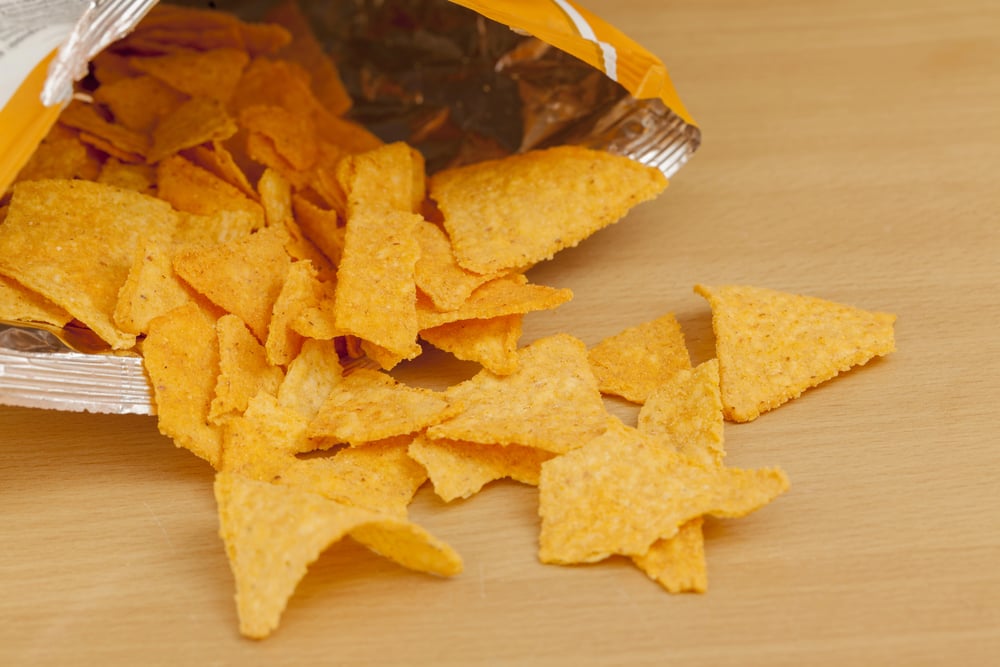
In 1966, a restaurant called Casa de Fritos at Disneyland found itself with an excess of stale tortillas. Rather than throwing them away, someone had the bright idea to cut them up, fry them, and season them as chips. Guests loved the crunchy snacks so much that Frito-Lay took notice and turned the accidental invention into one of the world’s most popular snack foods.
Like Go2Tutors’s content? Follow us on MSN.
Kingda Ka Launches Riders to 456 Feet in 3.5 Seconds
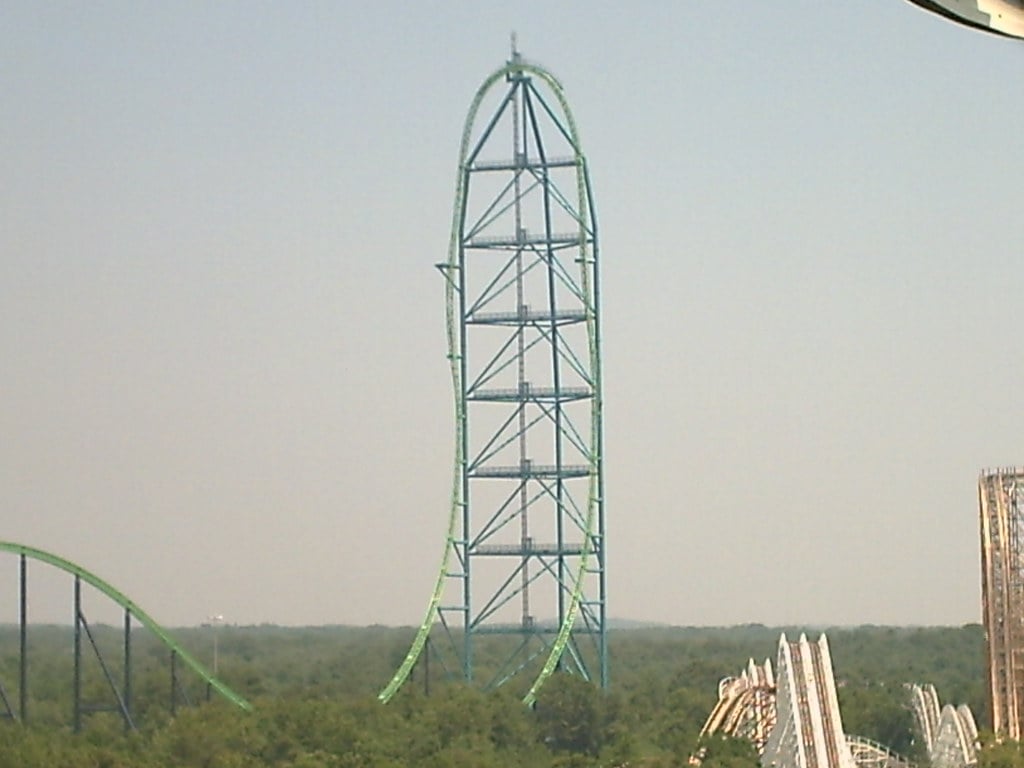
Six Flags Great Adventure’s Kingda Ka stands as the tallest roller coaster in North America at 456 feet, roughly the height of a 45-story building. It accelerates from zero to 128 miles per hour in just 3.5 seconds, making it also the fastest in the United States.
The experience lasts only 28 seconds from start to finish, but those few moments deliver enough adrenaline to satisfy any thrill seeker.
The Steel Dragon 2000 Is Nearly 1.5 Miles Long
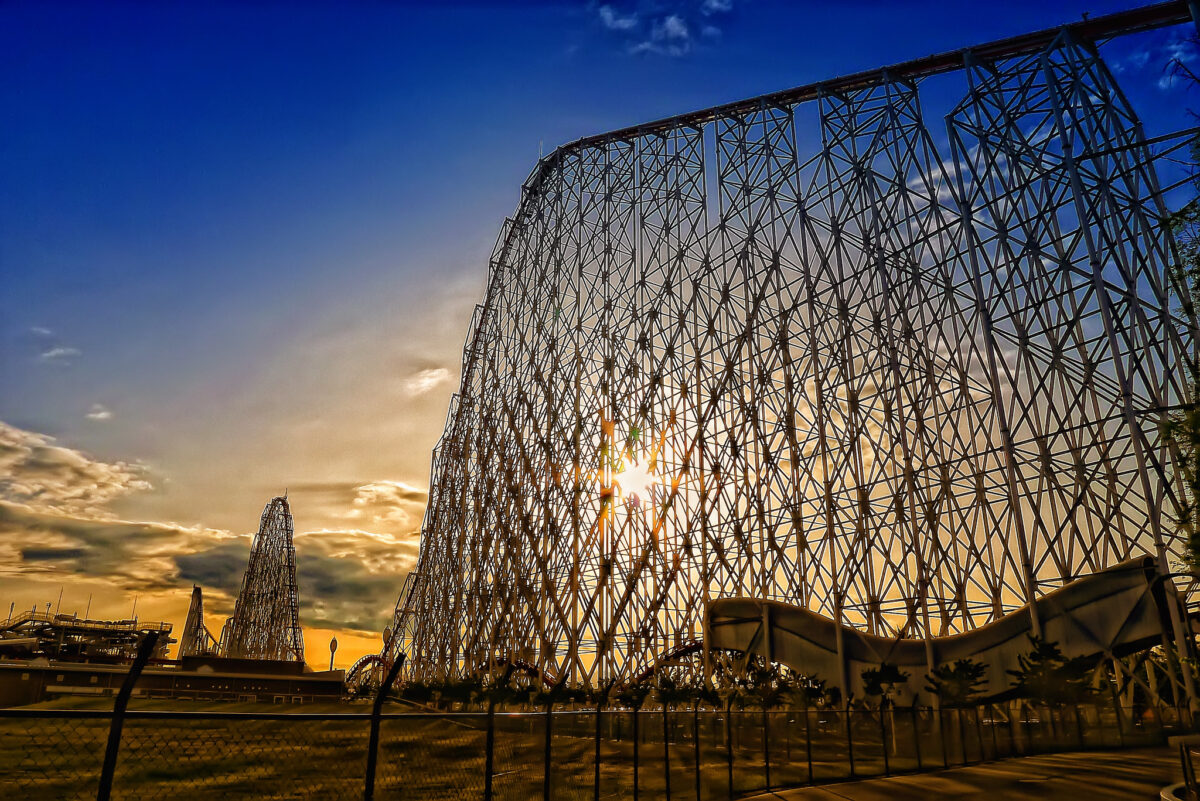
While Formula Rossa in Abu Dhabi holds the speed record at 149 miles per hour, Japan’s Steel Dragon 2000 at Nagashima Spa Land claims the title of longest roller coaster in the world. The track stretches 8,133 feet, which translates to more than 1.5 miles of twists, turns, and drops.
Riders spend a full four minutes on the coaster, experiencing an initial drop of nearly 307 feet followed by multiple camelback hills.
Tower of Terror Libraries Hide Twilight Zone Easter Eggs
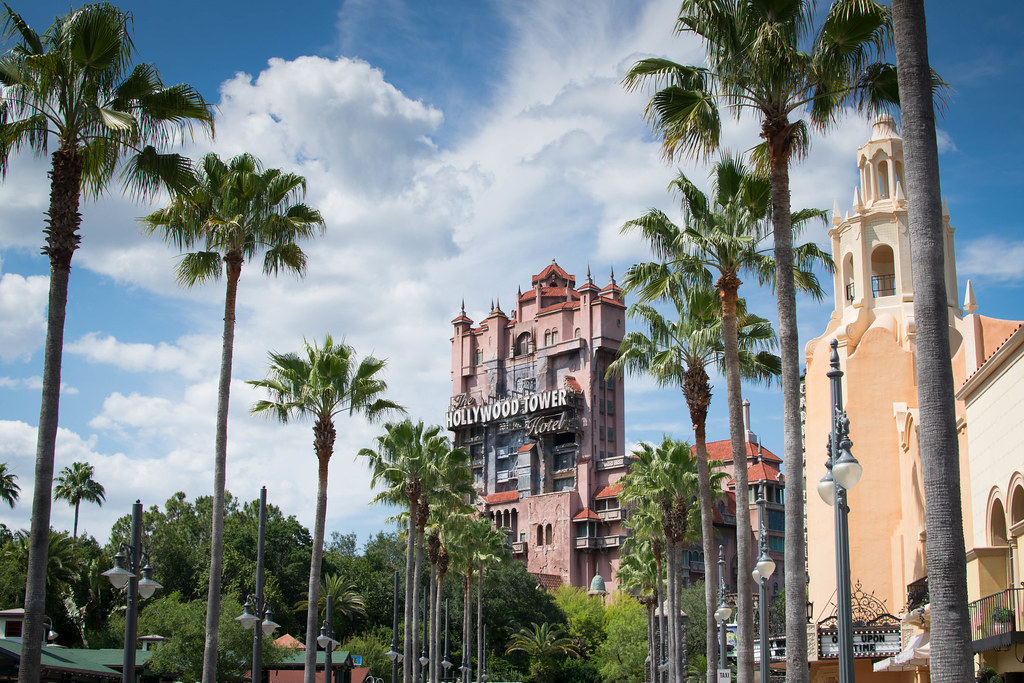
As you move through the queue at Hollywood Studios’ Tower of Terror, the pre-show libraries contain dozens of subtle references to specific Twilight Zone episodes. Props, books, and decorations throughout the rooms reference storylines from the classic TV series.
Cast members know about these hidden details, but most guests walk right past them without noticing the carefully placed tributes.
Like Go2Tutors’s content? Follow us on MSN.
Formula Rossa Requires Safety Goggles
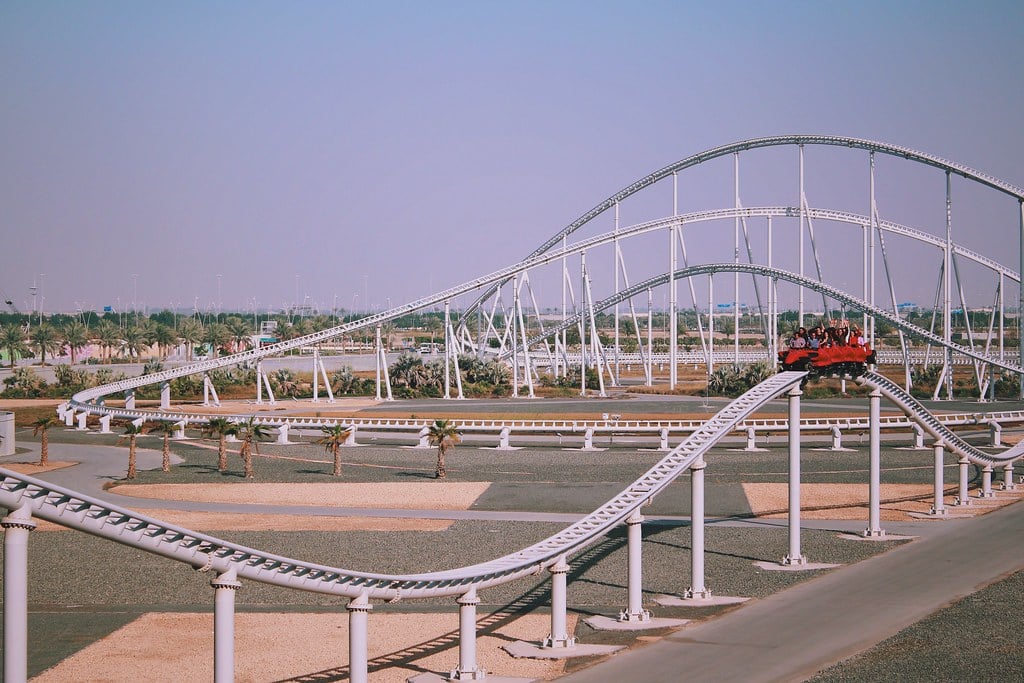
The world’s fastest roller coaster moves so quickly that riders must wear protective goggles. Formula Rossa at Ferrari World accelerates to 149 miles per hour in under five seconds, generating forces of 4.8 Gs.
At those speeds, even small insects or dust particles could seriously injure someone’s eyes, so the park provides goggles similar to those worn by skydivers to keep everyone safe during the intense experience.
Yen Sid From Fantasia Is Disney Spelled Backward
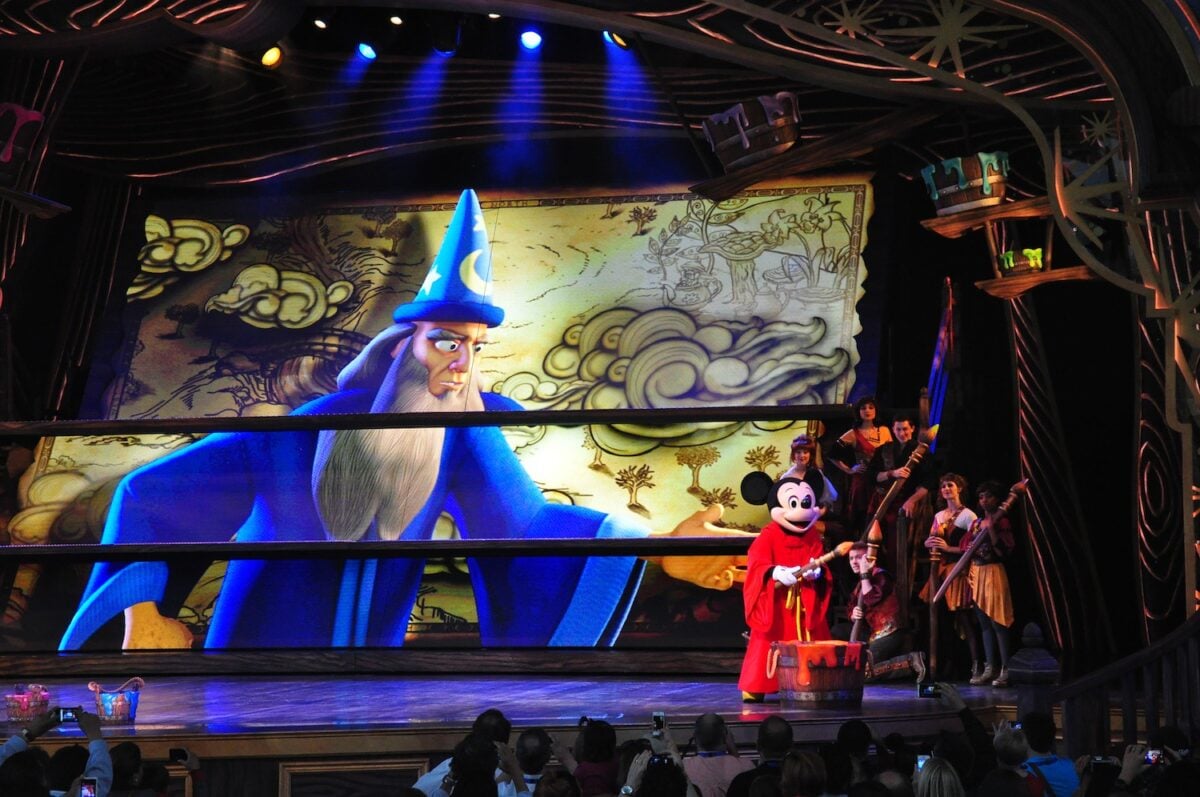
The sorcerer in Disney’s Fantasia has a name that doubles as a clever tribute. Yen Sid is simply ‘Disney’ spelled in reverse, a subtle nod that most viewers never catch.
This kind of wordplay became a Disney tradition, with Imagineers hiding references and backwards names throughout the parks and films for eagle-eyed fans to discover.
From Past to Present
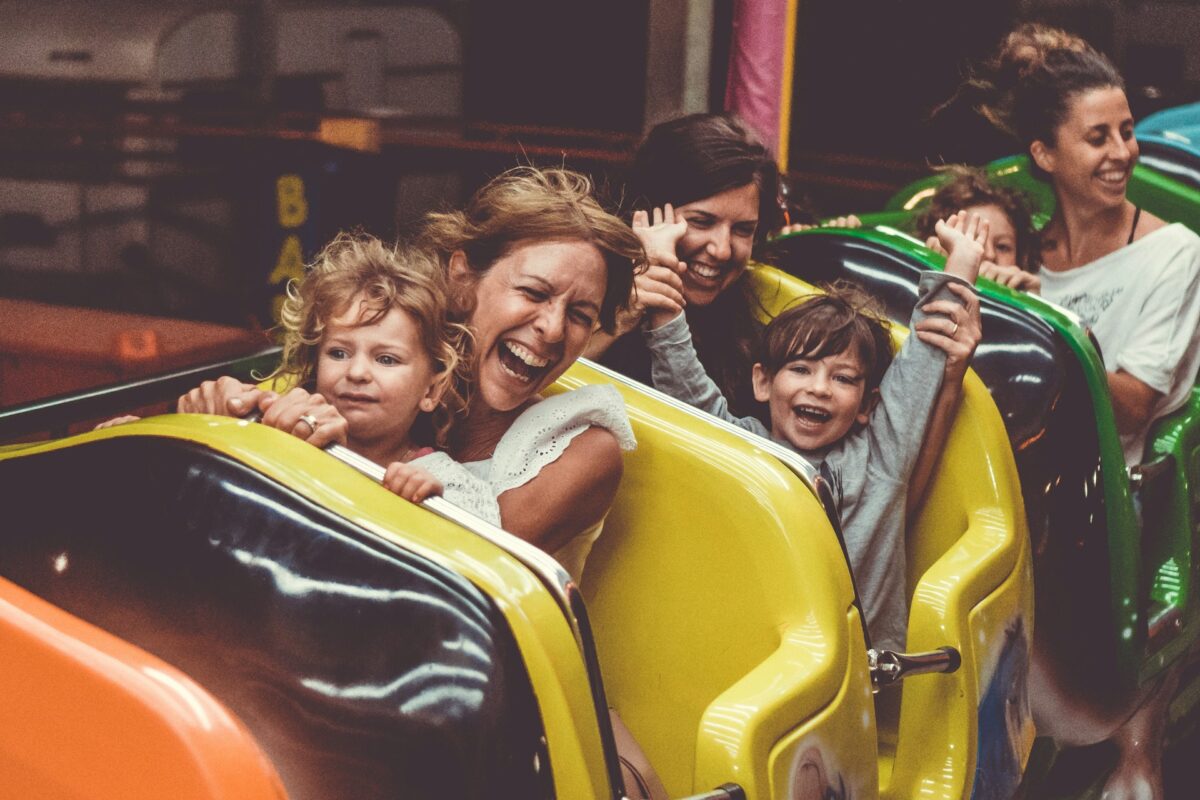
The rides that thrill millions today started as simple ice slides and military training equipment, evolving through centuries of innovation and imagination. What began with borrowed medical skeletons and computer experiments has grown into an industry where engineers push the boundaries of speed, height, and technology with every new attraction.
These surprising stories remind us that even the most familiar rides carry hidden histories worth discovering.
More from Go2Tutors!

- 16 Historical Figures Who Were Nothing Like You Think
- 12 Things Sold in the 80s That Are Now Illegal
- 15 VHS Tapes That Could Be Worth Thousands
- 17 Historical “What Ifs” That Would Have Changed Everything
- 18 TV Shows That Vanished Without a Finale
Like Go2Tutors’s content? Follow us on MSN.



