Facts about Angkor Wat in Cambodia
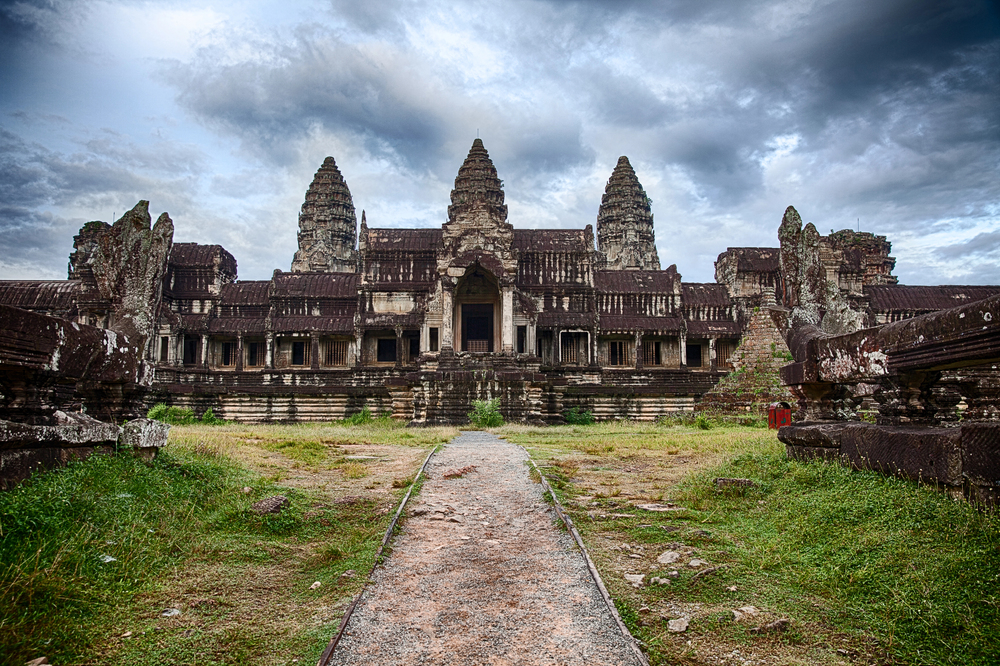
Deep in the jungles of Cambodia sits a temple complex so large it can be seen from space. Angkor Wat represents the height of Khmer civilization, a time when Cambodia ruled much of Southeast Asia and built monuments that still amaze visitors today.
The temple’s towers reach toward the sky while intricate carvings cover nearly every surface, telling stories of gods, kings, and battles fought centuries ago. What started as a Hindu temple eventually became one of Buddhism’s most important sites, and now it draws millions of people who want to witness something truly ancient and remarkably well-preserved.
The temple complex holds secrets that archaeologists are still uncovering. Each discovery adds another layer to understanding how this civilization thrived.
It’s the largest religious monument on Earth
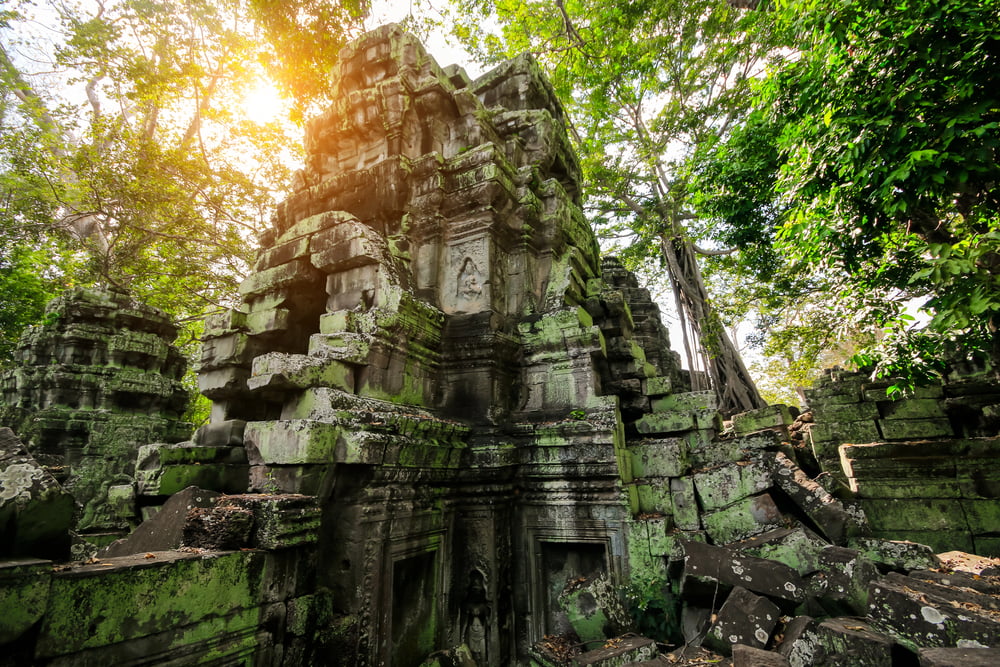
Angkor Wat covers about 400 acres, making it bigger than any other religious building anywhere. The main temple complex alone spans roughly 500 acres when you include the surrounding moat and walls.
To put that in perspective, it’s nearly three times the size of Vatican City. King Suryavarman II commissioned this massive project in the early 12th century, and the scale alone demonstrates the power and resources the Khmer Empire commanded at its peak.
The name means City of Temples
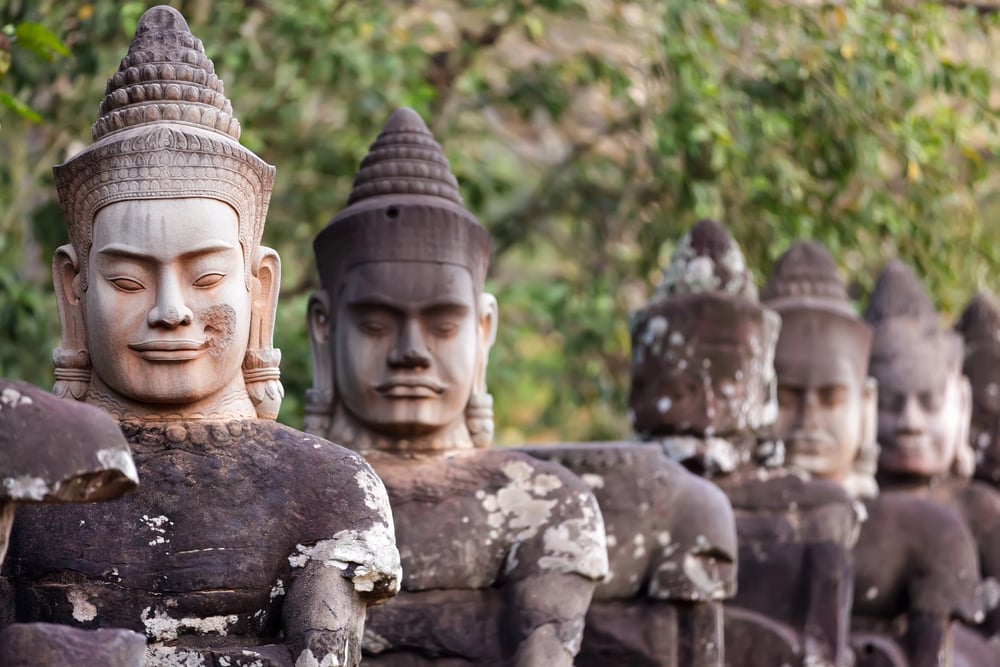
Angkor translates to city or capital, while Wat means temple in Khmer. The name is straightforward and describes exactly what it is.
Unlike many ancient sites with names lost to history, this one has been called Angkor Wat continuously since its construction. The simplicity of the name belies the complexity of the structure itself, which contains hundreds of individual buildings, galleries, and towers spread across the vast complex.
Construction took about 30 years
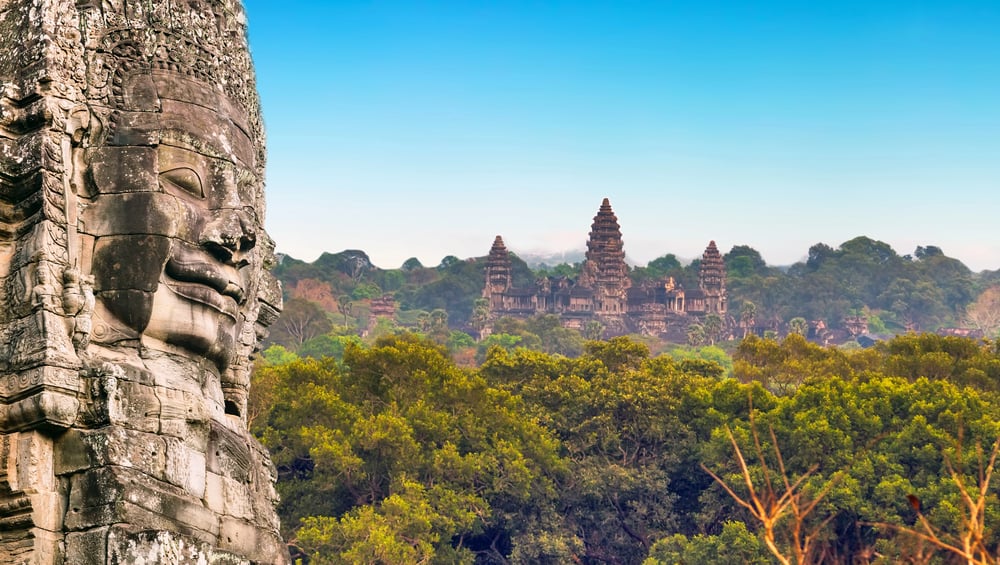
Work began around 1113 AD and continued until roughly 1145 AD, though some historians believe it took even longer to complete all the detailed carvings and decorations. Thousands of workers quarried sandstone blocks from Mount Kulen, located about 25 miles away, then transported them to the construction site.
The logistics of moving millions of heavy stones without modern equipment required serious planning and an enormous workforce. Some estimates suggest over 300,000 workers and 6,000 elephants participated in the construction.
It was built as a Hindu temple
King Suryavarman II dedicated Angkor Wat to the Hindu god Vishnu, breaking from earlier Khmer kings who typically honored Shiva. The temple’s orientation toward the west, associated with Vishnu, makes it unique among Angkorian temples which usually face east.
Religious scholars believe this westward orientation also suggests it may have served as the king’s mausoleum. The entire complex functions as a representation of Mount Meru, the home of gods in Hindu and Buddhist cosmology.
The transition to Buddhism happened gradually
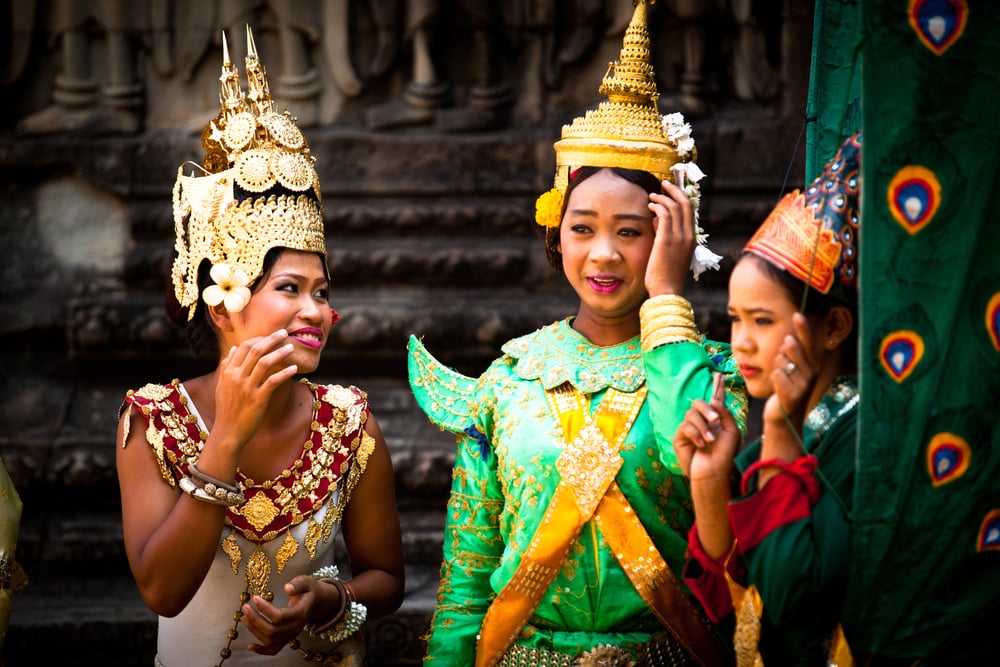
By the late 13th century, Theravada Buddhism had largely replaced Hinduism throughout the Khmer Empire. Rather than destroy Angkor Wat, Buddhists adapted it for their own use.
Buddhist monks added statues and modified some areas while largely preserving the Hindu elements. This religious flexibility meant the temple survived when many other Hindu structures in the region were abandoned or destroyed.
Today, Buddhist monks still live and worship at Angkor Wat, maintaining a spiritual tradition that spans centuries.
Sandstone blocks fit together without mortar
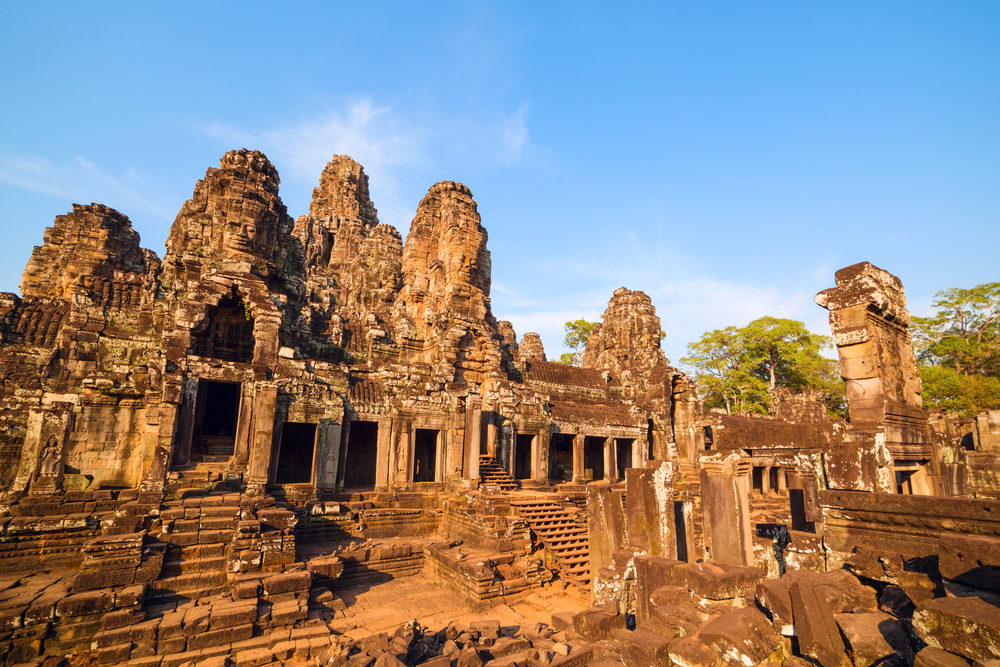
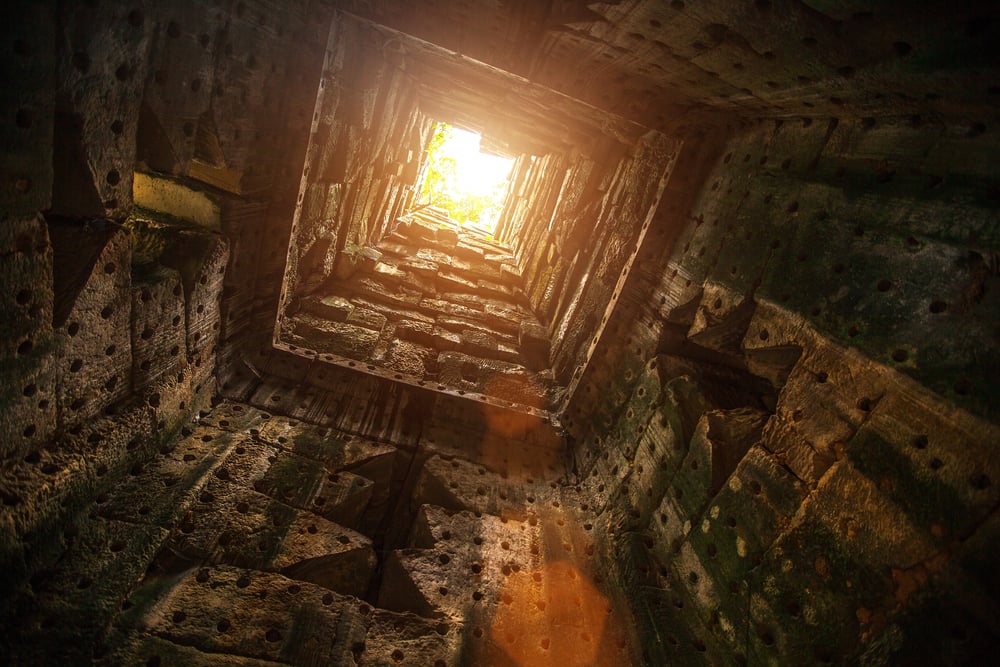
The builders used a technique called ashlar, where stones are cut so precisely they lock together without any binding material. Each block was carved and shaped to fit perfectly with its neighbors, creating walls and structures that have survived nearly 900 years of monsoons, heat, and jungle growth.
The precision required for this method is astounding, especially considering the tools available in the 12th century. Modern engineers still study these joints to understand how the Khmer achieved such durability.
The moat is both spiritual and practical
A 650-foot-wide moat surrounds the entire temple complex, forming a rectangle that measures about 1.5 miles by 1.3 miles around. Beyond its symbolic representation of the cosmic ocean surrounding Mount Meru, the moat served practical purposes.
It provided water for the thousands of people who lived and worked at the temple. The moat also helped stabilize the groundwater table, preventing the sandy soil from shifting and damaging the massive stone structures above.
Bas-reliefs tell epic stories
Nearly 2,000 square feet of wall space features intricate carved scenes depicting Hindu epics, historical events, and daily life in the Khmer Empire. The most famous relief shows the Churning of the Ocean of Milk, a Hindu creation myth involving gods and demons working together.
Other panels depict the king’s military victories, celestial dancers called apsaras, and scenes from the Ramayana and Mahabharata. These carvings provide historians with invaluable information about clothing, weapons, and customs from 900 years ago.
Over 3,000 apsaras dance across the walls
These celestial dancers appear throughout Angkor Wat, each one unique with different hairstyles, jewelry, and poses. Researchers have cataloged and numbered them, finding no two exactly alike.
The apsaras represent divine beauty and grace in Hindu mythology, and their presence throughout the temple adds both decoration and spiritual significance. Carving each figure with such detail must have taken years of work by skilled artisans.
The temple was never completely abandoned
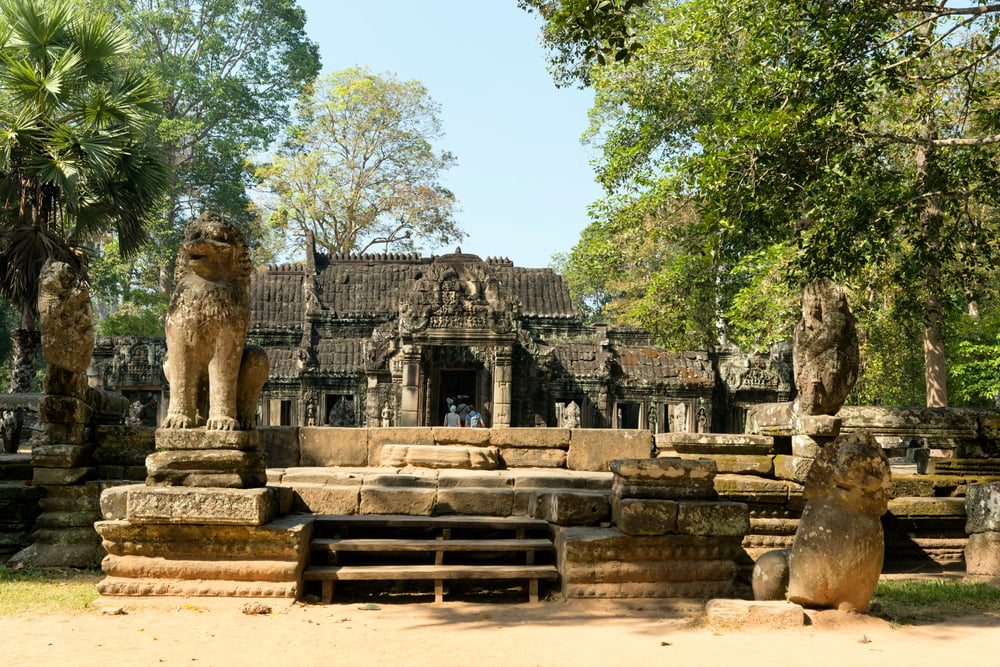
Unlike many ancient sites that fell into ruin and were forgotten, Angkor Wat always had people caring for it. Even after the Khmer capital moved away in the 15th century, Buddhist monks continued maintaining the temple.
This ongoing occupation protected it from the worst ravages of time and jungle overgrowth. European explorers in the 19th century were amazed to find such a massive complex still in relatively good condition, with active religious practices continuing.
French naturalist Henri Mouhot brought it to Western attention
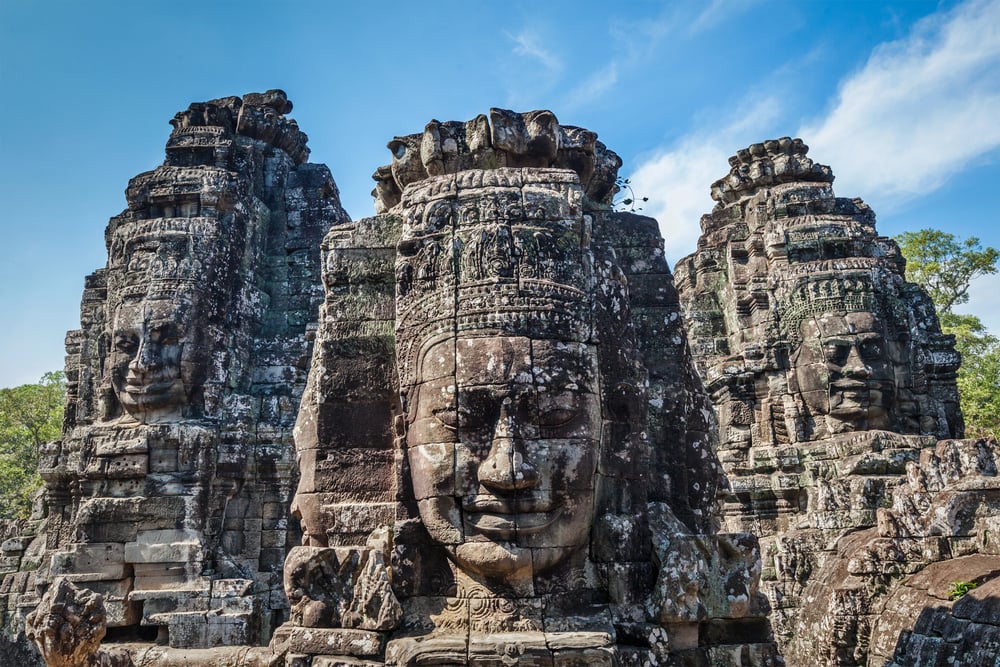
In 1860, French explorer Henri Mouhot visited Angkor Wat and wrote extensive descriptions that captivated European audiences. His accounts, published after his death, sparked widespread interest in the ruins.
However, Mouhot’s role is often overstated because the temple was never lost or unknown to locals. Cambodians and neighboring populations always knew about Angkor Wat.
What Mouhot did was introduce it to the Western world, leading to both preservation efforts and unfortunately some colonial exploitation.
Japanese visitors came centuries before Europeans
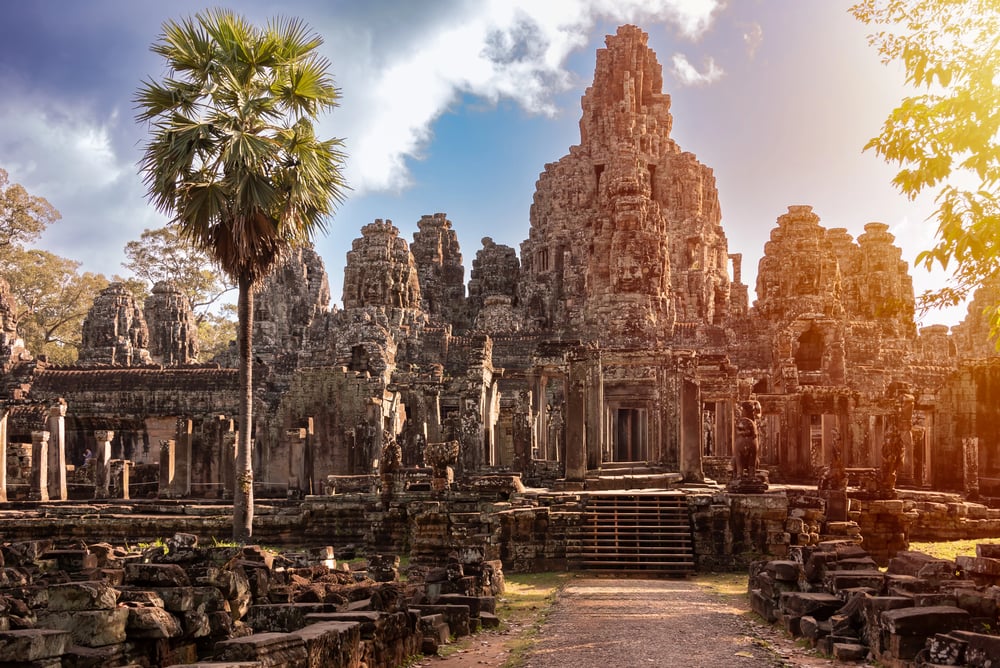
A 17th-century Japanese pilgrim named Ukondayu Nagazumi traveled to Angkor Wat, believing it to be the original site of Buddha’s enlightenment in India. He left ink drawings and inscriptions that still exist today.
Japanese merchants and monks visited the site periodically, drawn by its reputation as a Buddhist holy place. Their accounts provide evidence that Angkor Wat maintained international religious significance long before Western discovery.
Trees have taken over Ta Prohm nearby
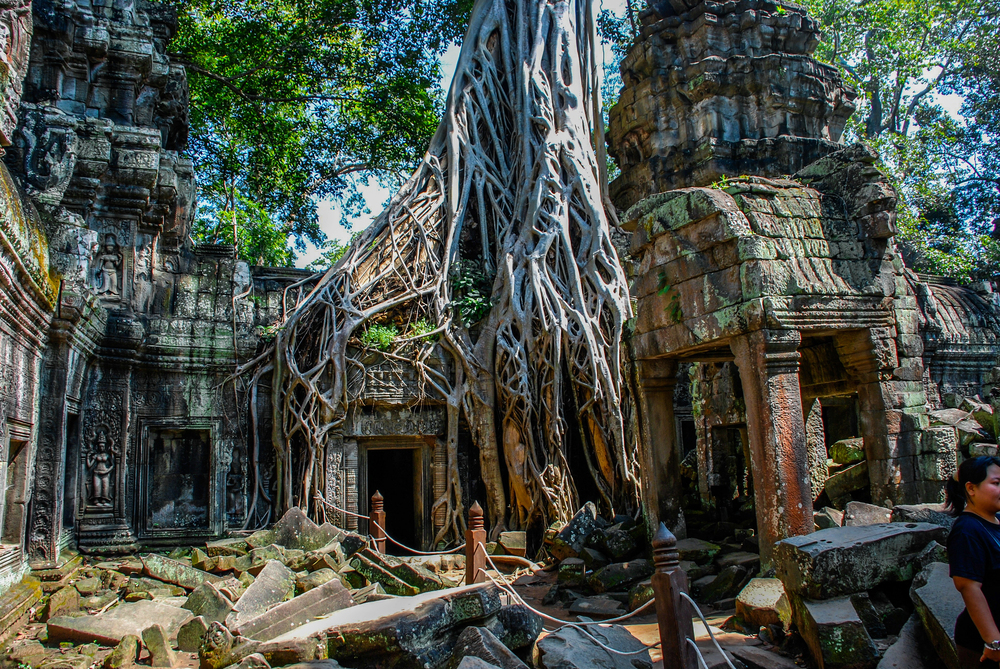
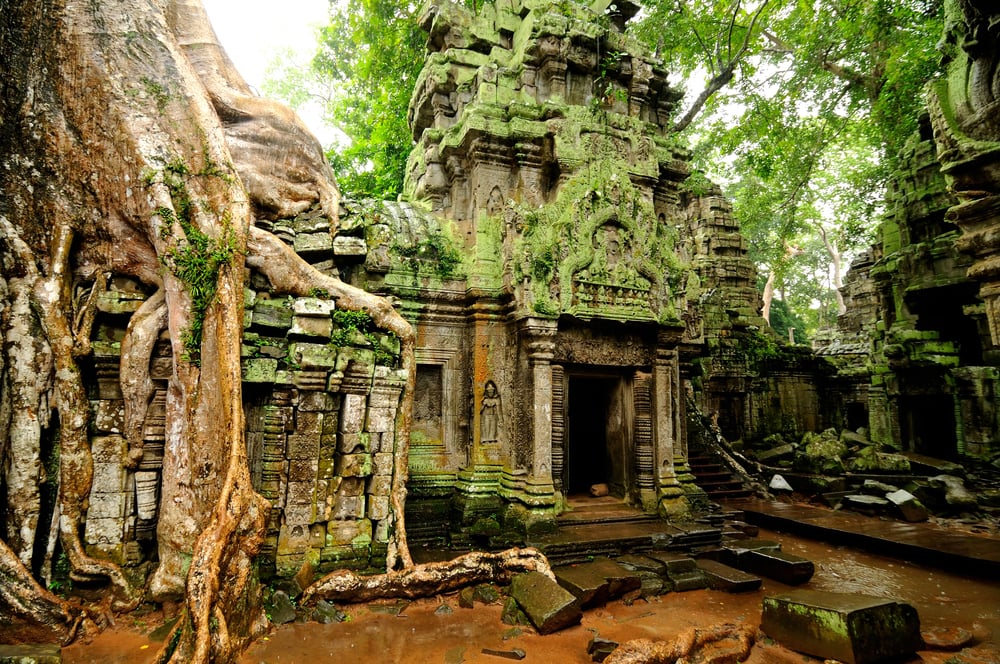
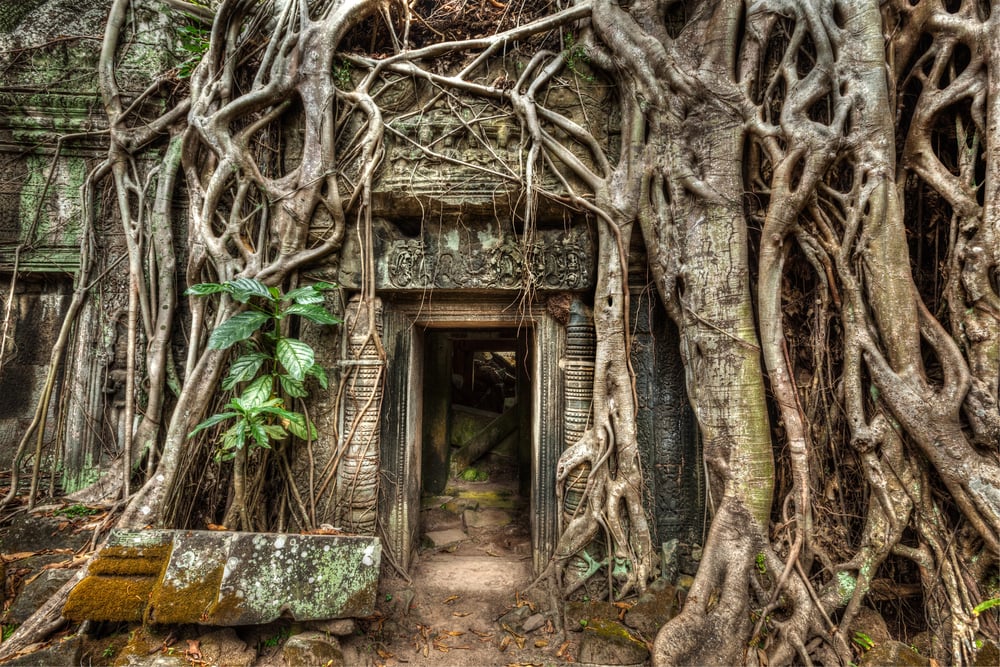
While Angkor Wat itself has been kept relatively clear, other structures in the Angkor complex show what happens when jungle wins. Ta Prohm, another temple about 1.5 miles away, features massive trees whose roots have grown through and around the ancient stones.
Conservators deliberately left Ta Prohm in this condition to show visitors how Angkor Wat might have looked before restoration work began. The trees and ruins have become so intertwined that removing the trees would cause the structures to collapse.
Fancy pipes helped the town handle water
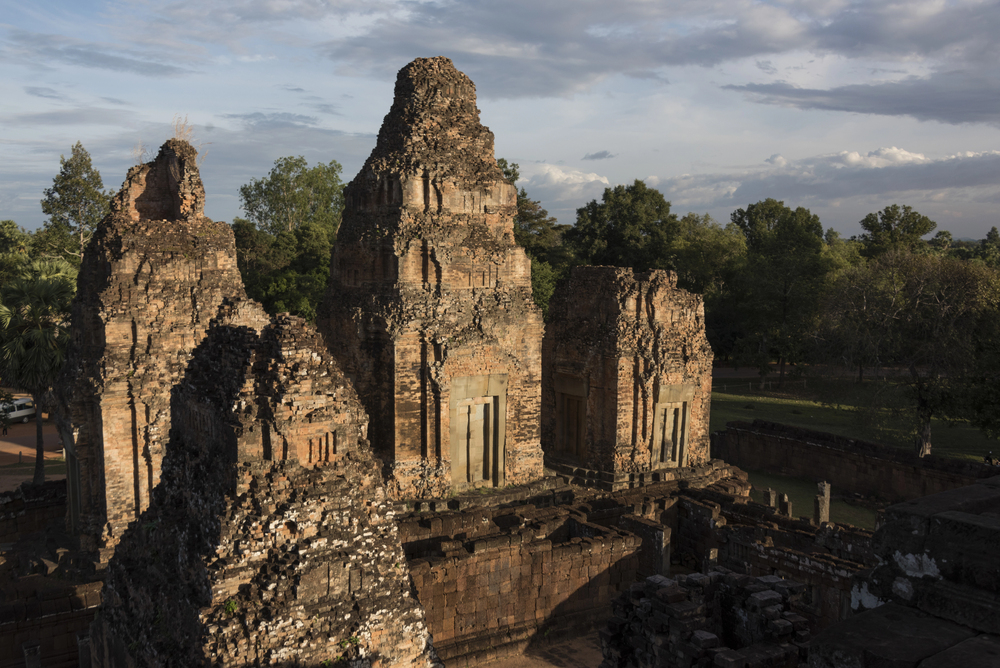
Angkor Wat stood in the middle of a vast city powered by intricate waterways – canals, channels, and storage basins. Instead of just rain, these man-made lakes, or barays, held seasonal downpours to use later when skies stayed clear.
Thanks to aerial scans with laser tech, researchers now see far more irrigation routes hidden under jungle cover. By controlling floods and saving water, the Khmer could feed hundreds of thousands – some guess up to a million – growing food year-round; back then, few settlements matched its size around 800 years ago.
The main spire stands 213 feet tall
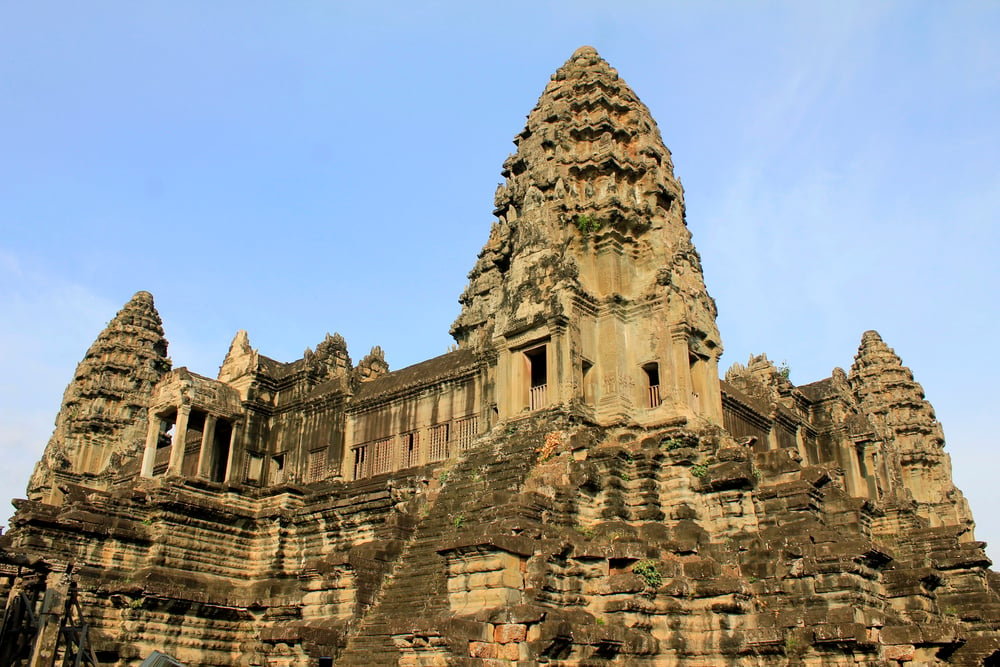
Five spires rise above Angkor Wat, set out like the summits of Mount Meru. Rising higher than the rest, the middle one demands a tough climb up narrow steps just to get there.
Those steps? Built hard on purpose – so people crawl upward, bowing low as an act of respect. From that height, you see everything – the whole temple layout plus trees stretching far beyond.
Fixing things is still happening now
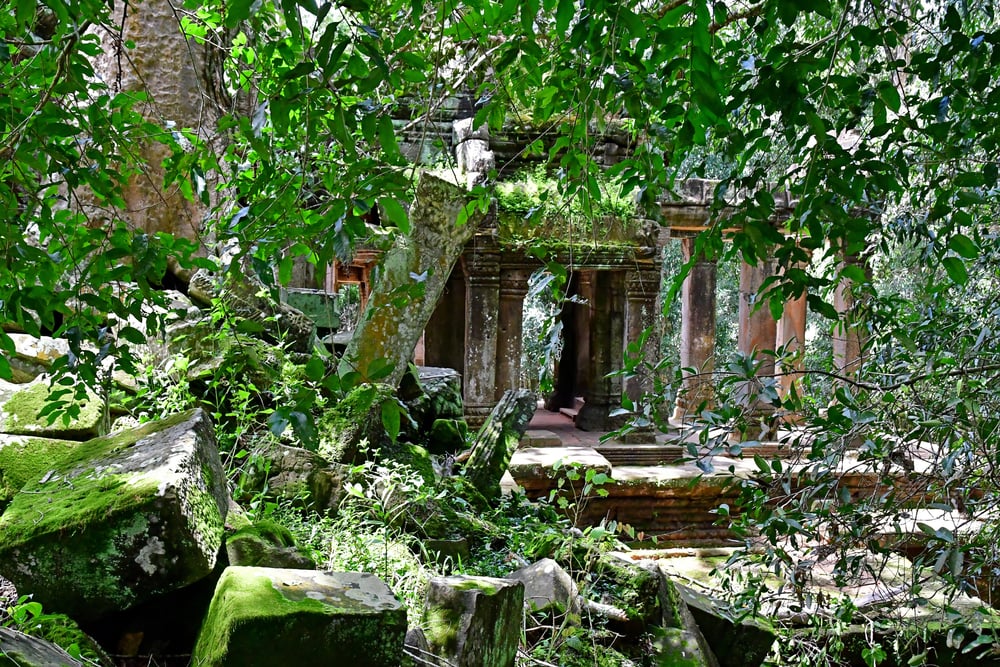
Several global groups keep working nonstop to protect and fix Angkor Wat. Indian archaeologists, along with specialists from France and Japan, bring knowledge plus money for the effort.
Dealing with huge crowds each year is tough; so’s stopping water loss caused by hotel use nearby, besides harm brought on by plants growing wild or storms hitting hard. New tools such as 3D scans let caretakers record tiny features precisely – building virtual copies able to last beyond any future ruin of stone.
Behind layers of old paint, murals sit on certain walls
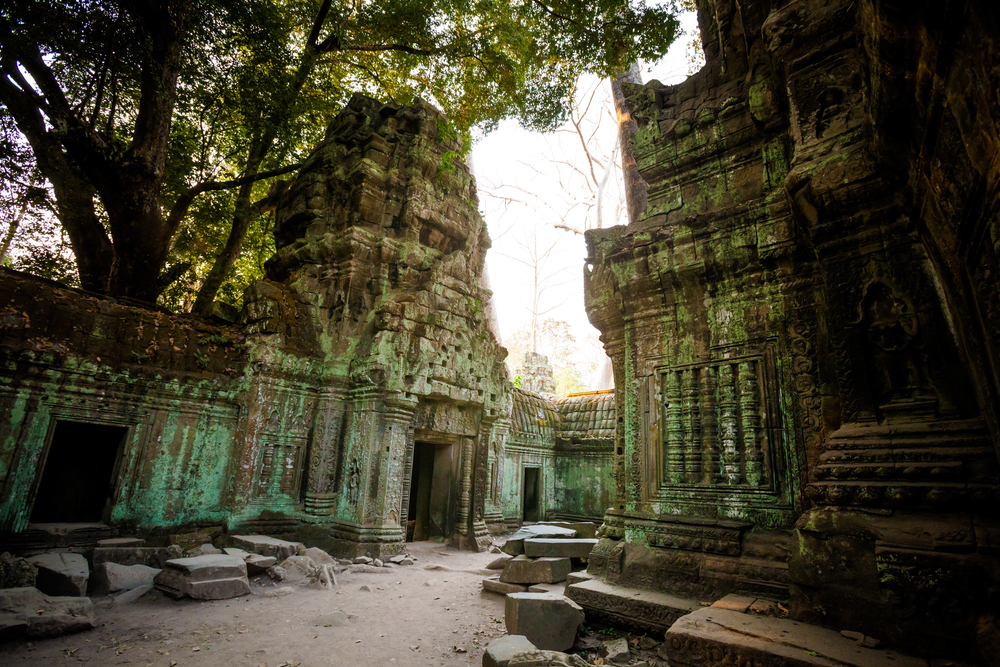
In 2010, experts found out that several walls at Angkor Wat used to have vivid colors. With high-tech scans, they spotted leftover pigments – worn off or peeled after hundreds of years.
Instead of just carvings, these artworks showed sacred moments, ornamental designs, maybe even faces of locals from back then. This find shifted the way scholars understand the site, previously thought to rely solely on raw stonework.
Back in its prime, it likely looked much livelier, bolder compared to the muted look tourists now experience.
Sunrise pulls folks in each dawn
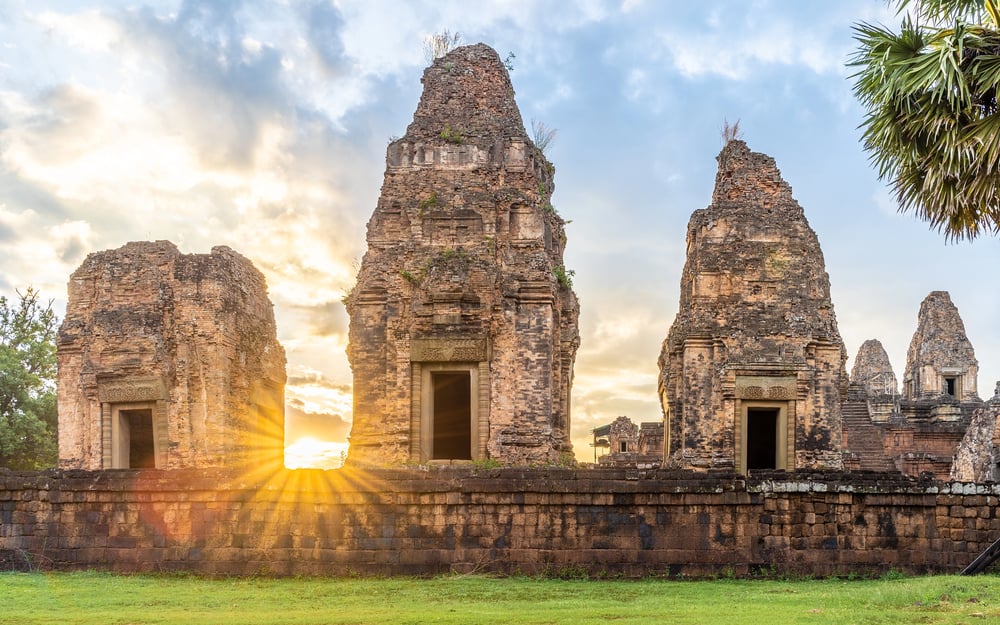
Every day at dawn, loads of visitors pack the area around Angkor Wat to catch sunrise peeking through its towers. Facing west, the temple catches first light just right – its outline glows sharp against sky, mirrored perfectly in the calm pond below.
So many people now come that certain spots fill up fast; picture-takers hustle early to claim front-row space. Street sellers move among sleepy travelers offering hot drinks and quick bites.
Even though it’s busy, even noisy, the old sacred vibe still cuts through – the place holds onto something deep.
When kingdoms vanish yet rocks stay
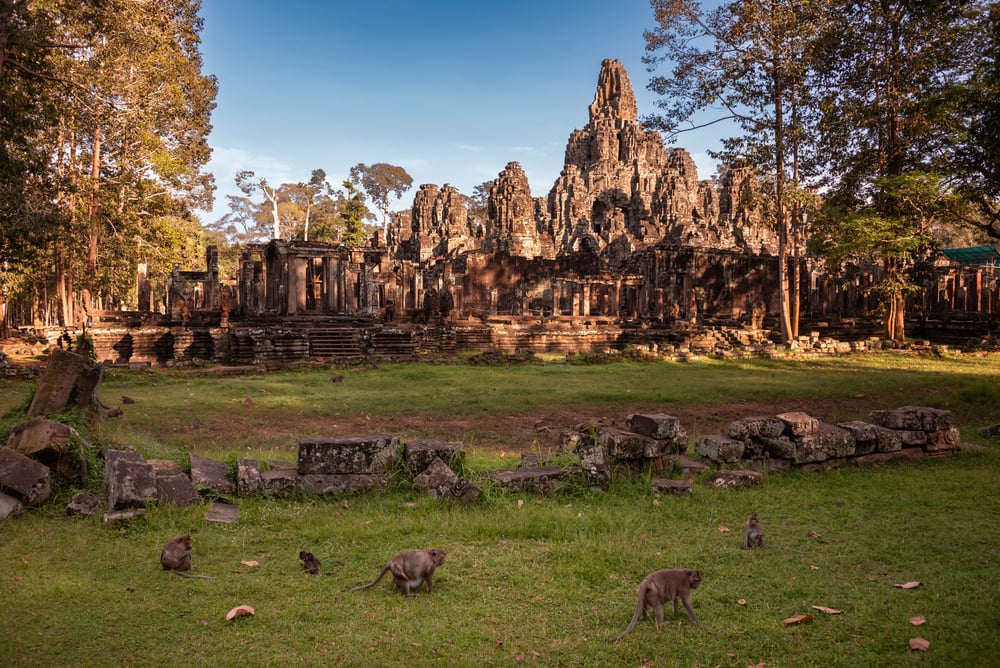
Cambodia’s flag shows Angkor Wat – so it stands out by putting a structure right up front. That temple? It means deep respect and old glory for locals, pointing back to times when their forebears ruled a major chunk of the region.
Wars came, colonizers stayed awhile, then horror struck under the Khmer Rouge – but still, this place held on, like an anchor through chaos. Today, travelers step where rulers and holy folks once stepped, feeling something timeless, some quiet link formed not by words but by awe at what humans craft using belief, authority, and bold imagination.
More from Go2Tutors!

- The Romanov Crown Jewels and Their Tragic Fate
- 13 Historical Mysteries That Science Still Can’t Solve
- Famous Hoaxes That Fooled the World for Years
- 15 Child Stars with Tragic Adult Lives
- 16 Famous Jewelry Pieces in History
Like Go2Tutors’s content? Follow us on MSN.