15 Elite Schools Where Admission Is Easier Than You Think
Getting into a prestigious university doesn’t always mean competing against impossible odds. While everyone fixates on Harvard’s 3% acceptance rate, dozens of excellent schools with stellar reputations quietly admit students at much higher rates than their rankings might suggest.
These institutions offer the same rigorous academics, influential alumni networks, and career opportunities as their more selective peers. They just don’t feel the need to reject 95% of applicants to prove their worth.
Tulane University
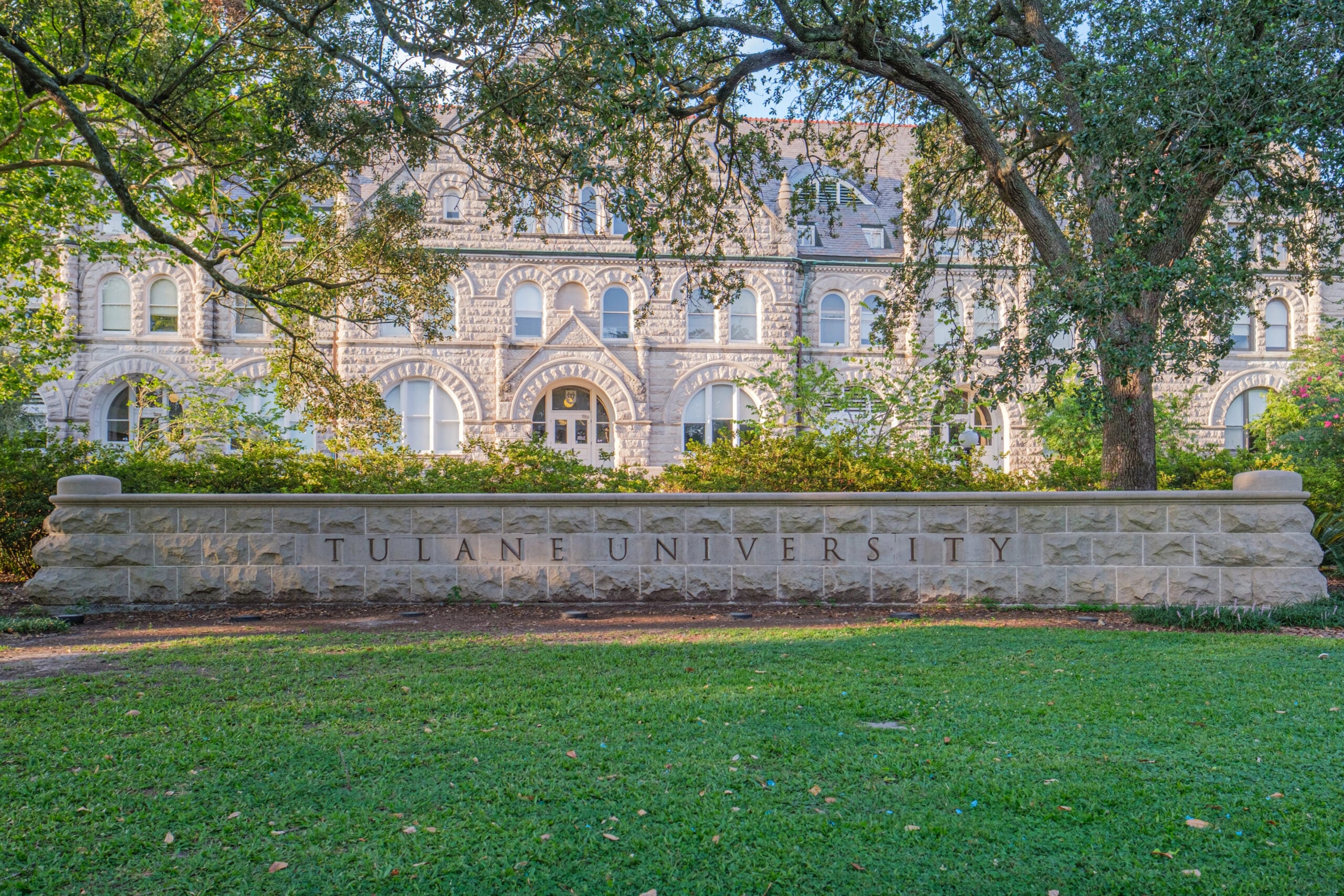
Tulane accepts around 70% of applicants. The school sits in New Orleans, ranked consistently in the top 50 nationally, and nobody seems to notice how accessible it actually is.
Students get the full elite experience — small classes, respected faculty, strong alumni connections. The campus survived Hurricane Katrina and came back stronger.
Wake Forest University
Wake Forest has a 25% acceptance rate, which sounds selective until compared to similar schools. Duke and Vanderbilt hover around 6-8%, but Wake Forest delivers the same small liberal arts experience with far better odds.
The school sits just outside Winston-Salem and maintains that old-money Southern charm everyone associates with exclusive education. Alumni networks run deep through banking and business.
University of Rochester
Rochester admits about 39% of applicants, despite ranking consistently in the top 40 nationally. The campus sits in upstate New York, and the winters are genuinely brutal.
But the academics are stellar. And the pre-med program has one of the highest acceptance rates to medical school in the country, so if that’s your path, the cold becomes a minor inconvenience rather than a deal-breaker.
So here’s the thing about Rochester: it offers everything you’d want from an elite institution, just without the brand recognition that drives down acceptance rates at peer schools.
Case Western Reserve University
Case Western accepts 27% of applicants and ranks in the top 50. Nobody talks about it much outside of Cleveland, which works in applicants’ favor.
The engineering and pre-med programs are genuinely excellent. Students land internships at major companies and get into top graduate schools at rates that rival much more selective institutions.
Brandeis University
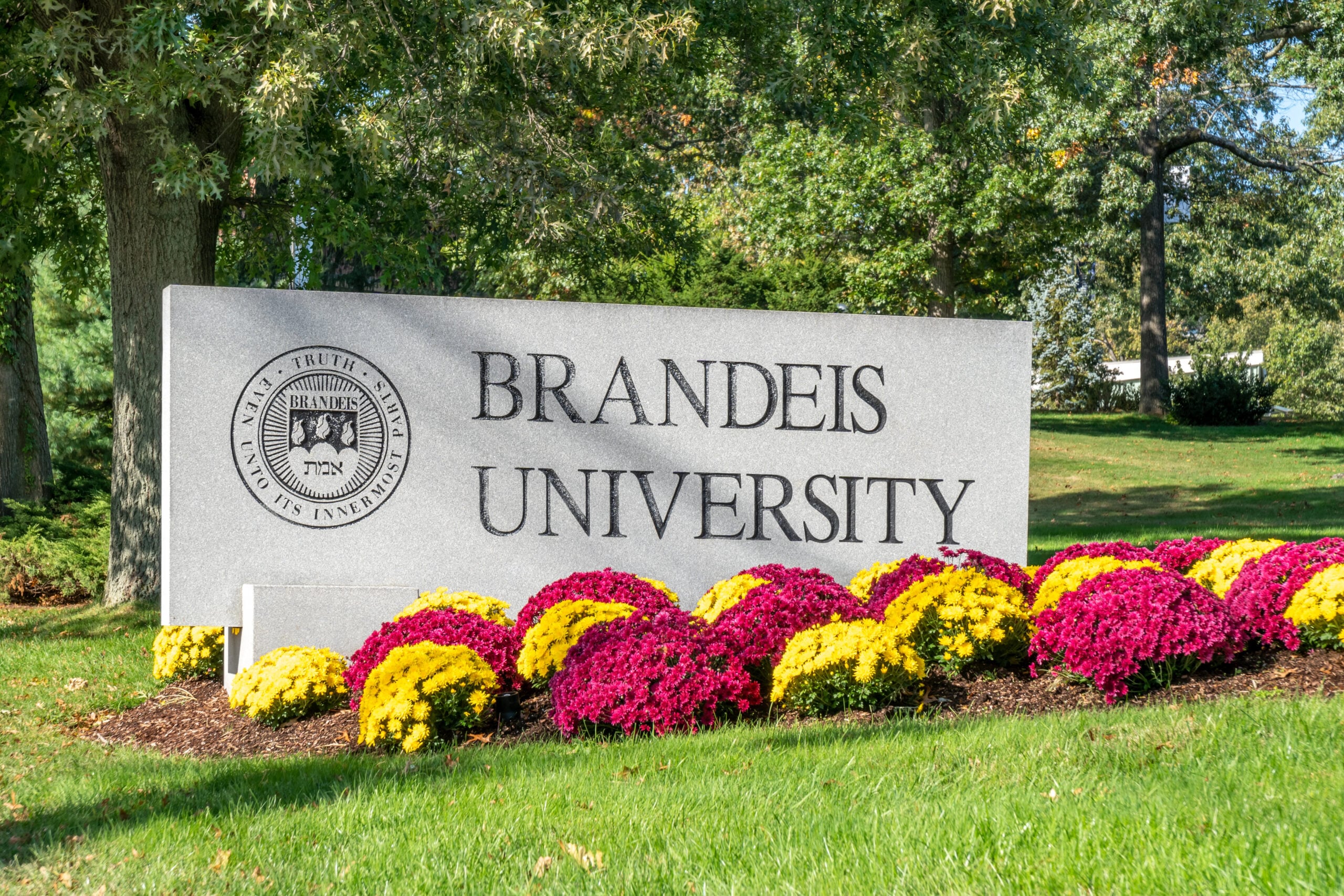
Brandeis maintains a 31% acceptance rate while offering the small liberal arts experience that usually comes with single-digit admission rates.
The school sits just outside Boston, giving students access to the city’s internship and job market. Faculty-to-student ratios are impressively low, and the research opportunities rival those at Ivy League schools.
George Washington University
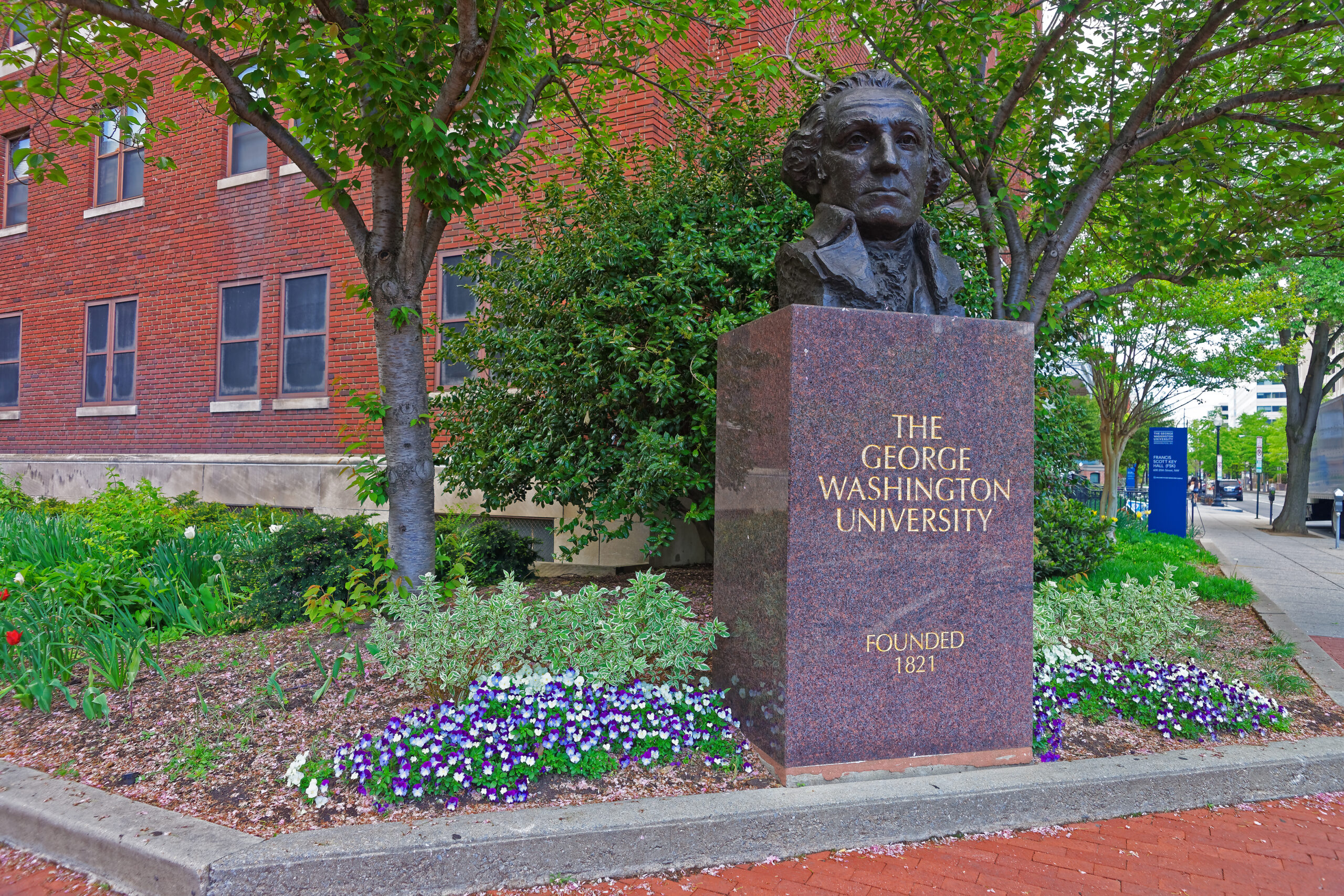
GW accepts around 41% of applicants, despite its prime Washington D.C. location and strong programs across multiple fields. The campus sits blocks from the White House.
Networking opportunities are exceptional. And yet the school doesn’t generate the same application frenzy as Georgetown, which sits across town with a 12% acceptance rate.
But here’s what’s interesting about GW: the outcomes are often identical to those more selective D.C. schools, just with better admission odds.
University of Miami
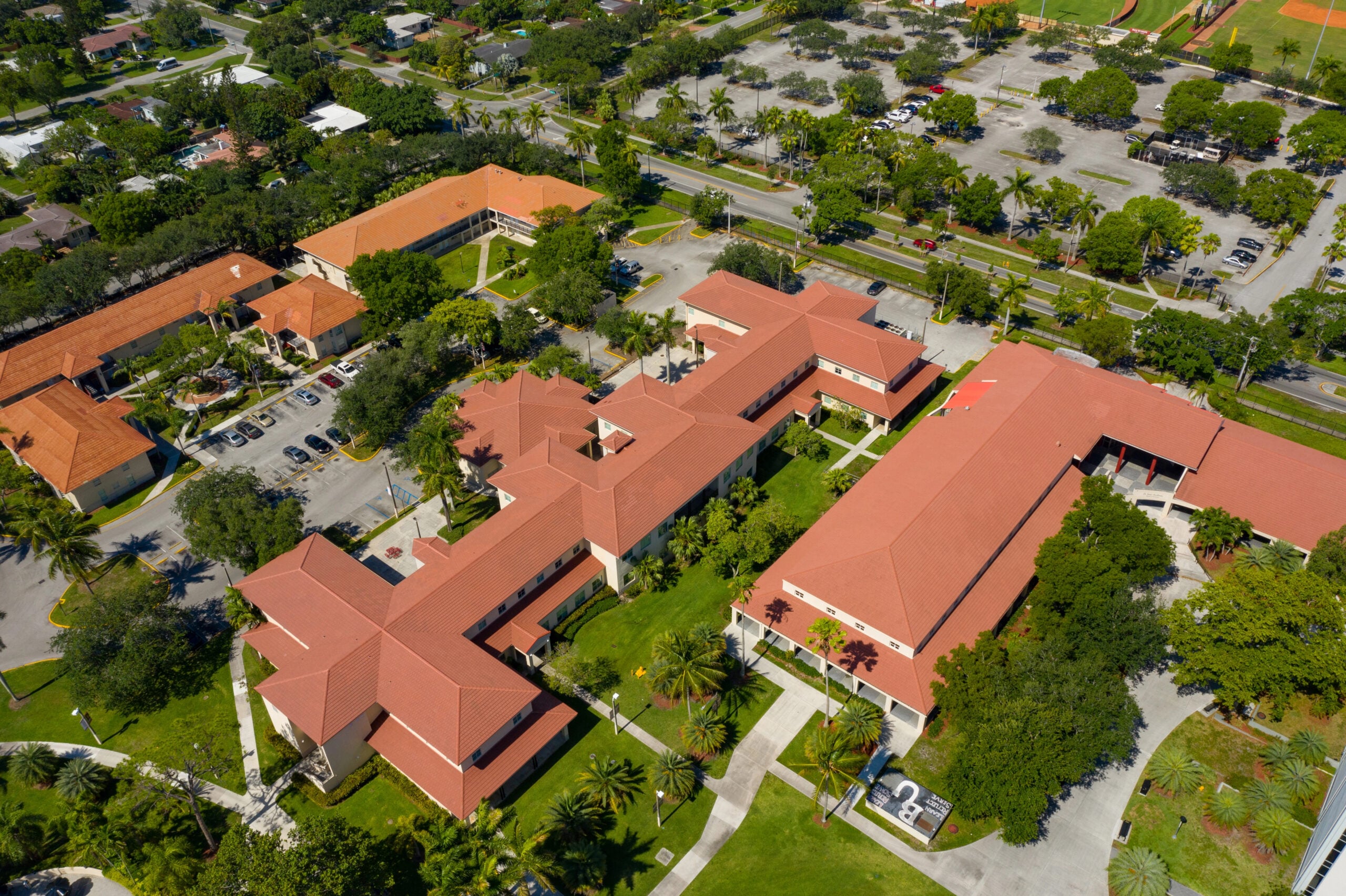
Miami is like finding a designer dress at a discount store — all the quality markers are there, just without the matching price tag of exclusivity. The acceptance rate hovers around 33%, which seems almost generous for a school that delivers this level of education and campus experience.
Students lounge between palm trees, attend classes taught by genuinely accomplished faculty, and graduate into alumni networks that span Wall Street to Hollywood. The weather doesn’t hurt either, though that’s probably not supposed to factor into academic decisions.
Even so, it does.
Northeastern University
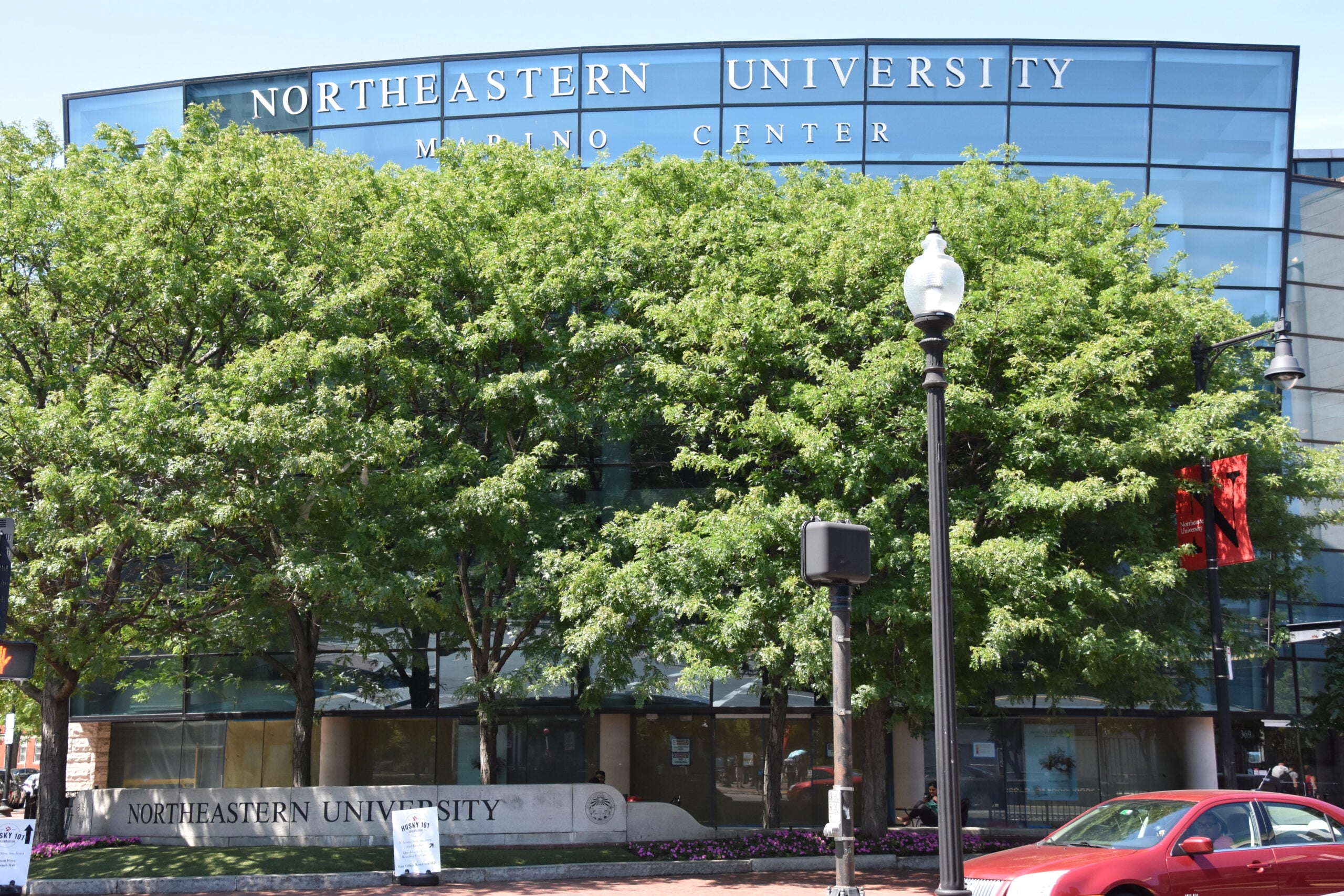
Northeastern accepts 18% of applicants, but the co-op program makes admission effectively easier than the numbers suggest.
Students spend alternating semesters working at companies rather than taking classes. This means the school can admit more students without overcrowding classrooms or dorms. The work experience often leads directly to job offers after graduation.
Rensselaer Polytechnic Institute

RPI has a 57% acceptance rate for a top-tier engineering school. Most people haven’t heard of it, which keeps application numbers manageable.
The school sits in Troy, New York, and produces engineers who land jobs at major tech companies and research institutions. Alumni networks in engineering and technology fields are surprisingly strong.
University of Pittsburgh

Pitt accepts 67% of applicants while maintaining strong programs across multiple disciplines. The campus integrates into downtown Pittsburgh rather than sitting in isolation.
Students get internship opportunities at major corporations and healthcare systems. And the city itself has transformed from rust belt decline into a legitimate tech hub, so job prospects after graduation have improved dramatically over the past decade.
So Pitt offers the full research university experience without the admission lottery that characterizes peer institutions.
Lehigh University
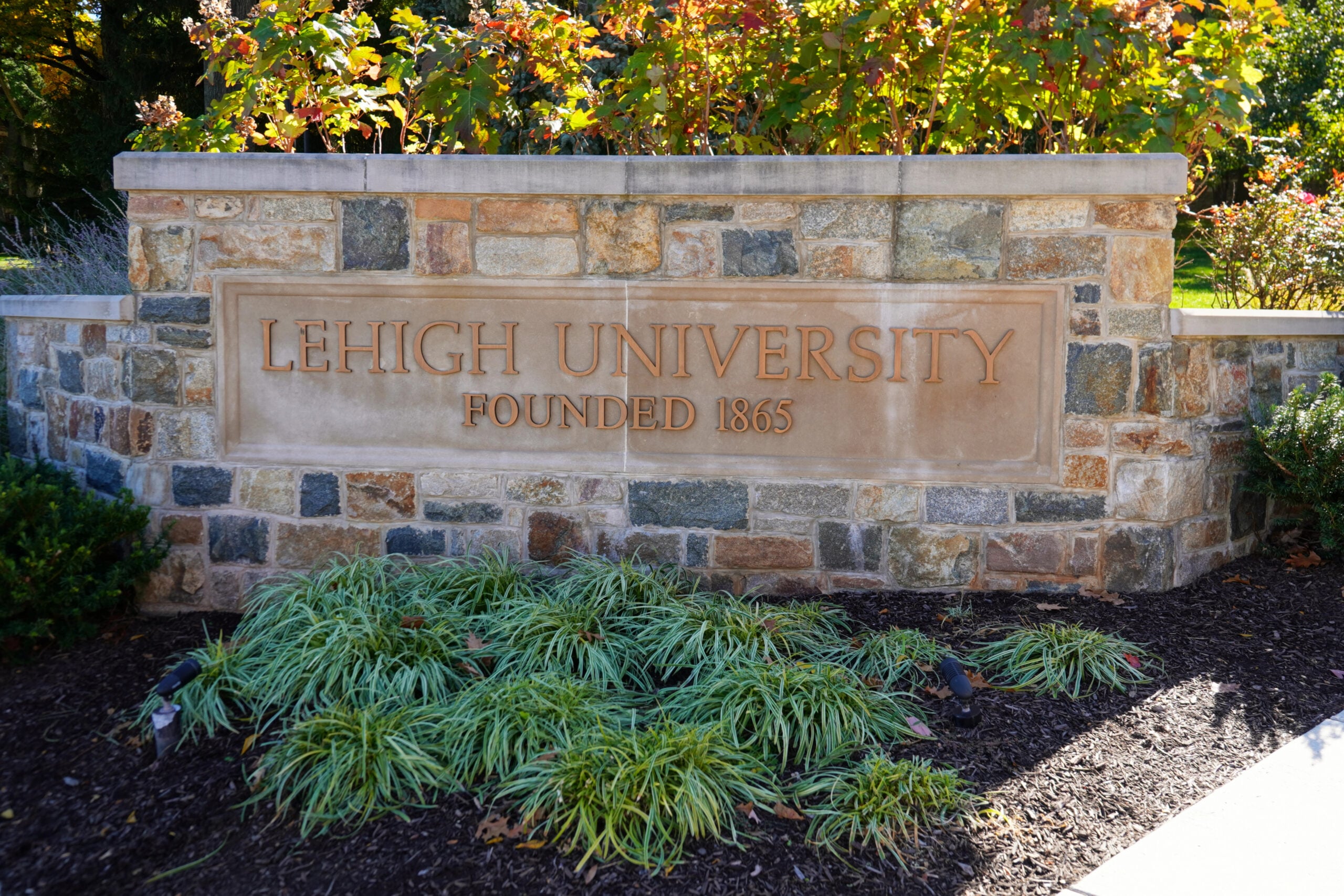
Lehigh maintains a 37% acceptance rate despite its strong engineering and business programs.
The school sits in Bethlehem, Pennsylvania, with a campus that feels properly collegiate. Alumni networks run through major corporations, particularly in finance and engineering. Class sizes remain small even in popular majors.
Syracuse University
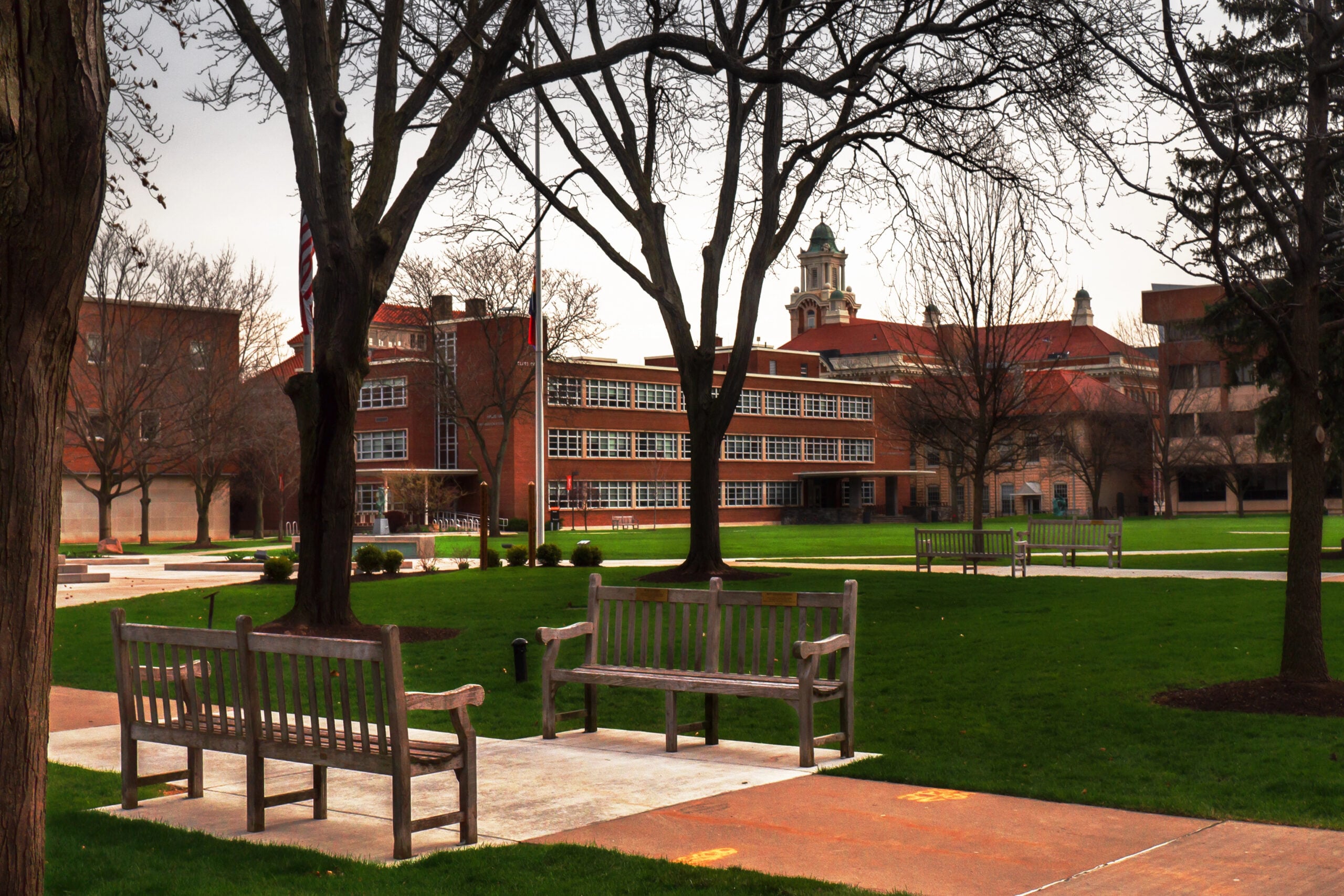
Syracuse accepts about 44% of applicants and offers everything associated with a major research university — strong academics, successful athletics, extensive alumni networks, and campus traditions that actually mean something. The winters are harsh, which probably keeps some applicants away.
The school delivers outcomes that rival much more selective institutions. Students get access to impressive facilities and faculty who are genuinely accomplished in their fields.
The communications and business programs are particularly strong, though most majors offer solid preparation for graduate school or careers.
American University
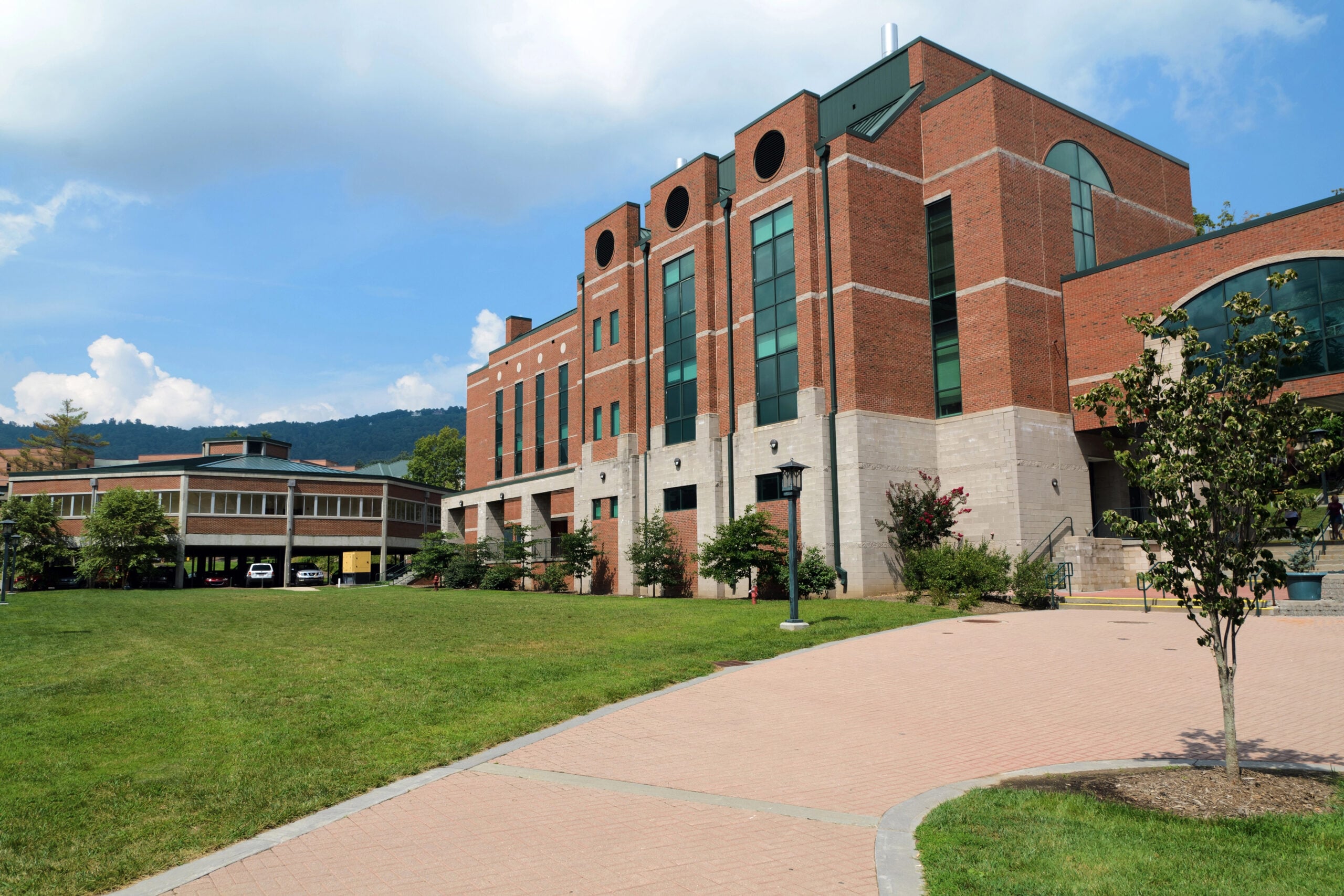
American University sits in Washington D.C. with a 36% acceptance rate, offering the same political and policy internship opportunities as Georgetown.
Students work on Capitol Hill, at federal agencies, and with advocacy organizations. The campus feels properly collegiate despite its urban location, and faculty often bring real-world policy experience into the classroom.
Villanova University

Villanova accepts 25% of applicants, which sounds selective until compared to other schools with similar academic profiles.
The campus sits outside Philadelphia with easy access to the city. Business and engineering programs are particularly strong, and alumni networks run deep through major corporations and financial firms.
Stevens Institute of Technology
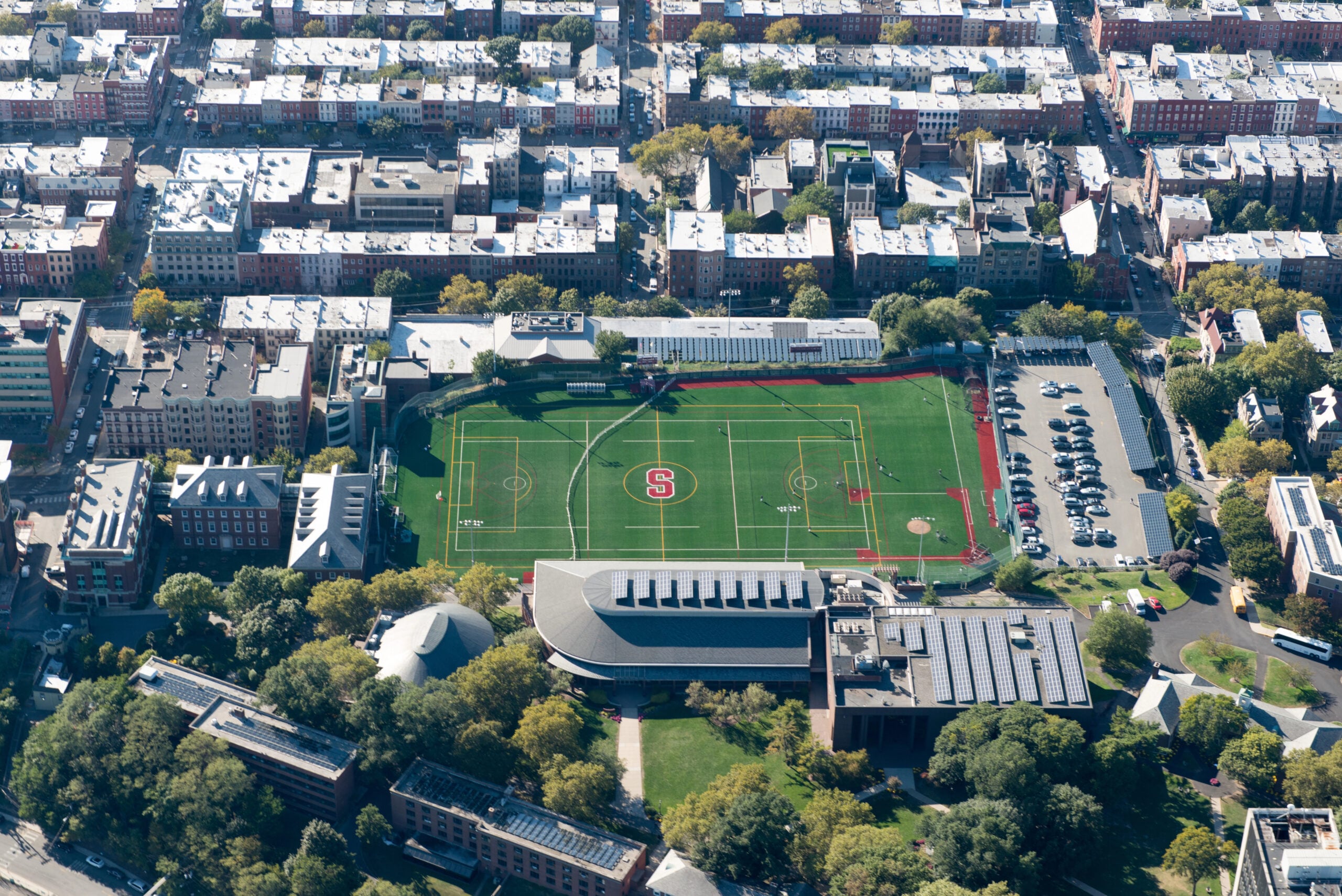
Stevens has a 46% acceptance rate for a top engineering school. The campus sits across from Manhattan, giving students access to internships and jobs in the city.
Starting salaries for graduates consistently rank among the highest in the country. The school remains small enough that students get individual attention from faculty, but large enough to offer research opportunities typically found at major universities.
Finding Your Place Among the Accessible Elite

These schools prove that educational quality and admission accessibility aren’t mutually exclusive. While everyone else fights for spots at institutions with single-digit acceptance rates, these universities quietly deliver the same outcomes with far better odds.
The education, opportunities, and alumni connections remain strong. They just don’t require quite as much luck to access.
from Go2Tutors!

- The Romanov Crown Jewels and Their Tragic Fate
- 13 Historical Mysteries That Science Still Can’t Solve
- Famous Hoaxes That Fooled the World for Years
- 15 Child Stars with Tragic Adult Lives
- 16 Famous Jewelry Pieces in History
Like Go2Tutors’s content? Follow us on MSN.