Photos of Mysterious Mass Animal Deaths in History
Nature has a way of keeping its darkest secrets. Throughout recorded history, humans have stumbled upon scenes that defy immediate explanation — thousands of birds fallen from the sky, fish floating belly-up in pristine waters, or entire herds of animals collapsed where they once grazed.
These mass die-offs leave behind haunting images and unanswered questions that linger long after the cleanup crews have gone home.
The Beebe, Arkansas Bird Deaths
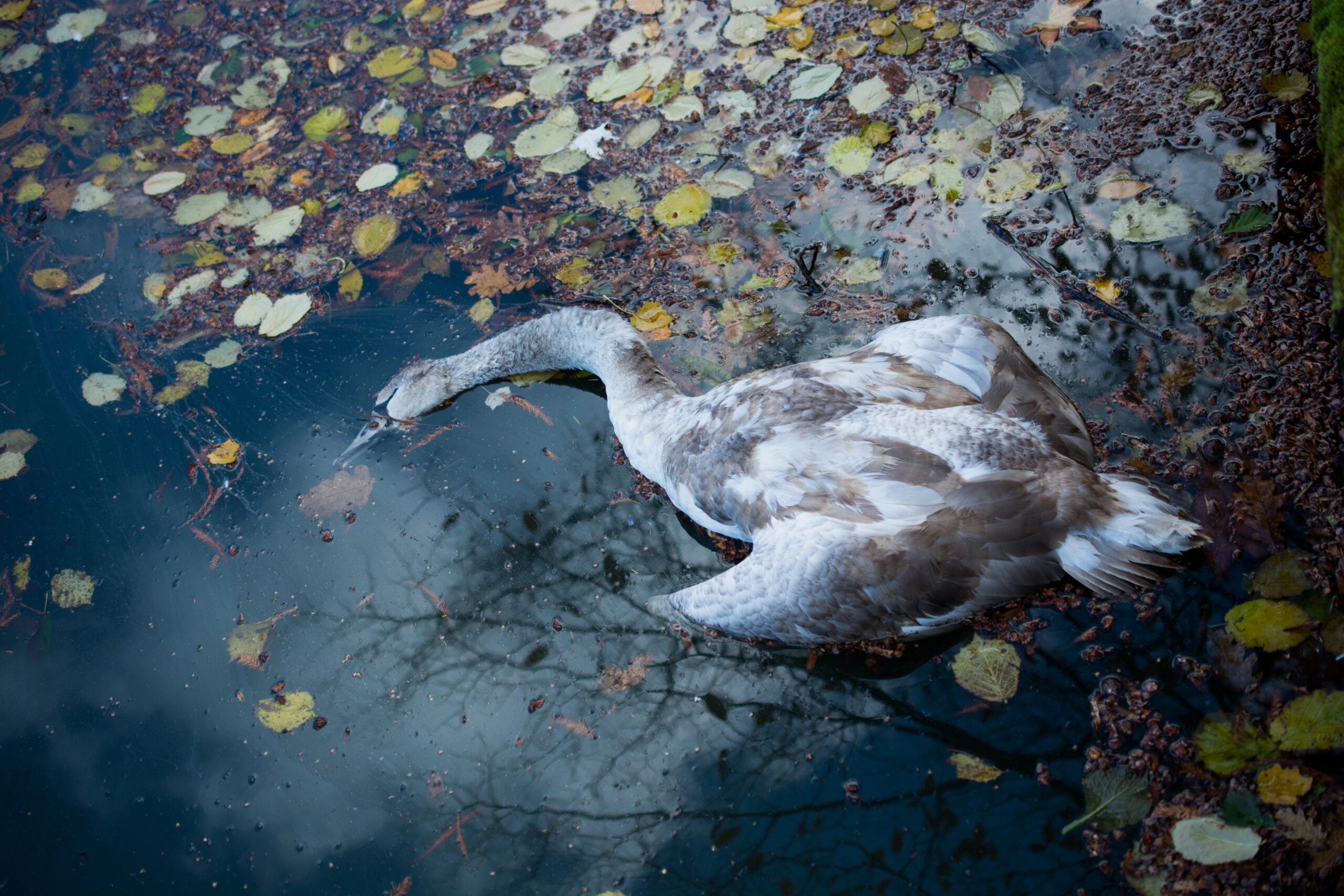
New Year’s Eve 2010 turned deadly for roughly 5,000 red-winged blackbirds in this small Arkansas town. Residents found their yards carpeted with lifeless birds that had seemingly dropped from the sky.
The photos showed a disturbing tableau — dark feathers scattered across lawns and sidewalks like some apocalyptic snow.
Chesapeake Bay Fish Kill of 2011
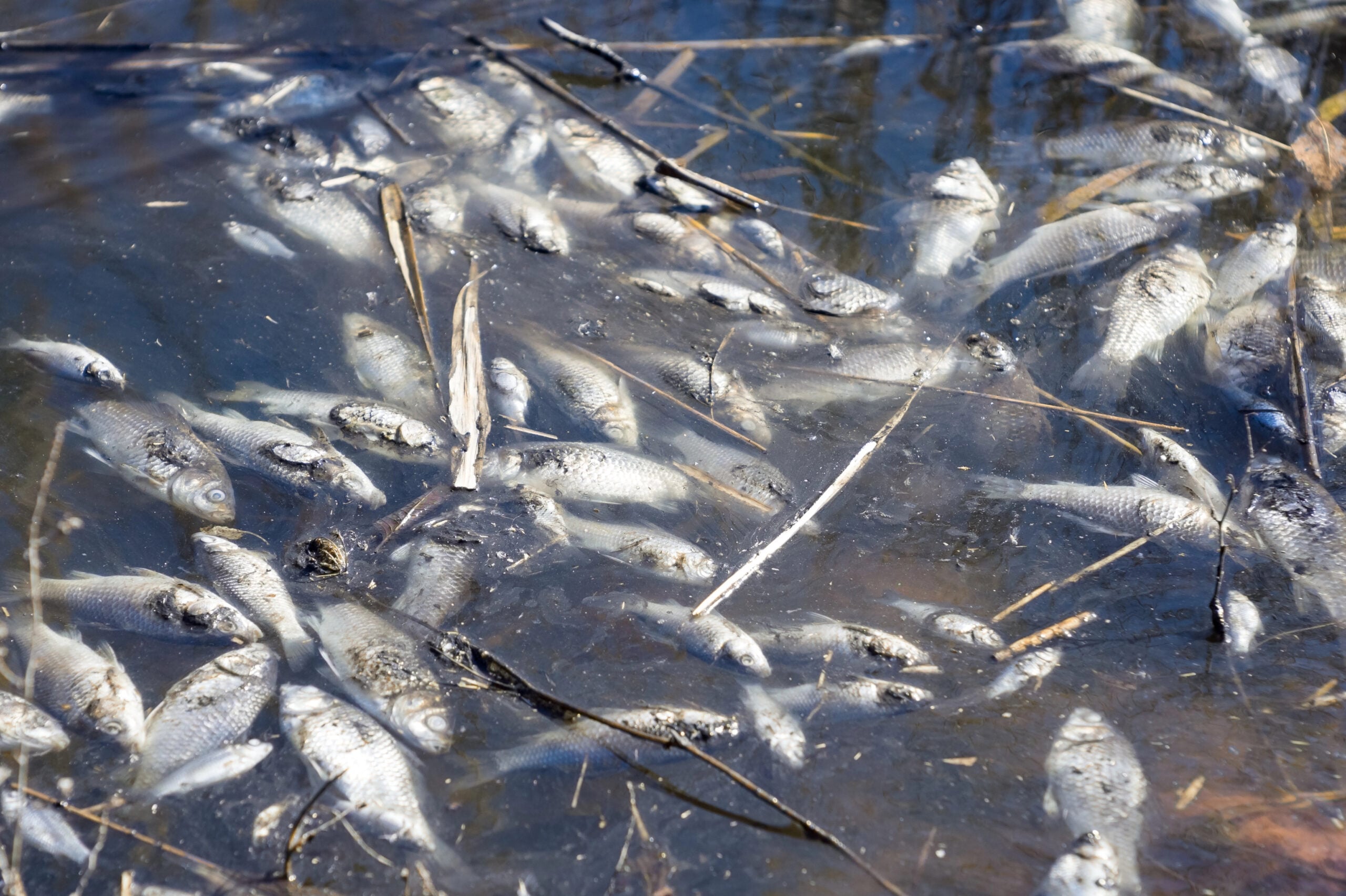
The photographs from this incident reveal something that makes your stomach drop: millions of juvenile spot fish floating in the Chesapeake Bay like a silver carpet of death. Cold stress was blamed, but seeing that many creatures reduced to bobbing debris (and knowing this was just one bay, on one day, in one corner of the world) forces you to confront how fragile these underwater ecosystems really are — how a temperature shift of just a few degrees can turn a thriving habitat into a graveyard.
And yet the images also capture something oddly beautiful in their symmetry. Terrible, but beautiful.
Yellowstone’s Thermal Pool Deaths
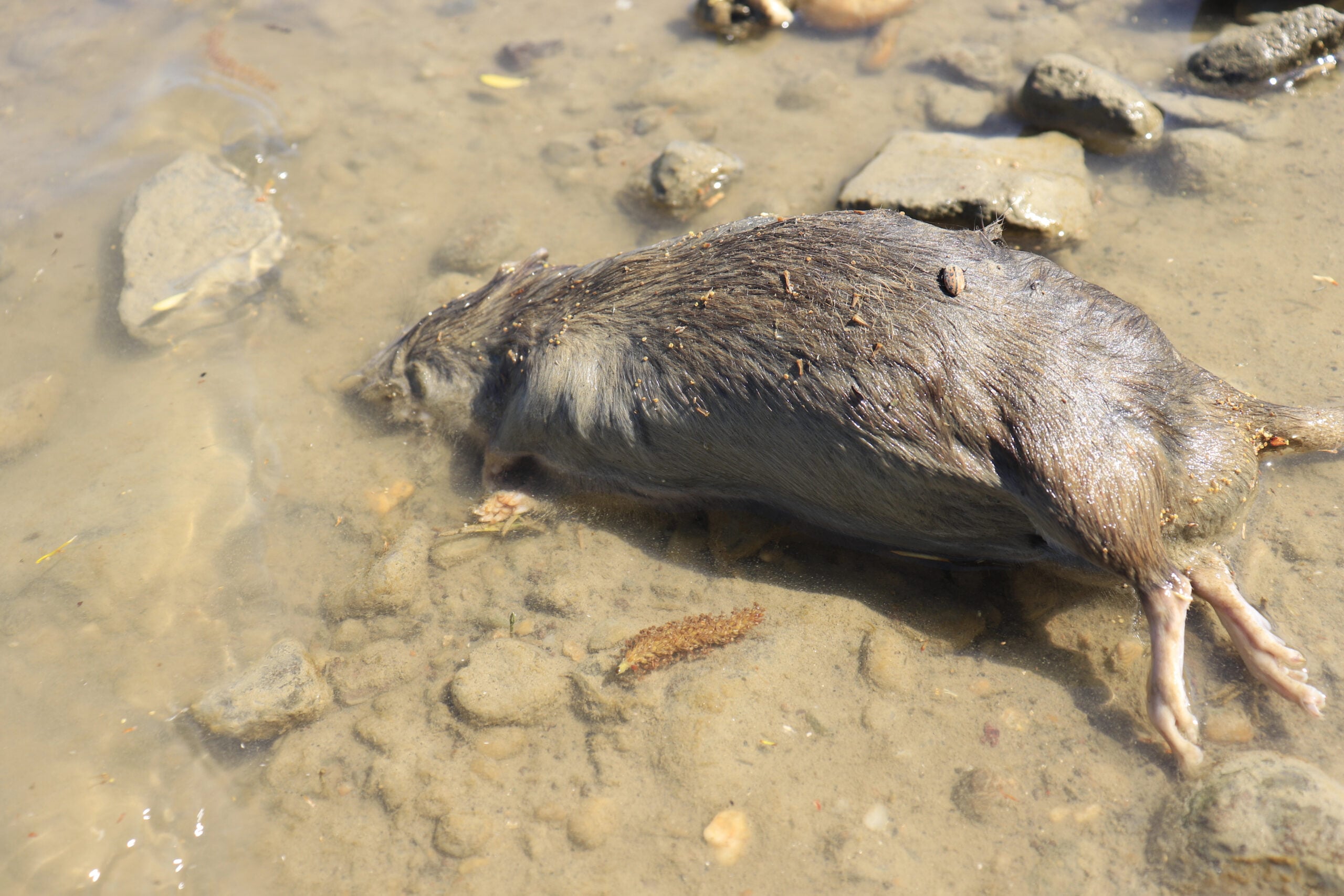
Animals don’t read warning signs about boiling water. The thermal features that make Yellowstone spectacular also create natural death traps, and the park’s archives contain sobering images of bison, elk, and smaller mammals that wandered too close to these geological wonders.
Steam rises from the evidence of nature’s indifferent cruelty.
The Great Molasses Flood Wasn’t the Strangest Animal Disaster in Boston’s History
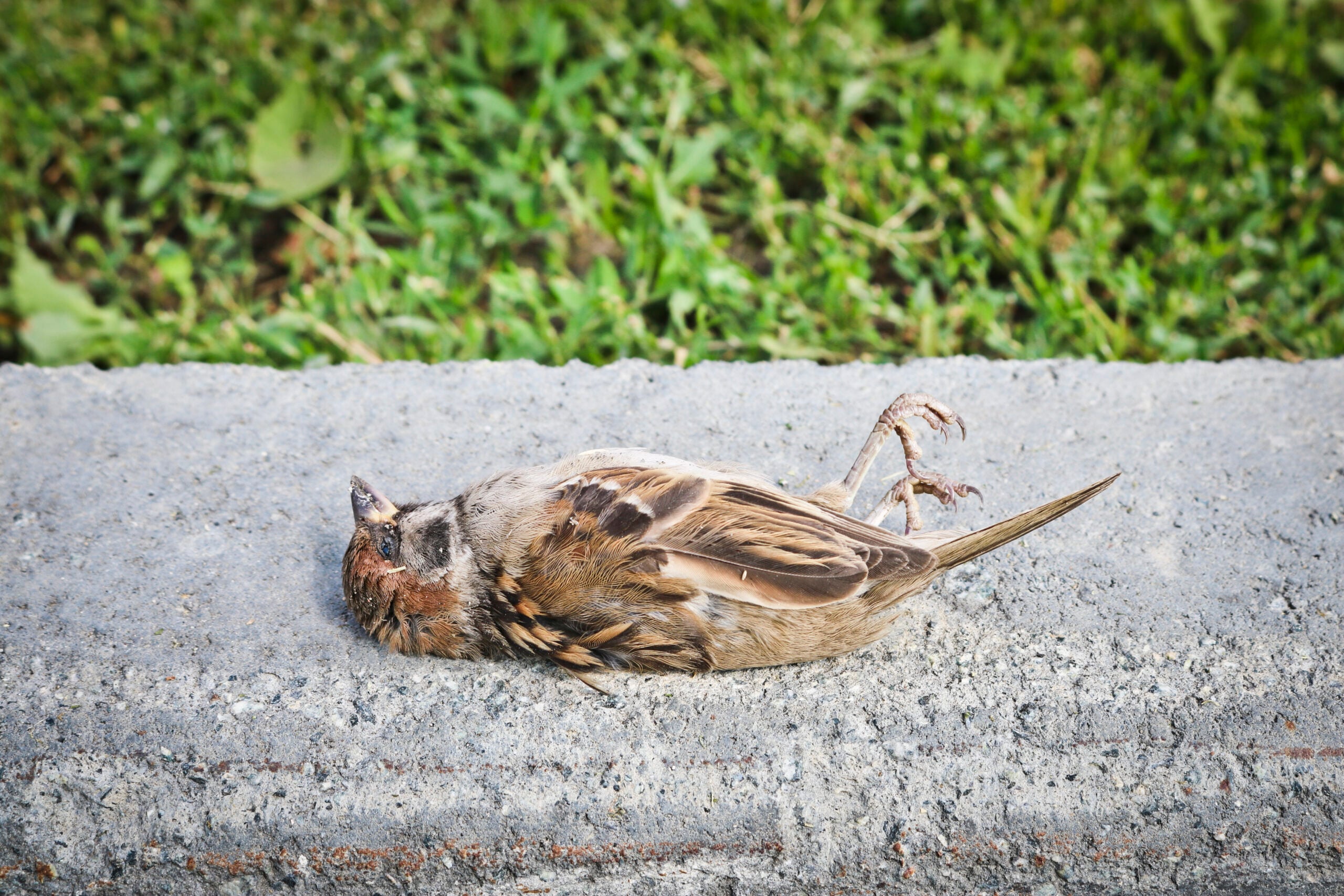
That honor goes to the mysterious bird deaths that plagued the city in the 1960s, when thousands of chimney swifts would inexplicably crash into buildings during their evening flights, creating scenes that photographers documented with a mixture of scientific curiosity and visible unease (you can see it in how they frame the shots, always at a slight distance, as if the cameras themselves were reluctant witnesses).
So many small bodies accumulated on sidewalks that city workers had to develop specific protocols for removal. But the birds kept falling, and the photos kept accumulating, until whatever atmospheric or magnetic anomaly caused the phenomenon simply stopped — which is how these things often end, not with explanation but with absence.
Saiga Antelope Die-Off in Kazakhstan
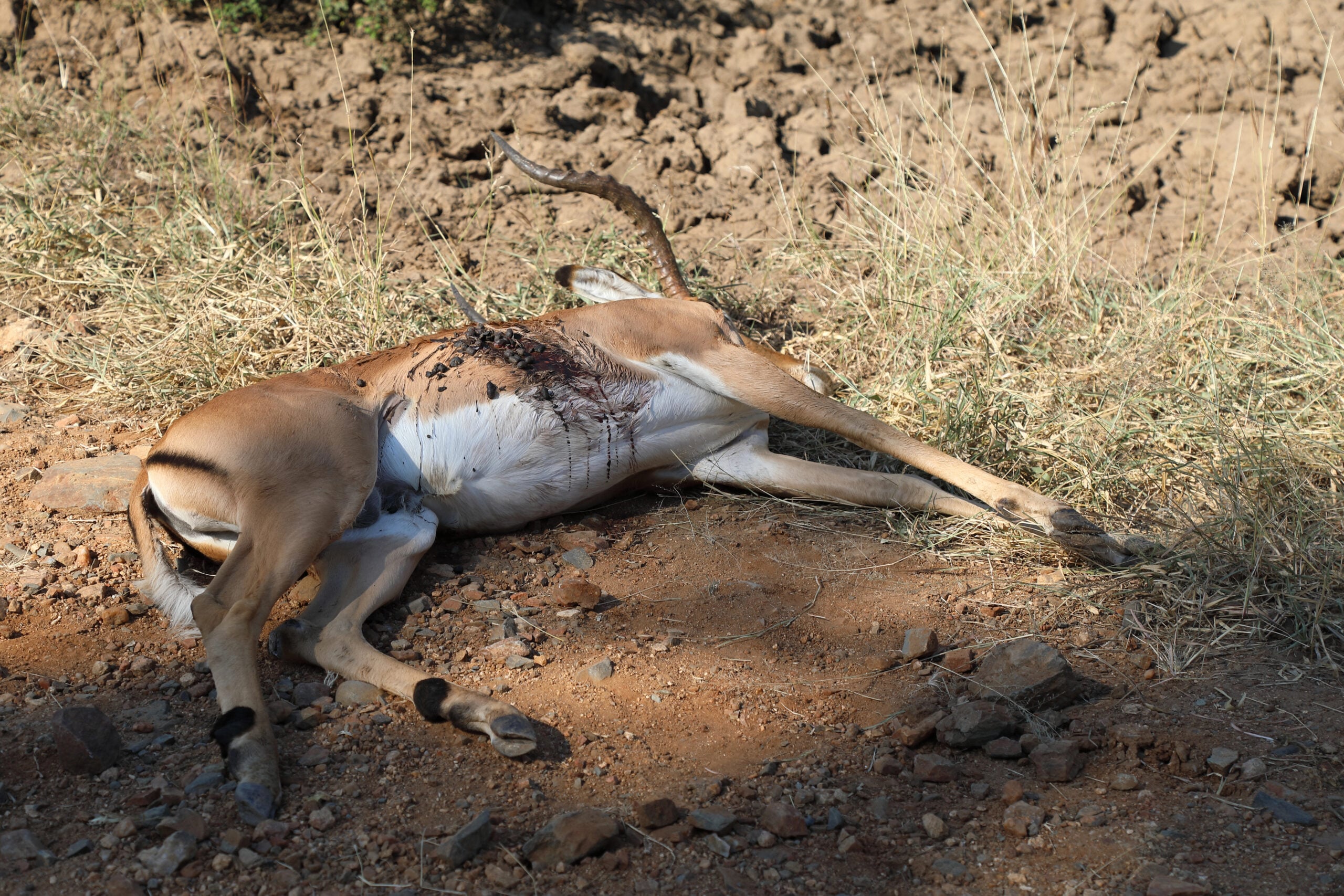
The 2015 photographs from Kazakhstan capture devastation on an almost incomprehensible scale. More than 200,000 saiga antelopes — over half the world’s population — died within weeks.
Aerial shots show the steppes dotted with carcasses stretching to the horizon. A bacterial infection triggered by unusual weather patterns wiped out entire herds.
The Thing About Dead Whales
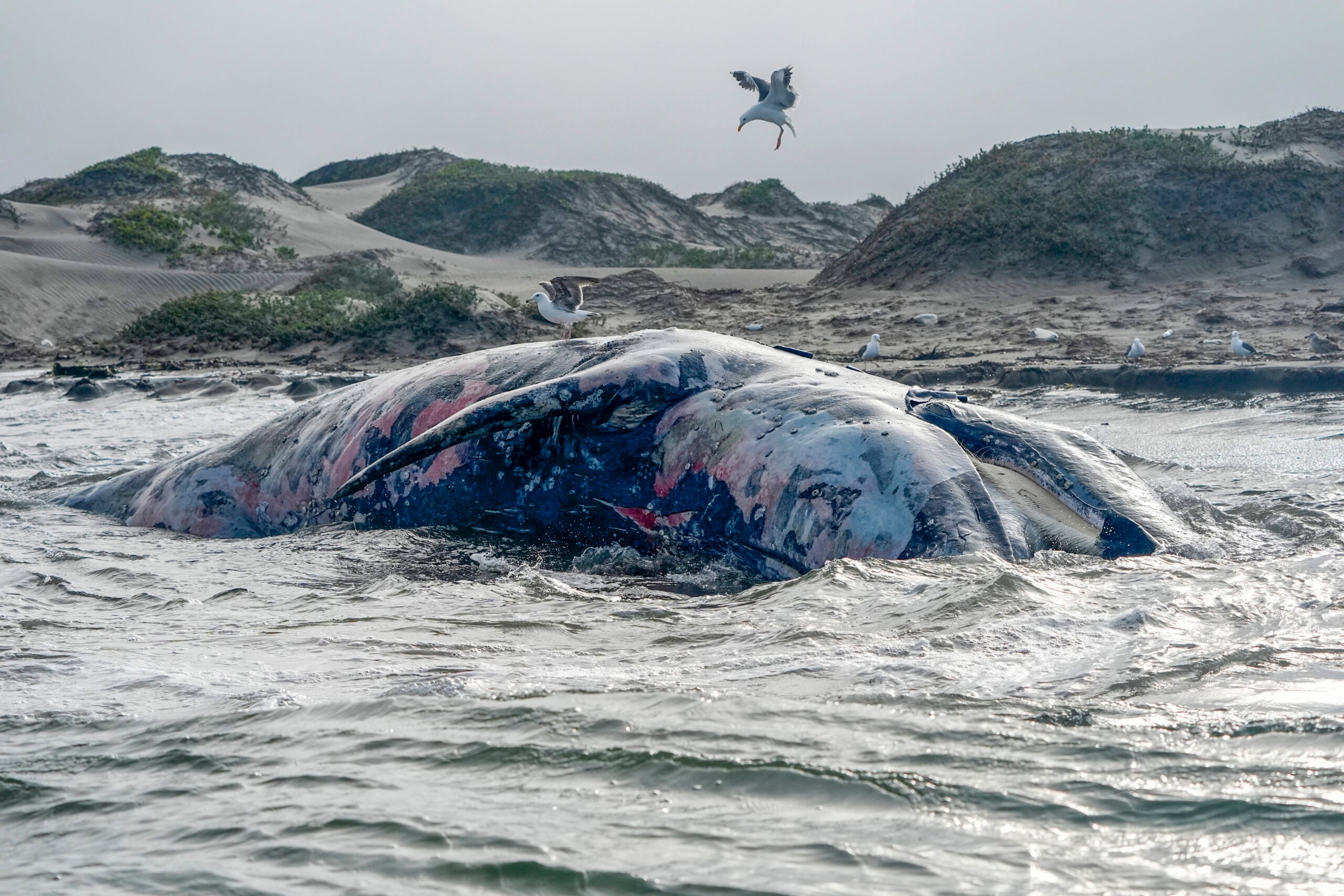
The thing about dead whales is that they look smaller in photographs than you’d expect, which makes the mass stranding events even more unsettling to witness through images. When 100 pilot whales beach themselves on a single stretch of coastline (as they did in New Zealand in 2017, and continue to do with disturbing regularity around the world), the pictures reveal creatures that seem almost deflated by their separation from the water that gave them weight and grace.
The rescue efforts captured in these photos tell a different story entirely: humans forming bucket brigades, pouring seawater over massive forms, racing against time and tide. Sometimes it works. Often it doesn’t.
DDT and the Pelican Collapse
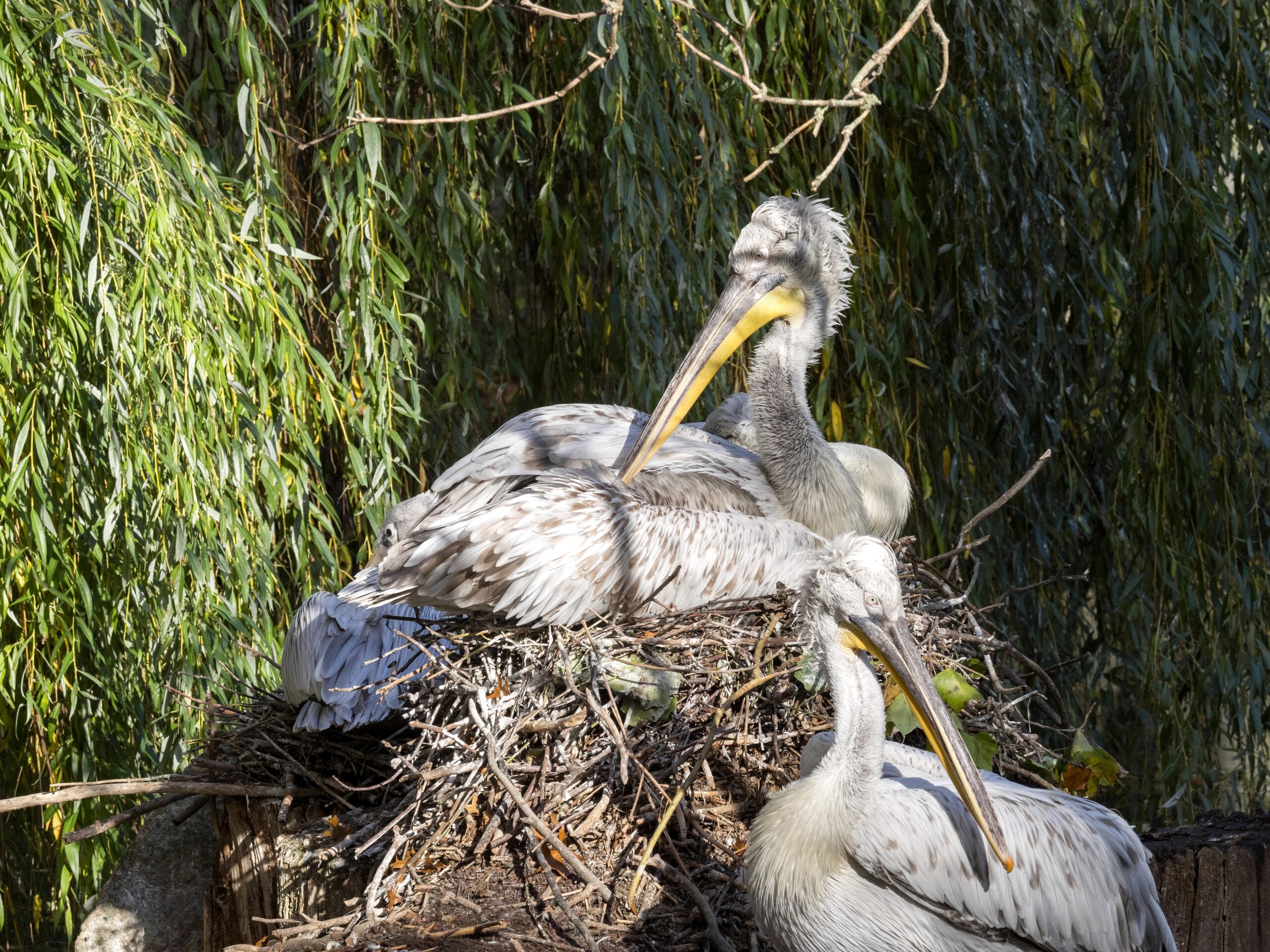
Environmental photography from the 1960s and 70s documents one of conservation’s most haunting chapters. Pelican colonies along the California coast were found littered with broken eggshells — too thin to support developing chicks.
The chemical had made its way up the food chain, and photographers captured the aftermath: empty nests, failed breeding seasons, and adult birds sitting over fragments of what should have been the next generation.
Australian Flying Fox Heat Deaths
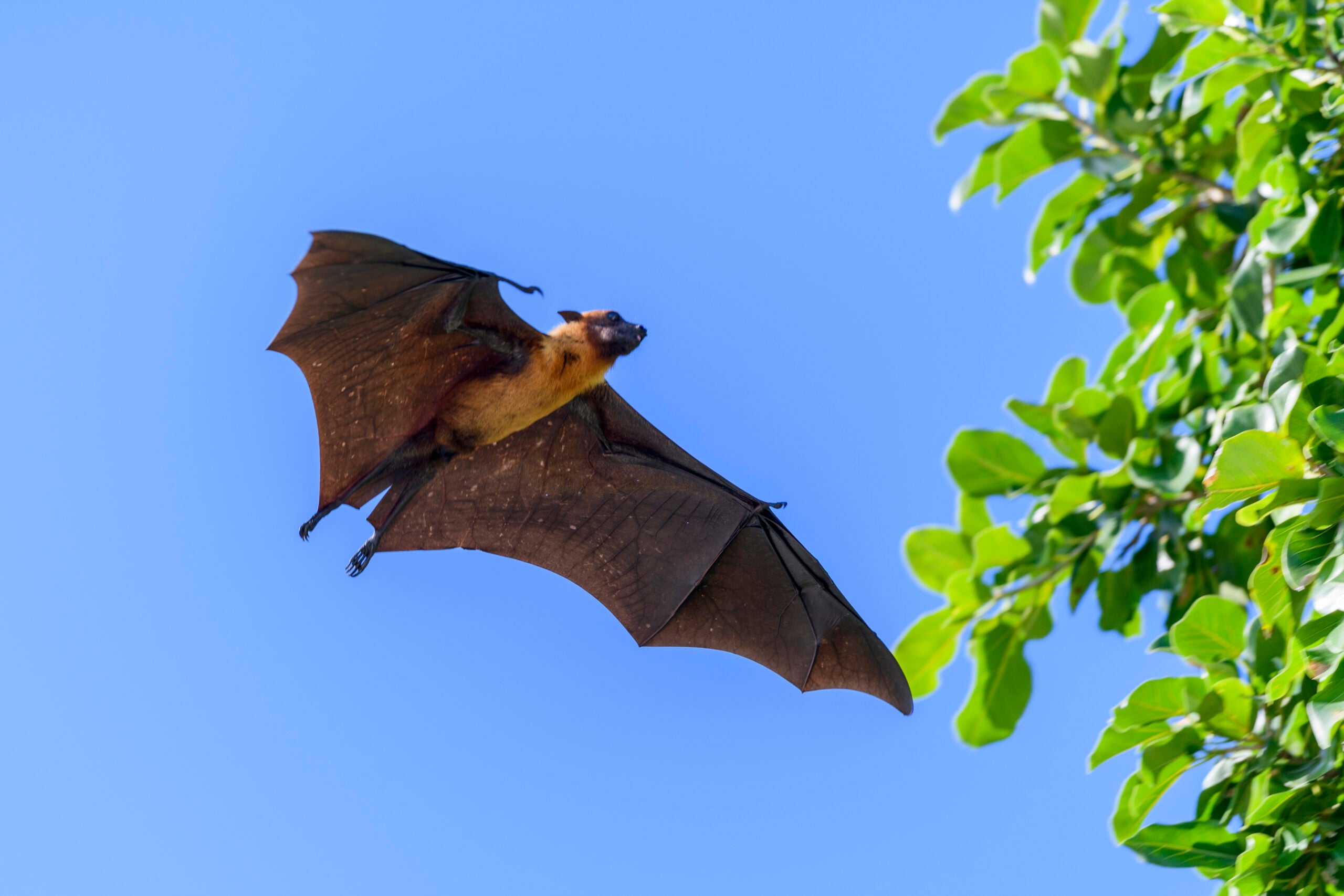
Summer temperatures above 42°C (107°F) turn Australian skies into killing fields for flying foxes. The photographs from heat wave events show thousands of bats dropping from trees, their bodies carpeting the ground beneath roosting sites.
Climate change has made these mass mortality events more frequent, and the images serve as stark documentation of a warming world’s casualties.
Lake Erie’s Dead Zones
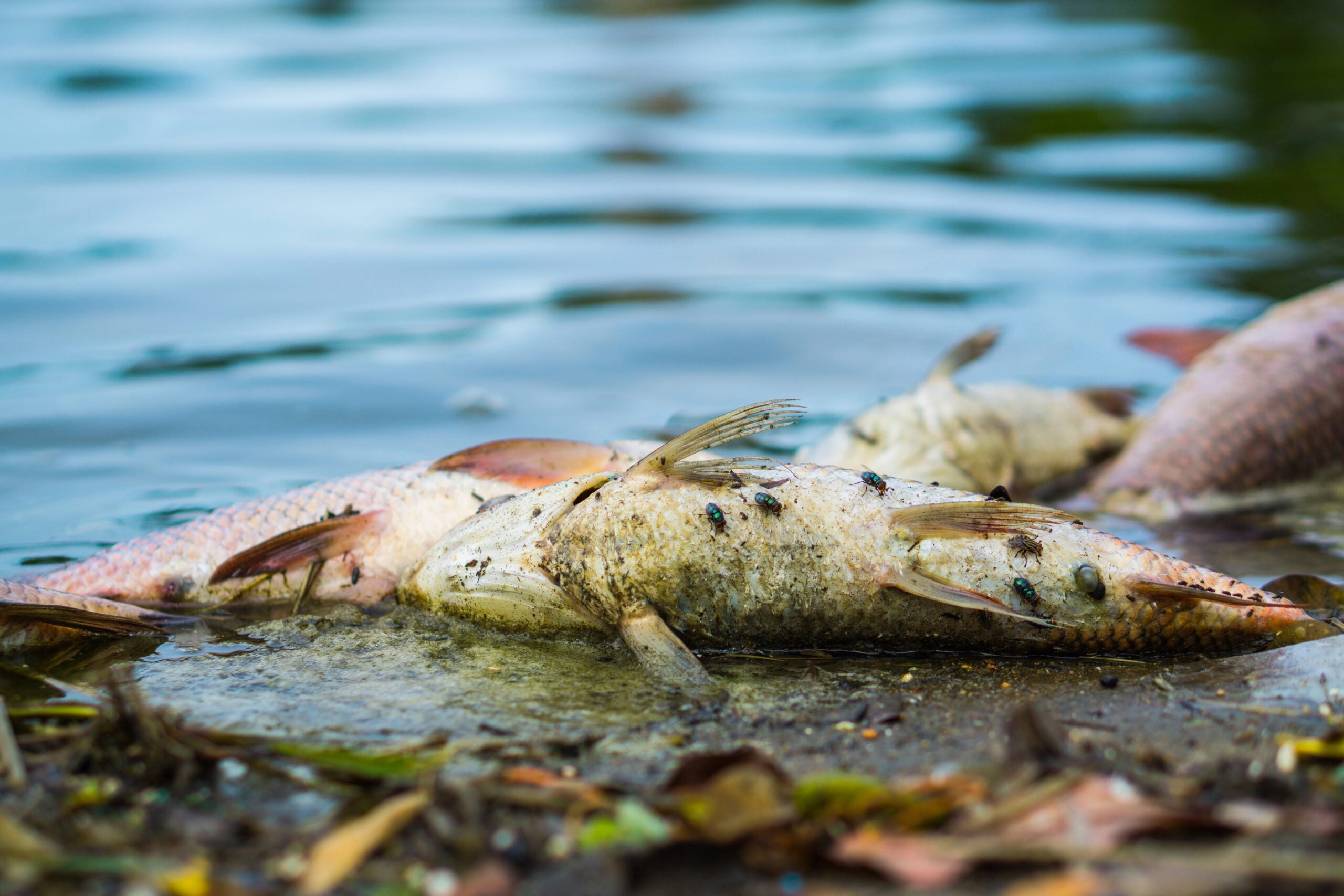
Lake Erie’s Dead Zones have been photographed extensively since the 1960s, but the most striking images come from the smaller die-offs — the ones that happen when algal blooms suddenly collapse and the bacteria that decompose them absorbed all the oxygen from the water, leaving behind scenes that look like someone emptied an aquarium onto the shoreline (which, in a way, is exactly what happened).
The fish don’t just die; they die in layers, with different species succumbing at different oxygen levels, so the photographs capture a kind of biological stratification — the hardiest fish on top, the most sensitive on the bottom, all of them pointing the same direction as the current that carried them to shore. And the smell, which you can almost sense from the photos, reportedly carries for miles.
Soviet Whale Slaughter Cover-Up
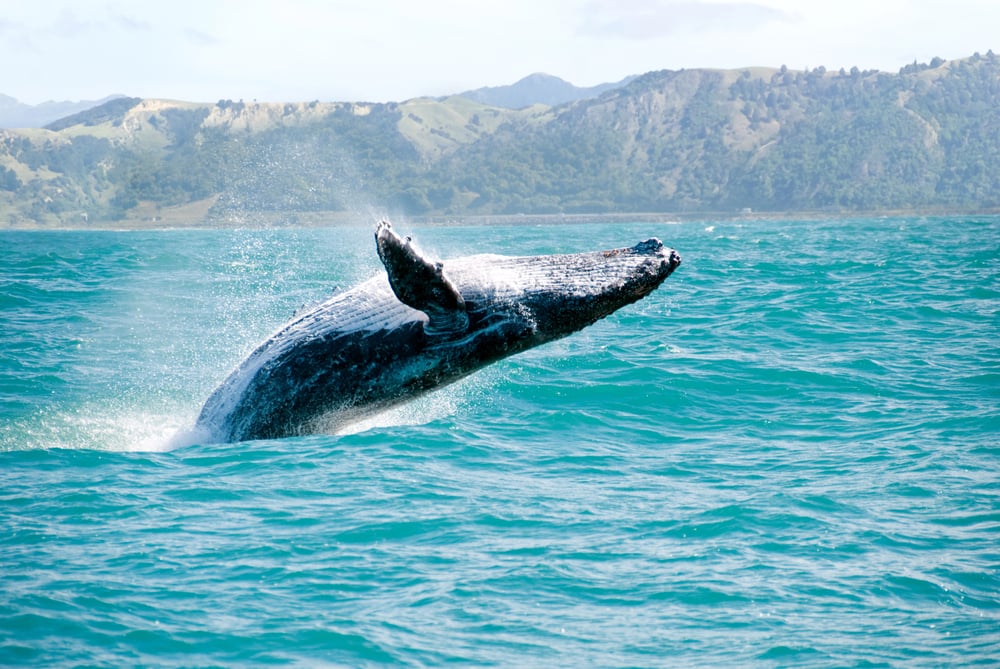
Declassified photographs from the Soviet era reveal industrial-scale whale killing that went far beyond official quotas. The images show processing ships surrounded by dozens of whale carcasses, many of which were simply dumped back into the ocean after valuable parts were removed.
These operations killed approximately 360,000 whales over several decades, and the photographic evidence only emerged years after the Soviet Union’s collapse.
Starfish Wasting Disease Outbreak
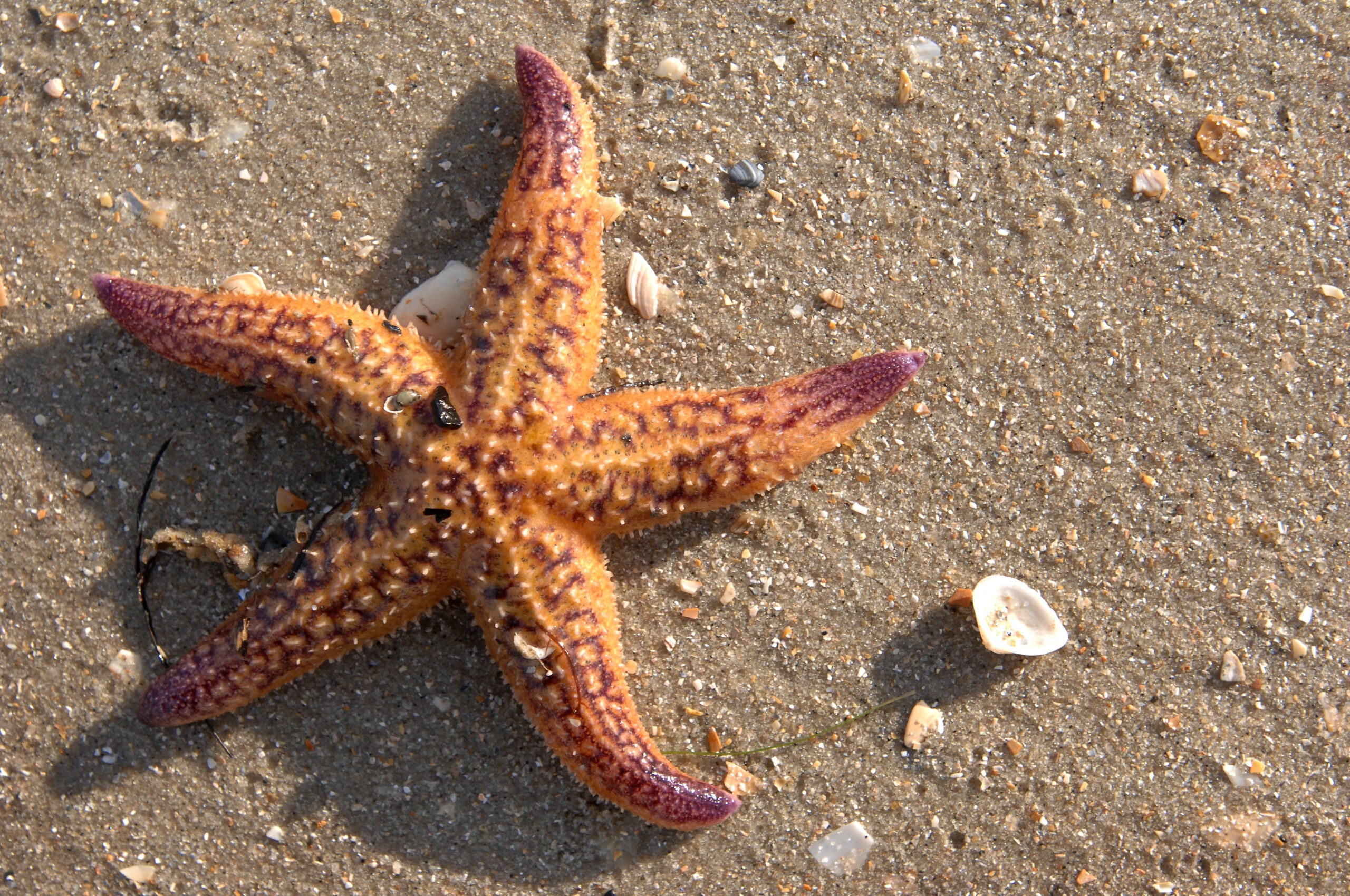
Underwater photographers along the Pacific Coast documented a plague that turned vibrant tide pools into graveyards. Sea star wasting syndrome caused millions of starfish to literally dissolve — their tissue breaking down until only white skeletal remains were left clinging to rocks.
The before-and-after images show ecosystems stripped of one of their key predators almost overnight.
The Photographs From the 1976 Swine Flu Vaccination Campaign’s Aftermath
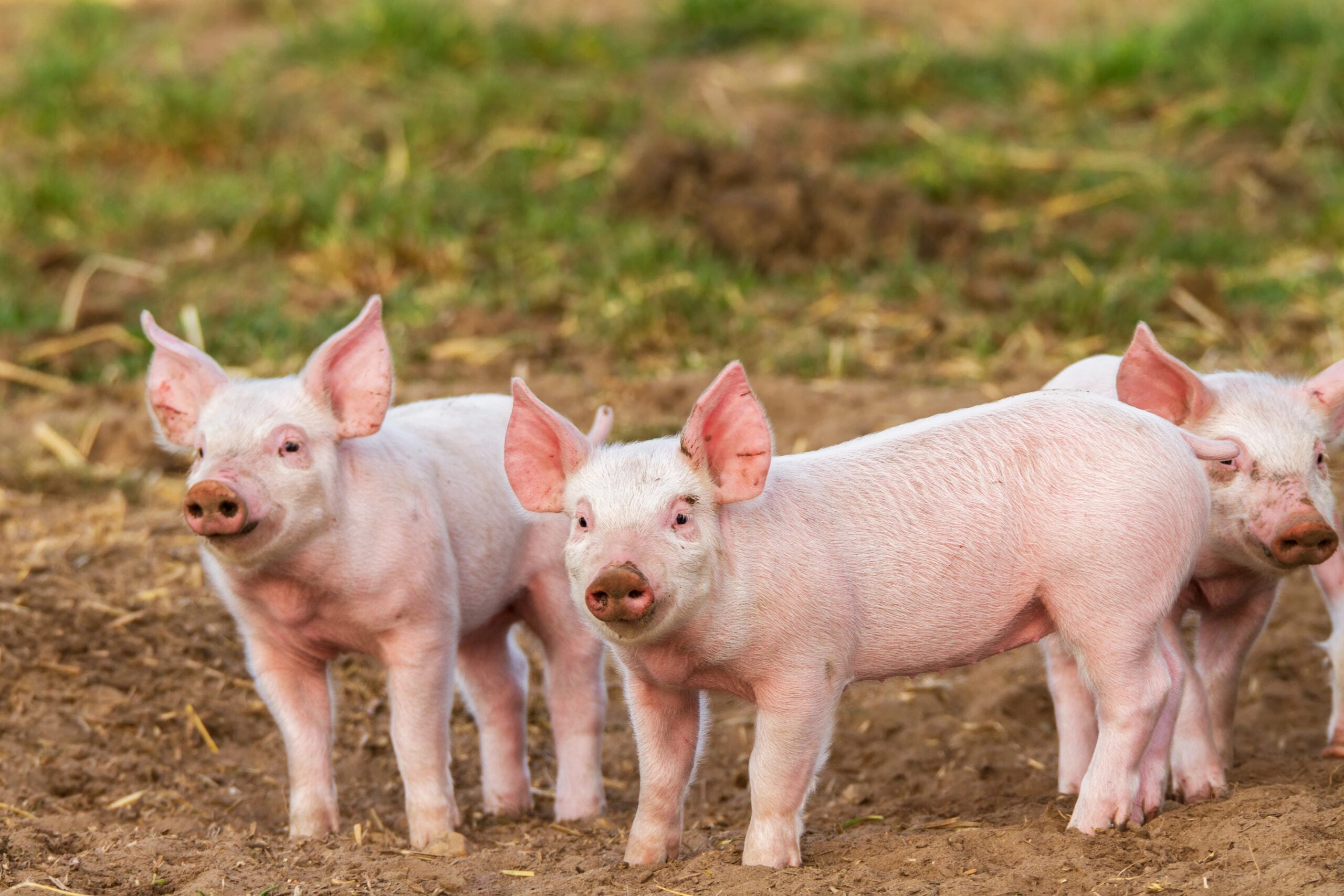
The photographs from the 1976 swine flu vaccination campaign’s aftermath don’t show dead pigs (the virus jumped to humans before devastating pig populations), but they do capture something equally disturbing: the economic slaughter that followed fear of contamination, with images of healthy animals being destroyed as a precautionary measure that may have killed more livestock than the disease itself ever would have.
Farmers stood by and watched their herds reduced to carcasses based on projections and probabilities rather than actual infection — a reminder that sometimes the response to potential disaster creates more death than the disaster itself. But that’s policy, not disease.
Honeybee Colony Collapse Disorder
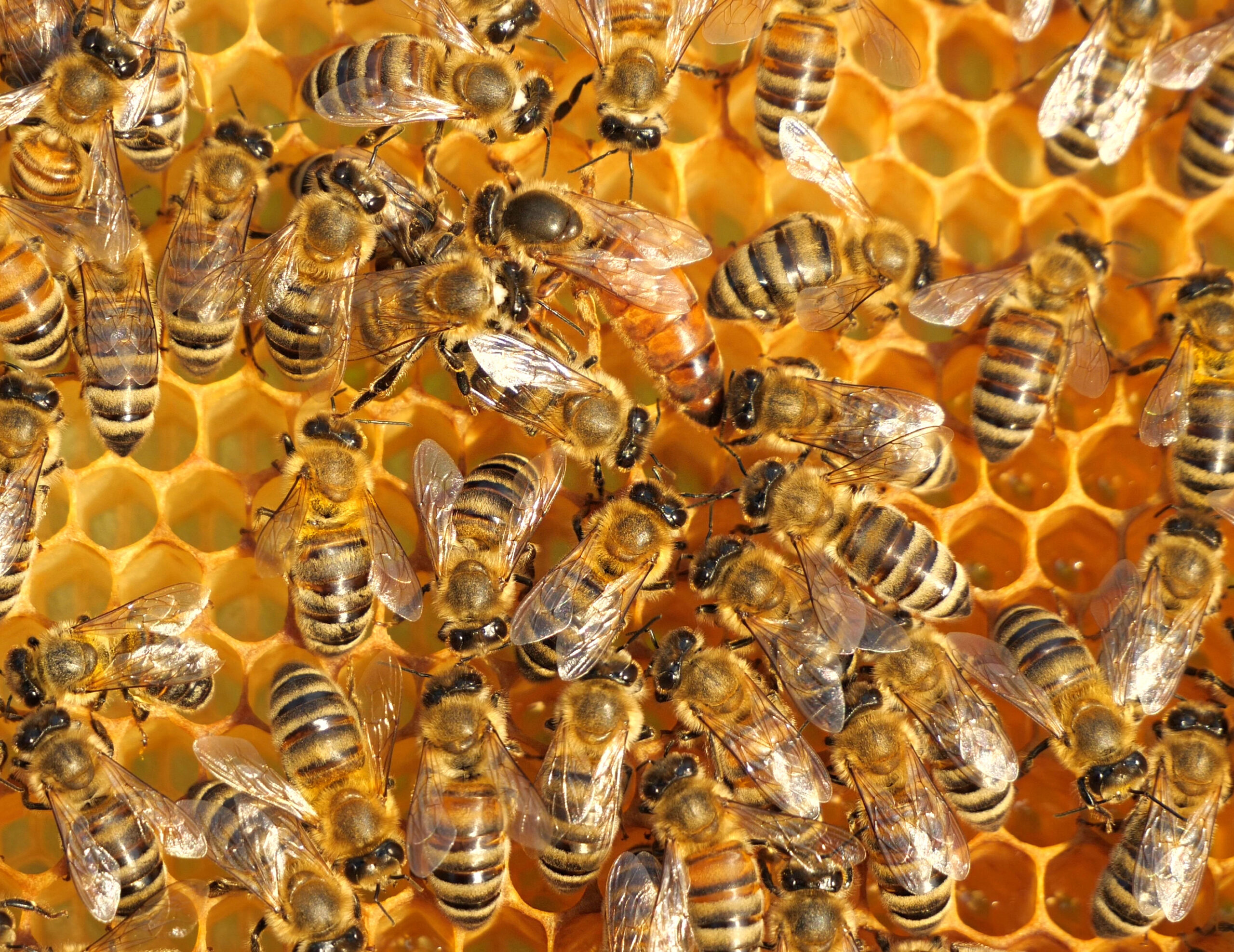
Beekeepers’ photographs tell the story of one of agriculture’s most mysterious disasters. Hives that should buzz with tens of thousands of workers sit empty except for the queen and a handful of attendants.
The missing bees simply vanish, leaving behind full honey stores and developing larvae. These images of abandoned hives have become symbols of environmental crisis and agricultural vulnerability.
When the Pictures Stop Coming
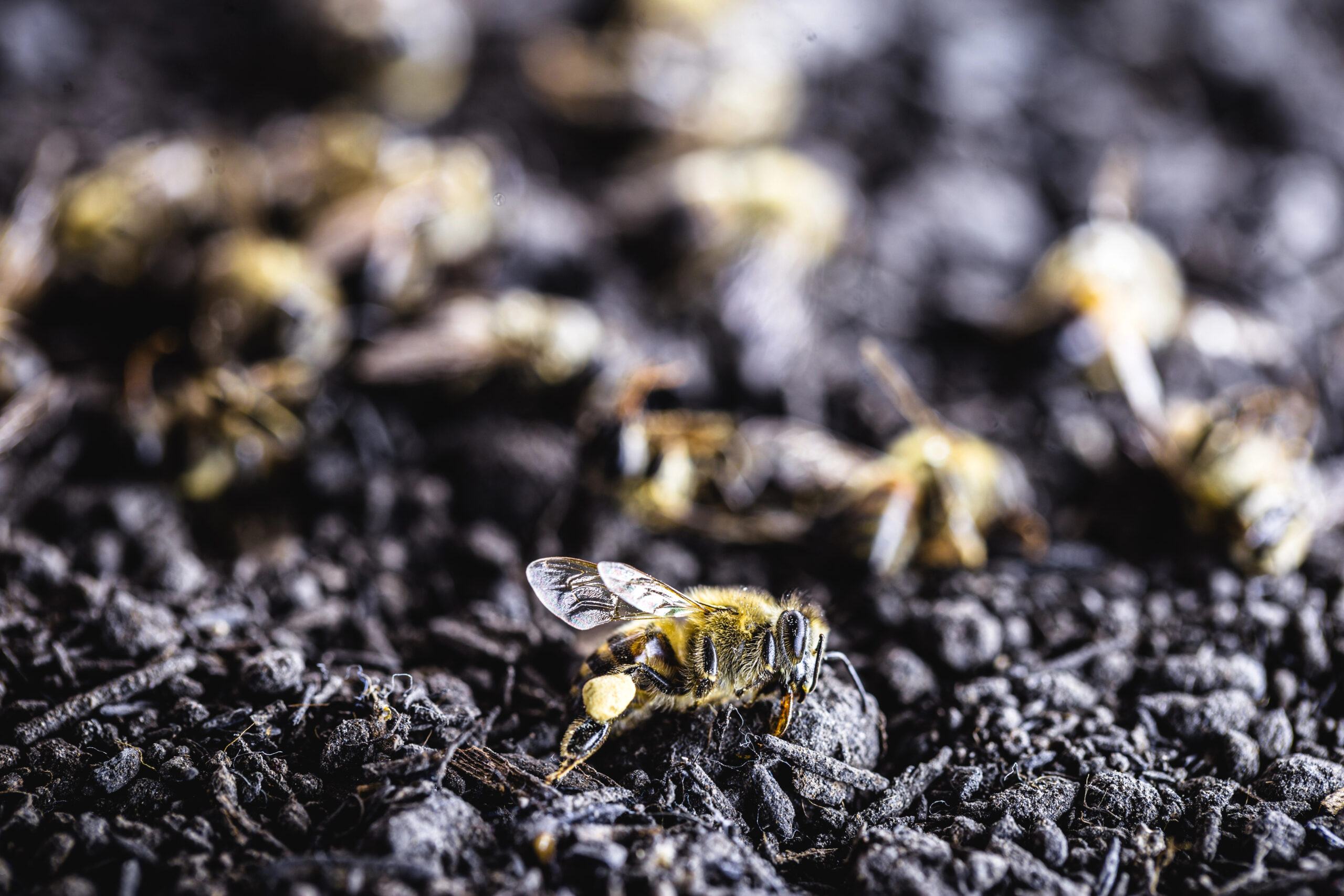
The most unsettling aspect of documenting mass animal deaths might be how quickly the news cycle moves on. These events generate intense photographic interest for days or weeks, then fade from public attention while scientists spend years trying to understand what happened.
The images remain in archives, waiting to be rediscovered when the next mysterious die-off occurs and people search for precedent, for pattern, for some way to make sense of nature’s occasional cruelty. Some questions get answered eventually. Others just accumulate more photographs.
More from Go2Tutors!

- The Romanov Crown Jewels and Their Tragic Fate
- 13 Historical Mysteries That Science Still Can’t Solve
- Famous Hoaxes That Fooled the World for Years
- 15 Child Stars with Tragic Adult Lives
- 16 Famous Jewelry Pieces in History
Like Go2Tutors’s content? Follow us on MSN.