90s Toys Recalled for Being Dangerous
The 1990s gave kids some of the most memorable toys ever made, from action figures to electronic gadgets. But not every toy that hit store shelves deserved to be there.
Some turned out to be seriously dangerous, causing injuries that sent children to emergency rooms across the country. Toy companies ended up pulling these products after parents and safety groups raised alarms.
Here are the toys from the 90s that seemed fun until someone got hurt.
Sky Dancers

These fairy dolls launched into the air when kids pulled a string, spinning their foam wings as they flew around the room. The problem was that nobody could predict where they would go once airborne.
Sky Dancers smacked kids in the face, causing eye injuries, broken teeth, and cuts that needed stitches. The foam wings were surprisingly hard and the dolls traveled fast enough to do real damage.
Galoob eventually recalled 8.9 million Sky Dancers in 2000 after receiving reports of 170 injuries, including cases of temporary blindness and concussions.
Aqua Dots

These colorful beads allowed kids to create designs by arranging them on templates and spraying them with water to make them stick together. Sounds harmless enough until you learn what happened when toddlers swallowed them.
The beads contained a chemical that converted to GHB, the date-rape drug, when digested. Several children fell into comas after eating the beads, which had a slightly sweet taste that made them tempting to put in mouths.
The 2007 recall happened swiftly once doctors figured out why kids were losing consciousness.
Cabbage Patch Snacktime Kids

This doll came with a mechanical mouth that chewed plastic food when kids pressed a button on its back. The motorized jaws had no off switch and kept chomping until they ran out of power.
Girls got their hair and fingers caught in the mechanism, leading to painful injuries and destroyed hair that needed to be cut off. The doll couldn’t tell the difference between plastic carrots and real fingers.
Mattel recalled the entire product line in 1997 after dozens of injury reports flooded in.
Moon Shoes

These mini-trampolines for your feet promised to let kids bounce like astronauts on the moon. The plastic and metal contraptions strapped onto regular shoes with elastic bands.
Kids broke ankles, sprained knees, and suffered serious falls when the shoes came loose or when they lost their balance mid-bounce. The shoes offered almost no ankle support while encouraging kids to jump as high as possible.
Nickelodeon eventually stopped selling them after injury reports kept piling up throughout the late 90s.
Easy-Bake Oven
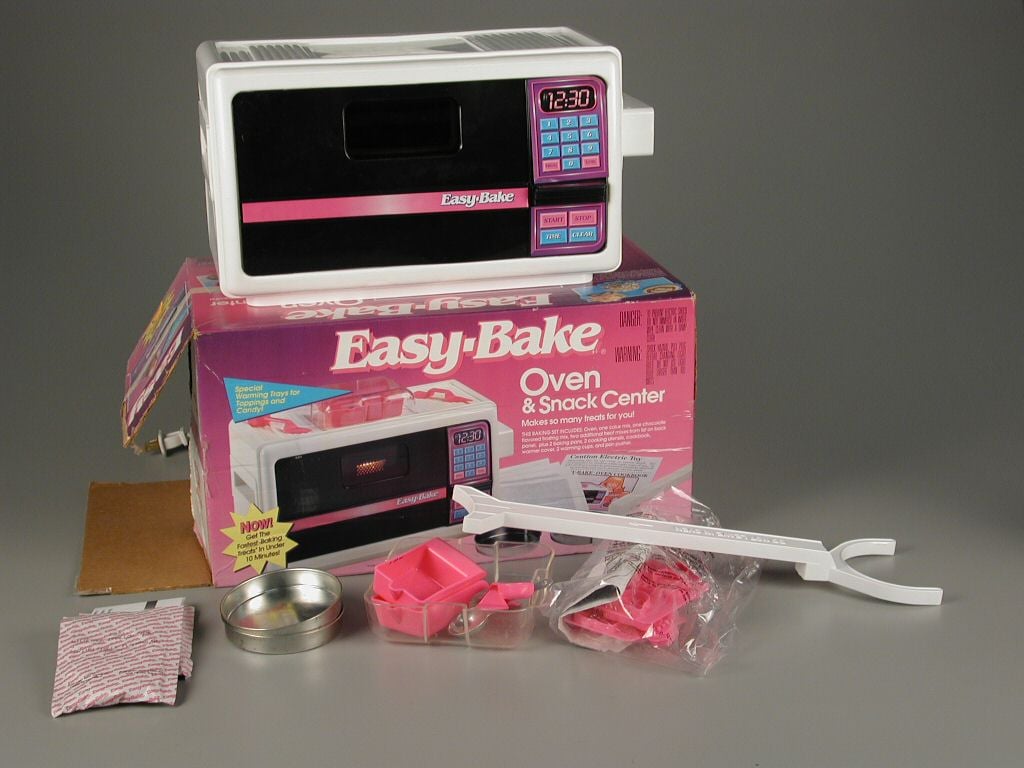
The classic toy that let kids bake tiny cakes with a light bulb seemed innocent until the 2007 model came out. The newer design had a front-loading door that trapped children’s fingers inside while the heating element was still hot.
Kids suffered second and third-degree burns, with some cases requiring partial finger amputations. Hasbro received 249 reports of burns, including 77 cases of second or third-degree injuries.
The company recalled nearly one million ovens and offered consumers a retrofit kit to fix the dangerous door design.
Slap bracelets
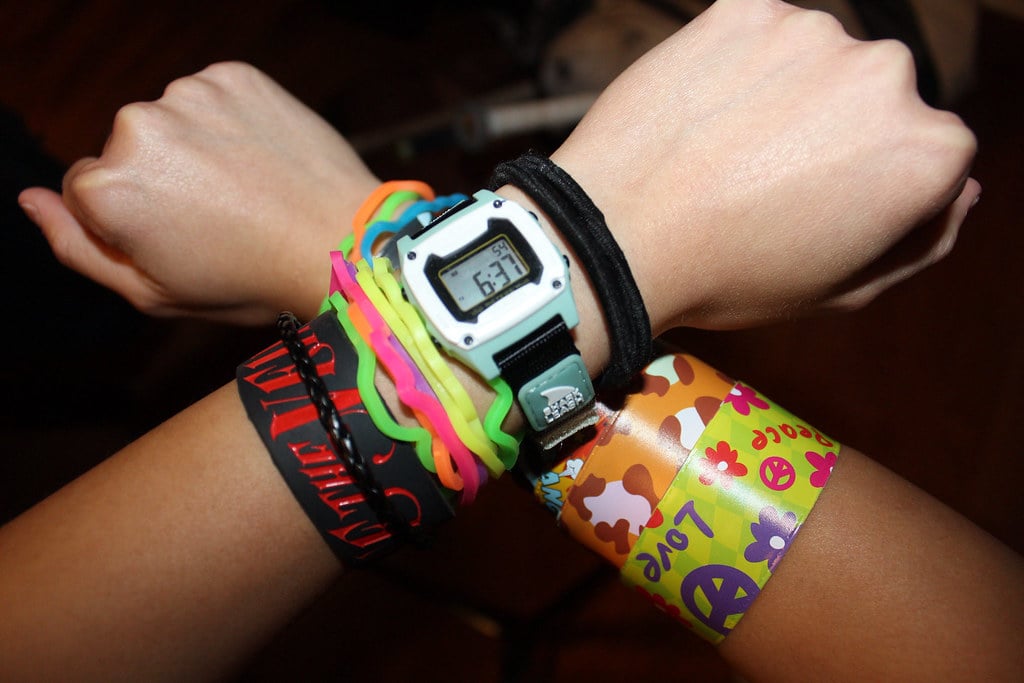
These strips of fabric-covered metal would curl around wrists when slapped against the skin. The sharp metal edges would poke through the fabric after repeated use, slicing kids’ wrists open.
Schools banned them almost immediately once reports of cuts started coming in. The fabric covering was supposed to protect kids from the metal, but the stitching came undone easily with regular wear.
Cheap knockoff versions were particularly dangerous because they used thinner metal that created sharper edges when exposed.
Atomic Energy Lab
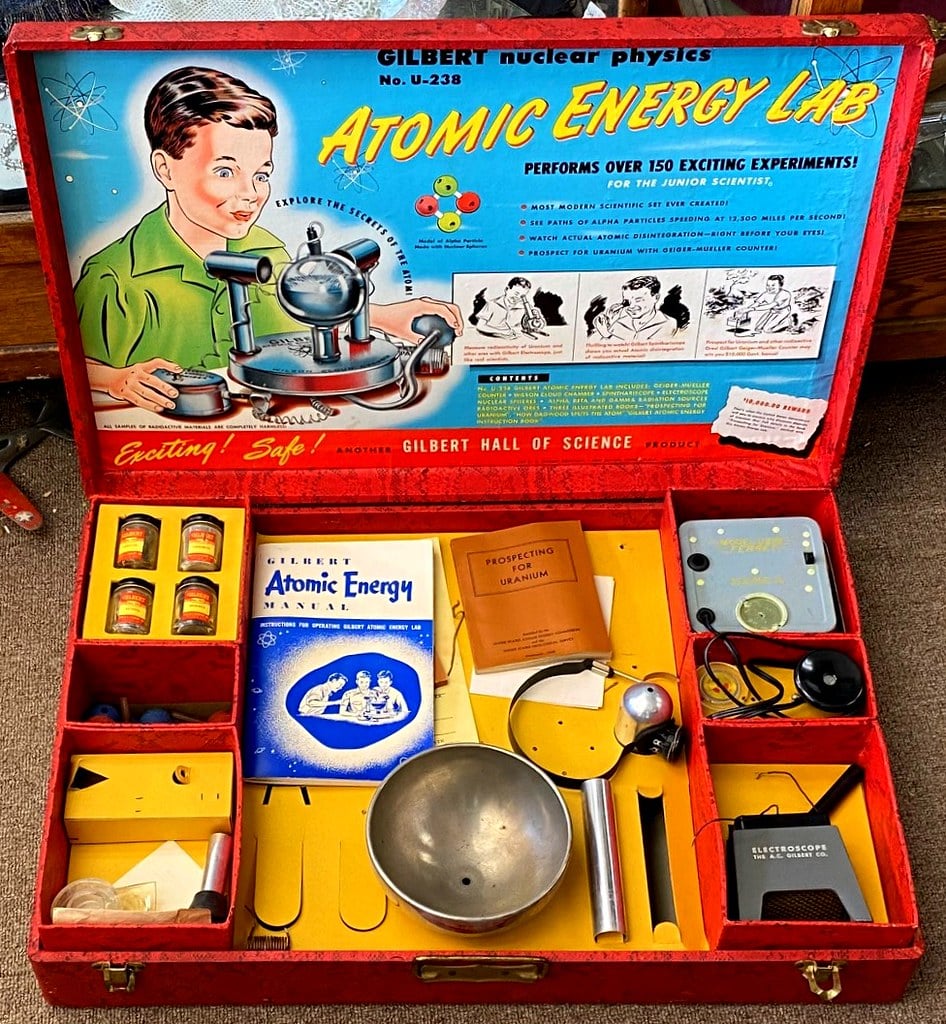
Gilbert U-238 Atomic Energy Lab from the early 50s was reissued as a collectible in the 90s. This kit contained actual radioactive materials including uranium ore samples that kids could handle directly.
The Geiger counter included in the set would click away as it detected the radiation children were being exposed to during play. Parents who understood the dangers kept these far away from their kids.
Modern safety standards would never allow radioactive materials in a children’s toy, yet these kits were briefly available again before getting pulled.
Magnetix
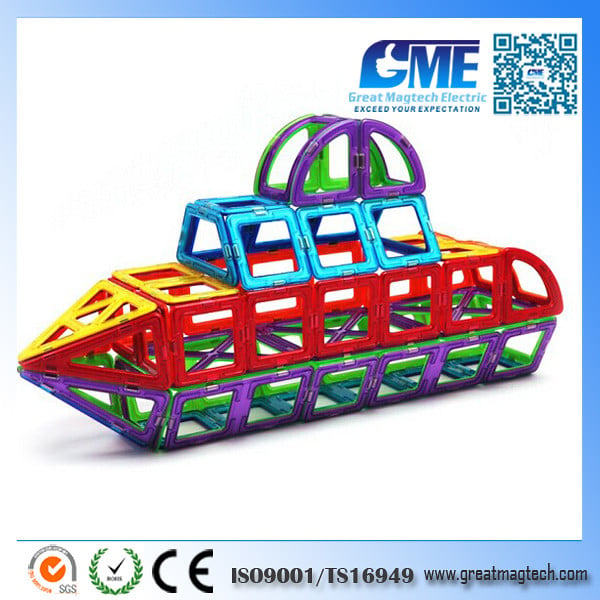
These magnetic building sets used small, powerful rare-earth magnets that could be swallowed if the toys broke apart. When kids swallowed multiple magnets, they would attract each other through the intestinal walls, causing tears and blockages that required emergency surgery.
The company received reports of over 3,500 incidents before finally issuing a recall. One child died and dozens needed operations to remove the magnets.
The magnetic pull was strong enough to cause serious internal damage within hours of ingestion.
Lawn Darts
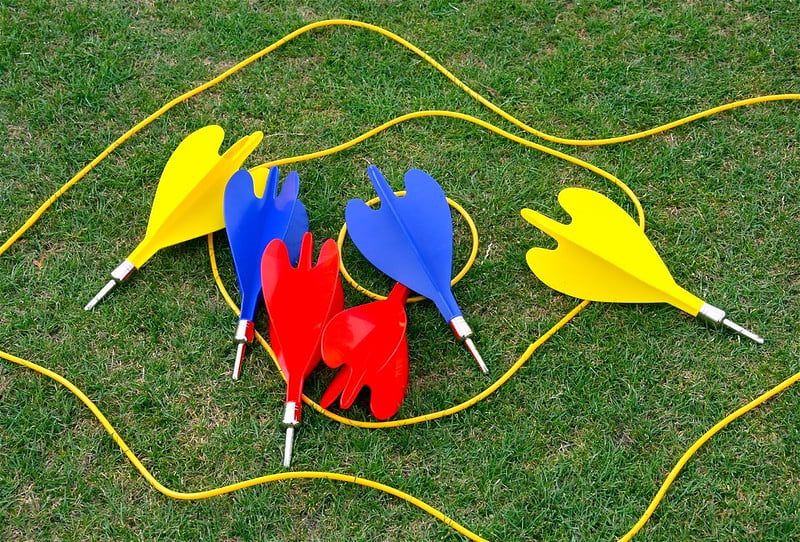
Though banned in 1988, these weighted projectiles still showed up at yard sales and in garages throughout the 90s. Kids threw the heavy, pointed darts high into the air where they would come down with enough force to pierce skulls.
Three children died and thousands suffered puncture wounds before the ban went into full effect. Parents kept playing with old sets they already owned despite the recall.
The darts weighed about a pound and fell point-first with serious momentum.
Power Ranger Thunder Megazord
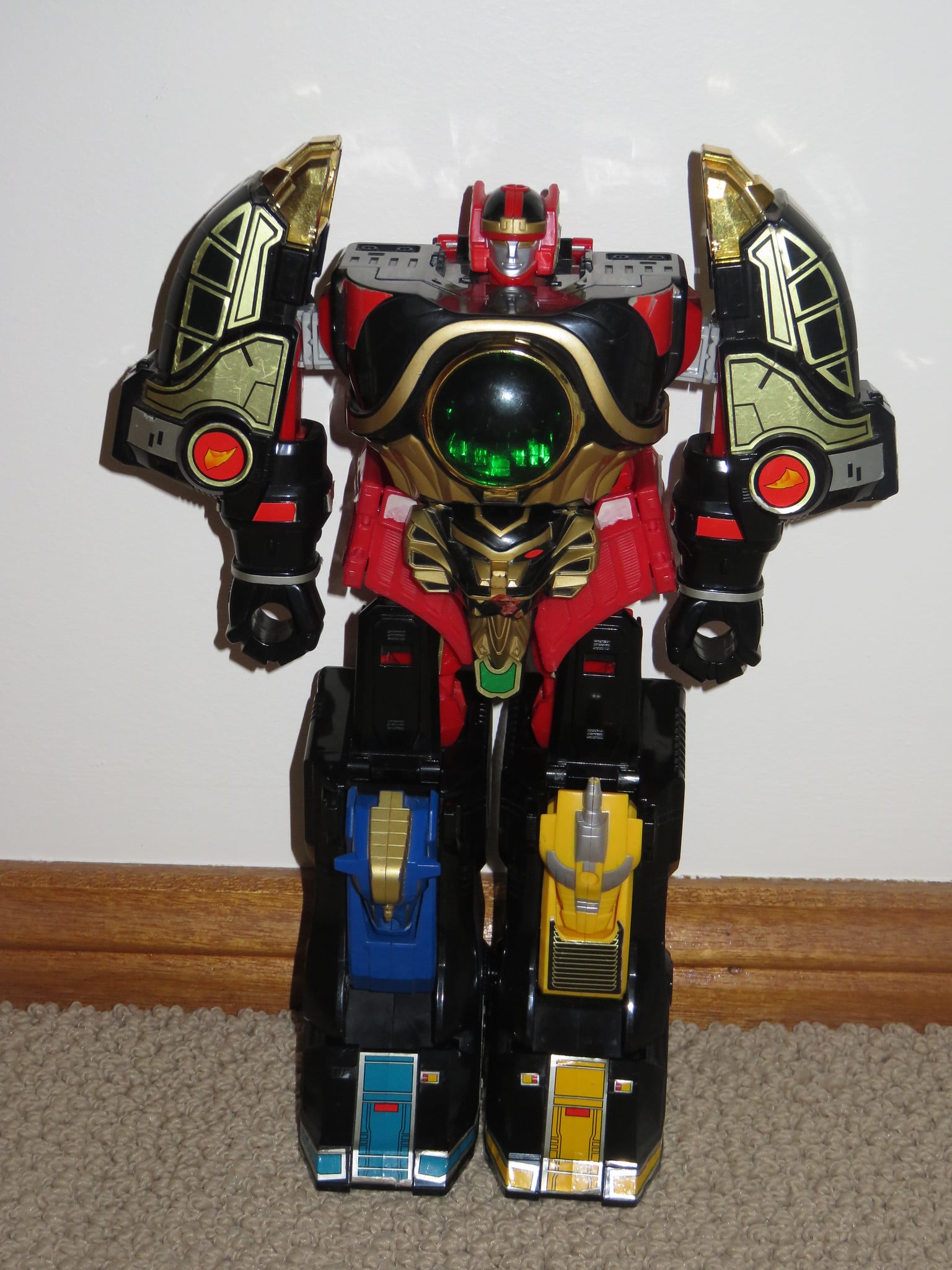
This popular action figure had removable medallions that created a serious choking hazard for younger siblings. The small metal pieces could easily detach during rough play and were just the right size to block a child’s airway.
Several children nearly choked to death before Bandai issued a recall affecting 35,000 units. The toy was marketed to kids aged 4 and up, but toddlers in the house often grabbed these toys from their older brothers and sisters.
Redesigned versions featured medallions that couldn’t be removed.
Snacktime Baby
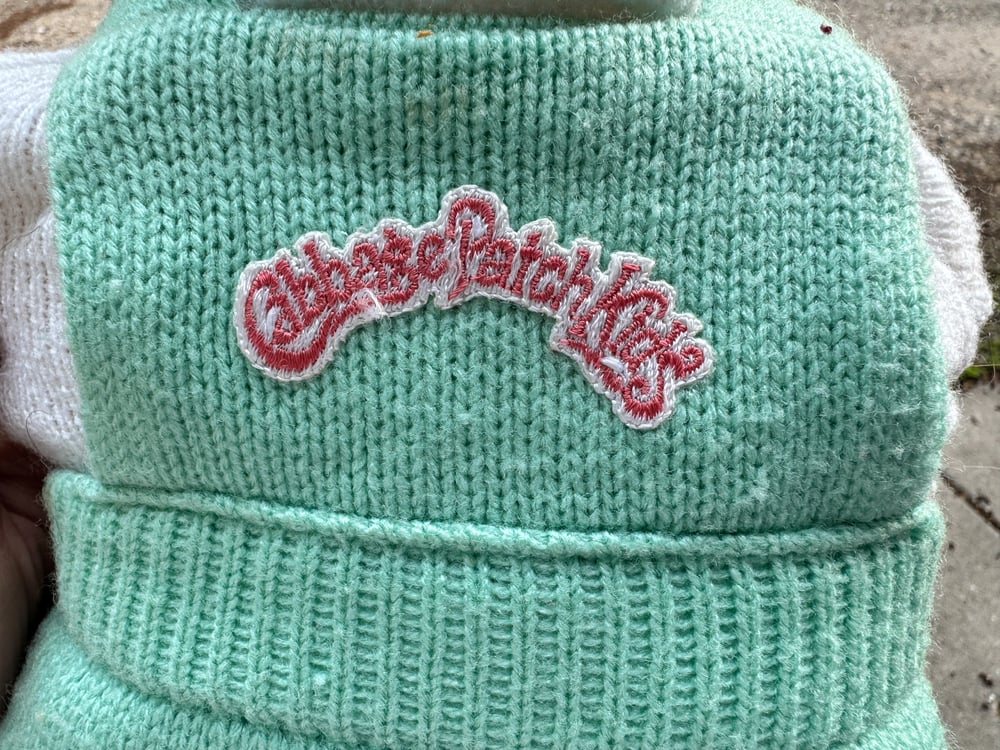
This less famous cousin of the Snacktime Cabbage Patch doll also featured a motorized mouth for feeding. The baby doll came with plastic bottles and food that it would appear to consume.
Kids tried feeding it non-food items, including their own fingers and hair, leading to the same problems as its predecessor. The chewing mechanism was powerful enough to cause real pain.
Mattel learned nothing from the earlier recall and basically made the same dangerous mistake twice.
Fisher-Price Power Wheels
A few versions of these electric toy cars burst into flames when children rode them or while charging at home. Sparks started inside the wiring, setting off fires that grew fast.
Back in the 90s, Fisher-Price pulled more than ten million Power Wheels from stores due to risks involving sparks and burns. Without warning, some toys shot forward too quickly, crashing or flipping sideways.
Recalls kept coming because problems never seemed to fully go away.
Polly Pocket
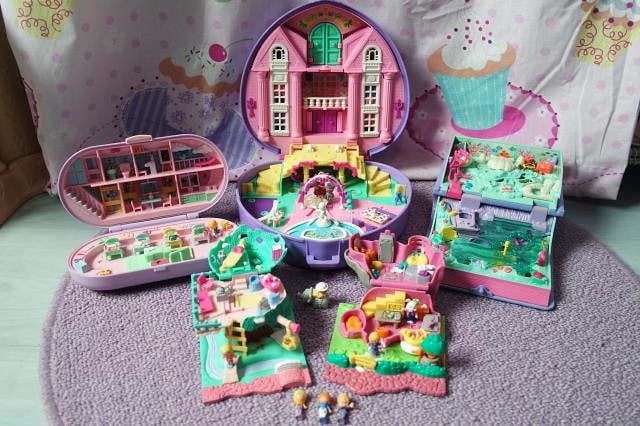
What started as cute little toys carried hidden risks. Tiny bits from those mini playsets? They slipped easily into small hands.
Young kids grabbed the magnets without understanding what they were doing. Trouble showed up fast when some swallowed the parts.
Reports poured in about hospital trips after choking scares. A big company had to pull countless units off shelves.
Inside the bellies, the magnets are sometimes linked together through tissue walls. That caused serious internal damage nobody saw coming at first.
Over time, redesigns took shape – bigger components replaced the old ones. All traces of those risky magnets disappeared completely.
That Playskool travel crib
It had small plastic bits sticking out where cords or clips might snag. When babies pulled themselves up, fabric or straps could loop around those sharp edges.
One tug and things went wrong fast. Hundreds of thousands got pulled from stores once reports tied tiny bodies to the fault.
Folks chose it for being light and easy to move – never guessing what waited underneath. By the time warnings spread, some homes were already shattered by loss.
From those risky blueprints came real understanding

Back in the 90s, repeated recalls pushed the toy sector to strengthen its safety rules. Because of past failures, firms today run deeper checks on items before they land in stores – yet risky ones sometimes still get sold.
When injury trends show up, watchdog organizations now have stronger voices calling for pullbacks. Children exposed to faulty playthings then are adults now, often checking safety scores closely before buying anything for their own kids.
Each pulled item carries a painful insight meant to shield others down the line.
More from Go2Tutors!

- The Romanov Crown Jewels and Their Tragic Fate
- 13 Historical Mysteries That Science Still Can’t Solve
- Famous Hoaxes That Fooled the World for Years
- 15 Child Stars with Tragic Adult Lives
- 16 Famous Jewelry Pieces in History
Like Go2Tutors’s content? Follow us on MSN.